
Myanmar is a land of rare and vibrant wildflowers, showcasing the country’s indigenous floral biodiversity. From the lush plains to the mountainous regions, Myanmar’s diverse landscape gives rise to a stunning array of flowers that grace its terrain throughout the year.
These wildflowers not only add a burst of vibrant colors to the scenery but also hold cultural and medicinal significance for the people of Myanmar.
Key Takeaways
- Myanmar is home to a rich and diverse floral landscape, boasting rare and vibrant wildflowers.
- The indigenous floral biodiversity of Myanmar adds a burst of vibrant colors to the country’s natural scenery.
- Wildflowers in Myanmar hold cultural and medicinal significance for the people.
- Exploring the stunning wildflowers of Myanmar is a testament to the country’s unrivaled natural beauty.
- Each month brings a new spectacle of wildflowers, making Myanmar a must-visit destination for flower enthusiasts.
January – Khwar Nyo Flower of Pyar Tho Month
In January, Myanmar welcomes the blooming of the Khwar Nyo Flower during the Pyar Tho Month. This vibrant flower adds a burst of color to the natural beauty of the country. The Khwar Nyo Flower is characterized by its dark curled purple sepal cradles and upright white petals, creating a stunning contrast. Its sweet fragrance lingers in the air, further enhancing the sensory experience of encountering this beautiful flower.
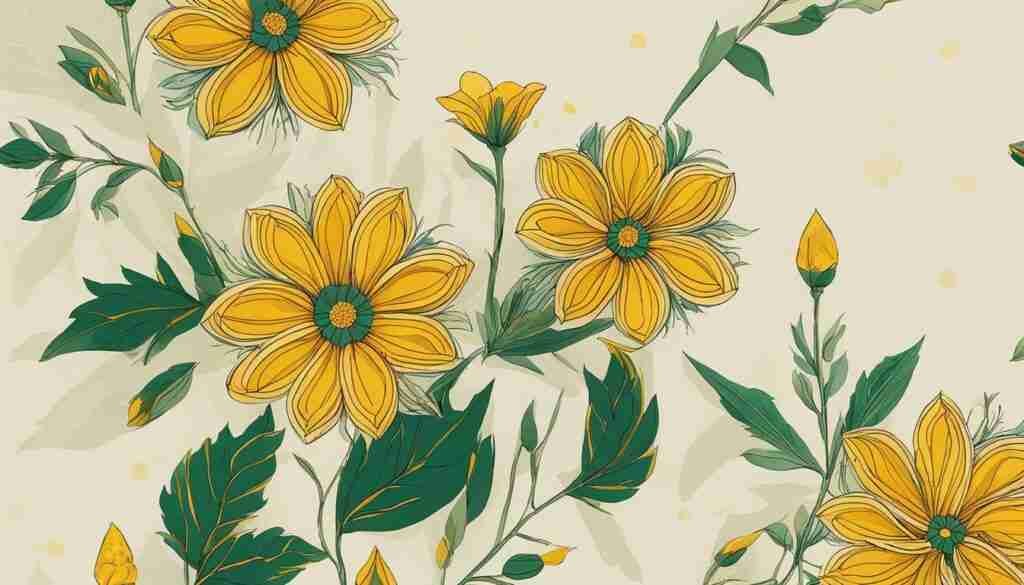
Found in destinations like Mandalay and Pyin Oo Lwin, the Khwar Nyo Flower is a sight to behold. Its presence enriches the indigenous floral biodiversity of Myanmar, showcasing the country’s commitment to preserving its natural treasures. This flower holds cultural significance and is cherished by both locals and visitors.
Floral Highlights in Myanmar
January’s Khwar Nyo Flower is just the beginning of the stunning floral treasures that Myanmar has to offer. Each month brings a unique bloom, offering a diverse tapestry of colors and fragrances.
From the vibrant Pauk Flower in February to the enchanting Za gar Flower in May, Myanmar’s wildflowers captivate with their beauty and cultural significance. Exploring these floral wonders is a journey that allows you to immerse yourself in the breathtaking natural landscapes of Myanmar.
February – Pauk Flower of Tabotwe Month
As Myanmar transitions from January to February, a new wave of color and beauty unfolds with the blooming of the Pauk Flower. This exquisite flower takes center stage during the Tabotwe Month, creating a breathtaking spectacle across the country. With its intense vermilion velvet-textured blooms and vibrant yellow dye, the Pauk Flower adds a burst of fiery red to the landscape.
The Pauk Flower can be found throughout Myanmar, particularly in the highlands of the middle region. Its striking appearance and vibrant hues make it a sought-after sight for locals and travelers alike. The flower’s intense red hue and velvety texture make it stand out among the surrounding greenery, creating a captivating contrast.
Not only is the Pauk Flower a visual delight, but it also holds cultural significance in Myanmar. The flower’s vibrant presence during the Tabotwe Month marks the transition from the dry season to the beginning of the monsoon season.
It symbolizes renewal, growth, and the promise of new life. The Pauk Flower is a testament to the rich indigenous floral biodiversity of Myanmar and offers a glimpse into the country’s natural wonders.

Myanmar Flowers in February
| Flower | Month | Color | Location |
|---|---|---|---|
| Pauk Flower | Tabotwe | Intense vermilion | Highlands of the middle region |
March – Tha Ra Phi Flower of Tabaung Month
In March, Myanmar is adorned with the exquisite beauty of the Tha Ra Phi Flower, which takes center stage during the Tabaung Month. This captivating flower can be found in the evergreen forests of the Tanintharyi Region, adding a touch of vibrancy to the natural surroundings.
The Tha Ra Phi Flower, scientifically known as Calophyllum amoenum, is characterized by its unique green leaves and delicate white blossoms. Similar to the commonly known calophyllum inophyllum, this flower holds traditional significance in Myanmar’s makeup rituals.
The pollen of the Tha Ra Phi Flower is used in the production of Thanaka, a traditional cosmetic paste that is applied to the face for its cooling and protective properties.
With its gentle allure and cultural significance, the Tha Ra Phi Flower is a testament to the indigenous floral treasures found in Myanmar. Its presence in the Tabaung Month showcases the country’s rich biodiversity and invites visitors to immerse themselves in the beauty of Myanmar’s natural landscapes.
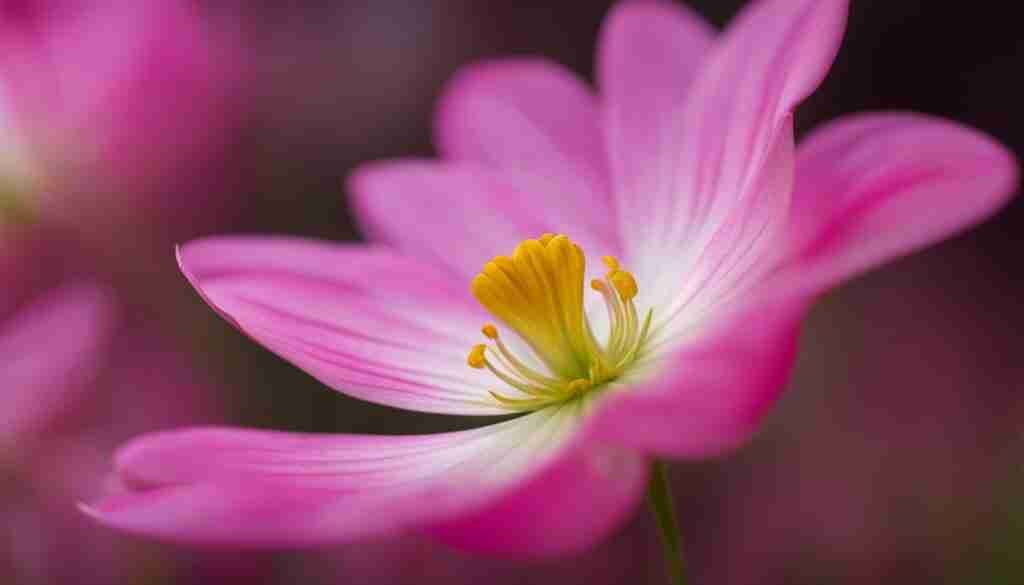
Floral Characteristics of Tha Ra Phi Flower
| Common Name | Scientific Name | Characteristics |
|---|---|---|
| Tha Ra Phi Flower | Calophyllum amoenum | Unique green leaves with delicate white blossoms |
As seen in the table above, the Tha Ra Phi Flower, also known by its scientific name Calophyllum amoenum, boasts unique green leaves and delicate white blossoms. These characteristics contribute to its aesthetic appeal and make it a standout floral gem in Myanmar.
April – Gant gaw Flower of Tagu Month
In the month of April, Myanmar is adorned with the blooming of the Gant gaw Flower during the Tagu Month. This stunning flower belongs to the Mesua Ferrea tree and adds a touch of elegance to the natural beauty of the country. The Gant gaw Flower is characterized by delicate leaves and large, white blossoms that create a breathtaking sight.
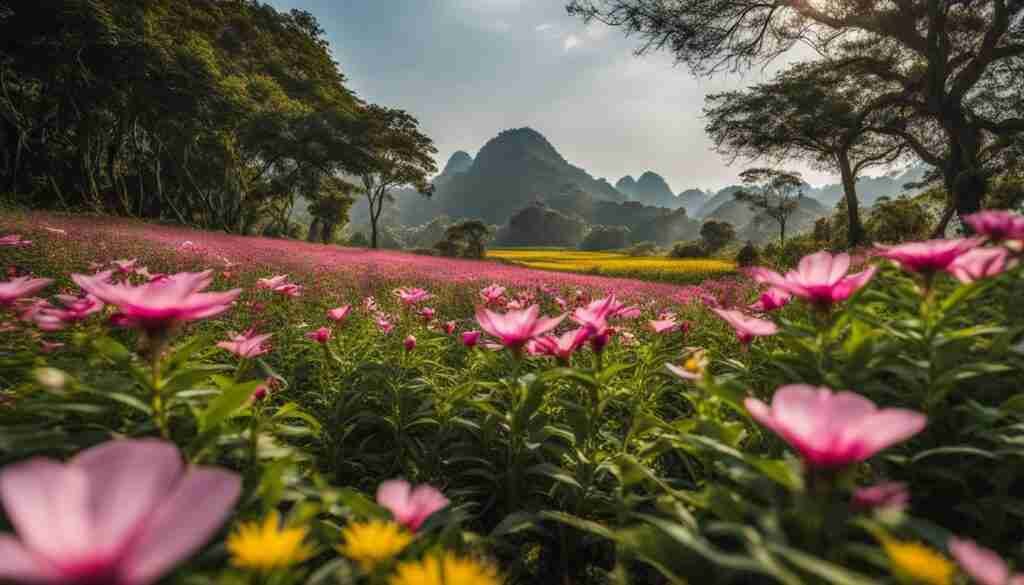
The Mesua Ferrea tree holds great significance in Theravada Buddhism and is often used in the production of Thanakha, a traditional Myanmar sunscreen. Its association with spirituality and natural remedies makes the Gant gaw Flower even more special to the people of Myanmar.
| Month | Flower | Scientific Name |
|---|---|---|
| April | Gant gaw Flower | Mesua Ferrea |
As visitors explore Myanmar during the Tagu Month, they will be captivated by the beauty of the Gant gaw Flower. Its white petals standing out against the lush greenery create an enchanting visual spectacle that truly showcases the country’s natural charm.
May – Za gar Flower of Kasone Month
As the month of May arrives in Myanmar, the enchanting Za gar Flower takes center stage during the Kasone Month.
This delicate and fragrant flower is truly a sight to behold, captivating locals and visitors alike with its heavenly scent and vibrant blooms. Myanmar is home to four types of Za gar trees, predominantly found in the middle region of the country.
The Za gar Flower, scientifically known as Michelia Champaca, is highly valued not only for its timber but also for the extraction of its heavenly scent.
The flowers are carefully harvested and used in various applications, including perfume making. The fragrance of the Za gar Flower is often described as intoxicating, providing a sensory experience that is truly unforgettable.
| Key Features of the Za gar Flower | Months | Location |
|---|---|---|
| Extremely fragrant flowers | May | Middle part of Myanmar |
| Valued for its timber | May | Middle part of Myanmar |
During your visit to Myanmar in May, be sure to immerse yourself in the beauty and aroma of the Za gar Flower. Take a stroll through the middle region of the country, where these magnificent trees can be found.
Engage your senses as you breathe in the enchanting fragrance and marvel at the delicate, yet vibrant, petals. The Za gar Flower is a true gem of Myanmar’s floral biodiversity and a testament to the country’s natural beauty.
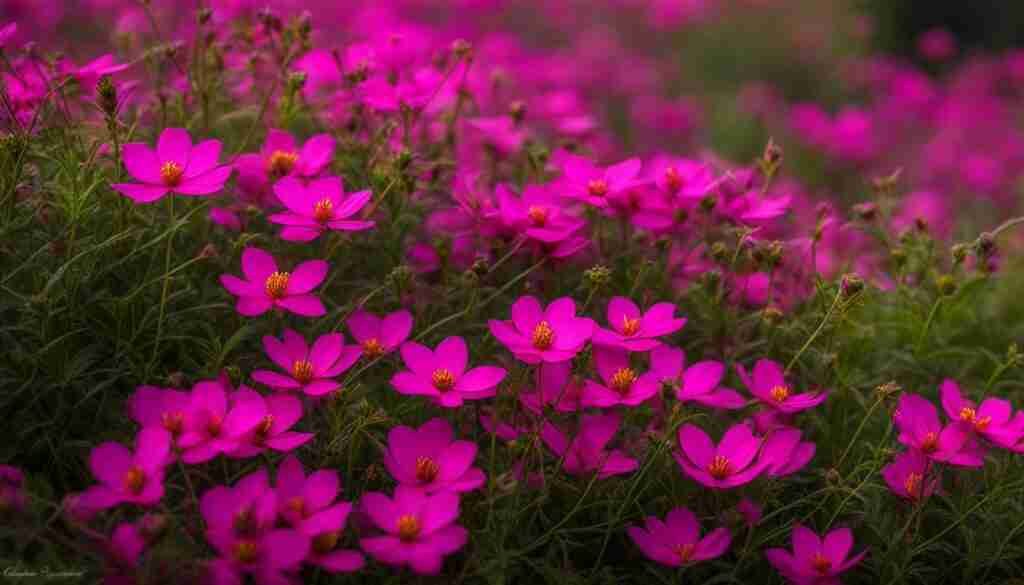
Immerse yourself in the unique scent and beauty of the Za gar Flower, an emblem of Myanmar’s floral wonders.
Plan your visit to coincide with the Kasone Month and witness the lush landscapes adorned with vibrant blooms. Whether you are a nature enthusiast, a lover of fragrant flowers, or simply seeking to explore Myanmar’s rich biodiversity, the Za gar Flower is a must-see attraction that will leave you in awe.
June – Za bai Flower/Jasmine of Nayone Month
In June, Myanmar is adorned with the enchanting blooms of the Za bai Flower, also known as Jasmine, during the Nayone Month. This delicate flower, with its star-like white form, exudes purity and beauty, making it a symbol of love and romance. The Za bai Flower holds great significance in religious ceremonies and cultural traditions, captivating all who encounter its captivating fragrance and elegant petals.
Myanmar’s Nayone Month brings forth a breathtaking display of these Jasmine flowers, adorning the landscapes with their charm and elegance. These beautiful blossoms can be found in various regions of Myanmar, adding a touch of serenity to the natural surroundings.
Whether used in religious rituals or simply admired for their aesthetic appeal, the Za bai Flower holds a special place in the hearts of the Myanmar people. Its timeless beauty and delicate fragrance make it a true gem in Myanmar’s rich floral heritage.
Za bai Flower (Jasmine) – Key Details
| Common Name | Scientific Name | Month |
|---|---|---|
| Za bai Flower (Jasmine) | Jasminum Arbores | Nayone Month (June) |
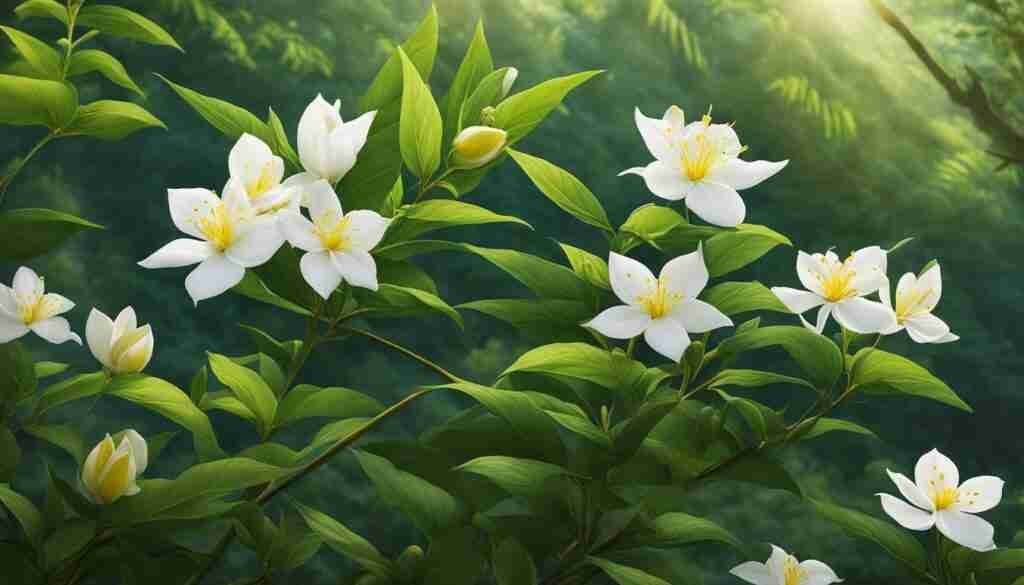
As shown in the table above, the Za bai Flower, scientifically known as Jasminum Arbores, blooms during the Nayone Month, which falls in June. This exquisite flower with its star-like white form represents happiness and is cherished for its purity and beauty.
July – Myat Lay Flower and Pone Nyat Flower of Waso Month
July is a month filled with the enchanting beauty of two exquisite flowers in Myanmar: the Myat Lay Flower and the Pone Nyat Flower. These blooms add vibrant colors and delightful fragrances to the natural landscapes, captivating locals and visitors alike.
Myat Lay Flower (Jasminum Grandiflorum)
The Myat Lay Flower, also known as Spanish Jasmine or Royal Jasmine, is a stunning blossom that holds special meaning in Myanmar. With its elegant white petals and intoxicating fragrance, it symbolizes courage and is often used in traditional herbal medicine.
The Myat Lay Flower, with its graceful appearance, thrives in various regions of Myanmar during the Waso Month. Its presence adds a touch of beauty and serenity to the surroundings, creating a truly enchanting experience.
Pone Nyat Flower (Calophyllum Inophyllum)
The Pone Nyat Flower is another captivating bloom that graces Myanmar in July. This beautiful plant is known for its decorative leaves and fragrant blossoms.
The Pone Nyat Flower, with its vibrant colors and delightful aroma, adds a touch of elegance to the natural landscapes of Myanmar during the Waso Month. Its exquisite beauty is a sight to behold and leaves a lasting impression on all who encounter it.
Indulge in the enchantment of the Myat Lay Flower and the Pone Nyat Flower during your visit to Myanmar in July. Immerse yourself in the captivating beauty and delightful fragrances that these blooms offer, creating cherished memories that will last a lifetime.
August to December – Khat Ta Flower, Yin Mar Flower, Kyar Flower, Kha wei Flower, Thazin Flower
As the year progresses into the months of August to December, Myanmar’s floral landscape continues to enchant with a diverse array of captivating blooms. During this period, nature showcases the beauty of flowers such as the Khat Ta Flower, Yin Mar Flower, Kyar Flower, Kha wei Flower, and Thazin Flower.
The Khat Ta Flower, also known as Crinum Amoenum, blooms during the Wakhungu Month, filling the air with its strong fragrance. This eye-catching flower boasts large, trumpet-shaped petals that range in color from pink to red. Its vibrant hues make it a stunning addition to Myanmar’s natural beauty.
The Yin Mar Flower, also known as Chukrasia Tabularis, thrives in the upper part of Myanmar and is usually found in abundance during September. This tree’s timber is highly valued, and it is also known for its medicinal properties. Its lush green foliage and beautiful blossoms make it a botanical delight.
The Kyar Flower, also known as Nelumbium Speciosum or Lotus, holds deep cultural and symbolic significance to the people of Myanmar. Representing purity and resilience, the Kyar Flower thrives in water bodies throughout the country. Its elegant petals and serene presence add charm to Myanmar’s landscape.
The Kha wei Flower, also known as Luffa acutangula, is a pale yellow flower that blooms during this period. This versatile plant is not only used for culinary purposes but also for its cosmetic properties. The Kha wei Flower’s unique appearance and multiple uses make it an interesting addition to Myanmar’s floral diversity.
The Thazin Flower, also known as Bulbothyllum, blossoms during the Nataw Month and symbolizes love and hope. Its exquisite beauty is characterized by delicate petals and vibrant colors. The Thazin Flower’s enchanting allure adds an element of romanticism to Myanmar’s natural surroundings.
| Flower Name | Scientific Name | Month of Bloom | Attributes |
|---|---|---|---|
| Khat Ta Flower | Crinum Amoenum | Wakhungu Month (August) | Strong fragrance, large trumpet-shaped petals in pink to red hues |
| Yin Mar Flower | Chukrasia Tabularis | September | Valued timber, medicinal properties, lush green foliage, beautiful blossoms |
| Kyar Flower | Nelumbium Speciosum | August to December | Cultural and symbolic significance, represents purity and resilience, elegant petals |
| Kha wei Flower | Luffa acutangula | August to December | Pale yellow flower, culinary and cosmetic uses |
| Thazin Flower | Bulbothyllum | Nataw Month (December) | Symbolizes love and hope, delicate petals, vibrant colors |
Conclusion
Myanmar’s wildflowers paint a vibrant tapestry across the country, offering breathtaking floral landscapes that enchant visitors. From the mystical Khwar Nyo Flower to the fragrant Za gar Flower, each month reveals a new burst of color and beauty.
These indigenous wildflowers are more than just a visual display; they hold deep cultural significance for the people of Myanmar.
Immersing yourself in the stunning landscapes of Myanmar allows you to witness the harmonious relationship between nature and culture. The vibrant blooms are not merely aesthetic wonders but also symbols of spirituality, love, and hope. The cultivation and appreciation of these wildflowers have been woven into the fabric of Myanmar’s heritage.
As you explore the diverse floral bounty of Myanmar, you’ll discover the timeless traditions and rich history that surround these wildflowers. The lush landscapes and indigenous flowers celebrate the nation’s natural beauty and provide a glimpse into the unique cultural tapestry that defines Myanmar.
Whether you’re drawn to the rare beauty of the Myanmar Wildflowers or intrigued by their cultural significance, one thing is certain – these vibrant floral landscapes are a testament to the allure of Myanmar’s natural treasures.
FAQ
Are these wildflowers only found in Myanmar?
Yes, these wildflowers are indigenous to Myanmar and can be found in various regions throughout the country.
Do these wildflowers have any cultural significance in Myanmar?
Yes, these wildflowers hold cultural significance in Myanmar. They are used in religious ceremonies, traditional makeup rituals, and even herbal medicine.
Can visitors see these wildflowers in bloom?
Yes, visitors can witness the blooming of these wildflowers by visiting Myanmar during the specific months mentioned in the article.
Are there any guided tours or specific destinations for flower enthusiasts?
Yes, there are guided tours available that cater to flower enthusiasts. Popular destinations for witnessing the blooming of wildflowers include Mandalay, Pyin Oo Lwin, and the Tanintharyi Region.
Are these wildflowers protected or endangered?
While some wildflowers may be protected or have conservation efforts in place, it’s important to respect the natural environment and not disturb or uproot any wildflowers during your visit.
Are there any other notable flowers or plants in Myanmar?
Yes, Myanmar is home to a diverse range of floral species. Aside from the wildflowers mentioned in the article, there are also other beautiful flowers and plants like orchids, magnolias, and teak trees.
Can I purchase or bring back seeds or plants of these wildflowers?
It is advised to consult with local regulations and customs before attempting to purchase or bring back seeds or plants of these wildflowers. Some species may be protected or require specific permits for transportation.