
Switzerland is renowned for its breathtaking landscapes, and its wildflowers contribute to the country’s natural splendor. Nestled in the majestic Swiss Alps, Switzerland’s wildflowers bloom from mid-June to early September, creating a vibrant tapestry of colors that captivate hikers and nature enthusiasts.
In this guide, we will take you on a journey through Switzerland‘s wildflower trails, highlighting the unique alpine flower species that grace the country’s stunning landscapes.
Key Takeaways:
- Switzerland‘s wildflowers bloom from mid-June to early September in the picturesque Swiss Alps.
- Wildflower trails in Switzerland offer an immersive experience for nature lovers and provide opportunities for wildflower identification.
- The best time for wildflower photography in Switzerland is from late May to early July, when the hillsides and meadows are ablaze with colors.
- Botanical gardens in Switzerland showcase the diversity of alpine flora and offer educational insights into the unique ecosystems of the Alps.
- Timing is key when planning to see wildflowers in Switzerland, as bloom times can vary depending on the region and altitude.
Wildflower Trails in Switzerland: A Journey Through Natural Beauty
Switzerland is a paradise for wildflower enthusiasts, offering a multitude of trails that showcase the country’s diverse floral treasures. Whether you’re an avid hiker or simply a nature lover, exploring these wildflower trails is a captivating way to immerse yourself in Switzerland’s natural beauty.
One such trail is the Stoos Panorama Trail near Lucerne. This scenic hike takes you through breathtaking landscapes adorned with a vibrant array of wildflowers. From the delicate Alpine Snowbell to the radiant Swiss Crocus, the trail is a botanical wonderland. Educational signboards along the way provide valuable insights into the different wildflower species that call these mountains home.
Stoos Panorama Trail Highlights
- Stunning panoramic views of the Swiss Alps
- A wide variety of wildflower species to discover
- Easy access for hikers of all skill levels
- Educational signboards that enhance the experience
- Opportunities for photography enthusiasts
Another noteworthy trail is the Chäserrugg Flower Trail in Eastern Switzerland. Set against the backdrop of the picturesque Walensee lake, this trail is a feast for the senses.
As you meander through the alpine landscape, you’ll encounter an abundance of wildflowers, including the enchanting Gentian and the elegant Wood Crane’s Bill. The trail offers breathtaking views and is a perfect choice for nature lovers seeking an immersive wildflower experience.
Chäserrugg Flower Trail Highlights
- Spectacular views of the Walensee lake
- Diverse alpine flower species to discover
- Opportunities for birdwatching
- Easy-to-follow trail with well-marked signposts
- An ideal location for capturing stunning photographs
These are just a couple of examples of the many wildflower trails that await you in Switzerland. Each trail has its own unique charm and showcases a different range of floral species. So, lace up your hiking boots, grab a camera, and embark on a memorable journey through Switzerland’s breathtaking natural landscapes.
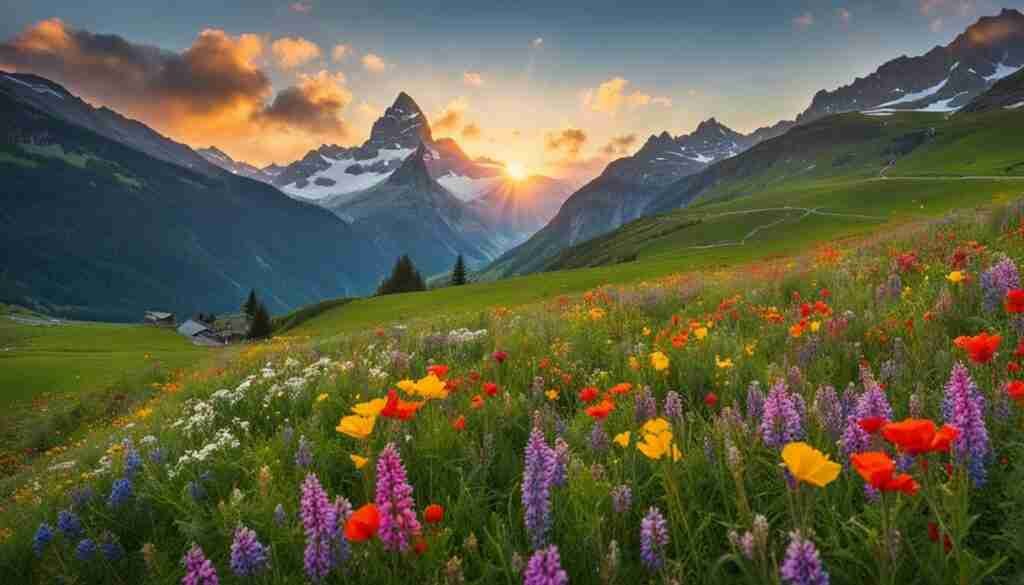
Wildflower Photography in Switzerland: Capturing the Beauty of Alpine Flora
Switzerland’s wildflowers are not only a sight to behold but also a perfect subject for photography enthusiasts. The country’s diverse alpine flora offers endless opportunities to capture stunning images of nature’s beauty. To make the most of your wildflower photography experience in Switzerland, it’s important to know the best time to see these blooms in their full glory.
Best Time to See Wildflowers in Switzerland
The optimal time to see wildflowers in Switzerland is from late May to early July. During this period, the hillsides and meadows are adorned with a vibrant array of colors, creating picture-perfect scenes. However, it’s important to note that the exact blooming time can vary depending on the region and altitude.
To ensure you don’t miss the peak bloom, it’s recommended to check local sources or consult with experienced hikers who are familiar with the specific wildflower trails in Switzerland. They can provide valuable insights and up-to-date information on the best timing to witness the most abundant and diverse displays of wildflowers.
Capturing the Beauty
When photographing wildflowers in Switzerland, it’s essential to pay attention to composition, lighting, and focus. Here are a few tips to help you capture the beauty of alpine flora:
- Choose the right time of day: Early morning or late afternoon light can add a soft, warm glow to your photos.
- Experiment with different angles: Get down low or try shooting from different perspectives to create unique and interesting compositions.
- Focus on the details: Zoom in on individual flowers or capture the intricate patterns and textures of petals and leaves.
Remember to respect the natural environment and refrain from picking or trampling the wildflowers. Leave them undisturbed for others to enjoy and capture their beauty.
Table: Best Time to See Wildflowers in Switzerland
| Region | Best Time to See Wildflowers |
|---|---|
| Bernese Oberland & Jungfrau Region | Mid-June to Early July |
| Eastern Switzerland | Late June to Early July |
| Zermatt & Valais Region | Late June to Early July |
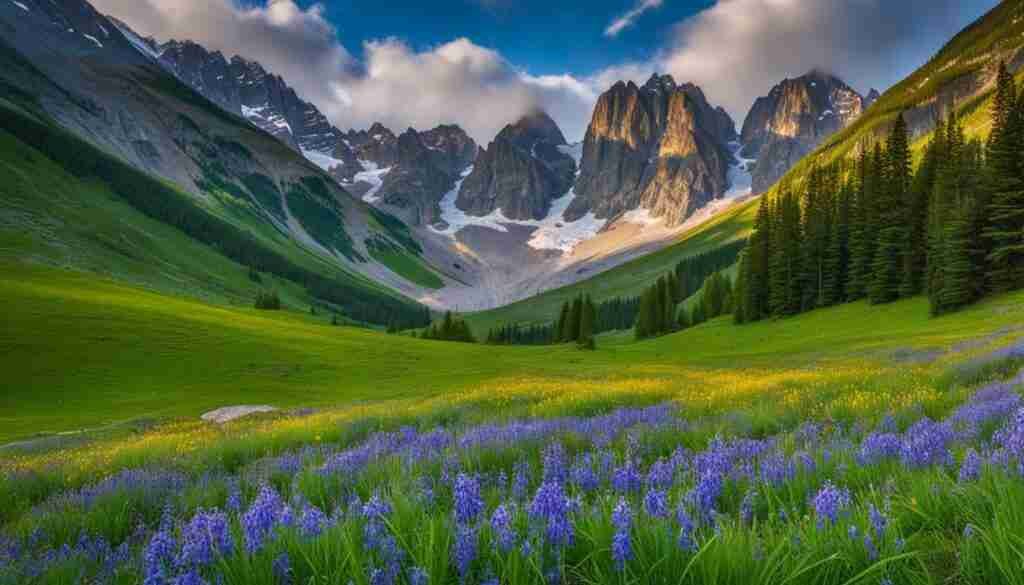
Exploring Swiss Botanical Gardens: A Feast for the Senses
In addition to the wildflowers found in the natural landscapes of Switzerland, the country is also home to several botanical gardens that showcase the diversity of alpine flora. These gardens not only offer a chance to see rare and exotic plants but also provide educational insights into the unique ecosystems of the Alps.
One such garden is the Alpine Flower Garden at Schynige Platte. Situated near Interlaken, this botanical garden boasts a stunning collection of alpine flowers, carefully cultivated to mimic their natural habitats. As you stroll through the garden, you’ll be surrounded by a kaleidoscope of colors, with over 600 different species of flowers to admire.
A Feast for the Senses
- Immerse yourself in the enchanting scents of various wildflowers.
- Marvel at the vibrant hues and delicate petals of Alpine flora.
- Learn about the fascinating adaptations that allow these plants to thrive in harsh mountain environments.
Another notable botanical garden is located at Château de Vullierens in the canton of Vaud. This garden is renowned for its extensive collection of rhododendrons and azaleas, which burst into a riot of colors during the blooming season. Stroll through the meticulously landscaped gardens, and you’ll discover hidden paths, tranquil ponds, and carefully curated displays of alpine flora.
A visit to these Swiss botanical gardens is a sensory delight, offering a unique opportunity to explore and appreciate the beauty of alpine flora up close. Whether you’re a nature lover, a photography enthusiast, or simply seeking a moment of tranquility, these gardens provide a perfect escape into the captivating world of Swiss wildflowers.
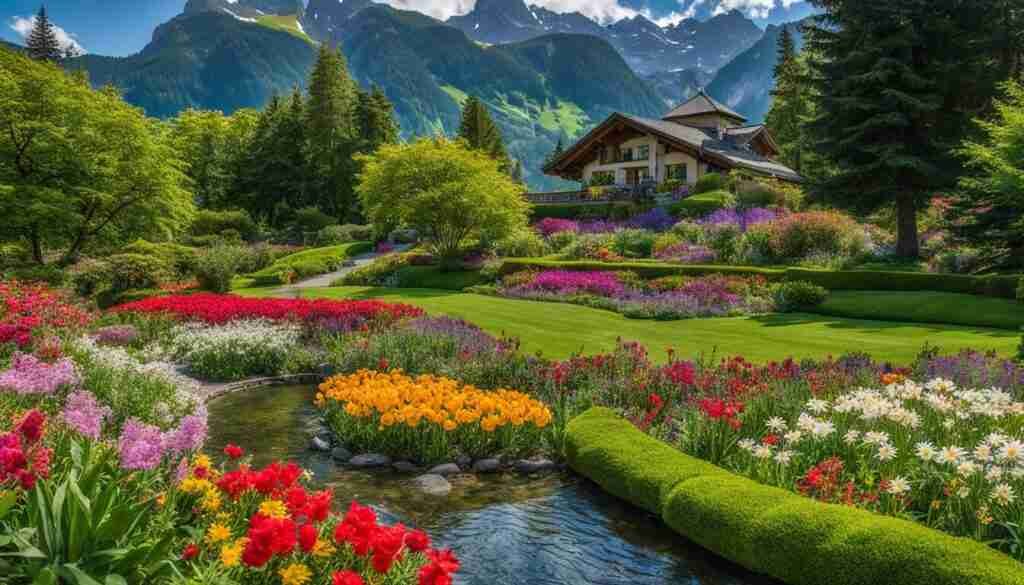
Table: Swiss Botanical Gardens
| Garden Name | Location | Specialty |
|---|---|---|
| Alpine Flower Garden at Schynige Platte | Near Interlaken | Wide collection of alpine flowers |
| Château de Vullierens | Canton of Vaud | Extensive collection of rhododendrons and azaleas |
Timing is Key: Best Time to See Wildflowers in Switzerland
The optimal time to see wildflowers in Switzerland is from mid-June to early September, when the blooms are in full splendor, transforming the Swiss countryside into a vibrant tapestry of colors. However, it’s important to note that the specific bloom times can vary depending on the region and altitude.
If you’re planning a wildflower hike in Switzerland, it’s best to check local sources or consult with experienced hikers to determine the exact timing for different trails. They can provide valuable insights and recommendations based on their knowledge of the local flora and climate.
In general, the lower altitudes and warmer regions of Switzerland experience earlier blooms, starting as early as late May.
As you ascend to higher elevations and cooler climates, the wildflower season tends to be slightly delayed. So, if you’re eager to catch the wildflowers at their peak, consider exploring lower altitude trails in the earlier months and gradually moving up to higher regions as the season progresses.
The Best Time for Wildflower Hikes in Different Regions of Switzerland
Region: Lucerne and Central Switzerland
Best Time to Visit: Mid-June to July
| Trail | Altitude Range | Main Wildflower Species |
|---|---|---|
| Stoos Panorama Trail | 1200m – 1900m | Mountain Avens, Gentians, Alpine Rose |
| Pilatus Flower Trail | 1400m – 2100m | Edelweiss, Alpine Anemone, Yellow Gentian |
Region: Valais and Zermatt
Best Time to Visit: July to August
| Trail | Altitude Range | Main Wildflower Species |
|---|---|---|
| Zermatt Flower Trail | 1600m – 2500m | Edelweiss, Gentians, Alpine Forget-Me-Not |
| Gornergrat Panorama Trail | 2800m – 3100m | Alpine Saxifrage, Glacier Crowfoot, Alpine Aster |
Remember, the best time to see wildflowers in Switzerland may vary depending on weather conditions and other factors. So be sure to check local updates and plan your visit accordingly to witness the breathtaking beauty of Alpine flora in full bloom.
Near Lucerne: Stoos Panorama Trail
The Stoos Panorama Trail is a picturesque hike near Lucerne that offers stunning views and abundant wildflowers.
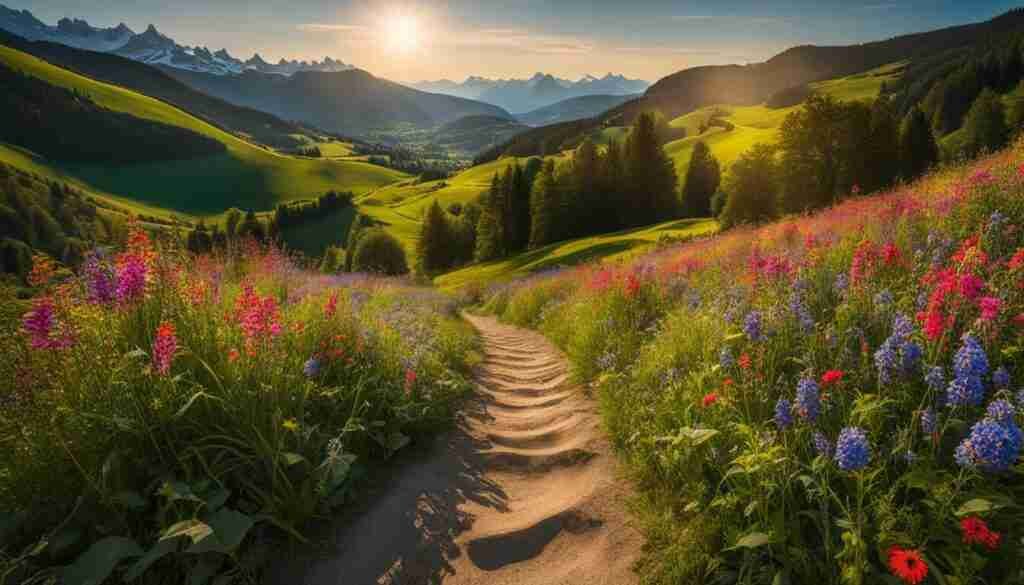
Starting in late May, the flowers along the ridge trail from Klingenstock to Fronalpstock come to life, creating a vibrant and colorful display. Whether you’re an experienced hiker or a beginner, this trail is accessible to all skill levels, making it a popular choice for nature lovers.
As you traverse the trail, you’ll be treated to sweeping panoramas of the surrounding mountains and valleys. The Stoos Panorama Trail is known for its breathtaking views, and the wildflowers only enhance the beauty of the landscape. From delicate alpine roses to vibrant gentians, the flowers add a touch of natural charm to your hiking experience.
The trail is well-marked and maintained, ensuring a pleasant and enjoyable hike. Along the way, you’ll find informative signboards that provide interesting facts about the flora and fauna of the area. Take your time to appreciate the beauty of the wildflowers and immerse yourself in the tranquility of nature.
So put on your hiking boots and head to the Stoos Panorama Trail near Lucerne. It’s the perfect opportunity to reconnect with nature, enjoy stunning views, and marvel at the beauty of Switzerland’s wildflowers.
Trail Map
| Trail Section | Distance | Elevation Gain | Estimated Time |
|---|---|---|---|
| Klingenstock to Fronalpstock | 6.7 km | 646m | 2-3 hours |
Eastern Switzerland: Chäserrugg Flower Trail
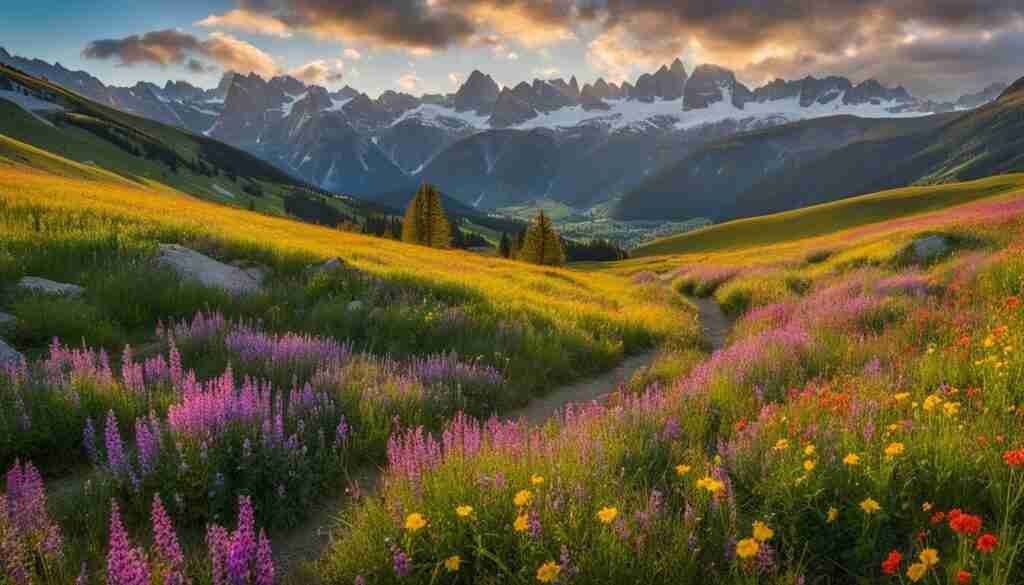
The Chäserrugg Flower Trail in Eastern Switzerland is a captivating hiking experience that showcases a diverse array of alpine flowers. Nestled against the backdrop of the majestic Walensee lake, this trail offers breathtaking views and an opportunity to immerse yourself in the beauty of nature.
Whether you are a seasoned hiker or just starting out, the Chäserrugg Flower Trail is accessible for all skill levels, making it a perfect destination for everyone.
As you traverse the trail, you will encounter a wide variety of wildflowers, including the vibrant gentians and stunning wood crane’s bill. Each step along the path reveals new bursts of color, creating a picturesque setting that is sure to leave you in awe.
The trail also features educational signboards that provide fascinating insights into the unique flora and fauna of the region, allowing you to deepen your understanding of the alpine ecosystem.
To make the most of your experience on the Chäserrugg Flower Trail, be sure to bring your camera and capture the beauty around you. From panoramic views of the lake to close-up shots of delicate blooms, there are endless opportunities to capture stunning photographs. Don’t forget to take a moment to pause and breathe in the fresh mountain air as you soak in the tranquility of this enchanting trail.
| Trail Information: | Details: |
|---|---|
| Trail Location: | Eastern Switzerland |
| Trail Difficulty: | Easy to moderate |
| Trail Length: | Approximately 3.5 miles |
| Best Time to Visit: | Mid-June to early September |
Exploring Eastern Switzerland’s Natural Beauty
Eastern Switzerland is a region known for its stunning natural beauty, and the Chäserrugg Flower Trail is a perfect example of what this area has to offer.
The trail takes you through idyllic landscapes and allows you to witness the wonders of alpine flora up close. From the vibrant colors to the delicate blooms, every step along the Chäserrugg Flower Trail is a reminder of the incredible diversity and resilience of nature.
Whether you’re a nature lover, a photography enthusiast, or simply seeking a peaceful escape, the Chäserrugg Flower Trail is a must-visit destination in Eastern Switzerland. Soak in the tranquility, marvel at the beauty, and create lasting memories as you explore this enchanting trail.
Bernese Oberland & Jungfrau Region: Mürren Allmendhubel Flower Trail
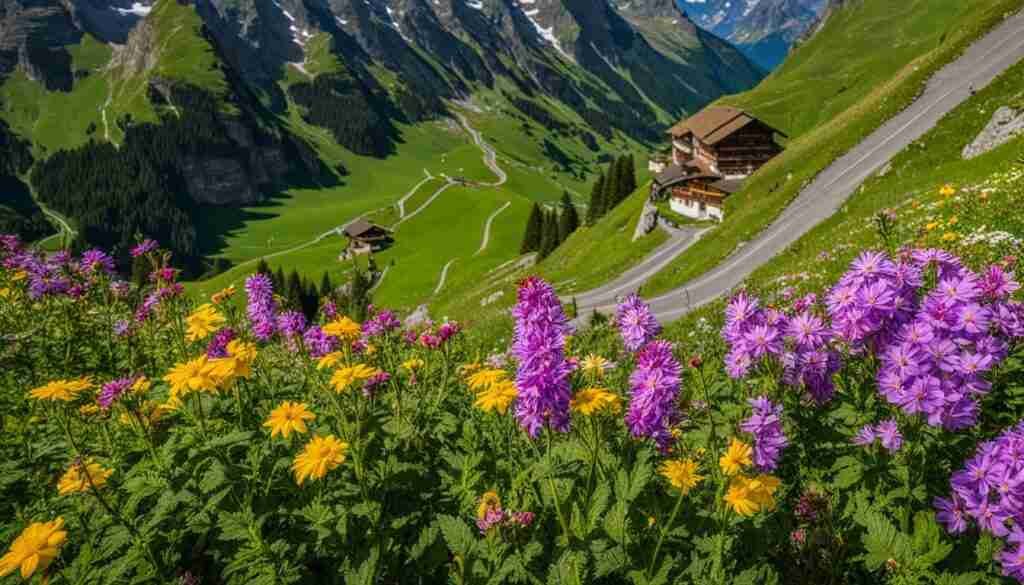
Embark on a captivating journey through the Bernese Oberland & Jungfrau Region on the Mürren Allmendhubel Flower Trail. This scenic trail transports you to a world of natural beauty, where you can immerse yourself in the vibrant colors and fragrances of the alpine flowers.
As you hike along the well-marked path, you’ll be treated to breathtaking views of the iconic Eiger, Jungfrau, and Mönch peaks, creating a truly awe-inspiring backdrop for your adventure.
The Mürren Allmendhubel Flower Trail is not only a feast for the eyes but also an opportunity to learn more about the local flora. Along the way, you’ll find educational signboards and activities that provide insights into the unique characteristics of the alpine flowers that call this region home.
From the delicate Edelweiss to the enchanting Alpine Rose, each flower has its own story to tell, adding a touch of magic to your hiking experience.
Table: Highlights of the Mürren Allmendhubel Flower Trail
| Trail Length | Elevation Gain | Difficulty Level | Duration |
|---|---|---|---|
| 4.5 kilometers | 350 meters | Easy | Approximately 2 hours |
The Mürren Allmendhubel Flower Trail is suitable for hikers of all skill levels, making it an accessible and enjoyable adventure for everyone. Whether you’re a seasoned hiker or a beginner, you’ll find yourself surrounded by the wonders of nature as you meander through the picturesque landscapes.
Take your time to appreciate the intricate details of each flower, breathe in the fresh mountain air, and let the beauty of the Bernese Oberland & Jungfrau Region envelop you.
So put on your hiking boots, pack your camera, and get ready to discover the remarkable Mürren Allmendhubel Flower Trail. With its breathtaking scenery, diverse alpine flora, and educational experiences, this trail promises to be an unforgettable highlight of your Swiss wildflower adventure.
Zermatt & Valais Region: Exploring the Zermatt Flower Trail
The Zermatt Flower Trail in the Valais region is a nature lover’s paradise, offering a remarkable opportunity to immerse yourself in the beauty of Swiss wildflowers.
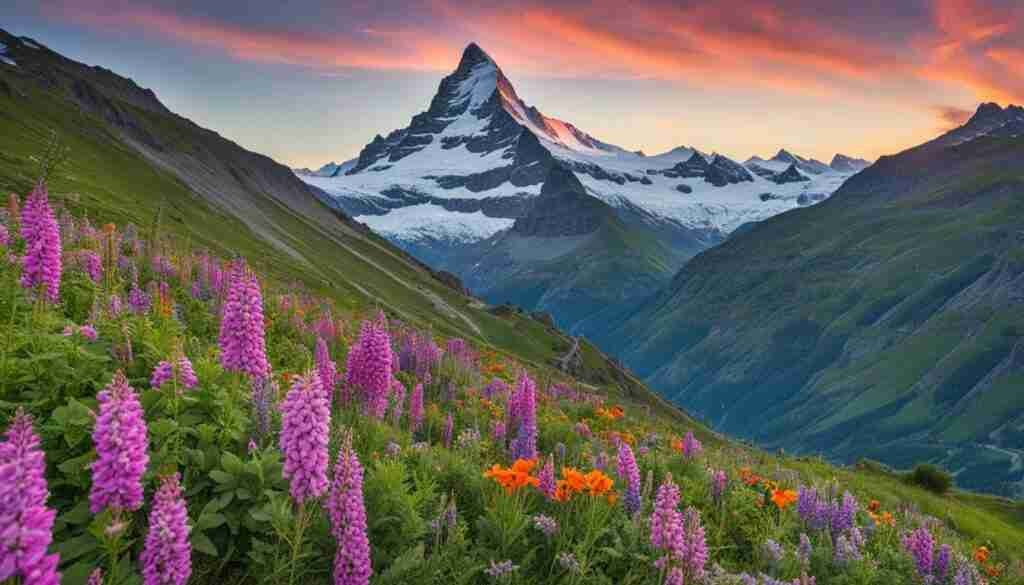
This scenic trail takes you through rocky hills and expansive fields filled with a diverse array of blooming flowers, creating a breathtaking tapestry of colors. With the iconic Matterhorn as your backdrop, every step along the trail is a visual delight.
As you hike along the Zermatt Flower Trail, you’ll encounter a variety of alpine flora unique to the Valais region. From vibrant gentians to delicate columbines, these flowers add a touch of enchantment to the rugged landscape. To enhance your experience, informational signboards and labels are placed along the trail, providing valuable insights into the fascinating characteristics of each plant species.
For those interested in photography, the Zermatt Flower Trail offers abundant opportunities to capture the beauty of Swiss wildflowers. From close-up shots of delicate petals to panoramic vistas of the surrounding mountains, every frame is an invitation to showcase nature’s artistry. So don’t forget to bring your camera and capture the essence of this extraordinary trail.
Whether you’re a seasoned hiker or a nature enthusiast looking for a memorable experience, exploring the Zermatt Flower Trail is a must-do activity in the Valais region. Revel in the vibrant colors, breathe in the fresh mountain air, and let the splendor of Swiss wildflowers captivate your senses.
Encountering Edelweiss: Rare Alpine Beauties
When it comes to rare and iconic alpine flowers, the Edelweiss is undoubtedly at the top of the list. Known for its distinct appearance and cultural significance, encountering an Edelweiss bloom is a coveted experience for hikers and nature enthusiasts in Switzerland. This delicate flower can be found in select locations throughout the Swiss Alps, adding to its allure and mystique.
The best time to see Edelweiss blooms varies depending on the specific region and altitude. In general, late June to mid-August is the prime blooming season for Edelweiss in the Swiss Alps. However, it’s essential to note that the timing can fluctuate due to environmental factors and the unique characteristics of this elusive flower.
If you’re eager to catch a glimpse of the Edelweiss, the region of Zermatt is a popular choice. With its picturesque landscapes and abundance of alpine flora, Zermatt offers a higher chance of encountering this rare beauty. Consulting with locals or experienced hikers who are familiar with the area can provide valuable insights and increase your chances of a successful Edelweiss sighting.
Table: Blooming Seasons of Edelweiss in Select Swiss Alpine Regions
| Alpine Region | Blooming Season |
|---|---|
| Zermatt | Mid-July to Mid-August |
| Graubünden | Early July to Mid-August |
| Engadin | Mid-July to Early September |
| Bernese Alps | Mid-July to Early September |
| Valais | Mid-July to Early September |
Remember, encountering an Edelweiss bloom requires patience and a bit of luck. The Swiss Alps offer an enchanting backdrop for this rare alpine beauty, making the experience even more unforgettable. So, embrace the adventure, explore the breathtaking landscapes, and keep your eyes peeled for the elusive Edelweiss.
Alpine Flora: Nature’s Delicate Treasures
The Alpine flora of Switzerland is a true testament to the wonders of nature. These delicate treasures adorn the Swiss landscapes, adding a touch of magic to the majestic Alps.
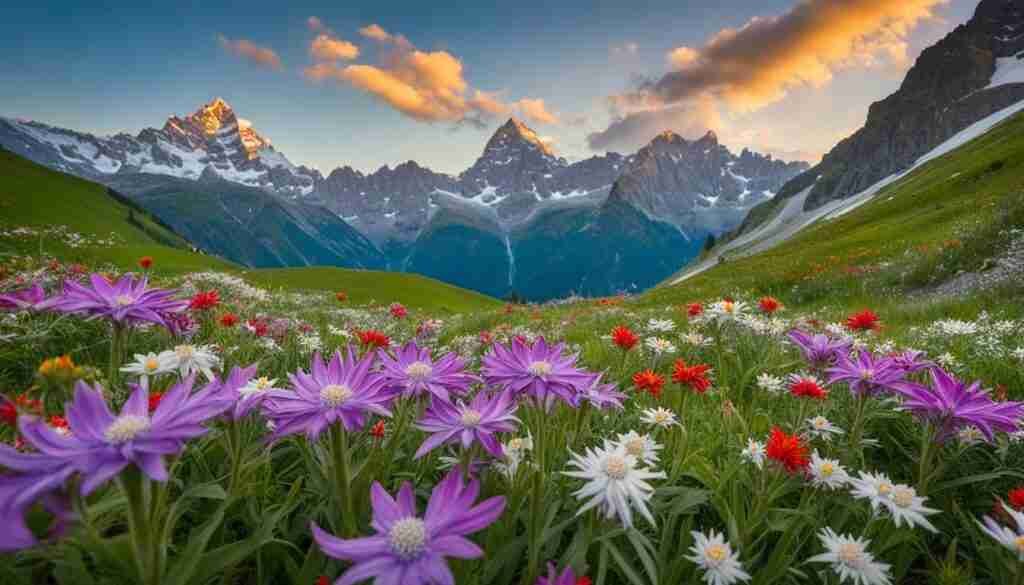
Each flower has its own unique beauty, from the vibrant colors of the Wood Crane’s Bill to the elegant petals of the Common Spotted Orchid. These alpine flowers have adapted to thrive in the harsh mountain environment, showcasing nature’s resilience and ingenuity.
Exploring the Swiss Alps offers a chance to encounter a wide variety of alpine plant species. From the higher altitudes where Edelweiss can be found, to the meadows filled with Globeflowers, the diversity is awe-inspiring. These flowers not only create stunning visual displays but also provide essential habitats for insects, birds, and other wildlife.
Switzerland’s alpine flora is a subject of fascination for botanists and nature enthusiasts alike. The intricate details of each flower reveal a fascinating story of evolution and adaptation. By studying these delicate treasures, we can gain a deeper understanding of the complexity and interconnectedness of the natural world.
The Beauty of Alpine Flora – A Visual Journey
Below is a table showcasing some of the exquisite alpine flowers that can be found in Switzerland:
| Flower | Description |
|---|---|
| Wood Crane’s Bill | A beautiful flower with violet-blue petals that resemble the beak of a crane. |
| Common Spotted Orchid | An elegant orchid with intricate spotted petals ranging in color from white to pink. |
| Globeflower | A charming flower with bright yellow petals that form a globe-like shape. |
| Edelweiss | The iconic Swiss flower with white star-shaped petals and soft, silver-gray leaves. |
These are just a few examples of the stunning alpine flora that awaits you in Switzerland. Whether you’re hiking through the meadows or exploring the botanical gardens, take a moment to appreciate the delicate treasures that nature has bestowed upon the Swiss Alps.
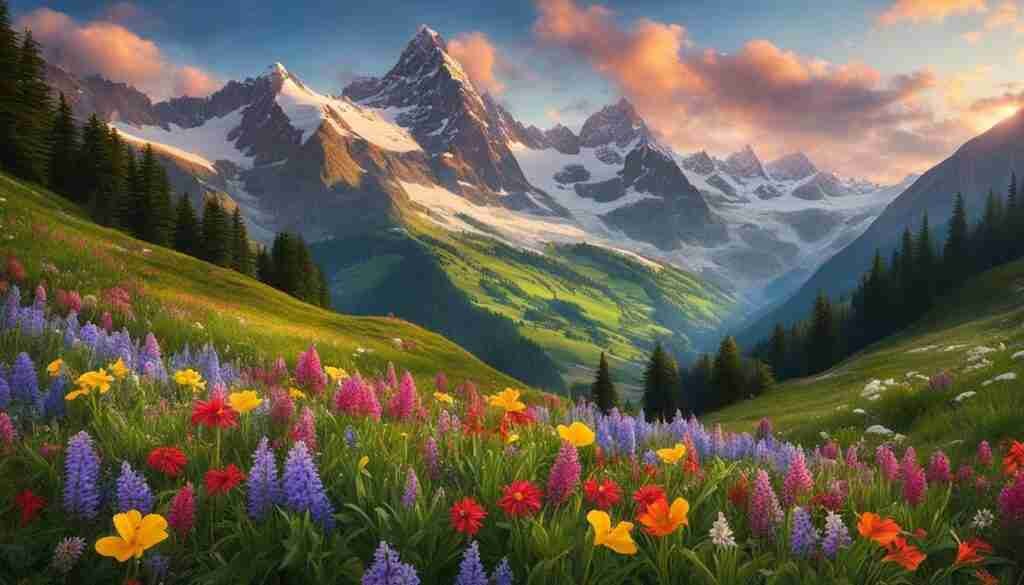
Immerse yourself in the beauty of Alpine flora and let it inspire a deep appreciation for the wonders of the natural world.
Conclusion
Switzerland’s wildflowers are a true spectacle of nature, offering a mesmerizing display of colors and fragrances. From the Stoos Panorama Trail in Lucerne to the Zermatt Flower Trail in the Valais region, there are endless opportunities to explore the beauty of Alpine flora. The best time to see wildflowers is from mid-June to early September, but specific bloom times may vary.
When you embark on a journey through Switzerland’s stunning wildflower trails, you’ll be treated to an array of Alpine wildflower species. Delicate treasures like the Wood Crane’s Bill, Common Spotted Orchid, and Globeflower add a touch of magic to the Swiss landscapes. These flowers are a testament to nature’s resilience and beauty, with unique adaptations that allow them to thrive in the harsh alpine environment.
Whether you’re a hiker, photographer, or nature lover, Switzerland’s wildflowers are sure to leave a lasting impression. So lace up your hiking boots and immerse yourself in the vivid beauty of Alpine flora.
Take in the breathtaking sights, capture stunning photographs, and appreciate the delicate treasures that await you on these enchanting trails. The Swiss Alps are waiting!
FAQ
When is the best time to see wildflowers in Switzerland?
The optimal time to see wildflowers in Switzerland is from mid-June to early September. However, specific bloom times can vary depending on the region and altitude. It’s best to check local sources or consult with experienced hikers to find out the exact timing for different wildflower hikes in Switzerland.
What are some popular wildflower trails in Switzerland?
Some popular wildflower trails in Switzerland include the Stoos Panorama Trail near Lucerne, the Chäserrugg Flower Trail in Eastern Switzerland, the Mürren Allmendhubel Flower Trail in the Bernese Oberland & Jungfrau Region, and the Zermatt Flower Trail in the Valais region.
Are there any opportunities for wildflower photography in Switzerland?
Yes, Switzerland’s wildflowers provide a captivating subject for photography enthusiasts. The best time to capture these blooms in their full glory is from late May to early July. Whether you are a professional photographer or just want to capture the beauty of nature, Switzerland’s wildflowers offer endless opportunities to create stunning photographs.
Are there any botanical gardens in Switzerland to see alpine flora?
Yes, Switzerland is home to several botanical gardens that showcase the diversity of alpine flora. Some notable gardens include the Alpine Flower Garden at Schynige Platte and the botanical garden at Château de Vullierens. These gardens not only offer a chance to see rare and exotic plants but also provide educational insights into the unique ecosystems of the Alps.
Where can I find the elusive Edelweiss flower in Switzerland?
The iconic Edelweiss flower can be found in certain locations in the Swiss Alps. Zermatt is particularly known for its Edelweiss sightings, but the timing of these blooms can vary. It’s best to consult with locals or experienced hikers to increase your chances of encountering this rare alpine flower.
What are some examples of unique alpine flower species found in Switzerland?
Switzerland’s alpine flora is home to a variety of stunning and delicate plant species. Some examples include the Wood Crane’s Bill, the Common Spotted Orchid, and the Globeflower. These alpine flowers have unique adaptations to thrive in the harsh mountain environment, making them a testament to nature’s resilience and beauty.