
Delaware is home to hundreds of different wildflower species, making it a haven for nature enthusiasts and photographers. While it can be challenging to identify specific wildflowers, this guide aims to showcase the most common and widespread species found in Delaware.
Whether you’re interested in identifying wildflowers or simply appreciating their unique charm, this article will provide valuable insights into the native plants of Delaware.
Key Takeaways:
- Delaware is home to a diverse array of wildflower species.
- Identifying wildflowers can be challenging, but this guide will showcase the most common species found in Delaware.
- Wildflowers play a crucial role in supporting pollinators such as bees, butterflies, and hummingbirds.
- Exploring Delaware’s wildflower trails and gardens is a great way to connect with nature and learn about native species.
- Photographing Delaware’s wildflowers offers endless inspiration and opportunities for stunning images.
The Beauty of Blue: Common Blue Wildflowers in Delaware
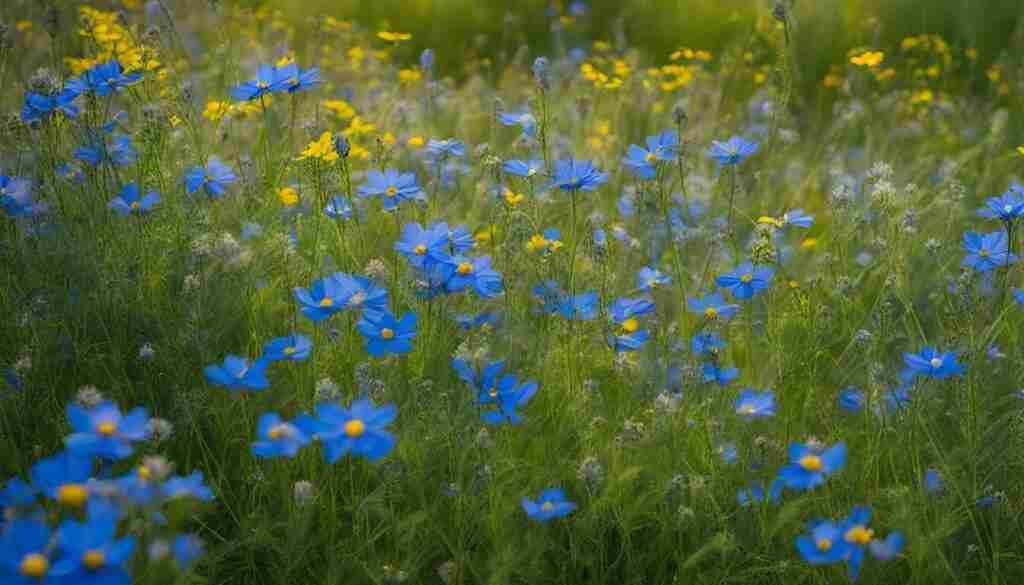
Delaware’s landscapes are adorned with the vibrant beauty of blue wildflowers. These stunning blooms add a splash of color and allure to the state’s natural surroundings. Whether you’re a nature enthusiast, a photographer, or simply appreciate the wonders of the natural world, exploring Delaware’s blue wildflowers is a captivating experience.
Some of the most common blue wildflowers found in Delaware include:
- Chicory: Known for its vibrant blue petals, chicory can be found in open fields and along roadsides.
- Blue Vervain: This tall, slender wildflower blooms with beautiful clusters of small blue flowers and is often found near wetlands.
- Common Blue Violet: With its delicate purple-blue flowers, this wildflower can be spotted in meadows and open areas.
- Common Periwinkle: Also known as vinca, this low-growing perennial has small blue flowers and thrives in shady woodland edges.
- Teasel: While not a true wildflower, the blueish-purple flowers of the teasel plant make it a striking addition to Delaware’s landscapes.
- Forget-me-not: Known for its tiny, sky-blue flowers, the forget-me-not is often found in damp habitats such as near streams and ponds.
- Virginia Bluebells: These bell-shaped blue flowers can be found in rich, moist woodland habitats.
These blue wildflowers can be spotted in a variety of habitats, including open fields, roadsides, and woodland edges. Their vibrant blooms are not only visually captivating but also provide important resources for pollinators such as bees and butterflies. So, next time you’re exploring Delaware’s natural beauty, keep an eye out for these enchanting blue wildflowers.
Table: Common Blue Wildflowers in Delaware
| Wildflower | Habitat |
|---|---|
| Chicory | Open fields, roadsides |
| Blue Vervain | Near wetlands |
| Common Blue Violet | Meadows, open areas |
| Common Periwinkle | Woodland edges |
| Teasel | Various habitats |
| Forget-me-not | Near streams, ponds |
| Virginia Bluebells | Woodland habitats |
Shades of Purple: Discovering Delaware’s Purple Wildflowers
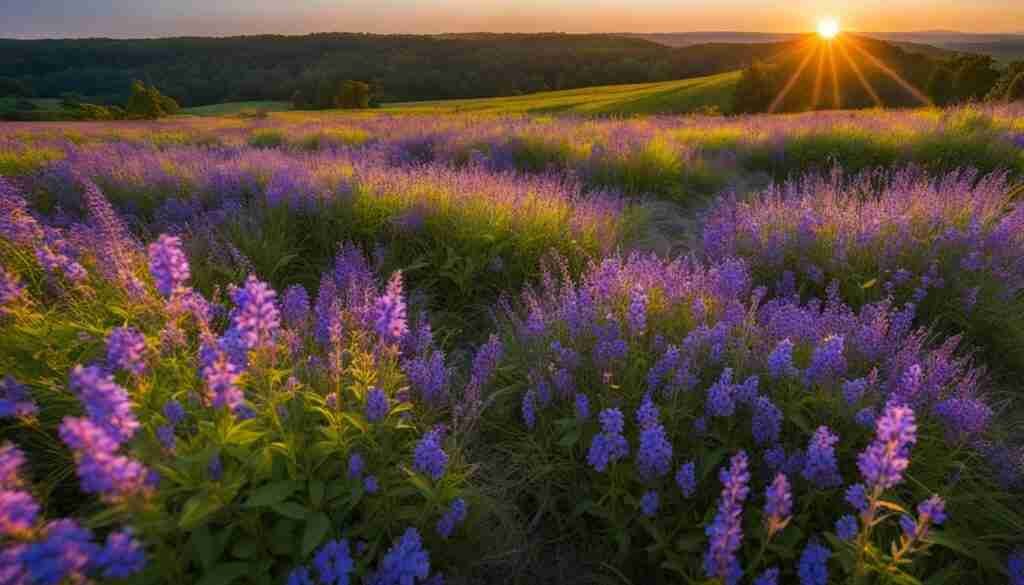
Delaware’s meadows, wet soils, and open areas are adorned with a beautiful array of purple wildflowers. These vibrant blooms not only add a pop of color to the landscape but also play a crucial role in supporting pollinators such as bees and butterflies. Let’s take a closer look at some of the common purple wildflowers found in Delaware:
Purple Wildflowers in Delaware
| Wildflower | Habitat |
|---|---|
| Bull Thistle | Meadows, open fields |
| Common Burdock | Roadsides, disturbed areas |
| Clasping Venus’ Looking Glass | Woodland edges, open areas |
| Columbine | Moist woods, rocky slopes |
These purple wildflowers are not only visually captivating but also provide a source of nectar for pollinators. Bees and butterflies are particularly attracted to their vibrant hues, making these blooms an essential part of Delaware’s ecosystem. By preserving and appreciating these native wildflowers, we can ensure the continued health and biodiversity of our natural surroundings.
Next, let’s explore Delaware’s pink wildflowers and discover the delicate beauty they bring to the state’s landscapes.
A Touch of Pink: Pink Wildflowers in Delaware
Pink wildflowers bring a delicate and feminine touch to Delaware’s natural landscapes. These blooms add a pop of color and elegance to the state’s meadows, wetlands, stream banks, and open meadows. Pink wildflowers not only enhance the visual appeal of the environment but also support biodiversity by attracting important pollinators like bees and butterflies.
Here is a list of some beautiful pink wildflowers that can be found in Delaware:
- Wild Bergamot
- Cardinal Flower
- Catchfly
These wildflowers are known for their enchanting pink hues and can be spotted in various natural habitats throughout the state. Whether you come across them while exploring Delaware’s trails or while tending to your own wildflower garden, their vibrant colors are sure to captivate your senses and bring joy to your surroundings.
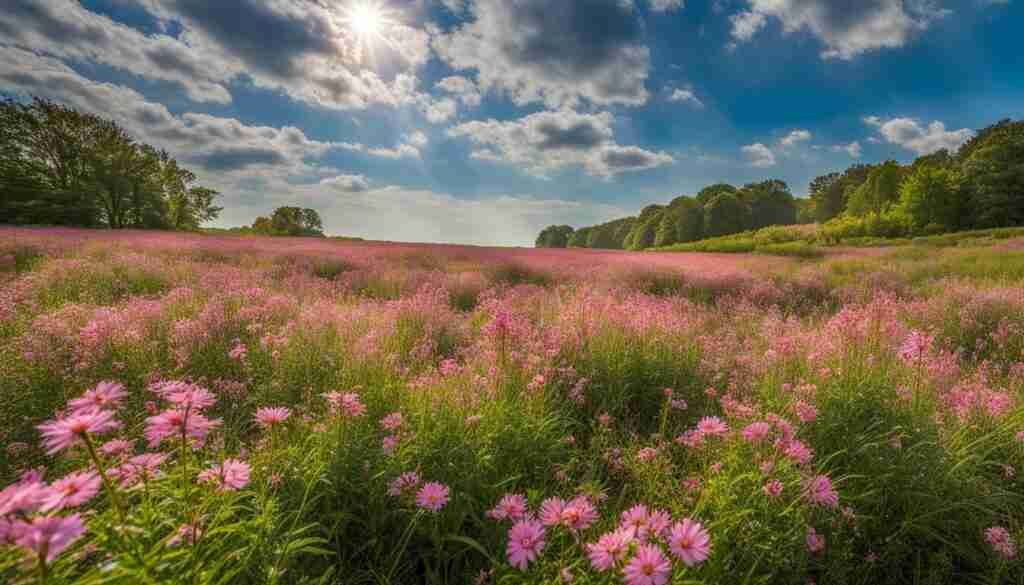
Table: Pink Wildflowers in Delaware
| Wildflower | Habitat |
|---|---|
| Wild Bergamot | Wetlands, meadows |
| Cardinal Flower | Wetlands, stream banks |
| Catchfly | Fields, open meadows |
Embracing Yellow: Yellow Wildflowers in Delaware
Delaware’s landscapes come alive with the vibrant hues of yellow wildflowers. These cheerful blooms bring a burst of sunshine to fields, meadows, and roadsides. Whether you’re a nature enthusiast, a photographer, or simply appreciate the beauty of wildflowers, exploring Delaware’s yellow wildflower species is a delightful experience.
Among the most common yellow wildflowers in Delaware are Butterfly Milkweed, Goldenrod, and Sneezeweed. These resilient plants can thrive in various habitats, from open fields to wetlands, and they provide crucial food and habitat for pollinators like bees and butterflies.
To help you identify these sunny beauties, below is a visual guide showcasing the key characteristics of Delaware’s yellow wildflowers:
| Wildflower | Scientific Name | Habitat |
|---|---|---|
| Butterfly Milkweed | Asclepias tuberosa | Meadows, roadsides, open areas |
| Goldenrod | Solidago spp. | Fields, meadows, woodlands |
| Sneezeweed | Helenium autumnale | Wetlands, stream banks |
By embracing the beauty of yellow wildflowers in Delaware, you can not only appreciate their aesthetic value but also contribute to the preservation of pollinators and the overall biodiversity of the state’s ecosystems.
Pure and White: White Wildflowers in Delaware
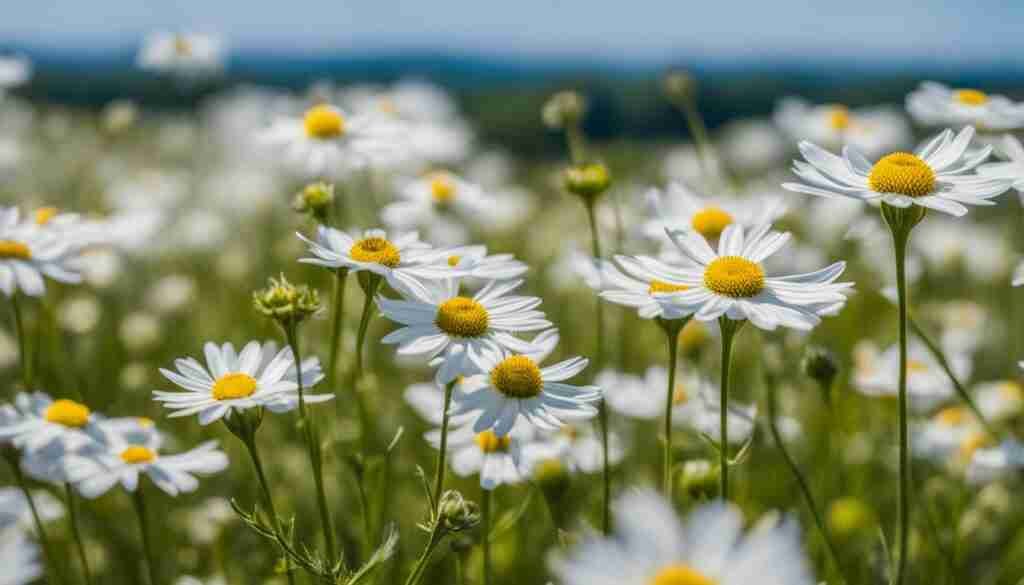
Delaware is home to a variety of stunning white wildflowers that add a touch of purity and elegance to its landscapes. These beautiful blooms can be found in wooded areas, wetlands, and open fields, attracting pollinators with their sweet fragrance. Let’s explore some of the white wildflower species that grace the state’s natural spaces.
White Snakeroot
White Snakeroot (Eupatorium rugosum) is a tall, herbaceous perennial with clusters of small white flowers. This wildflower can be found in shady woodland areas and is a valuable source of nectar for butterflies and bees. However, it is important to note that White Snakeroot is toxic to livestock, so caution should be exercised when planting it in areas where grazing animals may have access.
White Turtlehead
White Turtlehead (Chelone glabra) is a unique wildflower known for its distinctive white, tubular flowers that resemble the head of a turtle. This perennial plant typically grows in wetlands and can be found along streams and in marshy areas. White Turtlehead is a favorite of hummingbirds and provides a charming addition to any garden or natural habitat.
White Clover
White Clover (Trifolium repens) is a common and well-known wildflower with its characteristic white, globe-shaped flower heads. This perennial plant is often found in open fields, lawns, and meadows. White Clover is not only visually appealing but also serves as an important food source for many pollinators, including bees and butterflies.
These are just a few examples of the white wildflowers that grace Delaware’s landscapes. Their delicate beauty and ecological significance make them a valuable part of the state’s natural heritage. Whether you encounter them on a nature trail or plant them in your own garden, these white wildflowers are sure to captivate and inspire.
| Wildflower Species | Habitat | Attracts |
|---|---|---|
| White Snakeroot | Wooded areas | Butterflies, bees |
| White Turtlehead | Wetlands, streams, marshes | Hummingbirds |
| White Clover | Open fields, lawns, meadows | Bees, butterflies |
Radiant Reds and Oranges: Red and Orange Wildflowers in Delaware
Delaware’s landscapes come alive with a burst of vibrant colors, thanks to its stunning red and orange wildflowers. These flowers create a striking contrast against the green foliage, adding a touch of warmth and radiance to the natural beauty of the state.
Indian Paintbrush, with its fiery red blossoms, is a standout among Delaware’s wildflowers. This unique plant can be found in meadows, prairies, and woodland edges. Fire Pink, with its deep scarlet flowers, is another eye-catching species that thrives in the state’s diverse habitats.
Black-eyed Susan, with its golden yellow petals and dark center, is a symbol of summer and can be found throughout Delaware’s meadows and roadways.
These red and orange wildflowers not only enhance the visual appeal of Delaware’s landscapes but also provide a valuable source of nectar for hummingbirds and butterflies. By attracting these pollinators, these vibrant blooms play a crucial role in supporting the ecosystem and promoting biodiversity.
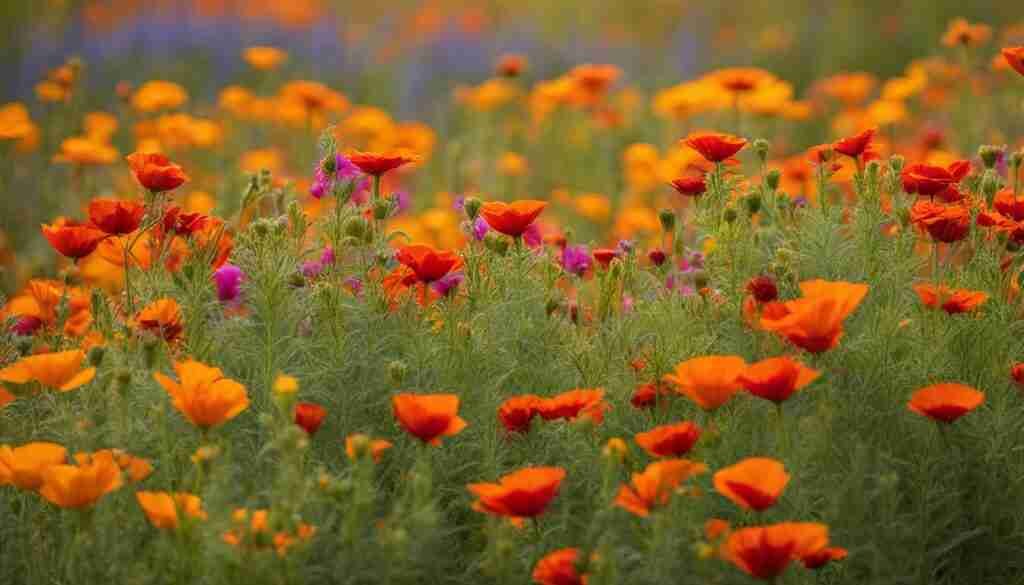
Table: Red and Orange Wildflowers in Delaware
| Wildflower | Color | Habitat |
|---|---|---|
| Indian Paintbrush | Red | Meadows, prairies, woodland edges |
| Fire Pink | Scarlet | Woodland edges, rocky areas |
| Black-eyed Susan | Yellow with dark center | Meadows, roadsides |
These are just a few examples of the radiant red and orange wildflowers that grace Delaware’s landscapes. Exploring the state’s meadows, prairies, and woodland edges will reveal even more stunning blooms that will leave you in awe of nature’s beauty.
The Importance of Delaware’s Wildflowers in Supporting Pollinators
Delaware’s wildflowers play a crucial role in supporting pollinators such as bees, butterflies, and hummingbirds. Many species rely on specific wildflowers as host plants for their larvae or as a source of nectar. By conserving and planting wildflowers, you can contribute to the preservation of these vital pollinators.
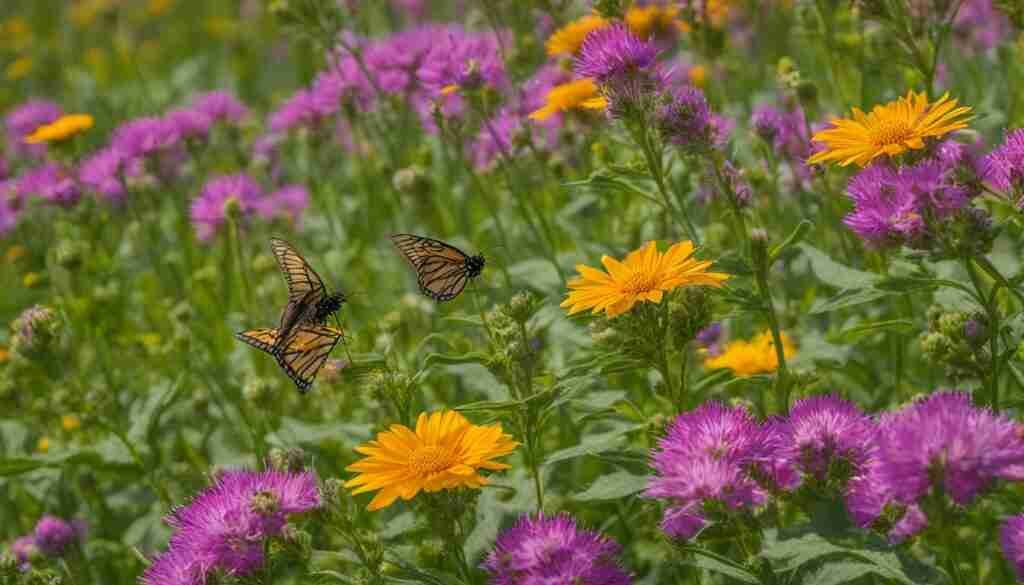
One example of the symbiotic relationship between wildflowers and pollinators is the Monarch Butterfly and milkweed plants. Monarch Butterflies exclusively lay their eggs on milkweed plants, and their caterpillars rely on milkweed leaves as their primary food source.
The nectar produced by milkweed flowers also serves as a valuable food source for adult Monarch Butterflies during their migration. By planting milkweed in your garden or supporting milkweed conservation efforts, you can directly contribute to the survival of this iconic butterfly species.
| Butterfly | Host Plant |
|---|---|
| Monarch Butterfly | Milkweed |
| Baltimore Checkerspot Butterfly | White Turtlehead |
Other pollinators, such as bees and hummingbirds, also rely on specific wildflowers for their survival. For example, hummingbirds are attracted to bright, tubular flowers that contain high amounts of nectar. Wildflowers like Cardinal Flower and Indian Paintbrush provide the perfect food source for these stunning birds.
Bees, on the other hand, are attracted to a wide range of wildflowers, each with its unique shape, color, and nectar production. By planting a diverse array of wildflowers in your garden, you can create a haven for bees and other pollinators, ensuring their continued abundance and diversity.
Benefits of Wildflower Conservation:
- Supports pollinator populations and biodiversity
- Provides essential food sources for pollinators
- Creates habitats for a variety of wildlife
- Enhances the beauty and aesthetic value of landscapes
- Contributes to the overall health and resilience of ecosystems
By understanding the importance of Delaware’s wildflowers in supporting pollinators, you can make a positive impact on your local environment. Whether you have a small garden or access to larger conservation areas, every effort counts.
Planting native wildflowers, creating pollinator-friendly habitats, and supporting local conservation initiatives are all meaningful ways to protect Delaware’s wildflowers and the vital species that rely on them.
Exploring Delaware’s Wildflower Trails and Gardens
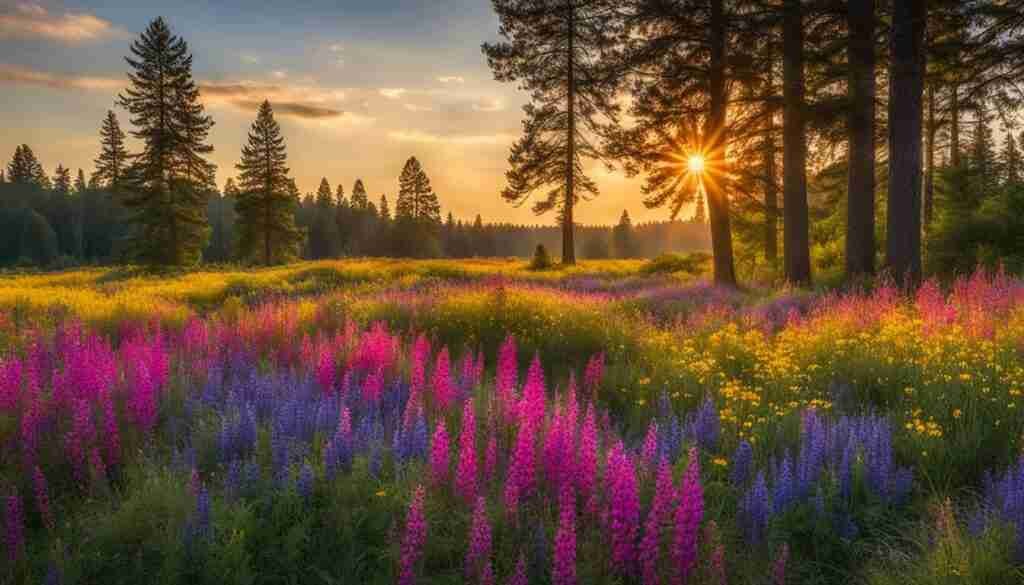
Delaware offers a plethora of opportunities for nature enthusiasts to immerse themselves in the beauty of wildflowers. The state boasts several designated wildflower trails where visitors can enjoy leisurely strolls while admiring the blooming native plants.
These trails not only showcase the diverse array of wildflower species found in Delaware but also provide a peaceful retreat to connect with nature. Whether you’re an avid hiker or a casual walker, exploring these wildflower trails is a wonderful way to experience the natural wonders of the state.
Additionally, many gardens and parks in Delaware feature meticulously cultivated wildflower beds that serve as visual feasts for nature lovers and photographers alike. These gardens, often incorporating native plant species, provide habitats for various wildlife and serve as educational resources for visitors.
Walking through these gardens, you’ll be surrounded by vibrant colors and intoxicating scents, giving you a deeper appreciation for the beauty and importance of wildflowers.
To help you plan your wildflower exploration, below is a table highlighting some of the notable wildflower trails and gardens in Delaware:
| Wildflower Trail/Garden | Location | Features |
|---|---|---|
| White Clay Creek State Park | Newark | Over 37 miles of trails with diverse wildflower species |
| Ashland Nature Center | Hockessin | Woodland gardens showcasing native wildflowers |
| Trap Pond State Park | Laurel | Wildflower meadows and scenic trails around the pond |
| Delaware Botanic Gardens | Dagsboro | 10 acres of gardens with a focus on native plants, including wildflowers |
Remember to check the availability and hours of operation of these trails and gardens before visiting. Grab your camera and embark on a wildflower adventure, capturing the beauty of Delaware’s native plants.
Connect with Nature and Cultivate Your Garden
If you’re inspired by the wildflower trails and gardens of Delaware, why not create your own wildflower haven in your backyard? Wildflower gardening is a rewarding and environmentally friendly way to beautify your space while providing essential habitats for local pollinators.
When planning your wildflower garden, consider incorporating a mix of native species that are well-suited to Delaware’s climate and soil conditions. Native wildflowers not only require less maintenance but also attract a diverse range of pollinators such as bees, butterflies, and hummingbirds. By nurturing these pollinators, you’re contributing to the overall health and sustainability of Delaware’s ecosystems.
Before you start planting, research the native wildflower species that thrive in your area. Create a planting plan by selecting a variety of species that bloom at different times of the year to ensure a constant source of nectar for pollinators. Remember, wildflowers are resilient and adaptable, so don’t be afraid to experiment and let your creativity bloom.
Capturing the Beauty: Wildflower Photography in Delaware
Delaware’s diverse array of wildflowers provides a captivating subject for photography enthusiasts. Whether you’re a seasoned professional or just starting out, capturing the beauty of Delaware’s wildflowers can be a rewarding and creative endeavor. With their vibrant colors, delicate petals, and unique shapes, these native plants offer endless opportunities for stunning photographs.
When photographing wildflowers in Delaware, it’s important to consider the lighting conditions. Soft, diffused natural light, such as during the early morning or late afternoon, can enhance the colors and textures of the flowers. Experiment with different angles and perspectives to capture the intricate details and patterns of each wildflower.
One of the keys to successful wildflower photography is to get up close and personal. Macro photography allows you to capture the intricate beauty of individual petals and the subtle details of the flower’s center. By using a macro lens or attaching extension tubes to your camera, you can capture stunning close-up shots that reveal the hidden world within each wildflower.
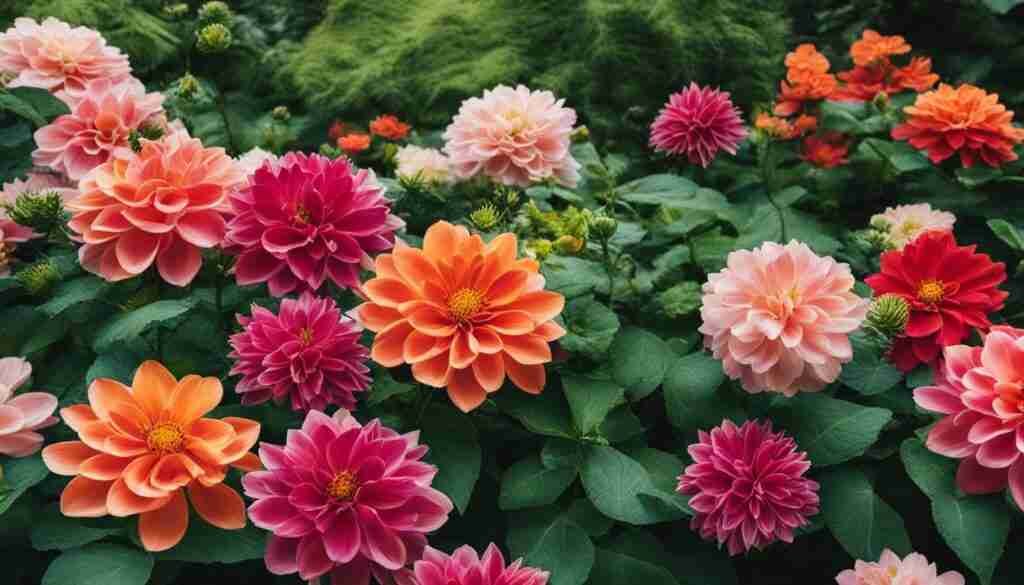
In addition to capturing individual wildflowers, don’t forget to explore the wider landscape. Incorporating the surrounding environment into your photographs can provide context and create a sense of place. Consider including elements such as trees, grasses, or bodies of water to create visually engaging compositions.
Creating a Wildflower Garden: Tips for Successful Wildflower Gardening in Delaware
If you’re passionate about native plants and want to create a beautiful and biodiverse garden, wildflower gardening in Delaware is the perfect choice. Native wildflowers are well-adapted to the local climate and soil conditions, making them easier to grow and maintain compared to non-native species.
By cultivating a wildflower garden, you not only enhance the aesthetic appeal of your outdoor space but also contribute to the preservation of Delaware’s unique flora and support local ecosystems.
When starting your wildflower garden, it’s essential to select the right species that are native to Delaware. This ensures that the plants are well-suited to the local environmental conditions and can thrive in your garden. A comprehensive Delaware wildflower guide can help you identify suitable species and provide information on their growing requirements, blooming seasons, and maintenance tips.
One key aspect of successful wildflower gardening is choosing a diversity of species that bloom at different times of the year. This allows for a continuous display of colors and ensures a reliable food source for pollinators throughout the seasons. Consider planting a mix of early spring bloomers, summer-fall flowering species, and those that provide winter interest.
Another important consideration is the soil preparation. Native wildflowers in Delaware typically prefer well-drained soil with good organic matter content. Before planting, loosen the soil and remove any weeds or grass.
Adding compost or organic matter can improve soil fertility and drainage, creating an ideal growing environment for your wildflower garden. Regular watering, especially during establishment, will help the plants develop strong root systems.
Benefits of Wildflower Gardening in Delaware:
- Promotes biodiversity by supporting native plant species and attracting a variety of wildlife, including pollinators like bees and butterflies.
- Requires less water and maintenance compared to traditional gardens, making it a sustainable choice for eco-conscious gardeners.
- Creates a visually stunning landscape with a diverse range of colors, shapes, and textures.
- Offers opportunities for nature observation and photography, as wildflowers attract a plethora of interesting insects, birds, and other wildlife.
- Contributes to the conservation of Delaware’s unique natural heritage by preserving and promoting native plant species.
| Delaware Wildflower Guide | Estimated Blooming Season | Plant Height | Soil Requirements |
|---|---|---|---|
| Butterfly Milkweed (Asclepias tuberosa) | Summer | 1-2 feet | Well-drained, sandy soil |
| Black-eyed Susan (Rudbeckia hirta) | Summer to fall | 2-3 feet | Well-drained soil |
| Goldenrod (Solidago spp.) | Late summer to fall | 1-6 feet | Moist, well-drained soil |
| Virginia Bluebells (Mertensia virginica) | Spring | 1-2 feet | Moist, well-drained soil |
| Cardinal Flower (Lobelia cardinalis) | Summer to fall | 2-4 feet | Moist, fertile soil |
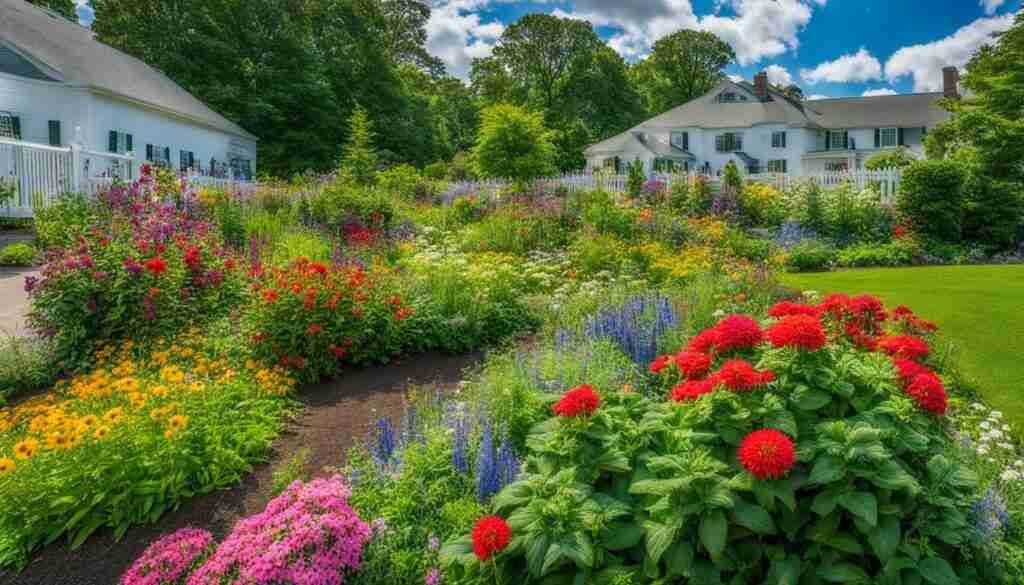
By following these tips and utilizing resources like the Delaware wildflower guide, you can create a thriving and visually appealing wildflower garden that supports the local ecosystem.
Imagine the joy of watching butterflies fluttering from flower to flower, bees buzzing among the blooms, and the vibrant colors enhancing your outdoor space. Start your wildflower gardening journey in Delaware today and become a steward of native plants and wildlife.
The Role of Wildflowers in Delaware’s Ecosystem
Wildflowers play a crucial role in supporting Delaware’s ecosystem, providing a wide range of ecosystem services and contributing to biodiversity. These native plants create habitats and food sources for various organisms, from insects to birds and mammals.
By attracting pollinators, wildflowers facilitate the reproduction of many plant species while also supporting the health of pollinator populations. Additionally, wildflowers help regulate the local climate by reducing soil erosion and providing shade.
Ecosystem Services Provided by Wildflowers:
- Pollination: Wildflowers attract pollinators such as bees, butterflies, and hummingbirds, aiding in the reproduction of plants.
- Habitat and Food: Many organisms, including insects, birds, and small mammals, rely on wildflowers for shelter, nesting sites, and food sources.
- Soil Conservation: Wildflowers play a crucial role in preventing soil erosion by stabilizing the soil with their root systems.
- Carbon Sequestration: Through photosynthesis, wildflowers absorb carbon dioxide from the atmosphere, helping to mitigate climate change.
- Water Filtration: The root systems of wildflowers help filter and purify water, improving water quality in streams and rivers.
By supporting these ecosystem services, wildflowers contribute to the overall health and balance of Delaware’s ecosystems. They enhance biodiversity by creating diverse habitats and food sources, ensuring the survival of many species. Protecting and promoting wildflowers is vital for maintaining the delicate ecological balance and preserving the natural beauty of Delaware.
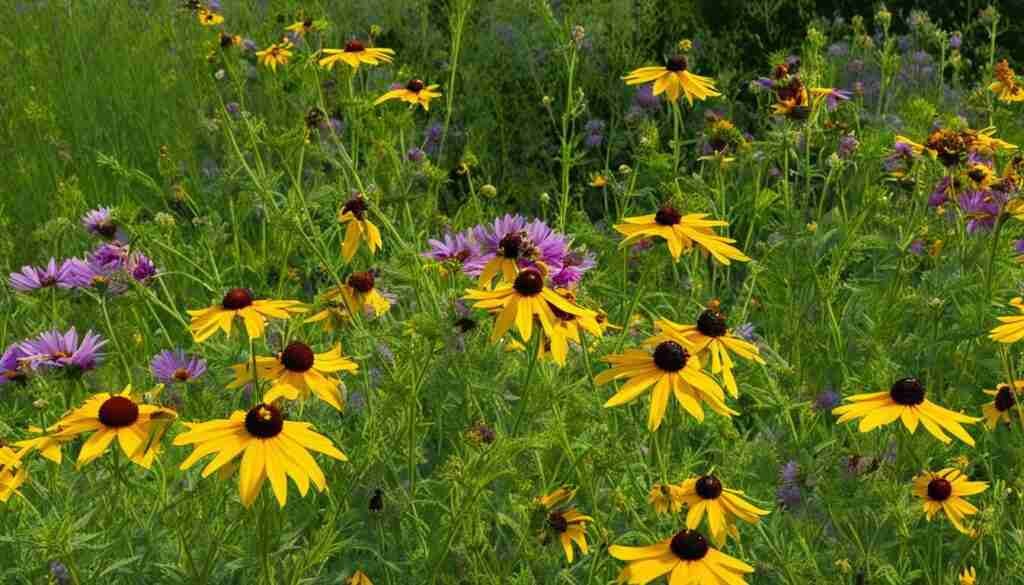
| Wildflower Species | Ecosystem Service |
|---|---|
| Black-eyed Susan | Attracts pollinators and provides a food source |
| Butterfly Milkweed | Serves as a host plant for Monarch Butterfly larvae |
| White Snakeroot | Provides nectar for pollinators and attracts butterflies |
| Goldenrod | Supports pollinators and provides food for birds and insects |
| Common Blue Violet | Attracts pollinators and provides ground cover |
Exploring Delaware’s Unique Wildflower Habitats and Conservation Efforts
Delaware is home to a diverse range of wildflower habitats, each supporting a unique array of native plant species. From wetlands and marshes to meadows and woodlands, these habitats provide essential resources for Delaware’s wildflowers.
Wetlands, with their rich, waterlogged soils, are home to wildflowers such as Swamp Milkweed, Joe Pye Weed, and Marsh Marigold. These plants have adapted to thrive in the wetland environment, attracting pollinators and providing important habitat for aquatic organisms.
In the meadows and prairies of Delaware, wildflowers like Black-eyed Susans, Butterfly Weed, and New England Asters create a vibrant tapestry of colors. These open habitats are crucial for the survival of many pollinator species, offering an abundance of nectar and pollen.
Woodlands, on the other hand, provide a cool and shady environment where wildflowers such as Trillium, Bloodroot, and Blue Cohosh can thrive. These understory plants take advantage of the limited sunlight, carpeting the forest floor with delicate blooms.
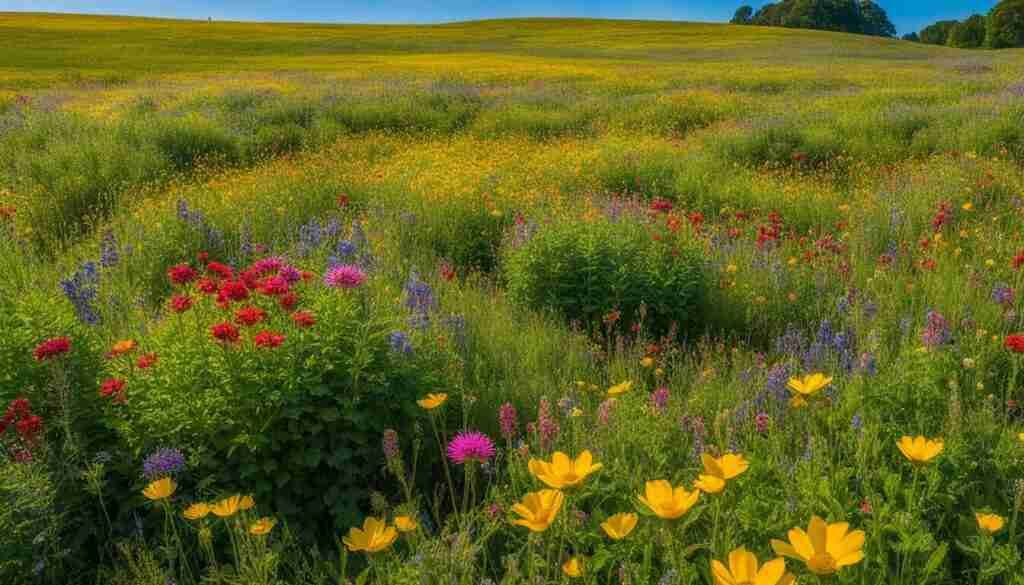
Conservation efforts are essential to protect and preserve Delaware’s wildflowers and their habitats. Organizations such as the Delaware Native Plant Society and the Delaware Center for Inland Bays work tirelessly to raise awareness about the importance of wildflower conservation. These organizations conduct educational programs, advocate for the preservation of wildflower habitats, and engage in habitat restoration projects.
By understanding and appreciating the unique habitats and conservation efforts in Delaware, we can contribute to the preservation of native wildflowers. Whether by participating in volunteer projects, supporting local conservation organizations, or simply enjoying the beauty of Delaware’s wildflowers, each action makes a difference in safeguarding the state’s natural heritage.
Connecting with Nature: The Therapeutic Benefits of Delaware’s Wildflowers
The natural beauty and diversity of Delaware’s wildflowers offer more than just visual appeal. Spending time in nature and connecting with these vibrant blooms can have numerous therapeutic benefits for both physical and mental well-being. Whether you choose to engage in mindfulness practices, take leisurely walks among the wildflowers, or immerse yourself in nature photography, the therapeutic effects are undeniable.
Research has shown that nature therapy, also known as ecotherapy or green therapy, can have a positive impact on reducing stress, anxiety, and depression. Time spent in natural environments, such as wildflower habitats, has been linked to improved mood, increased relaxation, and enhanced overall well-being. The colors, scents, and textures of wildflowers can stimulate the senses and evoke a sense of tranquility and calmness.
Connecting with Nature Through Mindfulness
Mindfulness practices can be particularly powerful when combined with the beauty of Delaware’s wildflowers. Taking the time to observe the intricate details of each flower, noticing the gentle sway of the petals in the breeze, and being present in the moment can help reduce stress and promote a sense of inner peace.
Mindful walking among the wildflowers can be a meditative experience, allowing you to fully immerse yourself in the sights, sounds, and smells of nature.
Additionally, wildflower photography provides a wonderful opportunity to connect with nature while also capturing its beauty. By focusing on composition, lighting, and the intricate details of each wildflower, the process of photography can be a form of mindfulness, allowing you to fully engage with the present moment and find joy in the simple act of creation.
The Therapeutic Power of Delaware’s Wildflowers
Delaware’s wildflowers not only offer therapeutic benefits for individuals but also support the health of local ecosystems. As native plants, they provide essential habitat and food sources for pollinators such as bees and butterflies, contributing to the overall biodiversity of the region.
By appreciating and conserving these wildflowers, we can play a role in supporting the delicate balance of nature and preserving the natural heritage of Delaware for future generations.
So, take some time to immerse yourself in the vibrant world of Delaware’s wildflowers. Whether you simply sit and admire their beauty or actively engage in nature therapy practices, these native blooms have the power to uplift your spirits, calm your mind, and connect you to the wonders of the natural world.
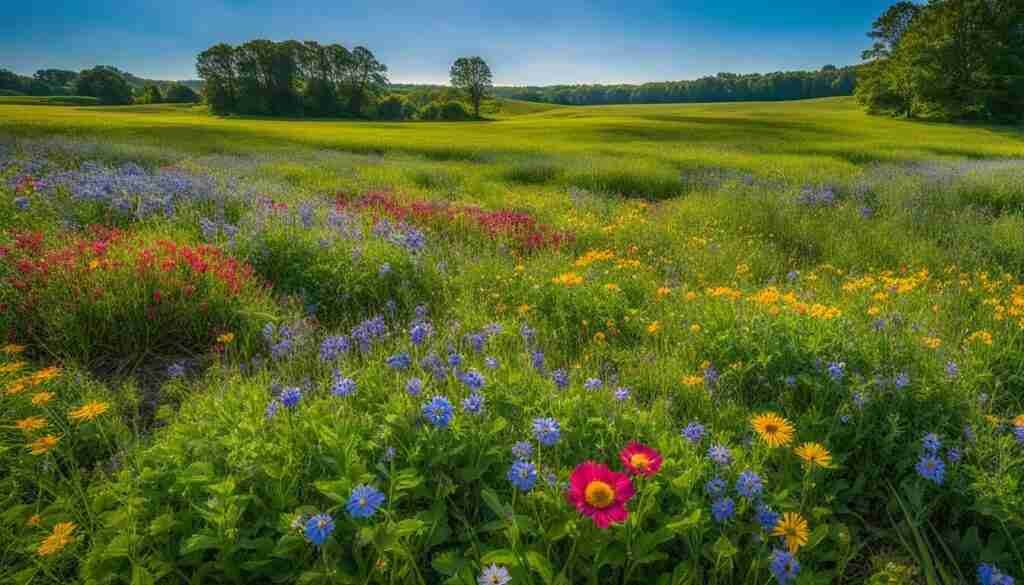
Educating and Inspiring: Delaware’s Wildflower Education Programs
Delaware offers a wide range of educational programs dedicated to wildflowers and native plants. These programs aim to educate and inspire individuals to become environmental stewards and develop a deeper understanding of the importance of native plant species in local ecosystems.
Through workshops and guided tours, participants have the opportunity to learn about Delaware’s diverse wildflowers, their ecological significance, and their role in supporting pollinators. These hands-on experiences allow individuals to explore different habitats and observe wildflowers in their natural environments.
Additionally, educational materials such as field guides and online resources are available to further enhance learning. These materials provide valuable information on wildflower identification, habitat conservation, and gardening techniques, empowering individuals to immerse themselves in the world of native plants.
Engaging the Community
Delaware’s wildflower education programs also play a vital role in engaging the local community. By organizing events, such as wildflower festivals and citizen science projects, these programs encourage public participation and foster a sense of environmental stewardship.
Furthermore, collaborations with schools and educational institutions allow for the integration of wildflower education into curriculums, ensuring that future generations are equipped with knowledge about the importance of native plants and their conservation.
| Educational Programs | Features |
|---|---|
| Wildflower Workshops | Hands-on learning experiences led by experts in the field, covering topics such as wildflower identification, gardening techniques, and habitat conservation |
| Guided Wildflower Tours | Field trips to various habitats in Delaware, providing participants with the opportunity to observe and learn about native wildflowers in their natural environments |
| Online Resources | Comprehensive guides and resources available online, including plant identification tools, gardening tips, and information on wildflower conservation |
| Community Events | Wildflower festivals, citizen science projects, and other community engagement activities aimed at raising awareness and fostering a sense of environmental stewardship |
| School Collaborations | Partnerships with schools and educational institutions to incorporate wildflower education into curriculums, inspiring the next generation of environmental stewards |
Whether you’re a nature enthusiast, a student, or someone who simply appreciates the beauty of wildflowers, Delaware’s wildflower education programs offer a wealth of knowledge and inspiration. By participating in these programs, you can deepen your connection with nature, contribute to the conservation of native plants, and spread awareness about the important role that wildflowers play in our ecosystems.
Conclusion
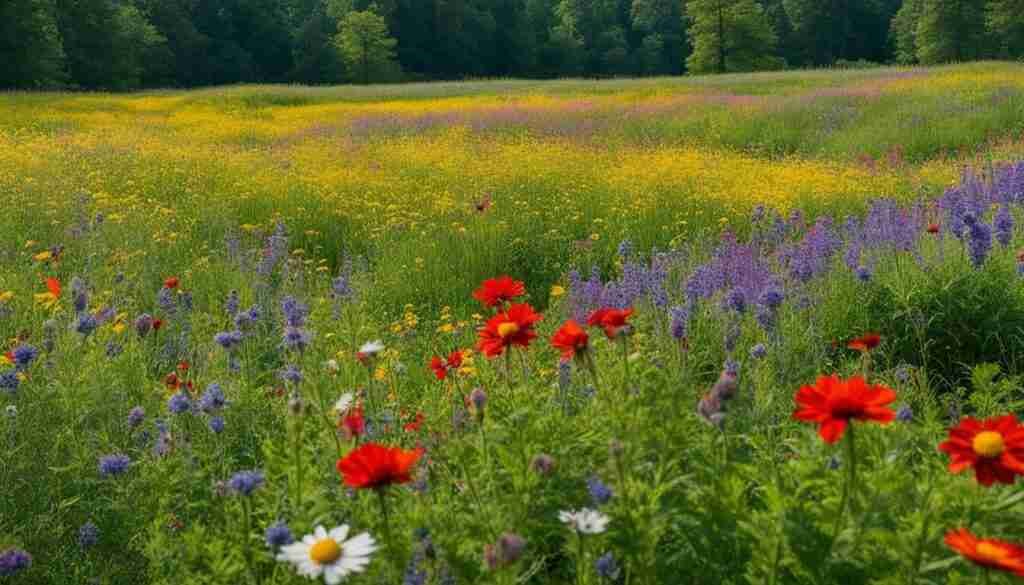
Delaware is a treasure trove of native wildflowers, showcasing the state’s natural beauty and biodiversity. From vibrant blue and purple blooms to delicate pink and white flowers, Delaware’s wildflowers add color and charm to its landscapes. Whether you’re exploring the wildflower trails or creating your own wildflower garden, these native plants are a valuable part of Delaware’s ecosystem.
By appreciating and conserving native Delaware wildflowers, you not only contribute to the preservation of these beautiful plants but also support the pollinators that rely on them. From bees to butterflies, these pollinators play a crucial role in maintaining the balance of our ecosystems.
So, whether you’re wandering along the wildflower trails or simply enjoying the sight of native Delaware wildflowers in your neighborhood, take a moment to marvel at the diversity and wonder of these delicate blooms. Let them inspire you to connect with nature and become a steward of Delaware’s wildflower heritage.
Remember, the beauty of Delaware’s wildflowers is meant to be shared and cherished. So grab your camera, embark on a journey along the wildflower trails, and immerse yourself in the splendor of native Delaware wildflowers.
FAQ
How many different species of wildflowers are found in Delaware?
Delaware is home to hundreds of different wildflower species.
What are some popular blue wildflowers found in Delaware?
Some popular blue wildflowers found in Delaware include Chicory, Blue Vervain, Common Blue Violet, Common Periwinkle, Teasel, Forget-me-not, and Virginia Bluebells.
Where can I find pink wildflowers in Delaware?
Pink wildflowers can be found in wetlands, along stream banks, and in open meadows in Delaware.
What are some common yellow wildflowers in Delaware?
Common yellow wildflowers in Delaware include Butterfly Milkweed, Goldenrod, and Sneezeweed.
Where can I find white wildflowers in Delaware?
White wildflowers can be found in wooded areas, wetlands, and open fields in Delaware.
What are some notable red and orange wildflowers in Delaware?
Some notable red and orange wildflowers in Delaware include Indian Paintbrush, Fire Pink, and Black-eyed Susan.
Why are wildflowers important for pollinators?
Wildflowers provide habitat, food sources, and shelter for a wide range of pollinators such as bees, butterflies, and hummingbirds.
Where can I explore wildflowers in Delaware?
Delaware offers designated wildflower trails and many gardens and parks with cultivated wildflower beds.
How can I capture the beauty of Delaware’s wildflowers through photography?
Whether you’re a professional or an amateur, Delaware’s diverse array of wildflowers provides ample opportunities for stunning photographs.
What are some tips for successful wildflower gardening in Delaware?
This section provides valuable tips and guidelines for selecting the right species and maintaining a wildflower garden in Delaware.
How do wildflowers contribute to Delaware’s ecosystem?
Wildflowers provide habitat, food sources, and support biodiversity in Delaware’s ecosystem.
What are some unique wildflower habitats in Delaware?
Delaware’s wetlands, meadows, woodlands, and other habitats support different arrays of wildflower species.
How can spending time with wildflowers benefit my well-being?
Spending time in nature and connecting with wildflowers can have therapeutic benefits for physical and mental well-being.
Are there any educational programs about wildflowers in Delaware?
Delaware offers various educational programs that focus on wildflowers and native plants to inspire environmental stewardship and a deeper understanding of their importance.
Please note that this is a sample FAQ section and the specific questions and answers provided may vary based on the content of the individual sections.