
Idaho is a nature lover’s paradise, boasting a dazzling array of wildflowers that adorn its picturesque landscapes. From vibrant purple Camas Lilies to the delicate white blossoms of the Syringa, Idaho’s wildflowers offer a feast for the eyes and a glimpse into the state’s rich natural heritage.
Whether you’re a seasoned flower enthusiast or just starting to explore the world of wildflowers, Idaho is sure to captivate you with its stunning floral diversity.
Key Takeaways:
- Idaho is home to hundreds of wildflower species, making it a prime destination for nature enthusiasts.
- The peak season for wildflowers in Idaho is from May to July.
- There are over 50 varieties of endemic wildflowers that can only be found in Idaho.
- From Christ’s Indian Paintbrush to Arrowleaf Balsamroot, each wildflower species has its own unique beauty.
- The newly developed “Idaho Wildflowers” app is a valuable resource for identifying and learning about the diverse flora in the state.
Christ’s Indian Paintbrush: A Rare Wildflower Found in Idaho
If you’re a wildflower enthusiast looking for a unique and rare bloom, look no further than Christ’s Indian Paintbrush. This stunning yellow flower can only be found on the summit of Mount Harrison in Idaho. Named after the botanist John H. Christ, who first collected it in 1950, Christ’s Indian Paintbrush is a true gem of Idaho’s wildflower diversity.
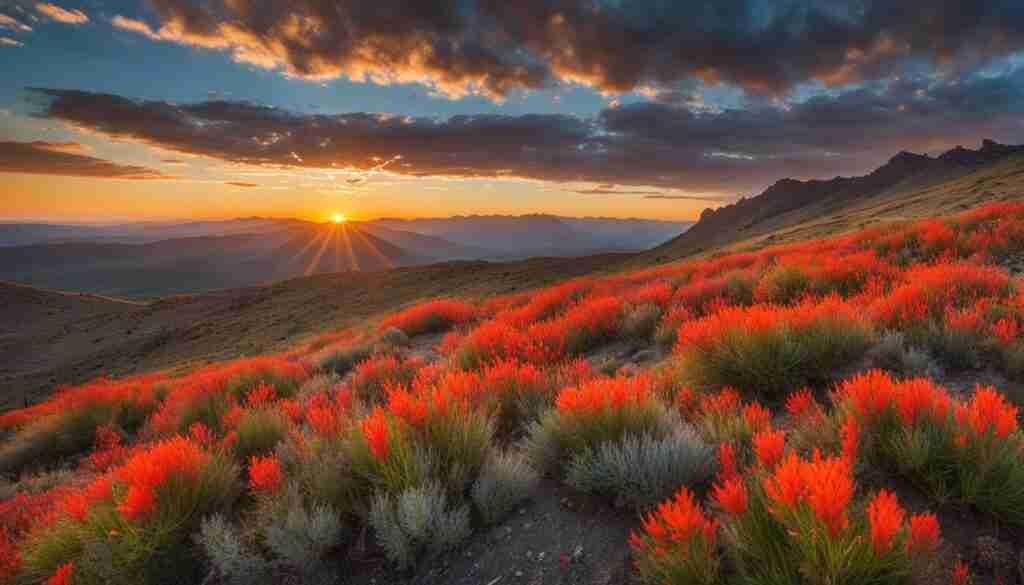
Christ’s Indian Paintbrush features a cluster of yellow to yellow-orange blooms that create a vibrant display against the backdrop of the meadows below the tree line of Mount Harrison. Its distinct color sets it apart from other varieties of Indian Paintbrush, making it easily recognizable to those familiar with Idaho’s flora.
For wildflower enthusiasts and hikers, encountering Christ’s Indian Paintbrush is a special experience. Its rare occurrence and limited habitat make it a sought-after sighting. So, if you’re up for an adventure and want to witness the beauty of this captivating wildflower, make sure to plan a trip to Mount Harrison in Idaho.
Table: Comparison of Christ’s Indian Paintbrush and Other Varieties of Indian Paintbrush
| Christ’s Indian Paintbrush | Other Varieties of Indian Paintbrush | |
|---|---|---|
| Color | Yellow to yellow-orange | Red, orange, pink, or white |
| Location | Summit of Mount Harrison, Idaho | Various locations across North America |
| Endemicity | Exclusive to Idaho | Found in different regions |
| Blooming Period | Peak season from May to July | Varies depending on the species |
Exploring the world of wildflowers in Idaho is a rewarding experience, and Christ’s Indian Paintbrush is just one of the many unique species you can discover. So, pack your camera, lace up your hiking boots, and embark on an adventure to witness the breathtaking beauty of Idaho’s wildflowers.
Camas Lilies
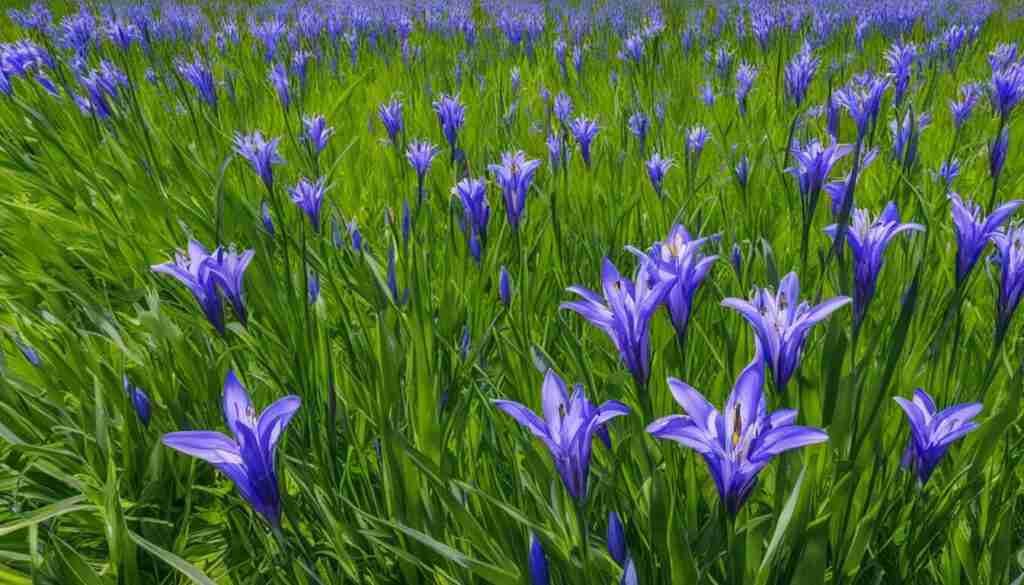
Camas Lilies are a stunning purple-blue wildflower species that thrive in the south-central region of Idaho. These beautiful flowers blanket the meadows of Idaho in late May, creating a breathtaking display of vibrant colors.
The camas lily holds great cultural significance as it was used by Indigenous people for both healing purposes and as a food source. The camas root, which is harvested from the plant, can be ground into flour and used in various culinary preparations.
Camas lilies are easily distinguishable by their six-petaled blue-purple blooms and grass-like leaves and stems. These elegant flowers can grow up to three feet in height and create a picturesque scene in the meadows where they bloom. If you happen to be in Idaho during late spring, be sure to take the time to explore and appreciate the beauty of camas lilies in their natural habitat.
The Significance of Camas Lilies
Camas lilies hold immense cultural significance to the Indigenous people of Idaho and the surrounding regions. They were not only used as a food source but also played a vital role in the cultural practices and traditions of these communities. The flowering of camas lilies in late spring marked an important time for gathering and celebrating, as it signaled the abundance and prosperity of the land.
| Significance of Camas Lilies | Uses of Camas Lilies |
|---|---|
| Symbol of abundance and prosperity | Food source (camas root) |
| Cultural traditions and celebrations | Healing properties |
The cultivation and harvesting of camas lilies were integral to the sustainable relationship between the Indigenous people and the land. Today, these beautiful flowers continue to captivate and inspire all who have the opportunity to witness their blooming season in Idaho.
Best Wildflowers in Idaho
If you’re a fan of wildflowers, then Idaho is the place to be. With its diverse range of native plants and unique species, the state offers a stunning display of natural beauty. One of the standout wildflowers in Idaho is the Syringa, also known as the state flower.
The Syringa is a perennial shrub that can be found not only in Idaho but also in neighboring Western states. It boasts clusters of fragrant white blossoms, making it a favorite among locals and visitors alike. With its elegant blooms and strong fragrance, the Syringa adds a touch of beauty and charm to the landscapes of Idaho.
If you want to explore the best wildflowers that Idaho has to offer, make sure to include the Syringa on your list. Its delicate and fragrant flowers are truly a sight to behold. So, grab your camera, head out into the picturesque landscapes of Idaho, and discover the beauty of the Syringa and other stunning wildflowers.
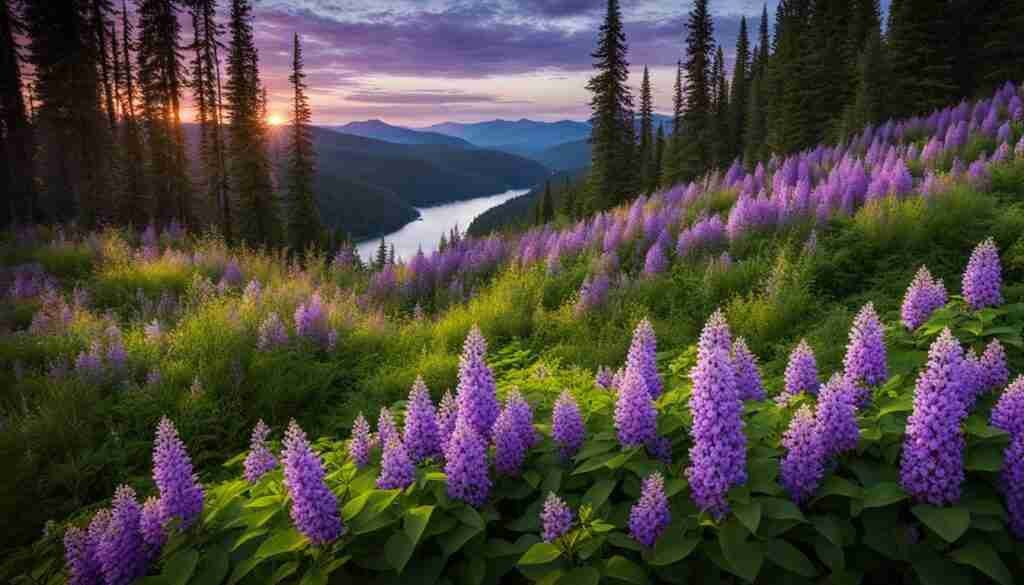
Table: Comparison of Syringa with Other Wildflowers
| Wildflower | Color | Height | Fragrance |
|---|---|---|---|
| Syringa | White | 3-10 feet | Fragrant |
| Christ’s Indian Paintbrush | Yellow to yellow-orange | Varies | Not fragrant |
| Camas Lilies | Purple-blue | Varies | Not fragrant |
| Elkhorn Clarkia | Purple to fuchsia | Up to 1.5 feet | Not fragrant |
| Arrowleaf Balsamroot | Yellow | Varies | Not fragrant |
Table: Comparison of the Syringa with other popular wildflowers in Idaho.
Elkhorn Clarkia: A Stunning Idaho Wildflower Species
When it comes to exploring the vibrant world of Idaho wildflowers, one species that stands out is the beautiful Elkhorn Clarkia. This purple wildflower, named after renowned explorer William Clark, was first documented by Meriwether Lewis during their historic expedition in the early 1800s.
With its distinct antler-shaped petals and striking color variations from vibrant purple to fuchsia, the Elkhorn Clarkia adds a touch of elegance to the picturesque landscapes of Idaho.
The Elkhorn Clarkia can reach impressive heights of up to a foot and a half, making it a noticeable presence in meadows and open spaces across the state. Its delicate blooms and slender stems create a captivating sight, especially when they sway gently in the breeze.
Whether you’re an avid photographer capturing the beauty of Idaho’s wildflowers or a nature enthusiast immersing yourself in the wonders of the outdoors, encountering the Elkhorn Clarkia is truly a memorable experience.
To fully appreciate the diversity of Idaho’s wildflower species, it’s essential to explore different regions and habitats where these beautiful blooms thrive. From the breathtaking Bitterroot Mountains to the stunning landscapes of Mount Harrison, you’ll find the Elkhorn Clarkia and many other fascinating wildflowers that make Idaho a haven for nature lovers.
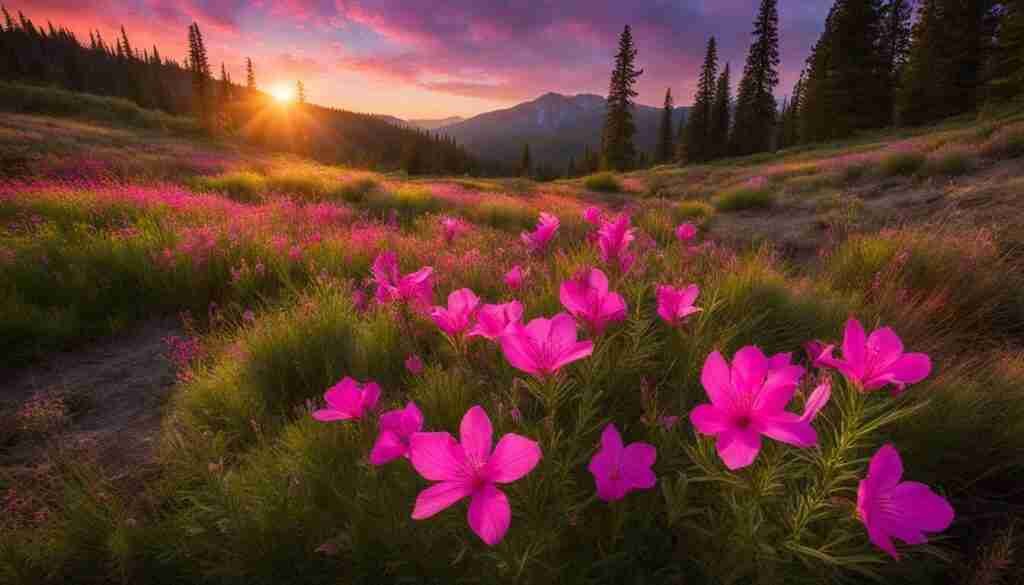
Table: A Comparison of Idaho Wildflower Species
| Wildflower | Color | Height | Found in |
|---|---|---|---|
| Elkhorn Clarkia | Purple to fuchsia | Up to 1.5 feet | Meadows and open spaces |
| Christ’s Indian Paintbrush | Yellow to yellow-orange | Varies | Mount Harrison summit |
| Camas Lilies | Purple-blue | Varies | South-central Idaho |
| Syringa | Fragrant white | 3 to 10 feet | Western states, including Idaho |
In addition to its visual appeal, the Elkhorn Clarkia contributes to the overall ecosystem as an important source of nectar and pollen for bees and other pollinators. By supporting the growth and preservation of native wildflowers like the Elkhorn Clarkia, we can help maintain a healthy environment for these vital species and ensure their beauty continues to enrich the landscapes of Idaho for generations to come.
As you immerse yourself in the wonder of Idaho’s wildflowers, be sure to keep an eye out for the enchanting Elkhorn Clarkia. Whether you stumble upon its vibrant blooms during a hike or seek it out specifically, this captivating wildflower species will undoubtedly leave a lasting impression on your Idaho adventure.
Arrowleaf Balsamroot: A Guide to Idaho’s Vibrant Wildflower
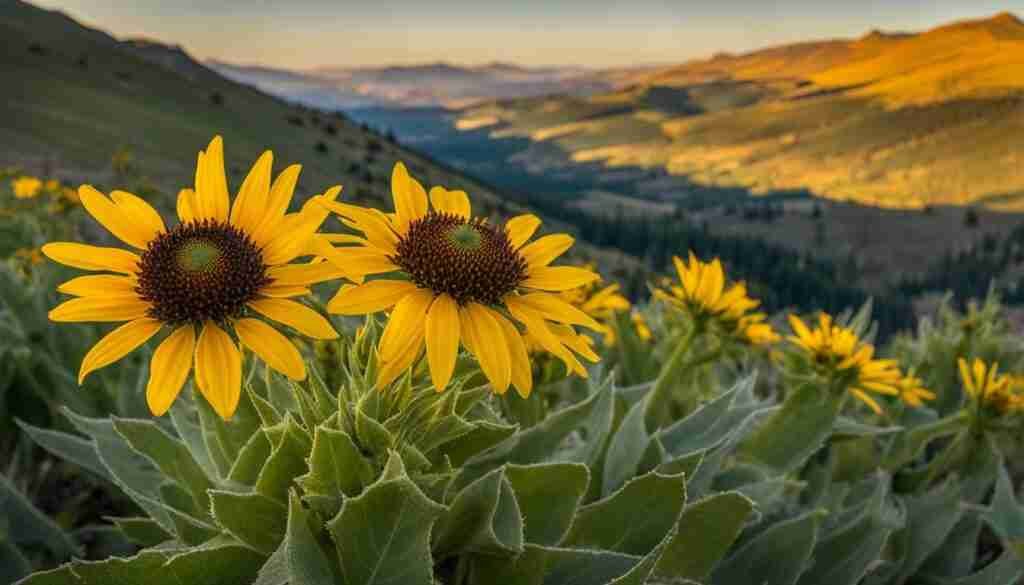
If you’re a fan of vibrant yellow wildflowers, then Arrowleaf Balsamroot is a must-see in Idaho. With its distinctive arrow-shaped leaves and beautiful yellow blooms, this wildflower adds a burst of color to the desert landscapes across the Boise National Forest and the slopes of the Lucky Peak Reservoir. But Arrowleaf Balsamroot is more than just a pretty flower – it’s also a fascinating part of Idaho’s natural ecosystem.
This resilient wildflower thrives in desert conditions, thanks to its ability to store water in its thick roots. It can withstand the harsh climates of Idaho’s high plateaus and dry grasslands, making it a true symbol of resilience and adaptability. When you come across an Arrowleaf Balsamroot, take a moment to appreciate its ability to flourish in such challenging environments.
If you’re planning a wildflower excursion in Idaho, be sure to add Arrowleaf Balsamroot to your list. This beautiful flower not only adds a vibrant splash of yellow to the landscape but also serves as a reminder of the resilience and beauty of nature. Get your camera ready, and prepare to capture the stunning Arrowleaf Balsamroot in all its glory.
Notable Features of Arrowleaf Balsamroot:
- Distinctive arrow-shaped leaves
- Showy yellow flowers
- Thrives in desert conditions
- Resilient and adaptable
- Grows across the Boise National Forest and the slopes of the Lucky Peak Reservoir
Idaho Trillium: Discover the Beauty of this Native Wildflower
Idaho Trillium, also known as Wake-Robin, is a stunning wildflower that belongs to the lily family. With its large, eye-catching leaves and vibrant blooms, this native plant adds a touch of elegance to the forests and stream banks of Idaho, Oregon, and Washington. Its beauty is truly a sight to behold, making it a favorite subject for photographers capturing the essence of Idaho’s natural landscapes.
The Idaho Trillium blooms in early spring, creating a carpet of color along the forest floors. The large leaves of this wildflower can change hues as they age, transitioning from pink to purple to red. This unique feature adds to its allure and makes it a captivating sight for nature enthusiasts and hikers exploring the wilderness.
If you’re interested in capturing the beauty of Idaho Trillium in photographs, there are several prime locations where you can find these enchanting wildflowers. Head to the stream banks and forested areas around Idaho, Oregon, and Washington to witness the beauty of Idaho Trillium in its natural habitat. With its vibrant colors and graceful form, this wildflower is a true gem that photographers and nature lovers will appreciate.
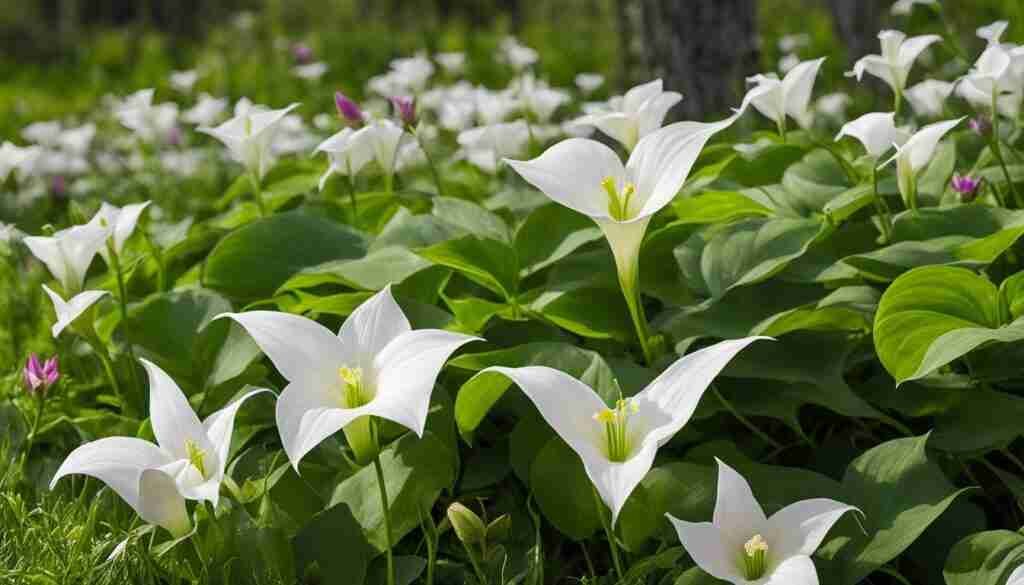
Immerse yourself in the natural wonders of Idaho by exploring the breathtaking landscapes where Idaho Trillium thrives. With your camera in hand, capture the vibrant colors and delicate details of this native wildflower. Let the beauty of Idaho Trillium inspire you and remind you of the incredible diversity and richness of Idaho’s wildflower heritage.
Dwarf Monkeyflower: A Delicate Desert Beauty
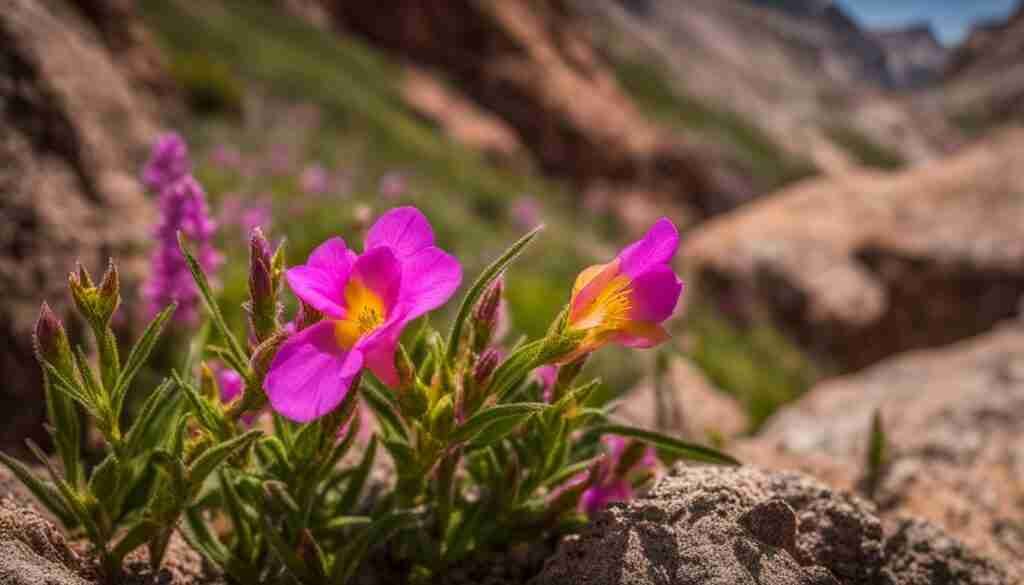
When it comes to the diverse wildflowers of Idaho, the Dwarf Monkeyflower stands out as a small but captivating gem. This delicate flower blooms in mid-June, adding a splash of color to the arid landscapes of Craters of the Moon National Monument and Preserve. Despite its small stature, the Dwarf Monkeyflower is a true survivor, able to withstand the harsh conditions of the desert with ease.
With its vibrant yellow petals and intricate purple markings, the Dwarf Monkeyflower is a sight to behold. This little beauty grows between two and ten centimeters tall, dotting the rocky terrain with bursts of sunny hues. Its ability to thrive in the face of adversity makes it a symbol of resilience and beauty in the Idaho wilderness.
Idaho Wildflower Season: Exploring Nature’s Canvas
The Idaho wildflower season is a time of discovery and wonder, as the state’s diverse ecosystems burst into bloom. From the towering peaks of the Bitterroot Mountains to the expansive meadows of the Boise National Forest, Idaho offers a stunning array of wildflowers for nature enthusiasts to explore.
Whether you’re an avid hiker or a photography enthusiast, the Idaho wildflower season provides ample opportunities to immerse yourself in the beauty of nature. As you traverse the trails and meadows, keep an eye out for the Dwarf Monkeyflower, a true symbol of the resilience and adaptability of Idaho’s wildflowers.
| Benefits of Idaho Wildflower Season | Challenges of Idaho Wildflower Season |
|---|---|
|
|
Payette Beardtongue
If you’re looking to explore the beautiful wildflowers of Idaho, one species you won’t want to miss is the Payette Beardtongue. With its vibrant purple-blue blooms, this flower adds a pop of color to the landscapes it inhabits. Found in small portions of Idaho, Montana, and Oregon, the Payette Beardtongue is a favorite among gardeners and nature enthusiasts alike.
The Payette Beardtongue is not only visually stunning, but it also plays a crucial role in attracting pollinators. Its bright blooms are known to attract butterflies and hummingbirds, making it a popular choice for those looking to create a pollinator-friendly garden. Plus, the Payette Beardtongue can reach heights of up to two feet, making it an impressive sight to behold.
Idaho Wildflower Field Guide
To help you discover and learn more about the Payette Beardtongue and other wildflowers in Idaho, be sure to check out the Idaho Wildflower Field Guide. This comprehensive guide provides detailed information on over 800 flower species found in the state, including descriptions, photos, and habitat preferences.
Whether you’re a beginner or an experienced wildflower enthusiast, this field guide is a valuable resource for identifying and appreciating the native flora of Idaho.
| Common Name | Scientific Name | Bloom Color |
|---|---|---|
| Payette Beardtongue | Pedicularis centranthera | Purple-blue |
| Camas Lilies | Camassia spp. | Purple-blue |
| Syringa | Syringa vulgaris | White |
So grab your camera, venture out into the wild, and let the Idaho Wildflower Field Guide be your companion as you explore the extraordinary beauty of the Payette Beardtongue and countless other wildflowers that grace the landscapes of Idaho.
Conclusion
Idaho is a haven for wildflower enthusiasts, with a diverse range of native plants and unique species that can only be found in the state. From the rare yellow Christ’s Indian Paintbrush to the purple-blue Camas Lilies, Idaho’s wildflowers offer a stunning display of natural beauty.
If you’re planning to explore the picturesque landscapes of Idaho, the newly developed “Idaho Wildflowers” app is your ultimate guide. With over 800 flower species covered, this app makes it easier than ever to identify and study these beautiful plants. Whether you’re a seasoned botanist or a curious nature lover, the app’s comprehensive information and vibrant photos will enhance your wildflower experience.
Discover the best wildflowers in Idaho, learn about the unique Idaho Trillium with its color-changing leaves, or marvel at the resilience of the Dwarf Monkeyflower in the harsh desert conditions. The app also features detailed field guides for popular species like the Payette Beardtongue, known for attracting colorful pollinators. So grab your camera and get ready to immerse yourself in Idaho’s wildflower season.
Whether you’re interested in Idaho native plants, need a reliable wildflower guide, or simply want to enjoy the beauty of Idaho’s wildflower species through stunning photos, the “Idaho Wildflowers” app has got you covered. Download it today and embark on an unforgettable journey through Idaho’s breathtaking floral landscapes.
FAQ
Are all of these wildflowers native to Idaho?
Yes, all of the wildflowers mentioned in this article are native to Idaho.
When is the best time to see wildflowers in Idaho?
The peak season for wildflowers in Idaho is from May to July.
Can I find these wildflowers in other states?
Some of these wildflowers can also be found in other Western states, such as Montana, Wyoming, Washington, and California.
Can I grow these wildflowers in my garden?
While some of these wildflowers can be cultivated in gardens, such as Syringa and Payette Beardtongue, others may be better suited to their natural habitats.
Are there any other rare or unique wildflowers in Idaho?
Yes, Idaho is home to many rare and unique wildflowers. The ones mentioned in this article are just a few examples.
Are there any apps or guides available for identifying wildflowers in Idaho?
Yes, the newly developed “Idaho Wildflowers” app provides a comprehensive guide to over 800 flower species in the state, making it easier than ever to identify and study these beautiful plants.
Can I find these wildflowers in specific regions of Idaho?
While some wildflowers may be more prevalent in certain regions of Idaho, many can be found throughout the state, including in national parks and forests.
Can I take photographs of these wildflowers?
Absolutely! These wildflowers offer a stunning display of natural beauty and are perfect subjects for photography. Just remember to respect their natural habitats and follow any guidelines or regulations in place.
Are these wildflowers endangered?
While some wildflowers may be rare or have limited distributions, their conservation status varies. It’s important to practice responsible wildflower viewing and avoid picking or damaging the plants.
Can I join organized tours or hikes to see these wildflowers?
Yes, there are often organized tours or hikes specifically focused on wildflower viewing in Idaho. Check with local visitor centers, tour companies, or nature organizations for more information.