
Indiana is home to a diverse array of wildflowers, showcasing the vibrant beauty of the state’s natural landscapes. From summer blooms to spring blossoms, there are numerous native Indiana plants that add a splash of color to the environment.
This article will serve as a comprehensive guide to Indiana wildflowers, providing identification tips, species information, and conservation efforts. Explore the world of Indiana wildflowers and discover their unique habitats and characteristics.
Key Takeaways:
- Indiana is a haven for wildflower enthusiasts, offering a wide range of species and habitats to explore.
- By learning to identify and appreciate native Indiana plants, we can contribute to their conservation and preservation.
- There are various resources available, such as field guides and online databases, to help with Indiana wildflower identification.
- Indiana wildflowers can be found in different habitats, including woodlands, meadows, and along woodland edges.
- Conservation efforts are crucial to protect the biodiversity and beauty of Indiana’s wildflowers for future generations to enjoy.
Summer and Fall Wildflowers
Experience the vibrant beauty of Indiana’s summer and fall wildflowers. According to the Indiana Department of Natural Resources, Division of State Parks, these seasons offer a diverse array of wildflower species that grace the state’s landscapes. From wet meadows to open woods, each habitat provides a unique environment for these stunning blooms to thrive.
Some of the notable summer and fall wildflowers found in Indiana include the Spotted Jewelweed, Hollow Joe-Pye Weed, Naked Tick Trefoil, Common Milkweed, Downy Skullcap, Calico Aster, Asiatic Dayflower, Great Lobelia, Tall Bellflower, Tall Ironweed, Heal-all, Wild Bergamot, and Hairy Ruellia. Each of these wildflowers exhibits its own distinctive characteristics, adding a splash of color and beauty to their surroundings.
Table: Summer and Fall Wildflowers
| Wildflower | Location | Habitat |
|---|---|---|
| Spotted Jewelweed | Throughout Indiana | Wet meadows |
| Hollow Joe-Pye Weed | Northern Indiana | Open woods |
| Naked Tick Trefoil | Central and southern Indiana | Moist, rich soils |
| Common Milkweed | Throughout Indiana | Open fields |
| Downy Skullcap | Central and southern Indiana | Wet meadows |
| Calico Aster | Throughout Indiana | Open woods |
| Asiatic Dayflower | Central and southern Indiana | Moist, rich soils |
| Great Lobelia | Throughout Indiana | Wet meadows |
| Tall Bellflower | Northern Indiana | Open woods |
| Tall Ironweed | Central and southern Indiana | Moist, rich soils |
| Heal-all | Throughout Indiana | Open fields |
| Wild Bergamot | Central and southern Indiana | Wet meadows |
| Hairy Ruellia | Throughout Indiana | Open woods |
Immerse yourself in the captivating world of Indiana’s summer and fall wildflowers. Explore the natural wonders of these diverse habitats and witness the beauty of these native plants, carefully preserved by the Indiana Department of Natural Resources. Whether you’re a nature enthusiast or simply appreciate the splendor of wildflowers, Indiana’s summer and fall blooms will leave you in awe.
Spring Wildflowers
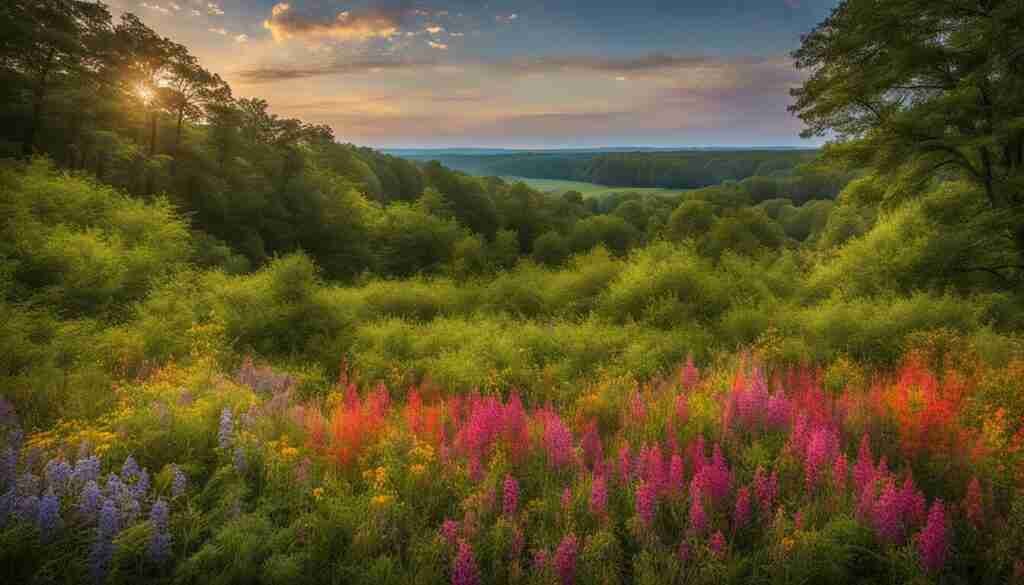
Spring is a magical time in Indiana when the landscape comes alive with a stunning display of wildflowers. From woodlands to open fields, these vibrant blooms add a burst of color to the scenery. The Indiana Department of Natural Resources, Division of State Parks, offers interpretive services to help you identify and appreciate the beauty of spring wildflowers in the state.
Notable Spring Wildflowers
Here are some notable spring wildflowers you may encounter in Indiana:
- Fire Pink: This striking flower features bright red petals and can be found in woodlands and rocky slopes.
- Squawroot: Look for this unique parasitic plant, which lacks chlorophyll and grows in association with tree roots.
- Celandine Poppy: With its sunny yellow blooms, this wildflower thrives in shady, moist areas.
- Bristly Buttercup: Found in open fields and meadows, this delicate flower adds a touch of yellow to the landscape.
- Yellow Wood Sorrel: This clover-like plant displays yellow flowers and is often found in lawns and open areas.
- Prairie Trillium: Look for this three-petaled flower in woodlands and grassy areas. Its blooms vary in color from white to pink.
- Wild Geranium: With its purple flowers and deeply lobed leaves, this wildflower is a common sight in woodlands and open areas.
- Wild Columbine: Known for its unique red and yellow flowers, this wildflower attracts hummingbirds and can be found in rocky areas and woodlands.
- Common Blue Violet: This small, purple flower is often found in lawns, gardens, and open woodlands.
- Spring Larkspur: Look for tall spikes of blue flowers in woodlands and open areas.
- Spiderwort: With its vibrant blue or purple flowers, this wildflower grows in moist areas and can be found along roadsides.
- Virginia Bluebells: These bell-shaped, blue flowers are a sight to behold in woodlands and along streams.
- Bluets: These small, star-shaped flowers blanket the ground in open fields and woodlands.
- Virginia Waterleaf: Look for clusters of pink or purple flowers in shaded woodlands.
- Blue Phlox: With its fragrant blue flowers, this wildflower adds beauty to woodlands, gardens, and meadows.
These are just a few examples of the many spring wildflowers that grace Indiana’s landscapes. Take some time to explore the outdoors and discover the diverse array of colors and shapes that these native plants offer. Remember to respect and preserve these delicate ecosystems for future generations to enjoy.
| Wildflower | Habitat | Blooming Period |
|---|---|---|
| Fire Pink | Woodlands, rocky slopes | April – June |
| Squawroot | Woodlands | April – June |
| Celandine Poppy | Shady, moist areas | April – May |
| Bristly Buttercup | Open fields, meadows | April – June |
| Yellow Wood Sorrel | Lawns, open areas | April – June |
| Prairie Trillium | Woodlands, grassy areas | April – May |
| Wild Geranium | Woodlands, open areas | April – July |
| Wild Columbine | Rocky areas, woodlands | April – June |
| Common Blue Violet | Lawns, gardens, open woodlands | April – May |
| Spring Larkspur | Woodlands, open areas | April – May |
| Spiderwort | Moist areas, roadsides | May – July |
| Virginia Bluebells | Woodlands, streams | April – May |
| Bluets | Open fields, woodlands | April – May |
| Virginia Waterleaf | Shaded woodlands | April – May |
| Blue Phlox | Woodlands, gardens, meadows | April – May |
White Wildflowers
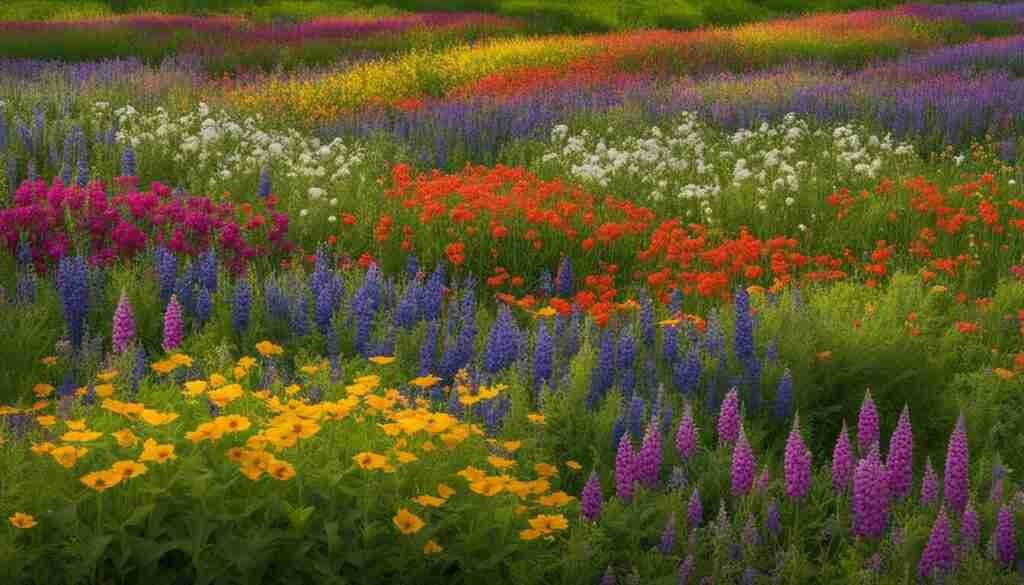
White wildflowers add a touch of elegance and purity to Indiana’s landscapes. These delicate blooms can be found in a variety of habitats, from woodlands to meadows. Let’s discover some of the beautiful white wildflowers that grace Indiana’s natural environment.
Snow Trillium
The Snow Trillium is a stunning white wildflower that blooms in early spring. Its pure white petals contrast against the dark green foliage, creating a striking visual display. This wildflower can be found in wooded areas, often carpeting the forest floor with its delicate blooms. The Snow Trillium is a true sign that winter is ending and spring is on its way.
Harbinger of Spring

The Harbinger of Spring is one of the earliest wildflowers to bloom in Indiana. Its small white flowers emerge in late winter or early spring, heralding the arrival of warmer days. This wildflower can be found in woodlands and along woodland edges. Its dainty blooms and early appearance make it a welcome sight after the long winter months.
Sharp-lobed Hepatica
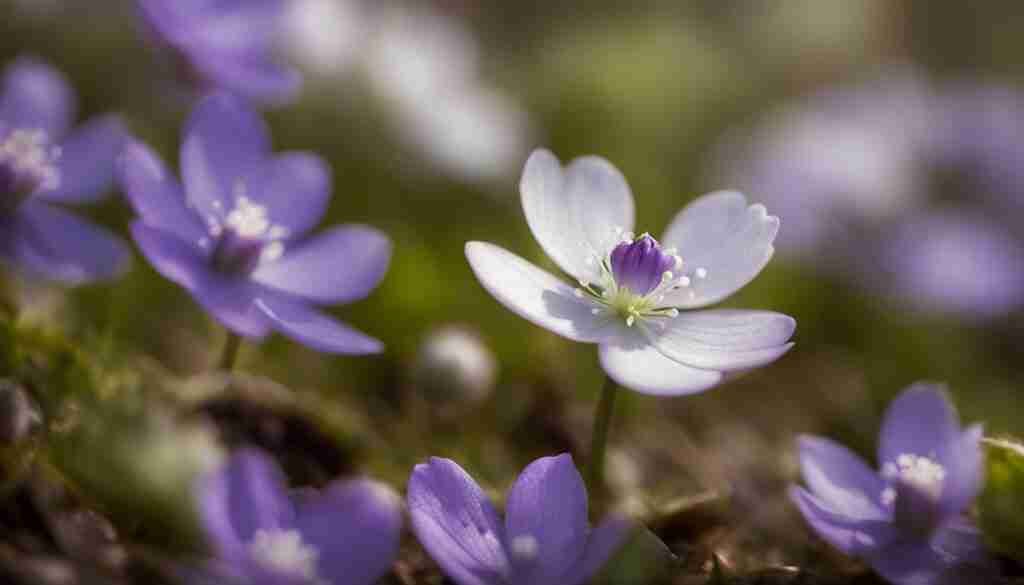
The Sharp-lobed Hepatica is a charming white wildflower that blooms in early spring. Its star-shaped flowers stand out against the dark green leaves, creating a beautiful contrast. This wildflower can be found in woodlands and rocky slopes. Its ability to thrive in rocky environments makes it a resilient and captivating addition to Indiana’s wildflower diversity.
Bloodroot
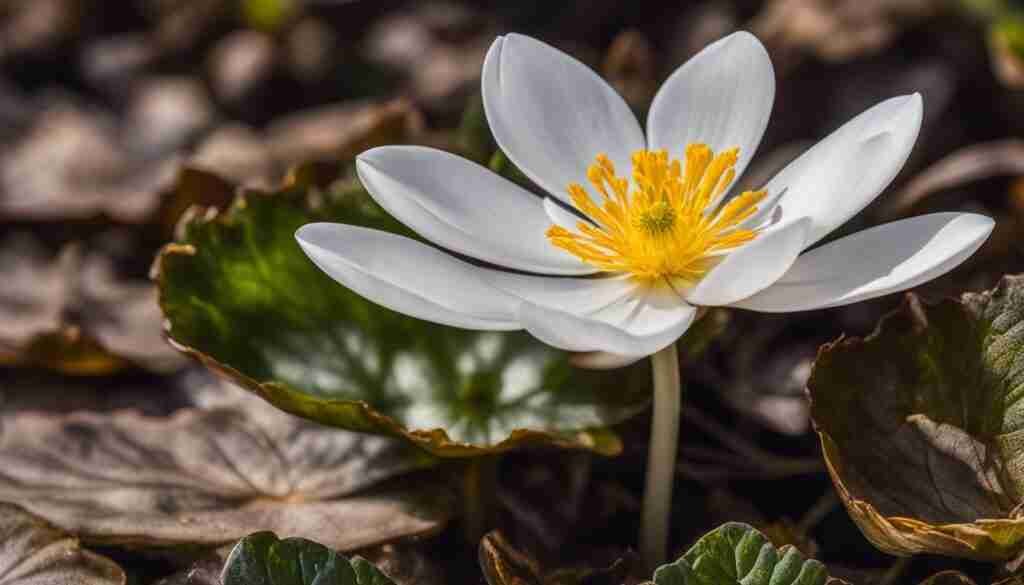
The Bloodroot is an enchanting white wildflower that typically blooms in early spring. Its delicate white petals are accompanied by a vibrant yellow center, adding a touch of color to its appearance. This wildflower can be found in rich, wooded areas and along streams. The Bloodroot’s unique beauty and early blooming period make it a beloved wildflower among nature enthusiasts.
Cut-leaved Toothwort

The Cut-leaved Toothwort is a lovely white wildflower that blooms in spring. Its small, four-petaled flowers form delicate clusters on slender stems. This wildflower can be found in woodlands and along woodland edges. The Cut-leaved Toothwort’s dainty blooms and intricate foliage make it a delightful addition to Indiana’s natural landscapes.
Rue-Anemone
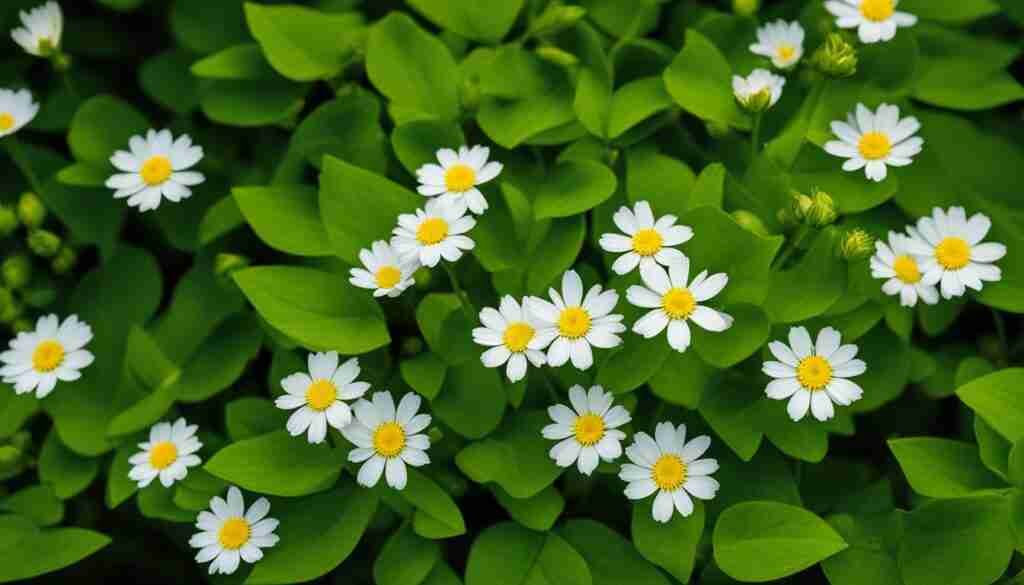
The Rue-Anemone is a graceful white wildflower that blooms in early spring. Its delicate, star-shaped flowers add a touch of elegance to the woodland floor. This wildflower can be found in rich, moist woodlands. The Rue-Anemone’s beauty and ability to thrive in shady environments make it a favorite among wildflower enthusiasts.
Twin Leaf
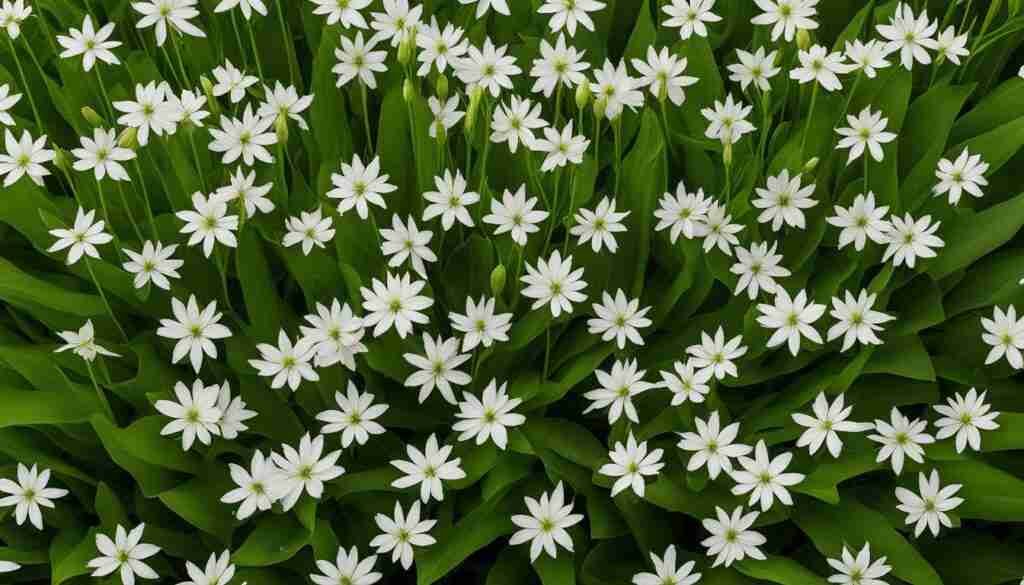
The Twin Leaf is a unique white wildflower that blooms in early spring. Its large, deeply divided leaves give the appearance of a “twin leaf,” hence its name. This wildflower can be found in moist woodlands and along streams. The Twin Leaf’s distinct foliage and delicate white flowers make it a standout among Indiana’s wildflower species.
Dutchman’s Breeches
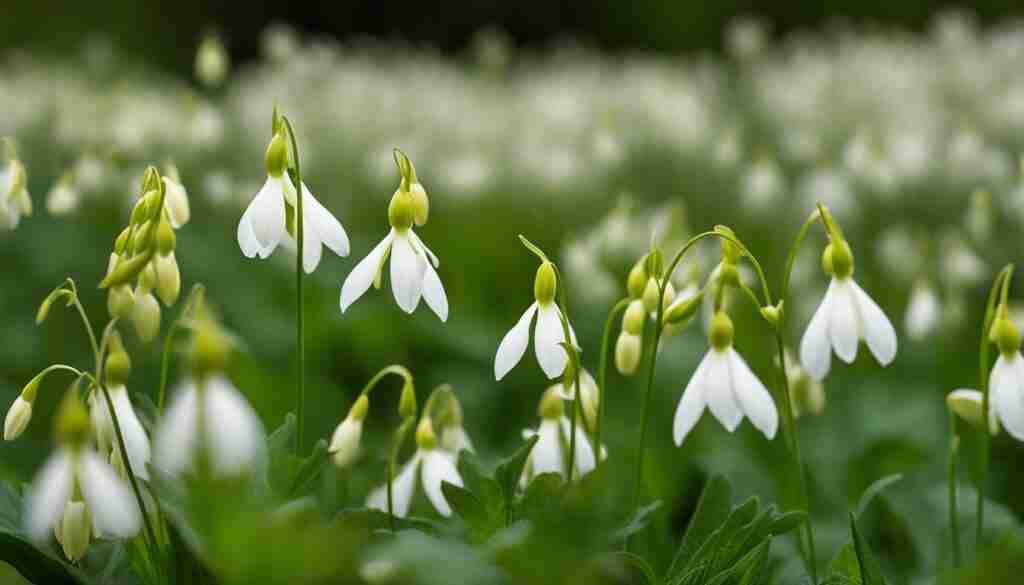
The Dutchman’s Breeches is a charming white wildflower that blooms in spring. Its unique flower shape resembles a pair of breeches, giving it a whimsical appearance. This wildflower can be found in moist woodlands and along streams. The Dutchman’s Breeches’ distinctive blooms make it a favorite among photographers and nature enthusiasts.
Squirrel Corn
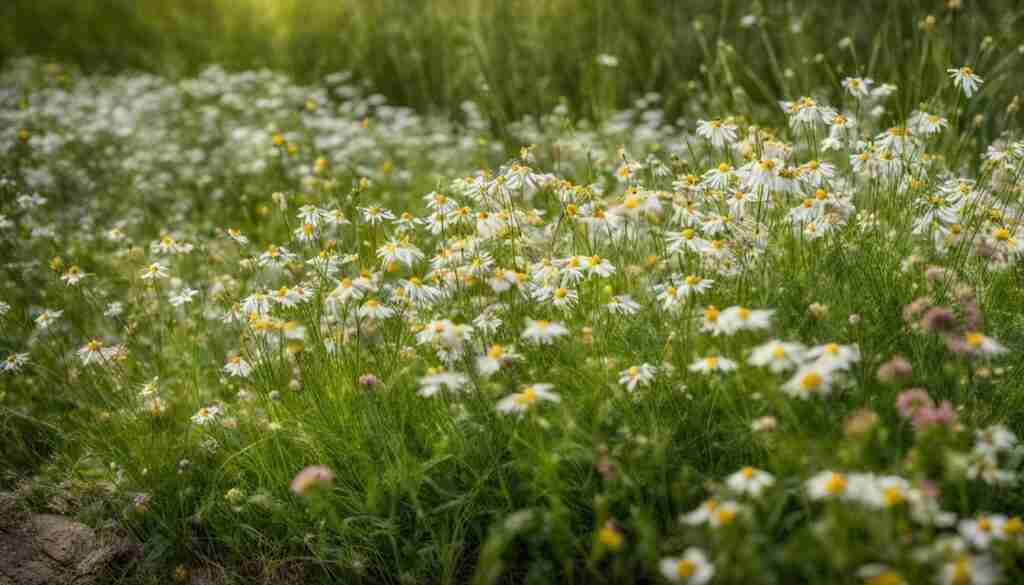
The Squirrel Corn is a delicate white wildflower that blooms in spring. Its small, heart-shaped white flowers resemble corn kernels, hence its name. This wildflower can be found in rich, moist woodlands. The Squirrel Corn’s unique appearance and woodland habitat make it a captivating addition to Indiana’s wildflower diversity.
Drooping Trillium
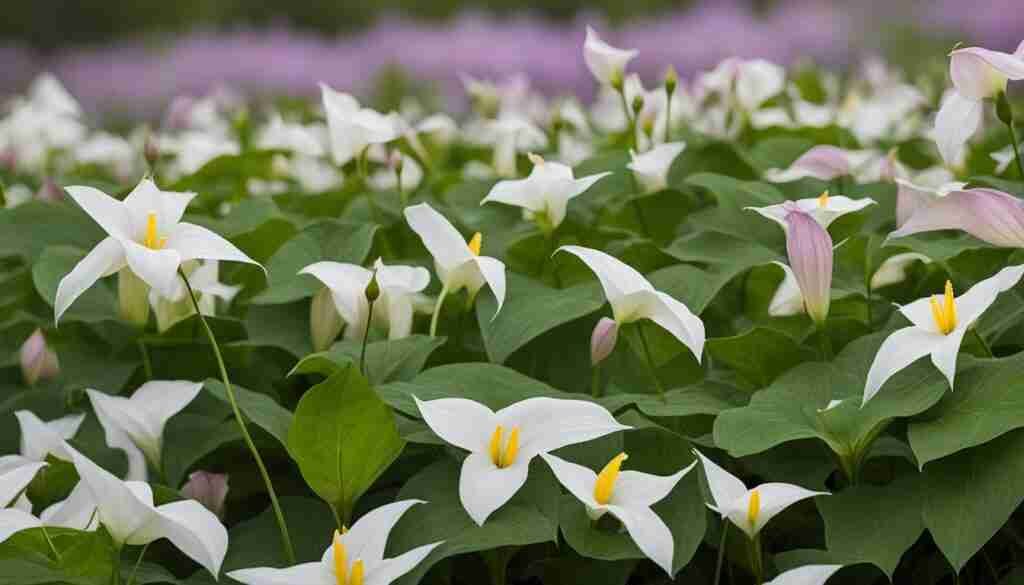
The Drooping Trillium is a stunning white wildflower that blooms in early spring. Its three large petals arch downward, giving it a graceful and elegant appearance. This wildflower can be found in rich, moist woodlands. The Drooping Trillium’s captivating blooms and woodland habitat make it a sought-after sight for nature enthusiasts.
Mayapple
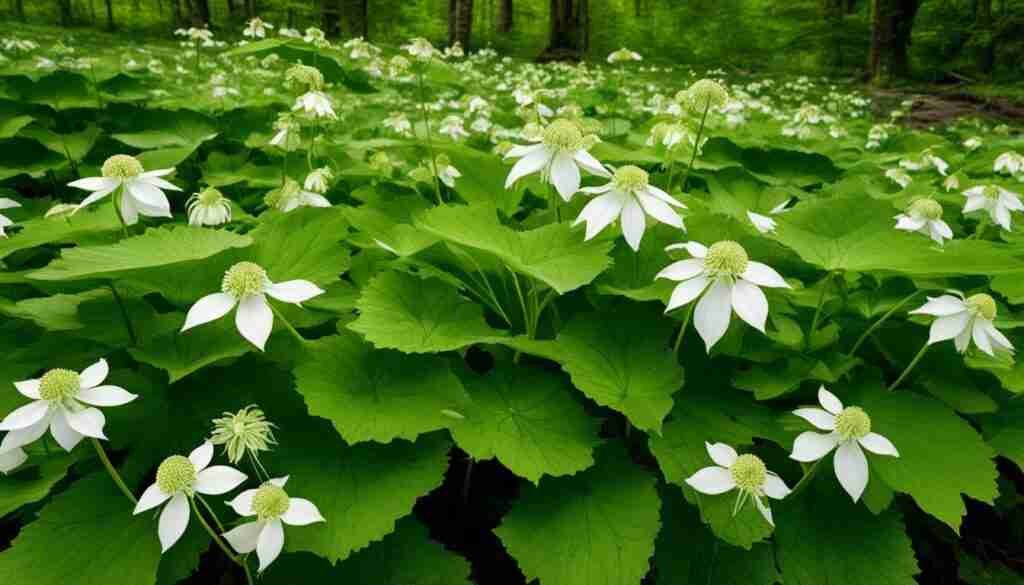
The Mayapple is a unique white wildflower that blooms in late spring. Its umbrella-like leaves form a lush carpet on the forest floor, beneath which the flowers bloom. This wildflower can be found in moist woodlands and along woodland edges. The Mayapple’s distinct foliage and hidden flowers make it an intriguing addition to Indiana’s wildflower diversity.
Plaintain-leaved Pussytoes
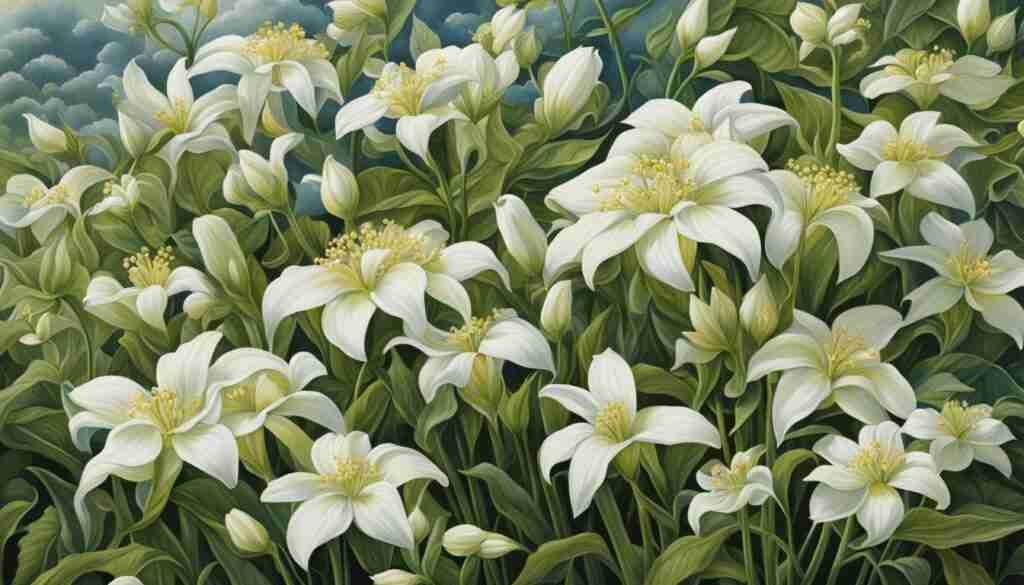
The Plaintain-leaved Pussytoes is a delicate white wildflower that blooms in spring. Its small, fluffy flowers create a charming display. This wildflower can be found in dry, open woods and along woodland edges. The Plaintain-leaved Pussytoes’ unique appearance and ability to thrive in drier habitats make it a fascinating addition to Indiana’s wildflower landscapes.
Spring Beauty
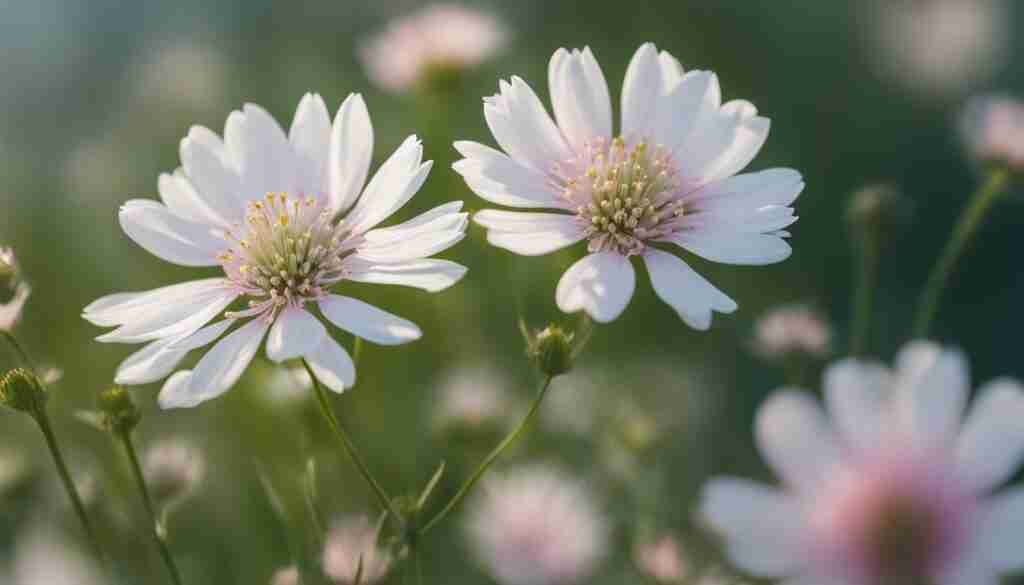
The Spring Beauty is a delicate white wildflower that blooms in early spring. Its small, star-shaped flowers add a touch of beauty to Indiana’s woodlands. This wildflower can be found in a variety of habitats, including woodlands, meadows, and prairies. The Spring Beauty’s delicate flowers and adaptability make it a beloved wildflower among nature enthusiasts.
Shooting Star

The Shooting Star is a captivating white wildflower that blooms in late spring. Its unique, drooping flowers resemble shooting stars descending from the sky. This wildflower can be found in moist, open woodlands. The Shooting Star’s distinctive blooms and enchanting appearance make it a favorite among wildflower enthusiasts and photographers.
| White Wildflower | Scientific Name | Habitat | Blooming Period |
|---|---|---|---|
| Snow Trillium | Trillium nivale | Woodlands | Early spring |
| Harbinger of Spring | Erigenia bulbosa | Woodlands, woodland edges | Late winter to early spring |
| Sharp-lobed Hepatica | Hepatica acutiloba | Woodlands, rocky slopes | Early spring |
| Bloodroot | Sanguinaria canadensis | Rich, wooded areas, along streams | Early spring |
| Cut-leaved Toothwort | Cardamine concatenata | Woodlands, woodland edges | Spring |
| Rue-Anemone | Thalictrum thalictroides | Rich, moist woodlands | Early spring |
| Twin Leaf | Jeffersonia diphylla | Moist woodlands, along streams | Early spring |
| Dutchman’s Breeches | Dicentra cucullaria | Moist woodlands, along streams | Spring |
| Squirrel Corn | Dicentra canadensis | Rich, moist woodlands | Spring |
| Drooping Trillium | Trillium flexipes | Rich, moist woodlands | Early spring |
| Mayapple | Podophyllum peltatum | Moist woodlands, along woodland edges | Late spring |
| Plaintain-leaved Pussytoes | Antennaria plantaginifolia | Dry, open woods, along woodland edges | Spring |
| Spring Beauty | Claytonia virginica | Woodlands, meadows, prairies | Early spring |
| Shooting Star | Dodecatheon meadia | Moist, open woodlands | Late spring |
Purple Wildflowers
Purple wildflowers add a touch of royalty and beauty to Indiana’s wild landscapes. The Bull Thistle, Common Burdock, and Clasping Venus’ Looking Glass are notable examples of purple wildflowers found in the state. These flowers can be found in various habitats, including open fields, disturbed areas, and woodlands. The Bull Thistle and Common Burdock are also important food sources for birds, bees, and butterflies.
When you encounter a Bull Thistle (Cirsium vulgare) in Indiana, you’ll be captivated by its vibrant purple flowers surrounded by prickly leaves. This tall and robust wildflower is not only visually striking but also plays a crucial role in supporting pollinators and providing nectar for butterflies and bees. Be cautious when approaching the Bull Thistle, as its spiky leaves can deliver a sharp sting.
The Common Burdock (Arctium minus) is another purple wildflower that thrives in Indiana’s diverse ecosystems. With its distinctive round flower heads and velcro-like burrs, the Common Burdock has a unique adaptation for seed dispersal. Animals often become carriers of its burrs, facilitating the plant’s spread to new locations. Keep an eye out for this fascinating wildflower in fields, meadows, and along roadsides.
| Wildflower | Habitat | Notable Features |
|---|---|---|
| Bull Thistle | Open fields, disturbed areas, and woodlands | Prickly leaves, vibrant purple flowers, important food source for birds, bees, and butterflies |
| Common Burdock | Fields, meadows, and roadsides | Round flower heads, burrs for seed dispersal, attracts animals as carriers |
| Clasping Venus’ Looking Glass | Woodlands, open areas, and roadsides | Delicate violet flowers, heart-shaped leaves, climbing tendrils |
Clasping Venus’ Looking Glass (Triodanis perfoliata) is a charming purple wildflower that can be found in woodlands, open areas, and along roadsides. Its delicate violet flowers, paired with heart-shaped leaves and climbing tendrils, create a captivating visual display. Take a moment to admire the Clasping Venus’ Looking Glass and appreciate its graceful presence in Indiana’s natural habitats.
As you explore Indiana’s wild landscapes, keep an eye out for these purple wildflowers. Their vibrant colors and unique characteristics make them a true gift from nature. Whether you spot the tall and spiky Bull Thistle, encounter the burr-bearing Common Burdock, or marvel at the delicate beauty of the Clasping Venus’ Looking Glass, these purple wildflowers are sure to leave a lasting impression on your wildflower journey.
Pink-Red Wildflowers
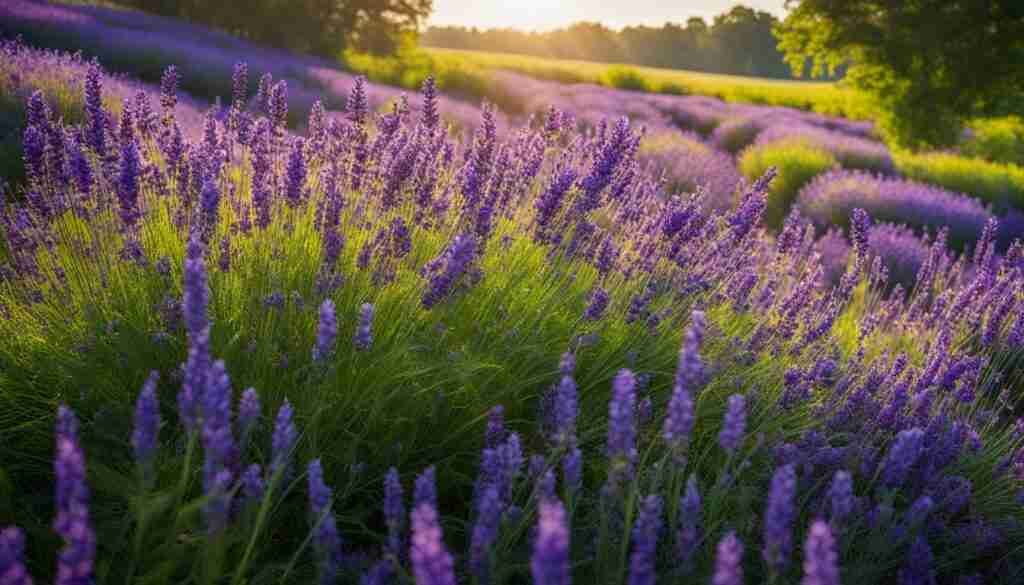
Pink and red wildflowers bring a pop of color to Indiana’s meadows and woodlands. Among these vibrant blooms, three particular species stand out: Prairie Trillium, Fire Pink, and Wild Geranium.
The Prairie Trillium (Trillium recurvatum) is a striking perennial wildflower with deep red petals and distinct three-lobed leaves. It can be found in woodland habitats throughout Indiana. The Fire Pink (Silene virginica) boasts fiery red flowers and elongated petals with notched edges, attracting hummingbirds and butterflies.
This wildflower thrives in open woods and meadows. Lastly, the Wild Geranium (Geranium maculatum) displays delicate pink flowers with intricate veining and deeply lobed leaves. It can be found in wooded areas and along woodland edges.
These pink-red wildflowers add beauty and diversity to Indiana’s native flora. Their vivid colors and unique characteristics make them a delight to observe and appreciate in the natural environment.
Pink-Red Wildflowers in Indiana
Here is a table summarizing the key features of these pink-red wildflowers:
| Wildflower | Scientific Name | Habitat | Main Characteristics |
|---|---|---|---|
| Prairie Trillium | Trillium recurvatum | Woodlands | Deep red petals with three-lobed leaves |
| Fire Pink | Silene virginica | Open woods, meadows | Fiery red flowers with notched petals |
| Wild Geranium | Geranium maculatum | Wooded areas, woodland edges | Pink flowers with veined petals and lobed leaves |
Next in the article, we’ll explore the serene beauty of blue-violet wildflowers found in Indiana’s woodlands and meadows.
Blue-Violet Wildflowers
Blue and violet wildflowers create a serene and enchanting atmosphere in Indiana’s woodlands and meadows. These stunning blooms add a touch of beauty to the natural landscapes, attracting various pollinators such as butterflies, bees, and moths. Let’s explore some of the notable blue-violet wildflowers found in Indiana:
Common Blue Violet
The Common Blue Violet is a delicate flower that showcases vibrant blue or purple petals. It can be found in woodlands, meadows, and along the edges of forests. The heart-shaped leaves of this wildflower make it easily recognizable. Common Blue Violets provide an important food source for many butterfly species, making them a valuable part of Indiana’s ecosystem.
Spring Larkspur
Spring Larkspur is a tall, elegant wildflower with deep purple or blue flowers. It can be found in open woodlands and along roadsides. The distinctive, spurred petals give this wildflower its unique appearance. Spring Larkspur blooms in the early spring, adding a splash of color to Indiana’s natural landscapes.
Spiderwort
Spiderwort is a charming wildflower with vibrant blue or purple petals that bloom in clusters. It can be found in moist meadows, woodlands, and along stream banks. Spiderwort gets its name from its sap, which resembles a spider’s web. This wildflower is not only beautiful but also serves as an indicator of environmental health due to its sensitivity to pollutants.
Virginia Bluebells
The Virginia Bluebells are a sight to behold with their bright blue, bell-shaped flowers. These wildflowers bloom in early spring and can be found in rich, moist woodlands and floodplain forests. Virginia Bluebells provide important nectar for early-emerging bees and butterflies, making them an essential part of Indiana’s ecosystem.
Bluets
The Bluets are small, delicate wildflowers with star-shaped flowers that range from pale blue to violet. They can be found in dry, open areas, including prairies, meadows, and rocky slopes. Bluets are often among the first wildflowers to bloom in the spring, signaling the arrival of warmer weather. These tiny flowers are a favorite of pollinators and add a touch of beauty to Indiana’s natural landscapes.
| Wildflower | Color | Habitat |
|---|---|---|
| Common Blue Violet | Blue/Purple | Woodlands, meadows, forest edges |
| Spring Larkspur | Deep Purple/Blue | Open woodlands, roadsides |
| Spiderwort | Blue/Purple | Moist meadows, woodlands, stream banks |
| Virginia Bluebells | Bright Blue | Moist woodlands, floodplain forests |
| Bluets | Pale Blue/Violet | Prairies, meadows, rocky slopes |
Green Wildflowers
While vibrant and colorful wildflowers often steal the spotlight, green wildflowers possess their own unique charm in Indiana’s forests. Two notable examples of such green wildflowers are the Jack-in-the-Pulpit and Wild Ginger. These plants may not boast the vibrant hues of their counterparts, but their distinct shapes and shades of green make them stand out in their woodland habitats.
The Jack-in-the-Pulpit is a fascinating wildflower that features a preacher-inspired appearance. Its green hood-shaped spathe shelters a small, spadix in the center, creating a curious and eye-catching arrangement. This plant can be found in moist woodlands, where it adds a touch of intrigue.
Another green wildflower to look out for is the Wild Ginger. Recognizable by its heart-shaped leaves and inconspicuous flowers, this plant adds a delicate beauty to the forest floor. One of its standout features is its characteristic ginger-like smell, which gives it its name. Wild Ginger thrives in shaded areas, often found in the company of moss and other woodland plants.
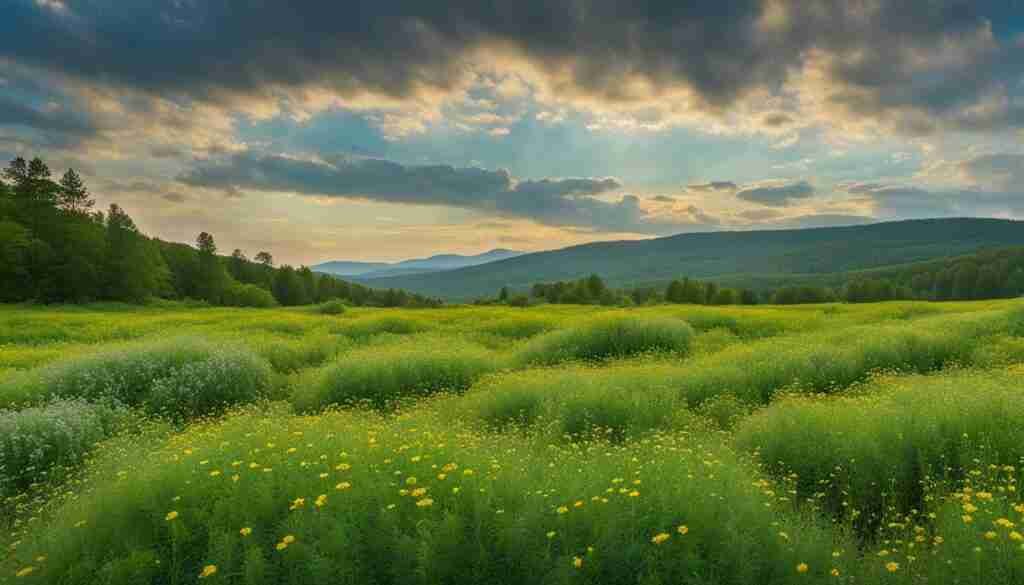
Exploring Indiana’s forests will reveal a world of hidden gems, with green wildflowers offering a serene and tranquil ambiance. While not as visually striking as their more colorful counterparts, the Jack-in-the-Pulpit and Wild Ginger provide a unique experience in appreciating the diversity and beauty of Indiana’s wildflowers.
Yellow Wildflowers
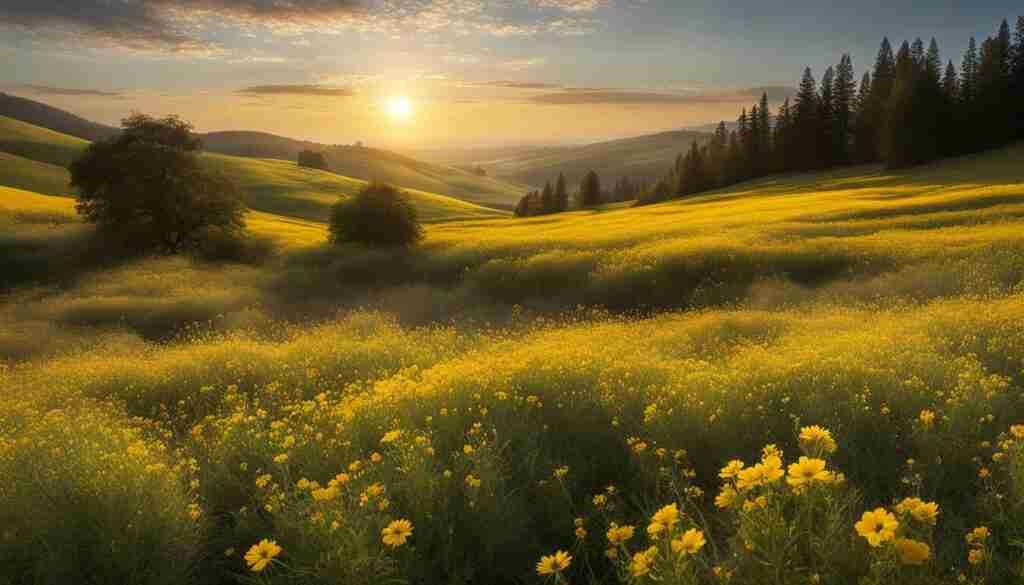
Indiana is home to a stunning array of yellow wildflowers that bring warmth and vibrancy to the state’s landscapes. From delicate spring blooms to vibrant summer blossoms, these native plants add a cheerful touch to meadows, fields, and woodland slopes. Let’s explore some of the most notable yellow wildflowers found in Indiana: the Trout Lily, Large-Flowered Bellwort, and Golden Ragwort.
Trout Lily
The Trout Lily (Erythronium americanum) is a charming wildflower that blooms in early spring. Its nodding yellow flowers, resembling the pattern of a trout, lend the plant its unique name.
This perennial plant can be found in rich, moist woodlands and is characterized by its mottled leaves, resembling the skin of a trout. The Trout Lily is an important food source for bees and butterflies, making it a valuable addition to pollinator gardens.
Large-Flowered Bellwort
The Large-Flowered Bellwort (Uvularia grandiflora) is another beautiful yellow wildflower native to Indiana. It produces drooping, bell-shaped flowers that hang from slender stems.
This perennial plant prefers well-drained woodland habitats and can often be found in the understory of forests. The Large-Flowered Bellwort’s delicate blooms and graceful form make it a lovely addition to shaded gardens and naturalized landscapes.
Golden Ragwort
The Golden Ragwort (Packera aurea) is a perennial wildflower with bright yellow flower clusters that emerge in late spring. It thrives in wet meadows, along stream banks, and in woodland edges. The Golden Ragwort’s vibrant blooms attract a variety of pollinators, including bees and butterflies. Its foliage also provides an important food source for caterpillars. This hardy plant can add a splash of color to any garden or natural area.
| Wildflower | Scientific Name | Habitat |
|---|---|---|
| Trout Lily | Erythronium americanum | Rich, moist woodlands |
| Large-Flowered Bellwort | Uvularia grandiflora | Well-drained woodlands |
| Golden Ragwort | Packera aurea | Wet meadows, stream banks, woodland edges |
These yellow wildflowers are just a few examples of the diverse flora that can be found in Indiana. Whether you’re exploring a nature preserve, taking a walk in the woods, or tending to your own garden, keep an eye out for these vibrant blooms. Their beauty not only enhances our natural landscapes but also provides essential resources for pollinators and wildlife.
Brown (Maroon) Wildflowers
Brown, or maroon, wildflowers add a touch of earthiness to Indiana’s natural environments.
One notable example is the Wild Ginger (Asarum canadense). The flowers of Wild Ginger have a rich brown or maroon color and are often concealed on the ground under heart-shaped leaves. While its muted color may not be as eye-catching as other wildflowers, Wild Ginger is a unique and intriguing addition to Indiana’s wildflower diversity.
Wild Ginger can be found in shaded woodlands and prefers rich, moist soils. Its flowers bloom from late spring to early summer and have an unusual shape that resembles a small pitcher or jug. The plant has a spicy, ginger-like scent, which gives it its name. Wild Ginger is a perennial herbaceous plant that spreads through underground rhizomes, forming dense colonies over time.
Although Wild Ginger is not as well-known as other wildflowers, it plays an important role in the ecosystem. The plant provides habitat and food for a variety of insects, including bees and flies. Some small mammals also feed on its leaves and stems. It is important to appreciate and protect these lesser-known wildflowers to ensure the preservation of biodiversity in Indiana’s natural landscapes.

Table: Brown Wildflowers of Indiana
| Common Name | Scientific Name | Habitat | Blooming Season |
|---|---|---|---|
| Wild Ginger | Asarum canadense | Shaded woodlands, rich moist soils | Late spring to early summer |
Conclusion
Indiana is a haven for wildflower enthusiasts, offering a wide range of species and habitats to explore. Whether you’re captivated by the vibrant blooms of summer and fall or enchanted by the delicate blossoms of spring, Indiana wildflowers showcase the beauty and biodiversity of the state.
By learning to identify and appreciate these native plants, you can play a vital role in their conservation and preservation for future generations to enjoy. Every effort counts in protecting the diverse array of Indiana wildflowers and their fragile ecosystems.
So, get out there and immerse yourself in the colorful tapestry of nature. Explore the wonders of Indiana’s wildflowers, from the tranquil woodlands to the sun-drenched meadows. Take the time to appreciate the intricate details of each flower and the habitats they call home. Together, we can ensure that these natural treasures continue to thrive for years to come.
FAQ
What are some common Indiana wildflowers?
Some common Indiana wildflowers include Spotted Jewelweed, Hollow Joe-Pye Weed, Common Milkweed, Calico Aster, Asiatic Dayflower, and Wild Bergamot, among others.
Where can I find Indiana wildflowers?
Indiana wildflowers can be found in a variety of habitats, such as wet meadows, open woods, woodlands, fields, meadows, and along woodland edges.
How can I identify Indiana wildflowers?
To identify Indiana wildflowers, you can refer to field guides, online resources, or consult with experts from the Indiana Department of Natural Resources or Division of State Parks interpretive services.
What is the significance of Indiana wildflower conservation?
Indiana wildflower conservation is important for preserving the state’s biodiversity and protecting native plant species. It also contributes to the overall health and balance of ecosystems, as wildflowers provide food and habitat for various pollinators and other wildlife.
Can I take photos of Indiana wildflowers?
Yes, you can take photos of Indiana wildflowers. However, it is important to be respectful of the plants and their habitats. Avoid trampling or damaging the flowers and follow any guidelines or regulations set by the Indiana Department of Natural Resources.
Are Indiana wildflowers protected?
Some Indiana wildflowers may be protected, especially if they are rare or endangered species. It is important to consult with local authorities or experts to ensure you are following any regulations or guidelines regarding the collection or protection of wildflowers.
Can I grow Indiana wildflowers in my garden?
Yes, you can grow many Indiana wildflowers in your garden. Native wildflowers are well-adapted to the local climate and can provide valuable resources for pollinators. Consider using native plant species in your garden to support local ecosystems.
How can I attract pollinators to my garden with Indiana wildflowers?
Planting a variety of native Indiana wildflowers in your garden can attract pollinators like bees, butterflies, and moths. Choose flowers that bloom at different times of the year to provide a continuous source of food for these important pollinators.