
Discover the breathtaking beauty of native wildflowers in Queensland, Australia. This diverse region is home to a vast array of blooming wildflowers that offer a vibrant display of colors. From popular varieties to unique species found only in this region, Queensland is a paradise for wildflower enthusiasts and photographers alike.
Key Takeaways:
- Queensland, Australia is a treasure trove of native wildflowers.
- The region offers a wide variety of popular and unique wildflower species.
- Queensland‘s wildflower season typically occurs between July and September.
- Exploring the best places to see wildflowers in Queensland guarantees a memorable experience.
- Photographers will find ample opportunities for capturing the beauty of Queensland’s wildflowers.
Where to Find Queensland Wildflowers
Queensland wildflowers can be found in various locations throughout the region. If you’re looking to admire these vibrant blooms in their natural habitat, here are some recommended spots:
Eromanga
Located in the southwestern part of Queensland, Eromanga is a prime location for wildflower enthusiasts. The region’s diverse landscapes offer a variety of native blooms to discover.
Windorah
Windorah is another excellent destination to explore Queensland’s wildflowers. The sand dunes in Windorah, including the famous Big Red Sand Dune, provide a beautiful backdrop for the brightly colored flowers.
Birdsville
Nestled in the heart of the outback, Birdsville is known for its stunning displays of wildflowers. Take a stroll along the scenic Birdsville Track or explore the surrounding area for a chance to encounter these native blooms.
Poeppel Corner
For a unique wildflower experience, make your way to Poeppel Corner. This iconic location where the borders of Queensland, South Australia, and the Northern Territory meet is surrounded by the rugged beauty of the outback and offers the opportunity to spot various wildflowers.
Munga-Thurri National Park
Located in southwestern Queensland, Munga-Thurri National Park is a haven for native flora, including wildflowers. Embark on a walking trail or enjoy a scenic drive through the park to fully appreciate the beauty of these natural blooms.
These are just a few of the many locations where you can find Queensland’s wildflowers. Keep in mind that these blooms can also be spotted on the side of highways or roads, often in small clumps or bushes.
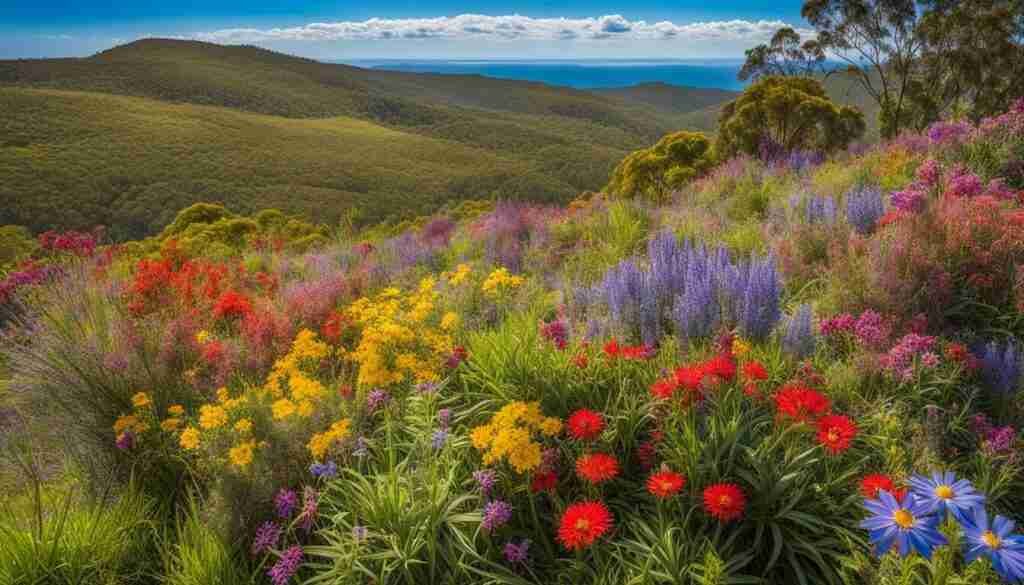
As seen in the image above, the diverse landscapes of Queensland provide a stunning backdrop for the colorful display of wildflowers. Whether you’re an avid photographer or simply appreciate the beauty of nature, Queensland’s wildflower locations offer a captivating experience.
Sturt Desert Pea & Other Diamantina Wildflowers
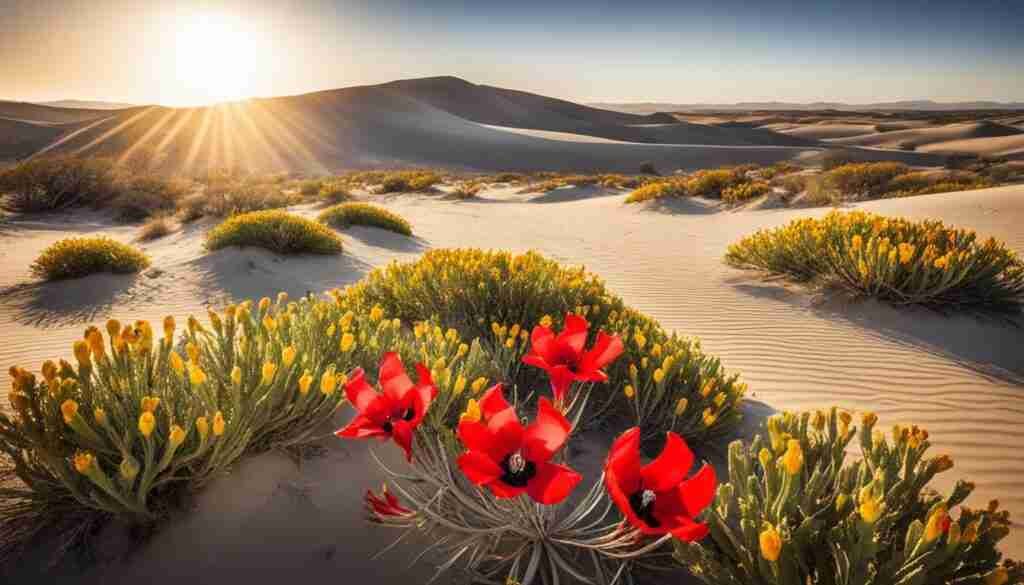
When exploring the wildflowers of Queensland, you’ll encounter the iconic Sturt Desert Pea, a vibrant and well-known Australian native flower. This striking red and black beauty is not only captivating but also holds the honor of being the state floral emblem of South Australia.
However, it’s essential to note that picking Australian wildflowers, including the Sturt Desert Pea, is strictly illegal and can result in a substantial fine of up to $2000. So, it’s best to admire these blooms in their natural habitat, ensuring their conservation for generations to come.
In addition to the Sturt Desert Pea, the Diamantina region is home to an array of captivating wildflowers. Let’s explore some of the other fascinating species you may come across:
- Poached Egg Daisy (Polycalymma Stuartii): This delightful wildflower features bright yellow petals with a prominent red center, resembling a poached egg. It adds a cheerful touch to the landscape.
- Regal Bird Flower (Crotalaria Cunninghamii): With its vibrant purple and yellow blooms, this wildflower is truly regal in appearance and attracts various bird species.
- Desert Nightshade (Solanum Oligacanthum): A small shrub with delicate white flowers, it produces small berry-like fruits that are an important food source for native wildlife.
- Annual Yellowtop (Senecio Gregorii): This daisy-like flower showcases bright yellow petals that create a vibrant display against the arid landscape.
- Bristly Sea Heath (Frankenia Serpyllifolia): With its pink flowers and needle-like leaves, this coastal wildflower thrives in the harsh conditions of the Diamantina region.
- Camel Bush (Cattle Bush) (Trichodesma Zeylanicum): Sporting beautiful blue flowers, this plant is an important food source for camels and cattle in the area.
- Grey Rattlepod (Crotalaria Dissitiflora): Its stunning display of yellow flowers makes this wildflower a standout among the arid landscape.
- Mayne Pest (Glandularia Aristigera): This low-growing creeping plant features vibrant purple flowers and is commonly found in the Diamantina region.
- Red Mulga Mineritchie (Acacia Cyperophylla): An iconic tree species, it showcases bright red flowers, adding a splash of color to the desert scenery.
These are just a few examples of the diverse array of wildflowers that grace the Diamantina region. Their resilience in the face of harsh conditions is a testament to the beauty and adaptability of Australian flora.
Common Wildflowers in the Diamantina Region
| Common Name | Scientific Name |
|---|---|
| Poached Egg Daisy | Polycalymma Stuartii |
| Regal Bird Flower | Crotalaria Cunninghamii |
| Desert Nightshade | Solanum Oligacanthum |
| Annual Yellowtop | Senecio Gregorii |
| Bristly Sea Heath | Frankenia Serpyllifolia |
| Camel Bush (Cattle Bush) | Trichodesma Zeylanicum |
| Grey Rattlepod | Crotalaria Dissitiflora |
| Mayne Pest | Glandularia Aristigera |
| Red Mulga Mineritchie | Acacia Cyperophylla |
Best Time to See Queensland Wildflowers
Are you eager to witness the splendid display of Queensland wildflowers in full bloom? The best time to experience this natural beauty is during the Queensland wildflower season, which typically occurs in Winter or around Spring. To ensure an opulent showcase of colors, a good season of rain is essential prior to the wildflower season.
The exact timing may vary, but you can expect the Queensland wildflower season to commence between July and September. This period provides the ideal conditions for native blooms to flourish and unveil their vibrant hues. Whether you’re an avid nature enthusiast or a photography enthusiast seeking captivating shots, the Queensland wildflower season is a spectacle not to be missed.
Bask in the magnificence of nature’s artistry as you explore the picturesque landscapes adorned with unique and indigenous wildflowers. Immerse yourself in the breathtaking scenes that unfold, guided by the rhythm of Winter’s end and Spring’s emergence. Capture the essence of these delicate blooms and create lasting memories.
Tips for Exploring the Queensland Wildflower Season:
- Research the specific locations in Queensland renowned for wildflower sightings.
- Keep an eye on weather forecasts to ensure you visit during a good season of rain.
- Plan your visit between July and September for the highest chance of witnessing the wildflowers in their full glory.
- Embark on guided tours or join local groups who specialize in wildflower spotting to enhance your experience.
- Consider bringing a camera or smartphone to capture the beauty of the wildflowers.
- Respect the natural environment and adhere to any guidelines or restrictions in place to protect the wildflowers.
The Queensland wildflower season offers a magical opportunity to immerse yourself in the wonders of nature and witness the resplendence of native blooms. Prepare for a visual feast of colors as you venture into the heart of Queensland’s wilderness during this enchanting season.
Cultivated Wildflowers in Queensland
In addition to the stunning array of native wildflowers found in Queensland, the region also cultivates various Australian wildflowers for commercial purposes.
These cultivated wildflowers offer unique characteristics and beauty, making them highly sought after in the market. Some of the major traded species include:
| Wildflower | Description |
|---|---|
| Corroboree flower | A vibrant and colorful flower that adds a touch of exotic beauty to floral arrangements. |
| Snowballs | Delicate and fluffy flowers that resemble small snowballs, creating a whimsical and charming effect. |
| Eucalypt species | A diverse range of eucalypt flowers known for their distinctive shapes, colors, and enticing fragrance. |
| Kangaroo paw | A unique flower with long, finger-like petals in vibrant shades of red, orange, and yellow, resembling the paw of a kangaroo. |
| Leucadendron species | Fascinating flowers with intricate patterns and bold colors, adding drama and sophistication to floral arrangements. |
| Leucospermum species | An assortment of show-stopping flowers with striking shapes and textures, perfect for creating eye-catching floral displays. |
| Protea species | Exquisite flowers with unique forms and muted hues, making them a favorite choice for elegant floral arrangements. |
| Rice flower | Clusters of petite flowers in shades of white and pink, resembling delicate grains of rice, lending a delicate charm to any bouquet. |
| Waxflower | A fragrant flower with waxy petals in shades of pink, purple, and white, adding a touch of sweetness to floral arrangements. |
These cultivated wildflowers are not only visually stunning but also hold cultural significance and contribute to the local economy. Whether used in floral displays, bouquets, or landscaping projects, these cultivated Australian wildflowers add a touch of natural beauty to any setting.
Emerging and Minor Traded Wildflower Species
In addition to the major cultivated wildflower species, Queensland is home to a variety of emerging and minor traded wildflower species. These lesser-known blooms add diversity to the region’s wildflower landscape, showcasing unique colors, shapes, and characteristics.
Emerging Wildflower Species
Among the emerging wildflower species in Queensland, you can find:
- Acacia
- Baeckea
- Banksia
- Cassinia
- Ozothamnus
- Christmas bush
- Everlasting daisies
- Flannel flower
- Grevillea
- Leptospermum
- Melaleuca
- Ptilotus
- Scholtzia
These emerging wildflower species are gaining recognition for their unique attributes and are increasingly sought after by enthusiasts and florists.
Minor Traded Wildflower Species
Queensland is also home to a variety of minor traded wildflower species. These blooms, though not as widely cultivated or traded compared to the major species, offer their own charm and beauty. Some examples of minor traded wildflower species include:
- Acacia
- Baeckea
- Banksia
- Cassinia
- Ozothamnus
- Christmas bush
- Everlasting daisies
- Flannel flower
- Grevillea
- Leptospermum
- Melaleuca
- Ptilotus
- Scholtzia
While they may not receive as much attention, these minor traded wildflower species contribute to the overall diversity of Queensland’s wildflower offerings.
Experience the beauty and variety of emerging and minor traded wildflower species in Queensland’s breathtaking landscapes. These lesser-known blooms provide a unique and enchanting touch to the region’s wildflower showcase.
Wildflowers on the Sunshine Coast
The Sunshine Coast region is a haven for wildflower enthusiasts. With its diverse landscapes and favorable climate, you’ll find an array of stunning wildflowers blooming in this picturesque location. From vibrant colors to delicate petals, the wildflowers on the Sunshine Coast are a sight to behold.
Best Locations for Wildflower Sightings
If you’re looking to immerse yourself in the beauty of wildflowers on the Sunshine Coast, there are a few key locations you should explore. These spots offer an abundance of native blooms and provide a picturesque backdrop for your wildflower adventure:
| Location | Key Wildflowers |
|---|---|
| Steve Irwin Way | Zig zag wattle, sarsparella |
| Mooloolah Connection Rd | Chicken and hen plant, Eden Maddock Dam |
| Eden Maddock Dam | Purple flag flowers, tiny grivillea flowers |
Steve Irwin Way is known for its beautiful display of Zig zag wattle and sarsparella. As you travel along this scenic route, you’ll be greeted by bursts of yellow and vibrant shades of pink. Mooloolah Connection Rd is home to the charming chicken and hen plant, while Eden Maddock Dam showcases the elegance of purple flag flowers and the delicate beauty of tiny grivillea flowers.
No matter which location you choose to explore, you’ll be captivated by the incredible diversity of wildflowers on the Sunshine Coast.
Remember, when venturing out to witness these natural wonders, treat the wildflowers with respect. Take photos and admire their beauty, but leave them undisturbed for others to enjoy. Let’s preserve the unique ecosystem and ensure the wildflowers continue to thrive on the Sunshine Coast.
Conclusion
Queensland Australia is a haven for wildflower enthusiasts. The region boasts a diverse range of native blooms, from the vibrant Sturt Desert Pea to the delicate Poached Egg Daisy. If you want to witness the beauty of these wildflowers, the best time to visit is during the Queensland wildflower season, which typically occurs from July to September.
Whether you’re an avid photographer or simply someone who appreciates the wonders of nature, Queensland’s wildflowers are truly a sight to behold. From the sprawling landscapes of Eromanga and Windorah to the stunning sand dunes of Big Red in Birdsville, there are countless locations to explore and discover these natural treasures.
Remember, it’s important to admire these wildflowers in their natural habitat and refrain from picking them, as it is illegal to do so in Australia. Let’s protect these precious blooms so that future generations can continue to enjoy their beauty. So, pack your camera, plan your visit, and immerse yourself in the vibrant colors and fragrances of Queensland’s wildflowers – an experience you won’t want to miss!
FAQ
Where can I find Queensland wildflowers?
Queensland wildflowers can be found in various locations such as Eromanga, Windorah, Birdsville, Poeppel Corner, and the Simpson Desert. They can also be spotted on the side of highways or roads, often in small clumps or bushes. The sand dunes in Windorah and the Big Red Sand Dune offer particularly stunning displays of wildflowers.
What are some of the popular wildflowers in Queensland?
Among the Queensland wildflowers, you can encounter the Sturt Desert Pea, a well-known Australian native flower and the state floral emblem for South Australia. Other wildflowers that can be found in Queensland include the Poached Egg Daisy, Regal Bird Flower, Desert Nightshade, Annual Yellowtop, Bristly Sea Heath, Camel Bush, Grey Rattlepod, Mayne Pest, Red Mulga Mineritchie, Sandhill Wattle, Tangled Mulla Mulla, Australian Hollyhock, White Paper Daisy, and Variable Daisy.
When is the best time to see Queensland wildflowers?
The Queensland wildflower season typically occurs in Winter (or around Spring) after a good season of rain. This period, which usually falls between July and September, is the best time to see the blooms in full splendor.
What is considered a wildflower?
A wildflower is any flowering plant that grows in the wild without human aid or genetic modification. These plants have the ability to adapt easily to changes in climate and weather conditions. They thrive in their natural environment and contribute to the biodiversity of an area.
How many species of Australian wildflowers are there?
Australia is home to a rich variety of wildflower species, with over 24,000 species in total. The majority of these species, approximately 12,000, can be found in Western Australia. What’s more, an astounding 60% of these species are endemic to the region and can be found nowhere else in the world.
What are some cultivated wildflowers in Queensland?
Queensland cultivates various Australian wildflowers for commercial purposes. These include the Corroboree flower, Snowballs, Eucalypt species, Kangaroo paw, Leucadendron species, Leucospermum species, Protea species, Rice flower, and Waxflower. These cultivated wildflowers offer unique characteristics and beauty.
Are there any emerging and minor traded wildflower species in Queensland?
Yes, there are emerging and minor traded wildflower species in Queensland. These include Acacia, Baeckea, Banksia, Cassinia, Ozothamnus, Christmas bush, Everlasting daisies, Flannel flower, Grevillea, Leptospermum, Melaleuca, Ptilotus, and Scholtzia. These species add to the diversity of wildflowers available in the region.
Where can I see wildflowers on the Sunshine Coast?
The Sunshine Coast region is also known for its wildflowers. Locations such as Steve Irwin Way, Mooloolah Connection Rd, and Eden Maddock Dam offer the opportunity to see wildflowers such as the Zig zag wattle, sarsparella, chicken and hen plant, purple flag flowers, and tiny grivillea flowers.