
Welcome to the enchanting world of Quebec’s wildflowers! From vibrant blues to delicate whites, the vast array of wildflowers found in Quebec makes it a paradise for nature lovers and botanical enthusiasts. Whether you’re a seasoned wildflower enthusiast or a curious beginner, Quebec offers a diverse range of Canada’s most beautiful flora to explore.
With its diverse ecosystems, Quebec is home to an abundance of wildflower species. From the towering peaks of the Laurentian Mountains to the picturesque fields of the Eastern Townships, each region showcases its unique collection of blooming treasures.
To help you navigate this wonderland of Quebec‘s wildflowers, we have created a comprehensive guide that showcases the common wildflowers found in the province, organized by color.
Key Takeaways:
- Quebec is home to a vast array of wildflowers, making it a haven for nature lovers.
- The province offers diverse ecosystems, from mountains to fields, each hosting unique and beautiful wildflower species.
- Our comprehensive guide organizes Quebec’s wildflowers by color for easy identification and exploration.
- Exploring Quebec’s wildflowers is a wonderful way to appreciate the beauty of nature and connect with the local flora.
- Preserving native wildflowers and supporting local pollinators is crucial for the health of Quebec’s ecosystem and future generations.
Blue Wildflowers in Quebec
When it comes to beautiful blue wildflowers, Quebec offers a stunning variety that will captivate any nature lover. From vibrant petals to delicate blooms, these blue wildflowers add a splash of color to the landscape. Let’s explore some of the remarkable blue wildflower species found in Quebec:
- Chicory (Cichorium intybus): This perennial flower displays stunning blue ray flowers that bloom from June to October. It is often found along roadsides and in open fields, adding a touch of elegance to the surroundings.
- Blue Vervain (Verbena hastata): This tall and slender plant showcases clusters of blue-violet flowers that attract pollinators. It thrives in moist meadows, ditches, and wetlands.
- Common Blue Violet (Viola sororia): This charming wildflower features delicate blue-purple blooms with distinctive heart-shaped leaves. It can be found in woodlands, meadows, and gardens across Quebec.
- Common Periwinkle (Vinca minor): Also known as Vinca or Creeping Myrtle, this evergreen groundcover produces lovely blue flowers. It is often planted in gardens and spreads easily, forming a lush carpet.
- Teasel (Dipsacus fullonum): With its unique spiky flower heads, Teasel is a favorite among wildflower enthusiasts. Its blue-purple blooms are not only beautiful but also attract birds and pollinators.
- Forget-me-not (Myosotis scorpioides): This delicate perennial flower boasts small blue blossoms that symbolize everlasting love. It thrives in wet meadows, marshes, and along streams.
- Bachelor’s Button (Centaurea cyanus): Also known as Cornflower, this vibrant blue wildflower is adored for its intense color and charming button-like blooms. It can be found in meadows and gardens throughout Quebec.
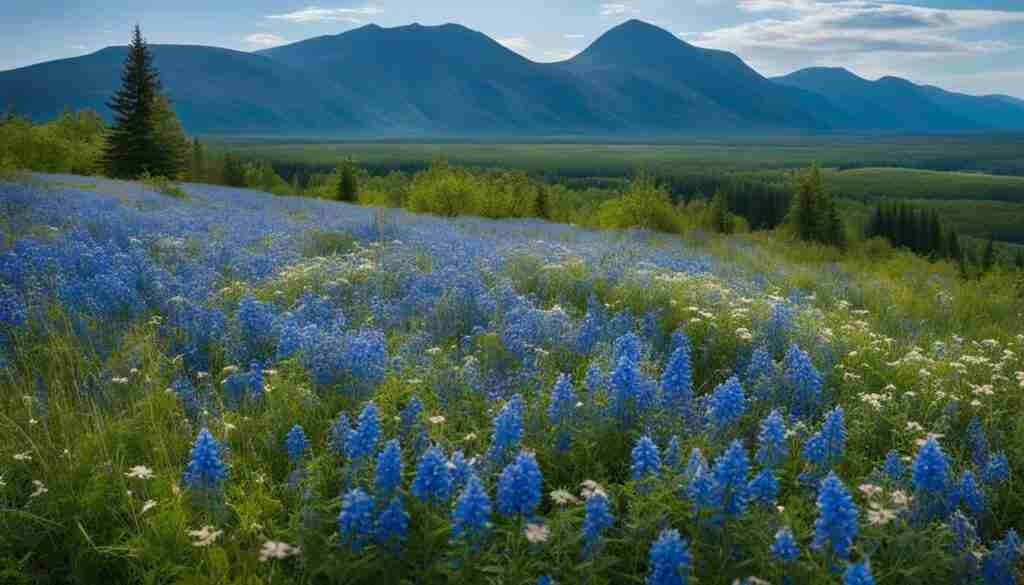
Whether you stumble upon them during an outdoor adventure or carefully cultivate them in your own garden, these blue wildflowers will undoubtedly add beauty and tranquility to any landscape in Quebec. Their unique characteristics and growth patterns make them a fascinating addition to the province’s diverse flora.
Purple Wildflowers in Quebec
If you’re a fan of purple wildflowers, Quebec has a lot to offer. These beautiful blooms not only add a splash of color to your garden but also attract pollinators like bees and butterflies. Let’s take a closer look at some of the stunning purple wildflowers you can find in Quebec:
Bull Thistle
Bull Thistle (Cirsium vulgare) is a striking purple wildflower that grows in fields, meadows, and roadsides. With its spiky structure and vibrant purple flowers, it adds a touch of drama to any landscape. Despite its intimidating appearance, the Bull Thistle is known to attract pollinators such as bees and butterflies.
Common Burdock
Common Burdock (Arctium minus) is another purple wildflower commonly found in Quebec. This biennial plant produces large, heart-shaped leaves and tall stalks with spherical purple flowers. Not only is Common Burdock visually appealing, but it also provides valuable food and habitat for wildlife.
Clasping Venus’ Looking Glass
Clasping Venus’ Looking Glass (Triodanis perfoliata) is a delicate purple wildflower that thrives in open fields and disturbed areas. Its unique bell-shaped flowers are fused with its leaves, giving it an intriguing appearance. This wildflower is often visited by bees and butterflies, making it a charming addition to any garden.
Bee Balm
Bee Balm (Monarda fistulosa) is a popular purple wildflower known for its vibrant blossoms and herbal properties. Its distinctive fragrance attracts bees, hummingbirds, and butterflies, adding life to your garden. Bee Balm is not only visually appealing but also has many culinary uses and medicinal benefits.
If you’re looking to incorporate purple wildflowers into your garden or want to admire them in their natural habitat, keep an eye out for these stunning species in Quebec.
| Wildflower | Scientific Name | Habitat | Attracts |
|---|---|---|---|
| Bull Thistle | Cirsium vulgare | Fields, meadows, roadsides | Bees, butterflies |
| Common Burdock | Arctium minus | Open fields, disturbed areas | Wildlife |
| Clasping Venus’ Looking Glass | Triodanis perfoliata | Open fields, disturbed areas | Bees, butterflies |
| Bee Balm | Monarda fistulosa | Fields, meadows, gardens | Bees, hummingbirds, butterflies |
Pink Wildflowers in Quebec
Quebec’s vibrant landscape is adorned with beautiful pink wildflowers, adding a pop of color and charm to the natural surroundings. Among the pink wildflowers that flourish in Quebec’s diverse ecosystem are Fireweed, Hairy Beardtongue, and Heart-leaved Aster. These native pink blooms offer both visual delight and ecological importance.
Goldenrod
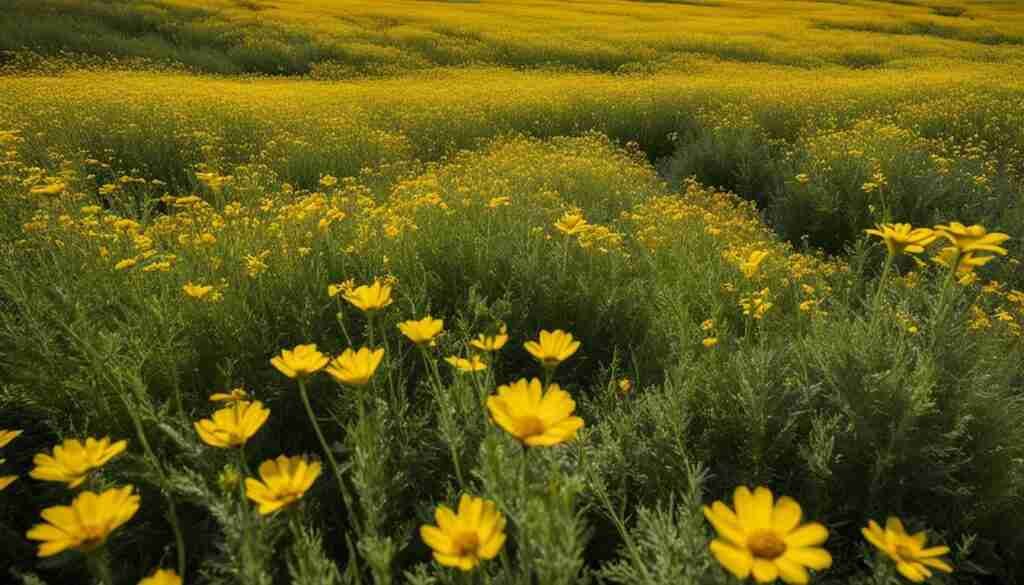
Goldenrod is a common yellow wildflower in Quebec. With its tall stems and clusters of tiny yellow flowers, Goldenrod adds a touch of elegance to any garden or meadow. This hardy perennial is known for attracting pollinators like bees and butterflies.
Black-eyed Susan
The Black-eyed Susan is another popular yellow wildflower in Quebec. Characterized by its yellow petals and distinctive dark centers, this flower brings a cheerful energy to both gardens and wildflower meadows. Black-eyed Susan blooms in late summer and is a favorite among pollinators.
Sunflower
No discussion of yellow wildflowers would be complete without mentioning the iconic Sunflower. While commonly associated with fields in other regions, Sunflowers can also be found growing in Quebec. Their large, bright yellow petals and signature dark centers make them a beloved sight in gardens and landscapes.
The Beauty of Yellow Wildflowers
Yellow wildflowers not only brighten up the scenery but also provide important food sources for pollinators. Bees, butterflies, and other insects are attracted to the nectar and pollen of these flowers, contributing to the ecosystem’s health and biodiversity.
| Yellow Wildflower | Scientific Name | Blooming Season | Growing Conditions |
|---|---|---|---|
| Goldenrod | Solidago spp. | Late summer to fall | Sun, well-drained soil |
| Black-eyed Susan | Rudbeckia hirta | Summer to fall | Sun to partial shade, various soil types |
| Sunflower | Helianthus annuus | Summer to fall | Sun, well-drained soil |
Whether you’re a gardener looking to brighten up your landscape or a nature enthusiast hoping to capture the beauty of Quebec’s wildflowers, don’t overlook the charm and allure of these yellow blooms. Goldenrod, Black-eyed Susan, and Sunflower are just a few examples of the yellow treasures that await you in the province.
White Wildflowers in Quebec
When it comes to adding a touch of elegance to your landscape, white wildflowers in Quebec are the perfect choice. Three popular varieties of white wildflowers found in Quebec include Queen Anne’s Lace, Oxeye Daisy, and Yarrow.
Queen Anne’s Lace
Queen Anne’s Lace (Daucus carota) is a delicate and lacy wildflower that blooms in clusters. Its white flowers resemble lace doilies, hence the name. This charming plant can grow up to 4 feet tall and is known for attracting pollinators such as bees and butterflies. Queen Anne’s Lace adds a graceful and romantic vibe to gardens and floral arrangements.
Oxeye Daisy
Oxeye Daisy (Leucanthemum vulgare) is a daisy-like flower with white petals and a yellow center. It is a common sight in meadows, fields, and along roadsides in Quebec. Oxeye Daisy can reach a height of 1 to 3 feet and blooms from early summer to early fall. This resilient wildflower is adaptable and easy to grow, making it a favorite among gardeners and nature enthusiasts.
Yarrow
Yarrow (Achillea millefolium) is a versatile white wildflower that is native to Quebec. Its feathery fern-like foliage and clusters of tiny white flowers make it an attractive addition to gardens and floral arrangements. Yarrow is known for its medicinal properties and has been used for centuries as a natural remedy for various ailments. This hardy and drought-tolerant plant is a must-have in any wildflower garden.
| Wildflower | Scientific Name | Height | Blooming Period | Attractions |
|---|---|---|---|---|
| Queen Anne’s Lace | Daucus carota | Up to 4 feet | Summer to Fall | Pollinators |
| Oxeye Daisy | Leucanthemum vulgare | 1 to 3 feet | Summer to Fall | Adaptable, easy to grow |
| Yarrow | Achillea millefolium | 1 to 3 feet | Summer to Fall | Medicinal properties, drought-tolerant |
These beautiful white wildflowers not only enhance the visual appeal of your garden but also attract beneficial insects, adding to the overall ecosystem balance. Including Queen Anne’s Lace, Oxeye Daisy, and Yarrow in your floral arrangements or natural landscapes will surely evoke a sense of grace and beauty.
Red and Orange Wildflowers in Quebec
Quebec is home to a vibrant array of wildflowers, including captivating red and orange blooms. These colorful flowers add a striking contrast to the lush green landscapes of the province and are sure to catch your eye. Let’s explore three notable red and orange wildflowers found in Quebec: Indian Paintbrush, Helenium, and Jewelweed.
1. Indian Paintbrush
One of the most iconic red wildflowers in Quebec is the Indian Paintbrush. This striking flower is known for its distinctive red-orange petals and long, brush-like bracts that resemble paintbrushes. The Indian Paintbrush is a favorite of hummingbirds, who are attracted to its vibrant color. It can be found in open meadows and along roadsides throughout the province.
2. Helenium
Helenium, also known as sneezeweed, is another beautiful red and orange wildflower found in Quebec. This daisy-like flower features vibrant hues ranging from deep red to fiery orange. Helenium thrives in moist soil and can often be found near streams or in wetland areas. Its nectar-rich blooms attract butterflies and bees, making it a valuable addition to any garden.
3. Jewelweed
Jewelweed, also called touch-me-not, is a stunning orange wildflower that blooms abundantly in Quebec. Known for its unique bell-shaped flowers and delicate foliage, Jewelweed adds a touch of elegance to any garden or woodland. It is often found near bodies of water, as it prefers moist environments. The Jewelweed’s vibrant blooms are highly attractive to butterflies and hummingbirds.
To get a visual representation of these red and orange wildflowers, take a look at the image below:
| Wildflower | Color | Preferred Habitat | Attracts |
|---|---|---|---|
| Indian Paintbrush | Red-orange | Open meadows, roadsides | Hummingbirds |
| Helenium | Red, orange | Moist soil, wetlands | Butterflies, bees |
| Jewelweed | Orange | Near bodies of water | Butterflies, hummingbirds |
These red and orange wildflowers not only add beauty to the natural landscapes of Quebec but also play a crucial role in supporting pollinators and contributing to the overall biodiversity of the region. Whether you encounter them in the wild or decide to incorporate them into your own garden, Indian Paintbrush, Helenium, and Jewelweed are sure to leave a lasting impression with their vibrant colors and delicate blooms.
Quebec Native Flowers
Quebec is blessed with a diverse array of native flowers that are perfectly adapted to the local climate. These native wildflowers not only add beauty to the landscape but also provide important habitat and food sources for local pollinators, such as bees and butterflies.
Planting native flowers in your garden is a great way to support biodiversity and contribute to the overall ecosystem balance. Native plants are naturally suited to the specific growing conditions of Quebec, requiring less water, fertilizer, and pesticides compared to non-native species.
By choosing native plants, you can enjoy the benefits of lower maintenance gardening while preserving the unique flora of Quebec. These plants have evolved alongside native wildlife and are an integral part of the local ecosystem.
When sourcing native plants for your garden, it is essential to find local nurseries or suppliers that specialize in native species. These local sources can ensure that the plants you choose are specifically bred or sourced from Quebec, guaranteeing their suitability for the region.
Supporting local nurseries not only helps maintain the availability of native plants but also promotes the local economy and reduces the risk of introducing invasive species.
The Benefits of Native Plants:
- Attract and support local pollinators, including bees, butterflies, and hummingbirds
- Promote biodiversity and help conserve native wildlife
- Require less water, fertilizer, and pesticides
- Are adapted to local climate conditions and soil types
- Create a sense of place and connection to the local environment
Local Sources for Native Plants:
| Nursery | Location | Contact |
|---|---|---|
| Native Plants Quebec | Montreal, QC | www.nativeplantsquebec.com |
| Les Pépinières Villeneuve | Saint-Hyacinthe, QC | www.pepinieresvilleneuve.com |
| Les Jardins de Catherine | Quebec City, QC | www.jardinsdecatherine.com |
By incorporating Quebec native flowers into your garden, you can create a vibrant and sustainable landscape that supports local ecology and showcases the natural beauty of the province.
Quebec Botanical Gardens and Biodiversity
Quebec takes pride in its diverse botanical gardens, which serve as living museums of the region’s rich biodiversity. These carefully curated spaces provide a unique opportunity to explore and appreciate native plants while supporting their preservation and conservation efforts.
Through educational programs and sustainable gardening practices, the botanical gardens play a crucial role in raising awareness about the importance of biodiversity and the need to protect native flora.
By preserving native plants, the botanical gardens contribute to the conservation of Quebec’s unique ecosystems. These plants are not only aesthetically pleasing but also vital to the overall health of the environment. Native plants have evolved to thrive in local conditions, making them resilient and well-suited to support the local wildlife, including pollinators and other essential species.
One notable example is the Jardin Botanique Roger-Van den Hende, located in the heart of Quebec City. This stunning garden showcases a wide variety of native plants, carefully organized within themed areas that reflect Quebec’s natural landscapes. Visitors can explore the diverse ecosystems of the province, from the boreal forest to the alpine tundra, all within the tranquil setting of the botanical garden.
The importance of botanical gardens extends beyond their role in preserving native plants. They also serve as educational platforms, providing visitors with valuable knowledge about plant biodiversity and environmental conservation. Through guided tours, workshops, and exhibitions, the botanical gardens inspire visitors to appreciate the intricate relationships between plants, animals, and the environment.
To further support the preservation of native plants, many botanical gardens offer resources and guidance for sustainable gardening practices. Visitors can learn about the benefits of using native plants in their own gardens, such as reduced water consumption, increased biodiversity, and improved habitat for wildlife.
By promoting the use of native plants, botanical gardens contribute to the ecological balance and resilience of Quebec’s landscapes.
In conclusion, Quebec’s botanical gardens are not only havens of natural beauty but also crucial players in the conservation of native flora and the promotion of sustainable gardening practices. Through their dedication to preserving biodiversity and educating the public, these gardens inspire a deeper understanding and appreciation for the importance of native plants in maintaining a healthy and thriving ecosystem.
Conclusion
Quebec Canada Wildflowers offer a breathtaking display of beauty, inviting you to immerse yourself in the wonders of nature. Whether you are an avid photographer or simply have an appreciation for the natural world, Quebec’s diverse array of wildflowers provides endless opportunities for exploration and connection.
By venturing into the wilderness and capturing the essence of these stunning blooms through wildflower photography, you can bring their charm and allure to life. Each click of the camera lens allows you to encapsulate the delicate details and vibrant colors that make these native plant species so captivating.
However, it is crucial to remember that wildflowers are not merely subjects for photography, but vital components of the ecosystem. Preserving and conserving native plant species is essential for sustaining biodiversity and ensuring the well-being of our environment. By supporting local pollinators, such as bees and butterflies, through the preservation of their native habitats, we contribute to the health and longevity of these beautiful wildflowers.
As you continue your journey of wildflower identification in Canada, take time to engage in an appreciation of nature. Let the beauty of Quebec’s wildflowers captivate your heart, and may your love for these natural wonders inspire you to protect and conserve them for generations to come.
FAQ
How can I identify Quebec wildflowers by color?
Quebec is home to a wide variety of wildflowers. To identify them by color, you can refer to our list of blue, purple, pink, yellow, white, and red/orange wildflowers in Quebec. Each category includes common species and their unique characteristics.
What are some blue wildflowers in Quebec?
Some blue wildflowers found in Quebec include Chicory, Blue Vervain, Common Blue Violet, Common Periwinkle, Teasel, Forget-me-not, and Bachelor’s Button. These flowers offer different growing information and distinctive features.
What are some purple wildflowers in Quebec?
Quebec is home to purple wildflowers such as Bull Thistle, Common Burdock, Clasping Venus’ Looking Glass, and Bee Balm. These flowers have various benefits, including attracting pollinators and featuring unique foliage.
Can you recommend any pink wildflowers native to Quebec?
Certainly! Fireweed, Hairy Beardtongue, and Heart-leaved Aster are beautiful pink wildflowers that are native to Quebec. These flowers add a pop of color to the landscape and support local biodiversity.
What are some yellow wildflowers found in Quebec?
Some vibrant yellow wildflowers found in Quebec include Goldenrod, Black-eyed Susan, and Sunflower. These flowers are commonly found throughout the province, attracting pollinators and adding brightness to gardens.
Which white wildflowers can I find in Quebec?
Quebec is home to delicate white wildflowers such as Queen Anne’s Lace, Oxeye Daisy, and Yarrow. These flowers bring a touch of elegance to any landscape and are often used in floral arrangements.
Are there any red and orange wildflowers in Quebec?
Yes! Quebec boasts vibrant red and orange wildflowers like Indian Paintbrush, Helenium, and Jewelweed. These flowers create stunning displays of color and are highly attractive to hummingbirds and butterflies.
Why should I consider planting native flowers in Quebec?
Planting native flowers in Quebec supports biodiversity and helps maintain ecosystem balance. Native plants are adapted to the local climate and provide valuable habitats for pollinators. It is important to find local sources for native plants to ensure their suitability for the region.
What role do Quebec’s botanical gardens play in preserving native plants?
Quebec’s botanical gardens play a vital role in preserving native plants, educating the public about conservation, and promoting sustainable gardening practices. These gardens showcase the region’s rich biodiversity and contribute to the overall well-being of the ecosystem.
How can I appreciate Quebec’s diverse array of wildflowers?
You can appreciate Quebec’s wildflowers through activities such as wildflower photography and learning to identify different species. By preserving native plant species and supporting local pollinators, you contribute to the health of the ecosystem and future generations.