
Learn the types of blue flowers with names and symbolic meanings. Blue flowers, including blue lilies, blue roses, blue carnations, and blue tulips. Floriography, the secret language of blue flowers.
Imagine strolling through a garden where each shade of blue tells a story of serenity, trust, and spiritual depth. That’s the magic you weave when you incorporate blue flowers into your landscape.
Beyond their visual appeal, blue flowers resonate deeply within many cultures, rich with meaning and symbolism. Whether it’s the calming effect of a Cornflower’s vibrant hue or the profound interpretation of an Iris’s stately elegance, these blossoms have the power to transform your garden into a tapestry of emotions and connections.
You hold the key to creating an oasis that speaks volumes without ever uttering a word. As you learn to understand the blue flowers cultural significance, every petal and leaf will become a silent ode to a range of profound themes. From historical legacies to spiritual journeys, let the blue flowers interpretation enrich not just your garden, but your life as well. Now, let’s delve into the world of these enchanting blooms.
Key Takeaways
- Blue flowers are a visual shade and expression of calm, infusing gardens with an atmosphere of tranquility.
- Delve into the cultural significance of blue blossoms, which often represent trust and confidence.
- Understanding the symbolism of each blue flower variety enriches your gardening experience.
- Discover how blue flowers can portray spiritual depth, offering a reflective space in your outdoor sanctuary.
- Gleaning insights into the interpretation of blue flowers will allow you to curate a garden that tells your unique story.
What is a Blue Flower?
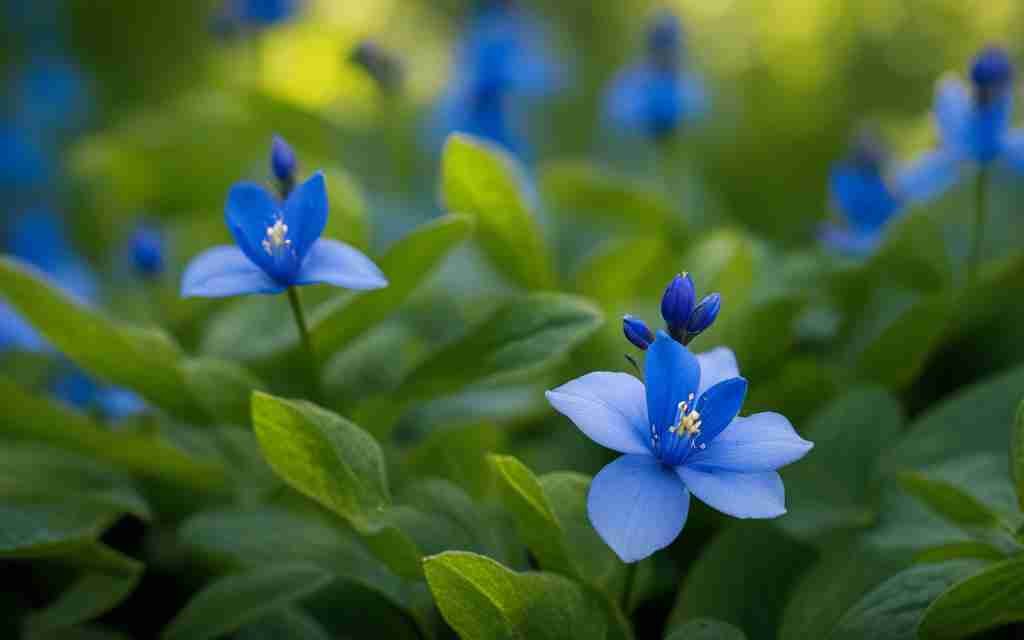
Blue flowers encompass a broad spectrum of blue hues, ranging from delicate sky blue to deep navy. They can exhibit shades reminiscent of a tranquil lake, like cerulean or aquamarine, or evoke the vividness of a clear summer sky, such as azure or sapphire. Some blue flowers may even display undertones of violet or green, adding layers of complexity to their coloration.
Whether they shimmer with iridescence or exude a subtle, powdery blue, these blooms captivate with their ethereal beauty and evoke a sense of calmness and serenity wherever they bloom.
Why are blue flowers rare in nature?
There’s a simple reason why the search for blue blooms can feel like a quest for a botanical treasure—the absence of an authentic blue pigment in plants means they often rely on optical tricks to appear blue. This scarcity only magnifies the blue flowers significance in gardens and cultures across the globe, casting them in a role that’s much more than mere adornments. Their ability to bring a touch of the heavens or the deep cool oceans into your garden cannot be understated. When you come across blue flowers, you are witnessing a fascinating example of nature’s magic at play.
The rarity of blue-hued blossoms isn’t lost on avid gardeners and plant lovers. There’s an undeniable intrigue that surrounds these floral rarities, ranging from deep indigo to soft pastel blues. These colors not only provide a cooling contrast in the landscape but also hold deep symbolism for tranquility and stability. Whether as perennial favorites or seasonal annuals, shrubs, or enchanting bulbs, each blue flower contributes to the diversity and emotional depth of your garden’s palette.
Understanding and appreciating the unique qualities of blue flowers can turn your gardening into an even more fulfilling endeavor. As you plan and cultivate your botanical oasis, remember the significance and rarity of the blue blooms you encounter, curating not just a garden but a tapestry of thoughtful colors and emotions.
Blue Flowers Symbolic Meaning
Blue Flowers symbolize serenity and peace. Blue Flowers are the attainment of serene life and a peaceful heart.
Blue Flowers serve as a poignant emblem of tranquility and harmony, encapsulating the essence of serenity and peace within their delicate petals. They stand as a tangible representation of the serene life one aspires to attain and the tranquil state of the heart that is sought after in the tumult of existence.
With their serene hues and graceful demeanor, Blue Flowers beckon admirers to embrace moments of calmness and find solace amidst life’s complexities.
Thus, they not only adorn gardens with their ethereal beauty but also whisper profound messages of inner peace and contentment to those who pause to admire their gentle allure.
.
Blue Flowers Dream Meaning
In the canvas of dreams, blue flowers often emerge as symbols of tranquility and openness. Their appearance can signal a period of calm and peaceful reflection ahead, or an invitation to embrace new experiences with a serene mindset. Dream symbolism tied to these blossoms is a gentle reminder of your subconscious seeking solace or a fresh path in life.
Blue Flowers Spiritual and Metaphysical Meaning
The spiritual meaning associated with blue flowers extends beyond the visible spectrum, often regarded as conduits to higher realms. They encourage enlightenment and afford metaphysical insight, beckoning a more profound understanding of the universe and one’s spiritual journey through the delicate language of petals and hues.
Blue Flowers Meaning in Love
When it comes to matters of the heart, blue flowers stand testament to enduring loyalty and deep affection. These blooms often represent a trustworthy and steadfast love, a bond that mirrors the unfathomable depths of the ocean. They are a preferred token of love representation, speaking the language of devotion and sincerity.
Blue Flowers Tattoo Meaning
Tattoo symbolism finds a faithful ally in blue flowers, as individuals choose them as permanent emblems for various ideals they hold dear. Tattooed blue florals can signify personal growth, life-long commitments, or an homage to one’s serenity and inner peace.
Blue Flowers Meaning Birth Flower
Allegories inscribed in the calendar, certain blue blooms mark the significance of birth flowers for specific months. They stand as a touchpoint to one’s identity, serving as botanical emblems reflecting personal storylines enhanced by the layers of astrological symbols they carry.
Blue Flowers Astrology Symbolism
Infused with astrological symbolism, blue flowers audience your zodiac landscape, often mirroring stellar qualities like balance, introspection, and wisdom. The cosmic connections of these botanical wonders rest within their petals, aligning celestial essence with earthly beauty.
Blue Flowers Chakra Symbolism
Delving into chakra connection, the blue flowers’ resonance is frequently attributed to the throat chakra. They are seen as facilitators of communication and self-expression, blooming not just in gardens but within oneself, inspiring truthful dialogues and personal clarity.
Meaning Of The Color Blue
A dive into color interpretation reveals that blue flowers embody calm, stability, and depth. Blue, especially in its natural form, is able to invoke a relaxing atmosphere in any space, promoting mental clarity and peace, and creating an abode of contemplative solace amidst the hustle of life.
Blue Flowers Origin
The historical origins of blue flowers are as enigmatic as their presence in the natural world. Their rarity and allure have embedded them in ancient lore and cultural narratives across time, earning them a revered spot in gardens and myths alike, ingrained with a sense of wonder and admiration in the eyes of their beholders.
Types and Names Of Blue Flowers: Naturally Blue Flowers
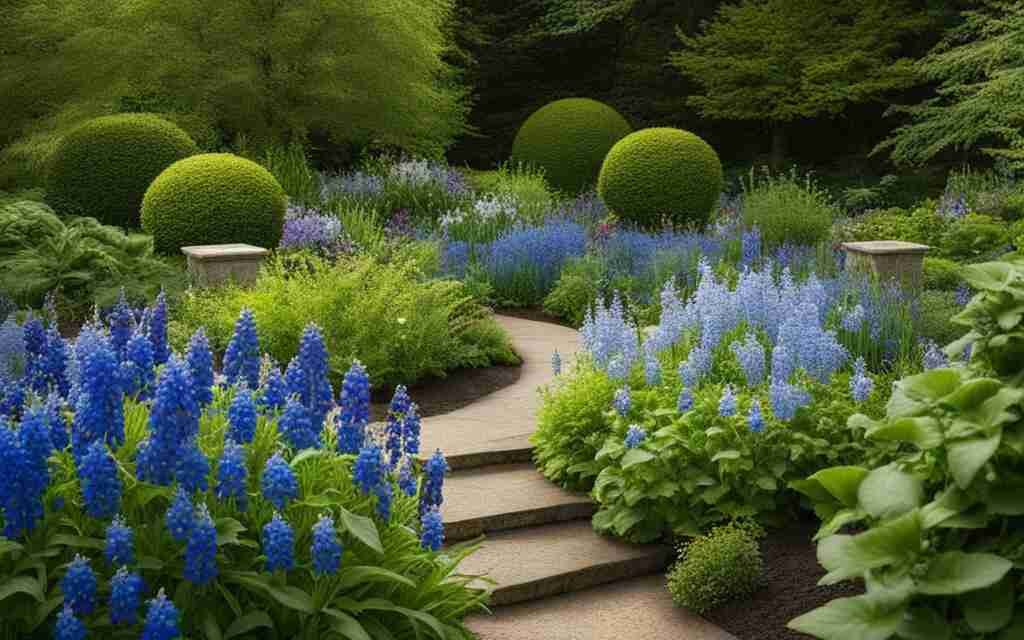
Discover the profound blue flowers significance as you delve into the array of natural blue blossoms offered by mother nature. Embrace the diversity of each bloom, from the delicate allure of Periwinkle to the bold statement of Hydrangea. Each variety not only enhances your garden’s visual appeal but also brings a sense of peace and calm, underscoring the tranquil effect these flowers have on their surroundings.
Let’s explore some of the diverse blue flora varieties and their particular needs, so you can choose the right blue flowers to bring that tranquil touch to your garden:
| Common Name | Scientific Name | Soil Needs | Sunlight Needs | Growing Zones | Special Tips |
|---|---|---|---|---|---|
| Cornflower | Centaurea cyanus | Well-drained | Full Sun | 2 – 11 | Sow seeds directly outside; does not transplant well. |
| Iris | Iris sibirica | Moist | Full Sun/Partial Shade | 8 – 11 | Affectionately called “water lover;” ideal near water features. |
| Hydrangea | Hydrangea macrophylla | Moist, Well-drained | Full Sun/Partial Shade | 4 – 9 | Acidic soil enhances blue hue. Prune after flowering if needed. |
| Blue Delphiniums | Delphinium | Well-drained | Full Sun | 3 – 7 | Staking is recommended to support their tall growth. |
| Forget-Me-Nots | Myosotis scorpioides | Moist, Well-drained | Partial Shade | 3 – 8 | Effortless care, self-seeding, and spreads easily. |
| Perennial Geranium | Geranium | Moist, Well-drained | Full Sun/Partial Shade | 4 – 8 | Long bloom period; pair with spring bulbs for extended color. |
These blue wonders of the garden embody a world of expressions and a serene ambiance that can transform any space. As you reflect on this diverse range, consider how the uniqueness of each flower will influence the energy and design of your garden. Embrace these naturally occurring marvels and watch as your garden becomes an oasis for both the eyes and the soul, emanating a natural, calming blue that’s rare and precious in our world.
Azure Aster
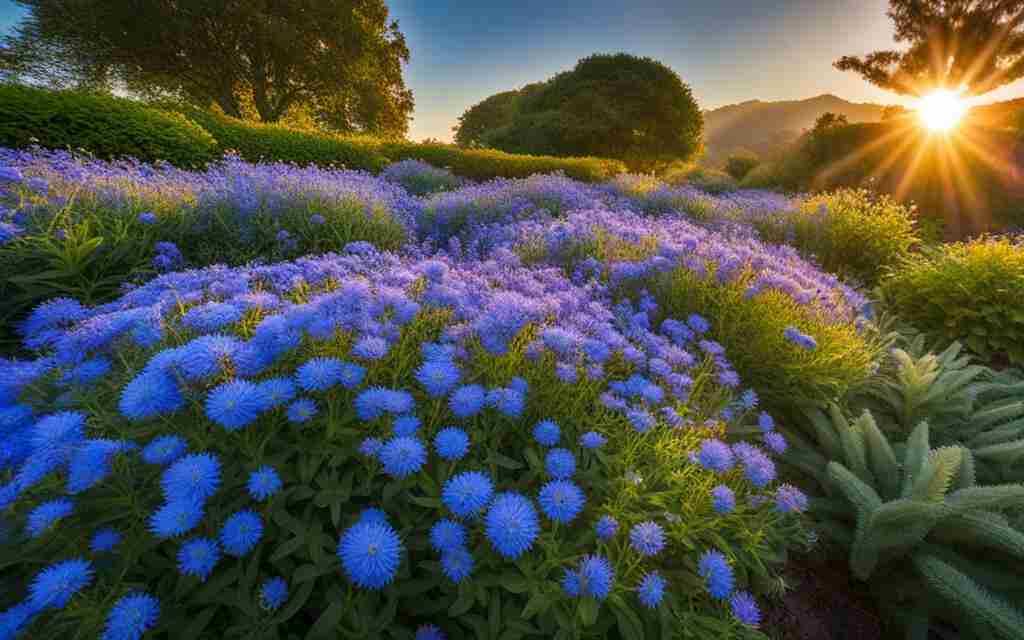
As you cultivate your garden, consider the Azure Aster, a perennial wildflower that captures the essence of the clear, autumn sky with its radiant blue petals. These blossoms are more than just a visual treat; they weave a narrative of serenity within your garden. The blue flowers cultural significance is deeply rooted, often associated with wisdom and faith, making the Azure Aster a symbolically rich addition to your garden tableau.
The cultural impact of Azure Asters extends into the realm of ecological harmony as well. With their late-blooming schedule, these flowers support vital pollinators at a time when other floral resources diminish, ensuring the life cycle continues even as the cool embrace of fall approaches. In your journey to create an enchanting outdoor space, Azure Asters lend not just color, but a sense of purpose and connection to the natural world.
The aesthetics of these blue blooms contribute significantly to the visual symphony of your garden. When paired with the golden hues of other fall favorites, the contrast of cool blue and warm yellow creates a breathtaking landscape that invites onlookers to linger and marvel. Moreover, the Azure Aster garden impact lies in its ability to blend beautifully with your existing botanical compositions, fostering a garden environment that is both inviting and inspiring.
As you continue to shape your garden, here’s how you can optimize the growth of Azure Asters and achieve the perfect balance of beauty, symbolism, and ecological benefit:
- Plant your Asters in a sunlit area that receives the comfortable warmth of the afternoon rays, balanced with the cool respite of morning shade.
- Ensure well-drained soil for your Asters to prevent waterlogging and root rot, which can impede their growth and flowering potential.
- Regularly deadhead spent blossoms to encourage a robust flowering season and maintain the plant’s vitality.
- Integrate companion plants such as goldenrod or late-blooming grasses to create a tapestry of fall colors that will bring your garden to life.
- Consider the cultural ties and historical use of Asters in traditional medicine and gardens as you plant these treasures, savoring the deeper meaning they bring to your garden.
By embracing the timeless beauty and multifaceted character of the Azure Aster, you’re not just planting a flower—you’re cultivating a story, a sanctuary, and a living tapestry that speaks to the soul. Let these captivating blue blooms infuse your garden with their serene charm and historical allure, creating a space that resonates with both cultural significance and natural splendor.
Bachelor’s buttons
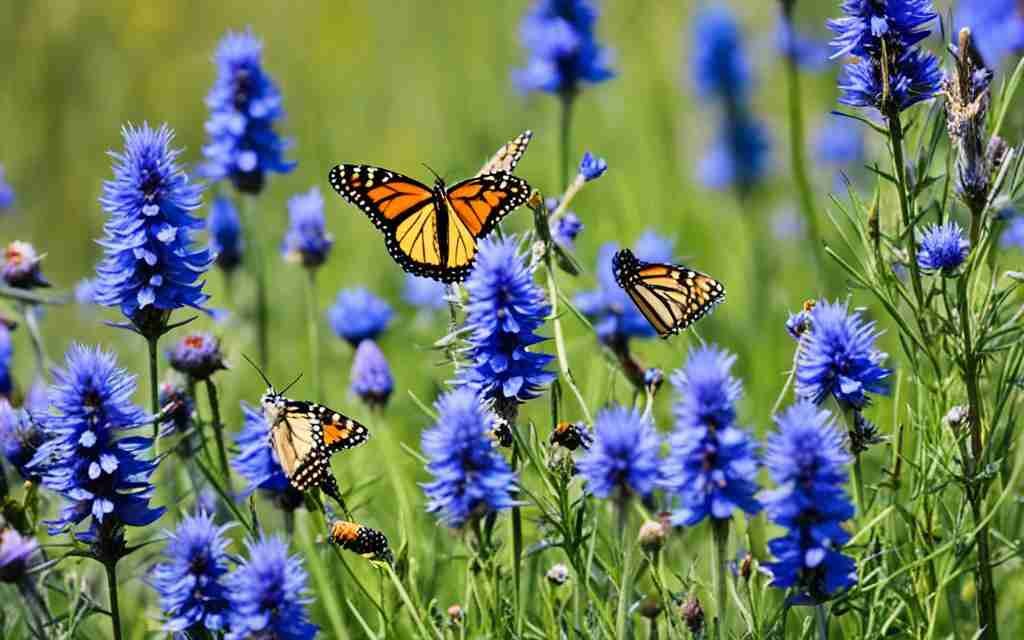
As you wander through your garden, you’ll find that Bachelor’s buttons, the quaint ruffles of blue embodied in the Cornflowers, are not only a feast for the eyes but also a piece of living history. These vibrant annuals, with a legacy woven into love stories of old, have long held a place in the realm of affection and adoration, their cultural significance as tokens of love standing the test of time.
Bachelor’s buttons symbolism extends into the practical beauty of a well-curated garden, inviting a spectrum of wildlife to partake in their offering. It’s here, amidst the dance of bees and the flutter of butterflies, that your garden vibrancy comes to life, flourishing under the care of these ambient blooms. But what must one keep in mind when cultivating these blue flowers of cultural importance? Let’s delve into their care:
- Opt for well-drained soil to allow these effortless cultivars to take root and thrive.
- Choose a sun-kissed corner of your garden, these florals bask in the full glow of the sun’s rays.
- Understand that these beauties fare best when sown directly where they are to bloom, as transplanting is not their forte.
- Remember to sow their seeds either in the fall or early spring to witness their full splendor in the succession of seasons.
Never underestimate the role these flowers play in enhancing the ecological tapestry of your garden. Through their abundant and lively blooms, Bachelor’s buttons contribute not just to the visual vibrancy but also to the very fabric of your garden’s biodiversity. Witness, as these flowers bridge your connection to the natural world, becoming a testament to love, commitment, and the simple joys of gardening.
Incorporating Bachelor’s buttons into your garden isn’t just about planting seeds; it’s about sowing a narrative that resonates with cultural lore and the inherent beauty of nature. Allow these blossoms to take root in your soil and in your story, flourishing as a beacon of heritage in the canvas of your garden.
Balloon Flower
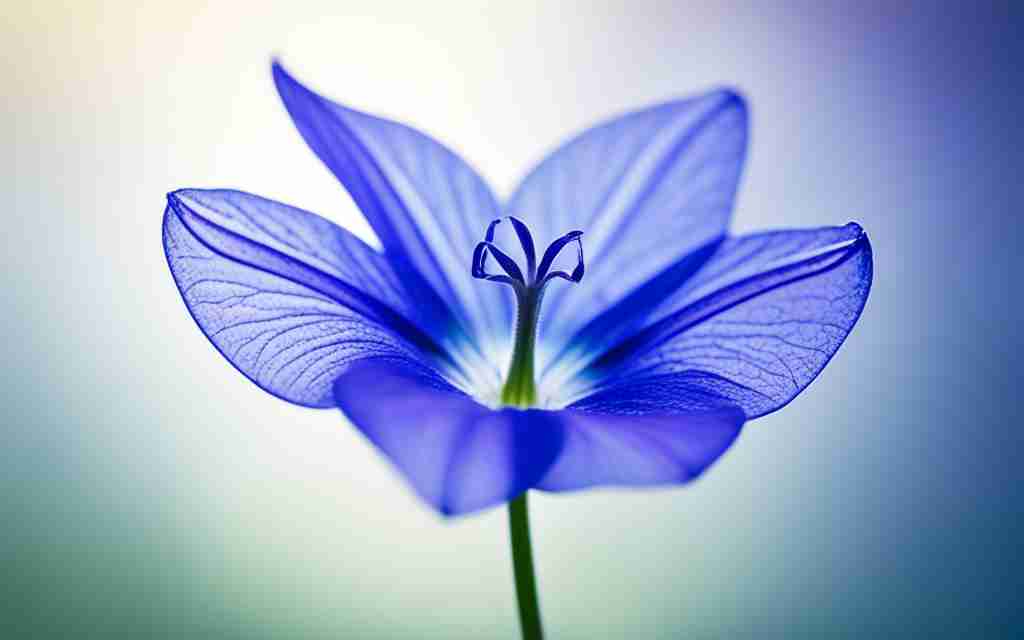
Every garden tells a story, and within its chapters, you might find the captivating Balloon Flower, also known as Platycodon grandiflorus. This perennial is celebrated for its whimsical and joyful garden enhancement, with buds whimsically shaped like hot air balloons that gracefully open to reveal star-shaped, rich blue flowers. The significance of blue flowers in conveying tranquility and depth pairs perfectly with the Balloon Flower uniqueness, a true garden standout.
As you consider adding these blooms to your own green space, note the joy they will undoubtedly bring. Not only are they a visual delight, but they also offer versatility in sun or part shade and adaptability to a range of soil conditions. With their unique form, they bring an element of surprise to the garden narrative, symbolizing openness and creativity.
In your pursuit of a joyful garden enhancement, the Balloon Flower also invites beneficial pollinators, weaving together a vibrant, living ecosystem right in your backyard. They draw attention not just for their striking aesthetic but for the life they sustain. The blooms, typically arriving in the midsummer months, serve as beacons of natural beauty and delightful curiosity among your other garden selections.
When planning your garden layout, consider giving these plants a space where both the morning light can caress their blooms and where passersby can admire their splendor. Whether nestled among low shrubs or positioned to peek out from your assorted perennials, Balloon Flowers will rise, ready to impress with their serene hues and playful form. Let’s review how to care for these unique botanical treasures:
- Soil Preferences: Balloon Flowers thrive in well-drained soil, but they’re hardy enough to adapt to different soil types. Just ensure that the planting spot doesn’t retain water to avoid root rot.
- Sunlight Exposure: They are lovers of the sun but will perform admirably under partial shade as well—ideal for those with dappled light conditions in their gardens.
- Watering Schedule: Regular watering helps establish the plants, but once settled, they’re somewhat drought-tolerant, requiring less frequent attention.
- Maintenance Tips: Deadheading will promote further blooming, and while they are low-maintenance, overwinter mulch in colder climates can ensure their return year after year.
With enchanting blooms that seem conjured from a fairytale, the Balloon Flower offers a unique charm that can elevate your garden space to something truly magical. It’s not just a plant; it’s a narrative of aesthetics, wonder, and the natural simplicity of gardening joys.
Bird-Bill Dayflower
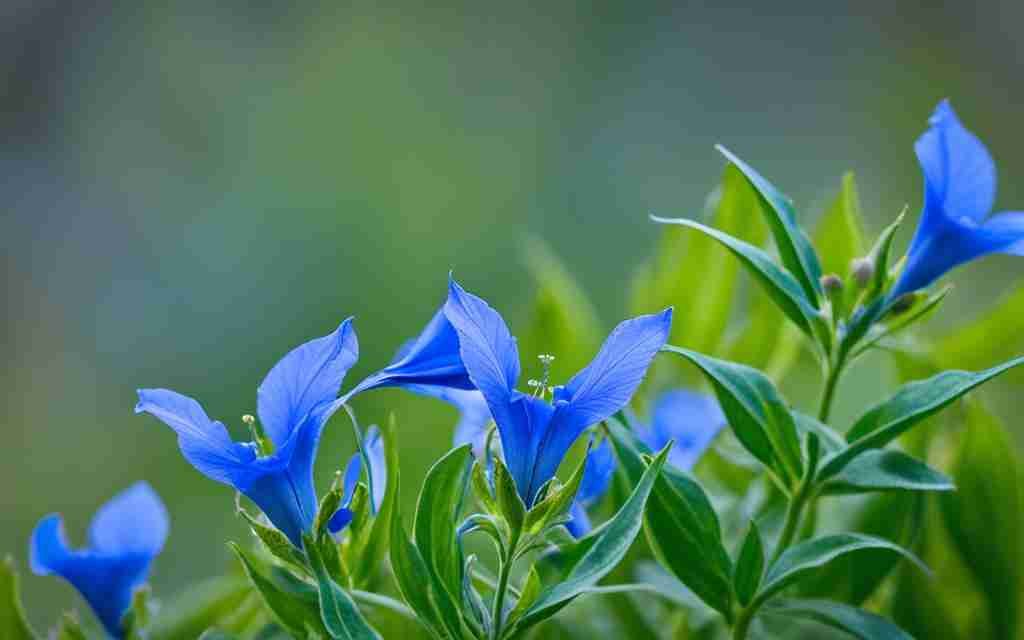
As you integrate the captivating Bird-Bill Dayflower into your garden, its remarkable blue flowers bring a tropical sensation to your sanctuary. Known for their rich blue flowers cultural significance, the Dayflowers offer a lush, tropical aesthetic that sits in beautiful contrast with the conventional florals of your space. With their unique Bird-Bill Dayflower traits, such as vivid blue petals and distinctive contrasting stamen, they are bound to become the focal point, enchanting onlookers with their exuberant life.
The garden allure of the Bird-Bill Dayflower is undeniable. Whether nestled in a border or displayed proudly in a container, their presence ensures a conversation start amidst the lush greenery. Their distinctive morphology, with a beak-shaped spathe that holds the petals, contributes to this flower’s status as a botanical work of art—adding an exotic touch to your garden tableau.
When considering the cultivation of the Bird-Bill Dayflower, it’s important to remember that their longing for the sun is equivalent to their need for well-drained soil—a reflection of their tropical origin. As you plan to envelop your garden with this serene ambiance, pair these flowers with complementary greenery to accentuate their allure and fully embrace their cultural storytelling within your landscape.
- Choose a sunny location in your garden where they can soak up the warmth and light, reflecting their native tropical climates.
- Ensure that the soil around these dayflowers is well-drained to accommodate their dislike for “wet feet,” which can hinder their growth.
- When they’re in full bloom, the Bird-Bill Dayflower offers an exotic charm that pairs wonderfully with more subdued flora to create a visually captivating garden narrative.
- Keep in mind the ease of maintenance; these Dayflowers will reseed and bring effortless beauty season after season.
Your garden is a canvas, and the addition of the Bird-Bill Dayflower paints a stroke of tropical paradise. Immerse yourself in the enchanting world of blue flowers, and let the exotic and alluring presence of the Bird-Bill Dayflower elevate your garden to a sanctuary of profound beauty and tranquility.
Blue anemones
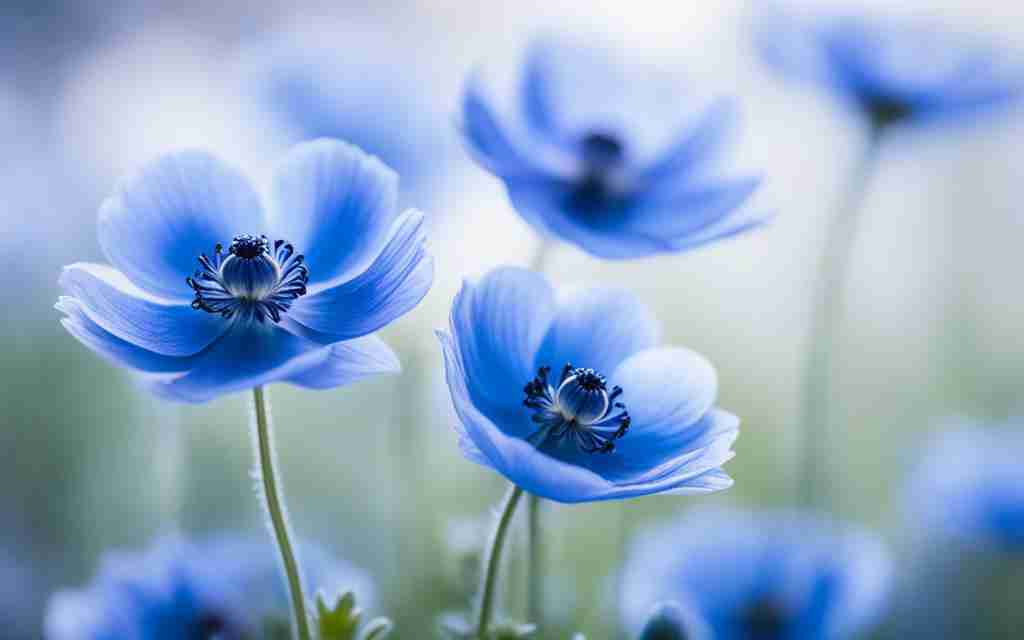
Imagine your garden coming alive with the ethereal beauty of blue anemones, each petal whispering tales of anticipation and protection. The blue flowers significance reaches new depths with these captivating blooms, creating serene gardens where you can retreat into a world of tranquil beauty. Revered for their delicate and serene characteristics, blue anemones carry a simple yet profound elegance that quietly transforms any space into a peaceful haven.
Apart from their aesthetic appeal, the blue anemone characteristics are deeply symbolic. These flowers are like nature’s sentinels, embodying the hope and excitement of new beginnings. There’s a reason these springtime marvels take a cherished spot in nature’s display. They bloom just as the world awakens, offering a serene escape to every admirer and signaling the cycle of life’s continuous march.
Let’s dig into the specific needs of blue anemones to ensure they thrive in your garden:
- Sunlight: Blue anemones flourish under the soft rays of the morning sun but also appreciate the shelter of partial afternoon shade.
- Soil: Thriving in well-drained soil, these blooms require an environment that echoes their natural Mediterranean cliffs.
- Water: While drought-tolerant, during their blooming phase, consistent moisture will keep the petals vibrant and full of life.
- Companionship: Pair them with other spring bulbs, like tulips or daffodils, to complement their visual splendor and extend the blooming season in your garden.
As you plan your serene gardens for the coming spring, consider the blue anemone. Its indisputable charm lies in its ability to offer solace, to invigorate the soul with the soothing tones of blue, and to connect us with the cyclical beauty of nature. With the right care, your garden will soon be a canvas of calm, with every blue anemone’s blossom a brushstroke in your peaceful garden masterpiece.
Blue asters
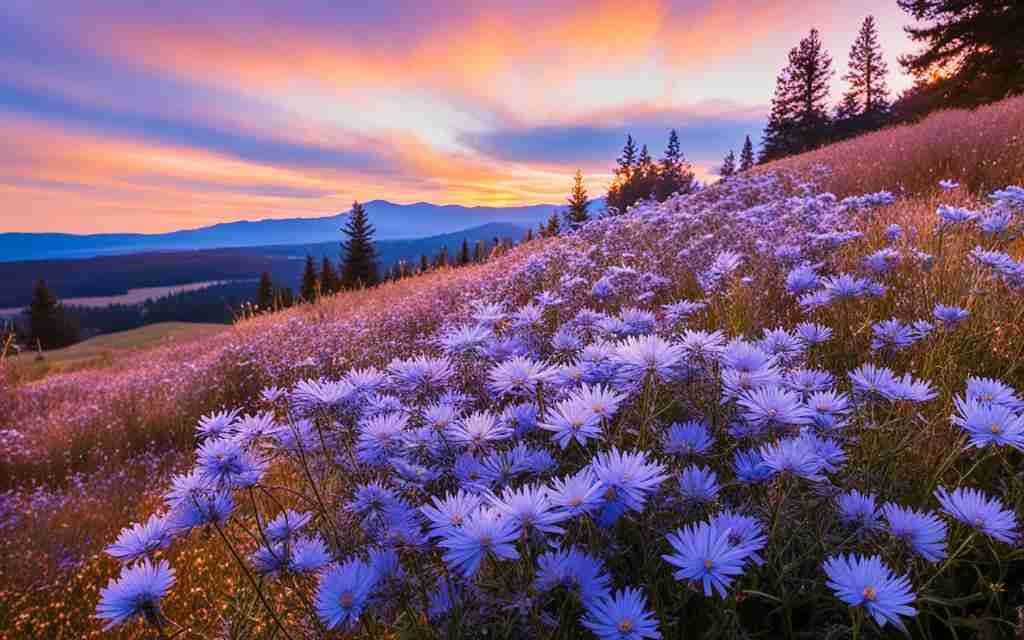
When you envision the essence of fall in a flowering plant, Blue Asters are often what come to mind. As the season matures and many blossoms have said their goodbyes, these resilient flowers burst forth, brandishing their celestial-shaped blooms against the crisp autumn sky. The blue flowers symbolism interwoven with Blue Asters reaches the heart of garden poetics, representing wisdom and awakening a sense of faith within the natural decline of the year.
Acknowledging Blue Aster significance in your garden isn’t just about embracing their beauty; it’s about incorporating the depth and spiritual hues they seamlessly blend into your autumnal palette. These flowers, thriving alongside the vibrant golds of goldenrod and the rich reds of mums, craft a striking symphony of fall hues—a visual feast for the weary onlooker seeking comfort as the days grow shorter.
Indeed, Blue Asters are not just about visual appeal; they hold onto the warm days of summer while promising the rich, inward beauty that fall brings. With each bloom, they articulate the continuity and cyclical nature of life, luring us outdoors to witness the waning brilliance of the garden year and to partake in the tranquil beauty that they so generously offer.
- Embrace their autumnal beauty as they stand tall, bringing a burst of color to your garden when most needed.
- Nourish their growth by planting them in well-drained soil and an area that captures the full sun, ensuring they flourish as the days shorten.
- Pair with warm-colored flowers to emphasize their rich, cool tones and create a garden scene that signifies the transition from the vibrancy of summer to the reflective calm of autumn.
- Deadhead spent blooms to prolong their flowering and enjoy their presence well into the cooler days.
As you witness the seasonal change, let Blue Asters remind you of the constants in life. Despite the transitions, there’s always a blue flower ready to bridge the shift, to signify hope, and to root you in the symbolism that each season holds close. Plant Blue Asters, and you cultivate more than just a flower; you nurture a symbol of the spirit of the season—autumnal beauty at its finest.
Blue balloon flower

As your garden awakens with vibrant colors, there is a bloom that not only catches the eye but also captures the imagination—the Blue Balloon Flower. Known scientifically as Platycodon grandiflorus, this plant draws you in with its intriguing balloon-shaped buds that burst open into starry blue blooms. The allure of these flowers is unmistakable, tying in beautifully with the cultural significance blue flowers tend to carry across different cultures. From adorning festive occasions to gracing serene garden settings, these blossoms are a favorite among gardeners for their resilience and the unique floral displays they contribute to any green space.
Imagine watching the buds of the Blue Balloon Flower as they swell, mimicking the excitement one feels before a momentous event, only to reveal layers of deep blue petals that transcend the typical definitions of backyard beauty. This plant’s prowess goes beyond its attractive displays; it symbolizes enduring grace and a joyous spirit amidst the changing seasons. As you delve into the world of these enchanting blooms, you join a long tradition of appreciating the blue balloon flower allure that has captivated hearts and honored the intricate dance between nature and cultural expression.
With its origin in the East, where it’s cherished for both its aesthetic and medicinal qualities, the Blue Balloon Flower epitomizes the fusion of function and beauty. It’s a testament to the thoughtful gardener’s quest for blooms that do more than just please the eye—they evoke emotion and connect us with history. The robust nature of these flowers means you get to enjoy them with relative ease, as they are forgiving to both beginners and seasoned gardeners alike, thriving in a variety of soil conditions and climates. Their persistence and low maintenance make them a practical yet mystical addition to your personal ecosystem.
- Cultivate in well-drained soil to ensure the best growth potential.
- Plant in an area with full sun to part shade for optimal blooming.
- Consider their height and space them accordingly, allowing each plant room to expand and showcase its full glory.
- Enjoy the minimal care requirements, watering regularly, and trimming back after flowering to encourage new growth.
In essence, the Blue Balloon Flower’s impact extends far beyond its physical beauty. It’s a symbol of transcending the ordinary, of connecting to traditions, and of celebrating the blue flowers cultural significance with every blossom that unfurls in your garden. Incorporate these captivating blooms into your landscape for a delightful spectacle that will enchant you and your visitors from spring through fall.
Blue balloon vine
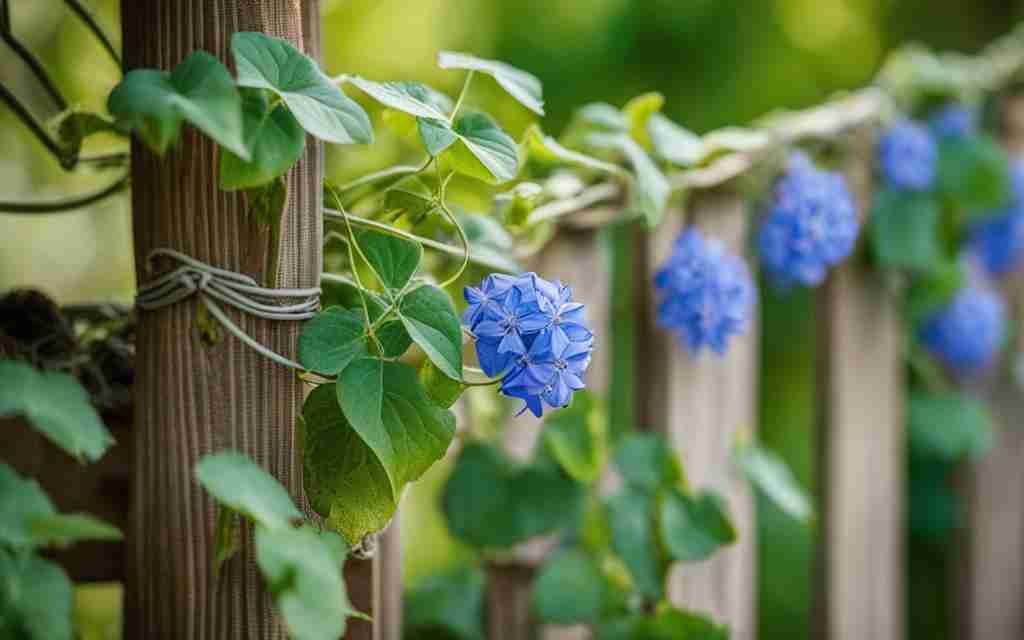
As you explore the enchanting world of blue flowers, the Blue Balloon Vine emerges as a climbing beauty with a penchant for vertical storytelling. Unlike any other gardener’s ally, this vine weaves its tendrils through trellises and fences, flourishing with small azure blossoms that touch the sky. Indeed, its presence in your garden is not only a visual spectacle but an embodiment of the blue flowers meaning and symbolism that speaks to growth, aspiration, and the boundless reach of ambitions.
The Blue Balloon Vine traits are as noteworthy as they are beautiful, adapting effortlessly to both garden spaces and balcony settings. When you encourage this climber in your personal green oasis, you’re fostering a symbol of advancement and embracing its intrinsic capacity to transform any space with a vertical grace. Its botanical name could almost be synonymized with encourager—for its blooms encourage the eye to ascend upward, drawing a line from earth to the limitless sky.
Embrace the climbing beauty of Blue Balloon Vine, and you’ll find your garden enriched with layers of deep blue, an aesthetic elevation that simultaneously grounds and uplifts. Here are some tips to cultivate these skyward blooms:
- Select a sunny spot for your Blue Balloon Vine where it will receive ample light to flourish and climb.
- Provide a sturdy structure such as a trellis or fence to support its adventurous growth habit.
- Prune regularly to maintain shape and encourage a fuller, more prolific bloom display.
- Put your vine in well-drained soil to avoid waterlogging, ensuring your climber remains as vigorous as its aspirations.
Your journey with the Blue Balloon Vine is one of patient support, watching as it unfolds its potential before your eyes, crafting live art as it climbs. A testament to the overarching themes of nurturing and loftiness, it is the floral epitome of reaching for one’s personal zenith. Welcome it into your space, and let the allegory of its growth inspire your own.
Blue campanula
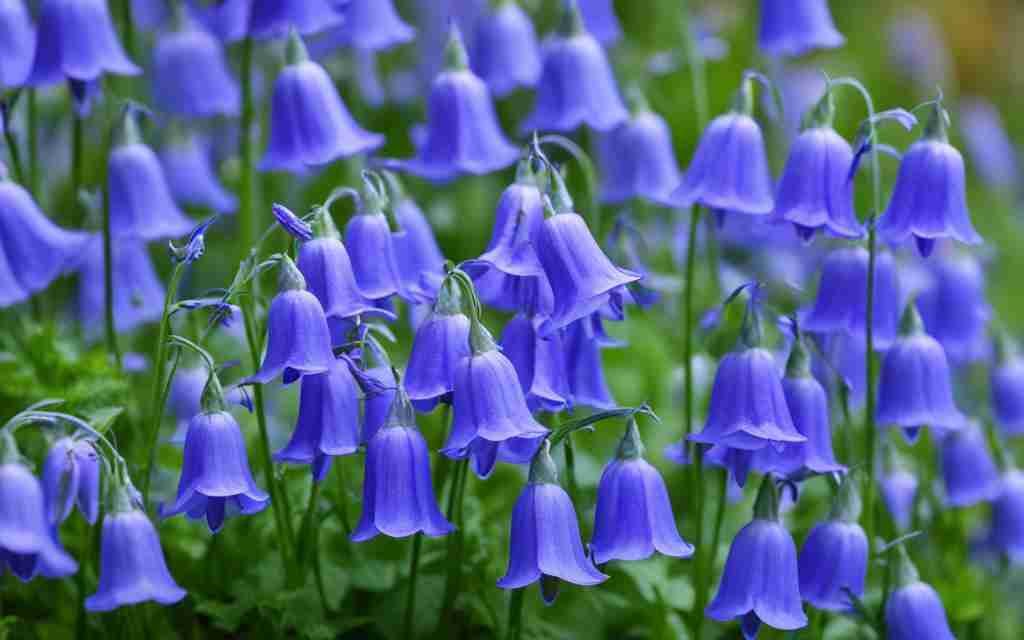
When you immerse yourself in the wonders of gardening, the enchanting presence of the Blue Campanula, or Bellflower, brings a harmony of blue flowers symbolism to the forefront of your serene outdoor space. As you weave the visual and emotional textures that define your garden, these perennial bell-shaped beauties tenderly express sentiments of gratitude and everlasting love, making them an insightful choice for any garden aficionado.
The rich tapestry of Blue campanula characteristics is not just limited to their delightful floral forms. They are a testament to the resilience and timelessness of nature’s artistry, enchanting visitors with their reliable bloom year after year. The vibrant blue hues of the Campanula can transform the simplest garden corner into a profound focal point, marrying aesthetic appeal with deep cultural resonance.
- Durable and perennial, these bellflowers return each season with little fuss and maintenance.
- Their versatility allows them to thrive in various parts of the garden, from border fronts to rockery displays.
- By offering a haven for essential pollinators, Campanulas contribute to the ecosystem’s health and vitality.
As you consider adding these beautiful blooms to your garden, reflect on their symbolism. Reminiscent of blue skies and clear waters, Campanulas remind us to be grateful for the beauty that surrounds us and cherish the enduring love that enriches our lives.
Embrace the Blue Campanula’s charm and let them elevate your garden into a storybook of living colors and emotions. With their subtle nods to romanticism and loyalty, these bell-shaped wonders will not only enhance your garden’s charm but will also bring a sense of fulfillment each time their blooms emerge from the soil to greet the sky.
Blue chrysanthemums
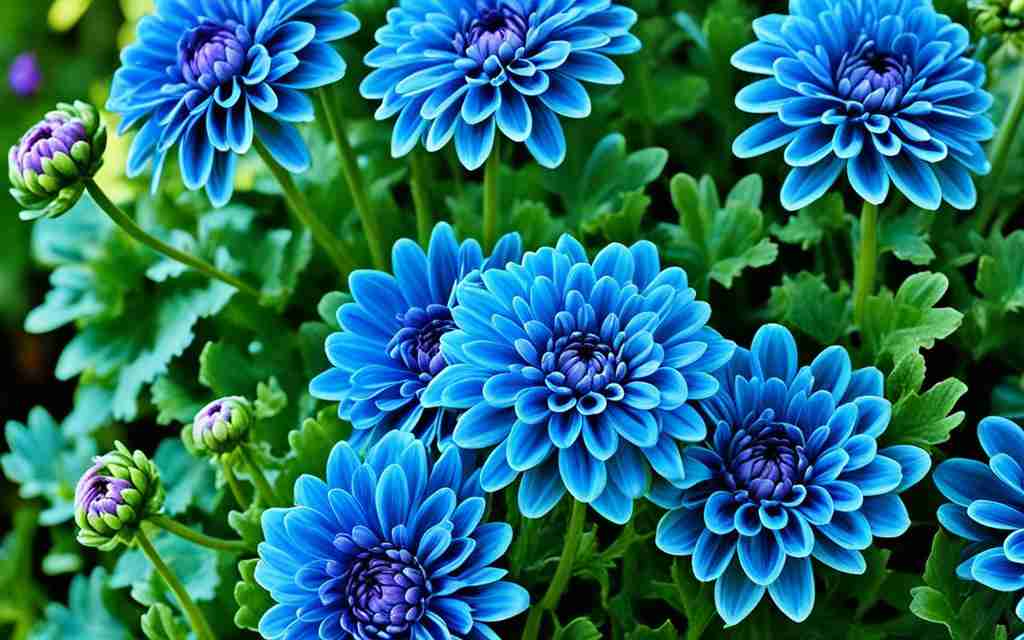
Blue Chrysanthemums epitomize the beauty that embellishes your garden with dimensions of loyalty and integrity. These blooms are more than just visually splendid; they thread into the story of your personal sanctuary with threads of deep cultural significance and vibrant Chrysanthemum symbolism. As you seek to instill a sense of regality and honesty within your garden’s narrative, the addition of these striking florals is a testament to your commitment to garden diversity and esthetic richness.
With each petal, Blue Chrysanthemums unveil a story, cultivating an atmosphere that resonates with the blue flowers cultural significance honored in traditions worldwide. It’s in the intricate layers of their blue petals that onlookers find a symbol of honesty, a quality so treasured in the colorful language of florals. These blossoms, with their magnificent hue, invite an element of the extraordinary, intertwining past cultures and contemporary aesthetics to enrich the fabric of your garden tapestry.
If you’re drawn to the appeal of these unique chrysanthemums, remember they thrive best with love and care that echoes their noble symbolism. Here are tips to ensure your Blue Chrysanthemums flourish:
- Choose a sunny location with partial shade to protect the vibrant hues of their blooms.
- Amend your soil with organic matter to provide nutrient-rich support for their growth.
- Water consistently, keeping the soil moist but not waterlogged, to foster lush, full flowers.
- Be mindful of spacing, allowing each plant ample room to showcase its full potential.
In your endeavor to achieve a living mosaic in your garden, consider harmonizing these blue marvels with other plants. They beautifully complement golden flowers and variegated foliage, creating a landscape that is as regal as it is welcoming. Let the Blue Chrysanthemum’s bold statement of truth and fidelity echo through your garden and become a beacon of nature’s unmatched splendor.
Blue columbine
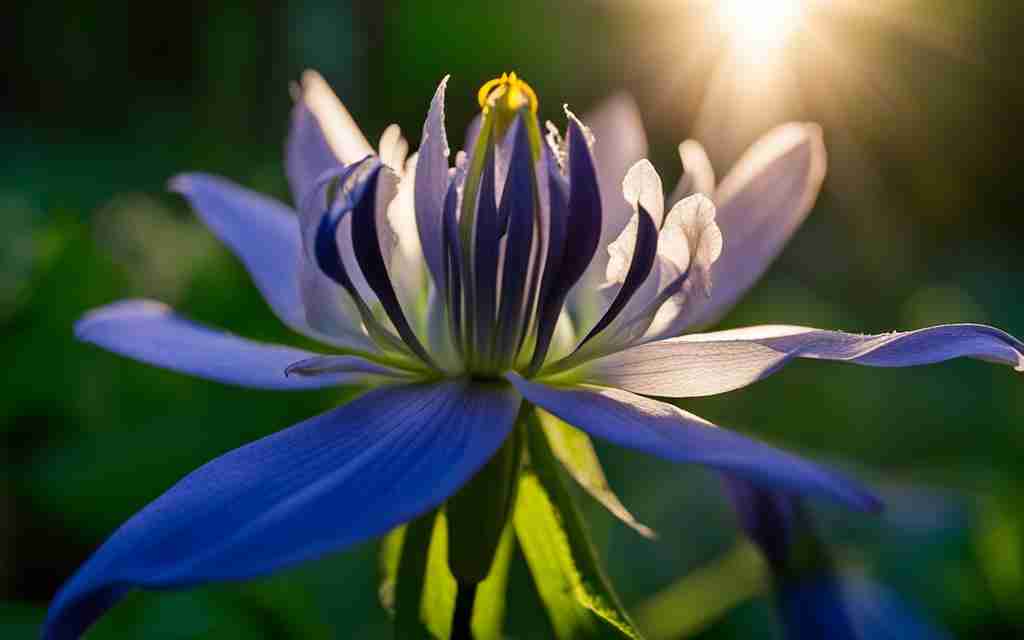
Enrich your garden’s tapestry with the addition of Blue Columbine, a flower encompassing blue flowers spiritual meaning and natural allure. Its soft, nodding blooms depict wild elegance, thriving in the seclusion of woodland and alpine spaces. Blue Columbine not only delights the eye but also embodies an ethereal presence in shaded or dappled light areas.
Often, flowers serve as more than just botanical adornments; they convey deeper messages and connections. The Blue Columbine features that distinct charm, symbolizing courage and wisdom, and instilling a sense of peace that many seek in their garden sanctuaries. By introducing this graceful bloom into your environment, you’re not just extending your garden’s beauty, you’re adding a layer of contemplative spirituality as well.
Whether you are a seasoned horticulturist or a casual nature lover, the presence of Blue Columbine in your garden is an invitation to the quiet contemplation and appreciation of nature’s untouched beauty. With its unique features and spirit-enriching hues, Blue Columbine becomes a beacon of natural allure, inspiring and grounding those who encounter its beauty. Here’s how you can ensure these delicate florals reach their full potential:
- Plant Blue Columbine in partially shaded areas where they can receive the gentle morning light, while being protected from the harsh afternoon sun.
- Ensure the soil is rich and well-draining to mimic their natural, rocky mountainous terrain.
- Water them regularly, allowing the soil to remain moist but not waterlogged – a balance they favor to produce their best blooms.
- Maintain a layer of mulch to keep the roots cool and conserve moisture during warmer months.
Through your care and attention, Blue Columbine will reward you with its stunning display of color and tranquility, enhancing the spiritual connection within your garden oasis. It’s the perfect embodiment of the tranquility and introspective essence that blue flowers impart, making it an indispensable addition to any garden seeking a touch of the divine.
Blue daisies
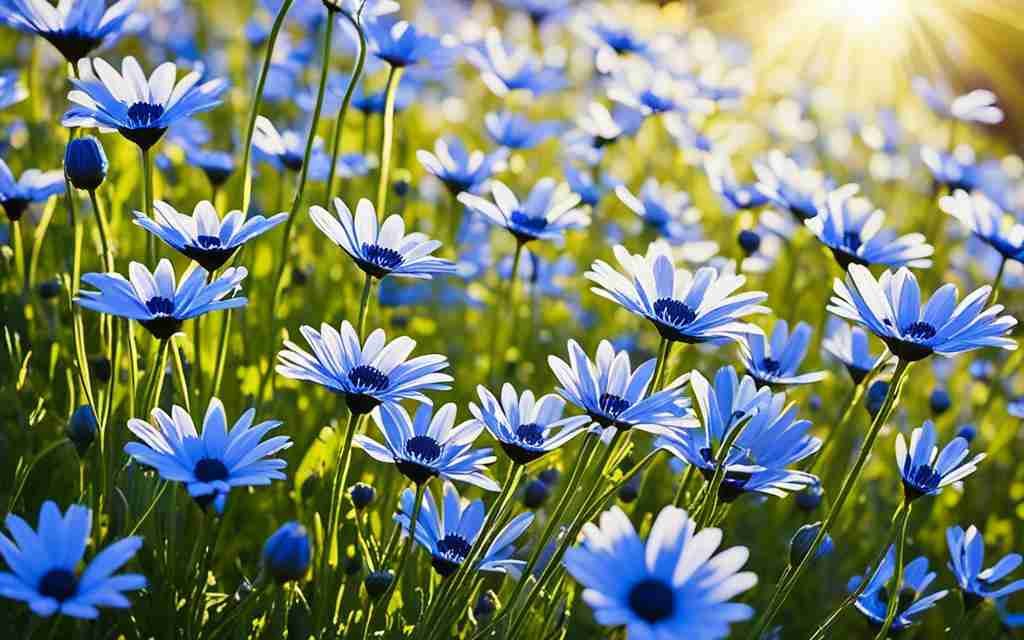
When you think of blue flowers meaning and symbolism, it’s often linked to sentiments of serenity and introspection, but blue daisies break that mold with their exuberance and charm. These cheerful blossoms with their eye-catching blue petals are the epitome of Daisy representation—one of the most inviting and friendly flowers, they assume a role that goes beyond aesthetic appeal.
Daisies are known for their simple, unsuspecting beauty, and when tinted with the hue of the sky, they infuse your garden with a peaceful yet cheerful vibe. If you’re considering designing welcoming gardens, the inclusion of blue daisies is akin to opening your arms wide to every visitor—be they human, butterfly, or bee. The presence of these dainty blooms is a signature of innocence and purity—a reminder of childhood days spent fashioning daisy chains and basking in the simple joys of life.
Let’s explore the Daisy representation in your flourishing garden space:
- They signify a warm greeting or a heartfelt farewell, much like waving a hand to a friend.
- Blue daisies represent loyalty and faithfulness, echoing enduring connections and bonds.
- Their versatility makes them fit seamlessly into an assortment of garden styles—from the structured elegance of formal gardens to the carefree whimsy of cottage gardens.
In a world where the meaning and symbolism of every petal, color, and arrangement are meticulously interpreted, blue daisies bring in a breath of fresh air with their straightforward symbolism. In your garden, they stand as a reminder of the importance of nurturing simplicity and joy in the hustle of everyday life.
As you plan your garden, remember that blue daisies will thrive best with some care tips in mind:
- Position these daisies where they can soak up the full glory of the morning sun.
- Ensure they’re planted in well-drained soil to prevent root rot.
- Regular deadheading will keep your daisies blooming longer, extending their warm welcome deeper into the season.
- Companion planting with contrasting colors can make those blue hues pop even more.
It’s rare to find flowers that resonate with deep blue flowers cultural significance and yet are cloaked in such a universally appealing form as the daisy. They serve as a reminder that every garden, like every home, should have that one feature that says, ‘You are welcome here.’ With the blue daisy, you’re not just planting a flower; you’re embedding a spirit of openness and friendliness into the very essence of your garden space.
Blue daisy
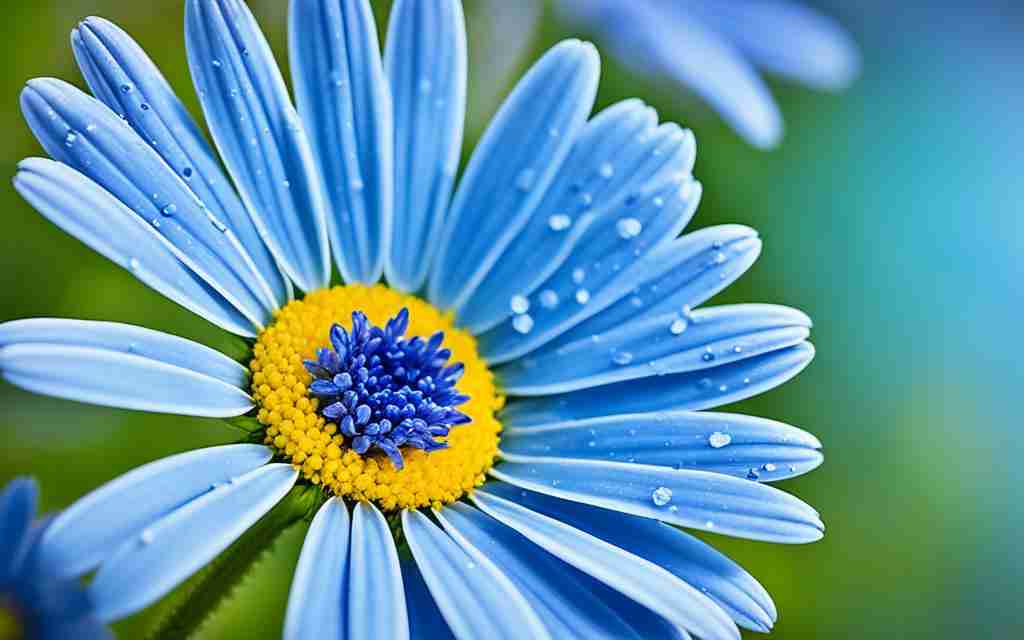
Imagine your garden blooming with the singular charm of the Blue Daisy. This unique flower, with its subtle hues and quiet allure, offers more than just aesthetics; it fulfills an essential role in illustrating the blue flowers cultural significance. With every Blue Daisy that dances in the breeze, a story of enchantment and floral charm unfurls, inviting you to experience its captivating presence fully. These blooms have earned their place in the hearts of garden enthusiasts, enchanting with a blue that radiates both tranquility and joy within the garden panorama.
The Blue Daisy charm is palpable. Its bloom whispers tales of elegance and grace, evoking the enchantment of fairy tales within the confines of your own backyard. The very essence of these daisies, draped in a blue garb, manifests a veritable garden fairy tale, where each petal seems touched by the magic of the skies above. As you witness them sway, let their floral enchantment transport you to a world where nature communes with imagination.
In your personal retreat, the Blue Daisy serves as a gentle reminder of nature’s symphony, its color harmonizing with the surrounding greenery to compose a visual reverie. This blossom’s individual beauty lies in its ability to stand out, yet blend seamlessly with the riot of colors that populate a thriving garden. Its serene blues echo the vast oceans and the expansive sky,bringing forth a softness that is both calming and inspiring.
The cultural ramification of the Blue Daisy is deep-rooted. It’s an emblem of serene affection, a symbol of the delicate balance between the wild and the tamed in your horticultural haven. You’re not just planting a flower; you’re embedding an emotion, solidifying a memory, adorning your garden with a charm that transcends the ordinary, and stepping into a tradition that celebrates the purity of natural wonderment.
- Cultivate them in well-draining soil to witness a robust display of their joyous faces.
- Ensure these floral gems receive ample sunlight, where the rays tenderly kiss each petal for a vibrance that lasts through the seasons.
- Keep company with flowers of contrasting hues to highlight the unique charm of your Blue Daisy, creating a tapestry woven with the threads of enchantment.
- Savor the low maintenance nature of these daisies, allowing you more moments of appreciation and less of toil.
Your garden is a stage for natural splendor, and the Blue Daisy plays a starring role with an elegance that quietly demands attention. Infuse your outdoor sanctuary with daisies draped in blue, and let the floral enchantment begin.
Blue delphiniums
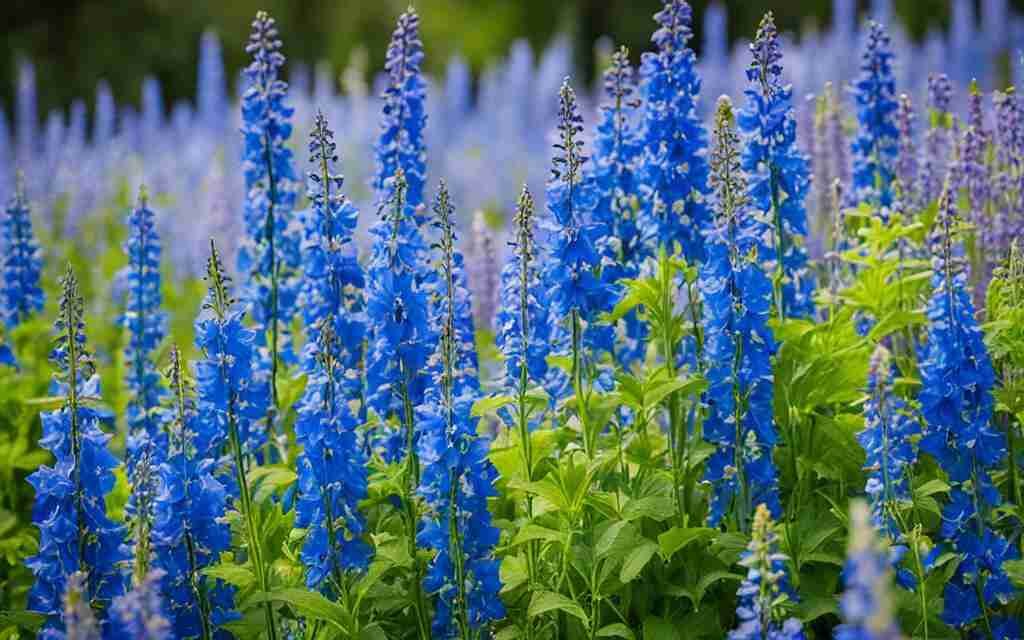
Imagine a garden where blue flowers significance is celebrated, and the Delphinium allure stands proudly as the embodiment of such grandeur. These majestic blooms, with their towering spires of deep blue, become the centerpiece in a realm where elegance and charm reign supreme. Blue Delphiniums offer you more than a delightful visual—they tell a tale of ambition and spirited joy, their spires reaching toward the sky as if to touch the very heavens.
Encompassing a wealth of meaning and grandeur, these perennials are more than garden fixtures; they are a testament to the power of natural splendor. With a knack for stealing the spotlight, their vibrant hues enliven the green canvas of your garden, while their towering presence commands attention and admiration from every onlooker.
To cultivate a garden rich with the height and color of Blue Delphiniums, you’ll need to embrace the roles both of gardener and guardian. Here’s how to care for these stately blooms:
- Ensure the soil is rich and well-draining for optimum growth and flowering.
- Position your Delphiniums in a spot where they can bask in the full sun, encouraging their spires to reach skyward.
- Water them with a gentle hand, keeping the soil moist but not waterlogged to maintain health and vigour.
- Provide a stake for each Delphinium plant to support their lofty aspirations and maintain their regal posture in your garden.
Blue Delphiniums are truly a gardener’s reward, flourishing under your care and bringing a piece of the sky down to earth. With each season, as the new blooms punctuate the greenery, revel in the joy of witnessing their stately dance in the breeze—your garden’s salute to the art of living beauty.
Blue false indigo
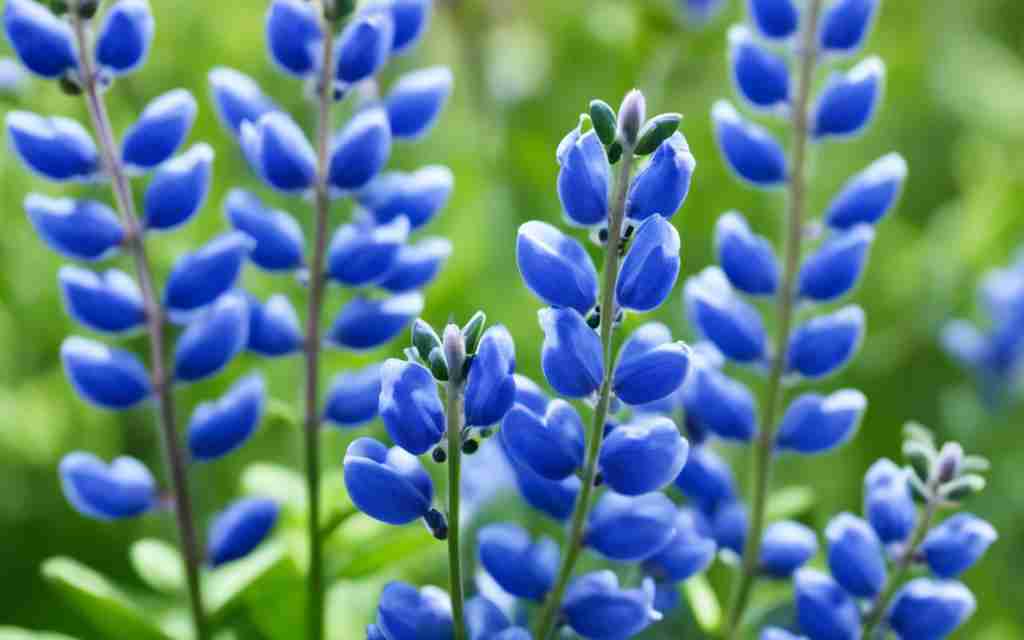
Revel in the legacy of the Blue False Indigo, a perennial that captures the profound blue flowers spiritual meaning while honoring the historical use by Native Americans as a natural dye source. This garden perennial enriches our modern landscapes, not just visually but with a sense of continuity from past to present. Its enduring nature and deep-rooted significance offer a fascinating story to your garden’s evolving narrative.
The Blue False Indigo, scientifically known as Baptisia australis, stands out with its vibrant pea-like blue blooms that grace erect spikes, bringing a statuesque beauty to any setting. It’s not only the visual charm that captivates but the blue flower’s substantial history that sparks intrigue. As you tend to these blooms, you’re participating in a tradition, nurturing a plant steeped in rich heritage and sustainability.
Durable and dependable, the Blue False Indigo is an excellent addition to your array of garden perennials. It’s hearty and long-lasting, demanding little but giving much. Considered easy to care for, it’s a robust choice for both novice and expert gardeners. Here’s how to ensure these perennials thrive in your garden:
- Plant in an area which receives full sunlight to partial shade.
- Provide well-drained soil to prevent waterlogging, ensuring the health of this enduring perennial.
- Avoid frequent transplanting as it establishes its deep root system, appreciative of a permanent spot in the garden.
- During its blooming period in the spring and early summer, enjoy the bountiful blue spikes that will attract bees and butterflies.
- Remember its resilience during the winter, with the ability to withstand cold temperatures and come back each year with renewed vigor.
Let the Blue False Indigo become a fixture in your garden space, offering not just a splash of blue but a continuum of tradition and an eco-friendly, low-maintenance presence amid your floral collection. Its symbolism as a plant of durability and its rich tint reflective of the sky impart a serene and meaningful backdrop to any garden.
Blue flag
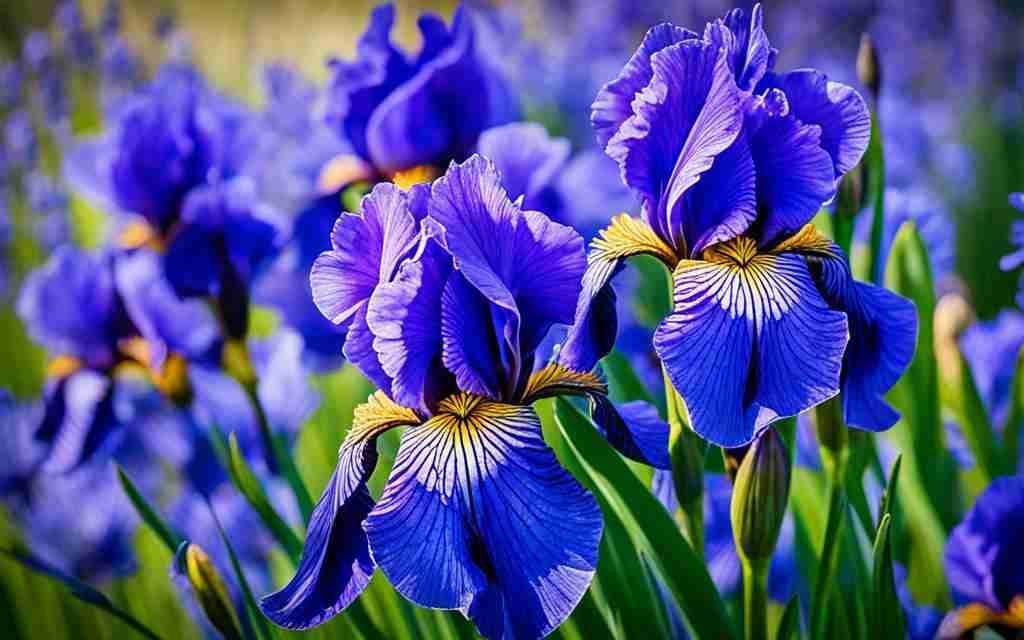
The Blue Flag Iris, often found adorning the water’s edge with its striking presence, holds a special place in the garden and in cultural lore. Celebrated as a Birth Flower for its deep meanings associated with faith, valor, and wisdom, it is an iris that radiates an alluring tranquility influenced by its natural habitat. As you wander through your garden, the Blue Flag iris adds a layer of serenity, echoing the reflective calmness of the wetlands from which it naturally emerges.
Drawing on the natural habitat influence, incorporating the Blue Flag into your own garden space invites the essence of waterside ecosystems into a more cultivated setting. This merging of the wild and the tamed enriches the atmosphere, suggesting a fluid conversation between your garden and the abundant life found along streams, ponds, and other moist areas.
Understanding how these blue flowers thrive can enhance your gardening practice and deepen your appreciation for their inherent beauty and meaning. Here are some insights on how to nurture the Blue Flag iris in your garden:
- Replicate its natural wetland environment by choosing a location in your garden that is moist or even boggy.
- Plant the Blue Flag iris where it can receive full sun to partial shade, just as it would on the margins of water bodies in its native habitat.
- Utilizing the meaning of blue flowers as a Birth Flower in your gardening can bring a personalized touch, selecting them with specific months in mind to celebrate someone’s birth.
- Observe how the presence of these irises enhances the biodiversity of your garden, attracting pollinators and offering shelter to aquatic wildlife.
Whether you’re planting a single Blue Flag iris or a swath of them to create a naturalistic waterside planting, you’re cultivating more than just a garden feature. You’re embedding a narrative steeped in history and symbolism, celebrating the Blue Flag iris as a Birth Flower of profound significance.
Blue flax
Stepping into the realm of blue flowers interpretation, Blue Flax (Linum lewisii) stands out not just for its enchanting sky-blue blossoms but also for its crucial role in fiber production. This unassuming yet striking wildflower is entwined with linen’s rich history, conjuring up images of both past heritage and current sustainability practices. Blue Flax cultivation extends beyond mere ornamentation, encapsulating the symbiosis between nature’s beauty and human utility.
As an avid gardener, you’ll find that cultivating Blue Flax in your garden is a nod to the storied legacy of plant-based textiles, showcasing nature’s incredible capacity to yield resources for human craft. Known for its resilience and ease of care, Blue Flax serves as a perfect example of how garden selections can harmonize aesthetic allure with practical applications, enriching your gardening experience with every fiber it produces.
The sturdy stems and delicate blue petals of Blue Flax can be translated into an enduring fabric, illustrating the importance of fiber production in agriculture and craft. This dichotomy of grace and grit provides a unique narrative in your garden, revealing the plant’s versatility. Lean into the wonders of Blue Flax cultivation, and embrace the opportunity to grow a plant that offers a wealth of benefits—from enhancing your garden’s visual appeal to contributing to sustainable fiber production.
- Hardiness: Blue Flax thrives in a range of hardiness zones, making it a suitable choice for various climates.
- Sun Exposure: This plant loves the sun, requiring full exposure for optimal growth and bloom production.
- Sowing Tips: Sow the seeds directly into well-drained soil, a practice that bodes well for their development.
- Maintenance: Blue Flax is drought-tolerant and demands minimal care, allowing you to enjoy its beauty without constant upkeep.
By adding Blue Flax to your garden, you’re not merely planting a flower; you’re cultivating a connection to centuries of human ingenuity and the soothing tranquility of blue blossoms waving in the breeze. Let your garden be a tribute to the utility and aesthetics of blue flowers as you partake in the timeless tradition of Blue Flax cultivation.
Blue geraniums
Embark on a botanical journey in your garden with the stunning blue Geranium ‘Rozanne’, a cultivar celebrated for its exquisite violet-blue flowers that epitomize the blue flowers cultural significance. As you envision a garden that encapsulates both beauty and resilience, the ‘Rozanne’ stands out for its immense charm and functionality.
Geranium ‘Rozanne’ effortlessly embodies friendship and steadfastness with its long-lasting blooms. This hardy perennial begins its color show in early summer and continues to delight until the first frost, offering an ever-welcoming presence in any garden. The ‘Rozanne’ variety is not just a floral addition; it’s a vibrant, flowering companion, gracing your garden for months on end.
Intrigued by the potential of ‘Rozanne’ to transform your outdoor space? Here are some care tips to maximize the vibrancy and lifespan of this beloved blue geranium:
- Plant Geranium ‘Rozanne’ in a spot that embraces full sun to part shade, where they can bask in natural light that promotes vigorous growth and abundant flowering.
- Well-drained soil is key to their success, ensuring they thrive without the risk of being waterlogged.
- Deadheading is not necessary for this self-cleaning variety, making it an effortless choice for a busy gardener.
- Giving them space to spread out allows for a natural, cascading effect as they mature through the growing season.
Include Geranium ‘Rozanne’ in your garden narrative and watch as it paints your landscape with strokes of soothing blues and spirited purples. This hardy perennial is sure to become an unparalleled focal point, offering a continuous spectacle of blooms that amplify the cultural echo of blue flowers in a symphony of color and form.
Blue globe thistle
As you explore the enchanting varieties of blue-hued flora, the Blue Globe Thistle stands out with its unique floral architecture and ecological contributions. Known for its violet-blue spherical flower heads and a silhouette that punctuates the garden landscape, the Globe Thistle brings a dash of sculptural drama to your outdoor sanctuary. Beyond the Globe Thistle uniqueness, these perennials serve as a beacon for wildlife, drawing in pollinators and supporting biodiversity. The blue flowers of this robust plant hold a spiritual meaning in their tranquil and reverberating tones, which many believe to foster an atmosphere of reflection and peace.
The sphere of influence of the Blue Globe Thistle extends to all corners of your garden. Not only does it provide an aesthetic anchor with its sharp contours and cool tones, but it also engages in an ethereal dialogue with those who seek deeper connections within their garden spaces. Its resilience against tough conditions makes it an excellent choice for gardeners looking to balance visual splendor with functionality and environmental consciousness.
- Attract a diverse range of wildlife, including bees and butterflies, enriching the pollinator network in your garden.
- Discover the rare combination of ornament and utility as it accentuates garden design while promoting ecological health.
- Tap into the blue flowers spiritual meaning by incorporating Globe Thistle into meditative spaces or areas designed for contemplation and serenity.
Globe Thistles require minimal upkeep, making them a valuable addition for both novice and advanced gardeners. Below, you’ll find a brief guide to ensure that these unique specimens keep providing their multi-faceted beauty year after year.
| Aspect | Details |
|---|---|
| Soil Type | Well-drained |
| Sun Exposure | Thrives in full sun, can tolerate partial shade |
| Watering | Low to moderate |
| Wildlife Attraction | High, especially bees and butterflies |
| Seasonal Interest | Late summer to early autumn |
| Pruning | Deadhead to promote new growth and discourage self-seeding if desired |
By inviting the Globe Thistle into your garden, you’re not just nurturing a plant; you’re cultivating a living sculpture that resonates with the blue flowers spiritual meaning, enchants with Globe Thistle uniqueness, and advocates for wildlife attraction. Witness your outdoor area transform into a textured landscape that echoes the splendor of these spherical wonders.
Blue hibiscus
Imagine walking through your garden and stumbling upon the captivating beauty of the Blue Hibiscus, a non-conventional yet stunning plant that infuses your outdoor space with tropical essence and vivid color. Despite its name, the Blue Hibiscus isn’t a true member of the hibiscus family, yet its trumpet-shaped flowers resonate with the exotic garden accents typical of tropical flora. It’s a botanical gem that adds a new dimension to the blue flowers interpretation, symbolizing delicate beauty, rarity, and inviting the mind to wander to paradisiacal landscapes.
With its mesmerizing blue petals and contrasting foliage, the Blue Hibiscus becomes the heart of an idealized escape, bridging the enchanting world of the tropics with the serene palette of cooler hues. As if plucked from a vibrant paradise, these blooms enrich the garden atmosphere, offering an otherworldly retreat right in the comfort of your home. It’s that rare fusion of the familiar and the exotic that makes the Blue Hibiscus an invaluable addition for gardeners in pursuit of enchantment and diversity.
Embracing the Blue Hibiscus in your garden goes beyond aesthetics; it’s about inviting a touch of the exotic and nurturing a piece of that rare tropical paradise. Here’s how you can integrate this remarkable plant into your environment and bring to life a tapestry woven with the mystery of blue tones:
- Select a sunny location to plant your Blue Hibiscus where it can bask in the warmth, enjoying the bright atmosphere similar to its native environment.
- Provide well-drained soil to accommodate the needs of this plant, ensuring vibrant growth and bloom production reminiscent of an exotic getaway.
- Water it regularly, keeping the tropical heritage in mind, allowing for moist conditions that support the lush vitality of its foliage and flowers.
- Combine with other exotic garden accents, such as bright foliage plants and flowers in complementary colors, to highlight the Blue Hibiscus’s unique charm.
Your garden should be a reflection of your personal paradise, and what better way to achieve this than by introducing plants that evoke a sense of wonder? The Blue Hibiscus stands as an embodiment of how you can marry the magic of tropical sceneries with the inviting presence of blue blooms. Let its enchanting trumpet-shaped flowers serenade you with every glance, leaving you and your visitors in awe of the peace and beauty it weaves into the landscape.
Blue iris
At the heart of your garden lies the Blue Iris, renowned not only for its striking blue petals but also for its depth in blue flowers cultural significance. This flower, with blooms unfurling like delicate wings atop sword-shaped leaves, holds a treasure trove of meanings. Known for its Blue Iris symbolism, it stands as an emblem of hope and faith—sentiments deeply rooted in the hearts of many across the globe.
As you consider adding a water feature to your garden, the Blue Iris emerges as a water garden staple, reflecting the tranquil presence of its preferred moist environments. Whether it’s bordering a pond or swaying gently by a stream, this resilient iris variety brings a peaceful ambiance to any waterscape.
Its continued bloom from the late spring in May into the exuberant month of June makes it a beloved focal point for any garden enthusiast. And yet, despite its majestic appearance, the Blue Iris asks for very little, making it a favorable choice for those who admire low maintenance yet visually striking plants. Here’s what you need to know to ensure your Blue Iris thrives:
| Iris Type | Soil Preference | Best Suited Environment | Blooming Season | Care Tips |
|---|---|---|---|---|
| Blue Iris | Moist, well-aerated | Near water features, in full sun or partial shade | Late Spring to Early Summer | Plant rhizomes in shallow water or moist soil, divide every few years to prevent crowding |
| General Iris Care | Varies by type | Garden beds, borders, containers | Spring to Summer | Deadhead to encourage reblooming, fertilize in early spring |
Incorporate the Blue Iris into your very own water garden, and allow yourself to be absorbed in the serenity and symbolism that these blue wonders bring along. As you enjoy your garden day by day, may the sight of the Blue Iris be a source of tranquility and a reminder of the simple joys of nature’s elegant creations.
Blue larkspur
Introducing the mesmerizing Blue Larkspur into your garden not only enhances its beauty but infuses your space with the blue flowers meaning and symbolism rooted in positivity and grace. These captivating garden florals ascend towards the sky with tall spikes of the most vibrant blue, much like their cousin, the Delphinium. Their presence in a garden scene bestows a nostalgic charm that harks back to an era where every bloom carried a token of sentiment.
As storytellers of the plant kingdom, Larkspurs speak a language of virtues and affection. Their role extends beyond mere beautification; embracing Larkspur representations, they stand as living mementos of love and esteem, often offered as symbols of high regard. The bold hues of Larkspur can instantly draw in visitors, urging a moment of reflection and admiration toward the natural world’s splendor.
Envision these stately blooms aligning the walkways of your garden or standing as a backdrop against softer garden elements, creating a dynamic play of color and form. To ensure your Blue Larkspurs flourish, here are some nurturing tips:
- Plant your Larkspurs in well-drained soil, ensuring that they have ample space to stretch towards the sun.
- Choose a sunny spot in your garden, as these flowers bask in full sunlight to produce the richest blues.
- Keep the soil moist, especially during dry spells, to keep these spires of blue at their most vibrant.
- Deadhead spent flowers to encourage continued blooming and an extended display of their striking beauty.
Your garden is a reflection of your tastes, inspirations, and the silent language you choose to share with nature. Let the Blue Larkspur be a chapter in that narrative, embodying an open heart and the undeniable elegance that garden florals contribute to our world.
Blue lobelia
As you explore the significance of blue in your garden, let the Blue Lobelia enchant you with its spiritual resonance and historical medicinal uses. The deep blue of these small but numerous blooms contributes to a vibrant garden detailing, setting a tone that is at once uplifting and grounded.
The use of Lobelia inflata dates back to traditional medicine, where it was valued for its potential benefits. Today, you can harness the essence of wisdom and insight that these blue flowers represent by incorporating them into your personal sanctuary of growth and discovery. Imagine a sweep of Blue Lobelia planted en masse, creating a captivating sea of blue that effortlessly taps into the deeply ingrained blue flowers spiritual meaning.
Consider the following considerations as you plan your garden to ensure that the Blue Lobelia thrives and imparts its full beauty:
- Vibrant Blue Lobelia prefers well-drained soil where it can establish itself firmly.
- These gems adore the sun and should be placed to receive full sunlight exposure.
- Mass plantings provide a show-stopping effect, enhancing the vibrancy and rich detailing of your garden’s color palette.
- With thoughtful care, you will find Blue Lobelia’s full potential manifest in your garden, translating not just a plant, but a symbol—a deep blue mark of tranquility and harmony.
By considering the historical Lobelia inflata use and the contemporary yearning for serenity in our gardens, Blue Lobelia emerges as more than just an aesthetic choice. It’s a profound gesture towards creating a space that is both visually striking and symbolically rich, a true embodiment of nature’s beauty and its ability to communicate beyond words.
Blue lotus
As you cultivate your spiritual gardens, the Blue Lotus stands as a beacon of enlightenment, deeply enmeshed within the fabric of blue flowers cultural significance. This ethereal aquatic plant rises above the water, showcasing a serene beauty that transcends the ordinary. The sacred symbolism of the Blue Lotus is rooted in ancient traditions, where it personified purity, rebirth, and the sun due to its unique daily cycle of blooming with the daylight and retracting into the water at night.
The Blue Lotus‘s history is steeped in sacred symbolism, having graced the temples and tombs of pharaohs, becoming synonymous with the mysteries of the afterlife and the divine. It now finds a place in the modern sanctuary of your garden, inviting a contemplative space where the material and spiritual worlds can interlace. These blooms offer more than aesthetic pleasure; they serve as a link to ancient spirituality and a living illustration of the blue flowers cultural significance.
Incorporating the Blue Lotus into your garden is an acknowledgement of beauty that goes beyond the visual; it’s an homage to the spiritual connections and timeless appeal of sacred blooms. The Blue Lotus serves not only as an ornamental highlight but as a symbol that enriches the very essence of your sanctuary, turning your garden into a living mosaic of cultural depth and meditative tranquility. Here’s how you can integrate the profound presence of the Blue Lotus into your garden spaces:
- Consider creating a water feature, such as a pond or fountain, which can host the Blue Lotus, enabling it to thrive in an environment reflective of its natural habitat.
- Allow the Blue Lotus full sun exposure, mirroring the conditions of its native Nile riverbanks, inspiring the blossoms to reveal their full glory.
- Embrace the serene ambiance created by the presence of the Blue Lotus, fostering a space where the mind and soul can commune with nature.
- Plan for moments of reflection in your garden, perhaps adding seating near the water feature, to ensure the Blue Lotus sacred symbolism can be fully appreciated.
As you weave the Blue Lotus into the narrative of your garden, reflect upon its unique ability to blend the past with the present, merging historical reverence with contemporary horticultural practice. Let this fabled bloom elevate your garden to a place where history, spirituality, and the soothing calm of blue blossoms converge, offering a transcendent retreat from the rapid pace of the outside world.
Blue lilies
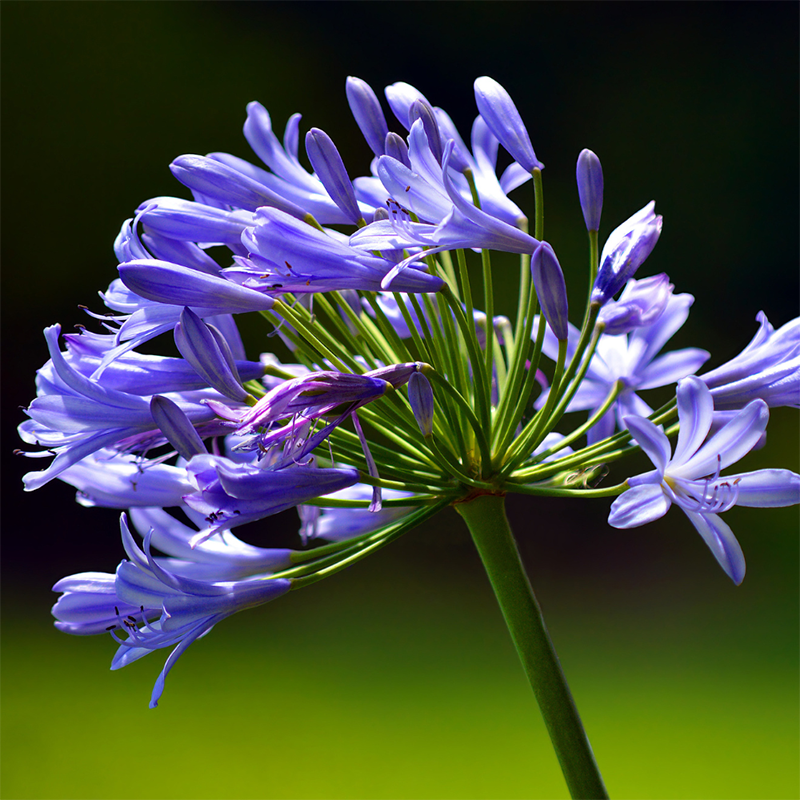
In the intricate language of flowers, the rarity of blue lilies exudes a profound message steeped in blue flowers symbolism. These exceptional blooms capture the essence of purity and serenity, casting a veil of tranquility over any garden scape. As a harmonious garden feature, blue lilies embody the serenity of deep waters and the expanse of clear skies, making them sought-after gems for gardeners and plant enthusiasts alike.
Each petal of the blue lily, aside from its stunning color, carries layered Lily flower meanings. Traditionally linked to nobility and pride, blue lilies stand out for their representation of commitment and truth—a stunning reflection in your floral canvas. Integrating these serene blooms into your garden not only elevates the visual experience but also introduces an element of contemplative beauty that dialogues with the surroundings.
As you design your space, consider how blue lilies can serve as a central, calming influence amidst the more vibrant garden hues. Whether nestled beside a garden bench or poised alongside a water feature, their presence encourages a pause, a breath, and a moment to reflect on the profundities of nature.
Here’s a table that outlines how to best cultivate these tranquil treasures within your garden:
| Feature | Details |
|---|---|
| Soil Type | Rich, well-draining |
| Watering Needs | Consistent moisture, mindful of drainage to avoid root rot |
| Ideal Sun Exposure | Partial shade to shield their delicate hues from harsh sun |
| Blooming Period | Late spring to early summer |
| Special Care Tips | Use mulch to keep the roots cool; fertilize moderately |
By inviting the elusive beauty of blue lilies into your garden, you’re not just planting a flower. You’re embracing a serene and introspective ambiance, allowing every onlooker to delve deeper into the tranquility each lily brings. With thoughtful placement and care, transform your garden into a sanctuary where the harmonious feature of blue lilies creates an atmosphere of calm and inspiration, offering a narrative of nature’s quiet languages and infinite wisdom.
Blue lupines
Blue Lupines are nature’s skyscrapers, with their spires of pea-like blooms reaching up towards the sky, showcasing shades from deep indigo to soft violet. These proud pillars of the wildflower meadows are not just a visual feast for the eyes but a living symbol of the blue flowers significance. They capture the essence of the wild, bringing a piece of it into your cultivated landscapes and inspiring a sense of limitless imagination and the inherent will to grow and prosper.
The Lupine growth reflects a journey from wild origins to becoming cherished highlights in our gardens. With their tall and striking appearance, Lupines have become emblematic of how the wild and the domestic can commingle to create something truly magical. Their tower-like blooms ignite a spark of wonder and symbolize our innate desire to embrace the wild diversity of nature’s canvas.
As you invite these captivating blooms into your garden, you’re not just planting a flower; you’re making a statement. You’re declaring a wild garden embrace, honoring the untamed beauty that thrives beyond the manicured lawns and neatly bordered flower beds. Let your garden be a testament to this marriage of the wild and the cultivated—where the free spirit of blue Lupines can transport you to untouched meadows and open fields, all from the comfort of your own backyard sanctuary.
Consider the following tips to maximize the stunning impact of Blue Lupines in your garden:
- Choose a sunny spot where Lupines can soak in the rays, similar to their natural habitat in the wild.
- Ensure your soil is well-draining yet retains enough moisture to support their vigorous growth.
- Incorporate these blooms into a meadow-like area or a cottage-style garden to evoke the feel of a natural wildflower setting.
- Combine Lupines with other meadow flowers to create a diverse pollinator haven, encouraging a lively ecosystem right in your own greenspace.
With their towering presence and captivating colors, blue Lupines truly embody the spirit of a wild garden embrace. By tending to these magnificent blooms, you’re participating in a timeless dance of nature and cultivation. So go ahead, sow the seeds of Lupines in your soil, and watch as they stand tall, telling stories of growth and resilience, and painting your garden with the otherworldly hues of the wild.
Blue mist shrub
In the enriching color palette of your garden, the interpretation of blue flowers often revolves around serenity and depth—a narrative eloquently embodied by the Caryopteris clandonensis, commonly known as the Blue Mist Shrub. Flourishing in the late-summer gardens, this beneficial shrubbery produces clusters of blooms that create an enchanting mist of azure, tantalizing the senses and painting a picture of tranquility for all who behold its splendor.
More than just a feast for the eyes, the Blue Mist Shrub serves as a crucial ecological player, drawing in bees with its nectar-rich flowers. Your garden gains not only visual appeal but becomes a nurturing habitat for these essential pollinators. By integrating this shrub into your landscape, you embrace a fusion of beauty with responsibility, enhancing the biodiversity and balance within your garden’s ecosystem.
Let’s take a closer look at the practical attributes of the Blue Mist Shrub—your guide to successfully integrating this stunning and ecologically beneficial element into your space:
- Botanical Name: Caryopteris clandonensis
- Preferred Environment: Thrives in an area that receives full sunlight or partial shade
- Soil Requirements: Plant in well-drained soil for optimal health
- Water Needs: Moderate watering, ensuring the soil is not over-saturated
- Growth Habit: Compact shrub, suitable for integrating into various garden designs
- Pruning: For best results, cut back in late winter to encourage vibrant new spring growth
Embarking on the journey of cultivating your own Blue Mist Shrub isn’t merely about the aesthetic transformation. It’s about adopting a living symbol of calm, making a statement of depth in blue flowers interpretation, and contributing a beneficial shrubbery to your haven of nature. It’s a commitment that rewards you with the pleasure of stunning visuals and the satisfaction arising from supporting your local pollinators—a truly beautiful cycle of giving and receiving.
So, why not enhance the serene ambiance of your garden while supporting the harmony of nature? With the Blue Mist Shrub, you create a captivating blue corner that goes beyond mere decoration, offering sustenance to winged garden visitors and an expression of contemplative beauty that endures season after season.
Blue orchids
Within the realm of floriculture, blue orchids stand as a testament to the blue flowers cultural significance, drawing the eye and spirit to their unique charm. While they are less common than their colorful counterparts, the allure of a blue orchid is undeniable. It resonates with an Orchid fascination, embodying an exotic appeal that extends beyond traditional floral appreciation. Blue orchids, with their rare and enchanting hues, carry an air of mystique that captivates orchid enthusiasts and collectors around the world.
These elusive blooms are more than just a visual treat; they speak a silent story of luxury and beauty. Often associated with opulence and sophistication, blue orchids can enrich any space—be it a carefully curated indoor garden or a lush outdoor oasis. The infusion of their tropical essence brings a piece of the exotic into everyday life, striking a balance between the familiar and the fantastical.
Imagine the serene ambiance of your garden or home, taken to the next level with the addition of these splendid blooms. Adding blue orchids to your collection is not merely an act of gardening; it’s an embrace of the extraordinary. Their captivating beauty and exotic appeal offer a daily retreat into magnificence, where each petal offers an escape into a world of tropical tranquility.
- Include blue orchids to transmit a sense of calm and peaceful reflection in your living spaces.
- Consider the mysterious backdrop they provide, invoking feelings of enchantment and awe.
- Accentuate the aesthetics by pairing blue orchids with complimentary greenery, highlighting their stunning color against a lush canvas.
- Recognize the conversation-starting aspect of these blooms, intriguing guests and onlookers, evoking admiration and curiosity.
To successfully cultivate and showcase blue orchids in your garden or home, ensure these beguiling flora receive adequate care indicative of their tropical lineage. Provide ample indirect light, consistent humidity, and well-draining potting media to maintain their vibrancy. Acknowledge their uniqueness within the floral spectrum and allow their serene allure to enrich your space both visually and spiritually.
Whether you are an avid collector or simply an admirer, the presence of blue orchids in your life can serve as a living symbol of nature’s extraordinary creativity. Their rare beauty is a treasure to cherish, bringing with it an aura of sophistication and an unspoken narrative of the wild’s mysterious depths.
Blue pansies
Like a burst of laughter in a quiet room, blue pansies bring a sense of garden playfulness to your outdoor spaces. These charming blooms, often adorned with whimsical face-like patterns, are a delightful representation of the pansy floral variety. Beyond their cheerful demeanor, these flowers are steeped in blue flowers meaning and symbolism, resonating with themes of remembrance and thoughtful reflection. As temperatures cool, these hardy flowers flourish, their array of blues from the lightest sky to the deepest indigo providing a dynamic palette for gardeners and a joyous welcome to anyone who steps into their domain.
Incorporating blue pansies into your garden is not simply about adding color; it is an opportunity to weave a tapestry of personal expression. With every bloom, a story unfolds, elevating the everyday into something extraordinary. Here are some tips to infuse your garden with the playful spirit and layered meanings that these colorful flowers offer:
- Plant blue pansies in areas where they can receive full to partial sunlight to encourage vibrant coloration.
- Choose well-drained soil to ensure the health and longevity of your pansies, allowing them to brighten your garden with their playful charm.
- Combine pansies with other cool-weather plants like violas and snapdragons for an engaging display that extends your garden’s bloom season well into cooler months.
- Remember that pansies are not just a beautiful face; their presence in a garden can spark memories and lead to deep contemplation, adding a layer of personal significance to their delightful blooms.
Embrace the functionality and variety that pansies bring to the table. These versatile flowers work beautifully in garden beds, containers, and even as cheerful companions in your vegetable garden. Their tolerance for cooler weather makes them an excellent choice for an early spring or fall garden, offering a prolonged period of enjoyment. As you plan your horticultural adventures, let the blue pansies be the heartbeat of your garden – a symbol of joy, playfulness, and the complex narrative of blue’s profound symbolism.
Blue passionflower
As a symbol of serenity and spirituality, the Blue Passionflower captivates garden enthusiasts not simply for its aesthetic appeal but for the profound blue flowers spiritual meaning it carries. Its vibrant hues and labyrinthine structure are emblematic of the complexities of faith and the intricacies of our dreams, making it a unique garden attraction. Infused with Passionflower symbolism, this vine inspires reflection and speaks to the soul’s yearning for growth and enlightenment.
The Passionflower, with its distinctive radial filaments, converges the wilds of nature with the virtues of the spirit, creating in your garden a sanctuary for both the eyes and the mind. Cultivating such a plant invites you to journey into the garden not just as a gardener but as a seeker of beauty and wisdom. As its tendrils envelop your trellis, so too may its representation of spiritual pursuit embrace your thoughts, allowing a momentary escape and a connection to deeper sentiments.
- Embrace the transformative allure of the Blue Passionflower, and witness how it becomes the cornerstone of conversations and focal point of your green space.
- Nurture this vine in a spot that enjoys full sunlight and observe how it flourishes, symbolizing the attainment of aspirations when nurtured with attention and care.
- Include various climbers alongside your Passionflowers to create a living tapestry that represents the diversity of life’s ambitions and spiritual journeys.
In your pursuit of a serene retreat, allow the Blue Passionflower to remind you of the ephemeral beauty of life and the unseen forces that guide our paths. As you tend to its needs and appreciate its majesty, may you find tranquility in its presence and inspiration in its symbolic depth, creating a garden that offers more than beauty—a garden that truly touches the soul.
Blue peony

As you seek to manifest a garden that tells a story of beauty and tradition, consider the blue peony, whose floral rarity casts it as a coveted jewel among garden treasures. While traditional peonies flaunt a spectrum of pinks and whites, the blue peony emerges as an ethereal variety, as remarkable and profound as the deep ocean. It’s the embodiment of the blue flowers cultural significance, resonating with themes of calmness and introspection.
The peony garden presence is synonymous with prosperity and joy, and when the blooms unfurl in their unique azure splendor, they convey wishes of good fortune and commemorations of enduring unity. Such is the allure of these blossoms, that their rarity only heightens the anticipation of their bloom. To introduce a blue peony into your garden is to weave a narrative of luxury and exceptional beauty, to cultivate an air of exclusivity in your own floral sanctuary.
With each blue peony that graces your garden, you participate in a tradition that has long revered this flower for its lush, full form and its symbolic wealth. Embrace the rarity, cherish the elegance, and let the unrivaled charm of the blue peony become the focal centerpiece of your personal retreat. As it blooms, may it remind you of the tranquil beauty and complex tapestry of life, enriching not just your garden but your experience of nature’s exquisite artistry.