
Learn the different types of flowering purples trees and the names and meaning behind these beautiful purple blooms and ways to use them to enhance your home and garden.
Key Takeaways
- Purple flowering trees add color and life to gardens. They are good for the environment because they attract birds and butterflies.
- There are many kinds of purple flowering trees, like Jacaranda, Crape Myrtle, and Purple Leaf Plum. Each one grows best in certain spots and has its own look.
- These trees need sunlight and good soil to grow well. Some can handle drought, but all need regular watering at first.
- Pruning is important for keeping these trees healthy. It helps them grow better and look nice.
- Planting purple flowering trees makes outdoor spaces more beautiful. They also help nature by giving a home to wildlife like bees and butterflies.
Overview of Purple Flowering Trees
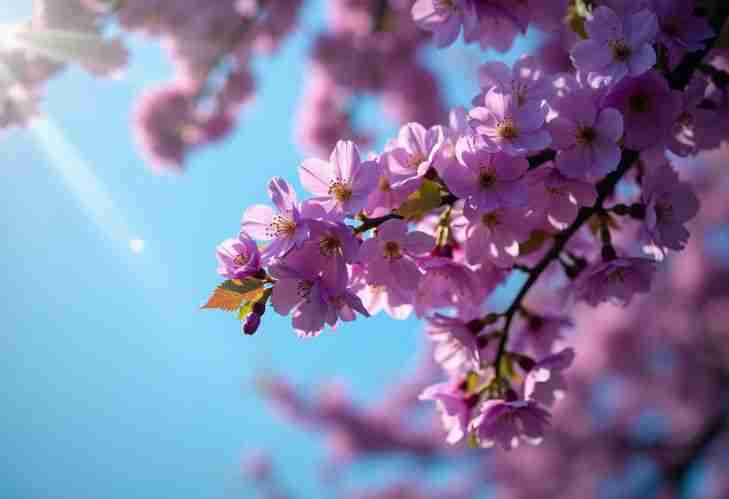
Explore the realm of purple flowering trees: from their importance in landscaping to their seasonal blooming patterns, and even the symbolic meanings behind these majestic blooms. Gain insights into the historical origins and varied uses of these captivating trees.
Importance in Landscape Design
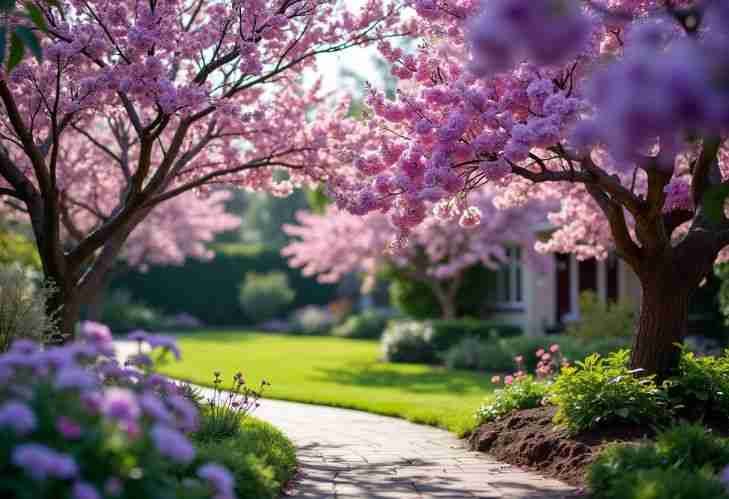
Purple flowering trees bring life and color to any landscape design. They can turn a simple garden into an amazing spot. These trees are great for making special points in your garden that catch the eye.
Birds and butterflies love them too, which is good for nature.
Planting these trees also gives you a cool shade area and makes your outdoor space look better. If you pick the right ones and put them in good spots, they can even make your property worth more.
Having purple flowering trees around can make you feel calm and happy. Now, let’s jump into seasonal blooming patterns of these lovely trees.
Seasonal Blooming Patterns
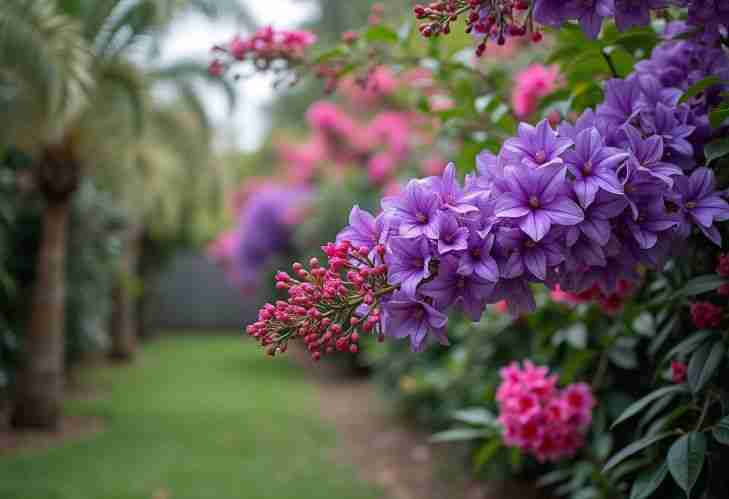
Trees with purple flowers have their own time to shine. Jacaranda trees, for example, show off big groups of deep purple blooms in mid to late spring. This party keeps going into early summer.
These trees like the sun a lot and do well in warm places. Because they bloom for a good chunk of spring and early summer, they quickly add shade and color to gardens.
Purple Leaf Plum trees mix things up with light pink flowers that pop open in spring. This adds a soft touch among all the bold purples. So, imagine your garden waking up after winter to bursts of purple and pink from these flowering trees.
They make sure spring is full of life and colors every year, making them top picks for adding beauty and fast-growing shade in landscapes.
Symbolic Meaning of Purple Flowering Trees
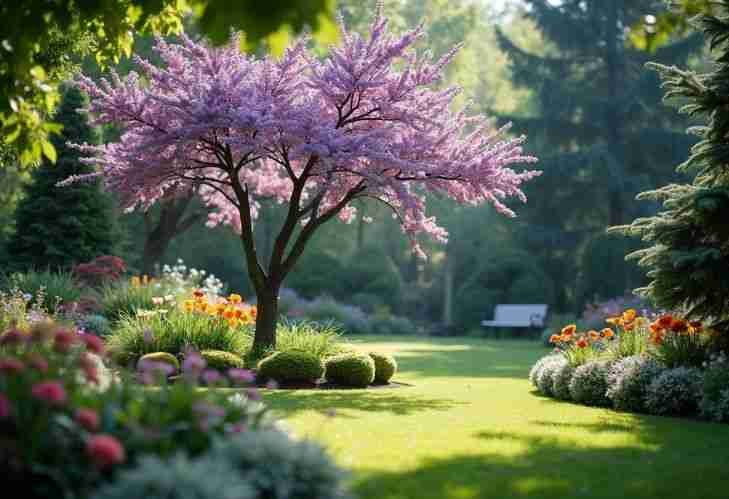
Purple flowering trees stand for many cool things. People around the world think purple means creativity, spirituality, and royalty. I saw this in a garden once, where purple blooms made everything look like a fairy tale.
It was magical! These trees can also show healing and new beginnings. So, when you add them to your outdoor space, it’s like adding a piece of enchantment.
Think about how peaceful it feels to be near these ornamental purple trees. They’re not just pretty; they connect us to something bigger – maybe our inner selves or the universe. In my own yard, planting a tree with purple blossoms changed the whole vibe.
It became my go-to spot for thinking and dreaming big. Who knew landscaping with purple flower trees could do so much?
Uses of Purple Blooms on Trees
Purple blossoms on trees serve multiple purposes. They augment the beauty of outdoor spaces, adding vibrancy and charm to gardens. These trees also draw in wildlife, such as birds and butterflies, supporting biodiversity in ecosystems.
Moreover, purple flowering trees can establish focal points in the landscape, fostering a sense of relaxation and delivering aesthetic appeal to home gardens.
Introducing purple blooming trees contributes to the colorful nature of landscapes and aids local ecosystems by drawing in wildlife while creating beautiful focal points for relaxation and enjoyment in your garden.
History of Tree with Purple Floral
Purple flowering trees have a rich history dating back to ancient times when they were admired for their beauty and sweet fragrance. The Jacaranda tree, native to South America, has been valued for its stunning purple blooms and versatile wood, which has been used in carpentry, tool handles, and carvings.
Moreover, the Texas Mountain Laurel has been highly prized for thriving in arid environments while adding a vibrant touch of purple to landscapes. These trees have endured over time because of their resilience and aesthetic appeal.
The history of purple flowering trees is filled with stories of admiration and utility. Over the years, these trees have symbolized elegance, enchantment, and inspiration due to their vibrant purple blossoms.
Whether it’s adding color to a landscape or serving practical purposes like crafting valuable wood products or thriving in challenging conditions, these majestic trees have made an enduring impact on cultures across the globe.
Top 5 Purple Flowering Trees for Home Gardens

Looking to add a pop of color to your garden? These top 5 purple flowering trees can transform your outdoor space into a vibrant oasis. Whether it’s the ethereal blooms of Jacaranda or the delicate petals of Purple Lily Magnolia, these trees bring beauty and charm to any home garden.
Jacaranda (Jacaranda mimosifolia)
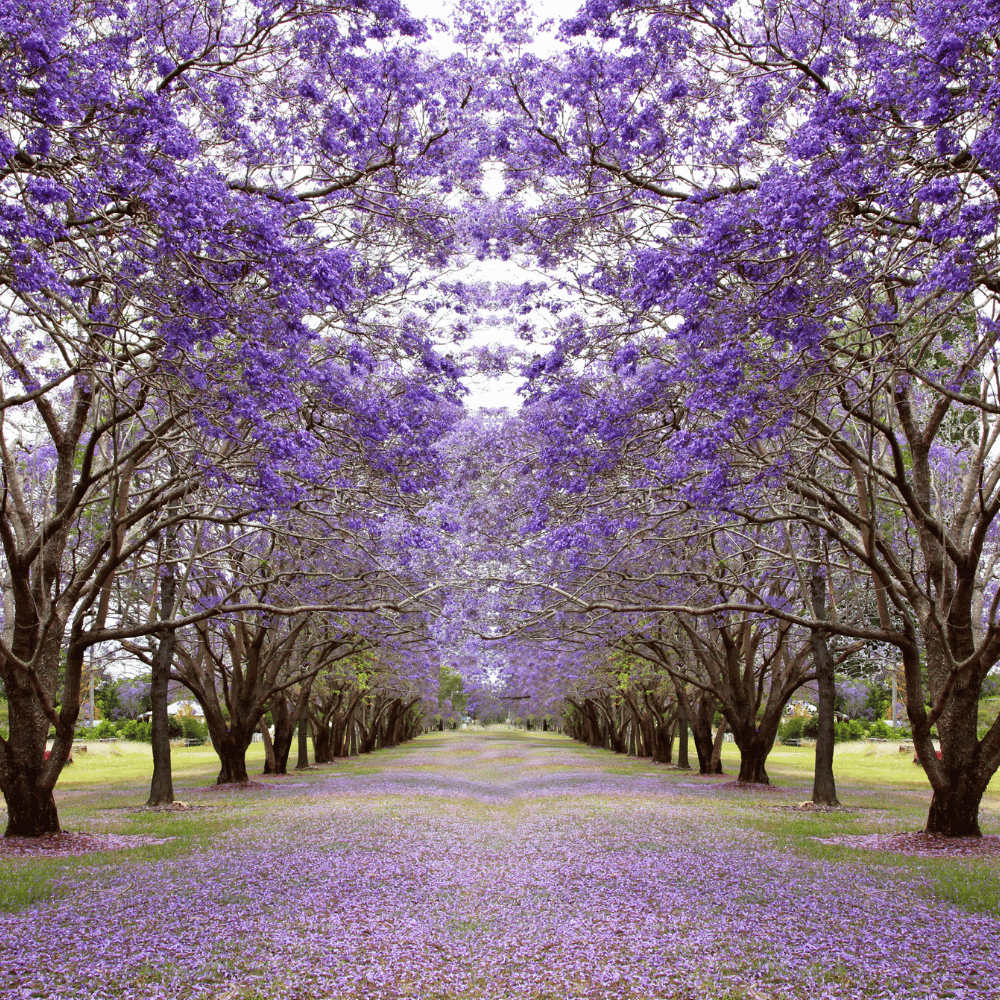
Jacaranda mimosifolia is a medium-large, deciduous tree that can reach up to 20 meters in height. It’s known for its striking clusters of blue-violet, bell-shaped flowers that bloom during the dry season.
These trees prefer full sun and sandy soil; they’re intolerant of salt. Their geographic range is limited to USDA hardiness zones 9b to 11. Jacarandas grow over 50 feet tall and have deep roots, which makes them competitive and capable of inhibiting the growth of other plants beneath them.
These Purple Flower trees are perfect for adding a pop of color to your garden, especially if you’re looking for fast-growing purple flower trees with drought-resistant characteristics. If you have a small garden but still want decorative trees with lavender flowers, Jacaranda mimosifolia might be an excellent choice due to its impressive height and picturesque blooms.
Crape Myrtle (Lagerstroemia)
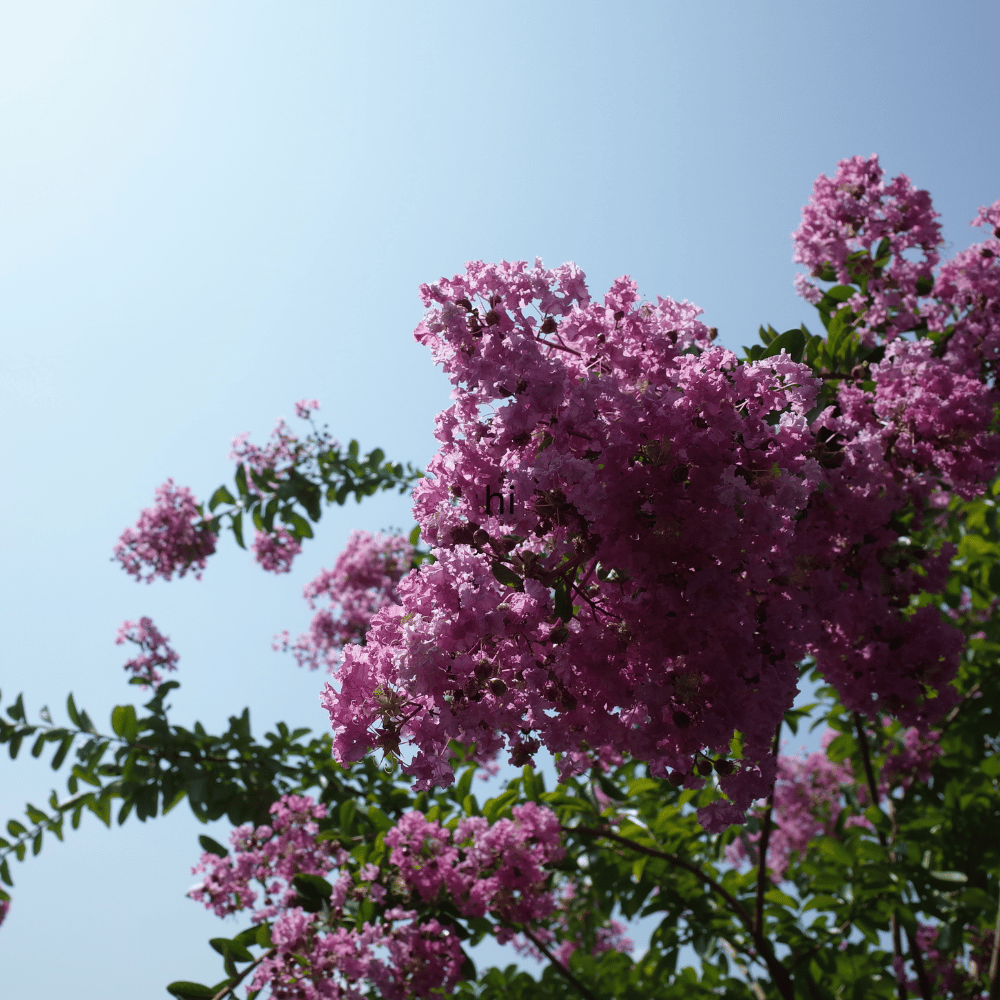
Crape myrtle, scientifically known as Lagerstroemia, is known for its dense clusters of tiny, crepe paper-like flowers in purple, pink, or red. This tree is best suited for USDA hardiness zones 7-9 and displays vibrant foliage that turns bright orange in the fall.
It’s notable for regrowing after dying back in cold weather and some cultivars can adapt to milder climates as far north as Portland. When trained as a tree, it features attractive mottled bark in winter.
With captivating blooms and the ability to thrive even after harsh conditions, crape myrtle has become a popular choice for many home gardens seeking beautiful and resilient trees with purple blossoms.
Whether you are looking to enhance your landscape design or add a pop of color to your garden, crape myrtle fits the bill as one of the top five purple flowering trees suitable for small gardens.
Next up on our list is Purple Leaf Plum (Prunus cerasifera ‘Krauter Vesuvius’).
Purple Leaf Plum (Prunus cerasifera ‘Krauter Vesuvius’)
The Purple Leaf Plum, scientifically known as Prunus cerasifera ‘Krauter Vesuvius’, is a deciduous tree that blooms an abundance of stunning light pink flowers in the spring. Its standout feature lies in its rich, dark reddish-purple leaves that remain vibrant throughout the year.
This resilient tree thrives best in USDA hardiness zones 4 to 9, with its prime growth occurring within zones 5 to 8. It prefers basking in full sun but can also tolerate partial shade.
The Purple Leaf Plum requires regular watering until it establishes itself, after which it becomes drought-tolerant and needs minimal maintenance.
This ornamental tree serves as a striking statement piece in any landscape due to its captivating color palette and seasonal floral display. It’s an ideal addition for those seeking unique purple-flowering trees for small gardens or spaces where hardy yet visually appealing flora is desired.
Texas Mountain Laurel (Sophora secundiflora)
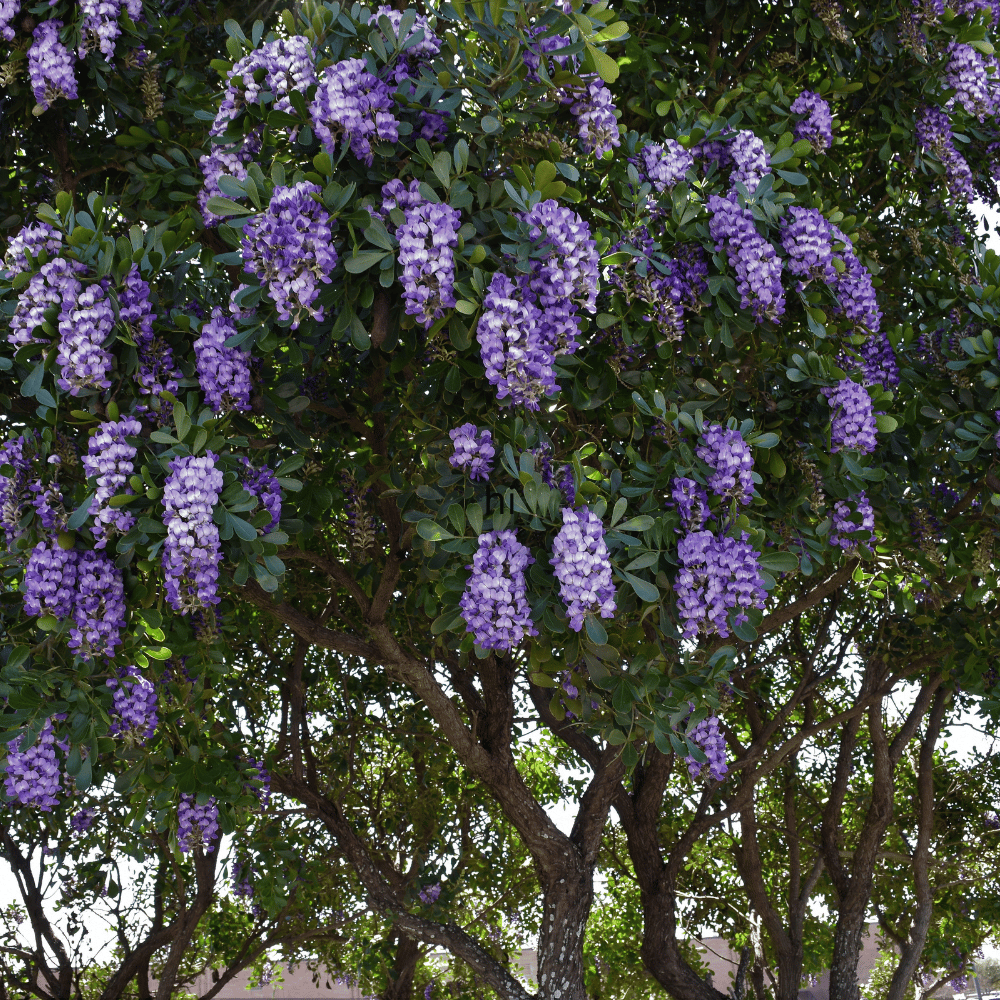
Texas Mountain Laurel, also known as Sophora secundiflora, is a small tree with vibrant purple clusters that bloom for 3-4 weeks in February and March. This slow-growing tree thrives in USDA hardiness zones 7 to 10 and is native to the Texas Hill Country.
It adapts well to various soil conditions and is resistant to insects and deer. The fragrant flowers of this tree resemble grape soda and it’s especially known for its ability to produce seedlings that are easy to transplant if under 12 inches tall.
Purple Lily Magnolia (Magnolia liliiflora)
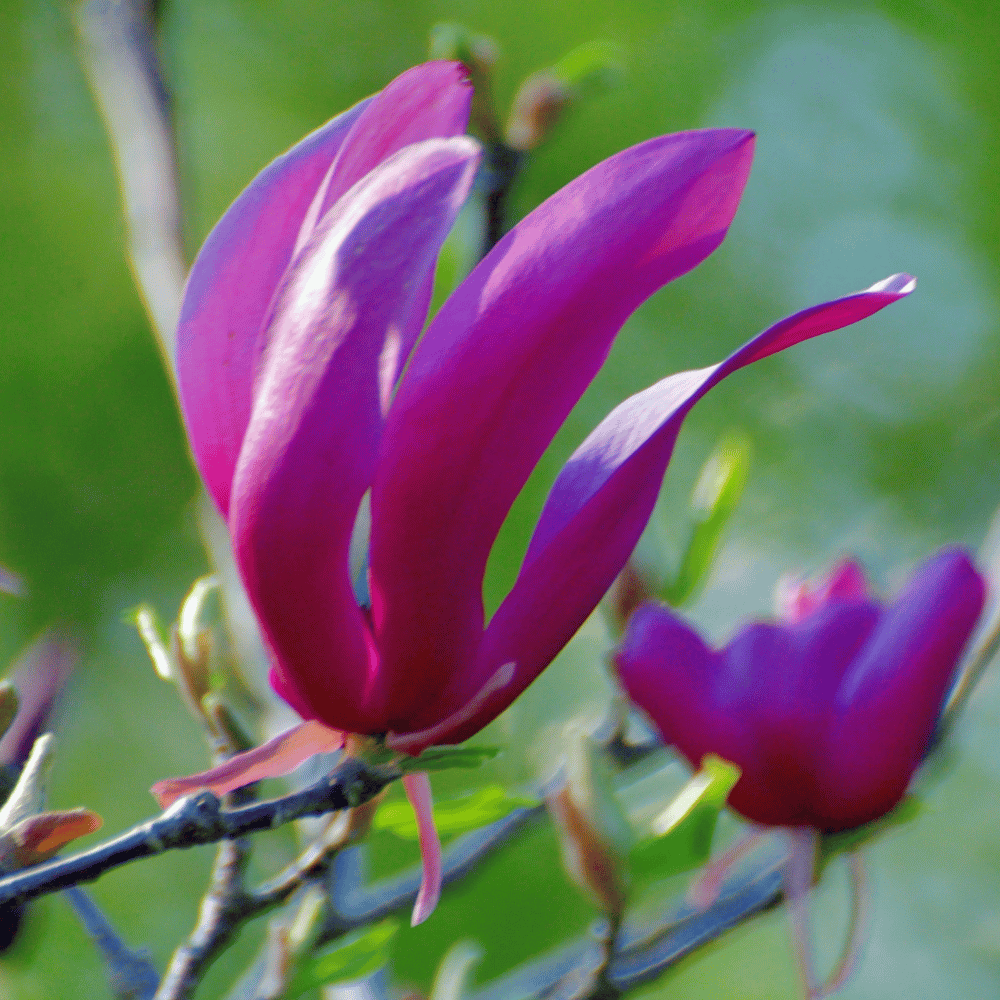
The Purple Lily Magnolia, scientifically known as Magnolia liliiflora, is a cold-tolerant deciduous tree loved for its rosy purple flowers that bloom in late spring. This variety of magnolia can thrive in home gardens and grows best in USDA hardiness zones 5 to 9.
It prefers acidic soil and is less susceptible to late frost. The tree features pink-purple flowers with a delicate fragrance, making it an appealing choice for small gardens.
Propagation of the Purple Lily Magnolia can be achieved from cuttings of mature trees. This beautiful tree enriches landscapes with its stunning blooms, contributing to the aesthetic value of outdoor spaces while adding color diversity.
Identification Features of Purple Flowering Trees
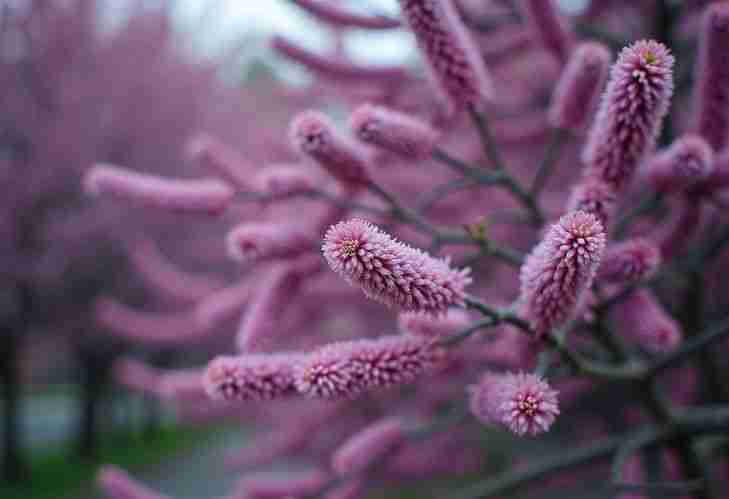
Purple flowering trees can be identified by their distinct leaf shapes and textures. Their flowers also possess unique characteristics that set them apart from other tree species.
Leaf Shape and Texture

Jacaranda trees have feathery, fern-like leaves that create a delicate and airy appearance. On the other hand, Purple Leaf Plum boasts dark, reddish-purple leaves that lend it a vibrant and striking look.
Eastern Redbud showcases heart-shaped leaves, adding a touch of charm to its overall aesthetic appeal. Texas Mountain Laurel stands out with its dense foliage that remains full and lush throughout the year.
Lastly, Purple Lily Magnolia features oval-shaped leaves which contribute to its elegant and graceful appearance in any garden setting.
In short: Jacaranda has feathery foliage; Purple Leaf Plum’s leaves are dark reddish-purple; Eastern Redbud’s charming heart-shaped leaves stand out; Texas Mountain Laurel’s dense foliage stays full all year; Purple Lily Magnolia has elegant oval-shaped leaves.
Flower Characteristics
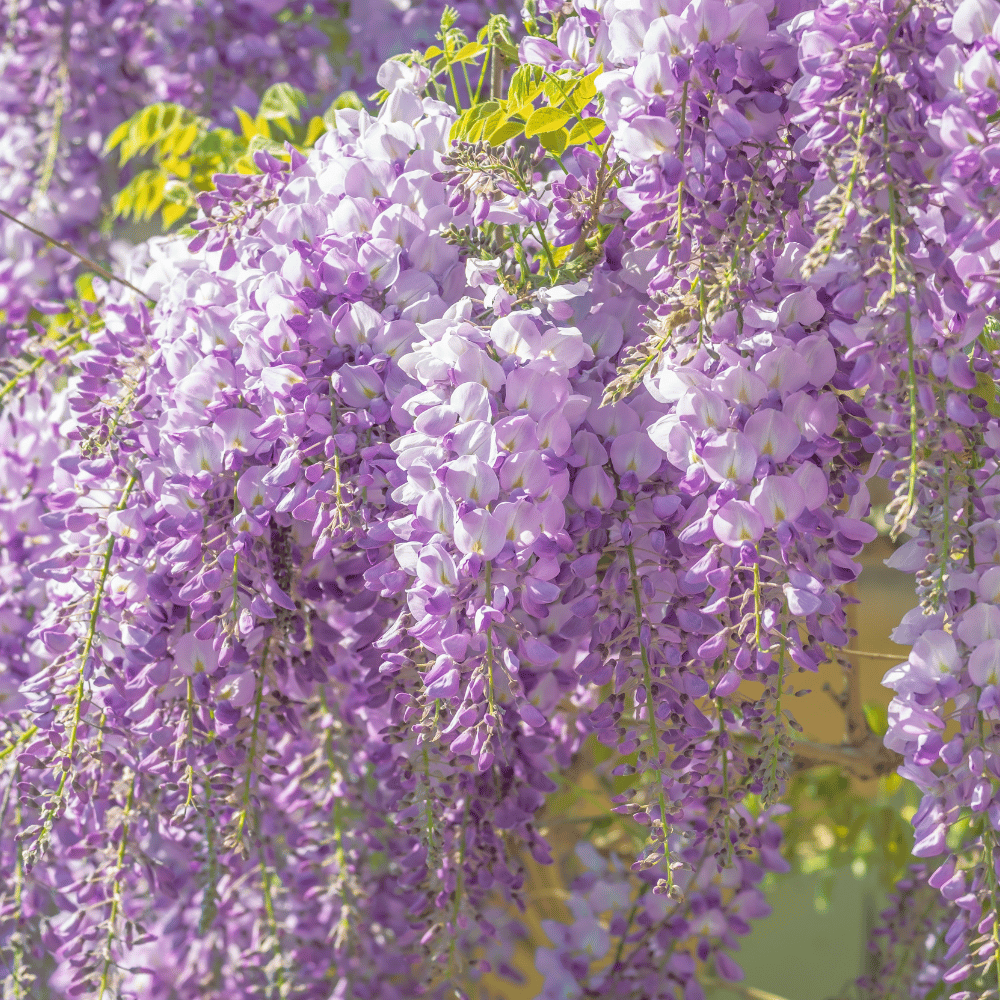
Now, let’s talk about the flowers you’ll find on these trees. Jacaranda blooms in large clusters of violet-blue, and each flower is around an inch long. Purple Leaf Plum has light pink blossoms that appear in spring.
A Texas Mountain Laurel tree produces vibrant purple clusters of flowers that last for 3-4 weeks during springtime. Crape Myrtle features dense clusters of small crepe-like flowers in various shades of purple – from dark to bright hues! Purple Lily Magnolia shows off its beautiful rosy purple flowers when blooming.
These trees produce a variety of pink and purple blooms, ranging from vibrant and showy to delicate and fragrant.
Growth Habits
Purple flowering trees have different growth habits. Some, like the Jacaranda, can grow tall – over 50 feet. Others, such as the Texas Mountain Laurel, are slow-growing and stay small.
The Crape Myrtle may die back in cold weather but regrows when conditions improve. For instance, Purple Leaf Plum thrives well in USDA hardiness zones 4 to 9 and does best in zones 5 to 8.
Planting and Care Tips for Purple Flowering Trees

When planting purple flowering trees, ensure the soil is well-drained and rich in nutrients. Give them plenty of sunlight and water regularly for healthy growth and abundant blooms.
Prune the trees as needed to maintain their shape and encourage new growth.
Soil Requirements
Flowering purple trees need different soil conditions to grow well. Chaste Trees like dry, well-draining soil with full sunlight. Crape Myrtles prefer full sun and can adapt to USDA zones 7-9.
Desert Willows thrive in drought conditions with full sun and good drainage. Purple Leaf Plums do best in full sun or partial shade with well-draining soil.
If you want to plant these gorgeous purple flowering trees, focus on providing the right kind of soil for each type.
Sunlight and Watering Needs
Purple flowering trees thrive when they receive a minimum of 6-8 hours of full sunlight each day. Adequate watering is crucial, but ensure the soil is not excessively wet to prevent root rot.
Varieties such as the Vitex Chaste Tree, which are resistant to drought, can flourish in areas with minimal watering. Monitoring pruning and mulching is equally vital to support the growth of these stunning trees.
Next, let’s explore planting and maintenance suggestions for purple flowering trees.
Pruning Techniques
To maintain the peak condition of purple flowering trees, it’s crucial to prune them at the correct time. Most trees ought to be pruned in late winter or early spring to promote healthy growth.
It’s important to keep in mind that trees blooming before June require prompt pruning after their flowering period. Fundamental pruning techniques such as pinching, thinning, and heading back are essential for preserving tree health and shaping their form.
When establishing the shape and support of weeping trees through formative pruning, special attention is necessary. Water sprouts, suckers, and damaged wood should be consistently eliminated during the ongoing maintenance of weeping trees.
Pruning is vital for maintaining the health and beauty of purple flowering trees throughout the year. Understanding the best practices can ensure a thriving garden filled with stunning blooms each season.
Benefits of Planting Purple Flowering Trees
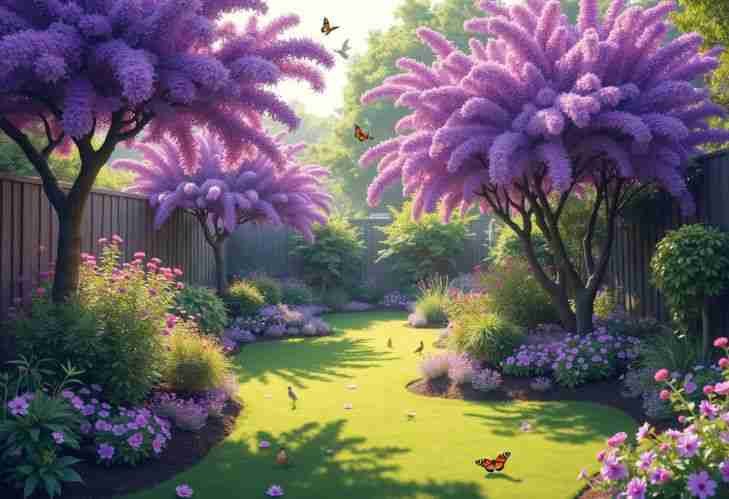
Planting purple flowering trees not only enhances the visual appeal of your garden but also positively impacts the environment by attracting pollinators and wildlife… Discover how these beautiful trees can elevate your outdoor space.
Environmental Impact
Planting purple flowering trees positively impacts the environment. These trees provide nectar and pollen for bees, butterflies, and other pollinators, supporting the local ecosystem.
For instance, Redbud flowers bloom early in spring, offering essential nectar for pollinators when few other sources are available.
Incorporating native Illinois spring-flowering trees contributes to local biodiversity. Flowering Dogwood supports over 100 species of native caterpillars, which benefits the health of local ecosystems.
It’s important to source plants locally to ensure their hardiness and consistent flowering in various climates; this also reduces the environmental impact of transportation.
Aesthetic Value
To understand the aesthetic value of purple flowering trees, let’s consider how these trees add vibrant colors and charm to outdoor spaces. The visual appeal of these trees plays a significant role in landscape design, as color is crucial when assessing aesthetics from a distance.
Purple flowering trees contribute to creating a tranquil environment that reduces stress and promotes well-being, with their beautiful blooms serving as an essential element in enhancing the overall aesthetic and value of properties.
Moreover, properly chosen and strategically placed purple flowering trees can offer shade while providing a natural and stunning backdrop.
Purple flowering trees play a key role in contributing to superior visual aesthetics when incorporated into outdoor spaces. They create diverse color contrasts alongside green, red, and yellow hues, thereby enriching the beauty of landscapes.
These visually pleasing elements not only enhance the overall appearance but also contribute significantly to environmental impact through their calming effect on individuals within those surroundings.
Conclusion
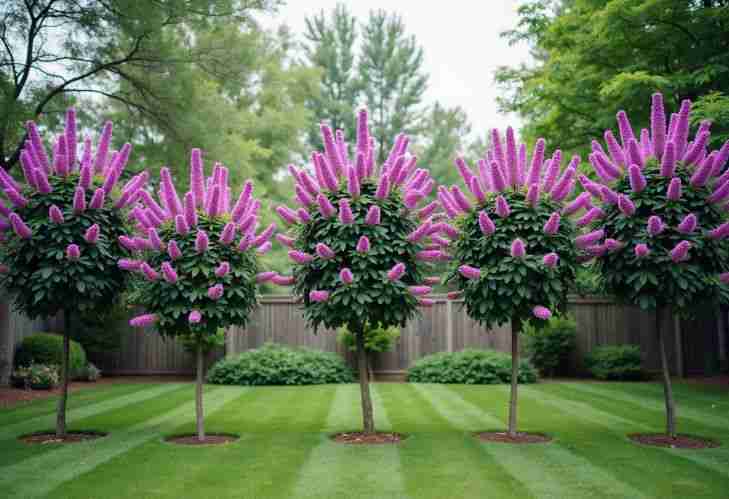
Purple flowering trees bring vibrant color and beauty to gardens and landscapes. They offer a variety of sizes, shapes, and blooming times, adding interest throughout the year. When choosing purple flowering trees for your garden, consider their unique features such as foliage, flower characteristics, and growth habits to find the best fit for your space.
By planting and caring for these trees with proper soil, sunlight, watering and pruning techniques you can enjoy their environmental benefits and enhance the overall aesthetic appeal of your outdoor space.
FAQs
1. What are some types of flowering tree species with purple blooms?
Well, there’s a whole range of spring-blooming purple trees out there. You can find hardy purple flowering trees that can withstand tough weather conditions and drought-resistant ones too!
2. Which are the best trees for purple flowers?
Ah! That’s a tricky one because it really depends on your needs. Do you have a small garden or big backyard space? If you’re working with limited space, there are specific types of purple flower trees perfect for small gardens.
3. Are all these beautiful purple flowering trees high maintenance?
Not at all! Some of them like the drought-resistant ones require less water and care than others – perfect if you don’t want to spend every weekend gardening.
4. When do these stunningly pretty, blooming beauties show off their color?
Typically in the springtime is when they burst into bloom! Imagine stepping outside and being greeted by an array of vibrant purples… what a sight that would be!