
The national flower of Sri Lanka, known as the Nil Manel or Blue Water Lily, holds deep symbolic significance and represents truth, purity, and discipline in Sri Lankan culture. Declared as the national flower on February 26, 1986, the Nil Manel is associated with Buddhism and is believed to have bloomed where Lord Buddha’s footprints touched.
This exquisite flower is prominently featured in religious ceremonies, festivals, and is a popular choice for special occasions, reflecting the resilience and pristine beauty that embodies the history and values of the Sri Lankan people.
Key Takeaways:
- The national flower of Sri Lanka is the Nil Manel or Blue Water Lily.
- It was declared the national flower on February 26, 1986.
- The Nil Manel represents truth, purity, and discipline in Sri Lankan culture.
- It is associated with Buddhism and is said to have bloomed where Lord Buddha’s footprints touched.
- The Nil Manel is featured in religious ceremonies, festivals, and is a popular choice for special occasions.
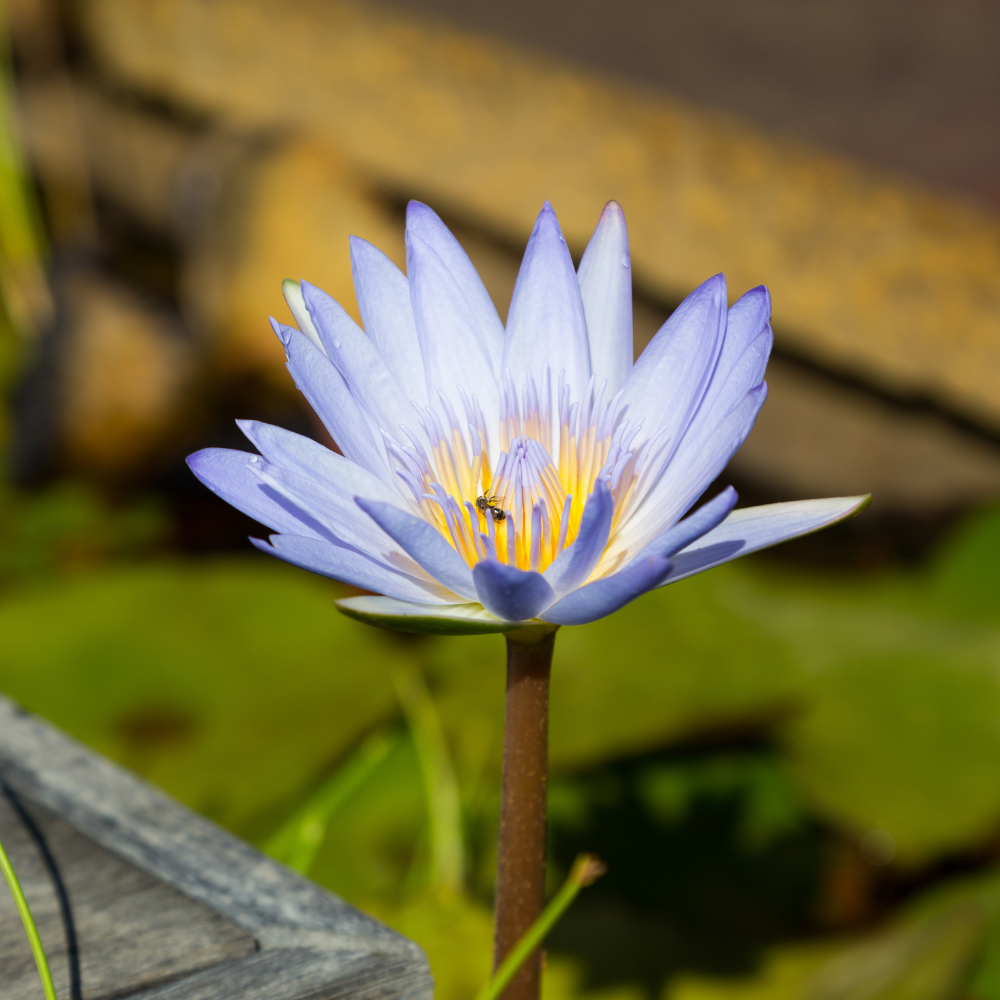
The Nil Manel: Sri Lanka’s National Flower
The Nil Manel, scientifically known as Nymphaea nouchali and commonly referred to as the Blue Water Lily, is recognized as the national flower of Sri Lanka due to its profound cultural importance and connection to Buddhism.
This exquisite flower holds a special place in the hearts of the Sri Lankan people, symbolizing truth, purity, and discipline.
In Sri Lankan culture, the Nil Manel is associated with Buddhism and is believed to have bloomed wherever Lord Buddha’s footprints touched. Its delicate petals and vibrant blue color make it a striking choice for religious ceremonies and festivals, adding a touch of natural beauty to these important occasions.
Not only is the Nil Manel cherished for its symbolic meaning, but it is also highly valued for its resilience and ability to grow in muddy waters.
This reflects the strength and endurance of the Sri Lankan people, who have weathered challenges throughout history. The pristine beauty of the Blue Water Lily serves as a reminder of the rich heritage and values that define Sri Lanka.
| Scientific Name | Popular Name | Symbolism |
|---|---|---|
| Nymphaea nouchali | Blue Water Lily | Truth, purity, discipline |
The Nil Manel’s status as Sri Lanka’s national flower is a testament to the country’s commitment to preserving its cultural heritage and natural beauty. It is a symbol not only of the flower’s aesthetic appeal but also of the values and traditions deeply rooted in Sri Lankan society.
The Blue Water Lily stands as a proud emblem of Sri Lanka, representing the resilience, purity, and truth that the nation holds dear.
Symbolism of the Nil Manel
The Nil Manel holds significant symbolism in Sri Lankan culture, representing truth, purity, and discipline, while also embodying resilience and strength. This exquisite flower is deeply associated with Buddhism, believed to have bloomed wherever Lord Buddha’s footprints touched.
In Sri Lanka, the Nil Manel is a cherished flower that is prominently featured in religious ceremonies and festivals. Its presence adds a touch of divine beauty, enhancing the spiritual atmosphere.
The delicate petals and vibrant blue color of the flower are believed to invoke a sense of calmness and serenity, making it a popular choice for special occasions.
Symbolic Flower of Sri Lanka
The Nil Manel is not just a flower; it symbolizes the rich history and values of the Sri Lankan people.
Its ability to grow from muddy waters serves as a powerful metaphor for resilience and strength in the face of adversity. Just like the Nil Manel, the Sri Lankan people have a resilient spirit that enables them to thrive, even in challenging circumstances.
Symbolism | Meaning |
| Truth | The Nil Manel symbolizes the pursuit of truth and honesty in all aspects of life. |
| Purity | The flower represents purity of thought, speech, and action, encouraging virtuous behavior. |
| Discipline | Just as the Nil Manel grows with discipline and order, it represents the importance of discipline in achieving personal and societal goals. |
| Resilience | The ability of the Nil Manel to bloom in murky waters symbolizes resilience and the ability to overcome challenges. |
| Strength | The delicate beauty of the flower combined with its ability to withstand difficult conditions reflects the inherent strength of the Sri Lankan people. |
The Nil Manel is a true embodiment of the cultural heritage and values of Sri Lanka. Through its symbolism and significance, it serves as a reminder of the timeless traditions and spiritual essence that define the nation.
Cultural Significance and Usage
The Nil Manel holds immense cultural significance in Sri Lanka, being recognized as the floral emblem of the country and being widely used in religious ceremonies, festivals, and special occasions. This beautiful flower, also known as the Blue Water Lily, is deeply intertwined with the history and values of the Sri Lankan people.
In religious ceremonies, the Nil Manel is often used as an offering, symbolizing purity and devotion.
Its delicate petals and vibrant blue color create a serene and peaceful atmosphere, capturing the essence of spirituality. The flower holds a special connection to Buddhism, as it is said to have bloomed where Lord Buddha’s footprints touched, making it a sacred symbol in Sri Lankan Buddhism.
During festivals, the Nil Manel takes center stage, adorning homes, temples, and public spaces. Its striking beauty adds a touch of elegance and charm to these celebrations. Whether it’s the vibrant Vesak festival or the joyous Sinhala and Tamil New Year, the presence of the Nil Manel signifies auspicious beginnings and the renewal of hope.
This cherished flower is also a popular choice for special occasions, such as weddings and anniversaries.
Its symbolism of truth, purity, and discipline makes it a meaningful gift, representing the deep love and respect shared between individuals. By incorporating the Nil Manel into these important moments, Sri Lankans honor their cultural heritage and the values that define their society.
Cultural Significance and Usage
| Cultural Significance | Usage |
|---|---|
| The floral emblem of Sri Lanka | Used in religious ceremonies |
| Symbolizes purity and devotion | Adorns festivals and celebrations |
| Connected to Buddhism and Lord Buddha | Chosen for special occasions |
| Reflects the values of Sri Lankan society | Gifts of deep love and respect |
Sri Lanka’s Natural Heritage and Conclusion
Sri Lanka’s natural heritage is celebrated through its diverse flora, with the Nil Manel exemplifying the beauty and uniqueness of Sri Lankan flowers. The national flower, the Nil Manel, holds a special place in Sri Lankan culture and represents the country’s values and traditions.
Declared the national flower on February 26, 1986, the Nil Manel is deeply symbolic and is associated with truth, purity, and discipline. According to legend, it is said to have bloomed wherever Lord Buddha’s footprints touched, making it highly revered in Buddhism.
The Nil Manel is a prominent presence in religious ceremonies, festivals, and special occasions, where its pristine beauty and resilient nature are celebrated. Its ability to thrive in muddy waters serves as a powerful reminder of the strength and resilience of the Sri Lankan people.
In preserving Sri Lankan heritage, the national flower plays a vital role. It is not only a symbol of the country’s natural beauty but also reflects the values cherished by its people. The Nil Manel embodies the rich cultural heritage and deep-rooted traditions of Sri Lanka, making it an integral part of the nation’s identity.
FAQ
What is the national flower of Sri Lanka and what does it represent?
The national flower of Sri Lanka is the Nil Manel, also known as the Blue Water Lily. It represents truth, purity, and discipline in Sri Lankan culture.
When was the Nil Manel declared as Sri Lanka’s national flower?
The Nil Manel was declared the national flower of Sri Lanka on February 26, 1986.
What is the cultural significance of the Nil Manel?
The Nil Manel holds deep cultural significance in Sri Lanka and is associated with Buddhism. It is said to have bloomed where Lord Buddha’s footprints touched.
Where can the Nil Manel be seen in Sri Lankan culture?
The Nil Manel is featured in religious ceremonies, festivals, and is a popular choice for special occasions in Sri Lanka.
What does the resilience of the Nil Manel symbolize?
The Nil Manel’s ability to grow from muddy waters symbolizes resilience and strength.
Why is the Nil Manel important for preserving Sri Lankan heritage?
The Nil Manel is an important part of Sri Lanka’s natural heritage and reflects the beauty and uniqueness of Sri Lankan flora. It symbolizes the history and values of the Sri Lankan people.