
Welcome to the enchanting world of El Salvador’s wildflowers! If you’re a nature lover, a photography enthusiast, or simply someone who appreciates the beauty of floral biodiversity, the Route of Flowers in El Salvador is a destination you must explore.
This scenic tour takes you on a captivating journey through small towns known for their vibrant wildflowers, offering a perfect blend of natural beauty, cultural heritage, and gastronomic delights.
Stretching over 36 kilometers, the Route of Flowers boasts a stunning display of flora that attracts visitors from across Central America. You’ll have the opportunity to visit towns like Salcoatitán, Juayua, Apaneca, and Ataco, each with its own unique charm and offerings. From exquisite gastronomy and boutique markets to colonial architecture and captivating street art, every stop along the route promises a delightful experience.
Key Takeaways:
- El Salvador’s Route of Flowers is a scenic tour through small towns known for their vibrant wildflowers.
- The towns along the route offer a glimpse into local life, with exquisite gastronomy, boutique markets, and cultural attractions.
- Exploring the Route of Flowers is a great way to appreciate El Salvador’s floral biodiversity and discover native wildflowers and trees.
- The tour provides ample opportunities for photography enthusiasts to capture the beauty of El Salvador’s wildflowers.
- Plan your adventure along the Route of Flowers, ensuring you have enough time to fully immerse yourself in the natural wonders and cultural heritage of El Salvador.
Discover Salcoatitán: The Charm of the Yucca Town
Salcoatitán, the first stop on the Route of Flowers, is a town that exudes charm and offers a unique experience for visitors. Known for its colorful locals and delicious Yucca dishes, Salcoatitán is a must-visit destination for those interested in native wildflowers in El Salvador. The town’s main attractions include a beautiful colonial church, vibrant street art, and a museum showcasing old printing presses and wood carvings.
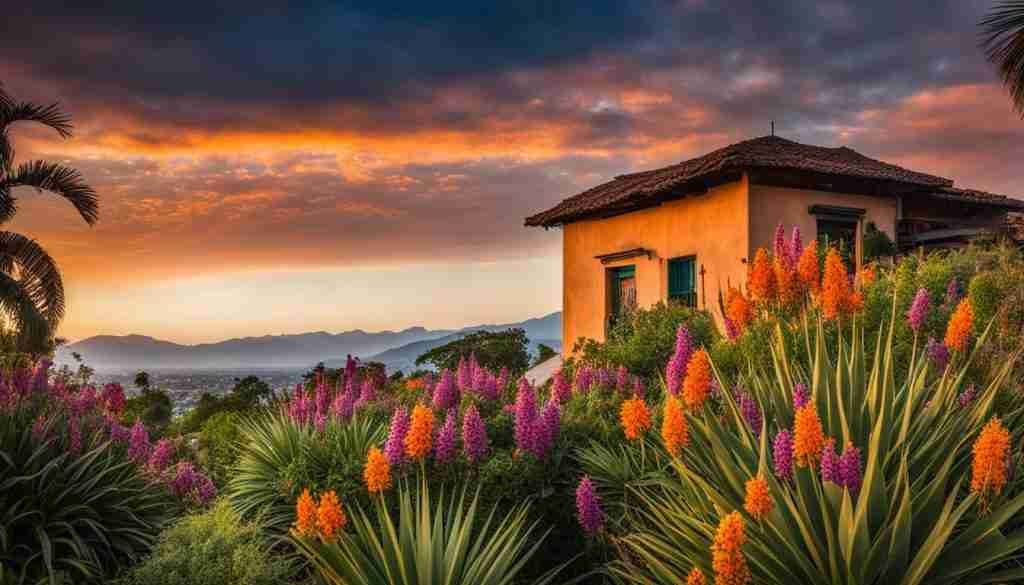
One of the highlights of Salcoatitán is its abundance of native wildflowers. As you explore the town, you’ll be greeted by a kaleidoscope of colors and scents.
These wildflowers play a vital role in the ecosystem, attracting pollinators and contributing to the region’s floral biodiversity. However, some wildflowers in El Salvador are endangered, making it crucial to appreciate and protect these delicate beauties.
Visiting Salcoatitán provides not only a glimpse into the region’s floral diversity but also an opportunity to immerse yourself in the vibrant culture of the Yucca town.
Sample the local cuisine, interact with friendly locals, and embrace the laid-back atmosphere that Salcoatitán has to offer. Whether you’re a nature enthusiast or a curious traveler, Salcoatitán is sure to captivate your heart and leave you with lasting memories.
Floral Biodiversity in Salcoatitán
Salcoatitán is home to a variety of native wildflowers that thrive in the region’s favorable climate and fertile soil. These wildflowers include vibrant orchids, delicate lilies, and blooming marigolds, among others. However, it is essential to note that some of these wildflowers are endangered due to habitat loss and human activities.
Efforts are being made to conserve and protect these endangered wildflowers in El Salvador, ensuring their survival for future generations. Local organizations, researchers, and communities collaborate to raise awareness about the importance of preserving the region’s floral biodiversity.
As a visitor to Salcoatitán, you can contribute by respecting and appreciating the wildflowers, avoiding any activities that may harm their habitats, and supporting local initiatives focused on conservation.
| Endangered Wildflowers in El Salvador | Conservation Status |
|---|---|
| Lycaste lasioglossa (Shaggy-lipped Lycaste) | Endangered |
| Sobralia macrantha (Large-flowered Sobralia) | Critically Endangered |
| Cattleya skinneri (Skinner’s Cattleya) | Endangered |
| Bletia purpurea (Purple Bletia) | Vulnerable |
Exploring Salcoatitán and learning about the native wildflowers is not only a visually stunning experience but also an opportunity to support the conservation efforts and protect the endangered wildflowers of El Salvador.
Indulge in Gastronomic Delights in Juayua, the Food Town
Juayua is a gastronomical delight on the Route of Flowers, offering a wide variety of typical El Salvadorian food. The town hosts a weekly market with live music and a fabulous gastronomical festival that showcases the diverse flavors of the region.
In addition to its culinary delights, Juayua also boasts a colorful church and offers opportunities for exploring the local flora and supporting El Salvador’s wildflower conservation efforts.
If you’re a food lover, Juayua is a must-visit destination. The town is known for its mouthwatering pupusas, which are thick corn tortillas filled with cheese, beans, or a combination of both.
These traditional Salvadorian snacks are cooked on a griddle until golden and served with a side of curtido, a fermented cabbage slaw, and tomato sauce. Each bite bursts with flavor and authenticity, making it a true culinary experience.
Aside from pupusas, Juayua is also famous for its delicious grilled meats and seafood dishes. You can indulge in juicy steaks, tender grilled chicken, and fresh catch of the day. Seafood lovers will be delighted by the variety of ceviche, shrimp cocktails, and grilled fish options available. Whether you’re a meat-eater or a seafood enthusiast, Juayua has something to satisfy every palate.
While exploring Juayua’s culinary scene, don’t forget to visit the town’s colorful church, Iglesia San Cristobal. This vibrant yellow church stands out among the surrounding buildings and is a must-see attraction. Inside, you’ll find beautiful hand-painted murals depicting biblical scenes, showcasing the talent of local artists. Take a moment to appreciate the architecture and artistry before continuing your food adventure.
Exploring the Local Flora and Supporting Wildflower Conservation
In addition to its culinary delights, Juayua also offers opportunities to explore the local flora and support El Salvador’s wildflower conservation efforts.
The region is home to a wide variety of wildflower species, including the beautiful national flower, flor de izote (Yucca guatemalensis). The lush landscapes surrounding Juayua provide the perfect backdrop for nature walks and hikes, where you can spot native wildflowers in their natural habitat.
While enjoying the scenic beauty, it’s important to remember the significance of wildflower conservation. El Salvador’s wildflowers play a vital role in maintaining the country’s ecosystem and preserving its natural heritage. By supporting local initiatives and organizations dedicated to wildflower conservation, you can contribute to the preservation of El Salvador’s floral biodiversity for future generations to enjoy.
| Reasons to Visit Juayua | What to Try |
|---|---|
| Experience a vibrant market atmosphere | Delicious pupusas |
| Indulge in a gastronomical festival | Grilled meats and seafood |
| Visit the colorful Iglesia San Cristobal | Local wildflowers and nature walks |
Immerse Yourself in Handicrafts Galore in Apaneca
Apaneca, a picturesque village nestled in the mountains, is a true haven for those seeking unique handicrafts and a vibrant cultural experience. As you stroll through the colorful streets, you’ll come across a plethora of boutique shops that showcase the craftsmanship and creativity of the local artisans.
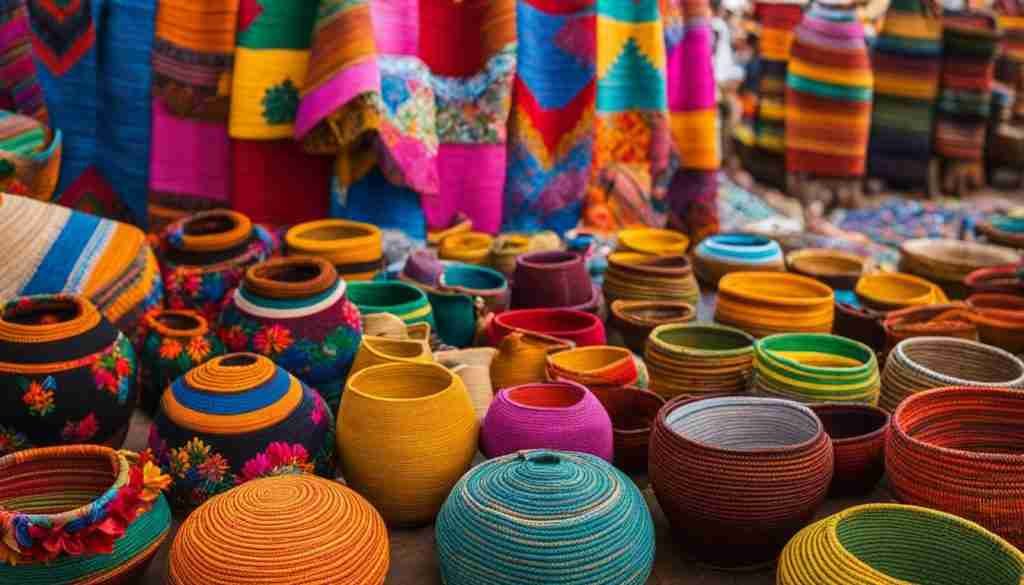
From intricately woven textiles to intricately carved wooden sculptures, Apaneca offers a wide range of handcrafted treasures that make for perfect souvenirs or gifts.
In addition to the handicrafts, Apaneca’s charming streetscapes and colorful houses add to the allure of the village. The cobblestone streets create a delightful ambiance, inviting you to explore every nook and cranny. As you wander, you’ll encounter charming cafes and restaurants where you can indulge in local cuisine and savor the flavors of El Salvador.
Exploring the Endemic Wildeflowers of Apaneca
One of the highlights of visiting Apaneca is the opportunity to discover the rare and endemic wildflowers of El Salvador.
The lush mountains surrounding the village are home to a variety of unique floral species that can’t be found anywhere else. From vibrant orchids to delicate ferns, the endemic wildflowers of Apaneca offer a glimpse into the rich biodiversity of the region.
To make the most of your experience, consider joining a guided tour that takes you on a journey through the natural landscapes surrounding Apaneca. Knowledgeable guides will help you identify the different species and share fascinating insights into the ecological importance of these wildflowers.
Table: Unique Handicrafts in Apaneca
| Handicraft | Description |
|---|---|
| Woven Textiles | Colorful textiles handwoven by local artisans using traditional techniques. |
| Wood Carvings | Intricately carved sculptures and figurines made from locally sourced wood. |
| Ceramics | Beautifully painted pottery, including vases, plates, and decorative pieces. |
| Jewelry | Unique handmade jewelry crafted using metals, semi-precious stones, and natural materials. |
Whether you’re a lover of art, a collector of unique treasures, or simply enjoy immersing yourself in local culture, Apaneca is a destination that won’t disappoint. With its charming handicrafts, stunning natural landscapes, and warm hospitality, this village is a true gem of the Route of Flowers in El Salvador. Take your time to explore, discover hidden gems, and create memories that will last a lifetime.
Step into the Coffee Town: Concepción de Ataco
Concepción de Ataco is the final stop on the Route of Flowers, offering a delightful blend of tranquility, art, and coffee.
This picturesque town welcomes visitors with its colorful walls adorned with vibrant murals, creating a bohemian atmosphere that is perfect for relaxation and exploration. Strolling through the streets of Ataco, you’ll discover charming shops selling traditional crafts, local artwork, and handmade textiles.
One of the highlights of a visit to Concepción de Ataco is the opportunity to indulge in the region’s renowned coffee. El Salvador is known for producing high-quality coffee, and Ataco is no exception.
You can sample a variety of locally grown and freshly brewed coffee in the town’s cozy cafes, where you can also learn about the coffee-making process from bean to cup. For coffee enthusiasts, Ataco offers a chance to savor the rich flavors and aromas of El Salvador’s finest brews.
Immerse Yourself in Local Culture
Immersing yourself in the local culture is a must when visiting Concepción de Ataco. The town is known for its vibrant cultural scene, with art galleries, live music performances, and traditional dance festivals.
The central square, adorned with a charming gazebo, serves as a gathering place for locals and visitors alike. You can join in the festivities, watch traditional dance performances, or simply relax and soak up the atmosphere.
In addition to its artistic and cultural offerings, Concepción de Ataco is also a great destination for nature lovers and photographers.
The surrounding countryside offers breathtaking landscapes, with rolling hills, coffee plantations, and lush forests. You can embark on hikes or nature walks to explore the area’s natural beauty and capture stunning photos of El Salvador’s wildflowers.
Plan Your Visit to Concepción de Ataco
If you’re planning to visit Concepción de Ataco as part of your Route of Flowers adventure, it’s recommended to allocate enough time to fully experience everything this charming town has to offer.
Consider staying at one of the cozy accommodations in Ataco, where you can relax and unwind after a day of exploration. Don’t forget to bring your camera to capture the beauty of El Salvador’s wildflowers and the colorful streets of Ataco.
Whether you’re sipping coffee, admiring local artwork, or immersing yourself in the cultural scene, Concepción de Ataco promises a memorable experience. This coffee town is a perfect ending to your journey along the Route of Flowers, offering a unique combination of natural beauty, artistic expression, and warm hospitality.
El Salvador’s Floral Biodiversity: Native Flowers and Trees
El Salvador is a country renowned for its rich floral biodiversity, boasting a wide variety of native flowers and trees. These natural wonders contribute to the vibrant landscapes and add to the enchanting beauty of the country.
One of the most famous native flowers is the flor de izote (Yucca guatemalensis), which also happens to be the National Flower of El Salvador. This beautiful flower can be found throughout the country and is known for its unique shape and vibrant colors.
In addition to the flor de izote, El Salvador is home to the maquilishuat (Tabebuia rosea), which is the National Tree of the country. This magnificent tree is known for its stunning pink flowers that bloom in abundance during the spring season. The maquilishuat can be found in many parks and gardens across El Salvador, adding a touch of natural beauty to the urban landscapes.
Exploring the Route of Flowers in El Salvador provides an opportunity to witness the native flowers and trees in their natural habitats. From the picturesque streets of Apaneca to the coffee plantations of Concepción de Ataco, each town along the route offers a unique glimpse into the floral biodiversity of El Salvador.
Whether you’re a nature enthusiast, a photography lover, or simply looking to immerse yourself in the natural wonders of the country, the Route of Flowers is a journey that should not be missed.
So pack your camera, put on your hiking shoes, and get ready to discover the native flowers and trees that make El Salvador a true paradise for nature lovers. The floral biodiversity of this beautiful country will captivate your senses and leave you with unforgettable memories of a journey filled with natural beauty and enchantment.
Table: Native Flowers and Trees of El Salvador
| Flower/Tree | Description |
|---|---|
| Flor de Izote (Yucca guatemalensis) | The National Flower of El Salvador, known for its unique shape and vibrant colors. Can be found throughout the country. |
| Maquilishuat (Tabebuia rosea) | The National Tree of El Salvador, famous for its stunning pink flowers that bloom in abundance during the spring season. |
| Lycaste Lasioglossa Orchid | A stunning orchid species native to El Salvador, Guatemala, and Honduras. Blooms in late winter to early spring, showcasing yellow petals and bronze-copper sepals. |
| Loroco (Fernaldia pandurata) | An edible herb that blooms between May and October in El Salvador. Its pungent flowers are used in traditional dishes, adding unique flavors to El Salvadorian cuisine. |
Lycaste Lasioglossa Orchid: A Delicate Beauty
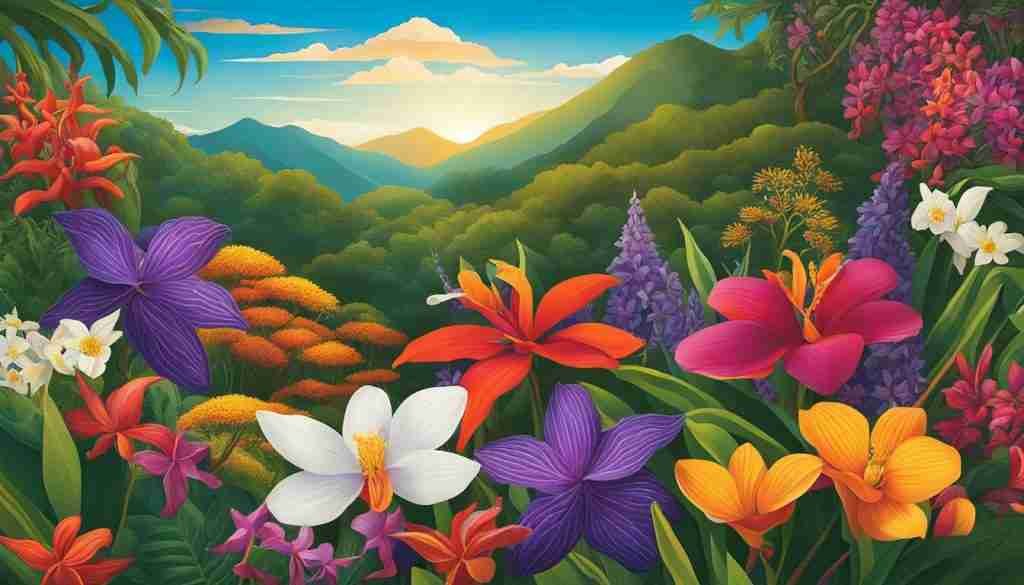
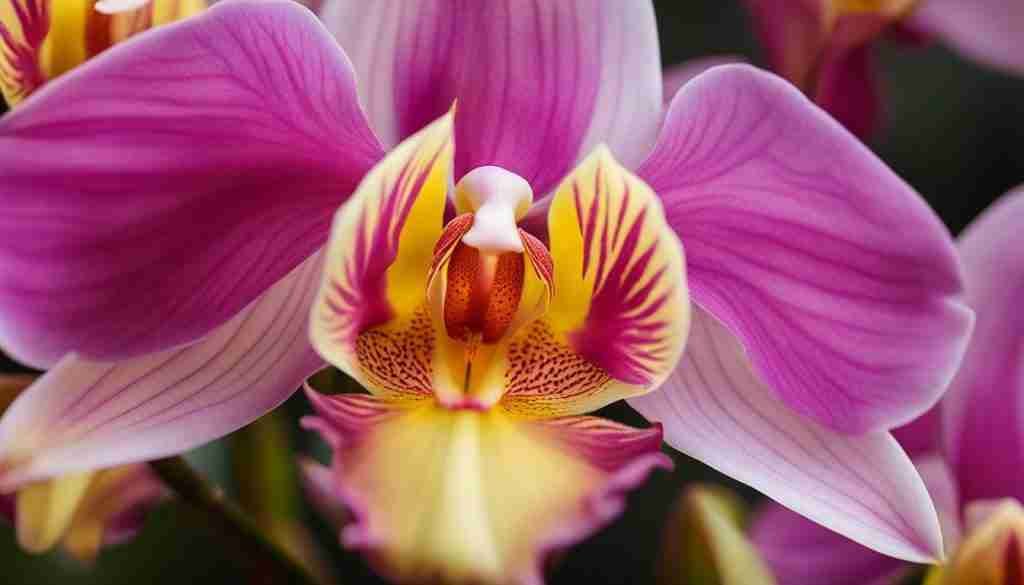
Discover the exquisite beauty of the Lycaste Lasioglossa Orchid, a delicate and stunning species native to El Salvador. This enchanting orchid, also found in Guatemala and Honduras, adds a touch of elegance to El Salvador’s wildflowers. With its vibrant yellow petals and striking bronze-copper sepals, the Lycaste Lasioglossa Orchid is a true natural marvel.
This terrestrial orchid blooms in late winter to early spring, creating a captivating display amidst the lush landscapes of El Salvador.
Its shaggy-lipped blooms are a sight to behold, attracting both nature enthusiasts and photographers alike. Whether you’re exploring the Route of Flowers or venturing into the wild, the Lycaste Lasioglossa Orchid is sure to captivate your senses with its delicate beauty.
Known for its ability to thrive in cool conditions, the Lycaste Lasioglossa Orchid can be easily grown both indoors and outdoors. Its stunning flowers make it an excellent choice for adding elegance and charm to any garden or floral arrangement. The versatility of this orchid allows you to appreciate its delicate beauty no matter where you are.
Immerse yourself in the captivating beauty of El Salvador’s wildflowers and include the Lycaste Lasioglossa Orchid in your exploration. Whether you’re a seasoned orchid enthusiast or simply appreciate the wonders of nature, this delicate beauty will undoubtedly leave a lasting impression.
Key Features of the Lycaste Lasioglossa Orchid
| Scientific Name | Lycaste Lasioglossa |
|---|---|
| Common Name | Shaggy-lipped Lycaste Orchid |
| Native to | El Salvador, Guatemala, Honduras |
| Blooming Season | Late winter to early spring |
| Flower Colors | Yellow petals, bronze-copper sepals |
| Growth Conditions | Cool conditions, can be grown indoors and outdoors |
Appreciating the Lycaste Lasioglossa Orchid
- Include the Lycaste Lasioglossa Orchid in your garden to add an elegant touch of beauty.
- Capture the delicate features of this orchid through photography, showcasing its vibrant colors and unique structure.
- Visit botanical gardens or orchid farms in El Salvador to witness the stunning beauty of the Lycaste Lasioglossa Orchid up close.
- Take part in local workshops and events focused on orchid cultivation to learn more about this fascinating species.
Embrace the beauty of the Lycaste Lasioglossa Orchid and experience the enchantment of El Salvador’s wildflowers. Whether you’re admiring its exquisite blooms, incorporating it into your garden, or capturing its essence through photography, this delicate beauty is sure to leave you in awe.
Loroco: An Edible Herb from El Salvador
Within the diverse floral landscape of El Salvador, the loroco herb (Fernaldia pandurata) stands out as a unique and edible treasure. This herb, known for its distinct aroma and delicate flavor, is harvested between May and October in El Salvador and other Central American countries. The vibrant green leaves and vibrant purple flowers of loroco can be found in traditional Salvadorian cuisine, adding a unique touch to a variety of dishes.
The versatility of loroco is one of its most remarkable qualities. The young and tender leaves of the plant can be used in salads, while the flowers are often cooked and commonly incorporated into soups, pupusas (a traditional Salvadorian dish), and tamales. The flavor of loroco is described as floral, slightly bitter, and nutty, providing a pleasant surprise to the taste buds.
The cultural significance of loroco cannot be overstated. This herb has long been a part of Salvadorian culinary traditions, with its use dating back centuries. It is not only appreciated for its taste but also for its role in bringing people together. Sharing a meal enriched with loroco creates a sense of connection and celebration of El Salvador’s rich culinary heritage.
The Health Benefits of Loroco
Beyond its culinary delights, loroco also offers a range of health benefits. The herb is rich in antioxidants, which help protect the body against damage from free radicals. It is also a good source of vitamins A and C, which are essential for maintaining a healthy immune system and promoting overall well-being.
In addition, loroco contains minerals such as calcium, iron, and potassium, which are vital for maintaining strong bones, supporting healthy blood circulation, and regulating blood pressure. The herb’s natural compounds have been studied for their potential antimicrobial and anti-inflammatory properties, further highlighting its potential health benefits.
Incorporating Loroco into Your Culinary Journey
If you’re eager to explore the flavors of El Salvador and add a touch of authenticity to your cooking, incorporating loroco is a fantastic way to do so. Look for loroco in Latin American or specialty markets, where it may be available fresh, frozen, or canned. Experiment with traditional Salvadorian recipes, such as loroco and cheese pupusas or loroco-infused soups, and discover the unique flavors this herb brings to your dishes.
The enchanting journey along the Route of Flowers in El Salvador provides an opportunity to immerse yourself in the cultural heritage of loroco and its culinary significance. As you explore the scenic towns and breathtaking landscapes, don’t miss the chance to savor the flavors of this edible herb, and gain a deeper appreciation for the vibrant wildflowers that make El Salvador’s floral biodiversity truly remarkable.
| Benefits of Loroco | Culinary Applications |
|---|---|
|
|
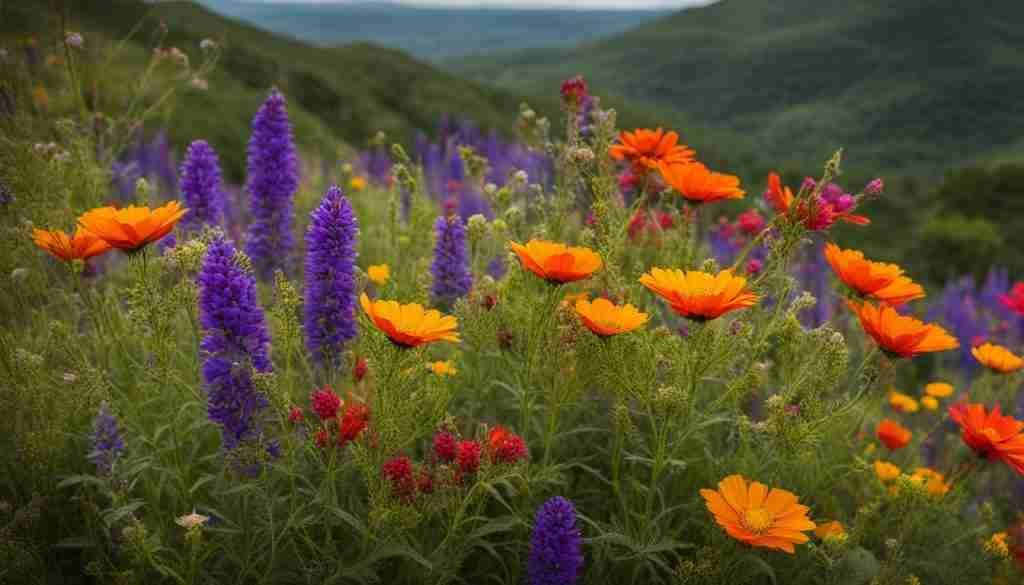
Grab a handful of loroco, infuse your dishes with its unique flavors, and embark on a culinary adventure that pays homage to the cultural heritage of El Salvador.
The Scenic Beauty of the Route of Flowers
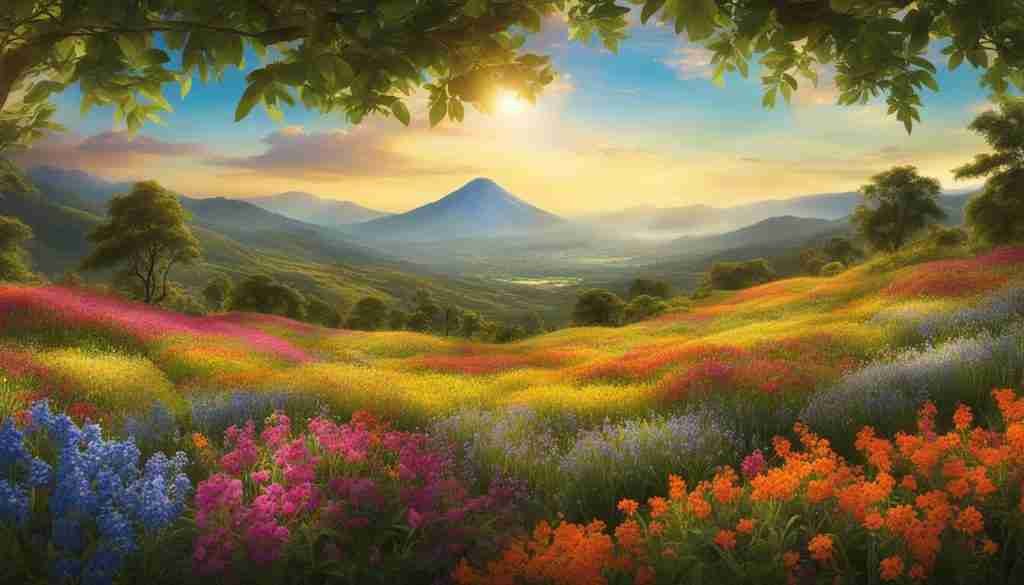
The Route of Flowers in El Salvador offers a breathtaking journey through some of the country’s most beautiful landscapes. As you wind your way along this 36-kilometer stretch of road, you’ll be surrounded by majestic mountains, lush forests, and picturesque coffee plantations. The scenic beauty of the route is truly mesmerizing, providing the perfect backdrop for an unforgettable adventure.
One of the highlights of the Route of Flowers is the opportunity to witness the rich floral biodiversity of El Salvador. The region is home to a wide variety of wildflowers, showcasing the country’s vibrant and diverse ecosystem. From the national flower, the flor de izote, to rare and endemic species, you’ll be captivated by the array of colors and fragrances that fill the air.
For nature enthusiasts and photography enthusiasts, the Route of Flowers is a paradise. Whether you’re a professional photographer or simply enjoy capturing the beauty of nature, you’ll find endless opportunities for stunning wildflower photography. The vibrant colors and intricate details of the flowers make for truly captivating images.
Table: Floral Biodiversity Along the Route of Flowers
| Wildflower Species | Common Name |
|---|---|
| Yucca guatemalensis | Flor de Izote |
| Fernaldia pandurata | Loroco |
| Lycaste lasioglossa | Shaggy-lipped Lycaste Orchid |
| Tabebuia rosea | Maquilishuat |
As you explore the Route of Flowers, take the time to immerse yourself in the natural beauty that surrounds you. Whether you’re admiring the vibrant blooms, capturing stunning photographs, or simply enjoying the serene atmosphere, the scenic beauty of the route will leave you in awe. It’s a journey that will fill your senses and create lasting memories.
So pack your camera, put on your walking shoes, and embark on a magical adventure along the Route of Flowers. Experience the enchanting landscapes, discover the diverse flora, and create memories that will last a lifetime. El Salvador’s wildflowers are waiting to be explored, so start planning your trip today!
Planning Your Route of Flowers Adventure
Embarking on a trip to explore the Route of Flowers in El Salvador is an exciting adventure that promises captivating experiences. Whether you’re a nature lover, a photography enthusiast, or simply looking to immerse yourself in the enchanting atmosphere, this scenic tour has something for everyone.
When planning your Route of Flowers adventure, consider allocating two, three, or four days to fully enjoy the journey. This will allow you to explore each town along the route and experience their unique culture, gastronomy, and natural beauty. Comfortable mountain lodges are available for accommodations, ensuring a cozy and convenient stay.
During your adventure, don’t forget to bring your camera and embrace the opportunity for stunning El Salvador wildflower photography. The diverse flora along the route offers a myriad of picturesque scenes and vibrant colors. Capture the beauty of the native flowers and create lasting memories of your journey.
Recommended Itinerary:
To make the most of your Route of Flowers adventure, we recommend the following itinerary:
- Day 1: Start in Salcoatitán, the charming Yucca town. Explore the colonial church and immerse yourself in the local culture. Enjoy delicious Yucca dishes and admire the native wildflowers of El Salvador.
- Day 2: Continue to Juayua, the food town. Indulge in the wide variety of El Salvadorian cuisine at the weekly market and gastronomical festival. Take time to explore the colorful church and support wildflower conservation efforts.
- Day 3: Journey to Apaneca, known for its handicrafts and cobblestone streets. Discover boutique shops, admire the colorful houses, and spot rare wildflowers. Immerse yourself in the artistic atmosphere of this picturesque village.
- Day 4: Conclude your adventure in Concepción de Ataco, the coffee town. Take in the peaceful atmosphere, explore the open markets, and immerse yourself in the vibrant cultural scene. Don’t miss the opportunity for El Salvador wildflower photography and enjoy the town’s renowned coffee.
By following this itinerary, you will have the opportunity to fully experience the beauty and diversity of the Route of Flowers. Each town has its own unique charm and attractions that are sure to leave you with unforgettable memories of El Salvador’s wildflowers.
Conclusion
Embark on a captivating adventure through the Route of Flowers in El Salvador and immerse yourself in the mesmerizing beauty of wildflowers.
This scenic tour takes you on a journey through vibrant towns that offer a delightful blend of gastronomy, colonial architecture, and rich cultural heritage. Whether you’re a nature lover, a photography enthusiast, or a cultural explorer, the Route of Flowers promises a memorable experience in the heart of El Salvador’s natural wonders.
As you travel along this breathtaking route, you’ll discover the diverse flora and floral biodiversity that make El Salvador truly special. From the national flower, flor de izote (Yucca guatemalensis), to the delicate lycaste orchid (Lycaste lasioglossa), each unique flower adds to the enchantment of this journey.
Don’t forget to indulge in the gastronomic delights of Juayua, explore the handicrafts of Apaneca, and take in the peaceful atmosphere of Concepción de Ataco.
Whether you have a passion for wildflower photography, want to discover rare species, or simply wish to immerse yourself in the natural beauty of El Salvador, the Route of Flowers is the perfect destination for you. Plan your adventure today and let the captivating beauty of El Salvador wildflowers leave you in awe.
FAQ
What is the Route of Flowers in El Salvador?
The Route of Flowers is a scenic tour of small towns in El Salvador known for their vibrant wildflowers. It is a 36-kilometer stretch of road famous for its floral scenery.
What towns are included in the Route of Flowers?
The towns along the Route of Flowers include Salcoatitán, Juayua, Apaneca, and Ataco.
What can I expect to find in Salcoatitán?
Salcoatitán is known for its colorful locals, delicious Yucca dishes, a beautiful colonial church, vibrant street art, and a museum with a collection of old printing presses and wood carvings.
What is there to do in Juayua?
Juayua is a gastronomical delight, offering a wide variety of typical El Salvadorian food. It also hosts a weekly market, a gastronomical festival, and boasts a colorful church.
What can I experience in Apaneca?
Apaneca is a charming village known for its handicrafts, boutique shops, colorful houses, and cobblestone streets. It is also located in the mountains, making it a perfect spot to spot rare and endemic wildflowers of El Salvador.
What is special about Concepción de Ataco?
Concepción de Ataco is celebrated for its peaceful atmosphere, colorful walls, open markets, incredible coffee, traditional weavings, and vibrant cultural scene.
What native flowers and trees can I find in El Salvador?
El Salvador is home to diverse floral species, including the national flower, flor de izote (Yucca guatemalensis), and the national tree, maquilishuat (Tabebuia rosea).
What is the shaggy-lipped lycaste?
The shaggy-lipped lycaste is a stunning orchid species native to El Salvador, Guatemala, and Honduras. It blooms in late winter to early spring, showcasing its yellow petals and bronze-copper sepals.
What is loroco and how is it used in El Salvadorian cuisine?
Loroco is an edible herb that blooms between May and October in El Salvador and other Central American countries. Its pungent flowers are used in traditional dishes, adding unique flavors to El Salvadorian cuisine.
What can I expect to see along the Route of Flowers?
The Route of Flowers offers stunning scenic beauty with winding roads, mountains, coffee plantations, lush forests, and a diverse range of wildflowers and wildlife.
How can I plan my Route of Flowers adventure?
The tour can be completed in two, three, or four days, and comfortable mountain lodges are available for accommodations. It is recommended to visit each town along the route to experience their unique culture, gastronomy, and natural beauty.