
Austria is a treasure trove of wildflowers, with a wide variety of species that adorn its stunning landscapes. From the iconic Edelweiss to the rare Red Vanilla Orchid, the country is home to a rich tapestry of flowering plants.
Whether you’re a nature enthusiast or a photography lover, Austria’s wildflowers offer endless opportunities for exploration and appreciation of its diverse flora and fauna.
Key Takeaways:
- Discover the diverse flora and fauna of Austria through its wildflowers.
- Explore the alpine region for the best display of wildflowers in Austria.
- Capture the beauty of Austrian wildflowers through nature photography.
- The Edelweiss is a symbol of Austrian wilderness and has legal protection.
- Don’t miss the rare orchids and other showstoppers of the Austrian meadows.
Alpine Delights: Discover the Best Wildflowers in Austria
When it comes to stunning wildflowers, Austria’s alpine region is a true paradise. Its high altitudes and pristine landscapes create the ideal environment for a variety of flowering plants.
From the iconic Edelweiss to the delicate Blue Monkshood and vibrant Bellflower, these alpine wildflowers bloom during the spring and summer months, transforming the Austrian mountains into a breathtaking tapestry of colors.
Take a moment to imagine yourself surrounded by vast meadows adorned with these magnificent blooms.
The air is filled with the sweet scent of wildflowers, and the sight of their vibrant hues against the backdrop of majestic peaks is simply awe-inspiring. Whether you’re an avid hiker, a nature photographer, or simply someone who appreciates the beauty of nature, exploring the alpine region of Austria will surely be a memorable experience.
As you venture through the mountains, you’ll encounter a rich diversity of alpine wildflowers. The Mountain Arnica, with its vibrant yellow blossoms, adds a burst of color to the meadows.
The delicate Edelweiss, often referred to as the “queen of the alps,” stands out with its unique star-shaped petals. And let’s not forget the Blue Monkshood, known for its striking blue-purple flowers that add a touch of elegance to the landscape.
So, pack your hiking boots, grab your camera, and get ready to immerse yourself in the natural wonders of Austria’s alpine wildflowers. Whether you’re admiring their beauty, capturing their essence through photography, or simply reveling in the tranquility of the mountains, the alpine region of Austria is sure to enchant you with its breathtaking floral display.
Table: Alpine Wildflowers in Austria
| Wildflower | Description |
|---|---|
| Edelweiss | An iconic alpine flower with star-shaped white petals. |
| Blue Monkshood | Delicate blue-purple flowers that bloom in the alpine meadows. |
| Bellflower | Graceful flowers that add a touch of vibrancy to the landscape. |
| Mountain Arnica | Vibrant yellow blossoms that contrast beautifully with the green meadows. |

A Photographic Journey: Capturing the Beauty of Austrian Wildflowers
Are you an avid photographer looking for new inspiration? Look no further than Austria’s wildflowers, which offer endless opportunities for capturing the beauty of nature.
With its diverse range of species and stunning landscapes, Austria provides a picturesque backdrop for your nature photography adventures. Whether you prefer macro shots of delicate petals or wide-angle landscapes, the country’s wildflowers will leave you in awe.
To help you navigate the world of Austrian wildflowers, consider creating your very own Alpine Wildflower Guide. Document and identify the most commonly found alpine flowers in Austria, showcasing their unique colors, shapes, and habitats. This guide will not only serve as a valuable resource but also allow you to share your passion for nature photography with others.
Austrian Wildflower Guide: Sample Entries
| Wildflower | Description | Habitat |
|---|---|---|
| Edelweiss | A white flower with soft, woolly petals and a yellow center. It is a symbol of Austria’s rugged wilderness. | Rocky terrain between 1,500 and 3,000 meters above sea level. |
| Blue Monkshood | A striking blue flower with hood-shaped petals. It is toxic and often found in damp meadows. | Damp meadows and woodland areas. |
| Bellflower | A violet or blue flower with bell-shaped petals. It is known for its delicate charm and graceful appearance. | Grassy slopes and mountainous regions. |
| Mountain Arnica | A yellow flower with daisy-like petals. It is used in herbal medicine and requires special protection. | Alpine meadows and rocky habitats. |
So grab your camera, pack your hiking gear, and embark on a photographic journey through the enchanting world of Austrian wildflowers. From the iconic Edelweiss to the delicate Pasque Flower, each bloom offers a unique opportunity to capture the essence of Austria’s breathtaking landscapes. Get ready to immerse yourself in nature and create stunning photographs that will leave a lasting impression.
The Magnificent Edelweiss: A Symbol of Austrian Wilderness
The Edelweiss is perhaps the most famous wildflower native to the Alps and is synonymous with Austria’s rugged wilderness. This iconic flower can be found between 1,500 and 3,000 meters above sea level, preferring rocky terrain. Due to its popularity and delicate nature, the Edelweiss is strictly protected under law. Spotting this elusive flower in its natural habitat is a rare and special experience.
The Edelweiss, with its unique appearance, has captured the hearts of both locals and visitors alike. Its star-shaped blooms and furry white petals make it instantly recognizable. The flower’s name, which translates to “noble white”, reflects its elegance and beauty. In addition to its ornamental value, the Edelweiss holds cultural significance in Austria, symbolizing bravery, loyalty, and alpine purity.
Despite its delicate appearance, the Edelweiss is a resilient flower that has adapted to survive in harsh mountain environments. Its hairy leaves protect it from extreme temperatures and help reduce evaporation. The flower also possesses a powerful fragrance that attracts pollinators like bees and butterflies. This unique combination of beauty and resilience makes the Edelweiss a true symbol of the Austrian wilderness.

Endangerment and Conservation Efforts
Due to its popularity and limited distribution, the Edelweiss is classified as a protected species in several countries, including Austria. Its collection and trade are strictly regulated to prevent overharvesting and habitat destruction. Additionally, conservation organizations and government agencies in Austria are actively involved in monitoring and preserving the Edelweiss population.
Efforts are being made to raise awareness about the importance of preserving the Edelweiss and its fragile alpine habitat. Educational campaigns, guided tours, and interpretive signage in national parks and nature reserves help visitors understand the significance of this iconic flower and the need to protect it for future generations.
Experience the Magic of the Edelweiss
If you’re planning a trip to Austria, make sure to include an exploration of the alpine regions where the Edelweiss grows. Hiking trails and guided tours offer opportunities to witness this majestic flower in its natural habitat. However, it’s important to remember that the Edelweiss is a protected species, and it’s crucial to avoid picking or damaging the flowers.
Capturing the beauty of the Edelweiss through photography is also a popular way to appreciate this iconic wildflower. With its captivating blooms and stunning mountain backgrounds, the Edelweiss makes for a perfect subject for nature enthusiasts and photographers alike.
Rare and Unique: Orchids in the Austrian Mountains
Austria’s mountainous regions are home to some rare and unique wildflower species, including orchids that thrive in these picturesque landscapes. Among these exquisite flowers, the Red Vanilla Orchid and the Broad-leaved Marsh Orchid stand out for their beauty and allure.
The Red Vanilla Orchid
The Red Vanilla Orchid is a truly remarkable plant that can be found in the nutrient-poor soils of Austria’s high elevations. Its vibrant red color and delicate structure make it a sight to behold. Blooming in the summer months, this orchid brings a touch of exoticism to the alpine meadows.
The Broad-leaved Marsh Orchid
The Broad-leaved Marsh Orchid, a member of the orchid family, graces the Austrian mountains with its presence. Blooming in June and July at altitudes over 2,000 meters, this elegant flower adds a splash of color to the alpine landscape. Its broad leaves and distinctive shape make it a unique and captivating species.
These orchids, with their rare and enchanting characteristics, contribute to the diverse tapestry of Austrian wildflowers. Their presence in the mountains showcases the resilience and beauty of nature, reminding us of the importance of preserving these fragile ecosystems for future generations to enjoy.
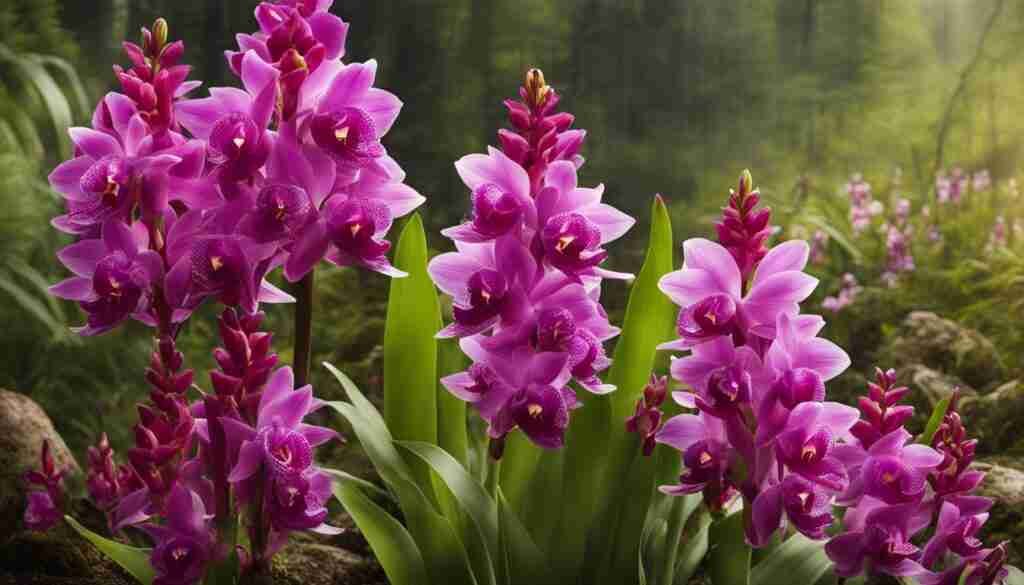
Table: Comparing Red Vanilla Orchid and Broad-leaved Marsh Orchid
| Characteristics | Red Vanilla Orchid | Broad-leaved Marsh Orchid |
|---|---|---|
| Blooming Months | Summer | June and July |
| Altitude Range | High elevations | Over 2,000 meters |
| Main Color | Red | Varies (usually pink or purple) |
| Leaf Shape | Varies | Broad |
| Fragrance | Aromatic | Varies |
Alpine Beauties: Showstoppers of the Austrian Meadows
The Austrian meadows are a treasure trove of stunning wildflowers that add a burst of color and charm to the landscape. Among these alpine beauties, two stand out as true showstoppers—the Pasque Flower and the Turk’s Cap Lily.
The Pasque Flower, a member of the Ranunculaceae family, is known for its striking appearance and vibrant purple petals. It blooms in dry-land habitats, often in rocky areas, and can be found at elevations between 1,000 and 3,000 meters. The Pasque Flower is a true symbol of resilience, as it can withstand harsh weather conditions and still bloom with breathtaking beauty.
Another star of the Austrian meadows is the Turk’s Cap Lily, a tall and robust plant that adds grandeur and elegance to its surroundings. With its distinctive shape and vivid orange petals, the Turk’s Cap Lily stands out among the wildflowers. This lily can be found at elevations up to 2,000 meters and blooms during the summer months, creating a captivating display of color.
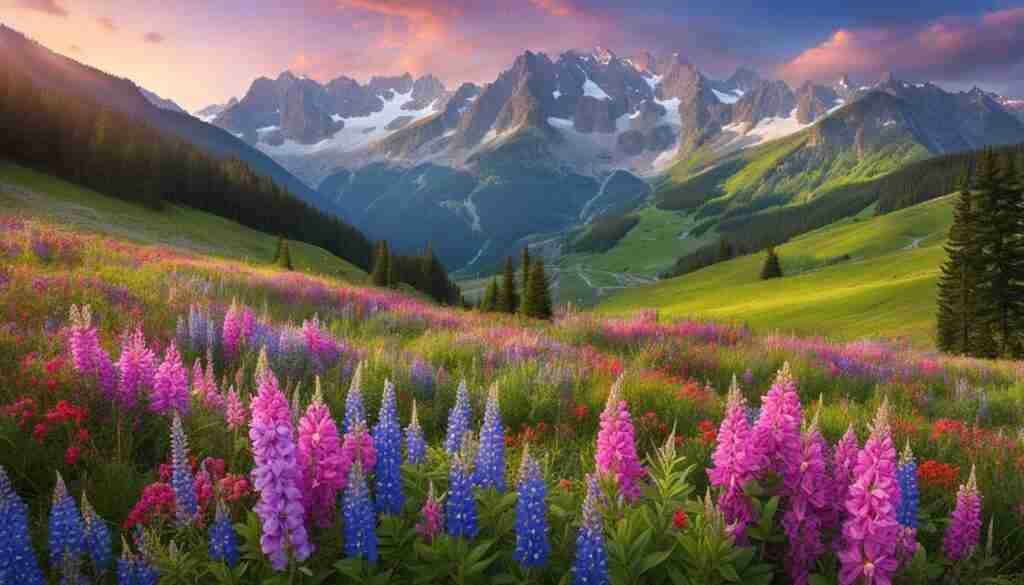
Table: A Comparison of the Pasque Flower and the Turk’s Cap Lily
| Feature | Pasque Flower | Turk’s Cap Lily |
|---|---|---|
| Family | Ranunculaceae | Liliaceae |
| Color | Purple | Orange |
| Habitat | Dry-land, rocky areas | Meadows, forests |
| Blooming Season | Spring | Summer |
| Elevation | 1,000 – 3,000 meters | Up to 2,000 meters |
These alpine beauties, the Pasque Flower and the Turk’s Cap Lily, are just a glimpse of the enchanting wildflowers that grace the meadows of Austria. As you explore the picturesque landscapes, keep an eye out for these showstoppers and let their beauty leave you in awe of the natural wonders that Austria has to offer.
Delicate and Dainty: Alpine Flowers of Austria
The alpine region of Austria is home to an array of delicate and dainty wildflowers that thrive in wetland soils and low-lime environments. These beautiful blooms add a touch of grace and charm to the Austrian landscape, creating a picturesque scene for nature enthusiasts and photographers alike.
One such alpine flower is the Primula, commonly found between 1,900 and 2,700 meters above sea level. With its vibrant colors and delicate petals, the Primula adds a burst of color to the meadows, creating a stunning visual display. Its charming and dainty appearance makes it a favorite among wildflower enthusiasts.
Another notable alpine flower is the Eyebright, a member of the Scrophulariaceae family. Blooming from July to October in nutrient-poor ground, this delicate flower features intricate patterns on its petals, resembling an eye. Its unique appearance and ability to thrive in challenging environments make it a true gem of Austrian wildflowers.
Table: Alpine Flowers of Austria
| Wildflower | Location | Blooming Period |
|---|---|---|
| Primula | 1,900 – 2,700 meters above sea level | Spring and early summer |
| Eyebright | Nutrient-poor ground | July to October |
These delicate alpine flowers of Austria not only add beauty to the landscape but also serve as important pollinators for various species of insects. Their presence contributes to the overall biodiversity and ecological balance of the region. So, the next time you find yourself exploring the alpine meadows of Austria, keep an eye out for these fragile yet captivating flowers that make the landscape come alive with their vibrant colors.
Hidden Gems: Rare and Protected Wildflowers in Austria
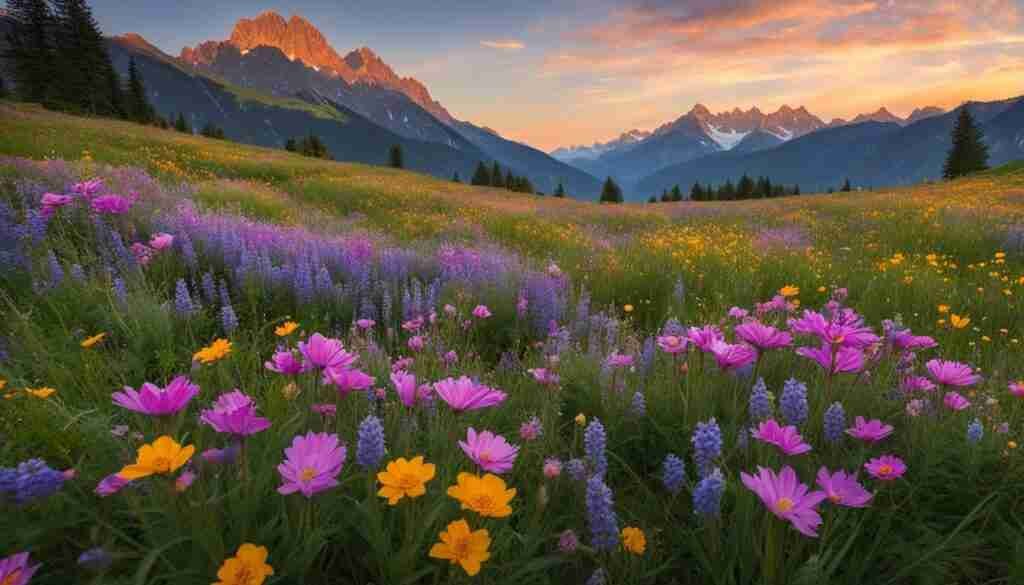
Austria is a country of hidden gems when it comes to wildflowers. Among these treasures are the majestic Mountain Arnica and the resilient Adenostyles, both of which are rare and protected species that contribute to the country’s rich biodiversity. Let’s take a closer look at these remarkable flora and discover why they are so cherished in Austria.
Mountain Arnica
The Mountain Arnica, scientifically known as Arnica montana, is a member of the asteraceae family. This vibrant yellow flower blooms in the alpine meadows of Austria, adding a splash of color to the breathtaking landscape. Not only is it visually appealing, but the Mountain Arnica also holds medicinal properties and has been used for centuries in herbal medicine. Due to its ecological importance and vulnerability, the Mountain Arnica is protected under Austrian law, ensuring its preservation for future generations to appreciate.
Adenostyles
Adenostyles, also known as Lady’s Mantle, is a resilient plant that thrives in the high altitudes of Austria, often found at elevations of up to 3,000 meters. This robust wildflower with its dainty pink and white blooms adds a touch of elegance to the alpine meadows. Adenostyles is known for its ability to withstand harsh conditions, making it a true survivor in the challenging mountain environment. Its presence serves as a testament to the adaptability and resilience of nature.
| Mountain Arnica | Adenostyles |
|---|---|
| Scientific Name: Arnica montana | Scientific Name: Adenostyles alliariae |
| Habitat: Alpine meadows | Habitat: High altitudes, up to 3,000 meters |
| Conservation Status: Protected | Conservation Status: Not listed as endangered |
| Distinctive Feature: Vibrant yellow flowers with medicinal properties | Distinctive Feature: Dainty pink and white blooms, resilient nature |
These hidden gems of the Austrian wildflower world represent the country’s commitment to preserving its natural heritage. Through protection and conservation efforts, Austria ensures that these rare and delicate species continue to flourish in their natural habitats. The Mountain Arnica and Adenostyles serve as reminders of the beauty and resilience of nature, offering a glimpse into the intricate and fragile ecosystems that make Austria’s flora so special.

Immerse yourself in the captivating world of Austria’s rare and protected wildflowers. Explore the alpine meadows and high-altitude landscapes, and witness the splendor of the Mountain Arnica and Adenostyles firsthand. These hidden gems are waiting to be discovered, offering a glimpse into the remarkable biodiversity of Austria’s wildflower kingdom.
Conclusion
As you conclude your exploration of Austria’s wildflowers, you’ll undoubtedly have a few favorites that have captured your heart. From the iconic Edelweiss to the rare and delicate orchids, each wildflower tells a unique story and adds a touch of beauty to Austria’s stunning landscapes.
Whether you found solace in the alpine region, captivated by the showstoppers in the meadows, or enamored by the delicate flowers in the wetlands, Austria’s wildflowers have left an indelible mark on your journey. Their vibrant colors, graceful forms, and sheer diversity remind us of the incredible wonders that nature has to offer.
So next time you visit Austria, make sure to keep an eye out for your favorite wildflowers. Embrace the opportunity to immerse yourself in the breathtaking natural panorama and let these floral wonders continue to captivate your senses. The beauty of Austria’s wildflowers is limitless, just like the joy and inspiration they bring to all who appreciate them.
FAQ
Are there any specific wildflowers that are native to Austria?
Yes, Austria is home to a wide variety of native wildflowers, including the iconic Edelweiss, Blue Monkshood, Bellflower, and Mountain Arnica.
When is the best time to see the wildflowers in Austria?
The wildflowers in Austria bloom during the spring and summer months, creating a vibrant display of color in the alpine region and meadows.
Can I photograph the wildflowers in Austria?
Absolutely! Austria’s wildflowers offer endless opportunities for nature photography, with its diverse range of species and stunning landscapes as a backdrop.
Where can I find the iconic Edelweiss flower?
The Edelweiss can be found between 1,500 and 3,000 meters above sea level, preferring rocky terrain in the Austrian mountains.
Are there any rare orchids in Austria?
Yes, Austria is home to some rare and unique orchids, including the Red Vanilla Orchid and the Broad-leaved Marsh Orchid.
What are some of the showstoppers of the Austrian meadows?
Some of the showstoppers of the Austrian meadows include the Pasque Flower and the Turk’s Cap Lily.
Are there any delicate wildflowers that thrive in the alpine region?
Yes, the alpine region of Austria is home to delicate and dainty wildflowers such as the Primula and the Eyebright.
Are there any protected wildflowers in Austria?
Yes, the Mountain Arnica and the Adenostyles are protected wildflowers in Austria that require special care and attention.
Where can I find more information about the wildflowers in Austria?
You can find more information about the wildflowers in Austria by referring to the Alpine Wildflower Guide, created by the author, which documents and identifies the most commonly found alpine flowers in the country.
What are some of the favorite wildflowers in Austria?
Some favorite wildflowers in Austria include the iconic Edelweiss, the rare Red Vanilla Orchid, and the stunning Pasque Flower.