
Welcome to the vibrant world of India’s wildflowers! India is blessed with a rich floral biodiversity, boasting a stunning array of native flowers that add beauty and color to the landscape. From rare and unique species to familiar favorites, these wildflowers can be found across various regions of India, showcasing the country’s diverse flora.
Key Takeaways:
- India is home to a diverse range of wildflowers, contributing to its floral biodiversity.
- From rare and unique species to familiar favorites, Indian native flowers can be found across various regions of the country.
- Exploring India’s wildflowers offers an opportunity to discover the incredible variety of flora in the country.
- Conservation efforts are needed to protect endangered wildflowers and ensure their survival.
- Botanical gardens and national parks play a crucial role in showcasing and preserving India’s floral heritage.
Unique and Rare Wildflowers of India
India is home to an incredible collection of unique and rare wildflowers that are found in various regions of the country. These exotic flowers contribute to the rich floral tapestry of India and are a sight to behold. Whether you’re a botany enthusiast or simply appreciate the beauty of nature, exploring the diverse array of rare wildflowers in India is a truly captivating experience.
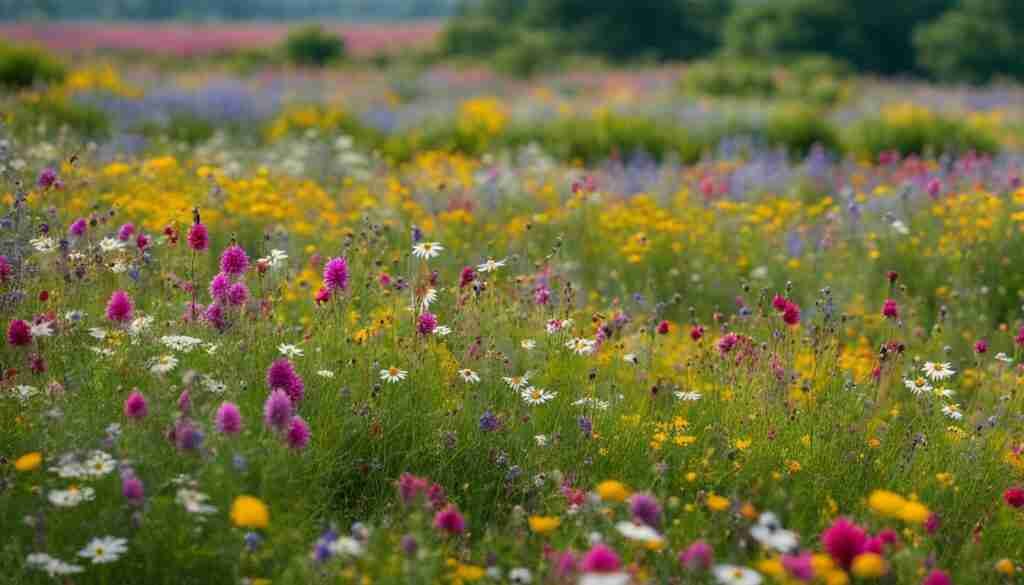
One such rare wildflower is the Parrot’s Beak (Impatiens psittacina), named for its striking resemblance to a parrot’s beak. This flower is found only in the northeast Indian state of Manipur and is known for its vibrant hues of red, pink, and orange. Its unique shape and coloration make it a favorite among plant collectors and nature enthusiasts alike.
Unique and Rare Wildflowers
| Wildflower | Region | Description |
|---|---|---|
| Parrot’s Beak (Impatiens psittacina) | Manipur | A rare wildflower with vibrant hues of red, pink, and orange, resembling a parrot’s beak. |
| Kurinji (Strobilanthes kunthiana) | Munnar, Kerala | This wildflower blooms once every 12 years, covering the hills of Munnar with a sea of purple. |
| Blue Vanda (Vanda coerulea) | Sikkim | An exquisite blue orchid found in the high-altitude regions of Sikkim, known for its beauty and rarity. |
Another rare find is the Kurinji (Strobilanthes kunthiana), which blooms in the hill station of Munnar in Kerala once every 12 years. This wildflower covers the hills with a mesmerizing blanket of purple, creating a breathtaking sight for visitors. Its cyclic blooming pattern adds to its allure, making it a must-see for nature lovers.
The Blue Vanda (Vanda coerulea) is yet another unique and rare wildflower found in India. This exquisite blue orchid can be found in the high-altitude regions of Sikkim. Its striking color and delicate petals make it a prized find for orchid enthusiasts, and it holds a special place in the hearts of the local people.
These are just a few examples of the numerous rare and unique wildflowers that India has to offer. Whether you encounter the Parrot’s Beak, witness the blooming of the Kurinji, or marvel at the beauty of the Blue Vanda, exploring the diverse world of India’s rare wildflowers is a true delight.
Floral Biodiversity of India
India boasts a remarkable floral biodiversity, with a wide range of flowering plants and wildflower species.
From the delicate blooms of the Chick weed to the striking flowers of the Alligator weed, the country’s wildflowers contribute to the rich tapestry of Indian flora. Whether you’re exploring the river banks, grasslands, or national parks, you’re bound to encounter a stunning variety of wildflowers that showcase the incredible floral diversity of India.
Wildflower species in India
India is home to a vast array of wildflower species, each with its unique charm and characteristics. The country’s diverse ecosystems, from the Himalayan mountains to the coastal plains, provide a favorable environment for a wide variety of flowering plants.
Some of the notable wildflower species found in India include the Flame Lily, Indian Lotus, Blue Vanda, and Marigold. The sight of these colorful blooms adds vibrancy and beauty to the natural landscapes of India.
| Wildflower Species | Habitat | Blooming Season |
|---|---|---|
| Flame Lily | Tropical forests | Summer |
| Indian Lotus | Ponds and lakes | Monsoon |
| Blue Vanda | Subtropical regions | Spring |
| Marigold | Garden beds and fields | Year-round |
These wildflowers not only provide aesthetic value but also serve important ecological functions. They attract pollinators, including bees and butterflies, which play a crucial role in the pollination of plants. The diversity of wildflower species in India plays a vital role in maintaining the balance of ecosystems and supporting the overall health of the environment.
Exploring the floral biodiversity of India is a rewarding experience that allows you to appreciate the incredible beauty and richness of the country’s flora. Whether you’re an avid nature enthusiast or simply someone who appreciates the wonders of the natural world, the wildflowers of India offer a glimpse into the diversity and resilience of Indian ecosystems.
So, take a moment to immerse yourself in the vibrant colors and enchanting fragrance of India’s wildflowers, and witness the awe-inspiring floral biodiversity that thrives in this incredible country.
Endangered Wildflowers in India
India is home to a diverse range of wildflowers, but unfortunately, some of these beautiful species are facing the threat of extinction.
The conservation of wildflowers is crucial to protect their fragile populations and ensure their survival for future generations to enjoy. Efforts need to be made to raise awareness about these endangered wildflowers and implement conservation initiatives to safeguard their existence.
Threatened Indian Flowers
Several wildflowers in India are classified as endangered or threatened. One example is the African Bonebract (Latin name: Trachymene africana), a stunning flower with delicate blooms that is now at risk due to habitat loss and overcollection.
Another endangered species is the Slender Amaranth (Latin name: Amaranthus viridis), which is known for its vibrant green flowers. These wildflowers, along with many others, require immediate attention and conservation efforts to prevent their extinction.
| Endangered Wildflower | Status | Threats |
|---|---|---|
| African Bonebract | Endangered | Habitat loss, overcollection |
| Slender Amaranth | Endangered | Habitat loss, climate change |
| … | … | … |
Conservation efforts should focus on preserving these endangered wildflowers by protecting their habitats, implementing sustainable harvesting practices, and promoting awareness among local communities and visitors. Additionally, collaborations between botanists, environmental organizations, and government bodies are essential to develop and implement effective conservation strategies.
By conserving these endangered wildflowers, we can not only protect the natural beauty of India’s flora but also contribute to the overall preservation of biodiversity and the delicate balance of ecosystems. Together, we can ensure that these threatened Indian flowers have a chance to thrive and continue enchanting us with their vibrant colors and unique characteristics.
Wildflower Identification in India
Identifying Indian wildflowers can be a thrilling and rewarding experience for nature enthusiasts. With a diverse range of wildflower species found across different regions of India, it’s important to have the right tools and knowledge to correctly identify these beautiful blooms.
Whether you’re exploring the countryside, hiking in national parks, or strolling through botanical gardens, here are some tips and resources to help you in your wildflower identification journey.
Field Guides and Botanical Experts
One of the best ways to learn about wildflower identification in India is by using field guides and seeking guidance from botanical experts. Field guides provide detailed descriptions, photographs, and illustrations of various wildflower species, making it easier to compare and identify different flowers.
Additionally, connecting with botanical experts or joining local nature clubs can give you valuable insights and guidance on identifying Indian wildflowers.
Online Resources and Apps
The internet has become a valuable resource for wildflower identification. There are several online platforms and apps dedicated to helping users identify plants and flowers. These resources often include image databases, interactive keys, and forums where you can seek assistance from fellow enthusiasts or experts. Some popular online platforms and apps for wildflower identification include iNaturalist, PlantNet, and WildflowerSearch.
Characteristics to Look Out For
When identifying Indian wildflowers, it’s important to observe and note down specific characteristics of the flower, such as the shape and color of its petals, the arrangement of its leaves, and the overall growth habit. Pay attention to details like the number of petals, the presence of any distinctive markings or patterns, and the size and shape of the leaves. These distinguishing features can help narrow down the possibilities and make the identification process more accurate.
| Characteristics | Examples |
|---|---|
| Petal Shape | Rounded, pointed, tubular |
| Petal Color | White, yellow, pink, purple |
| Leaf Arrangement | Opposite, alternate, whorled |
| Leaf Shape | Oval, lanceolate, serrated |
| Habitat | Grasslands, forests, wetlands |
Remember, the process of identifying wildflowers can take time and practice. It’s important to be patient and observant, and not hesitate to seek help from experts or online communities. So grab your field guide, explore the great outdoors, and discover the wonders of Indian wildflowers for yourself!
Botanical Gardens in India
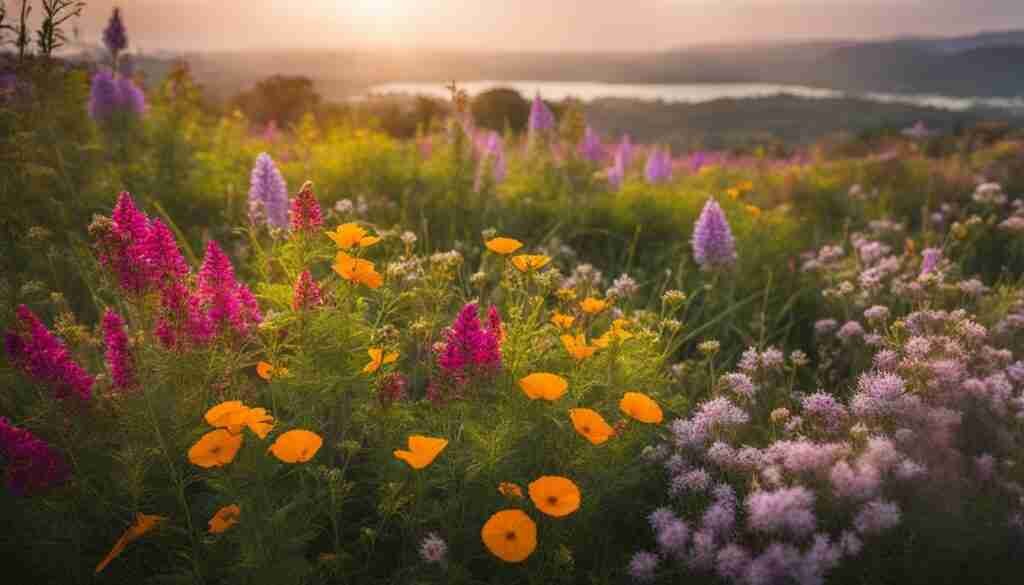
India is home to several renowned botanical gardens that not only showcase the country’s stunning flora but also contribute to the conservation and research of indigenous plant species. These botanical gardens serve as living repositories of India’s botanical heritage, offering visitors a chance to explore and appreciate the diverse plant life found in the country.
Famous Indian Gardens:
- Nilgiri Botanical Garden: Located in Ooty, Tamil Nadu, the Nilgiri Botanical Garden is a picturesque paradise spread over 55 acres. It houses a vast collection of exotic and endemic plant species, including rare orchids, ferns, and medicinal plants.
- Indian Botanical Garden: Situated in Kolkata, West Bengal, the Indian Botanical Garden is one of the oldest and largest botanical gardens in India. It features a stunning collection of trees, lawns, and flower beds, with highlights such as the famous Great Banyan Tree and the Victoria Memorial.
- Lal Bagh Botanical Garden: Located in Bengaluru, Karnataka, Lal Bagh Botanical Garden is a historic garden that sprawls over 240 acres. It is renowned for its impressive collection of tropical and subtropical plants, majestic glasshouse, and the annual flower show.
Flora Conservation in Botanical Gardens
One of the primary goals of these botanical gardens is the conservation of rare and endangered plant species. Through research, propagation programs, and public education, these gardens strive to protect and preserve the unique flora of India.
Table: Conservation Initiatives in Indian Botanical Gardens
| Botanical Garden | Conservation Initiatives |
|---|---|
| Nilgiri Botanical Garden | Endangered plant species propagation, habitat restoration, and awareness campaigns |
| Indian Botanical Garden | Conservation of rare plants, seed bank establishment, and research on plant genetics |
| Lal Bagh Botanical Garden | Conservation of indigenous plants, preservation of heritage trees, and botanical research |
By actively engaging in conservation efforts, these botanical gardens play a crucial role in safeguarding the floral heritage of India, ensuring that future generations can continue to enjoy the beauty and benefits of its diverse plant life.
Valley of Flowers National Park
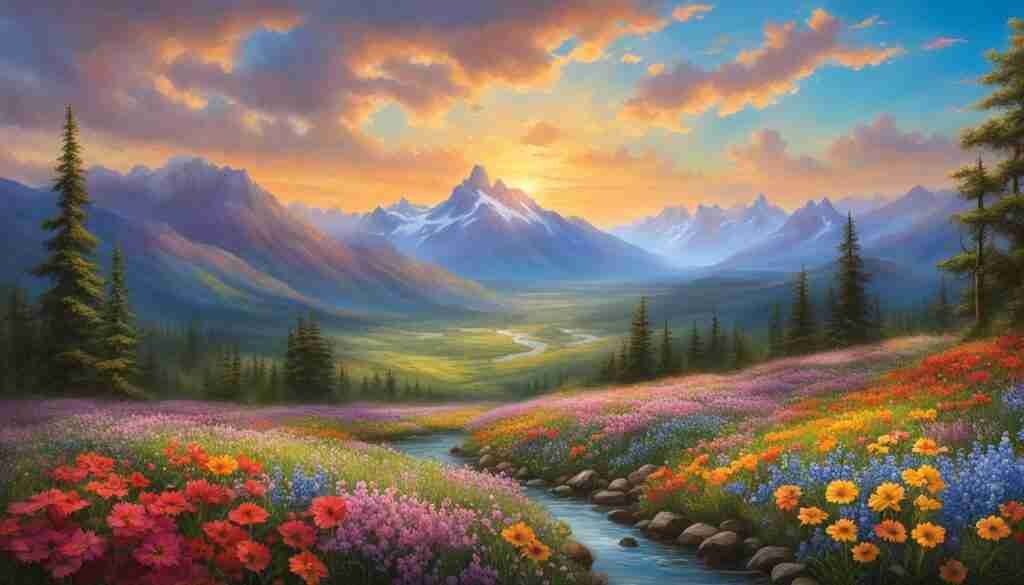
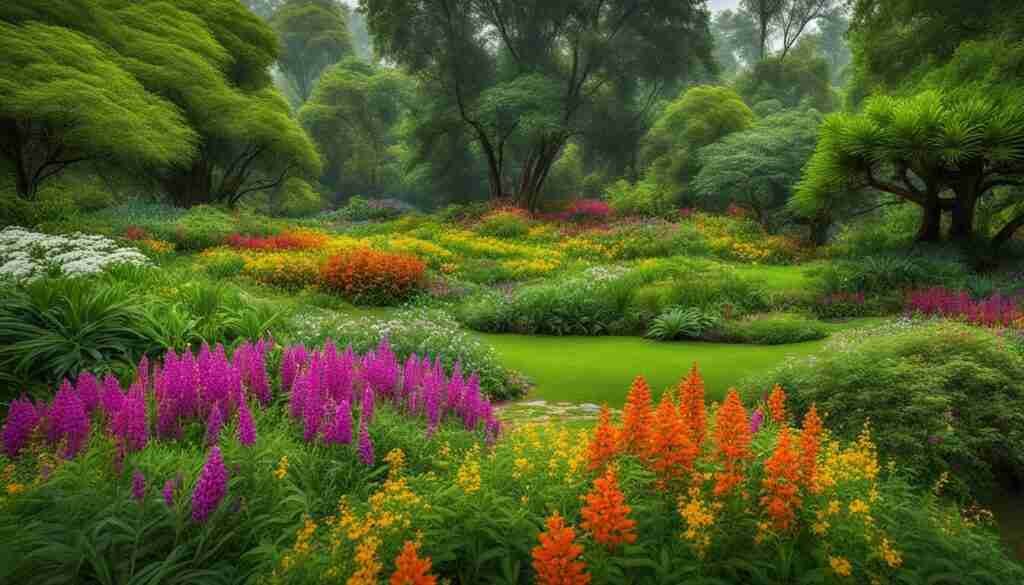
The Valley of Flowers National Park, nestled in the Chamoli district of Uttarakhand, is a mesmerizing UNESCO World Heritage Site that showcases the breathtaking beauty of Himalayan wildflowers. Spanning an area of 87 square kilometers, this national park is a haven for nature lovers and photographers alike, offering a vibrant display of over 600 species of flowers.
From the enchanting orchids to the delicate primulas, the valley boasts a rich variety of wildflowers that bloom from May to October. The landscape comes alive with a riot of colors, with poppies, daisies, and many other wildflower species adding to the surreal beauty of the valley.
Visiting the Valley of Flowers National Park is an unforgettable experience. As you explore the serene trails, surrounded by snow-capped mountains and cascading waterfalls, you’ll be immersed in the enchanting fragrance and vibrant hues of the wildflowers. It’s a true paradise for nature enthusiasts and a must-visit destination for anyone seeking to witness the splendor of Himalayan wildflowers.
Flower Species in Valley of Flowers National Park
| Flower Species | Color |
|---|---|
| Orchids | Purple, Pink, White |
| Poppies | Red, Yellow |
| Primulas | Yellow, Blue, Purple |
| Daisies | White, Yellow |
| And many more… | – |
So, if you’re ready to immerse yourself in the breathtaking beauty of Himalayan wildflowers, plan a visit to the Valley of Flowers National Park. Explore the winding trails, breathe in the fresh mountain air, and witness the awe-inspiring display of colors that nature has to offer.
Kaas Plateau, Maharashtra
Kaas Plateau, located in Satara, Maharashtra, is known as the “plateau of flowers.” This UNESCO World Heritage Site is a rich biodiversity area with over 850 species of flowering plants, including the stunning blue blooms of the Kaas plateau flower.
The plateau changes colors as the cycle of flowering plants progresses with the monsoon season, creating a breathtaking sight for visitors. The best time to visit Kaas Plateau is from June to October.
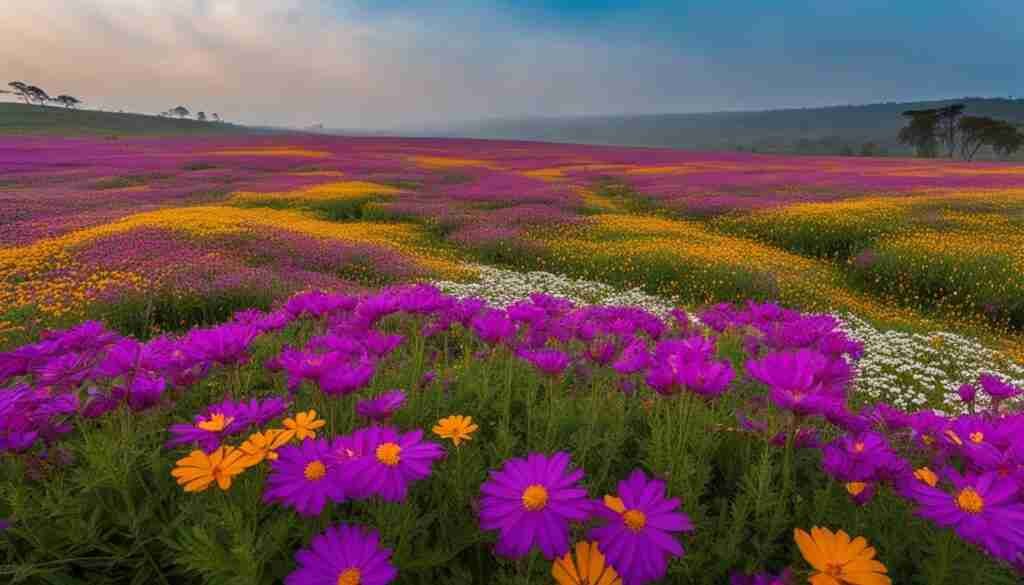
Flower Blooms in Maharashtra
When you visit Kaas Plateau in Maharashtra, you will be greeted by a vibrant display of colorful blooms. The plateau is home to a diverse range of flowers, including orchids, sunflowers, and wild roses.
The blue blooms of the Kaas plateau flower are particularly spectacular and are a sight to behold. As you explore the plateau, you will be surrounded by a sea of flowers in various shapes, sizes, and colors, creating a visual spectacle that is truly mesmerizing.
Plateau of Flowers
The Kaas Plateau is often referred to as the “plateau of flowers” due to its abundance of floral beauty. The plateau transforms into a colorful carpet of blooming flowers during the monsoon season, attracting nature lovers and photographers from all over the world.
From delicate wildflowers to vibrant blossoms, the plateau offers a stunning showcase of nature’s artistic prowess. It is a paradise for flower enthusiasts and a haven for those seeking tranquility amidst nature’s wonders.
If you’re planning a visit to Maharashtra, don’t miss the opportunity to explore the enchanting Kaas Plateau. Witness the breathtaking beauty of the plateau of flowers, immerse yourself in the vibrant colors of nature, and create lasting memories of this botanical paradise.
Yumthang Valley Of Flowers, Sikkim
Welcome to the enchanting Yumthang Valley Of Flowers, nestled in the picturesque state of Sikkim. This valley is a haven for nature enthusiasts, offering a breathtaking display of colorful blooms against the backdrop of the majestic Himalayas. One of the highlights of the valley is the renowned Shingba Rhododendron Sanctuary, home to over 21 varieties of rhododendron.
As you explore the Yumthang Valley, you’ll be delighted by the vibrant tapestry of wildflowers that adorn the landscape. From delicate primulas to cheerful poppies, iris, and geraniums, each flower adds its own unique charm to this floral paradise. The valley is a kaleidoscope of colors, and the best time to visit is from March to June when the flowers are in full bloom.
Shingba Rhododendron Sanctuary
The Shingba Rhododendron Sanctuary, located within the Yumthang Valley, is a treasure trove for botany enthusiasts. Spread over an area of 43 square kilometers, this sanctuary is home to a diverse range of rhododendron species, including the beautiful Rhododendron niveum, Rhododendron campanulatum, and Rhododendron arboreum.
While exploring the sanctuary, you’ll also come across other flower species such as the majestic Himalayan blue poppy, known for its striking blue petals. This sanctuary provides a unique opportunity to witness the remarkable floral diversity of Sikkim and learn about the importance of conservation efforts in preserving these delicate ecosystems.
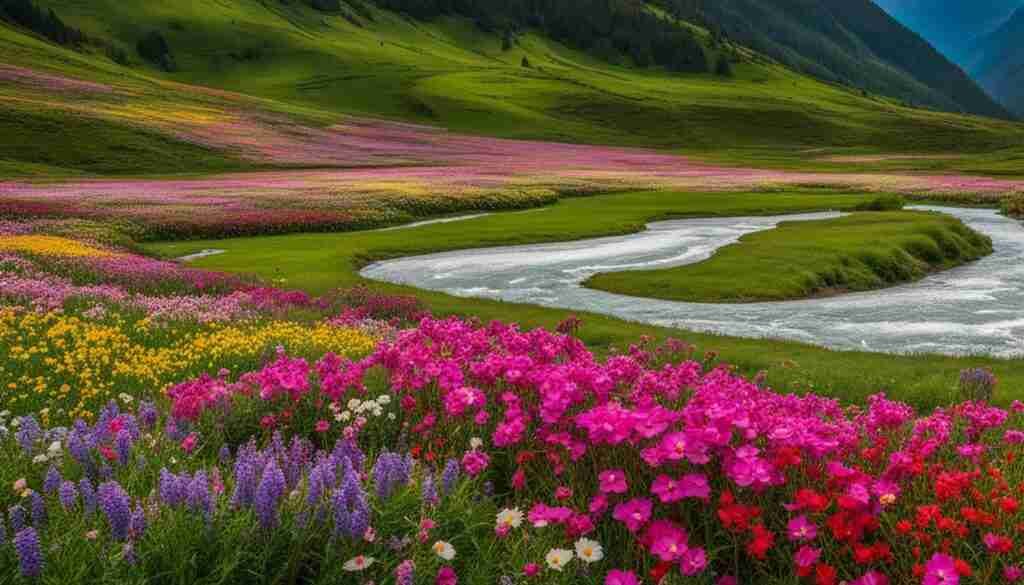
Flower Species in Sikkim
Sikkim is renowned for its rich floral heritage and is home to a wide variety of flower species. In addition to the rhododendrons, you’ll find an abundance of other flowers such as the vibrant Himalayan blue sheep’s bit, the delicate Himalayan fritillary, and the charming Himalayan knotweed.
These flower species not only add to the visual appeal of the region but also serve as vital habitats for numerous insects, birds, and other wildlife. The preservation of these flower species is crucial for maintaining the delicate balance of Sikkim’s ecosystem and ensuring the continued existence of its diverse flora and fauna.
| Flower Species | Common Name | Blooming Season |
|---|---|---|
| Rhododendron niveum | Himalayan Snowline Rhododendron | April to June |
| Himalayan Blue Poppy | Meconopsis grandis | April to June |
| Himalayan Fritillary | Fritillaria cirrhosa | March to May |
| Himalayan Knotweed | Persicaria wallichii | May to July |
Munnar, Kerala
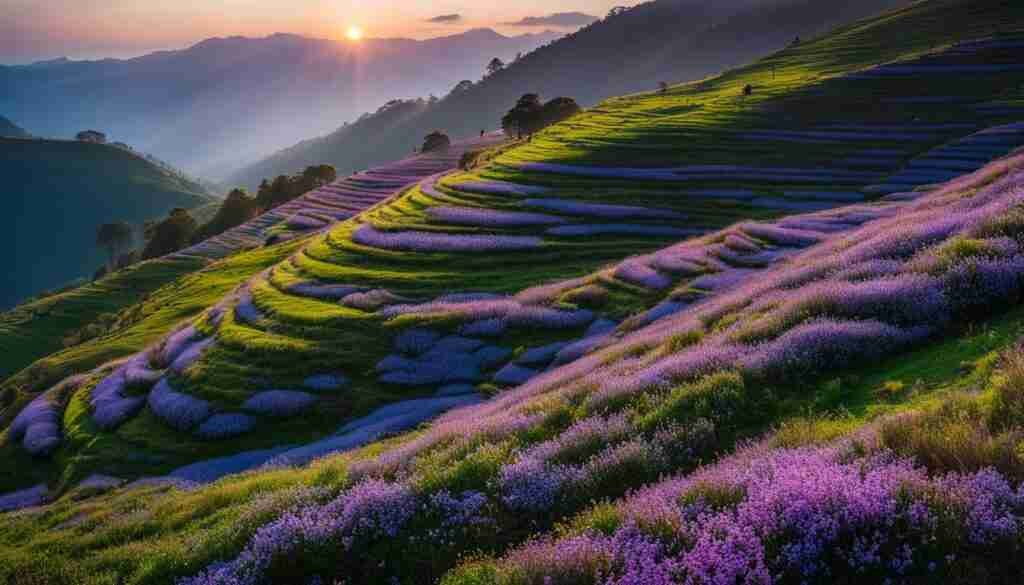
Munnar, a hill station in Kerala, is a haven for nature lovers with its stunning landscapes and unique flora. One of the highlights of Munnar is the Neelakurinji flowers, which bloom once every 12 years, transforming the hills into a mesmerizing sea of blue. This natural phenomenon attracts visitors from all over the world who come to witness the breathtaking spectacle of the Neelakurinji blooms.
The Neelakurinji flowers (Strobilanthes kunthiana) are native to the Western Ghats and are known for their vibrant blue color. When they bloom, they cover the hills of Munnar in a carpet of blue, creating a surreal and enchanting landscape. The blooming period of the Neelakurinji flowers varies depending on the year, but it usually occurs between August and October.
Apart from the Neelakurinji flowers, Munnar is also home to the Nilgiri Tahr, an endangered mountain goat species. These majestic animals can be spotted in the Eravikulam National Park, which is located near Munnar. The park is known for its rolling hills, tea plantations, and diverse wildlife, making it a popular destination for nature enthusiasts and wildlife photographers.
In addition to its natural beauty, Munnar offers various activities for visitors to enjoy. From trekking in the tea plantations to visiting the tea factories and tasting freshly brewed tea, there is something for everyone in Munnar. Whether you’re captivated by the beauty of the Neelakurinji flowers or want to explore the rich biodiversity of the region, Munnar is a must-visit destination in Kerala.
Grasslands of India
The grasslands of India are a significant and often overlooked part of the country’s diverse ecosystem. These vast expanses of grass provide vital habitats for a variety of wildlife and play an essential role in maintaining ecological balance. The grasslands also serve as important grazing grounds for herbivores, supporting their nutrition and overall population.
India is home to a diverse range of grass species, each with its unique characteristics and contributions to the ecosystem. From the tall and graceful Silver cockscomb to the vibrant and colorful Bushes of common hill borage, the grasslands showcase a fascinating variety of Indian grasses. These grass species not only add visual interest to the landscape but also contribute to soil stability and nutrient cycling.
To better understand the diversity of grasses in India, here is a table highlighting some notable grass species found in different regions:
| Grass Species | Region | Characteristics |
|---|---|---|
| Indian Feather grass | North India | Feathery inflorescence, drought-tolerant |
| Kangaroo grass | Central India | Tall, perennial grass with edible seeds |
| Durva grass | Western Ghats | Spreading, drought-resistant grass used in religious rituals |
| Blue grama grass | North-east India | Tufted grass with blue-green leaves, highly palatable for grazing animals |
These grasslands offer valuable insights into the remarkable diversity of Indian flora. They are not only visually captivating but also play a crucial role in supporting the country’s wildlife and maintaining ecological balance. Protecting and conserving these grasslands is essential for the overall health and sustainability of India’s natural heritage.
Conclusion
As we conclude our exploration of India’s wildflowers, we are left in awe of the incredible beauty and biodiversity they possess. From the rare and unique species to the endangered wildflowers, each flower plays a crucial role in the country’s floral heritage and ecosystem.
India’s botanical gardens and national parks provide a haven for these enchanting blooms, allowing us to witness their vibrant colors up close. Whether you venture into the Valley of Flowers, Kaas Plateau, or Munnar, the mesmerizing display of wildflowers will leave you captivated.
Take a moment to appreciate the delicate petals and intricate designs of India’s wildflowers. These natural wonders are not only a sight to behold but also remind us of the importance of conserving and protecting our floral biodiversity for future generations to enjoy.
So, immerse yourself in the magic of India’s wildflowers and uncover the captivating stories they tell through their blooms. From the northern valleys to the southern plateaus, let the rich tapestry of India’s wildflowers inspire and ignite your love for nature.
FAQ
Are wildflowers in India diverse?
Yes, India is home to a diverse range of wildflowers, showcasing the country’s floral biodiversity.
Can I find rare and unique wildflowers in India?
Absolutely! India is blessed with a wide array of unique and rare wildflowers that are found in different parts of the country.
What is the best time to visit the Valley of Flowers National Park?
The Valley of Flowers National Park is best visited from May to October when it comes alive with vibrant blooms.
Where is the Kaas Plateau located?
The Kaas Plateau is located in Satara, Maharashtra, and is known as the “plateau of flowers.”
Are there any botanical gardens in India?
Yes, India is home to several botanical gardens, including the Nilgiri Botanical Garden, Indian Botanical Garden, and Lal Bagh Botanical Garden.
How can I learn how to identify Indian wildflowers?
By studying their unique characteristics, leaf shapes, colors, and habitats, you can learn how to identify Indian wildflowers with the help of field guides, botanical experts, and online resources.
What is the best time to visit Munnar to witness the Neelakurinji blooms?
The best time to witness the Neelakurinji blooms in Munnar is in August, and it lasts up to October.
How can I contribute to the conservation of endangered wildflowers in India?
Endangered wildflowers in India require conservation efforts. Supporting conservation initiatives and raising awareness about these flowers can help protect their fragile populations.
What can I expect to see in the Yumthang Valley Of Flowers?
The Yumthang Valley Of Flowers is home to the Shingba Rhododendron Sanctuary and boasts over 21 varieties of rhododendron, along with other wildflowers like primulas, poppies, iris, and geraniums.
Do grasslands in India have diverse grass species?
Yes, grasslands in India are home to a diverse range of grass species, each with its unique characteristics and contribution to the ecosystem.