
From crimson red blooms to the best red flowers for Alabama gardens, the variety of native red flowers in Alabama will leave you amazed.
These vibrant floral beauties not only add color and charm to your outdoor space but also hold cultural and symbolic meanings. Let’s dive into the world of red flowers and explore the different types, popular varieties, and the significance they hold in Alabama’s culture.
Key Takeaways:
- Alabama offers a diverse selection of red flowers that elevate the beauty of gardens and landscapes.
- Red flowers hold cultural and symbolic significance in Alabama’s culture.
- Explore the different types of red flowers and their popular varieties in Alabama.
- Discover the rich meaning behind red flowers and how they add vibrancy to your outdoor space.
- Experiment with different shades of red to create a unique and enchanting garden that showcases the beauty of Alabama’s native flora.
Indian Paintbrush: A Unique Red Wildflower
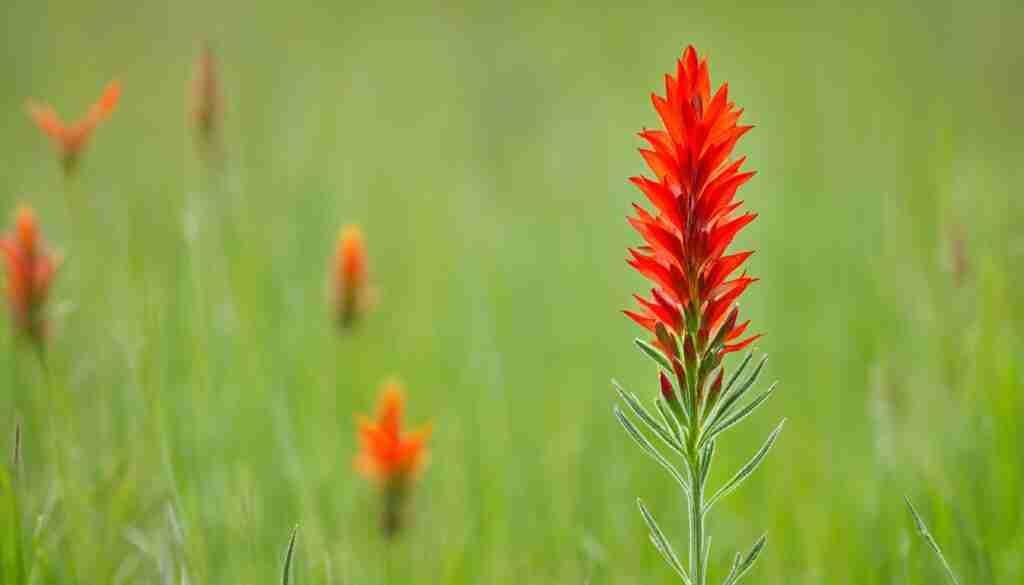
Indian Paintbrush, also known as Scarlet Indian Paintbrush or Scarlet Paintbrush, is a unique red wildflower found in Alabama. It is a biennial or annual plant that belongs to the Castilleja coccinea species.
Indian Paintbrush is characterized by its brush-like clusters of red or orange petals. It is a hemiparasite, relying on other plants for nutrients. This wildflower prefers full sun and is typically found in open fields with other wildflowers and grasses.
Indian Paintbrush can be challenging to grow in home gardens due to its parasitic nature and is commonly seen in meadows, prairies, and open woodlands.
Indian Paintbrush Facts:
- Scientific Name: Castilleja coccinea
- Common Names: Indian Paintbrush, Scarlet Indian Paintbrush, Scarlet Paintbrush
- Plant Type: Biennial or Annual
- Preferred Hardiness Zone: USDA Hardiness Zone 4-8
- Characteristics: Brush-like clusters of red or orange petals
- Growth Conditions: Full sun, open fields, meadows, prairies, open woodlands
Indian Paintbrush Cultivation Tips:
To cultivate Indian Paintbrush in your garden:
- Choose a sunny location in your garden
- Prepare the soil by removing weeds and loosening it
- Sow Indian Paintbrush seeds in early spring or fall
- Water the seeds regularly, keeping the soil moist
- Provide support to the plants to prevent them from falling
- Enjoy the vibrant beauty of Indian Paintbrush in your garden
| Scientific Name | Common Names | Plant Type | Preferred Hardiness Zone | Characteristics | Growth Conditions |
|---|---|---|---|---|---|
| Castilleja coccinea | Indian Paintbrush, Scarlet Indian Paintbrush, Scarlet Paintbrush | Biennial or Annual | USDA Hardiness Zone 4-8 | Brush-like clusters of red or orange petals | Full sun, open fields, meadows, prairies, open woodlands |
Columbine: Delicate Beauty for Alabama Gardens
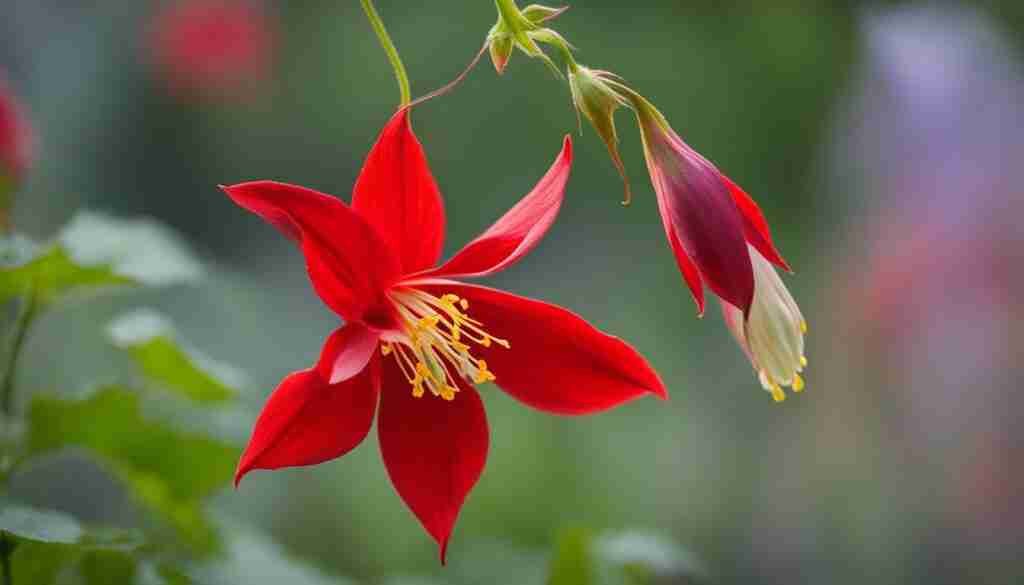
Columbine, also known as Red Columbine or Wild Columbine, is a native red wildflower in Alabama that adds delicate beauty to gardens. It belongs to the Aquilegia canadensis species and thrives in a USDA Hardiness Zone of 3b-8.
Columbine features unique spurred petals that give it the appearance of a small bird in flight.
Its vibrant red blooms come in various shades, making it a stunning addition to any garden. This native wildflower is not only visually appealing but also attracts hummingbirds and butterflies, adding a touch of whimsy to your outdoor space.
Columbine is incredibly adaptable and can grow in different soil conditions, from well-draining sandy soils to heavier clay soils. It thrives in both partial shade and full sun, making it a versatile choice for Alabama gardens.
Columbine Cultivars
Columbine is available in a variety of cultivated forms, offering a range of colors and petal shapes. Here are some popular columbine cultivars you can consider for your garden:
| Name | Bloom Color | Height | Features |
|---|---|---|---|
| Aquilegia ‘Origami Red & White’ | Red with white centers | 14-16 in. | Double-flowered |
| Aquilegia ‘Crimson Star’ | Deep red | 20-24 in. | Vigorous bloomer |
| Aquilegia ‘Biedermeier’ | Mixed colors, including red | 10-16 in. | Compact, bushy habit |
These cultivars offer a wider range of color options and may have unique features that enhance the beauty of columbine in your garden.
Columbine Symbolism
Columbine has different meanings in various cultures. In ancient Greek mythology, it was associated with the goddess Aphrodite and represented beauty and love. Similarly, in the language of flowers, columbine is often associated with love, affection, and desire.
In Native American traditions, columbine was used for medicinal purposes, including treating ailments such as heart problems and the common cold. It was also believed to have protective properties and was sometimes used in rituals.
Overall, columbine is a captivating red wildflower that brings delicate beauty and symbolism to Alabama gardens. Its vibrant blooms and adaptability make it a perfect choice for both beginner and seasoned gardeners.
Red Trillium: Early Blooms in Alabama
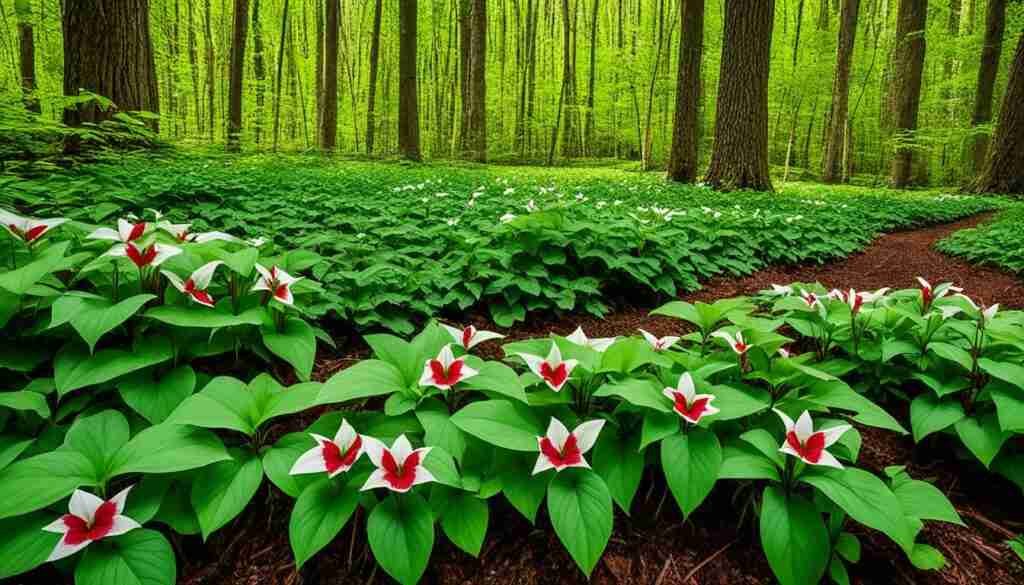
Red Trillium, also known as Trillium erectum, is a perennial wildflower that thrives in the climate of Alabama. This beautiful flower emerges in early spring, making it one of the first blooms to grace the Alabama landscape after winter.
Red Trillium can be found in various shaded woody areas, such as forest edges, adding a touch of vibrant color to these natural surroundings.
Red Trillium belongs to the Trillium genus and is characterized by its three distinctive petals. These petals come in a range of shades, including red, maroon, purple, yellow, and white, creating a captivating display of colors.
The blooming period of Red Trillium is relatively short-lived, with the flowers swiftly fading away. However, this fleeting beauty makes encountering Red Trillium an enchanting experience during the spring season.
The USDA Hardiness Zone for Red Trillium spans from 4b to 7a, making it adaptable to different regions within Alabama. This wildflower typically reaches a height of 8 to 16 inches, adding a modest yet striking presence to the landscape.
The unique combination of its shade tolerance and preference for shaded woody areas makes Red Trillium a perfect choice for forest edges, where it can thrive and flourish.
| Common Name | Scientific Name | Blooming Colors | Height | Preferred Habitat |
|---|---|---|---|---|
| Red Trillium | Trillium erectum | Red, Maroon, Purple, Yellow, White | 8-16 inches | Shaded woody areas, forest edges |
Fire Pink: A Carnivorous Red Wildflower
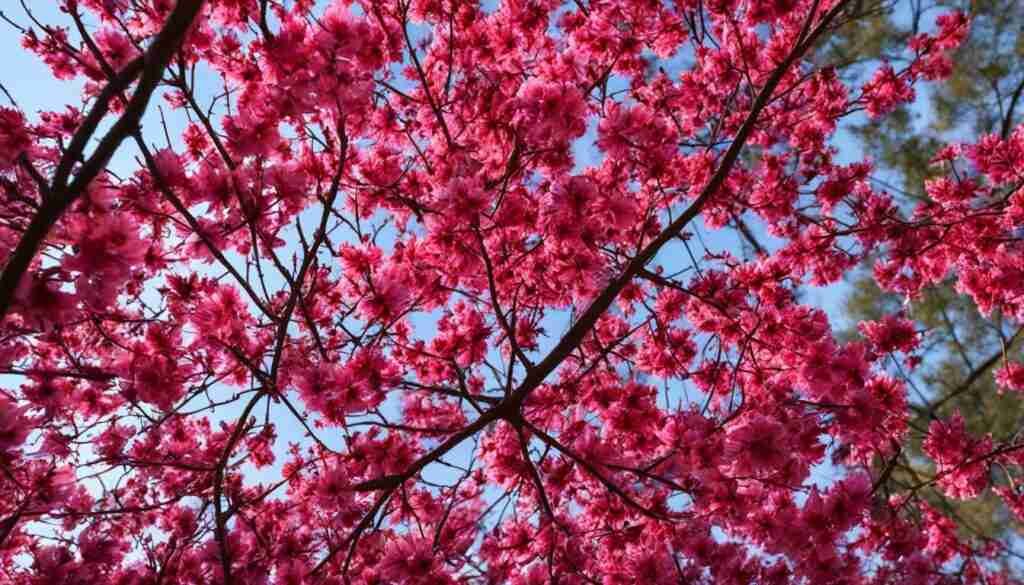
Fire Pink, also known as Scarlet Catchfly, is a fascinating native red wildflower that adds a unique touch to Alabama gardens.
Belonging to the Silene virginica species, Fire Pink is a perennial plant that thrives in USDA Hardiness Zone 4-8a. With its vibrant bright red petals that flare out into long tubes, Fire Pink is a captivating sight.
This perennial plant can grow to a height of 8-36 inches, making it a standout feature in any garden.
What sets Fire Pink apart from other red flowers is its carnivorous nature. It possesses sticky hairs that trap and consume insects, making it a fascinating addition for wildlife enthusiasts. If you enjoy observing nature up close, Fire Pink is the perfect choice.
Not only does Fire Pink attract insects, but it also serves as a magnet for hummingbirds and various small songbirds. Its vibrant blooms are irresistible to these colorful creatures, enhancing the beauty of your garden and creating a harmonious ecosystem.
If you’re looking to add an exotic touch to your garden and appreciate the wonders of nature, Fire Pink is an excellent choice. Its stunning red petals, carnivorous characteristics, and ability to attract wildlife make for an enchanting addition to any Alabama garden.
| Plant Name | Blooming Period | Height | Attractiveness to Wildlife |
|---|---|---|---|
| Fire Pink | Spring to summer | 8-36 inches | Attracts hummingbirds and small songbirds |
Pitcher Plant: A Fascinating Carnivorous Red Flower
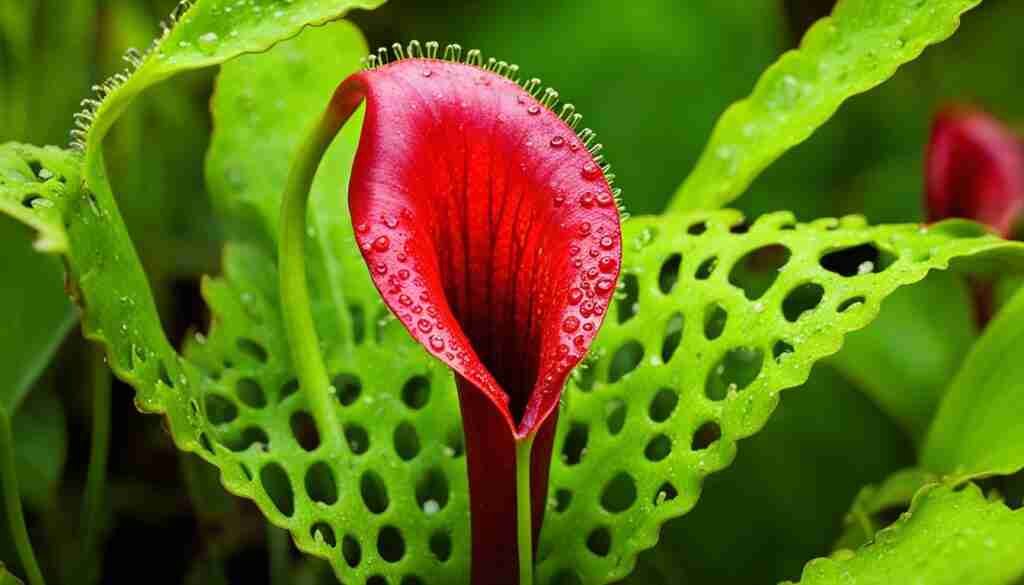
Pitcher Plant, also known as Purple Pitcher Plant or Northern Pitcher Plant, is a fascinating carnivorous red flower found in Alabama. It is a perennial plant that thrives in a USDA Hardiness Zone of 3-9.
Pitcher Plants are known for their unique pitcher-shaped leaves that trap and consume small animals, including insects, frogs, and salamanders. They obtain nutrients from their prey through digestion.
Pitcher Plants have purple-veined leaves that form a pitcher or cup shape, with a single reddish-purple flower at the top. These plants attract a wide range of animals and are a captivating addition to any garden.
Pitcher Plant Overview
| Common Name | Scientific Name | Hardiness Zone | Characteristics |
|---|---|---|---|
| Pitcher Plant | Sarracenia spp. | 3-9 | – Carnivorous plant with pitcher-shaped leaves |
| Purple Pitcher Plant | Sarracenia purpurea | 3-9 | – Purple-veined leaves – Single reddish-purple flower at the top |
| Northern Pitcher Plant | Sarracenia purpurea | 3-9 | – Native to Northern regions – Carnivorous plant with pitcher-shaped leaves |
Cardinal Flower: A Stunning Red Bloom for Alabama Landscapes
The Cardinal Flower, also known as Red Bay or Scarlet Lobelia, is a perennial plant that adds vibrant beauty to Alabama landscapes.
Belonging to the Lobelia cardinalis species, this stunning red wildflower thrives in the USDA Hardiness Zone 3-9a. It can grow up to a height of 3.6-72 inches, showcasing its striking red flowers from mid-summer to early fall.
The Cardinal Flower is a favorite among hummingbirds due to its tubular flowers, attracting these mesmerizing creatures to your garden. Whether in partial shade or full sun, this versatile plant thrives well, making it the perfect addition to any Alabama garden.
With its captivating colors and attractive floral display, the Cardinal Flower brings life and vibrancy to your outdoor space. Planting Cardinal Flowers in your garden will not only create a stunning visual impact but also provide a charming habitat for hummingbirds.
Cardinal Flower at a Glance
| Growth | Blooming Season | Height | USDA Hardiness Zone |
|---|---|---|---|
| Perennial | Mid-summer to early fall | 3.6-72 inches | 3-9a |
Conclusion
Red flowers in Alabama offer a vibrant and charming addition to any garden or landscape.
From the unique Indian Paintbrush to the delicate beauty of Columbine, the early blooms of Red Trillium, the carnivorous nature of Fire Pink and Pitcher Plant, to the attraction of Cardinal Flower to hummingbirds, there is a diverse array of red floral options to choose from.
These stunning blooms, ranging from crimson to maroon, bring a burst of color and life to outdoor spaces in Alabama, creating a captivating visual experience.
Experiment with different shades of red to create a truly unique and enchanting garden that showcases the beauty of Alabama’s native flora.
Whether you prefer the bold and striking hues or the softer and more subtle tones, red flowers add a touch of drama and elegance to any setting.
The various types and varieties of red flowers in Alabama provide endless possibilities for creating a personalized garden that reflects your style and preferences.
Red flowers have historical and cultural significance, symbolizing love, passion, courage, and beauty. They have been used in ceremonies, traditions, and celebrations throughout history.
Incorporating red flowers in your garden not only adds visual appeal but also connects you to a rich tapestry of cultural meanings and traditions. So, have fun exploring the world of red flowers in Alabama and let their vibrant beauty transform your outdoor space.
FAQ
What types and varieties of red flowers are native to Alabama?
Alabama is home to a variety of native red flowers, including Indian Paintbrush, Columbine, Red Trillium, Fire Pink, Pitcher Plant, and Cardinal Flower.
What is the USDA Hardiness Zone for Indian Paintbrush?
Indian Paintbrush thrives in a USDA Hardiness Zone of 4-8.
What is the USDA Hardiness Zone for Columbine?
Columbine thrives in a USDA Hardiness Zone of 3b-8.
Where can Red Trillium be found in Alabama?
Red Trillium can be found in shaded woody areas, such as forest edges.
What is the USDA Hardiness Zone for Fire Pink?
Fire Pink thrives in a USDA Hardiness Zone of 4-8a.
What is unique about Pitcher Plant?
Pitcher Plant is a carnivorous red flower with pitcher-shaped leaves that trap and consume small animals.
What is the USDA Hardiness Zone for Pitcher Plant?
Pitcher Plant thrives in a USDA Hardiness Zone of 3-9.
What is the USDA Hardiness Zone for Cardinal Flower?
Cardinal Flower thrives in a USDA Hardiness Zone of 3-9a.
How do red flowers add vibrancy to Alabama gardens?
Red flowers bring vibrant color and charm to Alabama gardens, adding beauty and liveliness to the landscape.