
Arkansas is home to a diverse array of native wildflowers. From the Common Evening Primrose with its historical medicinal uses to the White-Leaf Mountain Mint known for its minty scent, there are numerous beautiful and fascinating wildflowers to discover in the state.
Key Takeaways:
- Arkansas is rich in native wildflowers, each with its unique beauty and charm.
- The Common Evening Primrose and White-Leaf Mountain Mint are just two examples of the many native wildflowers found in Arkansas.
- Understanding the characteristics and habitat of Arkansas wildflowers can help with identification and appreciation.
- There are several stunning locations in Arkansas where wildflowers can be observed and photographed.
- Native plants in Arkansas play a crucial role in supporting the local ecosystem and biodiversity.
Know Your Natives – Common Evening Primrose
The Common Evening Primrose, also known as Oenothera biennis, is a native wildflower that belongs to the Evening Primrose family (Onagraceae). This beautiful plant is characterized by its yellow flowers and is commonly found in the state of Arkansas. The Common Evening Primrose has a fascinating history, as it has been used for medicinal purposes for centuries.
One of the interesting aspects of the Common Evening Primrose is its ability to produce oil from its seeds. This oil contains a high concentration of gamma-linolenic acid, which has been used in traditional medicine to treat various ailments. Today, the oil is often used in cosmetic products due to its moisturizing and anti-inflammatory properties.
If you come across the Common Evening Primrose while exploring the natural beauty of Arkansas, take a moment to appreciate its delicate yellow flowers and learn more about its historical significance. This wildflower is not only a visual delight but also a reminder of the rich plant diversity that the state has to offer.
Table: Common Evening Primrose
| Scientific Name | Family | Characteristics |
|---|---|---|
| Oenothera biennis | Onagraceae | – Yellow flowers – Medicinal uses – Produces oil from seeds |
Know Your Natives – White-Leaf Mountain Mint
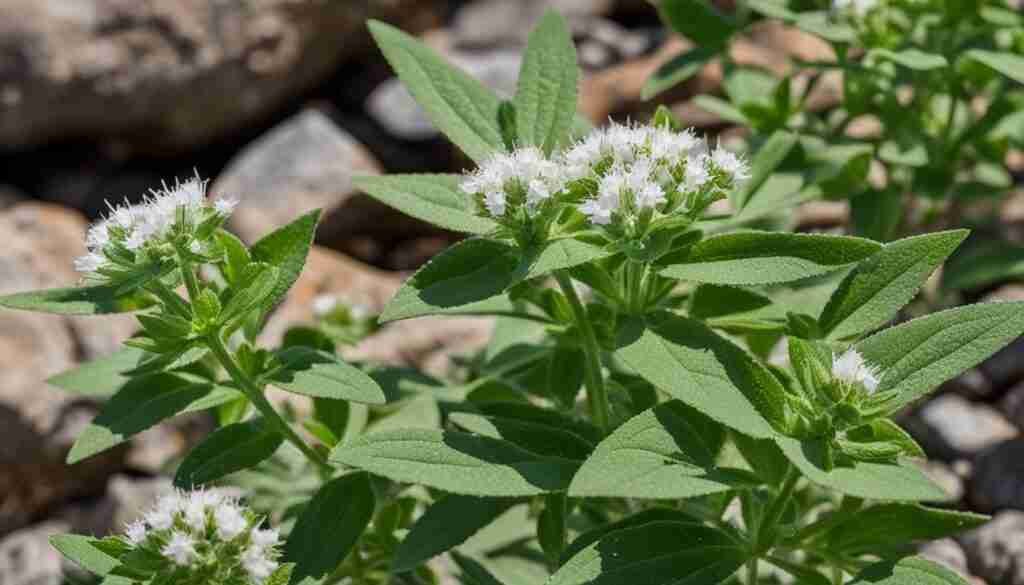
The White-Leaf Mountain Mint, scientifically known as Pycnanthemum albescens, is a tall perennial forb native to Arkansas.
Belonging to the Mint family (Lamiaceae), this fascinating plant features an open, gangly structure and fragrant leaves that emit a strong minty scent when crushed. The White-Leaf Mountain Mint is a visually appealing wildflower with clusters of small, white flowers that bloom from late spring to early summer.
This native wildflower plays an important role in supporting pollinators and wildlife. It attracts bees, butterflies, and other beneficial insects, making it a valuable addition to any garden or natural habitat. The White-Leaf Mountain Mint is also known for its medicinal properties. It has been historically used by Native Americans for its aromatic and therapeutic qualities.
Characteristics of White-Leaf Mountain Mint
Here are some key characteristics of the White-Leaf Mountain Mint:
- Scientific Name: Pycnanthemum albescens
- Family: Lamiaceae
- Height: Tall perennial forb
- Structure: Open, gangly
- Leaves: Fragrant, white-leafed
- Flowers: Small, white clusters
- Bloom Time: Late spring to early summer
- Attraction: Bees, butterflies, beneficial insects
- Uses: Medicinal, aromatic
| Scientific Name | Family | Height | Structure | Leaves | Flowers | Bloom Time | Attraction | Uses |
|---|---|---|---|---|---|---|---|---|
| Pycnanthemum albescens | Lamiaceae | Tall perennial forb | Open, gangly | Fragrant, white-leafed | Small, white clusters | Late spring to early summer | Bees, butterflies, beneficial insects | Medicinal, aromatic |
White-Leaf Mountain Mint is a visually appealing and fragrant native wildflower that adds beauty and functionality to any landscape. Whether you’re a nature enthusiast, gardener, or herbalist, exploring and growing this versatile plant can be a rewarding experience.
Its presence in the ecosystem provides multiple benefits, from supporting pollinators to offering medicinal properties. Be sure to include the White-Leaf Mountain Mint in your native plant collection and appreciate its unique qualities.
Know Your Natives – White Wand Beardtongue
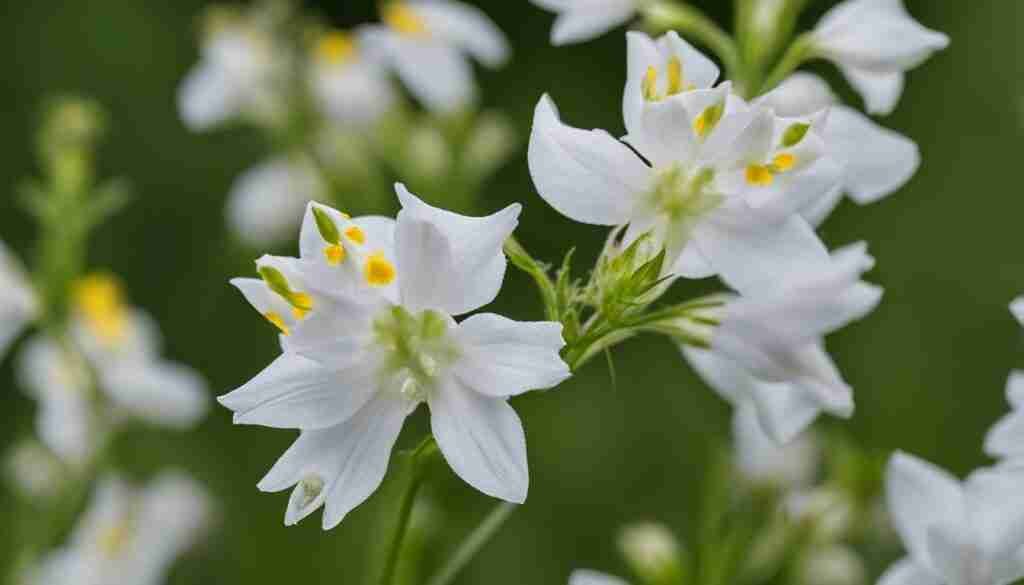
White Wand Beardtongue, scientifically known as Penstemon tubiflorus, is a native plant in Arkansas. Belonging to the Plantaginaceae family, this species features erect stems adorned with beautiful white tubular flowers. It is sometimes also spelled as P. tubaeflorus.
The stunning blooms of the White Wand Beardtongue attract pollinators like bees and butterflies, adding a touch of vibrancy to the natural landscape. This perennial plant thrives in well-drained soils and is often found in open areas and meadows throughout the state.
Characteristics of White Wand Beardtongue:
- Scientific Name: Penstemon tubiflorus
- Family: Plantaginaceae
- Flower Color: White
- Growth Habit: Perennial
- Habitat: Open areas, meadows
- Attraction: Bees, butterflies
- Soil Preference: Well-drained
White Wand Beardtongue is a visually striking wildflower that adds elegance and charm to the Arkansas landscape. Whether you encounter it on a nature hike or in your own backyard, this native plant is sure to captivate with its delicate white flowers and slender stems. Take a moment to appreciate this beautiful species and its contribution to the biodiversity of Arkansas.
| Scientific Name | Family | Flower Color | Growth Habit | Habitat | Attraction | Soil Preference |
|---|---|---|---|---|---|---|
| Penstemon tubiflorus | Plantaginaceae | White | Perennial | Open areas, meadows | Bees, butterflies | Well-drained |
Know Your Natives – Clasping Venus’ Looking Glass
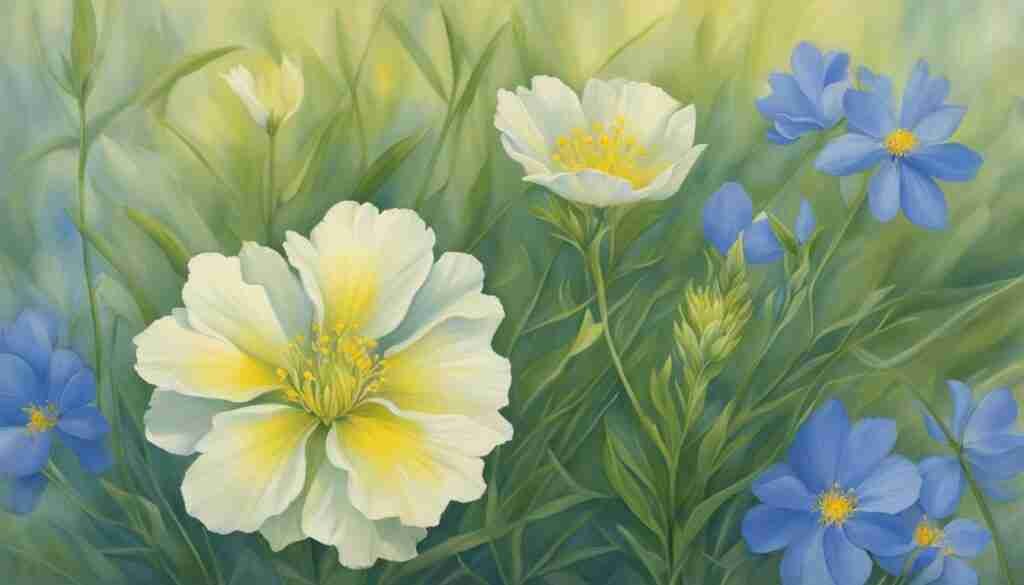
The Clasping Venus’ Looking Glass, scientifically called Triodanis perfoliata, is an erect to reclined annual forb with clasping, ovate to orbicular leaves. It belongs to the Bellflower family (Campanulaceae) and has both non-opening and opening flowers.
This delicate wildflower is named after its unique appearance, as the non-opening flowers resemble looking glasses. The Clasping Venus’ Looking Glass can be found in various locations throughout Arkansas, particularly in open meadows and woodland edges.
One of the distinguishing features of the Clasping Venus’ Looking Glass is its clasping leaves. The leaves wrap around the stem, appearing as if they are pierced by it. This adaptation helps the plant to conserve moisture and protect against herbivores.
The non-opening flowers have a closed, bell-shaped structure with intricate patterns, while the opening flowers reveal a star-shaped form with vibrant purple-blue petals. The Clasping Venus’ Looking Glass blooms from spring to summer, adding a splash of color to the natural landscape.
The Clasping Venus’ Looking Glass is an important wildflower for pollinators as it provides a nectar source for bees, butterflies, and other insects. Its seeds are also consumed by birds and small mammals, contributing to the overall ecosystem.
If you are interested in adding this beautiful native wildflower to your garden, it is important to recreate its preferred habitat. Plant it in a sunny location with well-drained soil and provide regular watering to mimic its natural growing conditions.
Characteristics of the Clasping Venus’ Looking Glass
| Scientific Name | Triodanis perfoliata |
|---|---|
| Common Name | Clasping Venus’ Looking Glass |
| Family | Bellflower (Campanulaceae) |
| Habit | An erect to reclined annual forb |
| Leaves | Clasping, ovate to orbicular |
| Flowers | Non-opening flowers resemble looking glasses, opening flowers with purple-blue petals |
| Blooming Season | Spring to summer |
| Habitat | Open meadows, woodland edges |
By embracing the beauty of the Clasping Venus’ Looking Glass, you can not only enjoy its aesthetic appeal but also contribute to the preservation of Arkansas’ native wildflowers.
Know Your Natives – Wild Strawberry
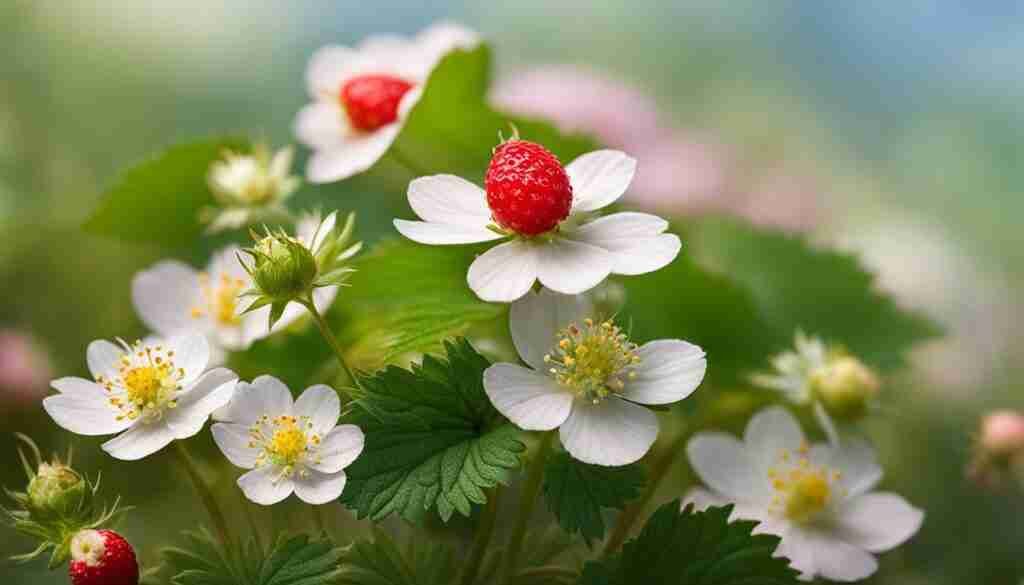
Native to Arkansas, the Wild Strawberry (Fragaria virginiana) is an evergreen plant that displays delicate scarlet strawberries embedded with achenes in pits. Belonging to the Rosaceae family, this charming wildflower is known for its fragrance and is a delightful addition to any garden.
The Wild Strawberry is a popular choice among gardeners due to its petite size and attractive foliage. Its bright green, trifoliate leaves provide an elegant backdrop for the dainty white flowers that bloom in late spring. These flowers eventually give way to the small, sweet strawberries that are enjoyed by both humans and wildlife.
If you’re considering adding the Wild Strawberry to your garden, it’s important to note that it prefers moist, well-drained soil and partial shade. It can be propagated through runners or by purchasing established plants from nurseries. With its beautiful blooms and delectable fruits, the Wild Strawberry is sure to add a touch of natural beauty to your landscape.
The Benefits of Wild Strawberries
Aside from their visual appeal, Wild Strawberries offer several benefits. These native plants attract pollinators, such as bees and butterflies, helping to support the local ecosystem. Additionally, the fruits are enjoyed by birds and small mammals, contributing to the biodiversity of the area.
| Benefits of Wild Strawberries | |
|---|---|
| Attracts pollinators | Supports local ecosystem |
| Provides food for birds and small mammals | Contributes to biodiversity |
| Enhances landscape with beauty and fragrance |
Whether you choose to cultivate Wild Strawberries for their aesthetic appeal, their ability to attract wildlife, or simply for the joy of growing your own delicious strawberries, this native Arkansas wildflower is sure to be a delightful addition to your garden.
Know Your Natives – Old Field Cinquefoil
The Old Field Cinquefoil, scientifically named Potentilla simplex, is a low-growing plant with bright yellow 5-petal flowers. It belongs to the Rose family (Rosaceae) and is known for its medicinal properties. This beautiful native wildflower can be found in various habitats across Arkansas, including open fields, roadsides, and prairies. It thrives in full sun and well-drained soils.
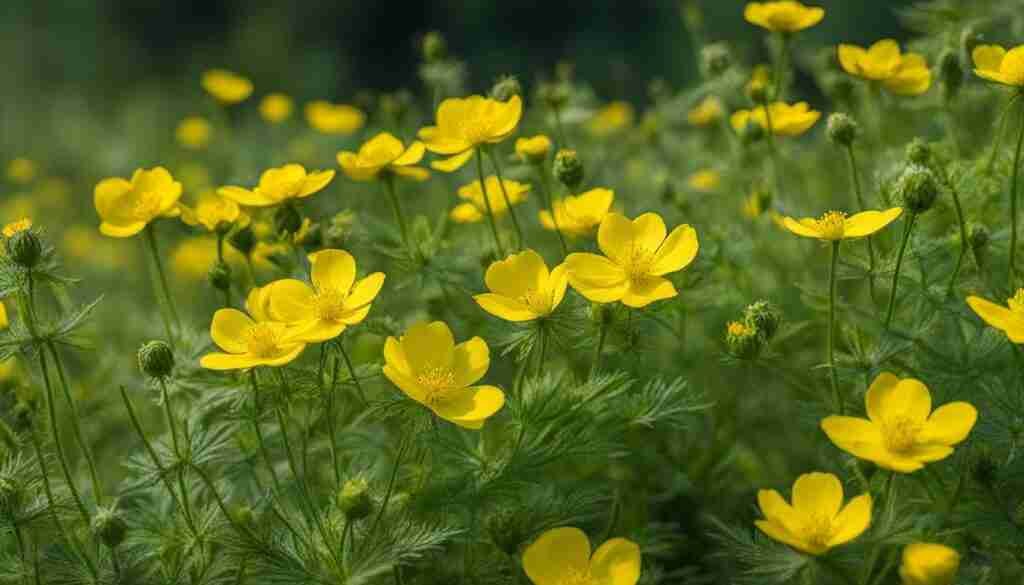
Characteristics of Old Field Cinquefoil:
- Height: Low-growing, typically reaching a height of 6-16 inches.
- Leaves: Compound leaves with toothed margins.
- Flowers: Bright yellow, 5-petal flowers with a diameter of approximately 0.75-1 inch.
- Blooming Season: Blooms from late spring to early summer.
- Habitat: Thrives in open fields, meadows, and disturbed areas.
- Uses: The Old Field Cinquefoil has traditionally been used for its medicinal properties, including treating diarrhea, dysentery, and sore throats.
By familiarizing yourself with the Old Field Cinquefoil, you can enhance your knowledge of Arkansas’ native wildflowers and appreciate the natural beauty that surrounds us. Whether you encounter it during a leisurely walk or stumble upon it in a prairie, the Old Field Cinquefoil is sure to catch your eye with its vibrant yellow blooms.
Know Your Natives – Hispid Buttercup
The Hispid Buttercup, scientifically known as Ranunculus hispidus, is an upland perennial forb that belongs to the Buttercup family (Ranunculaceae). This native wildflower can be found in Arkansas and is characterized by its bright yellow flowers.
The Hispid Buttercup is known for its spreading pubescence on stems and petioles, which gives it a distinctive appearance. This wildflower adds a vibrant touch to any natural landscape or garden.
If you’re interested in identifying the Hispid Buttercup, look for its tall stems and the yellow flowers that bloom from spring to early summer. The leaves of this wildflower are deeply divided and have a lobed appearance. The Hispid Buttercup prefers upland habitats and can often be found in meadows, fields, and open areas where it thrives in well-drained soils.
Characteristics of the Hispid Buttercup:
- Scientific Name: Ranunculus hispidus
- Family: Buttercup family (Ranunculaceae)
- Flower Color: Bright yellow
- Plant Type: Upland perennial forb
- Bloom Time: Spring to early summer
- Habitat: Meadows, fields, open areas
- Growth Requirements: Well-drained soils
The Hispid Buttercup is a beautiful addition to any wildflower garden, attracting pollinators and adding a pop of color to the landscape. Whether you’re a nature enthusiast or a photographer looking to capture the beauty of Arkansas wildflowers, the Hispid Buttercup is a species worth knowing and appreciating.
Know Your Natives – Downy Phlox
When it comes to native wildflowers in Arkansas, the Downy Phlox (scientific name: Phlox pilosa) is a standout with its vibrant and variable flower colors. This semi-evergreen perennial forb belongs to the Phlox family (Polemoniaceae) and can be found in various habitats across the state. The Downy Phlox is known for its flame-like flower color, which ranges from rich purples and pinks to soft lavenders and whites.
One of the distinguishing features of the Downy Phlox is its downy foliage and stems, giving it a soft and velvety appearance. It typically grows to a height of 1 to 2 feet and produces showy clusters of flowers atop its slender stems. The flowers themselves are small, but their vibrant colors and delicate petals make them a beautiful sight to behold.
The Downy Phlox is a favorite among pollinators such as bees and butterflies, who are attracted to its nectar-rich flowers. It also serves as a valuable food source for birds and small mammals. If you’re looking to attract pollinators and add a pop of color to your garden, the Downy Phlox is a fantastic choice.
The Benefits of Growing Downy Phlox
By planting Downy Phlox in your garden, you’ll not only enjoy its vibrant flowers but also contribute to the conservation of native plants in Arkansas. Native wildflowers like the Downy Phlox play a crucial role in supporting local ecosystems.
They provide food and habitat for native wildlife, attract pollinators, and help maintain the balance of biodiversity in the region.
In addition to their ecological benefits, Downy Phlox and other native wildflowers are also a delight for gardeners and nature enthusiasts. They add beauty and diversity to landscapes, require minimal maintenance, and can thrive in a wide range of growing conditions.
Whether you’re starting a new garden or enhancing an existing one, incorporating native plants like the Downy Phlox can bring joy and ecological value to your outdoor space.
| Common Name | Scientific Name | Family |
|---|---|---|
| Downy Phlox | Phlox pilosa | Polemoniaceae |
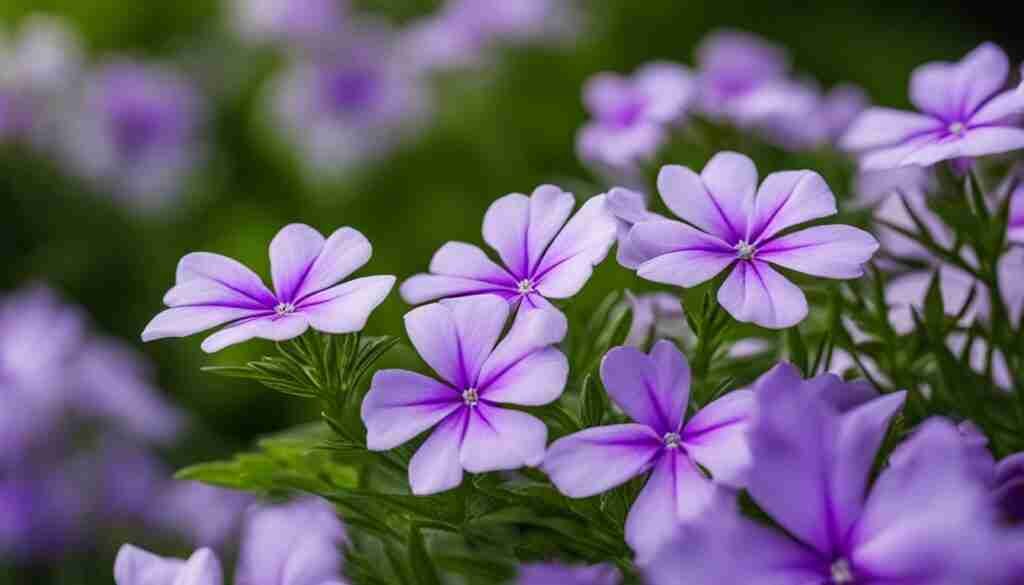
In summary, the Downy Phlox is a stunning native wildflower in Arkansas that showcases a wide array of colorful flowers. Its downy foliage, attractive to pollinators, and ecological benefits make it a valuable addition to any garden or natural habitat.
By appreciating and planting native wildflowers like the Downy Phlox, you can contribute to the preservation of Arkansas’ natural heritage and create a visually captivating outdoor space.
Know Your Natives – Rough Leaf Dogwood
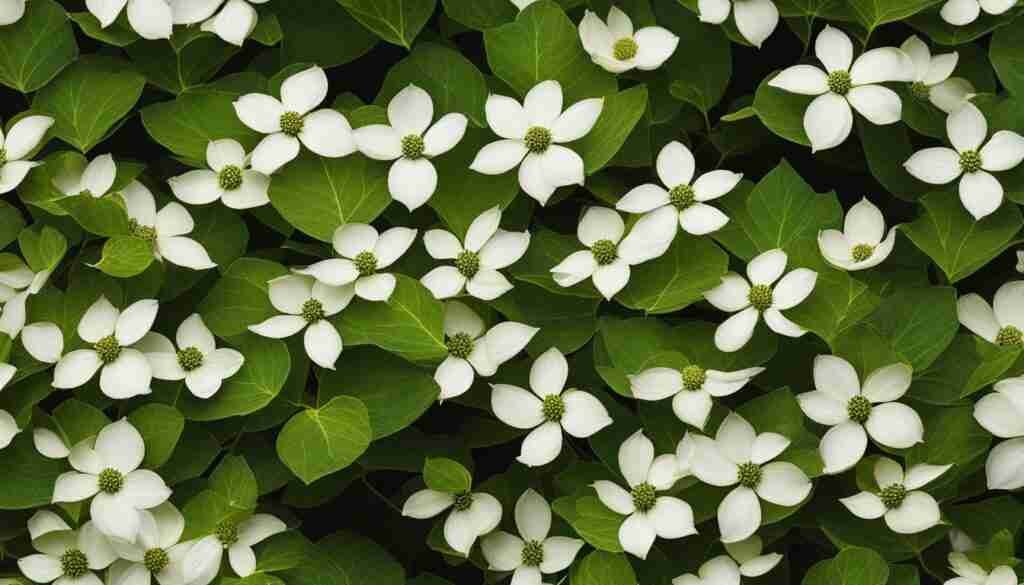
The Rough Leaf Dogwood, scientifically known as Cornus drummondii, is a small deciduous tree native to Arkansas. Its striking white fruit adds beauty and interest to the landscape. Belonging to the Dogwood family (Cornaceae), this tree is known for its rough-textured leaves and attractive bark. The Rough Leaf Dogwood is an excellent choice for wildlife gardens and provides food and shelter for birds and small mammals.
| Common Name | Scientific Name | Family |
|---|---|---|
| Rough Leaf Dogwood | Cornus drummondii | Cornaceae |
This native tree typically grows in moist, well-drained soil and thrives in full sun to partial shade. It can reach heights of 15 to 20 feet and has a spread of 10 to 15 feet.
The Rough Leaf Dogwood blooms in late spring with clusters of small white flowers, attracting pollinators such as bees and butterflies. After flowering, it produces attractive white berries that persist throughout the summer, providing a food source for birds.
In addition to its ornamental value, the Rough Leaf Dogwood has been used for various medicinal purposes. Native Americans recognized its astringent properties and used the bark and roots to treat diarrhea, dysentery, and other digestive ailments. Today, this tree continues to be appreciated for its beauty, ecological value, and traditional uses.
Know Your Natives – Downy Lobelia
The Downy Lobelia, scientifically referred to as Lobelia puberula, is a pubescent perennial forb with showy racemes of blue to lavender flowers. Belonging to the Bellflower family (Campanulaceae), this native wildflower adds a touch of color and elegance to Arkansas landscapes. The Downy Lobelia is known for its attractive flowers, which bloom in clusters and create a stunning visual display.
This wildflower typically grows up to 2 feet in height and features lance-shaped leaves covered in soft hairs, giving it a downy appearance. Its flowers are tubular and can range in color from deep blue to light purple. The Downy Lobelia blooms in the late summer to early fall, adding a burst of vibrant color to gardens and natural areas.
As a native plant, the Downy Lobelia thrives in well-drained soil and prefers partial shade to full sun. It is commonly found in moist habitats such as woodland edges, meadows, and stream banks. Not only does it attract pollinators like bees and butterflies, but it also provides nectar and food sources for them.
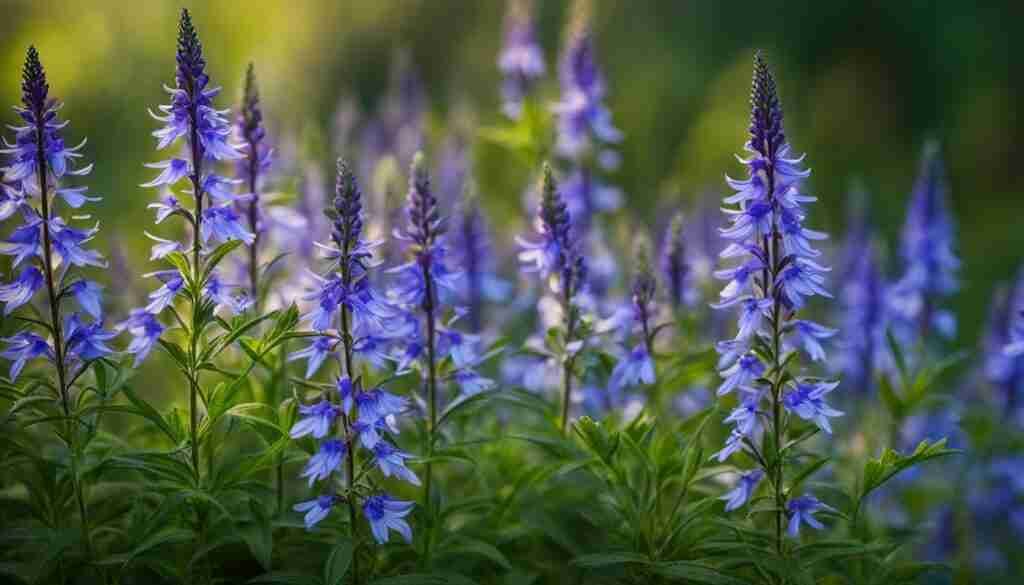
Key Points:
- The Downy Lobelia is a pubescent perennial forb with blue to lavender flowers.
- It belongs to the Bellflower family (Campanulaceae) and grows up to 2 feet in height.
- The Downy Lobelia blooms in late summer to early fall and prefers well-drained soil and partial shade.
- It attracts pollinators and provides nectar and food sources for bees and butterflies.
| Common Name | Scientific Name | Family | Height | Flower Color |
|---|---|---|---|---|
| Downy Lobelia | Lobelia puberula | Campanulaceae | Up to 2 feet | Blue to lavender |
21 Common Native Wildflowers in Arkansas
Arkansas is home to a diverse array of native wildflowers, offering a stunning display of beauty and color. Whether you’re a nature enthusiast, a photographer, or simply someone who appreciates the wonders of the natural world, exploring the native plants of Arkansas can be a truly enriching experience.
To help you on your journey, we’ve compiled a list of 21 common native wildflowers that you can find in the state. These wildflowers can be spotted in various habitats across Arkansas, from prairies and meadows to woodlands and wetlands. So, grab your camera and get ready to immerse yourself in the vibrant world of Arkansas wildflowers.
Table: 21 Common Native Wildflowers in Arkansas
| Common Name | Scientific Name |
|---|---|
| Common Evening Primrose | Oenothera biennis |
| White-Leaf Mountain Mint | Pycnanthemum albescens |
| White Wand Beardtongue | Penstemon tubiflorus |
| Clasping Venus’ Looking Glass | Triodanis perfoliata |
| Wild Strawberry | Fragaria virginiana |
| Old Field Cinquefoil | Potentilla simplex |
| Hispid Buttercup | Ranunculus hispidus |
| Downy Phlox | Phlox pilosa |
| Rough Leaf Dogwood | Cornus drummondii |
| Downy Lobelia | Lobelia puberula |
These native wildflowers not only add beauty to the Arkansas landscape but also play a crucial role in supporting local ecosystems. They provide food and habitat for native wildlife, attract pollinators like bees and butterflies, and contribute to the overall biodiversity of the region.
So, whether you’re looking to explore the best places to see wildflowers in Arkansas or want to learn more about wildflower identification and characteristics, these common native wildflowers are a great starting point. Grab a field guide, head outdoors, and let the natural beauty of Arkansas wildflowers captivate your senses.
Native Wildflowers Identification and Characteristics
Identifying native wildflowers in Arkansas can be an exciting and rewarding endeavor. These beautiful plants exhibit unique characteristics that make them stand out in the natural landscape. By understanding the key traits to look for, you can easily identify and appreciate the diverse array of wildflowers that grace the state.
Characteristics to Look For
When identifying native wildflowers, pay attention to the foliage and flower characteristics. Look for distinctive leaf shapes, colors, and textures. Some wildflowers may have serrated edges, while others may have smooth or lobed leaves.
Additionally, take note of the height and spread of the plant. Some wildflowers may be tall and erect, while others may have a low-growing or trailing habit. Understanding the growth habits of different species can help you identify them more accurately.
Bloom time is another crucial characteristic to consider. Wildflowers display their vibrant colors during specific seasons, and knowing when they bloom can aid in identification. Some may bloom in early spring, while others may flower in the summer or fall.
Native Wildflowers Identification Guide
To assist you in identifying native wildflowers in Arkansas, refer to the following table that highlights some common species, their characteristics, and bloom times:
| Wildflower | Foliage Characteristics | Height/Spread | Bloom Time |
|---|---|---|---|
| Common Evening Primrose | Rosette of basal leaves; lanceolate | 2-3 feet tall; 1-2 feet wide | Spring to early summer |
| White-Leaf Mountain Mint | Ovate to lanceolate leaves with toothed margins | 2-4 feet tall; 1-2 feet wide | Summer |
| White Wand Beardtongue | Linear to lanceolate leaves; smooth or slightly pubescent | 1-3 feet tall; 1-2 feet wide | Spring to summer |
Use this table as a reference to help you identify native wildflowers based on their foliage characteristics, height and spread, and bloom times. Take note that these are just a few examples, and there are many more wildflowers to discover in Arkansas.
Remember, observing and documenting the characteristics of native wildflowers can be a fascinating journey. Whether you are an avid hiker, a passionate photographer, or simply a nature enthusiast, exploring the beauty of Arkansas wildflowers will bring you closer to the unique flora that thrives in this beautiful state.
Best Places to See Wildflowers in Arkansas
If you’re a nature enthusiast or a passionate photographer, Arkansas offers an abundance of picturesque locations to witness the beauty of wildflowers in full bloom. Here are some of the best places in the state to immerse yourself in the vibrant colors and captivating fragrances of Arkansas wildflowers.
Prairies and meadows:
Visit the prairies and meadows of Arkansas to experience a stunning display of native wildflowers. Places like the Buffalo National River, White Rock Mountain, and the Arkansas Grand Prairie are renowned for their dazzling floral carpets, providing a perfect backdrop for your wildflower photography.
Woodlands and pinelands:
If you prefer the serene beauty of woodlands and pinelands, places like the Ouachita National Forest, Hot Springs National Park, and the Ozark National Forest are ideal destinations. These areas are home to a diverse range of wildflowers, including the iconic White Wand Beardtongue and the delicate Downy Phlox.
Wetlands and marshes:
For a unique wildflower experience, explore the wetlands and marshes of Arkansas. The Cache River National Wildlife Refuge and the White River National Wildlife Refuge are teeming with fascinating floral species, such as the Clasping Venus’ Looking Glass and the Hispid Buttercup.
Remember to plan your visit according to the bloom time of different wildflowers to ensure you capture their beauty at its peak. Whether you’re a seasoned photographer or a nature lover seeking tranquility, these best places to see wildflowers in Arkansas will leave you in awe of the state’s natural wonders.
Table: Best Places to See Wildflowers in Arkansas
| Location | Noteworthy Wildflowers |
|---|---|
| Buffalo National River | Common Evening Primrose, White-Leaf Mountain Mint |
| White Rock Mountain | White Wand Beardtongue, Downy Phlox |
| Arkansas Grand Prairie | Clasping Venus’ Looking Glass, Hispid Buttercup |
| Ouachita National Forest | White Wand Beardtongue, Wild Strawberry |
| Hot Springs National Park | White Wand Beardtongue, Downy Lobelia |
| Ozark National Forest | Hispid Buttercup, Downy Phlox |
| Cache River National Wildlife Refuge | Clasping Venus’ Looking Glass, White-Leaf Mountain Mint |
| White River National Wildlife Refuge | Hispid Buttercup, Common Evening Primrose |
Importance of Native Plants in Arkansas
Native plants in Arkansas play a crucial role in maintaining the balance of ecosystems and preserving the state’s natural heritage. These plants have adapted to the local environment over thousands of years, making them well-suited to thrive in Arkansas’ unique climate and soil conditions.
By planting and preserving native species, you can contribute to the conservation of valuable habitats and protect the diverse wildlife that depend on them.
One of the significant benefits of native plants is their ability to provide food and habitat for native wildlife. Birds, butterflies, bees, and other pollinators rely on the nectar and pollen of native flowers for sustenance.
By creating a garden rich in native plants, you can attract and support a variety of fascinating creatures while adding beauty to your surroundings. Additionally, native plants often require less water and maintenance than non-native species, making them a sustainable choice for landscaping.

Preserving native plants also promotes biodiversity. Each species has a unique role in the ecosystem, contributing to the web of life by providing shelter, controlling erosion, improving soil health, and filtering pollutants.
By protecting and restoring native plant communities, we can help maintain the delicate balance of Arkansas’ diverse habitats and ensure the survival of rare and threatened plant species.
Furthermore, native plants offer a sense of place and identity. They connect us to the natural beauty of Arkansas and remind us of our deep-rooted connection to the land. Whether you’re a gardener, a nature enthusiast, or just appreciate the beauty of the great outdoors, incorporating native plants into your surroundings can enhance your enjoyment and appreciation of Arkansas’ natural wonders.
Table: Benefits of Native Plants in Arkansas
| Benefit | Description |
|---|---|
| Supports Native Wildlife | Provides food and habitat for birds, butterflies, bees, and other pollinators. |
| Promotes Biodiversity | Contributes to the preservation of ecosystems and rare plant species. |
| Requires Less Water and Maintenance | Thrives in Arkansas’ climate and soil conditions with minimal care. |
| Enhances Aesthetic Appeal | Adds natural beauty and a sense of place to landscapes and gardens. |
Conclusion
Arkansas is home to a stunning variety of native wildflowers that are waiting to be discovered. From the vibrant Common Evening Primrose to the delicate Downy Lobelia, these wildflowers offer a kaleidoscope of colors and scents that will captivate your senses.
By understanding the unique characteristics of each wildflower and knowing where to find them, you can embark on an exciting journey of exploration. Whether you’re a nature enthusiast, a photographer, or simply someone who appreciates the beauty of the natural world, Arkansas wildflowers have something to offer you.
Take the time to visit the best locations to see wildflowers in Arkansas, such as prairies, meadows, and woodlands. Immerse yourself in the tranquility of these natural settings and let the vibrant colors of the wildflowers inspire you. Whether you’re capturing their beauty through photography or creating your own wildflower garden, Arkansas wildflowers are sure to bring joy and wonder to your life.
By supporting the conservation of native plants in Arkansas, you not only help preserve the state’s natural heritage but also contribute to the well-being of local ecosystems. Let the beauty of Arkansas wildflowers inspire you to make a difference and create a more sustainable future for our planet.
FAQ
What are some common native wildflowers in Arkansas?
Some common native wildflowers in Arkansas include the Common Evening Primrose, White-Leaf Mountain Mint, White Wand Beardtongue, Clasping Venus’ Looking Glass, Wild Strawberry, Old Field Cinquefoil, Hispid Buttercup, Downy Phlox, Rough Leaf Dogwood, and Downy Lobelia, among others.
How can I identify native wildflowers in Arkansas?
Native wildflowers in Arkansas can be identified by their unique characteristics such as foliage and flower characteristics, height or spread, growing requirements, habitat, and bloom time.
Where are the best places to see wildflowers in Arkansas?
Some of the best places to see wildflowers in Arkansas include prairies, meadows, open areas, pinelands, woodlands, and wetlands.
Why are native plants important in Arkansas?
Native plants in Arkansas play a vital role in maintaining the balance of ecosystems by providing food and habitat for native wildlife, supporting pollinators, and contributing to the overall biodiversity of the region.