
Discover the breathtaking beauty of Australia’s native wildflowers. With over 24,000 species, these unique and diverse plants create stunning displays of color and charm throughout the country. From Western Australia’s abundant wildflower species to the captivating blooms found across the nation, immerse yourself in the world of Australia’s wildflowers.
As you explore the wonders of Australia’s wildflowers, learn about their unique characteristics and where to find them. From the iconic Warratah in New South Wales to the delicate Fringe Lily, each flower has its own story to tell. Whether you’re an avid wildflower enthusiast or simply appreciate the beauty of nature, this guide will introduce you to the vibrant world of Australian native flowers.
Key Takeaways:
- Australia is home to over 24,000 species of native wildflowers.
- Western Australia boasts more than 12,000 species of wildflowers.
- Kings Park in Perth is a must-visit destination to see around 1,700 of Western Australia’s native wildflower species.
- Different regions of Australia have distinct floristic regions, each with its own unique collection of plants.
- Preserving and protecting Australian wildflowers is crucial for their survival and conservation.
Exploring Western Australia’s Wildflowers
Western Australia is a treasure trove for wildflower enthusiasts, with its vast array of native species and stunning displays.
One must-visit destination to experience the beauty of these wildflowers is Kings Park, located in the heart of Perth. This urban oasis is home to approximately 1,700 species of Western Australia’s native wildflowers. From vibrant everlasting daisies to delicate starflowers, the park offers a convenient way to immerse yourself in the unique flora of the region.
Aside from its aesthetic appeal, growing native plants in your garden has numerous benefits. Not only do they add beauty and diversity to your outdoor space, but they also support the local ecosystem.
Native wildflowers provide food and habitat for native bees, butterflies, and other important pollinators. By creating a wildflower garden in your own backyard, you can contribute to the conservation of endemic Australian wildflowers while enjoying the beauty they bring.
Exploring Western Australia’s Wildflowers
When exploring Western Australia’s wildflowers, it’s important to be able to identify the different species you come across. There are several resources available to help you in this endeavor.
Field guides, online databases, and botanical gardens often provide detailed information and images to aid in Australian wildflower identification. By familiarizing yourself with the unique characteristics of each species, you can fully appreciate the diversity and beauty of Western Australia’s wildflowers.
Table: Wildflowers in Western Australia
| Wildflower Name | Location | Blooming Season | Unique Characteristics |
|---|---|---|---|
| Wreath Lechenaultia | Found in sandy or gravelly soils in Western Australia | Spring | Resembles a floral wreath |
| Everlastings | Found across Western Australia | Spring | Vibrant blooms, part of the Daisy family |
| Starflower | Found in moist areas | Summer | Star-shaped blooms |
| Mulla Mulla | Found in arid regions | Summer | Distinctive cylindrical flowerheads |
| Scarlet Feather Flower | Found in coastal areas | Winter | Bright red blooms |
The diverse range of wildflowers found in Western Australia creates a visual feast for nature enthusiasts and showcases the unique beauty of Australia’s native flora. From the stunning Wreath Lechenaultia to the vibrant Everlastings, these wildflowers are a true reflection of the region’s rich biodiversity.
Stunning Wildflowers in Western Australia
Western Australia is home to a wide variety of stunning wildflowers. These beautiful native flora species add vibrancy and color to the landscape, creating breathtaking displays that attract both locals and tourists alike. Let’s explore some of the best wildflowers in Australia’s western region:
Table: Notable Wildflower Species in Western Australia
| Wildflower Species | Unique Characteristics | Where to Find |
|---|---|---|
| Wreath Lechenaultia | Resembles a floral wreath, found in sandy or gravelly soils | Western Australia |
| Everlastings | Part of the Daisy family, vibrant blooms create eye-catching displays | Throughout Western Australia |
| Starflower | Delicate flowers with a star-like shape | Coastal regions of Western Australia |
| Mulla Mulla | Distinctive cylindrical flower heads, found in arid regions | Pilbara and Kimberley regions |
| Scarlet Feather Flower | Bright red flowers resembling feathers, found in rocky areas | Southwest Western Australia |
These wildflowers bloom during different seasons, ensuring that there is always something beautiful to see throughout the year. Whether you’re exploring the sandy landscapes of Western Australia or taking a leisurely stroll through urban parks, the stunning wildflowers will captivate your senses.
Western Australia’s diverse range of wildflowers is a testament to the region’s unique biodiversity. From the dazzling Wreath Lechenaultia to the delicate Starflower, each species offers its own unique charm and beauty. Take the time to appreciate these natural wonders, and let them inspire you with their vibrant colors and intricate designs.
Next, we’ll delve into the rich diversity of Australian native flowers found across the country, highlighting their distinct characteristics and the importance of preserving these remarkable species.
The Rich Diversity of Australian Native Flowers
Australia is renowned for its rich and diverse flora, with over 12,000 species of native flowers found nowhere else on earth. This unique collection of plants showcases the country’s exceptional biodiversity and is a testament to Australia’s remarkable natural heritage.
Throughout different regions of Australia, distinct floristic regions can be observed, each with its own unique assortment of native flowers. From the iconic Waratah in New South Wales to the delicate Flannel Flower in South Australia, these regional floral hotspots provide a glimpse into the incredible variety of Australian flora.
To further highlight the complexity of Australia’s native flowers, let’s explore some specific examples from different floristic regions:
Floristic Region: Western Australia
| Flower | Description | Habitat |
|---|---|---|
| Everlastings | Vibrant daisy-like flowers that create stunning displays | Sandy or gravelly soils in Western Australia |
| Wreath Lechenaultia | Resembles a floral wreath with delicate blue or purple blooms | Found in sandy or gravelly soils in Western Australia |
| Starflower | Small, star-shaped flowers with vibrant colors | Wide range of habitats in Western Australia |
Floristic Region: New South Wales
| Flower | Description | Habitat |
|---|---|---|
| Waratah | Iconic flower with large, vibrant red blooms | Coastal scrub and heathlands in New South Wales |
| Flannel Flower | Delicate white flowers with a soft, velvety texture | Sandy and rocky soils in New South Wales |
| Chocolate Lily | Deep purple flowers with a chocolate-like scent | Woodlands and grasslands in New South Wales |
These examples only scratch the surface of Australia’s native flowers, but they illustrate the incredible range and diversity of flora found throughout the country. Each region offers its own unique collection of species, making Australia a true paradise for plant enthusiasts and nature lovers.
By appreciating and preserving these unique native flowers, we can contribute to the conservation of Australia’s natural heritage and ensure the continued existence of these remarkable plants for generations to come.
Captivating Wildflowers across Australia
While Western Australia is known for its abundance of wildflower species, other states in Australia also offer captivating displays of native flora. New South Wales, South Australia, and other regions are home to various wildflowers, such as Rice Flower, Cat’s Paw, and Christmas Bells. It is important to preserve and protect these species to ensure their survival for future generations to enjoy.
Australia is blessed with a diverse range of wildflowers, each showcasing its own unique beauty. From delicate petals to vibrant hues, these native flowers add color and vibrancy to the Australian landscape. Whether you’re exploring the coastal plains of South Australia or wandering through the bushland of New South Wales, you’ll be captivated by the stunning displays of wildflowers.
Preserving Australian wildflowers is essential to maintain the delicate balance of ecosystems and protect the biodiversity of the country. These flowers not only provide visual delight but also support pollinators like bees, butterflies, and native birds. By preserving their natural habitats and practicing sustainable gardening, we can ensure that future generations can enjoy the splendor of Australian wildflowers.
Table: Native Wildflowers in Different Australian States
| State | Featured Wildflowers |
|---|---|
| New South Wales | Rice Flower, Waratah, Flannel Flower |
| South Australia | Bluebell, Cat’s Paw, Sturt’s Desert Pea |
| Queensland | Grevillea, Kangaroo Paw, Bottlebrush |
| Tasmania | Tasmanian Waratah, Boronia, Snow Wombat Grass |
| Victoria | Pink Heath, Chocolate Lily, Golden Wattle |
| Western Australia | Kangaroo Paw, Everlastings, Starflower |
Exploring the diverse wildflowers across Australia is not only a visual treat but also a way to connect with the unique natural heritage of the country. By taking the time to appreciate and protect these native blooms, we can contribute to the conservation of Australia’s rich floral diversity and ensure their continued existence for generations to come.
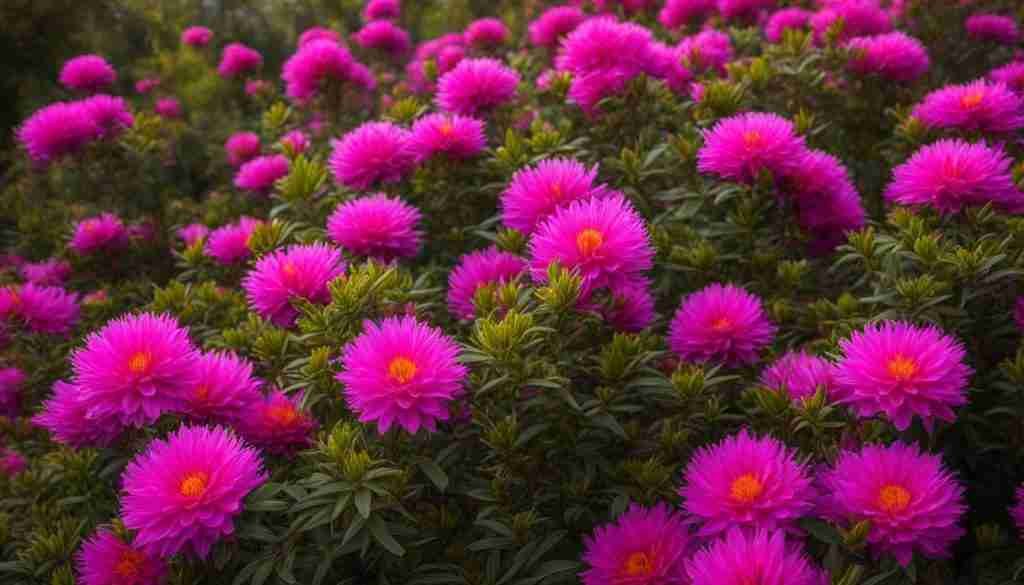
Experience the Beauty of Australian Wildflowers
To truly immerse yourself in the beauty of Australian wildflowers, consider embarking on guided tours or seasonal walks. These experiences provide opportunities to learn more about the different species, identify them accurately, and appreciate their unique features.
During these tours, knowledgeable guides will take you through the wildflower hotspots, pointing out rare and endemic species along the way. They will share interesting facts about the plants, such as their medicinal uses and cultural significance. You’ll also have the chance to witness the wildflowers in their natural habitat, surrounded by the stunning landscapes that make Australia such a breathtaking destination.
Another way to experience the beauty of Australian wildflowers is by creating a wildflower garden in your own backyard.
By selecting native species that thrive in your region, you can attract a variety of pollinators and enjoy the vibrant colors and fragrances right outside your window. It’s a rewarding way to connect with nature and contribute to the preservation of these unique and precious plants.
Guided Tours and Seasonal Walks
Guided tours and seasonal walks offer an immersive experience for nature enthusiasts, allowing you to discover the diversity of Australian wildflowers up close.
These tours are led by knowledgeable guides who can help you identify different species and provide fascinating insights into their ecology and importance. Whether you’re a novice or a seasoned wildflower enthusiast, these guided experiences offer a deeper understanding and appreciation of Australia’s native flora.
Wildflower Garden in Your Backyard
Creating a wildflower garden in your backyard is a delightful way to bring the beauty of Australian native flowers closer to home. You can start by selecting native species that are suited to your region’s climate and soil conditions.
Consider incorporating a mix of flowers that bloom at different times of the year to ensure a continuous display of color. With careful planning and maintenance, your wildflower garden will attract native bees, butterflies, and other pollinators, creating a vibrant and sustainable ecosystem in your own backyard.
Australian Wildflower Identification
Identifying Australian wildflowers can be a rewarding and educational experience. There are various field guides, online resources, and mobile apps available that can help you accurately identify different species.
These resources often provide detailed descriptions, photographs, and distribution maps to aid in identification. By becoming proficient in Australian wildflower identification, you can deepen your connection with nature and contribute to citizen science initiatives that help track and monitor the distribution of wildflower species.
Experience the beauty of Australian wildflowers firsthand by exploring guided tours, creating a wildflower garden, and enhancing your knowledge of Australian wildflower identification. These activities not only allow you to appreciate the unique and diverse flora of Australia but also contribute to the conservation and preservation of these precious plants for future generations to enjoy.
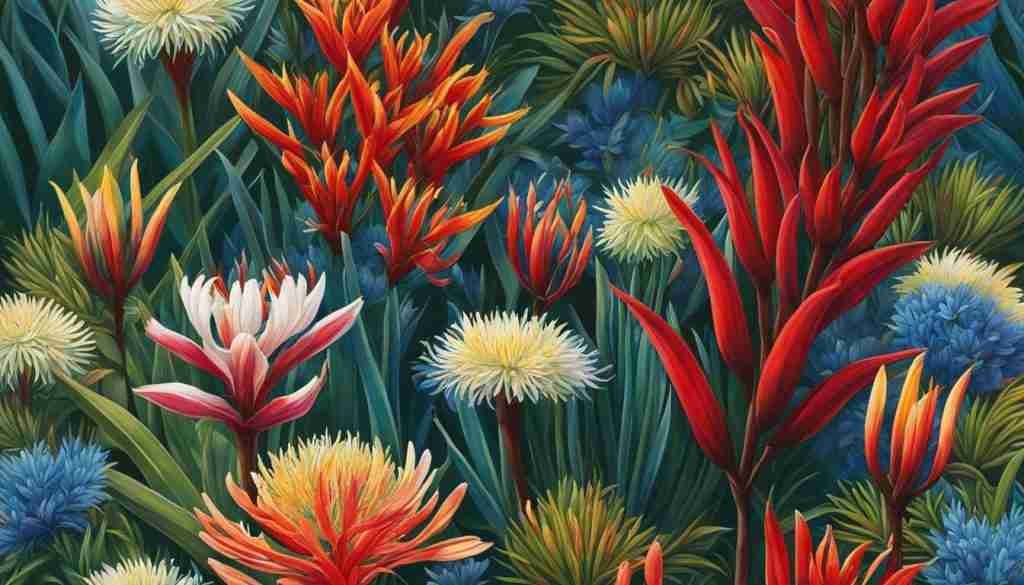
Wildflowers in Season
The wildflower season in Australia is a spectacular display of nature’s beauty. It spans six months, beginning in June in the Pilbara region and gradually moving across different states.
By September, urban parks in Perth, such as Kings Park, are in full bloom, offering a breathtaking array of Australian wildflowers. The season culminates in October in the Margaret River Region, where nature enthusiasts can witness the stunning displays of wildflowers across the country.
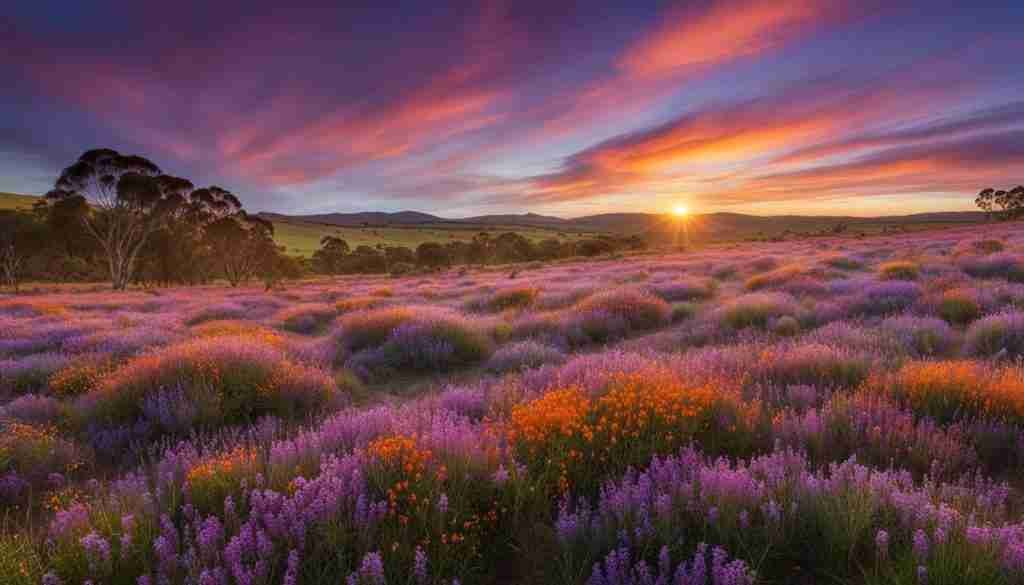
During the wildflower season, the landscapes are adorned with vibrant colors and captivating blooms. It is a time when nature enthusiasts and photographers flock to witness this awe-inspiring spectacle. The diversity of wildflower species on display is truly remarkable, showcasing the unique flora of Australia.
Whether you are exploring national parks, coastal plains, or botanical gardens, you are bound to encounter a wide variety of wildflower species. From delicate orchids to show-stopping grevilleas, every corner of Australia offers a unique and mesmerizing wildflower experience. It is a reminder of the country’s rich biodiversity and the need to protect and preserve these precious native flowers.
| Month | Location | Highlights |
|---|---|---|
| June | Pilbara region | Agastache, Bells, and Orchids |
| July | Kings Park, Perth | Kangaroo Paws, Everlastings, and Wreath Leschenaultia |
| August | Stirling Ranges | Golden Wattles, Banksias, and Hakeas |
| September | Great Southern Region | Adonis Everlastings, Scarlet Feather Flowers, and Starflowers |
| October | Margaret River Region | Blue Leschenaultia, Pink Fairy Orchids, and Dampiera |
Whether you’re an avid wildflower enthusiast or simply appreciate the beauty of nature, the wildflower season in Australia is a must-see. Plan your visit during the peak months to witness the stunning displays and immerse yourself in the vibrant world of Australian wildflowers.
Explore Australia’s Botanical Hotspots
If you’re a wildflower enthusiast, Australia’s botanical hotspots offer the perfect opportunity to immerse yourself in the beauty of native flora. These locations, including botanical gardens and forests, showcase a diverse range of wildflower species that will leave you in awe. From stunning orchids to vibrant grevilleas, there’s something to captivate every nature lover.
Botanical Gardens
Australia’s botanical gardens are a treasure trove of native wildflowers. With meticulously curated collections and expert guidance, these gardens provide a breathtaking display of color and beauty.
Some notable botanical gardens to explore include the Royal Botanic Garden in Sydney, the Melbourne Royal Botanic Gardens, and the Adelaide Botanic Garden. Take a leisurely stroll through these gardens and let your senses be enveloped by the sights and scents of Australia’s native flowers.
Forest Trails
For a more immersive experience, venture into the heart of Australia’s forests. The Dandenong Ranges in Victoria and the Blue Mountains in New South Wales are just a couple of examples of forested areas that offer enchanting trails lined with native wildflowers.
As you wander through these serene environments, keep an eye out for unique species such as the Waratah and the Kangaroo Paw. The natural beauty of these forested areas will leave you feeling connected to the land and its flora.
Coastal Wonders
Australia’s coastal regions are also home to botanical hotspots bursting with wildflower beauty. In Western Australia, the Cape Range National Park and Fitzgerald River National Park showcase an array of unique coastal flora.
From delicate sea daisies to striking banksias, these coastal wonders highlight the adaptability of Australian wildflowers to harsh coastal conditions. Explore the coastal trails and witness the stunning color palette that nature has painted along the coastline.
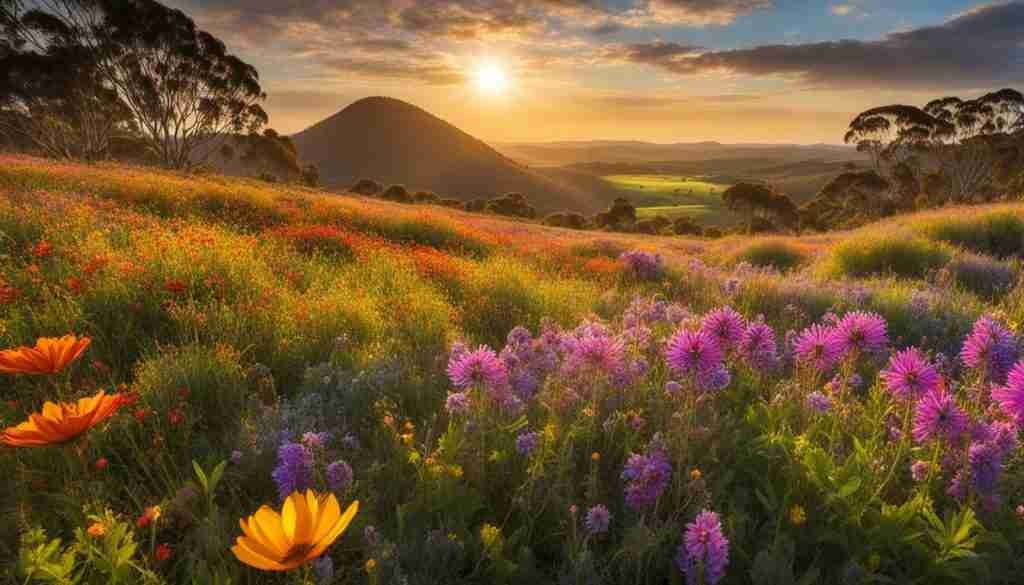
Table: Noteworthy Botanical Hotspots in Australia
| Location | Highlight |
|---|---|
| Royal Botanic Garden, Sydney | Exquisite collection of Australian native flowers |
| Melbourne Royal Botanic Gardens | Stunning displays of wildflowers throughout the year |
| Adelaide Botanic Garden | Rare and endangered native wildflowers |
| Dandenong Ranges, Victoria | Trails lined with vibrant wildflowers |
| Blue Mountains, New South Wales | Unique forested areas with diverse native flora |
| Cape Range National Park, Western Australia | Coastal wildflowers and stunning ocean views |
| Fitzgerald River National Park, Western Australia | Rich biodiversity and stunning coastal flora |
Exploring Australia’s botanical hotspots is a journey of discovery and appreciation for the beauty and diversity of native wildflowers. Whether you choose to visit botanical gardens, wander forest trails, or explore coastal wonders, each experience will leave you with a greater understanding of Australia’s unique flora and its significance in the natural world.
A Visual Journey through Australian Wildflowers
Immerse yourself in the vibrant world of Australian wildflowers through a visual journey. From the delicate Fringe Lily to the striking Purple Fan-Flower, each species offers its own unique allure. Take a virtual tour through photographs and descriptions of some of the most beautiful and intriguing wildflowers in the country.
Discover the beauty of the Sturt’s Desert Pea, with its deep red flowers resembling a drop of blood against the arid landscape. Marvel at the vivid purple blooms of the Kangaroo Paw, a true icon of Australian flora. Feast your eyes on the delicate, white petals of the Paper Daisy, fluttering in the breeze like confetti in the sky.
Table: Stunning Wildflowers in Australia
| Wildflower | Description | Location |
|---|---|---|
| Sturt’s Desert Pea | Distinctive blood-red petals with a black center | Found in arid regions, particularly in South Australia and Western Australia |
| Kangaroo Paw | Tall stalks with vibrant, furry purple flowers | Native to Western Australia |
| Paper Daisy | Dainty white flowers with delicate petals | Common in coastal areas and sandy soils across Australia |
These are just a few examples of the stunning wildflowers that can be found across Australia. With their vibrant colors, unique shapes, and captivating scents, Australian wildflowers are a true feast for the senses.
Whether you are exploring the remote outback or strolling through a local park, take the time to appreciate the beauty and diversity of these native floral treasures.
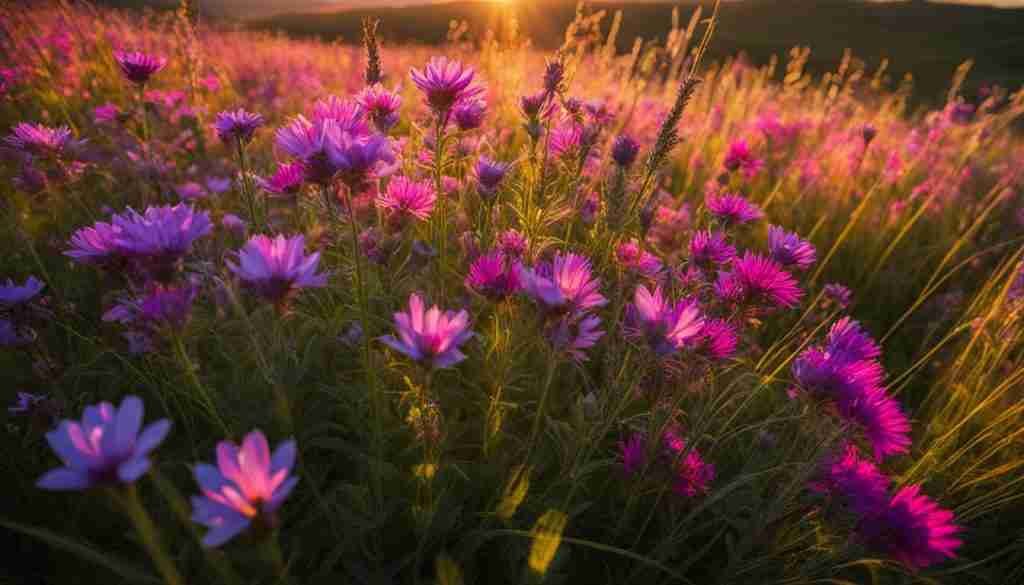
Tips for Growing Australian Native Flowers
If you are inspired to bring the beauty of Australian native flowers into your own garden, there are some tips to keep in mind.
Select species that are suited to your climate and soil conditions, and provide the necessary care and maintenance. By creating a wildflower garden, you can contribute to the preservation of Australian wildflowers and create a vibrant and sustainable ecosystem in your backyard.
When choosing Australian native flowers for your garden, consider the climate and soil conditions in your area. Different species have different requirements, so it’s important to select plants that will thrive in your specific environment. Research the native wildflowers that are well-suited to your region and choose a variety of species to create a diverse and visually stunning garden.
Proper care and maintenance are essential for the success of your Australian native flower garden. Ensure that your plants receive adequate sunlight, water, and nutrients. Regularly check for pests and diseases, and take appropriate measures to protect your plants. Native flowers are generally low-maintenance, but they still require attention and care to thrive.
In addition to being visually appealing, a wildflower garden also provides important habitat for native bees and other pollinators. Planting Australian native flowers can help support local ecosystems and contribute to biodiversity conservation. By creating a welcoming environment for these important creatures, you can play a role in maintaining the delicate balance of nature.
Tips for Growing Australian Native Flowers:
- Choose species that are suited to your climate and soil conditions.
- Provide the necessary care and maintenance, including sunlight, water, and nutrients.
- Check for pests and diseases regularly and take appropriate measures to protect your plants.
- Create a welcoming habitat for native bees and other pollinators.
Table: Australian Native Flowers Suitable for Different Climates
| Climate | Suitable Native Flowers |
|---|---|
| Tropical | Waratah, Kangaroo Paw, Sturt’s Desert Pea |
| Subtropical | Banksia, Bottlebrush, Paper Daisy |
| Mediterranean | Kangaroo Paw, Grevillea, Everlastings |
| Temperate | Waxflower, Flannel Flower, Boronia |
| Arid | Spinifex, Desert Pea, Mulla Mulla |
| Alpine | Snow Gum, Alpine Daisies, Alpine Mint Bush |
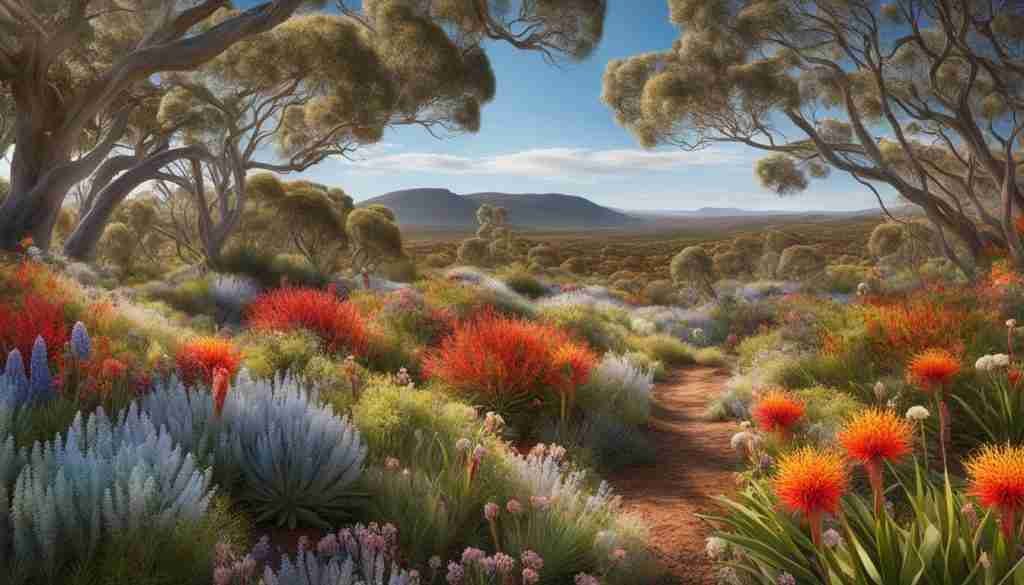
Conclusion
Australia’s wildflowers are not only a sight to behold but also a precious part of the country’s unique flora and rich biodiversity. From the stunning displays in Western Australia to the captivating species found across the nation, these native flowers showcase the beauty and wonder of Australia’s natural heritage.
Preserving these wildflowers is crucial to ensure their continued existence and the conservation of the country’s unique flora. By appreciating and protecting these precious treasures, we can contribute to the preservation of Australia’s natural ecosystems and help maintain a sustainable environment for future generations to enjoy.
Whether it’s by exploring botanical hotspots, embarking on guided tours, or creating your own wildflower garden, there are many ways to engage with and support the preservation of Australian wildflowers. By celebrating the beauty and diversity of these native plants, we can truly appreciate the remarkable nature that surrounds us.
FAQ
What is the best time to see wildflowers in Australia?
The wildflower season in Australia typically spans six months, starting in June in the Pilbara region and moving across different states. By September, urban parks in Perth, such as Kings Park, are in full bloom. The season culminates in October in the Margaret River Region. This is the perfect time to witness the stunning displays of wildflowers across the country.
Where can I see wildflowers in Western Australia?
Western Australia is a mecca for wildflower enthusiasts. Kings Park, located in the heart of Perth, is a must-visit destination to see around 1,700 of Western Australia’s native wildflower species. Additionally, national parks, coastal plains, botanical gardens, and forests throughout the region are hotspots for wildflower spotting and admiring.
How many species of wildflowers are found in Australia?
Australia is home to over 24,000 species of native wildflowers, with Western Australia alone boasting more than 12,000 species. Each region of the country offers a unique collection of plants, with some species found nowhere else on earth.
What are some notable wildflower species in Australia?
Some notable wildflower species in Australia include the Wreath Lechenaultia, Everlastings, Starflower, Mulla Mulla, Scarlet Feather Flower, Rice Flower, Cat’s Paw, and Christmas Bells. Each species has its own unique characteristics and adds color and vibrancy to the Australian landscape.
How can I contribute to the preservation of Australian wildflowers?
You can contribute to the preservation of Australian wildflowers by creating a wildflower garden in your own backyard. Select species that are suited to your climate and soil conditions, and provide the necessary care and maintenance. By doing so, you can help support native bees and create a vibrant and sustainable ecosystem.