
When you travel to Iceland, you might expect to see awe-inspiring glaciers and glorious waterfalls, but what you might not expect is the abundance of wildflowers that carpet the landscape during spring and summer.
From the vibrant purple lupines to the delicate harebells, Iceland is a paradise for flower enthusiasts. In this article, we will explore the unique wildflower species found in Iceland and discover the best locations to see them in all their blooming glory.
Key Takeaways:
- Iceland is a haven for wildflower enthusiasts, with its diverse floral landscape.
- Wildflowers like lupines, harebells, and cotton grass add vibrant colors to the Icelandic scenery.
- Eastern Iceland is known for its exclusive wildflower species, such as the delicate harebell.
- Mountain avens, Iceland’s national flower, has medicinal properties and can be found on mountain slopes.
- Icelandic berries, like bilberries and crowberries, offer delicious treats for foragers.
Nootka Lupine: The Controversial Beauty of Icelandic Lupines
One of the most captivating wildflowers found in Iceland is the Nootka Lupine. Originally introduced to the country in 1945, this vibrant purple flower has since spread across the Icelandic landscape, creating fields of breathtaking beauty. However, the Nootka Lupine has also sparked controversy due to its impact on native plant species.
Despite the controversy, the flowering season of the Nootka Lupine, which occurs during the summer months of June and July, provides a unique opportunity for photographers and nature enthusiasts to capture the country’s stunning floral diversity. The fields of purple lupines against the backdrop of Iceland’s dramatic landscapes create breathtaking compositions that are sure to leave a lasting impression.
To fully appreciate the beauty of the Nootka Lupine, consider visiting scenic locations such as the Snaefellsnes Peninsula or the iconic Kirkjufell Mountain. These picturesque settings offer a perfect backdrop for capturing the vibrant colors of the lupine flowers. Whether you’re an aspiring photographer or simply a lover of nature, exploring the Nootka Lupine fields in Iceland is an experience that should not be missed.
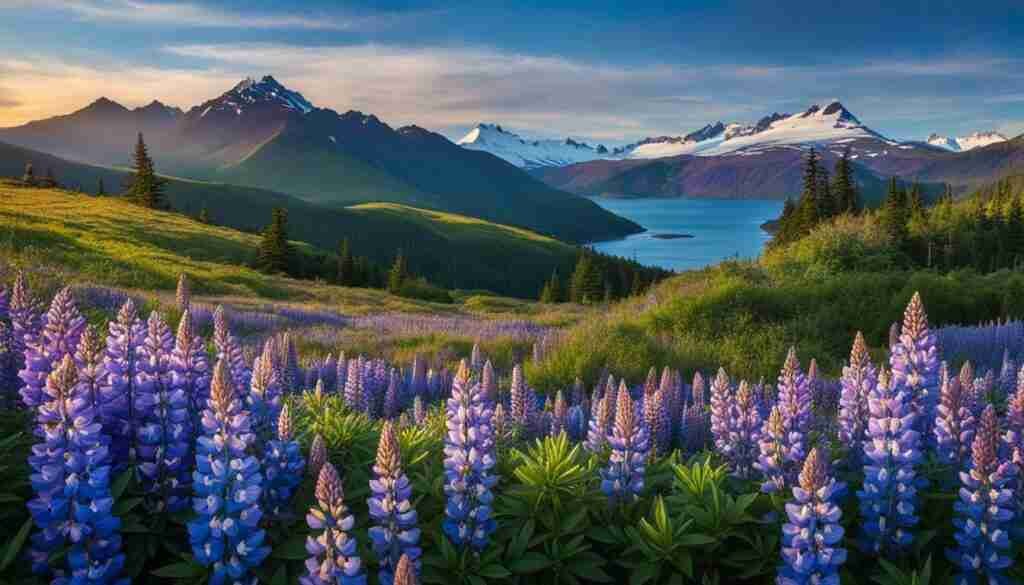
Table: Nootka Lupine Photography Tips
| Photography Tips | Location |
|---|---|
| Golden hour lighting | Kirkjufell Mountain |
| Wide-angle shots | Snaefellsnes Peninsula |
| Macro photography | Lupine fields near Reykjavik |
| Vertical compositions | Lupine fields in the Westfjords |
Whether you’re capturing close-up shots of the lupine flowers or experimenting with different compositions, the photography opportunities presented by the Nootka Lupine in Iceland are truly extraordinary. So grab your camera and immerse yourself in the controversial beauty of Icelandic lupines.
Harebell: A Delicate Blue Beauty Exclusive to Eastern Iceland
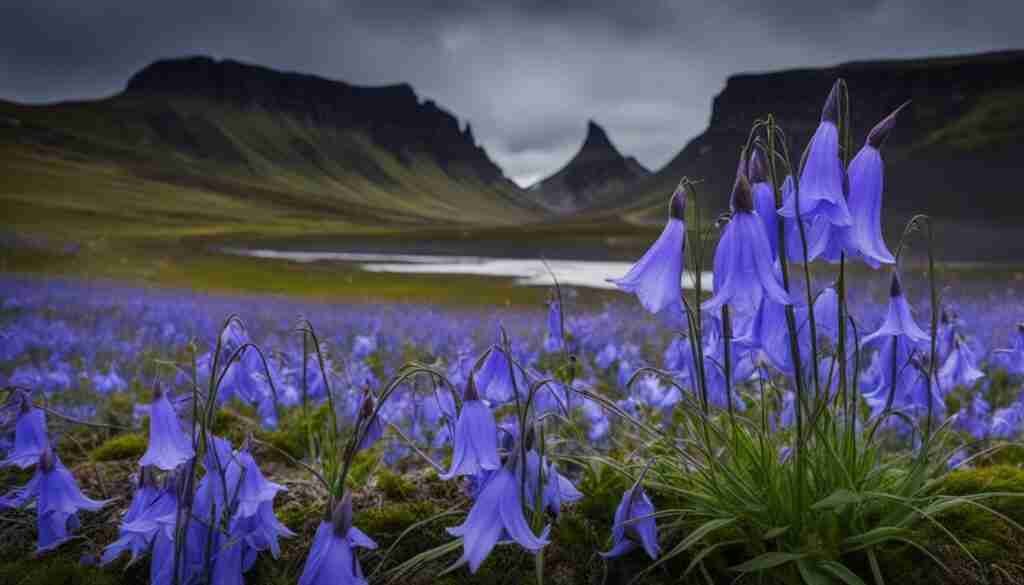
When exploring the wildflowers of Iceland, one species that stands out is the harebell. Also known as Bláklukka in Icelandic, the harebell is a rare and delicate flower that can be found exclusively in eastern Iceland. Its distinctive blue or purple bell-shaped heads make it a unique and captivating sight amidst the Icelandic flora.
The harebell blooms during the later months of summer, particularly in low grasslands. Its graceful appearance adds a touch of elegance to the already stunning landscapes of eastern Iceland. Whether you’re a photography enthusiast or simply appreciate the beauty of nature, witnessing the blooming harebells is an experience worth cherishing.
To fully immerse yourself in the floral diversity of Iceland, make sure to explore the eastern region where these delicate blue beauties thrive. Witnessing the harebell’s blooming season is an opportunity to capture breathtaking photographs and appreciate the rich tapestry of wildflowers that adorn the Icelandic countryside.
Harebell Characteristics
| Scientific Name | Harebell |
|---|---|
| Common Names | Bláklukka (Icelandic), Bluebell, Scottish Bluebell |
| Color | Blue or purple |
| Blooming Season | Later months of summer |
| Preferred Habitat | Low grasslands, eastern Iceland |
| Notable Locations | Hengifoss, Stuðlagil Canyon, and Borgarfjörður Eystri |
When planning your trip to Iceland, be sure to include a visit to the eastern region to witness the enchanting beauty of the harebell. Marvel at its delicate blue petals and take in the diverse floral landscapes that make Iceland truly unique.
Cotton Grass: A Breathtaking Display of Fluffy White Blooms
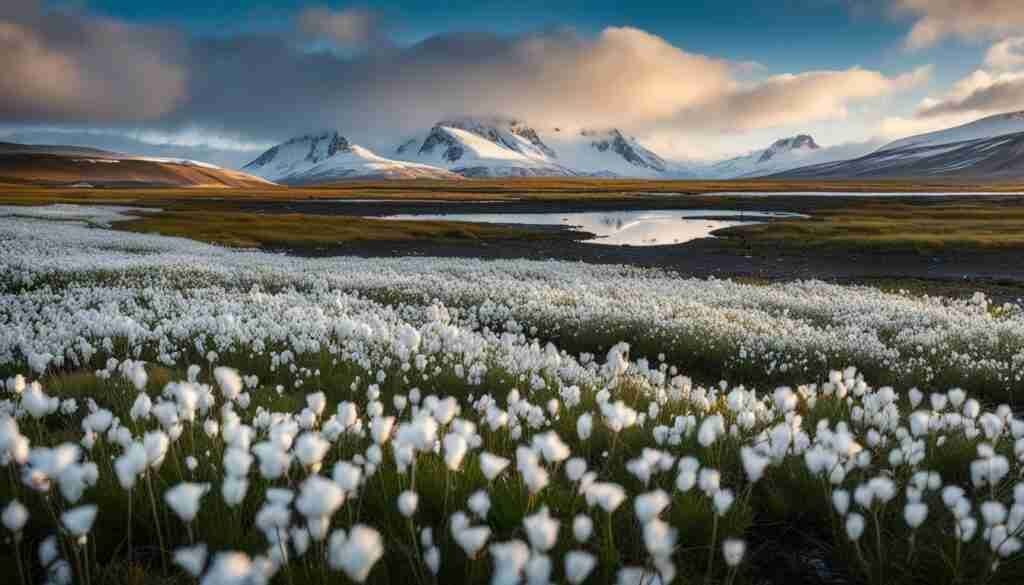
In the enchanting landscapes of Iceland, the summer and autumn months unveil a remarkable natural wonder – the blooming of cotton grass. This delicate flowering plant, with its wispy white or silvery bristles, creates a mesmerizing contrast against the rugged Icelandic terrain. A sight to behold, cotton grass can be found flourishing in wet areas such as marshes, meadows, and riverbanks throughout the country.
The beauty of cotton grass lies in its ethereal appearance as it blankets the Icelandic landscape, transforming it into a dreamlike scene. The fluffy white blooms sway gently in the wind, creating an enchanting spectacle that captures the heart of nature enthusiasts and photographers alike.
Whether you’re exploring the mystical Icelandic Highlands or trekking along the picturesque hiking trails, cotton grass is sure to captivate your senses and leave you in awe of its delicate allure.
Table: Best Places to Witness the Blooming of Cotton Grass in Iceland
| Location | Best Time to Visit |
|---|---|
| Skaftafell National Park | June – July |
| Thórsmörk | July – August |
| Mývatn Nature Baths | August – September |
| Landmannalaugar | July – August |
For those seeking to immerse themselves in the natural wonders of Iceland, witnessing the blooming of cotton grass is an experience not to be missed. These fluffy white beauties add a touch of magic to the already incredible Icelandic landscapes, creating a truly unforgettable sight. So, pack your camera and embark on a journey to discover the breathtaking display of cotton grass in all its glory.
Mountain Avens: Iceland’s National Flower with Medicinal Properties
When exploring the unique flora and fauna of Iceland, one cannot ignore the charm and significance of the Mountain Avens. Known as Holtasóley in Icelandic, this delicate flower holds the honor of being Iceland’s national flower. With its creamy white petals and golden center, the Mountain Avens adds a touch of elegance to the Icelandic landscape.
The Mountain Avens is not just a visually stunning flower, but it also holds medicinal properties that have been utilized for centuries. This unique plant species in Iceland has a long history of being used to reduce inflammation and offer relief from various ailments. The medicinal properties of the Mountain Avens make it a cherished herb in Icelandic folklore and traditional medicine.
Found growing on mountain slopes and moorland, the Mountain Avens thrives in the harsh and rugged Icelandic environment. Its ability to withstand the harsh conditions and still blossom into a beautiful flower is a testament to the resilience and adaptability of Icelandic flora and fauna.
Table: Medicinal Properties of Mountain Avens
| Medicinal Property | Uses |
|---|---|
| Inflammation | Reduces inflammation and swelling |
| Digestive Health | Aids in digestion and soothes stomach discomfort |
| Respiratory Issues | Relieves symptoms of respiratory problems such as cough and congestion |
| Immune Boost | Strengthens the immune system and promotes overall well-being |
Whether you’re admiring its beauty or harnessing its medicinal properties, the Mountain Avens is a true gem of the Icelandic landscape. Its presence in the wild reinforces the incredible biodiversity and unique plant species that thrive in Iceland’s challenging environment.
Meadow Buttercups: Rare Blooms Amidst Dramatic Landscapes
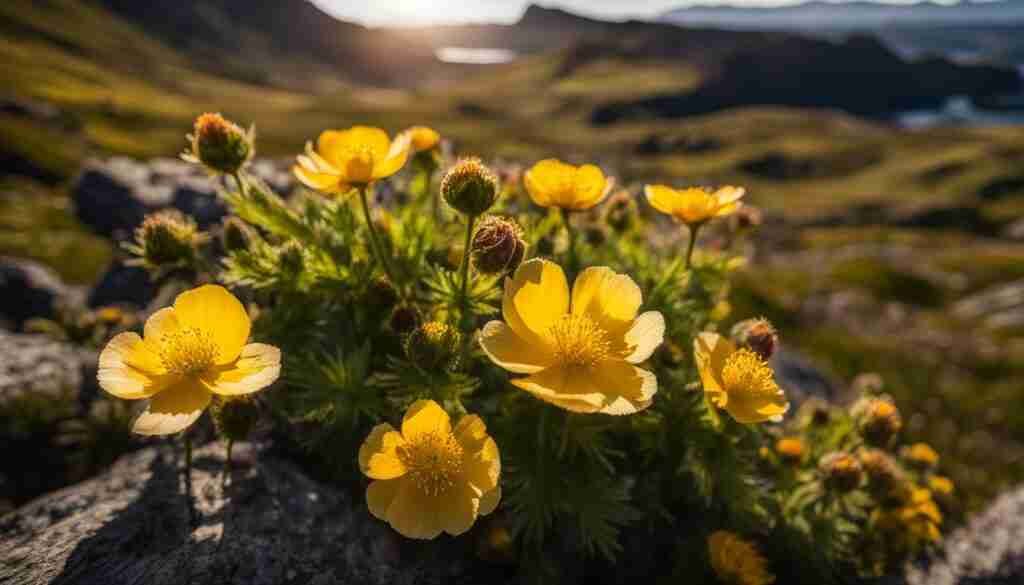
When it comes to experiencing the vibrant beauty of Icelandic wildflowers, the meadow buttercups are an extraordinary sight to behold. Known as Brennisóley in Icelandic, these rare yellow blooms can be found scattered amidst the dramatic landscapes of Iceland.
While they may be harder to come across compared to other wildflower species, their uniqueness and striking appearance make them a true gem for nature enthusiasts and photographers alike.
The best places to see meadow buttercups in all their glory are the Snæfellsnes Peninsula and the iconic Kirkjufell Mountain. These locations provide the perfect backdrop for capturing the beauty of these delicate flowers against the backdrop of the Icelandic scenery.
Whether you’re exploring the windswept landscapes of the Snæfellsnes Peninsula or marveling at the majestic Kirkjufell Mountain, the meadow buttercups add a vibrant touch to the already breathtaking views.
For photography enthusiasts, the meadow buttercups offer incredible opportunities to capture stunning images. Their yellow petals create a vibrant contrast against the rugged Icelandic terrain, making for visually striking compositions. Whether you’re a professional photographer or simply enjoy capturing the beauty of nature, the meadow buttercups are a must-see and must-capture subject during your visit to Iceland.
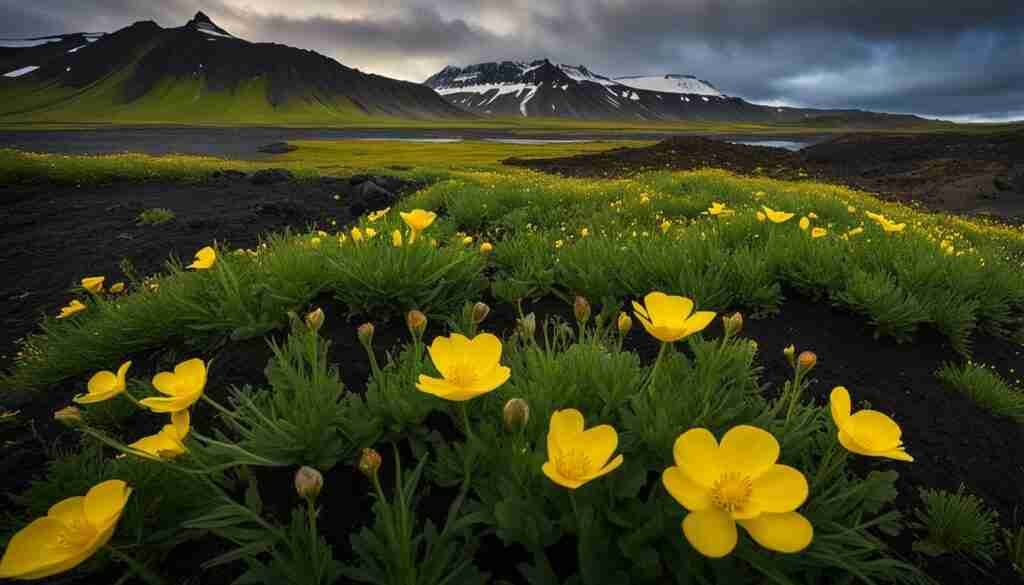
Table: Best Places to See Meadow Buttercups in Iceland
| Location | Highlight |
|---|---|
| Snæfellsnes Peninsula | Stunning coastal landscapes with meadow buttercups |
| Kirkjufell Mountain | Iconic mountain backdrop with meadow buttercups in the foreground |
So, if you’re planning a trip to Iceland and want to witness the rare beauty of meadow buttercups amidst the dramatic landscapes, be sure to visit the Snæfellsnes Peninsula and Kirkjufell Mountain. These locations will provide you with the perfect opportunity to immerse yourself in the vibrant colors of these stunning wildflowers and capture their beauty through your lens.
Moss Campion: A Pink Carpet on Icelandic Tundra
When exploring the breathtaking landscapes of Iceland, you will come across a hidden gem known as Moss Campion. This mountain-dwelling wildflower, also called Lambagras in Icelandic, adds a vibrant touch to the otherwise barren tundra.
With its pink, hemispherically-shaped flowers, Moss Campion creates a stunning visual contrast against the rugged Icelandic Highlands. The delicate beauty of this wildflower beckons hikers and nature enthusiasts to venture off the beaten path and discover its captivating presence.
One of the best places to witness the blooming glory of Moss Campion is in the Westfjords region of Iceland. The dramatic fjords provide a picturesque backdrop as you traverse the hiking trails adorned with patches of pink.
Additionally, the Víti crater near Lake Mývatn offers another opportunity to see this mesmerizing wildflower up close. As you embark on your hiking adventure, keep an eye out for Moss Campion, and let its cheery pink blossoms enchant you along the way.
To fully appreciate the beauty of Moss Campion, it is important to respect its delicate nature and the fragile ecosystems it inhabits. Stick to designated hiking trails and avoid trampling on delicate vegetation.
Remember, preserving the natural wonders of Iceland ensures that future generations can experience the same awe-inspiring sights. So lace up your hiking boots, grab your camera, and embark on a journey to witness the pink carpet of Moss Campion in the captivating Icelandic tundra.
| Hiking Trails | Best Time to Visit |
|---|---|
| Westfjords | Summer (June – August) |
| Víti Crater near Lake Mývatn | Summer (June – August) |
Angelica: A Cherished Medicinal Herb with Mythical Powers
The Icelandic flora is full of unique plant species, each with its own story and significance. One such plant is angelica, a cherished medicinal herb that has been a part of Icelandic folklore for centuries. Known as Ætihvönn in Icelandic, angelica is a tall, aromatic plant with greenish-white flowers that adds a touch of magic to the landscape.
In Icelandic mythology, angelica was believed to possess mythical powers, protecting against evil spirits and bringing good fortune to those who carried it. It was often used in rituals and ceremonies, symbolizing purity and divine protection.
But angelica’s powers are not just mythical. It has long been recognized for its medicinal properties, particularly in reducing inflammation and aiding digestion. The herb is rich in essential oils and antioxidants, making it a popular ingredient in herbal remedies and teas.
| Key Features | Benefits |
|---|---|
| Greenish-white flowers | Symbolizes purity and protection |
| Aromatic | Used in rituals and ceremonies |
| Medicinal properties | Reduces inflammation and aids digestion |
If you’re interested in exploring the Icelandic flora and fauna, seeking out angelica is a must. Whether you believe in its mythical powers or simply appreciate its beauty, angelica is a cherished and unique plant species that adds to the rich diversity of Icelandic nature.
Explore more of Iceland’s flora and fauna:
- Nootka Lupine: The Controversial Beauty of Icelandic Lupines
- Harebell: A Delicate Blue Beauty Exclusive to Eastern Iceland
- Cotton Grass: A Breathtaking Display of Fluffy White Blooms
- Mountain Avens: Iceland’s National Flower with Medicinal Properties
- Meadow Buttercups: Rare Blooms Amidst Dramatic Landscapes
- Moss Campion: A Pink Carpet on Icelandic Tundra
- Trees in Iceland: A Landscaping History of Deforestation and Reforestation
- Berries: Delightful Edible Plants in the Icelandic Wilderness
Trees in Iceland: A Landscaping History of Deforestation and Reforestation
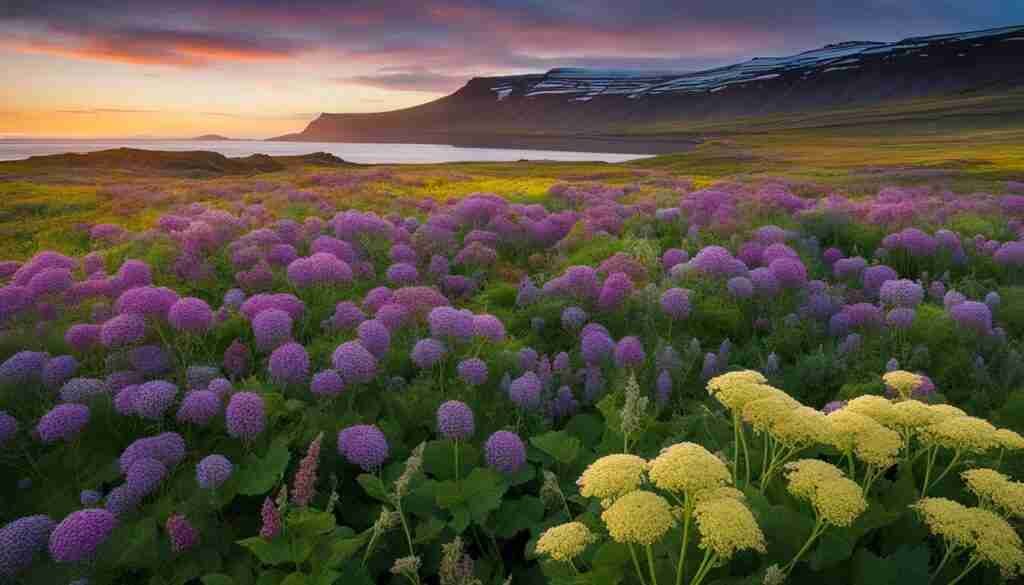
When you think of Iceland, lush forests and towering trees may not be the first things that come to mind. However, it hasn’t always been this way. In the past, Iceland was densely forested, with trees covering large areas of the land. Unfortunately, the arrival of early settlers in the 9th century led to widespread deforestation as trees were cut down for timber, fuel, and the creation of pastureland.
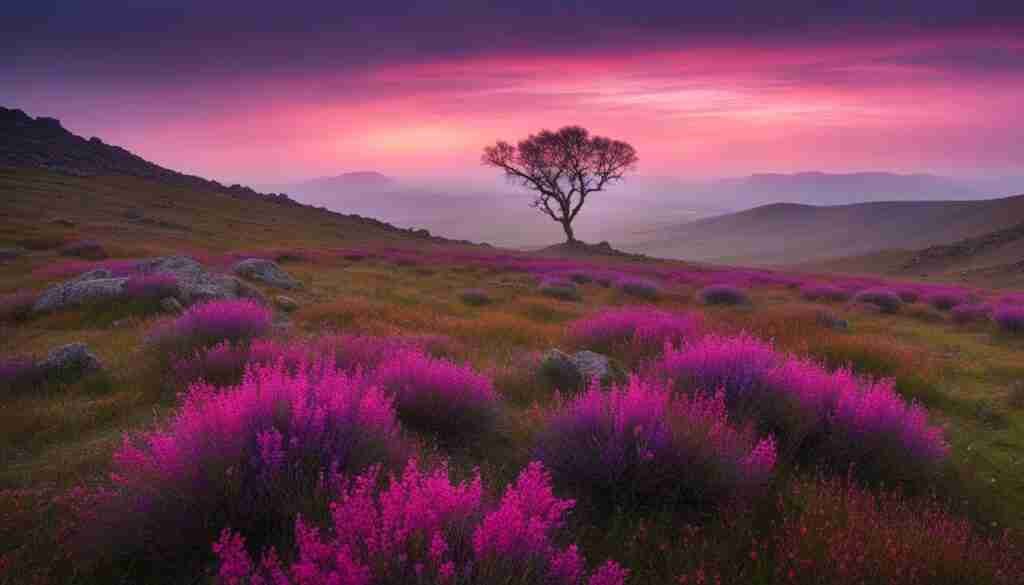
The environmental impact of deforestation in Iceland was significant. With the loss of trees, the soil became highly erodible, leading to soil erosion and the loss of fertile topsoil. Without the protection of trees, the land was also more susceptible to wind and water erosion. This resulted in the formation of vast areas of barren, treeless landscapes that we see today.
However, efforts have been made to reverse the effects of deforestation in Iceland through reforestation projects. These initiatives aim to reintroduce trees to the Icelandic landscape and restore the ecological balance that was lost. Species such as sitka spruce and black cottonwood have been successfully cultivated in certain areas, contributing to the reforestation efforts.
Table: Deforestation and Reforestation in Iceland
| Period | Deforestation | Reforestation |
|---|---|---|
| 9th – 19th century | Large-scale deforestation for timber, fuel, and pastureland | N/A |
| 20th century | Continued deforestation, but awareness of environmental impacts grows | Early reforestation efforts begin |
| Present day | Deforestation still occurs, but reforestation projects expand | Ongoing reforestation efforts, introduction of new tree species |
Reforestation in Iceland is a long-term process that requires careful planning and management. It involves not only planting trees but also implementing sustainable forestry practices to ensure the survival and growth of the new forests.
While it will take time for Iceland’s forests to fully recover, reforestation efforts are a positive step towards restoring the natural beauty and ecological balance of the Icelandic landscape.
Berries: Delightful Edible Plants in the Icelandic Wilderness
When exploring the vast wilderness of Iceland, you’ll discover a delightful array of edible berries that grow freely in the country’s pristine landscapes. These natural wonders provide a unique culinary experience, allowing you to forage and enjoy the delicious flavors of the Icelandic wilderness. From the sweet bog bilberries and bilberries to the tangy crowberries and wild strawberries, there’s a berry for every taste bud to savor.
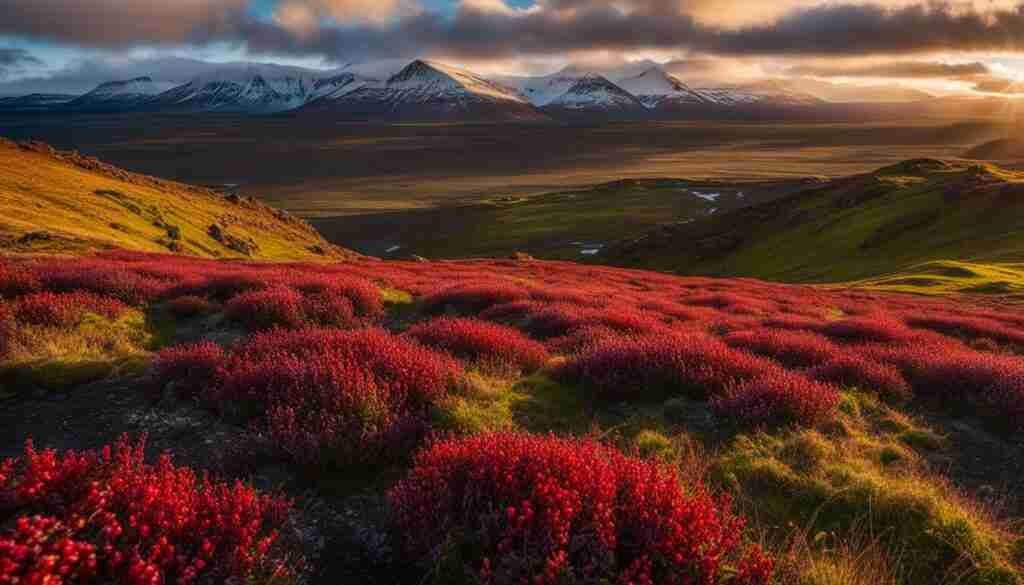
During the months of August to mid-September, Iceland’s berry picking season is in full swing. It’s the perfect time to embark on a culinary adventure, gathering these wild treasures to create mouthwatering treats such as jams, pies, and other delightful desserts. Whether you’re an avid forager or simply looking to experience the flavors of the land, picking berries in Iceland is a rewarding and enjoyable activity.
Popular Edible Berries in Iceland
To aid in your berry foraging expedition, here’s a list of some popular edible berries you can find in Iceland:
- Bog Bilberries: These small, round berries are sweet and juicy, perfect for snacking or adding to desserts.
- Bilberries: Similar to bog bilberries, bilberries have a slightly tart flavor and are often used in jams and pies.
- Crowberries: These dark purple berries have a tangy taste and are commonly used in traditional Icelandic dishes like crowberry jam.
- Wild Strawberries: Known for their intense sweetness, wild strawberries are a delightful treat that can be enjoyed on their own or as a topping for various desserts.
With their vibrant colors and delicious flavors, these berries not only offer a culinary experience but also provide a connection to the natural wonders of Iceland. So, don’t miss the opportunity to immerse yourself in the wilderness and indulge in the delightful taste of Icelandic berries.
| Berry | Flavor | Common Uses |
|---|---|---|
| Bog Bilberries | Sweet and juicy | Snacking, desserts |
| Bilberries | Slightly tart | Jams, pies |
| Crowberries | Tangy | Jams, traditional Icelandic dishes |
| Wild Strawberries | Intensely sweet | Snacking, desserts |
Table: Popular Edible Berries in Iceland and Their Uses
Conclusion
Iceland is a treasure trove of wildflowers, offering a stunning array of colors that adorn the landscape throughout the seasons. From the vibrant lupines to the delicate harebells, the floral diversity in Iceland is truly awe-inspiring. Whether you’re a photography enthusiast or simply appreciate the beauty of nature, exploring the blooming flowers of Iceland is an experience like no other.
During spring and summer, the fields of purple lupines create a controversial yet breathtaking sight, providing fantastic photography opportunities. The delicate blue harebell, found exclusively in eastern Iceland, offers a rare and captivating sight in late summer. Other wildflowers, such as cotton grass and mountain avens, add their own unique charm to the Icelandic flora.
While exploring the Icelandic wilderness, you’ll also come across moss campion with its pink carpet-like blooms in the highlands, and angelica, a cherished medicinal herb with a touch of mythical allure. And let’s not forget the delightful wild berries that grow freely in Iceland’s wilderness, providing a true culinary delight.
So pack your camera, put on your hiking boots, and get ready to immerse yourself in the breathtaking beauty of Iceland’s wildflowers. The floral diversity of this enchanting country will leave you in awe, reminding you of the wonders that nature has to offer.
FAQ
Are the wildflowers in Iceland only visible during certain seasons?
Yes, the wildflowers in Iceland are most visible during the spring and summer months, particularly from June to September.
Where is the best place to see the Nootka Lupine in Iceland?
The Nootka Lupine can be seen throughout Iceland, but some of the best locations to spot them in full bloom are the Westfjords, the Snæfellsnes Peninsula, and the highlands in June and July.
What time of year can I expect to see the Harebell in eastern Iceland?
The Harebell blooms in the later months of summer, so you can expect to see them in eastern Iceland from July to September.
Where can I find the Cotton Grass in Iceland?
Cotton Grass can be found throughout Iceland, particularly in wet areas such as marshes, meadows, and riverbanks. The best time to see them in full bloom is during the summer and autumn months.
Which regions of Iceland are known for their abundance of Mountain Avens?
Mountain Avens can be found growing on mountain slopes and moorland throughout Iceland. Some of the best regions to see them are the highlands, Westfjords, and Víti crater near Lake Mývatn.
Where are the best places to see Meadow Buttercups in Iceland?
Meadow Buttercups are a rare find in Iceland, but they can be seen in meadows and beds of snow in the lowlands and highlands. The Snæfellsnes Peninsula and the iconic Kirkjufell Mountain offer stunning backdrops for capturing these beautiful flowers.
Which regions of Iceland are known for their abundance of Moss Campion?
Moss Campion can be found in the tundra of Iceland, particularly in the Westfjords and near the Víti crater close to Lake Mývatn.
What is the significance of Angelica in Icelandic folklore?
Angelica is a cherished medicinal herb in Icelandic folklore and has been used for its healing properties since ancient times. It is believed to have mythical powers and is one of the few plants that survived the last Ice Age.
How did Iceland lose its trees, and are there any reforestation efforts?
Iceland was once densely forested, but mass deforestation by early settlers led to the barren treeless landscapes we see today. However, there are ongoing reforestation efforts in Iceland, with the successful cultivation of species like sitka spruce and black cottonwood.
When is the best time to go berry picking in Iceland?
Berry picking season in Iceland is between August and mid-September. During this time, you can forage for delicious wild berries like bog bilberries, bilberries, crowberries, and wild strawberries.