
Welcome to a world of vibrant colors and natural beauty. Maryland is a haven for wildflower enthusiasts, boasting a stunning array of native species that grace its landscapes.
From the charming Black-Eyed Susan to the delicate Cardinal Flower, Maryland’s wildflowers offer a captivating sight that reflects the state’s rich biodiversity. Join us as we explore the wonders of Maryland’s wildflower kingdom and discover the programs in place to protect and enhance these delicate treasures.
Key Takeaways:
- Maryland is home to diverse native wildflower species.
- The Wildflower Program and Wild Acres Program promote the preservation and enhancement of wildflowers in the state.
- The official state flower of Maryland is the Black-Eyed Susan.
- Invasive and introduced species pose a threat to the natural ecosystem.
- Wildflowers play a vital role in supporting pollinators and maintaining biodiversity.
Maryland State Flower
The official state flower of Maryland is the Black-Eyed Susan (Rudbeckia hirta). This vibrant yellow flower with a dark center is a common sight in meadows and gardens throughout the state. It is known for its resilience and ability to thrive in a variety of soil conditions. The Black-Eyed Susan is also a favorite among pollinators, attracting bees and butterflies.
As the state flower, the Black-Eyed Susan holds cultural significance in Maryland. It symbolizes the beauty and resilience of the state’s natural landscapes. The flower’s cheerful color and distinctive appearance make it a popular choice for floral arrangements and landscaping.
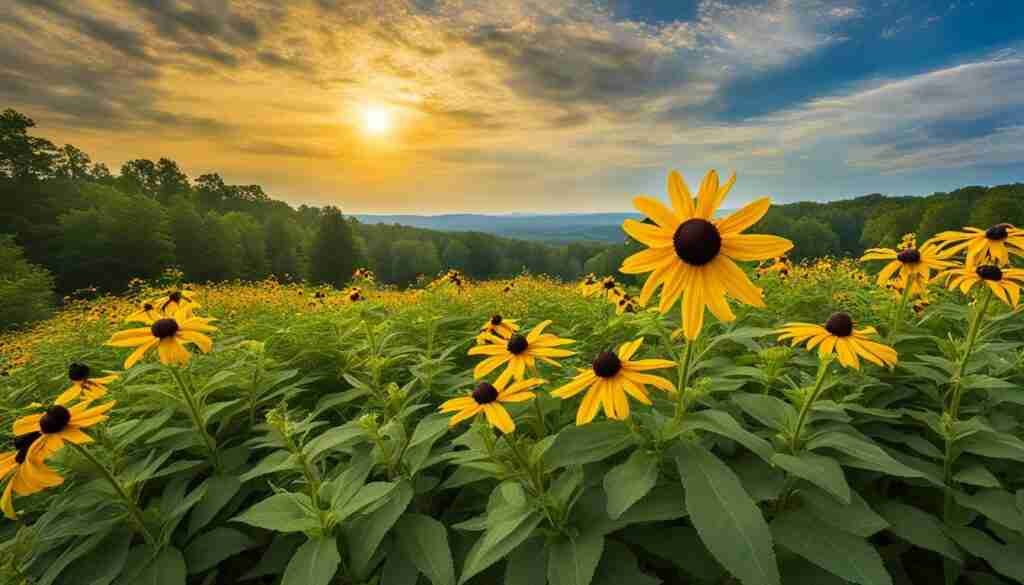
Table: Maryland State Flower – Black-Eyed Susan
| Scientific Name | Common Name | Bloom Period | Habitat |
|---|---|---|---|
| Rudbeckia hirta | Black-Eyed Susan | Summer to fall | Meadows, gardens, roadsides |
The Black-Eyed Susan’s long bloom period, from summer to fall, adds a splash of color to Maryland’s landscapes throughout the warmer months. Its ability to thrive in different habitats, including meadows, gardens, and roadsides, makes it a versatile and hardy choice for planting.
Whether you’re strolling through a wildflower meadow or tending to your garden, the sight of Black-Eyed Susans in full bloom is sure to brighten your day and remind you of the natural beauty that Maryland has to offer.
Invasive & Introduced Wildflowers
While Maryland is known for its diverse array of native wildflowers, there are also invasive and introduced species that pose a threat to the state’s natural ecosystem.
These plants, such as Pokeweed (Phytolacca americana) and Crownvetch (Securigera varia), have the potential to outcompete native species and disrupt the balance of local habitats. It is important to be aware of these invasive plants and take measures to control their spread.
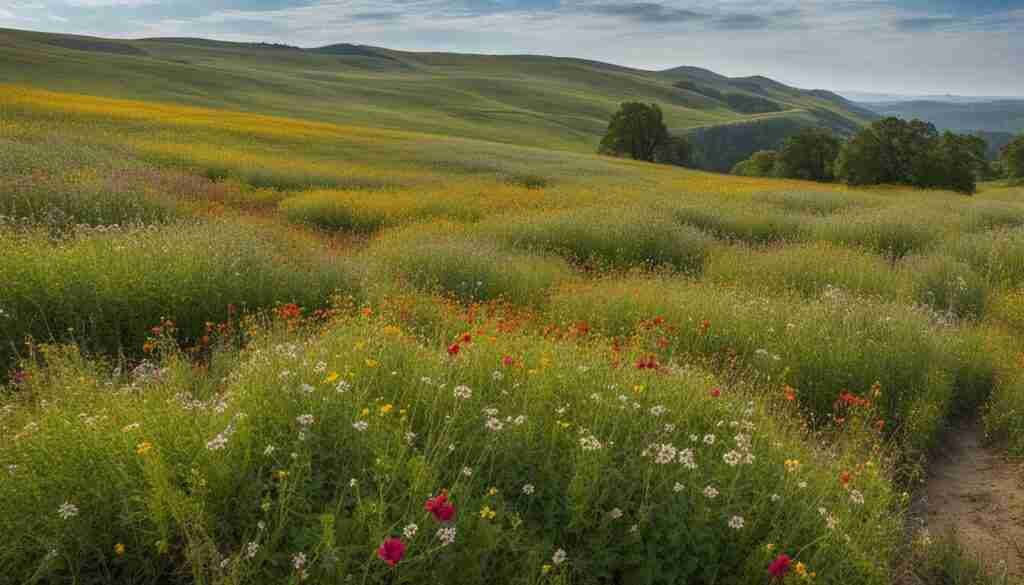
Table: Invasive & Introduced Wildflowers in Maryland
| Common Name | Scientific Name | Impact |
|---|---|---|
| Pokeweed | Phytolacca americana | Outcompetes native plants, toxic to animals |
| Crownvetch | Securigera varia | Forms dense mats, disrupts natural habitats |
| Japanese Knotweed | Polygonum cuspidatum | Aggressive growth, damages infrastructure |
| Garlic Mustard | Alliaria petiolata | Outcompetes native plants, degrades forest understory |
| Tree of Heaven | Ailanthus altissima | Invasive tree species, displaces native vegetation |
Efforts are being made to manage and control the spread of invasive and introduced wildflowers in Maryland. Conservation organizations, government agencies, and individuals are working together to identify and remove these species from natural areas and educate the public about the importance of planting native plants.
By taking action and supporting these initiatives, we can help protect Maryland’s native ecosystems and preserve the beauty of its natural wildflowers.
Partners in Pollination: Flowers & Plants, and the Animals Who Love Them
Wildflowers play a vital role in the intricate web of life, serving as partners to a diverse array of animals in the pollination process. As these flowers bloom, they provide a valuable food source in the form of nectar and pollen.
In return, pollinators such as bees, butterflies, and hummingbirds ensure the reproduction of the flowers by transferring pollen from one flower to another. This mutualistic relationship is a key driver of biodiversity and contributes to the health of ecosystems.
When it comes to attracting pollinators, certain flowers have developed specific adaptations. For example, flowers that rely on bees for pollination often have bright colors and distinct patterns that serve as visual signals to attract these important insects.
Additionally, some flowers have long, tubular shapes that are perfectly suited for hummingbirds to feed on their nectar. By understanding these unique adaptations, we can appreciate the intricate and fascinating ways in which flowers and pollinators have evolved together.
To create an environment that supports pollinators, it is important to choose native wildflowers. Native plants have co-evolved with local pollinators and are well-suited to their needs. They provide the right kind of nectar, pollen, and habitat that pollinators rely on for survival.
By planting a variety of native wildflowers in your garden or landscape, you can help provide the resources that pollinators need to thrive. This not only benefits the pollinators themselves but also contributes to the overall health and diversity of our natural environment.
The Importance of Protecting Pollinators
Pollinators are not only essential for the survival of wildflowers, but they also play a crucial role in our agricultural systems. Many of the fruits, vegetables, and nuts that we rely on for food are made possible by the work of pollinators. Without them, our food production would be severely impacted.
By supporting pollinators through the planting of wildflowers and the creation of pollinator-friendly habitats, we can help safeguard these vital species and ensure the continued abundance of food for both animals and humans.
Wildflower Meadows
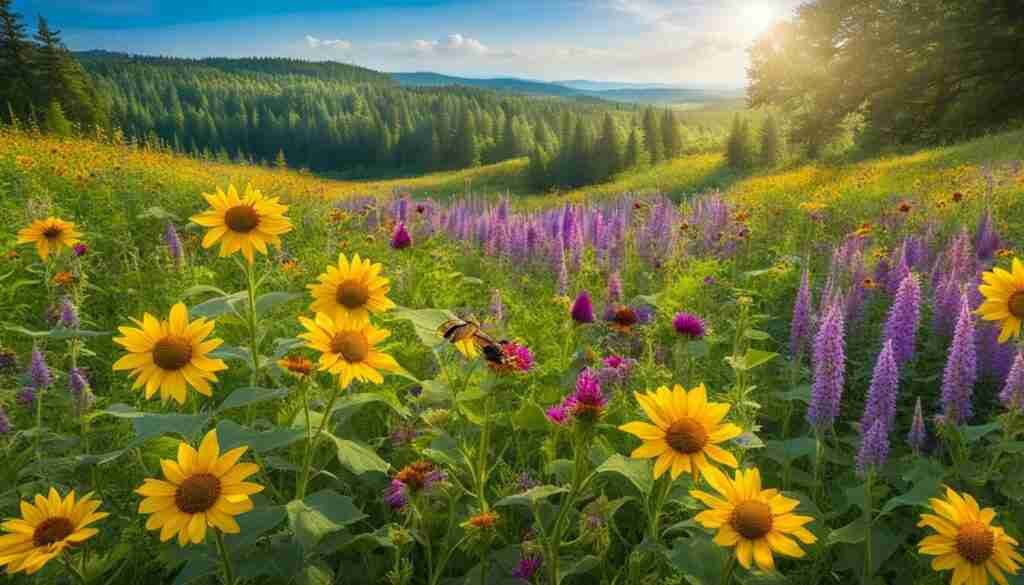
Wildflower meadows are a breathtaking sight, teeming with an array of vibrant colors and delicate blooms. These diverse habitats provide food and shelter for numerous species of pollinators, birds, and small mammals. By creating wildflower meadows through the Wild Acres Program, you can contribute to the preservation of Maryland’s native wildflowers and support local wildlife.
To establish a successful wildflower meadow, careful planning and preparation are essential. Begin by selecting a sunny location with well-drained soil. Clear the area of existing vegetation and weeds, ensuring that the soil is free from debris and rocks. This allows the wildflower seeds to germinate and establish themselves without competition.
Sourcing Native Wildflower Seeds
Choosing the right seeds is crucial for creating a thriving wildflower meadow. Opt for native wildflower seeds that are adapted to the local climate and soil conditions. These seeds are readily available from reputable nurseries, seed banks, or online retailers specializing in native plants. Native wildflowers not only provide a stunning display of color but also support the local ecosystem by attracting and sustaining pollinators.
| Native Wildflower Species | Common Colors | Bloom Time |
|---|---|---|
| Black-Eyed Susan | Yellow | Summer |
| Butterfly Weed | Orange | Summer |
| Indian Blanket | Red, Orange, Yellow | Summer |
| Goldenrod | Yellow | Fall |
After preparing the soil and obtaining the native wildflower seeds, it’s time to sow them in the designated area. Follow the instructions on the seed packet for the best sowing method and density. In general, it’s recommended to mix the seeds with a carrier material, such as sand or sawdust, to ensure even distribution. Water the area regularly, especially during the germination period, to support the growth of the young seedlings.
Over time, your wildflower meadow will establish itself, attracting a multitude of pollinators and adding a beautiful natural touch to your surroundings. Sit back, relax, and enjoy the colorful spectacle of wildflowers swaying in the breeze, while knowing that you have made a positive impact on Maryland’s native flora and fauna.
Poisonous Plants of Maryland
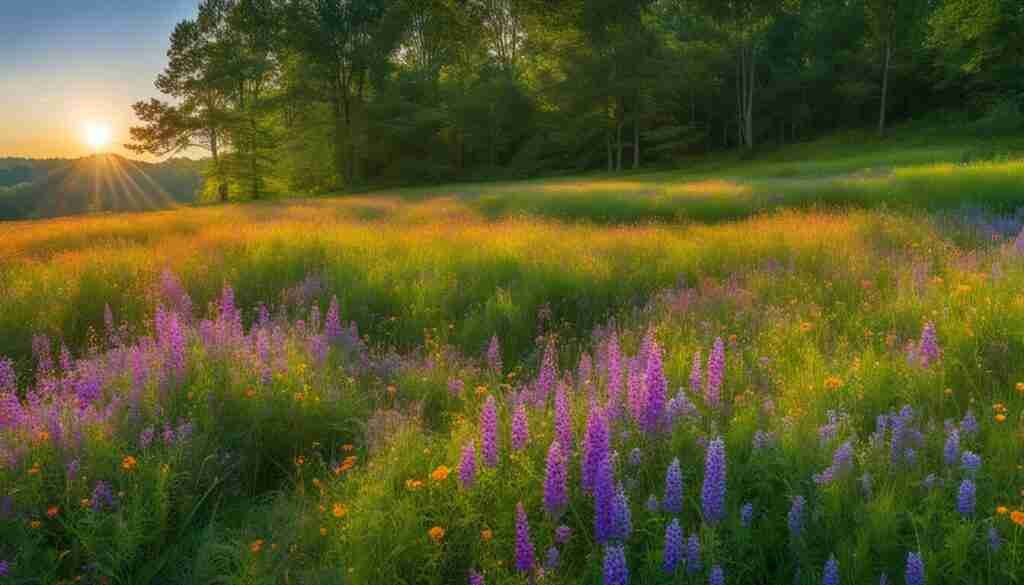
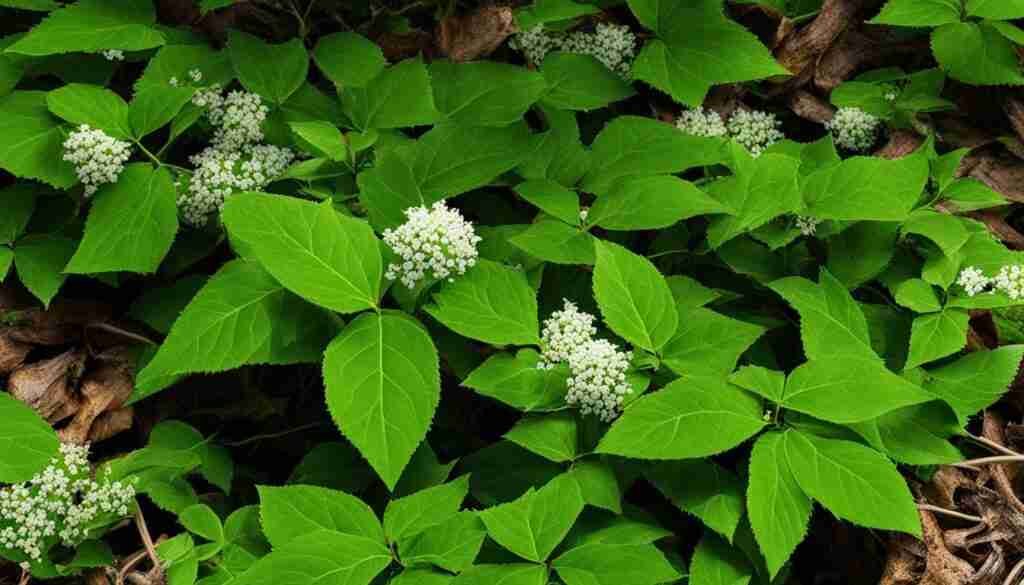
In the midst of Maryland’s blooming wildflowers, it is important to be aware of the presence of poisonous plants. These plants may be harmful to humans and animals, and caution should be exercised when encountering them. Three notable poisonous plants found in Maryland are Monkshood (Aconitum), Pokeweed (Phytolacca americana), and Jimsonweed (Datura stramonium).
Monkshood (Aconitum)
Monkshood is a beautiful but toxic plant that is native to Maryland. Its distinctive blue or purple flowers resemble the hood of a medieval monk, hence its name. All parts of the Monkshood plant, including the roots, leaves, and flowers, contain toxic compounds known as alkaloids.
These alkaloids can cause severe illness, including symptoms such as nausea, dizziness, and cardiac arrhythmias. It is important to avoid any contact with Monkshood and to keep it out of reach of children and pets.
Pokeweed (Phytolacca americana)
Pokeweed is a common, tall plant with clusters of dark purple berries that can be found in fields, along roadsides, and in gardens throughout Maryland. While the berries can be tempting, they are highly toxic and should never be consumed.
Ingesting Pokeweed berries can cause symptoms such as vomiting, diarrhea, and in severe cases, even respiratory failure. It is crucial to be able to recognize Pokeweed and avoid any contact with its berries or other parts of the plant.
Jimsonweed (Datura stramonium)
Jimsonweed is an invasive plant with large white or purple trumpet-shaped flowers that can be found in disturbed areas across Maryland. All parts of the Jimsonweed plant, including the leaves, flowers, seeds, and even the pollen, contain powerful toxins.
Ingesting or coming into contact with Jimsonweed can have severe effects on the central nervous system, causing hallucinations, delirium, and even coma. It is crucial to avoid any contact with Jimsonweed and to educate others about its toxicity.
By being aware of these poisonous plants and understanding their potential dangers, you can ensure a safe and enjoyable experience while exploring Maryland’s wildflower-filled landscapes. Remember to always stay informed, exercise caution, and appreciate the beauty of these natural wonders from a safe distance.
Native Wildflowers of Maryland
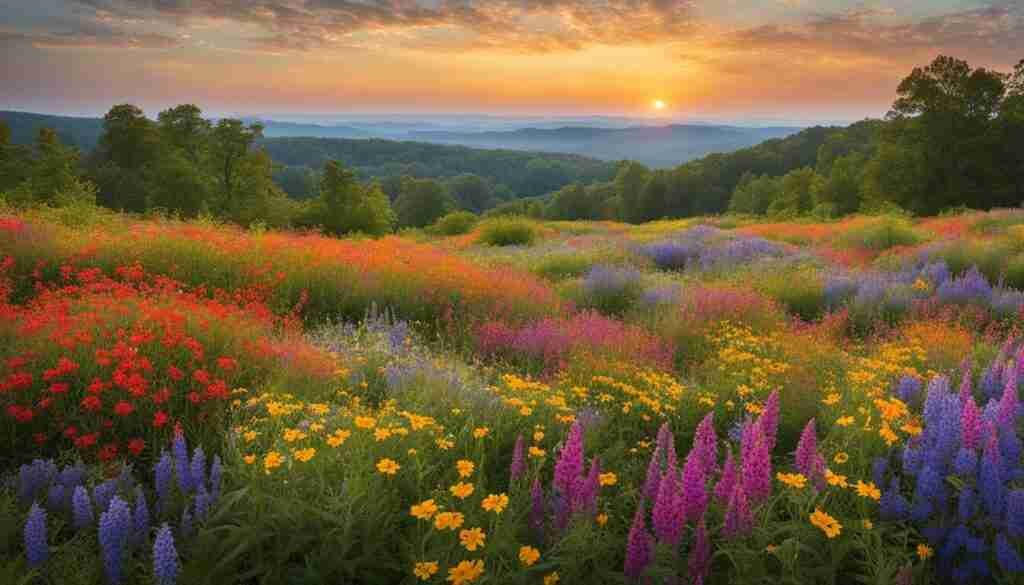
In Maryland, you can find a diverse array of native wildflowers that add beauty and ecological value to the state. These native plants have adapted to the local climate and play important roles in supporting pollinators, beautifying landscapes, and contributing to the overall biodiversity of Maryland. Let’s explore some of the notable native wildflowers that you may encounter in the state:
Virginia Bluebells (Mertensia virginica)
The Virginia Bluebells are a stunning spring wildflower known for their clusters of bell-shaped, blue-purple flowers. They are commonly found in woodland areas and along streams, adding a vibrant pop of color to the landscape. These flowers attract pollinators such as bees and butterflies and are a favorite among gardeners for their beauty and ability to naturalize in the right conditions.
Black-Eyed Susan (Rudbeckia hirta)
The Black-Eyed Susan is the official state flower of Maryland and is known for its bright yellow petals and dark center. This wildflower blooms from late spring to early fall and can be found in meadows, prairies, and along roadsides. It not only adds visual appeal to the landscape but also provides an important food source for pollinators.
Cardinal Flower (Lobelia cardinalis)
The Cardinal Flower is a striking native wildflower with vibrant red flowers that attract hummingbirds and butterflies. It thrives in moist areas such as wetlands, stream banks, and ditches. The Cardinal Flower adds a touch of elegance to any garden or natural area and is a valuable addition for supporting local pollinators.
| Wildflower | Description | Habitat |
|---|---|---|
| Virginia Bluebells | Clusters of bell-shaped, blue-purple flowers | Woodland areas, along streams |
| Black-Eyed Susan | Bright yellow petals with a dark center | Meadows, prairies, roadsides |
| Cardinal Flower | Striking red flowers that attract hummingbirds and butterflies | Moist areas, wetlands, stream banks |
These are just a few examples of the native wildflowers that you can find in Maryland. By incorporating these plants into your garden or supporting their preservation in natural habitats, you can embrace the beauty of the state’s flora while contributing to the conservation of local ecosystems.
Best Wildflowers for Maryland Gardens
When it comes to selecting wildflowers for your Maryland garden, there are several beautiful and resilient options to choose from. These native wildflowers not only add color and charm to your landscape but also provide essential habitats and food sources for pollinators. Here are some of the best wildflowers for Maryland gardens:
Purple Coneflower (Echinacea purpurea)
The Purple Coneflower is a stunning perennial that features vibrant purple petals with a spiky orange-brown center. This wildflower blooms from mid-summer to early fall and is a favorite among bees and butterflies. It is a low-maintenance plant that thrives in full sun and well-drained soil, making it a perfect addition to any Maryland garden.
Bee Balm (Monarda)
Bee Balm is a colorful and fragrant wildflower that attracts both hummingbirds and butterflies. It features clusters of vibrant red, pink, or purple petals and blooms from mid-summer to early fall. This native perennial prefers full sun to partial shade and moist, well-drained soil. Bee Balm is not only a beautiful addition to your garden but also a valuable nectar source for pollinators.
Butterfly Weed (Asclepias tuberosa)
Butterfly Weed is a striking wildflower that showcases bright orange or yellow flowers from mid-summer to early fall. As the name suggests, it is a favorite of butterflies and other pollinators. This perennial thrives in full sun and well-drained soil, making it a perfect choice for Maryland gardens. It also serves as a host plant for Monarch butterflies, making it an important species for conservation efforts.
| Wildflower | Description | Bloom Time | Preferred Habitat |
|---|---|---|---|
| Purple Coneflower | Vibrant purple petals with an orange-brown center | Mid-summer to early fall | Full sun, well-drained soil |
| Bee Balm | Clusters of red, pink, or purple flowers | Mid-summer to early fall | Full sun to partial shade, moist soil |
| Butterfly Weed | Bright orange or yellow flowers | Mid-summer to early fall | Full sun, well-drained soil |
By incorporating these native wildflowers into your Maryland garden, you can create a beautiful and vibrant space that supports pollinators and enhances the local ecosystem. Remember to provide the appropriate growing conditions for each wildflower and enjoy the natural beauty they bring to your outdoor space.
Maryland Wildflower Guide
For wildflower enthusiasts in Maryland, having a comprehensive guide to identify and learn about the different species is invaluable. A Maryland Wildflower Guide provides detailed descriptions, photographs, and important information such as bloom time, habitat preferences, and cultivation tips.
Whether you’re a nature lover, a professional landscaper, or simply curious about the beautiful wildflowers found in Maryland, this guide is a must-have resource.
With a Maryland Wildflower Guide, you can easily identify native species that are adapted to the local climate and play a vital role in supporting pollinators and maintaining biodiversity. You’ll be able to explore the stunning variety of wildflower species found in Maryland, from vibrant purple blooms to delicate white flowers.
Not only will a Maryland Wildflower Guide enhance your knowledge and appreciation for the state’s wildflowers, but it will also help you create a sustainable garden or meadow. By selecting the best wildflowers for Maryland gardens, you can attract pollinators, provide habitat for beneficial insects, and contribute to the conservation efforts of native plants and wildlife.
| Benefits of a Maryland Wildflower Guide | Examples of Wildflower Species in Maryland |
|---|---|
|
|
A Maryland Wildflower Guide is an essential tool for anyone interested in exploring the rich diversity of wildflowers in the state. Whether you’re on a nature hike, tending to your garden, or simply appreciating the beauty of Maryland’s landscapes, this guide will enhance your experience and deepen your connection with the environment.
Wildflower Species in Maryland
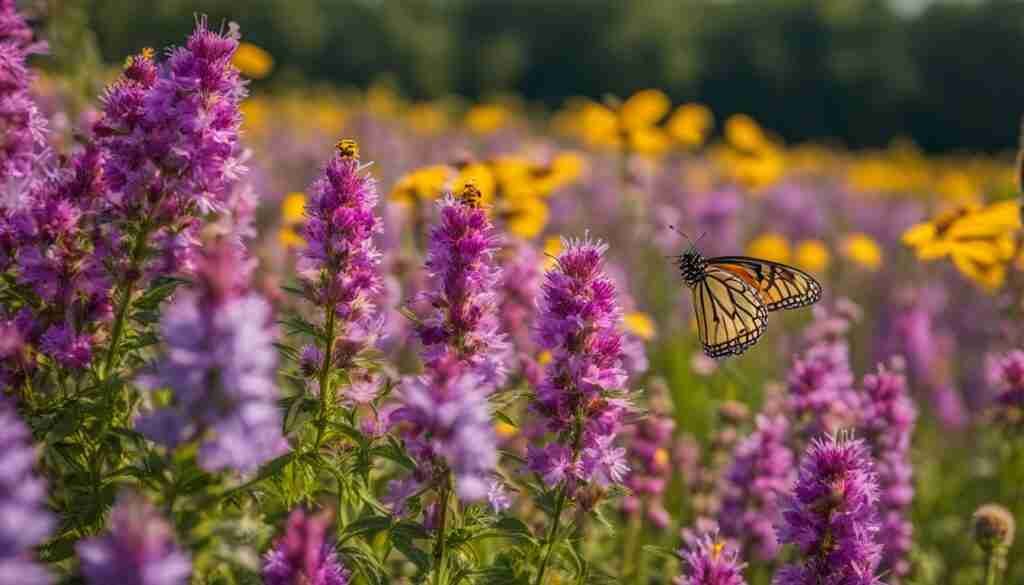
Maryland is home to a rich variety of wildflower species, each with its own unique characteristics and beauty. Whether you’re a passionate nature lover or simply enjoy exploring the outdoors, discovering the diverse wildflowers in Maryland can be an exciting and educational experience.
From the vibrant colors of the Wild Bergamot to the delicate blooms of the Spring Beauty, there is something for everyone to admire and appreciate.
To help you explore the world of Maryland’s wildflowers, here is a selection of some notable species found in the state:
Table: Native Wildflowers of Maryland
| Wildflower | Scientific Name | Description |
|---|---|---|
| Virginia Bluebells | Mertensia virginica | A perennial wildflower with beautiful clusters of blue, bell-shaped flowers. |
| Black-Eyed Susan | Rudbeckia hirta | The official state flower of Maryland, known for its bright yellow petals and dark center. |
| Cardinal Flower | Lobelia cardinalis | A striking red wildflower that attracts hummingbirds with its nectar-rich blooms. |
| Wild Bergamot | Monarda fistulosa | A perennial herb with purple flowers that are highly attractive to bees and butterflies. |
| Spring Beauty | Claytonia virginica | A delicate wildflower with small white or pink flowers that bloom in early spring. |
This is just a small glimpse of the many wildflower species that flourish in Maryland. Exploring these native plants in their natural habitats can not only provide visual delights but also contribute to the preservation and appreciation of the state’s biodiversity. Whether you encounter them on a hike, in a garden, or along a roadside, take a moment to admire and cherish the wildflowers that grace the landscapes of Maryland.
Maryland Wildflower Season
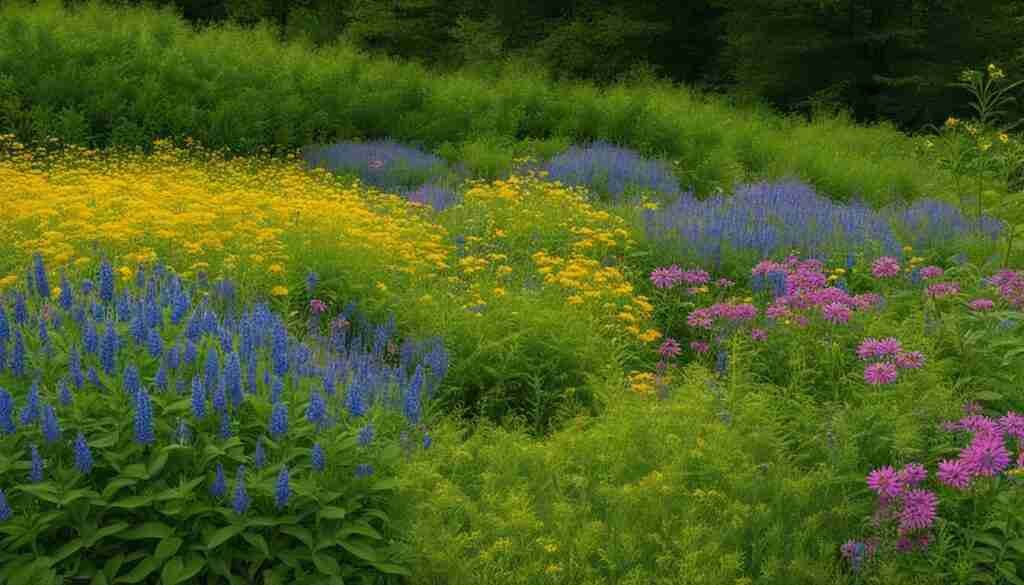
The wildflower season in Maryland is a sight to behold, with a tapestry of colors blooming throughout the year. While different species bloom at different times, the peak wildflower season is generally considered to be late spring to early summer. This is when many native species, such as the iconic Black-Eyed Susan and the delicate Virginia Bluebells, are in full bloom, painting the landscapes with their vibrant hues.
During this season, Maryland’s meadows, gardens, and natural areas come alive with a diverse array of wildflowers. From the sunny yellow blossoms of the Coreopsis to the purple splendor of the Wild Bergamot, there is a wildflower for every nature enthusiast to discover and enjoy.
Whether you’re exploring hiking trails, visiting botanical gardens, or simply strolling through neighborhood parks, you’re sure to encounter the beauty and wonder of Maryland’s wildflower season.
To make the most of your wildflower experience, consider planning your visit during the peak season. Pack your camera and capture the breathtaking moments as you immerse yourself in the colors and fragrances of Maryland’s native blooms.
And don’t forget to keep an eye out for the pollinators that rely on these wildflowers for their survival. Witnessing the interaction between bees, butterflies, and wildflowers is a reminder of the interconnectedness of nature.
Exploring Maryland’s Wildflower Season
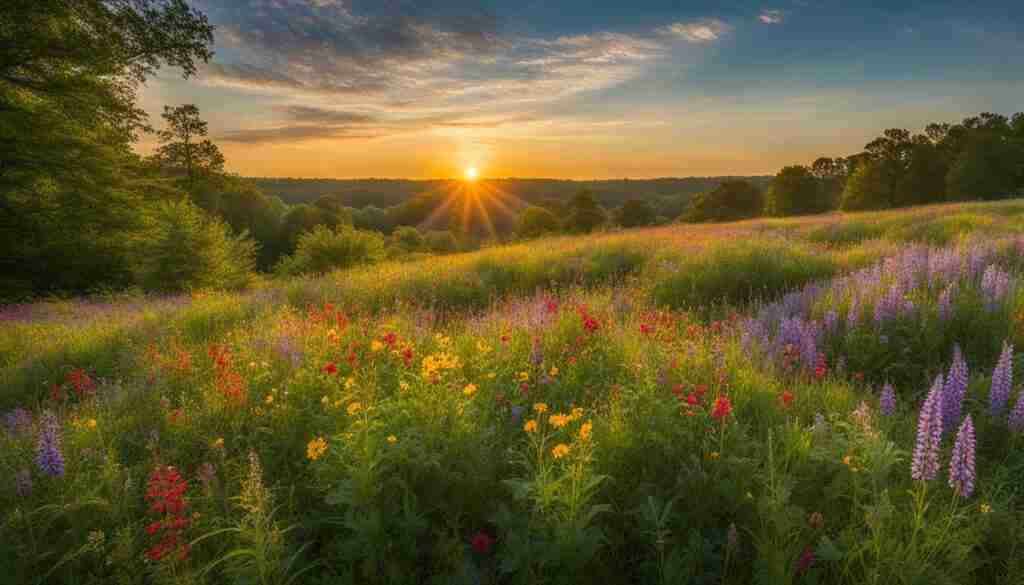
When venturing out during the wildflower season, it can be helpful to research specific locations known for their wildflower displays. Many state parks, nature preserves, and botanical gardens across Maryland offer guided tours or provide information on current blooms. Some popular destinations include Catoctin Mountain Park, Gunpowder Falls State Park, and Ladew Topiary Gardens.
| Common Wildflowers in Maryland | Blooming Season |
|---|---|
| Black-Eyed Susan | Late spring to early summer |
| Virginia Bluebells | Spring |
| Coreopsis | Summer |
| Wild Bergamot | Summer |
| Butterfly Weed | Summer |
Remember to tread lightly and respect the natural environment when observing wildflowers. Avoid picking or damaging the plants, as they are essential for the ecosystem and provide food and shelter for wildlife. Take nothing but photographs and leave nothing but footprints to ensure the preservation of Maryland’s wildflower season for future generations to enjoy.
Wildflowers in Maryland: Native vs. Non-Native
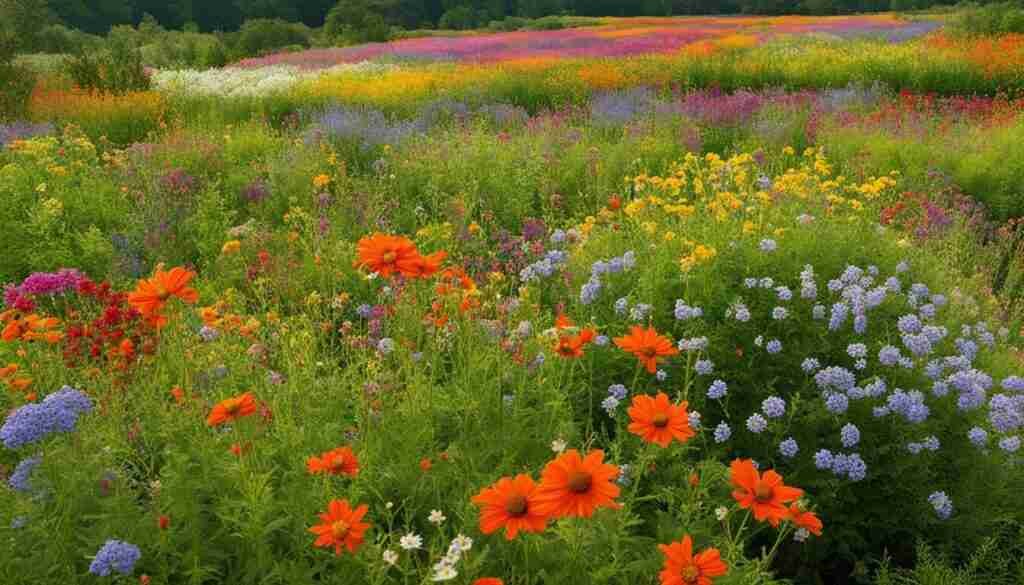
When it comes to wildflowers in Maryland, it’s important to understand the distinction between native and non-native species. Native wildflowers are those that have naturally evolved in the region over time and play a vital role in the local ecosystem. They have adapted to the climate, soil, and other environmental factors specific to Maryland, making them well-suited to thrive in the region.
On the other hand, non-native wildflowers are introduced from other parts of the world and may not have the same beneficial impacts on the local ecosystem. While some non-native species may be attractive and well-adapted to Maryland’s climate, others can become invasive and disrupt the balance of native plant and animal communities.
By prioritizing native wildflowers in landscaping and conservation efforts, you can help preserve the natural heritage of Maryland and support the health of local ecosystems. Native wildflowers provide food and habitat for native pollinators, contribute to soil health, and enhance the overall biodiversity of the region. They also offer a unique sense of place and beauty, showcasing the natural wonders of Maryland.
While it may be tempting to introduce non-native wildflowers for their aesthetics or other desirable qualities, it’s important to carefully choose species that will not become invasive or outcompete native plants. Consulting a local expert, such as a native plant nursery or a conservation organization, can provide guidance on selecting suitable non-native species that will not pose a threat to native ecosystems.
Benefits of Native Wildflowers
- Support local pollinators and wildlife by providing food and habitat
- Contribute to the biodiversity and overall health of Maryland’s ecosystems
- Adapted to local climate and soil conditions, making them more resistant to pests and diseases
- Enhance the aesthetic appeal of landscapes with their unique colors and forms
Considerations for Non-Native Wildflowers
- Choose non-native species carefully to avoid introducing invasive plants
- Consult with local experts to determine which non-native species are suitable for Maryland
- Avoid planting non-native species that may outcompete native plants and disrupt local ecosystems
- Monitor non-native wildflowers for signs of invasiveness and take appropriate measures if necessary
| Native Wildflowers | Non-Native Wildflowers |
|---|---|
| Black-Eyed Susan (Rudbeckia hirta) | Tulips (Tulipa spp.) |
| Virginia Bluebells (Mertensia virginica) | Sunflowers (Helianthus spp.) |
| Cardinal Flower (Lobelia cardinalis) | Poppies (Papaver spp.) |
Conclusion
Maryland is a haven for wildflower enthusiasts, with its diverse range of native species and vibrant blooms. By understanding the importance of preserving natural habitats and supporting pollinators, you can contribute to the conservation of Maryland’s wildflowers.
Whether in meadows, gardens, or along roadside plantings, wildflowers bring beauty, biodiversity, and ecological value to the state. Embracing these native treasures is a way to connect with the environment and celebrate the unique flora of Maryland.
Native plants play a crucial role in maintaining the balance of local ecosystems and supporting pollinators. If you’re interested in identifying the wildflowers you encounter, a Maryland wildflower guide can be a valuable resource.
These guides provide detailed descriptions, photographs, and cultivation tips for various species found in the state. They can help you appreciate the rich diversity of wildflowers and enhance your gardening efforts.
When choosing wildflowers for your garden, opt for species that are best suited to Maryland’s climate and soil conditions. Some popular choices include Purple Coneflower, Bee Balm, and Butterfly Weed. These plants not only add beauty to your landscape but also attract pollinators and provide habitat for beneficial insects.
Throughout the year, Maryland’s wildflowers bloom in a spectacular display of colors. From the early spring blooms to the late fall blossoms, each season offers a new tapestry of native wildflowers.
The peak wildflower season is generally considered to be late spring to early summer when iconic species like the Black-Eyed Susan and the Virginia Bluebells are in full bloom. Explore the different species and embrace the beauty of Maryland’s wildflowers.
FAQ
What programs are in place to preserve wildflowers in Maryland?
Maryland has implemented two programs, the Wildflower Program and the Wild Acres Program, to preserve and enhance wildflowers. The Wildflower Program plants native and naturalized wildflowers along state highways, while the Wild Acres Program offers guidance for creating natural habitats in backyards.
What is the official state flower of Maryland?
The official state flower of Maryland is the Black-Eyed Susan (Rudbeckia hirta), a vibrant yellow flower with a dark center that is common in meadows and gardens throughout the state.
Are there invasive and introduced wildflower species in Maryland?
Yes, there are invasive and introduced species in Maryland that can disrupt local habitats. Examples include Pokeweed (Phytolacca americana) and Crownvetch (Securigera varia).
Why are wildflowers important for pollinators?
Wildflowers play a crucial role in supporting pollinators by providing food sources like nectar and pollen. Pollinators, in turn, help to fertilize the flowers and ensure their reproduction, supporting biodiversity and healthy ecosystems.
What are wildflower meadows?
Wildflower meadows are diverse habitats characterized by an abundance of wildflowers, grasses, and native plants. They provide food and shelter for pollinators, birds, and small mammals.
Are there poisonous wildflower plants in Maryland?
Yes, some wildflower plants in Maryland, such as Monkshood (Aconitum), Pokeweed (Phytolacca americana), and Jimsonweed (Datura stramonium), are poisonous and should be approached with caution.
What are some native wildflowers in Maryland?
Some notable native wildflowers in Maryland include the Virginia Bluebells (Mertensia virginica), Black-Eyed Susan (Rudbeckia hirta), and Cardinal Flower (Lobelia cardinalis).
What are some popular wildflowers for Maryland gardens?
Popular choices for Maryland gardens include the Purple Coneflower (Echinacea purpurea), Bee Balm (Monarda), and Butterfly Weed (Asclepias tuberosa).
Can I find a comprehensive wildflower guide for Maryland?
Yes, a comprehensive wildflower guide can be a valuable resource for identifying and learning about the various species found in Maryland. These guides often include descriptions, photographs, and cultivation tips.
What is the wildflower season in Maryland?
The wildflower season in Maryland typically begins in early spring and extends through late fall, with peak season considered to be late spring to early summer.
What is the difference between native and non-native wildflowers in Maryland?
Native wildflowers have evolved naturally in the region and play an important role in the local ecosystem, while non-native species are introduced from other parts of the world and can have negative impacts on native plants and wildlife.