
Discover the rich meaning and symbolism behind the México State Flower, the Dahlia, and understand its significance to the vibrant culture of Mexico.
- The Dahlia is the national flower of Mexico and was declared as such in 1963.
- It has deep cultural significance and represents Mexico’s diverse flora and rich cultural heritage.
- The Dahlia is known for its vibrant array of colors and unique forms, reflecting Mexico’s diversity and resilience.
- It is native to Mexico and Central America, thriving in cool, high-altitude environments.
- The Dahlia plays a vital role in its ecosystem by attracting important pollinators like bees, butterflies, and hummingbirds.
Historical Significance of the Dahlia as Mexico’s National Flower
The Dahlia holds a significant place in Mexico’s history as it was chosen as the national flower in 1963 due to its deep cultural roots and historical significance. With its indigenous Mexican origins, the Dahlia represents the country’s rich heritage and serves as a symbol of Mexican identity.
The Dahlia is known for its vibrant array of colors and unique forms, reflecting the diversity and resilience of Mexico. Its bold and striking appearance has made it a favorite in Mexican art, textiles, and handicrafts, where it is often featured to celebrate its beauty and cultural significance.
Table: Dahlia Fact Sheet
| Native to | Growth Environment | Ecological Importance |
|---|---|---|
| Mexico and Central America | Cool, high-altitude environments | Attracts pollinators like bees, butterflies, and hummingbirds |
The Dahlia’s significance extends beyond its aesthetic beauty. In its native habitat, the flower plays a vital role in supporting the local ecosystem by attracting important pollinators such as bees, butterflies, and hummingbirds, contributing to the region’s biodiversity.
Today, the Dahlia continues to be cherished by the Mexican people, not only for its natural beauty but also for its representation of their cultural heritage and national pride. Alongside other beautiful flowers like marigolds and poinsettias, the Dahlia adds to the vibrant floral landscape that is ingrained in Mexican culture.
The Diverse Flora and Cultural Heritage Represented by the Dahlia
The Dahlia is not just a flower but also a powerful symbol of Mexican identity, symbolizing the diverse flora and rich cultural heritage that define Mexico. This vibrant flower represents the incredible variety of plant species found in Mexico, from the lush jungles to the arid deserts.
It serves as a reminder of the country’s natural beauty and the resilience of its ecosystems.
With over 30 species and countless cultivars, the Dahlia showcases the multitude of colors, shapes, and sizes that exist within Mexico’s floral landscape. From the dainty and delicate to the bold and dramatic, each Dahlia variety tells a unique story about the country’s diverse regions and climates.
The cultural heritage of Mexico is intricately intertwined with its flora, and the Dahlia plays a significant role in this narrative. It is deeply rooted in indigenous Mexican traditions and is celebrated as a symbol of fertility, abundance, and beauty.
Across generations, the Dahlia has been honored in festivals, artwork, and even culinary creations.
| Cultural Significance | Dahlia Varieties |
|---|---|
| The Dahlia represents Mexico’s vibrant culture and artistic expression. | Cactus, Waterlily, Decorative, Pompon, and many more |
| It is often featured in traditional Mexican textiles, such as embroidered fabrics and vibrant tapestries. | Single, Anemone, Collarette, Ball, and many more |
| The flower’s striking colors and unique forms are celebrated in Mexican art, evoking emotions and inspiring creativity. | Peony, Fimbriata, Formal Decorative, Orchid, and many more |
As you delve into Mexico’s culture and history, the Dahlia will continue to captivate you with its beauty and significance. It serves as a visual representation of the country’s diverse flora and the vibrant tapestry of its cultural heritage.
Characteristics and Vibrant Colors of the Dahlia
Get to know the captivating characteristics of the Dahlia, including its vibrant array of colors and diverse forms that beautifully reflect the resilience and diversity of Mexico. As the national flower, the Dahlia holds a significant place in Mexican culture and symbolizes the country’s rich heritage.
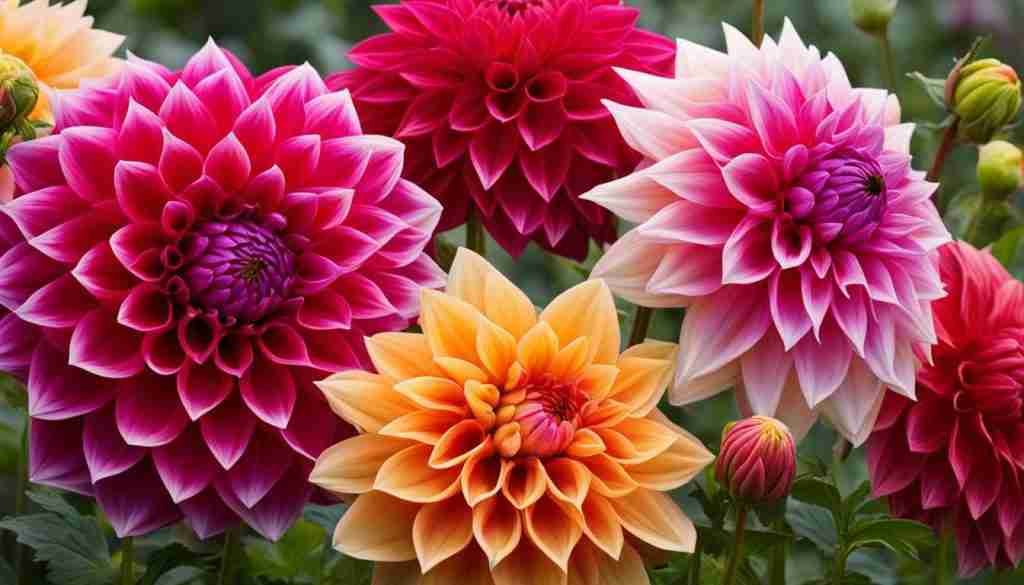
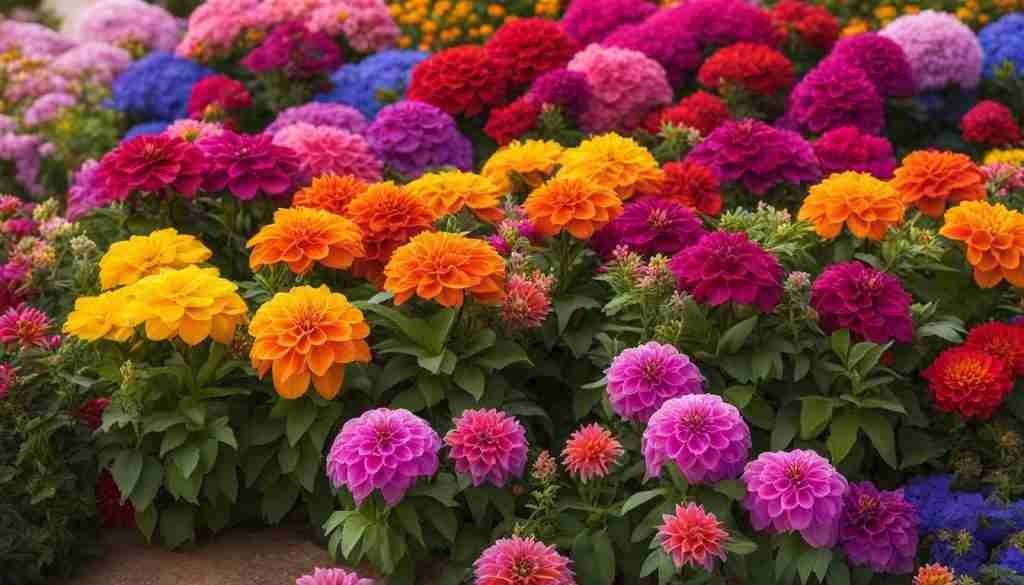
The Dahlia is renowned for its vivid and striking colors, ranging from vibrant reds, oranges, and yellows to softer pastel hues like pink and lavender.
Its spectrum of colors adds a vibrant touch to Mexico’s floral landscape, showcasing the country’s diverse flora. With over 30 species and thousands of cultivars, the Dahlia offers a wide range of forms, from single-petaled to intricately layered blooms.
Whether it’s a delicate ball-shaped Dahlia, a showy dinner plate variety, or a petite pompon type, the diverse forms of the Dahlia exemplify Mexico’s resilience and adaptability.
The flower’s ability to thrive in various environments further reflects the country’s cultural diversity and the strength of its people.
As you explore the mesmerizing world of Dahlias, be prepared to embrace their beauty and marvel at the rich tapestry of colors and forms that exemplify Mexico’s pride and identity.
The Dahlia’s Native Habitat and Ecological Importance
Discover the native habitat of the Dahlia, which thrives in the cool, high-altitude environments of Mexico, while also playing a vital role in the ecosystem by attracting pollinators like bees, butterflies, and hummingbirds.
The Dahlia is native to Mexico and Central America, where it has adapted to the unique climate and conditions of the region.
These stunning flowers prefer the cool temperatures found at higher altitudes, making them a common sight in mountainous areas of Mexico. Their ability to thrive in these environments has made them a symbol of resilience and strength.
Not only do Dahlias add vibrant colors to the landscape, but they also serve an important ecological purpose. Their intricate petals and rich nectar attract a wide range of pollinators, including bees, butterflies, and hummingbirds.
These pollinators play a crucial role in plant reproduction, ensuring the continuation of the flower’s species and supporting the overall biodiversity of the ecosystem.

| Pollinator | Importance |
|---|---|
| Bees | Help in pollen transfer, contributing to the growth of other plants |
| Butterflies | Assist in cross-pollination and aid in the reproduction of various plant species |
| Hummingbirds | Play a significant role in carrying pollen between flowers, supporting plant diversity |
The Dahlia’s role as a pollinator magnet highlights its ecological importance and makes it an integral part of Mexico’s natural heritage. It not only adds beauty to the landscape but also contributes to the health and sustainability of the local ecosystem.
The Dahlia in Mexican Art, Textiles, and Handicrafts
Immerse yourself in the cultural importance of the Dahlia as it permeates Mexican art, textiles, and handicrafts, showcasing its exquisite beauty and deep symbolism. The Dahlia, with its vibrant colors and unique forms, has captured the imaginations of artists for centuries.
Whether it’s captured in a painting, woven into a textile, or handcrafted into intricate designs, the Dahlia stands as a testament to Mexico’s rich artistic heritage.
In Mexican art, the Dahlia is often depicted as a symbol of beauty, love, and transformation. Its radiant petals and intricate patterns serve as inspiration for painters, who use vibrant colors and delicate brushstrokes to recreate its stunning display.
The flower’s symbolism goes beyond its physical beauty, representing the resilience and strength of Mexican culture.
Textiles and handicrafts also embrace the Dahlia’s beauty and symbolism. Intricate embroidery, vibrant tapestries, and woven patterns feature the flower, symbolizing the interconnectedness of nature and human creativity.
From traditional clothing to decorative household items, the Dahlia brings a touch of nature’s splendor into everyday life, reminding us of the natural wonders that surround us.
Table: Mexican Art, Textiles, and Handicrafts Inspired by the Dahlia
| Art Form | Description |
|---|---|
| Painting | Dahlia-inspired paintings capture the flower’s vibrant colors and intricate details, often portraying it as a centerpiece of beauty and cultural significance. |
| Embroidery | Artisans skillfully incorporate Dahlia motifs into embroidered textiles, creating stunning pieces that showcase the flower’s elegance and cultural symbolism. |
| Ceramics | The Dahlia’s graceful forms find expression in handcrafted ceramics, where artists sculpt the flower’s petals and shapes into intricate designs. |
| Textiles | Dahlia-inspired textiles, such as woven rugs, blankets, and tapestries, bring the beauty and symbolism of the flower into homes, adding a touch of warmth and cultural heritage. |
| Jewelry | Artisans incorporate Dahlia motifs into jewelry designs, crafting exquisite pieces that celebrate the flower’s beauty and serve as wearable works of art. |
The Dahlia’s presence in Mexican art, textiles, and handicrafts is a celebration of the flower’s beauty and the country’s rich cultural heritage. It serves as a reminder of the importance of nature and the deep connection between art and life.
As you explore the intricate patterns and vibrant colors of Dahlia-inspired creations, you can’t help but be enchanted by the timeless allure of this remarkable flower.
Other Beautiful Flowers Found in Mexico
Mexico is home to an array of stunning flowers, including marigolds and poinsettias, each possessing their own distinct beauty and cultural significance. Marigolds, known as “Cempasúchil” in Mexican culture, are vibrant orange and yellow flowers that are often associated with Dia de los Muertos, the Day of the Dead.
These cheerful blooms are used to create colorful altars and are believed to guide the spirits of loved ones back to the earthly realm.
Poinsettias, or “Nochebuena” in Spanish, are especially cherished during the festive season. Their bright red leaves symbolize the Star of Bethlehem and are commonly used in Christmas decorations throughout Mexico.
This iconic flower adds a touch of elegance and warmth to holiday celebrations, embodying the spirit of the season.
| Flower | Meaning | Cultural Significance |
|---|---|---|
| Marigolds (Cempasúchil) | Symbol of remembrance and celebration of the deceased | Used in Dia de los Muertos altars and ceremonies |
| Poinsettias (Nochebuena) | Represent the Star of Bethlehem | Used in Christmas decorations and celebrations |
These flowers not only add beauty to Mexico’s landscapes but also hold deep cultural significance. They serve as reminders of traditions and celebrations that have been passed down through generations.
Whether adorning altars or brightening holiday displays, marigolds and poinsettias capture the essence of Mexican culture and bring joy and cheer to all who encounter them.
Cultural Traditions and Symbolism of México State Flower
Explore the rich cultural traditions and symbolism surrounding the México State Flower, delving into its deep-rooted connection with Mexican culture and the rituals that celebrate its significance.
The Dahlia, as the national flower of Mexico, holds a special place in the hearts of its people. It symbolizes the country’s vibrant cultural heritage and serves as a powerful emblem of Mexican identity.
In Mexican culture, the México State Flower is often associated with love, beauty, and purity. It is commonly used in religious ceremonies, weddings, and festivals to adorn altars, bouquets, and traditional costumes.
The flower’s vibrant colors and unique forms spark joy and evoke a sense of celebration and unity among the Mexican people.
Furthermore, the México State Flower is deeply intertwined with Mexican art and handicrafts. Artists and artisans frequently incorporate the Dahlia into their creations, showcasing its beauty and symbolism.
From intricate embroidery patterns to vibrant paintings, the flower serves as a muse for artists to express their love for their country and its rich cultural tapestry.
| Cultural Traditions | Symbolism |
|---|---|
| Religious ceremonies | Purity and devotion |
| Weddings | Love, beauty, and new beginnings |
| Festivals | Celebration and unity |
Symbolism in Art and Handicrafts
The México State Flower has also become a prominent symbol in Mexican art and handicrafts, representing the nation’s creative spirit and cultural heritage. Whether it’s woven into textiles, sculpted in clay, or painted on pottery, the Dahlia adds a touch of beauty and symbolism to these artistic expressions.
Its presence in these art forms further reinforces its importance in Mexican culture and serves as a reminder of the country’s rich artistic legacy.
Overall, the México State Flower, the Dahlia, is not just a beautiful blossom; it carries deep cultural significance in Mexican society. Its symbolism, traditions, and presence in art and handicrafts celebrate the country’s identity, unity, and collective heritage.
By embracing the México State Flower, Mexicans honor their roots, cultural diversity, and the beauty that is uniquely Mexico.
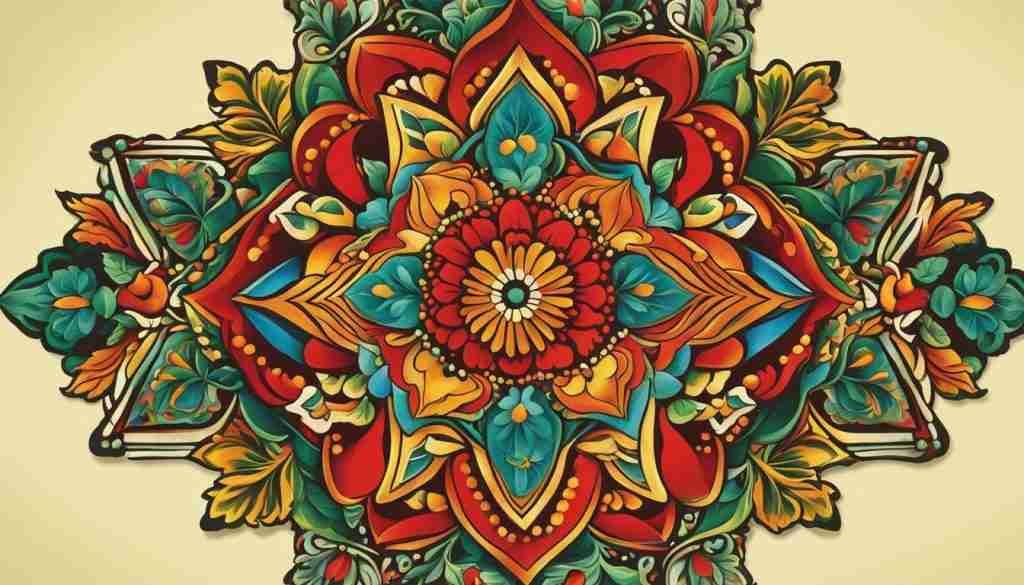
Uncover the symbolism of the México State Flower in Mexican art, where artists skillfully wield its beauty and meaning to create captivating works that resonate with viewers. The Dahlia, with its vibrant colors and unique forms, holds a significant place in Mexican culture and artistic expressions.
This beloved flower represents more than just natural beauty; it embodies the country’s cultural heritage and identity.
In Mexican art, the Dahlia often symbolizes love, beauty, and the cyclical nature of life. Artists use its graceful petals, ranging from soft pastels to bold hues, to convey emotion, tell stories, and evoke a sense of awe.
From traditional paintings to modern sculptures, the Dahlia features prominently as a powerful symbol of Mexican pride and a connection to nature.
One renowned Mexican artist who frequently incorporates the Dahlia into their works is Frida Kahlo. Known for her vibrant self-portraits, Kahlo often used the flower to represent her own femininity, strength, and connection to her Mexican roots.
By infusing the Dahlia’s symbolism into her art, she celebrated her identity and wove her personal experiences into a larger narrative of Mexican culture.
The Symbolism of the Dahlia in Mexican Art:
| Symbolism | Meaning |
|---|---|
| Love | The Dahlia represents deep affection and romantic emotions. |
| Beauty | Through its vibrant colors and intricate forms, the Dahlia signifies the beauty found in the natural world. |
| Life’s Cyclical Nature | The Dahlia’s seasonal cycle, from seed to bloom and eventual decay, represents the ever-changing nature of life. |
| Mexican Identity | As the national flower of Mexico, the Dahlia embodies the country’s cultural heritage, resilience, and unity. |
By exploring the symbolism of the México State Flower in Mexican art, we gain a deeper understanding of the significance the Dahlia holds for artists and viewers alike. It serves as a powerful symbol of love, beauty, life’s cycles, and Mexican identity, enriching our cultural narratives and celebrating the country’s rich artistic traditions.
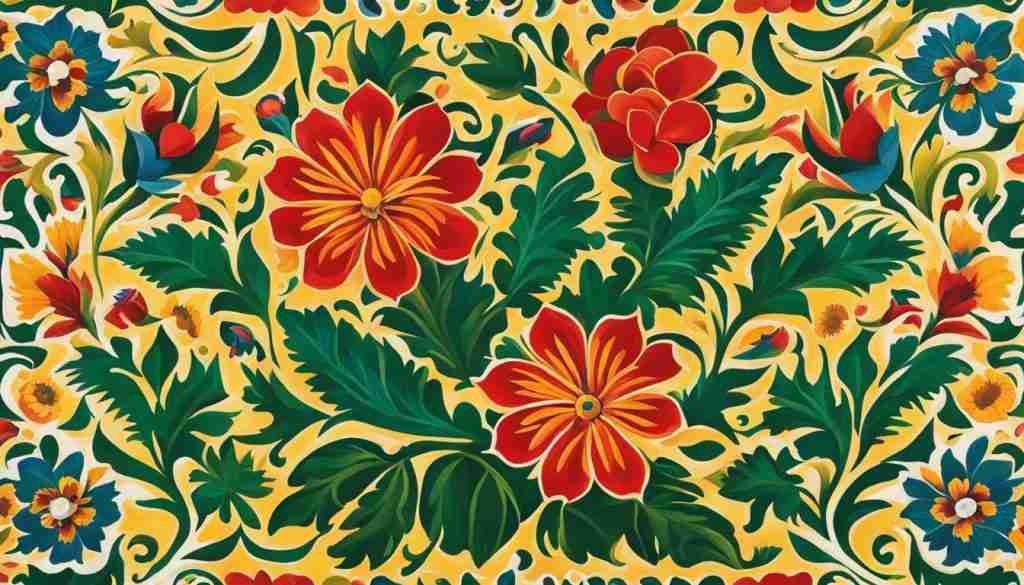
Delight in discovering fascinating facts about the México State Flower, unveiling hidden aspects that add to its captivating significance and cultural importance. The national flower of Mexico, the Dahlia, was declared as such in 1963 due to its historical significance and indigenous Mexican roots.
It represents the country’s diverse flora and rich cultural heritage, reflecting Mexico’s identity and resilience.
One of the most remarkable features of the Dahlia is its vibrant array of colors and forms. This flower comes in various shades, from bold and bright to soft and delicate, making it a true feast for the eyes.
Its captivating hues mirror the diversity found in Mexico’s landscapes and people, celebrating the nation’s multicolored tapestry.
Did you know that the Dahlia is native to Mexico and Central America? It thrives in cool, high-altitude environments, making it perfectly suited for the country’s unique climate. As a native flower, the Dahlia plays a vital role in the local ecosystem by attracting essential pollinators such as bees, butterflies, and hummingbirds.
It contributes to the delicate balance of nature and supports the biodiversity of Mexico’s flora and fauna.

Moreover, the Dahlia holds deep cultural significance in Mexico. This enchanting flower can be found in various forms of art, textiles, and handicrafts, showcasing its timeless beauty and symbolical importance.
It is a source of inspiration for artists and artisans who incorporate its image into their creations, paying homage to its elegance and representing the nation’s heritage with pride.
As you explore the fascinating world of the México State Flower, remember the other beautiful flowers that grace Mexico’s landscapes. Marigolds and poinsettias are just a couple of examples of the diverse floral wonders found in this vibrant country.
Each flower has its own unique charm, contributing to the tapestry of beauty that symbolizes Mexico’s natural splendor.
Discover the México State Flower and embrace its captivating beauty, vibrant symbolism, and cultural significance. Let this enchanting flower inspire you to appreciate the rich heritage and natural wonders of Mexico.
México State Flower: A Symbol of Mexican Pride and Identity
The México State Flower, the Dahlia, epitomizes Mexican pride and identity, symbolizing the nation’s values, unity, and collective heritage. With its historical significance and indigenous Mexican roots, this vibrant flower holds a special place in the heart of every Mexican.
The Dahlia’s diverse flora and rich cultural heritage make it a powerful emblem of Mexico. Its vibrant array of colors and unique forms reflect the country’s diversity and resilience. From fiery reds to sunny yellows, the Dahlia showcases the kaleidoscope of Mexico’s natural beauty.
It is no wonder that this flower has become an integral part of Mexican art, textiles, and handicrafts.
Unmatched in its beauty and charm, the Dahlia is not only visually captivating but also ecologically important. Native to Mexico and Central America, it thrives in cool, high-altitude environments and plays a crucial role in sustaining the local ecosystem.
By attracting pollinators such as bees, butterflies, and hummingbirds, the Dahlia supports the delicate balance of nature.
Surrounded by other beautiful flowers like marigolds and poinsettias, the Dahlia represents the vibrant floral landscape of Mexico. Its significance in Mexican culture goes beyond its physical attributes.
The Dahlia holds deep cultural traditions and symbolism, which are found in art, literature, and religious ceremonies throughout the country. The México State Flower truly encapsulates the spirit, pride, and identity of Mexico.
The México State Flower in Mexican Art and Handicrafts
The Dahlia’s influence extends beyond nature into the realm of artistic expressions. In Mexican art, textiles, and handicrafts, the flower takes center stage, celebrating its beauty and symbolism. From intricately woven tapestries to vibrant paintings, the Dahlia weaves a thread of identity into every piece.
| Art Form | Description |
|---|---|
| Alebrijes | Alebrijes are fantastical creatures carved from wood and painted with vibrant colors. The Dahlia is often depicted in these sculptures, adding a touch of nature’s magnificence to these mythical creatures. |
| Embroidery | In Mexican embroidery, the Dahlia is a common motif. Intricate stitchwork weaves together the flower’s exuberant hues, bringing life to traditional garments and accessories. |
| Pottery | The Dahlia’s captivating beauty finds its way onto Mexican pottery. From delicate ceramics to ornate vases, these pieces are adorned with the flower’s vivid colors, reflecting the artistry and craftsmanship of Mexican potters. |
Whether adorning textiles, sculptures, or pottery, the Dahlia’s presence resonates deeply within Mexican culture, serving as a constant reminder of the nation’s pride, resilience, and cherished traditions.
Conclusion
In conclusion, the México State Flower, the Dahlia, is a powerful symbol that embodies the rich cultural heritage, diverse flora, and vibrant identity of Mexico.
Chosen as the national flower in 1963, the Dahlia represents the historical significance and indigenous roots of the country. Its vibrant array of colors and unique forms reflect the diversity and resilience of Mexico’s people and landscapes.
Native to Mexico and Central America, the Dahlia thrives in cool, high-altitude environments.
Its ecological importance cannot be overstated, as it attracts pollinators such as bees, butterflies, and hummingbirds, thereby supporting the local ecosystem. Furthermore, the Dahlia holds deep cultural significance, serving as a prominent motif in Mexican art, textiles, and handicrafts.
From intricate embroidery to vibrant murals, the flower’s beauty and symbolism are celebrated throughout the nation.
As we explore the México State Flower and its cultural significance, it’s worth noting that Mexico boasts a diverse floral landscape beyond the Dahlia. Marigolds and poinsettias are two other beautiful flowers found in the country, adding to its colorful tapestry of blooms.
These flowers, along with the Dahlia, exemplify the natural beauty and artistic inspiration that abound in Mexico.
So, whether you admire the Dahlia for its historical significance, ecological importance, or artistic representation, one thing is certain – it stands as a proud symbol of Mexican pride and identity.
The México State Flower, the Dahlia, not only captures the essence of Mexico but also serves as a reminder of the country’s heritage, unity, and remarkable cultural tapestry.
FAQ
What is the national flower of Mexico?
The national flower of Mexico is the Dahlia.
Why was the Dahlia chosen as the national flower of Mexico?
The Dahlia was chosen as the national flower of Mexico due to its historical significance and indigenous Mexican roots.
What does the Dahlia symbolize in Mexico?
The Dahlia symbolizes Mexican identity, representing the country’s diverse flora and rich cultural heritage.
What are the characteristics of the Dahlia?
The Dahlia is known for its vibrant array of colors and forms, reflecting Mexico’s diversity and resilience.
Where is the Dahlia native to?
The Dahlia is native to Mexico and Central America.
What is the ecological importance of the Dahlia?
The Dahlia plays a vital role in its ecosystem by attracting pollinators such as bees, butterflies, and hummingbirds.
How is the Dahlia incorporated in Mexican art and handicrafts?
The Dahlia is seen in Mexican art, textiles, and handicrafts, showcasing its deep cultural significance in the country.
What other beautiful flowers are found in Mexico?
In addition to the Dahlia, other beautiful flowers found in Mexico include marigolds and poinsettias.