
Immerse yourself in the enchanting world of Mexico‘s wildflowers and explore the breathtaking beauty of these native blooms. From rugged mountains to coastal plains and deserts, Mexico’s diverse landscapes provide a habitat for a stunning array of wildflowers that are known for their vibrant colors and unique characteristics.
Each Mexican native wildflower holds its own symbolism and significance. From the Mexican sunflower, embodying faith, loyalty, and adoration, to the exquisite Laelia Orchid representing love, luxury, and beauty, these flowers are not only visually stunning but also culturally meaningful.
Join us on a journey to uncover the beauty and biodiversity of Mexican wildflowers. From the symbolic meanings behind these blooms to the best places to discover them in their natural habitat, we will guide you through an immersive experience filled with wonder and awe.
Key Takeaways:
- Mexico is home to a diverse range of wildflowers with vibrant colors and unique characteristics.
- Mexican native wildflowers hold symbolic meanings and cultural significance.
- Discover the best places to experience the beauty of Mexican wildflowers in their natural habitat.
- Learn about the floral traditions and customs associated with the Day of the Dead.
- Embark on your own wildflower quest and uncover the hidden beauty of nature.
The Symbolism and Meanings Behind Mexican Flowers
Mexican flowers are not just beautiful to look at, they also carry deep symbolism and meaning in Mexican culture. Each flower has its own significance, often rooted in mythology and traditions. Understanding the symbolism behind Mexican flowers can deepen your appreciation for their beauty and help you connect with the rich cultural heritage of Mexico.
The Symbolism of Mexican Marigolds
One of the most well-known Mexican flowers is the marigold, or cempasúchil in Spanish. Marigolds are commonly associated with the Day of the Dead celebration in Mexico. These vibrant orange and yellow flowers are believed to attract the souls of loved ones who have passed away, guiding them to their altars during the festivities.
Additionally, marigolds are associated with grief and despair in Mexican mythology. They are often used in funerals and are believed to have the power to alleviate sadness and bring comfort to the bereaved.
The Symbolism of the Poinsettia
Another iconic Mexican flower is the poinsettia, known as nochebuena in Spanish. The poinsettia is strongly associated with Christmas in Mexico and is often used as a decorative plant during the holiday season. In Mexican folklore, the poinsettia is said to represent the Star of Bethlehem, guiding the way for the Three Wise Men on their journey to visit baby Jesus.
The vibrant red color of the poinsettia is also symbolic of the blood sacrifice made by Jesus on the cross. The flower’s unique shape, resembling a star, further reinforces its connection to the Christmas story.
Other Symbolic Mexican Flowers
There are many other Mexican flowers that carry their own symbolic meanings. For example, the Mexican sunflower, or tithonia in Spanish, represents energy and positivity. It is associated with the sun and is believed to bring warmth and joy to those who possess it.
The Mexican honeysuckle, or justicia in Spanish, is a flower that symbolizes protection and healing. It is often used in traditional medicinal remedies and is believed to have powerful healing properties.
The Mexican morning glory, or ipomoea in Spanish, is a flower that represents spirituality and transformation. It is associated with rituals and ceremonies, particularly those involving personal growth and self-discovery.
Where to Find Mexican Wildflowers in Their Natural Habitat
If you’re a nature enthusiast or simply appreciate the beauty of wildflowers, Mexico is a paradise waiting to be explored. With its diverse landscapes and ecosystems, the country is home to a wide variety of Mexican wildflowers that can be found in their natural habitat. From mountains to coastlines, here are some of the best places to discover the splendor of Mexican flowers.
Mountains of Chihuahua, Durango, and Tamaulipas
The mountains of Chihuahua, Durango, and Tamaulipas in northern Mexico are ideal locations to witness the bloom of Mexican wildflowers. The Mexican Sunflower, with its striking orange petals, can be spotted among the rugged peaks of these regions. Its vibrant colors add a beautiful contrast to the rocky landscapes, creating a breathtaking sight for nature enthusiasts.
Public Gardens and Parks
If you prefer a more accessible setting, public gardens and parks in Mexico offer a delightful experience for wildflower enthusiasts. The Dahlia, Mexico’s national flower, can be found in these well-maintained spaces.
With its various colors and intricate patterns, the Dahlia is a true testament to the floral diversity of Mexico. Take a leisurely stroll through these gardens and immerse yourself in the enchanting beauty of Mexican wildflowers.
Chiapas and Western Oaxaca
For a truly immersive experience in the natural habitats of Mexican wildflowers, head to Chiapas and Western Oaxaca. These regions boast a wealth of biodiversity and are known for their spectacular displays of colorful blooms.
Look out for the delicate and elegant Laelia Orchids, which can be found in the forests and mountainous areas of Chiapas and Western Oaxaca. These stunning orchids are a sight to behold and will leave you in awe of nature’s artistry.
Whether you venture into the mountains, explore public gardens, or journey to Chiapas and Western Oaxaca, Mexico’s natural landscapes provide endless opportunities to witness the vibrant beauty of Mexican wildflowers. Embark on an unforgettable adventure and discover the wonders that await in the natural habitats of these stunning blooms.
| Location | Featured Mexican Wildflower |
|---|---|
| Mountains of Chihuahua, Durango, and Tamaulipas | Mexican Sunflower |
| Public Gardens and Parks | Dahlia |
| Chiapas and Western Oaxaca | Laelia Orchids |
The Significance of Mexican Flowers During the Day of the Dead
The Day of the Dead, a Mexican holiday observed from October 31st to November 2nd, is a time to remember and honor ancestors and loved ones who have passed away. Mexican flowers play a significant role in this celebration, with Mexican marigolds being one of the most recognized flowers symbolizing the guidance of spirits. Chrysanthemums, gladiolus, cockscombs, and baby’s breath are also commonly used during this period.

The vibrant colors and fragrant aromas of these flowers are believed to attract the spirits of the deceased, guiding them back to the realm of the living. The floral arrangements, known as ofrendas, are placed on altars alongside photographs, favorite foods, and other offerings for the departed. These beautiful displays create a visual spectacle and a poignant reminder of the connection between the living and the dead.
The Symbolism of Mexican Flowers During the Day of the Dead
Each type of flower used during the Day of the Dead holds its own symbolism. Mexican marigolds, also known as cempasúchil or flor de muertos, are believed to guide the spirits with their bright orange petals and strong scent.
Chrysanthemums, which bloom in various colors, represent the fragility of life and the beauty of death. Gladiolus symbolizes strength and integrity, while cockscombs signify immortality. Baby’s breath, with its delicate white flowers, represents purity and innocence.
| Flower | Symbolism |
|---|---|
| Mexican Marigold | Guidance of spirits |
| Chrysanthemum | Fragility of life and beauty of death |
| Gladiolus | Strength and integrity |
| Cockscomb | Immortality |
| Baby’s Breath | Purity and innocence |
By incorporating these symbolic flowers into the Day of the Dead celebrations, Mexicans pay homage to their ancestors and create a colorful and meaningful tribute to the cycle of life and death.
Central Mexico: A Haven for Wildflowers
Central Mexico is a haven for wildflowers, offering a breathtaking display of nature’s vibrant colors and delicate petals. With its diverse ecosystems and favorable climate, this region nurtures a wide variety of wildflower species that thrive in its unique landscapes.
During the rainy season from May to September, Central Mexico experiences a burst of blooming wildflowers. Late summer and early fall are the peak seasons, painting the hillsides and meadows with a kaleidoscope of hues. From vivid dahlias to enchanting cosmos, this region showcases the beauty and diversity of Central Mexico wildflowers.
Botanical expeditions in Central Mexico have captured stunning photographs of these mesmerizing blooms. Delicate orchids, striking marigolds, and graceful zinnias are just a few examples of the wildflower species that flourish in this region. The breathtaking beauty of Central Mexico’s wildflowers is a testament to the rich biodiversity and natural splendor of the area.
Table: Popular Central Mexico Wildflowers
| Wildflower | Scientific Name | Common Colors |
|---|---|---|
| Mexican Sunflower | Tithonia diversifolia | Orange, Yellow |
| Dahlia | Dahlia spp. | Various |
| Zinnia | Zinnia elegans | Various |
| Marigold | Tagetes spp. | Yellow, Orange |
Whether you explore the Central Mexican mountains, meander through picturesque valleys, or wander along coastal plains, you’ll be enchanted by the abundance of wildflowers that dot the landscape. Central Mexico truly is a paradise for nature lovers and wildflower enthusiasts alike.
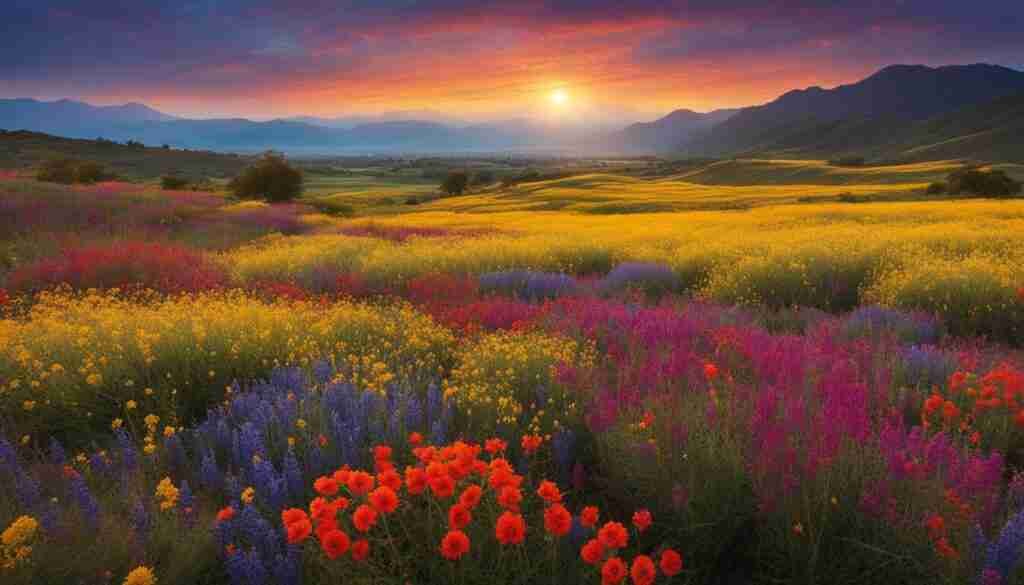
Immerse yourself in the captivating beauty of Central Mexico’s wildflowers and experience the wonders of nature in full bloom.
The Thrill of Discovering Wildflowers in New Mexico’s Landscapes
New Mexico’s landscapes are a haven for wildflowers, offering a vibrant and diverse display of nature’s beauty. From the deserts to the mountains, the state is home to over 3,000 species of flowering plants that bloom in a magnificent array of colors. Whether you’re exploring the arid desert landscapes or hiking through the towering mountains, the thrill of stumbling upon a field of wildflowers is an experience like no other.
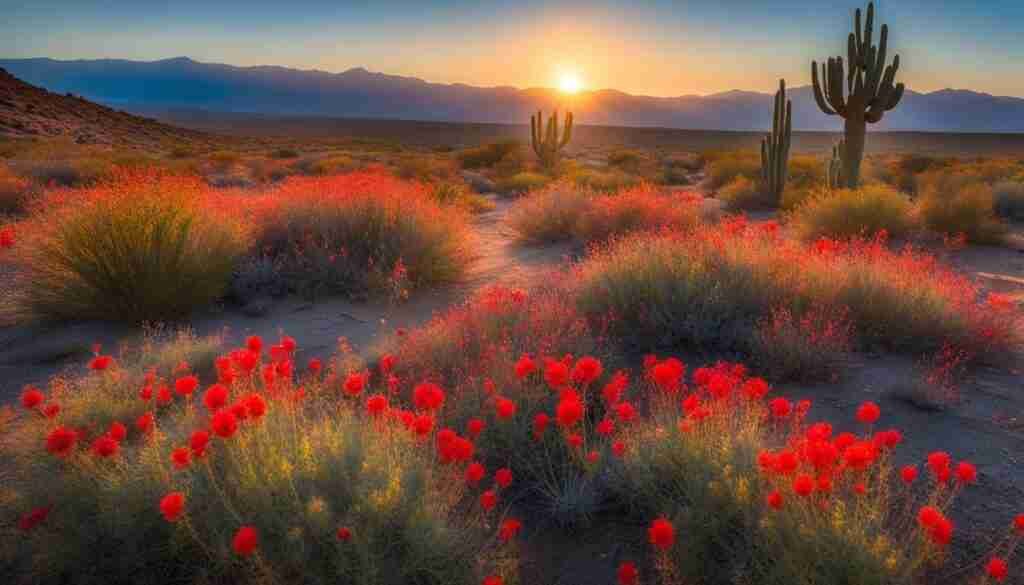
The landscapes of New Mexico are transformed as colorful blooms emerge throughout the year. Winter snows, spring rains, and summer monsoons all contribute to the magical display of wildflowers. These blooms add a vibrant touch to the already stunning scenery, creating a visual feast for your senses.
As you venture through New Mexico’s landscapes, you’ll encounter a wide variety of wildflowers. From the iconic Mexican gold poppies to the delicate mariposa lilies, each flower offers its own unique charm. The ever-changing displays of wildflowers make every hike or drive an exciting opportunity to discover new blooms and appreciate the wonders of nature.
New Mexico Wildflowers: Where and When to Find Blooms
New Mexico is a paradise for wildflower enthusiasts, offering a diverse array of blooms that paint the landscapes with vibrant colors. The wildflower season in New Mexico follows a seasonal progression, starting in the southern deserts and mountains and gradually moving northward with warming temperatures and spring rains.
By summer, the northern half of the state sees perky flowers spreading up slopes and into high mountains. The alpine meadows above timberline burst with blooms in late summer, while lower elevations experience a second burst of flowers with the monsoon season.
To truly experience the breathtaking displays of New Mexico’s wildflowers, here are some of the best places to visit:
The Gila Wilderness
The Gila Wilderness, located in southwestern New Mexico, is a haven for wildflowers. This vast protected area offers a stunning variety of blooms, including Indian paintbrush, lupine, fireweed, and columbine. Hike through the ancient forests, along the rivers, and up the mountainsides to witness the vibrant tapestry of wildflowers in this enchanting wilderness.
The Sangre de Cristo Mountains
The Sangre de Cristo Mountains, stretching across northern New Mexico, are home to a rich diversity of wildflowers. Explore the high-altitude trails that wind through the mountains to discover an abundance of colorful blooms, such as wild roses, larkspur, penstemons, and skyrockets. Don’t forget to bring your camera to capture the stunning vistas and close-up shots of these beautiful flowers.
The Jemez Mountains
The Jemez Mountains, located in central New Mexico, offer breathtaking displays of wildflowers during the summer months. Hike through the trails in the Valles Caldera National Preserve to witness meadows filled with stunning blooms like scarlet gilia, Rocky Mountain bee plant, and purple coneflower. The lush greenery and vibrant flowers make the Jemez Mountains a must-visit destination for wildflower enthusiasts.
Plan your visit to New Mexico during the peak wildflower season, which typically occurs between May and September, depending on the elevation and weather conditions. Be sure to check local wildflower reports and trail conditions before venturing out to ensure a successful and rewarding wildflower adventure.
Table: Best Places to See Wildflowers in New Mexico
| Location | Peak Wildflower Season | Notable Wildflowers |
|---|---|---|
| The Gila Wilderness | June to August | Indian paintbrush, lupine, fireweed, columbine |
| The Sangre de Cristo Mountains | July to August | Wild roses, larkspur, penstemons, skyrockets |
| The Jemez Mountains | June to September | Scarlet gilia, Rocky Mountain bee plant, purple coneflower |
Embark on a wildflower adventure in New Mexico and discover the beauty and diversity of the state’s blooms. From the deserts to the mountains, there are endless opportunities to witness the spectacular displays of wildflowers and immerse yourself in the natural splendor of the Land of Enchantment.
The Magic of One-Day Blooms and Night-Time Pollinators
Discover the fascinating world of Mexican flowers that bloom for only one day, adding an ephemeral charm to their beauty. These one-day blooming flowers captivate with their brief but vibrant displays, enticing both human observers and pollinators alike. From delicate morning glories to exquisite poppies, these fleeting blooms are a testament to the ephemeral nature of life and the resilience of nature.
One of the wonders of Mexican flowers is their intricate relationship with night-time pollinators. While many flowers rely on bees and butterflies for pollination, some have evolved to attract nocturnal visitors, such as moths.
These night-time pollinators have a keen sense of smell and are drawn to the scent of flowers that bloom during the evening hours. As they flit from flower to flower, they play a crucial role in the pollination process, ensuring the survival and reproduction of these remarkable plants.
Fascinating Adaptations and Strategies
Mexican flowers have developed various adaptations and strategies to optimize their chances of successful pollination. Some flowers open their petals in the evening, releasing their fragrance to attract night-time pollinators. Others release nectar during the night to entice moths with their sweet reward. These flowers often have pale or white petals that reflect moonlight, making them more visible to nocturnal pollinators.
Furthermore, the timing and temperature of these one-day blooms are crucial in attracting specific pollinators. Mexican flowers have synchronized their blooming periods with the activity patterns of their pollinators, ensuring optimal chances of successful pollination. This intricate dance of timing and temperature creates a captivating spectacle as the night comes alive with the sight and scent of these exquisite flowers.
The Enchanting Dance of Colors and Perfumes
The relationship between Mexican flowers and their night-time pollinators is a testament to the beauty and complexity of nature.
As moths and other nocturnal creatures seek out nectar and pollen, they inadvertently transfer pollen from flower to flower, aiding in the plants’ reproductive cycle. This intricate dance of colors, perfumes, and rewards has evolved over millions of years, resulting in a harmonious coexistence that benefits both flowers and pollinators.
Next time you marvel at the brief beauty of a one-day blooming flower or find yourself captivated by the sight of moths fluttering around a night-blooming plant, take a moment to appreciate the magic and wonder of this intricate relationship. Mexican flowers and their night-time pollinators remind us of the interconnectedness and resilience of the natural world, a delicate balance that continues to captivate and inspire.
The Botanical Splendor of High-Mountain Meadows
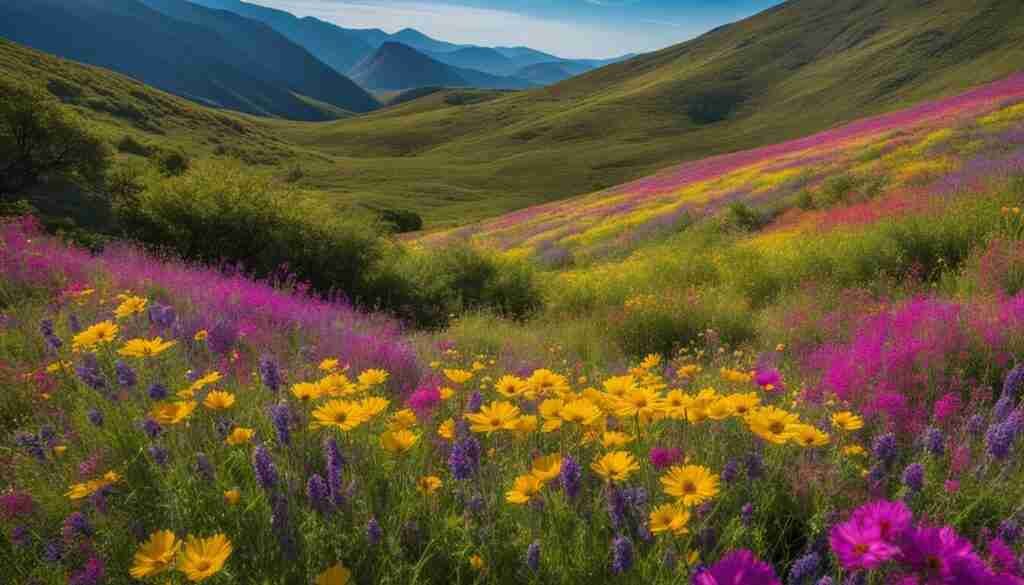
High-mountain meadows are a captivating sight, showcasing the resilience and beauty of wildflowers in the most challenging environments. These floral wonders thrive in altitudes where others struggle to survive, adding a touch of magic to the alpine landscapes. Nestled among the towering peaks and rugged terrain, high-mountain meadows offer a botanical treasure trove for nature enthusiasts and flower lovers alike.
One of the remarkable features of high-mountain meadows is the vibrant display of wildflowers that cascades down slopes and fills the valleys. From delicate alpine forget-me-nots to vibrant paintbrushes, the colors and varieties seem endless. The contrast between the lush green grasses and the pops of color from the flowers creates a visual spectacle that is both awe-inspiring and humbling.
These meadows are also home to a unique ecosystem of plants that have adapted to the harsh conditions of high altitudes. Hardy flowers like alpine aster and mountain avens brave the cold, freezing temperatures, and unpredictable weather, demonstrating their resilience in the face of adversity. Their ability to bloom and thrive in such extreme environments is a testament to the wonders of nature.
Flowers Above Timberline
Above the treeline, where trees no longer grow, a special group of wildflowers known as “flowers above timberline” conquer the rocky alpine landscapes.
These flowers, such as alpine sunflowers and glacier lilies, find shelter in the crevices and rocky outcrops, creating an exquisite tapestry of colors against the stark mountain backdrop. Their ability to thrive at these extreme heights showcases the tenacity and adaptability of nature.
Exploring high-mountain meadows is like stepping into a world untouched by human hands. The serene beauty and sense of tranquility that emanate from these enchanting landscapes are unparalleled. As you stroll through the meadows, taking in the fresh mountain air and the delicate fragrance of wildflowers, you’ll be captivated by the botanical splendor that unfolds before your eyes.
The Addictive Quest for Wildflower Discoveries
Embarking on a quest to discover wildflowers is like embarking on a treasure hunt in nature. The thrill of stumbling upon a field of colorful blooms is an experience that never fails to spark wonder and awe. Whether you’re captivated by patches of sunflowers on desert flats or mesmerized by mountainsides covered in Mexican gold poppies, each encounter with wildflowers is a reminder of the beauty that nature has to offer.
Wildflower hunting becomes an addictive pursuit as you seek out the hidden gems that dot the landscapes. It’s a journey that takes you off the beaten path and allows you to connect with the natural world in a profound way. With each new discovery, you gain a deeper appreciation for the intricate diversity and resilience of these delicate plants.
As you explore different regions, you’ll find that the timing and location of wildflower displays can vary. From the vibrant blooms of spring to the hardy flowers that withstand harsh summer conditions, each season brings its own unique array of wildflowers. It’s a constant reminder of the ever-changing beauty that surrounds us.
Table: Best Places for Wildflower Hunting
| Region | Best Time to Visit | Notable Wildflowers |
|---|---|---|
| Hill Country, Texas | March – May | Texas Bluebonnet, Indian Paintbrush, Mexican Hat |
| Great Smoky Mountains, Tennessee and North Carolina | April – June | Trillium, Rhododendron, Flame Azalea |
| Columbia River Gorge, Oregon and Washington | April – June | Balsamroot, Lupine, Indian Paintbrush |
| Crested Butte, Colorado | June – July | Colorado Columbine, Alpine Sunflower, Fireweed |
| Mount Rainier National Park, Washington | July – August | Paradise Lupine, Avalanche Lily, Magenta Paintbrush |
Wildflower hunting is more than just a hobby; it’s a way to connect with nature and witness the wonders that unfold before your eyes. So grab your camera, put on your hiking boots, and set out on your own wildflower quest. You never know what breathtaking sights and beautiful encounters await you along the way.
Conclusion
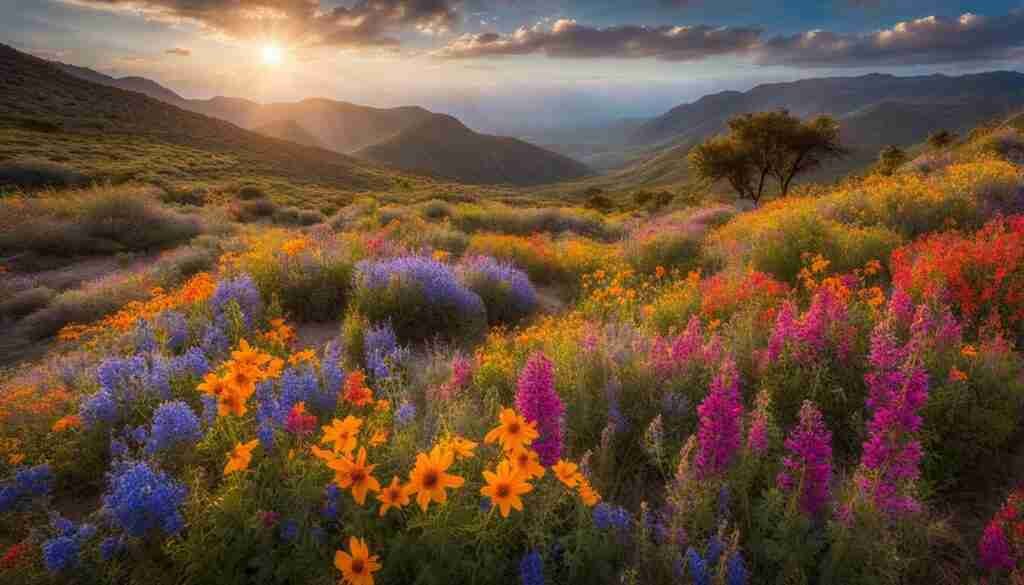
Immerse yourself in the world of Mexico wildflowers and witness the captivating beauty of these stunning blooms. Mexico’s diverse landscapes provide the perfect habitat for a vibrant array of wildflowers, making it a floral paradise.
From the symbolic meanings behind Mexican flowers to the thrill of discovering wildflowers in New Mexico’s landscapes, the beauty and biodiversity of Mexican native wildflowers are truly remarkable.
Whether you explore the natural habitats where these wildflowers thrive or marvel at the floral displays during the Day of the Dead, Mexico offers a unique and immersive experience. The stunning colors and unique characteristics of Mexican wildflowers will leave you in awe.
So, pack your bags and venture into the enchanting world of Mexico wildflowers. Discover the vibrancy and diversity of these native blooms and let their beauty captivate your senses. Explore Mexico’s rugged mountains, low coastal plains, and deserts, and uncover the hidden treasures of its wildflower beauty.
FAQ
What are Mexican native wildflowers known for?
Mexican native wildflowers are known for their vibrant colors and unique characteristics.
What is the significance of Mexican flowers in mythology?
Mexican mythology attributes specific meanings and symbols to various flowers, such as the Mexican marigold symbolizing grief and despair.
Where can I find Mexican wildflowers in their natural habitat?
Mexican wildflowers can be found in various locations, such as the mountains of Chihuahua, Durango, and Tamaulipas for the Mexican Sunflower.
How are Mexican flowers used during the Day of the Dead?
Mexican flowers, including Mexican marigolds, chrysanthemums, and gladiolus, are commonly used during the Day of the Dead celebration to honor ancestors and loved ones who have passed away.
Where can I find wildflowers in Central Mexico?
Central Mexico, including Chiapas and Western Oaxaca, is a great location to spot various wildflowers, like Laelia Orchids.
Where can I find wildflowers in New Mexico?
New Mexico offers diverse ecosystems where you can find a variety of wildflowers, from the deserts to the mountains.
When is the best time to see wildflowers in New Mexico?
The bloom of wildflowers in New Mexico follows a seasonal progression, starting in the southern deserts and mountains and gradually moving northward with warming temperatures and spring rains.
What is the relationship between Mexican flowers and nocturnal pollinators?
Mexican flowers have coevolved with nocturnal pollinators, such as moths, creating a dance of colors, perfumes, and rewards for successful pollination.
What can I expect to see in high-mountain meadows?
High-mountain meadows offer a botanical treasure trove, with vibrant blooms creeping up slopes and even above timberline.
What makes the quest for wildflower discoveries addictive?
The joy of discovering wildflowers, from sunflowers on desert flats to Mexican gold poppies on mountainsides, sparks a sense of wonder and awe.
Why are Mexican wildflowers so captivating?
Mexico’s diverse landscapes provide a habitat for a stunning array of wildflowers, making them a floral paradise full of vibrant beauty and biodiversity.