
Missouri is home to a diverse array of wildflowers, showcasing the natural beauty of the state. From prairies to forests, these native plants add vibrant colors and enhance the ecological balance. Explore the world of Missouri Wildflowers and embrace nature’s botanical wonders.
Key Takeaways:
- Missouri is rich in native wildflowers, offering a stunning display of colors.
- These wildflowers can be found in various ecosystems, from prairies to woodlands.
- Incorporating native Missouri wildflowers in your garden can attract pollinators and promote biodiversity.
- The blooming season of Missouri wildflowers varies, with spring and summer being the best times to enjoy their beauty.
- Conservation efforts are essential to protect and preserve these native plants for future generations.
Types of Wildflowers in Missouri: A Visual Guide
Missouri is blessed with an abundance of native wildflowers, each showcasing its unique beauty and contributing to the ecological balance of the state. Whether you’re a nature enthusiast, a hiker, or a gardening enthusiast, it’s essential to familiarize yourself with the various types of wildflowers found in Missouri. This visual guide will help you identify and appreciate the diverse array of Missouri wildflowers.
Missouri Wildflower Identification
Identifying wildflowers can be a fulfilling and rewarding endeavor. By understanding the distinguishing features of each species, you can better appreciate the intricate details that make them so captivating. Here are some notable types of wildflowers you might encounter in Missouri:
- Adam and Eve Orchid (Aplectrum hyemale): Recognizable by its heart-shaped leaves and delicate flowers, the Adam and Eve Orchid is a native wildflower that blooms in the spring.
- Agrimony (Agrimonia spp.): Agrimony is a plant known for its yellow flowers and unique appearance. It can be found blooming in meadows and along roadsides.
- Anemone (Anemone spp.): Anemones are delicate wildflowers that come in various colors, including white, pink, and purple. They bloom in the spring and can be found in woodlands and prairies.
- Aster (Symphyotrichum spp.): Asters are stunning wildflowers with daisy-like flowers that bloom in late summer and fall. They come in a wide range of colors, including white, purple, and blue.
- Bellflower (Campanula spp.): Bellflowers are charming wildflowers that can be found in woodlands and meadows. They are characterized by their bell-shaped flowers and can be found in various shades of blue, purple, and white.
- Blazing Star (Liatris spp.): Blazing Stars are tall and striking wildflowers that bloom in late summer. They are known for their vibrant purple flowers and are commonly found in prairies and open areas.
These are just a few examples of the wildflowers you may encounter in Missouri. By immersing yourself in the beauty of these native plants, you can deepen your connection with nature and gain a greater appreciation for the rich biodiversity of the state.
| Wildflower | Scientific Name | Blooming Season | Habitat |
|---|---|---|---|
| Adam and Eve Orchid | Aplectrum hyemale | Spring | Woodlands |
| Agrimony | Agrimonia spp. | Summer | Meadows, roadsides |
| Anemone | Anemone spp. | Spring | Woodlands, prairies |
| Aster | Symphyotrichum spp. | Late summer, fall | Various habitats |
| Bellflower | Campanula spp. | Summer | Woodlands, meadows |
| Blazing Star | Liatris spp. | Late summer | Prairies, open areas |
Take a moment to appreciate the incredible variety of Missouri wildflowers and their role in supporting the local ecosystem. Whether you’re exploring the great outdoors or cultivating a garden, these native plants offer a visual feast and a deeper connection to the natural world.
Missouri Wildflowers for Landscaping: Enhance Your Garden with Native Beauty
Incorporating native Missouri wildflowers into your garden can transform it into a vibrant and ecologically beneficial space. By selecting the right species, you can create a visually captivating landscape while also supporting local biodiversity and attracting pollinators. Here are some stunning Missouri wildflowers that you can consider for your garden:
Butterfly Weed
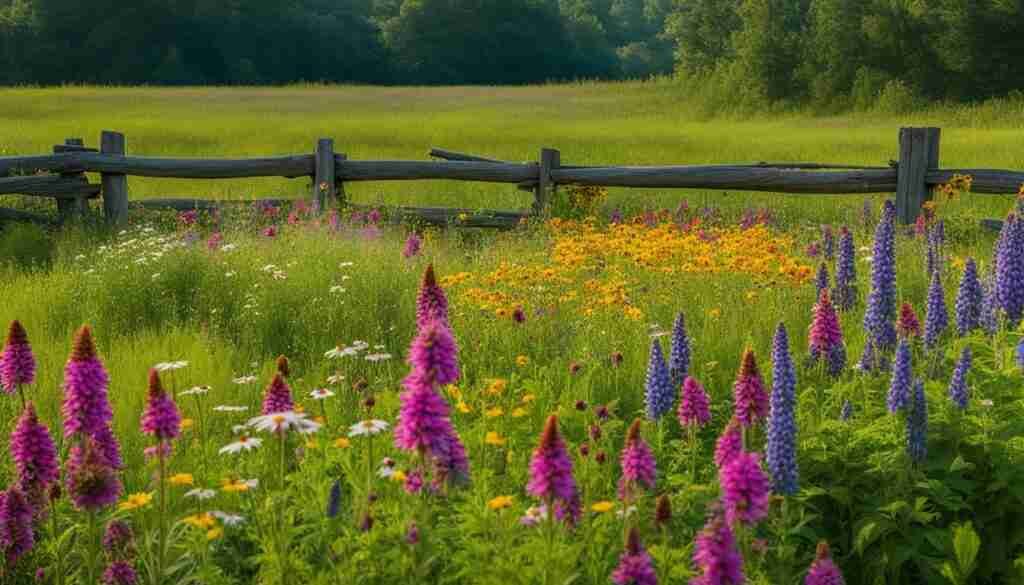
As the name suggests, Butterfly Weed (Asclepias tuberosa) is a favorite among butterflies. Its vibrant orange flowers provide a striking contrast to the green foliage and can attract various pollinators to your garden. This perennial wildflower thrives in full sun and well-drained soil, making it an excellent choice for rock gardens or borders.
Columbine
Columbine (Aquilegia canadensis) is a charming wildflower that adds a touch of elegance to any garden. With its delicate, bell-shaped flowers in shades of red and yellow, it provides a beautiful contrast to other plants. Columbine prefers partially shaded areas with well-drained soil and can attract hummingbirds with its nectar-rich blooms.
Purple Coneflower
Purple Coneflower (Echinacea purpurea) is a popular wildflower known for its daisy-like petals and distinctive cone-shaped centers. It blooms from mid-summer to fall and attracts a wide range of pollinators, including bees and butterflies. Purple Coneflower thrives in full sun to partial shade and well-drained soil, making it a versatile option for various garden settings.
Golden Alexander
Golden Alexander (Zizia aurea) is a perennial wildflower that brightens up any garden with its clusters of small, bright yellow flowers. It attracts butterflies and bees and can also serve as a host plant for swallowtail butterflies. Golden Alexander prefers full sun to partial shade and moist, well-drained soil, making it a suitable choice for rain gardens or wetland areas.
By incorporating these native Missouri wildflowers into your garden, you can create a stunning and ecologically diverse landscape that not only adds visual appeal but also supports native wildlife and contributes to the overall health of the ecosystem.
| Wildflower | Scientific Name | Preferred Growing Conditions | Attracts | Image |
|---|---|---|---|---|
| Butterfly Weed | Asclepias tuberosa | Full sun, well-drained soil | Butterflies, bees |  |
| Columbine | Aquilegia canadensis | Partial shade, well-drained soil | Hummingbirds, bees | 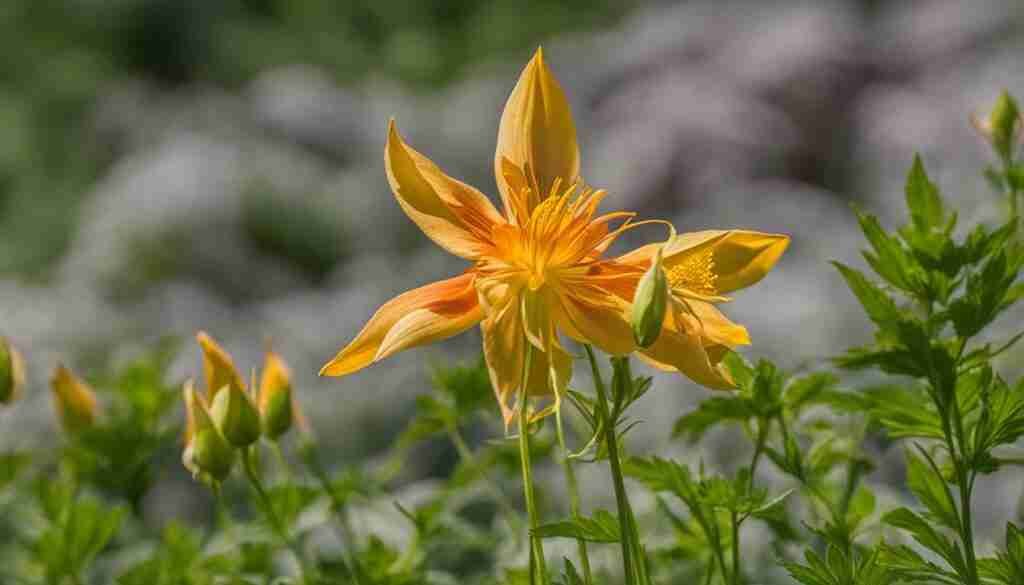 |
| Purple Coneflower | Echinacea purpurea | Full sun to partial shade, well-drained soil | Butterflies, bees | 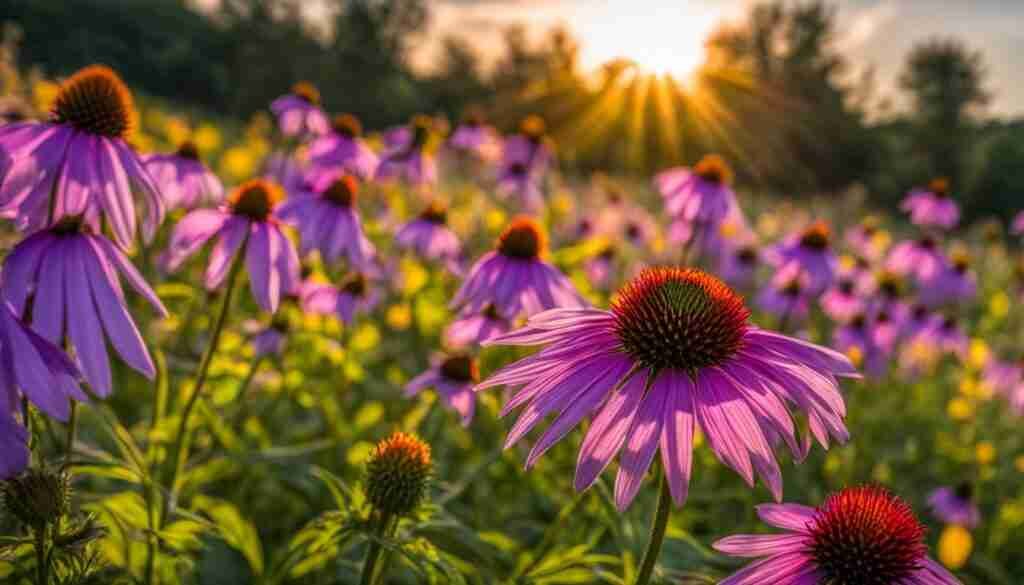 |
| Golden Alexander | Zizia aurea | Full sun to partial shade, moist, well-drained soil | Butterflies, bees |  |
Missouri Wildflowers Season: When and Where to Enjoy Blooms
Witnessing the stunning display of Missouri wildflowers in full bloom is a truly captivating experience. The blooming season varies depending on the species and their preferred habitats. Generally, spring and summer offer the best opportunities to explore the vibrant colors and fragrances of these native plants.
During the spring months, you can expect to see a plethora of wildflowers adorning Missouri’s prairies, woodlands, and wetlands. The landscape comes alive with the likes of Bluebells, Shooting Stars, and Wild Geraniums. As the temperatures rise, summer brings forth the blooming of Coneflowers, Black-eyed Susans, and Butterfly Milkweed.
To immerse yourself in the beauty of Missouri wildflowers, venture into different habitats across the state. Pristine prairies such as Taberville Prairie and Shaw Nature Reserve are ideal locations to witness a diverse array of species in bloom.
If you prefer woodlands, explore places like Onondaga Cave State Park and Mark Twain National Forest. Wetland areas like Squaw Creek National Wildlife Refuge offer a unique opportunity to observe wildflowers thriving in their natural aquatic environments.
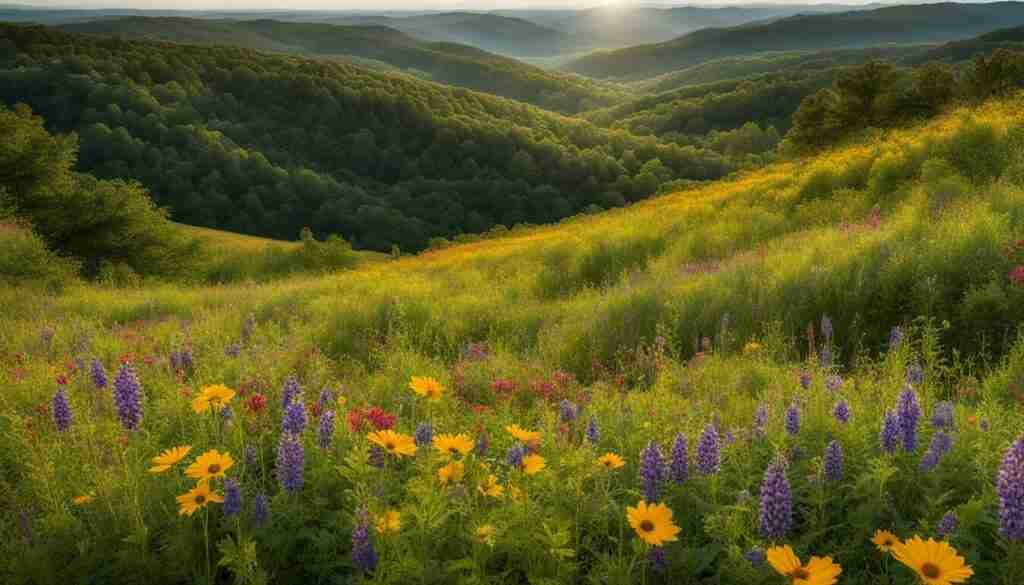
Table: Notable Missouri Wildflowers and Their Blooming Seasons
| Wildflower | Spring | Summer |
|---|---|---|
| Bluebells | ✓ | |
| Shooting Stars | ✓ | |
| Wild Geraniums | ✓ | |
| Coneflowers | ✓ | |
| Black-eyed Susans | ✓ | |
| Butterfly Milkweed | ✓ |
This table highlights some notable Missouri wildflowers and their respective blooming seasons. Keep in mind that blooming periods can vary slightly depending on local weather conditions and other factors. It’s always a good idea to check with local botanical gardens, nature centers, or park authorities for up-to-date information before planning your wildflower excursions.
So, whether you’re a nature enthusiast, a photographer, or simply someone who appreciates the beauty of native flora, make sure to take advantage of the Missouri wildflowers season. Explore the diverse habitats of the state, embrace the sensory delights of the blooming flowers, and create lasting memories surrounded by the vibrant colors of nature.
Missouri Wildflowers Preservation: Conserving Native Plants for Future Generations
Protecting native Missouri wildflowers is of utmost importance to ensure the preservation of the state’s unique botanical heritage. Efforts are being made by various organizations and individuals to safeguard these plants from habitat loss and the threat of invasive species.
Through habitat conservation, seed banks, and education programs, steps are being taken to ensure the survival and thriving of native Missouri wildflowers for the benefit of future generations.
One significant aspect of wildflower preservation is the conservation of natural habitats. By protecting the prairies, forests, woodlands, and wetlands where these native plants thrive, we can maintain the biodiversity of Missouri’s ecosystems. Establishing protected areas and implementing sustainable land management practices are essential in preserving the habitats that support the growth of native Missouri wildflowers.
Additionally, seed banks play a vital role in the conservation efforts of wildflowers. These banks collect, store, and distribute the seeds of various native plant species, including Missouri wildflowers.
By preserving the genetic diversity of these plants, seed banks contribute to their long-term survival and facilitate restoration and rewilding initiatives. The availability of native wildflower seeds also enables individuals and organizations to support conservation efforts by planting these species in their gardens and landscapes.
Table: Missouri Wildflower Preservation Organizations
| Organization | Mission | Website |
|---|---|---|
| Missouri Prairie Foundation | Preserves and restores prairie habitats, including those essential for wildflowers. | www.moprairie.org |
| Missouri Department of Conservation | Works to conserve and manage natural resources, including native wildflowers. | www.nature.mdc.mo.gov |
| Missouri Wildflower Nursery | Cultivates and sells native Missouri wildflower seeds and plants. | www.mowildflowers.net |
| Missouri Botanical Garden | Conducts research, conservation, and education programs for native plants. | www.missouribotanicalgarden.org |
Education and awareness programs also play a crucial role in the preservation of native Missouri wildflowers. By educating communities about the value and importance of these plants, we can foster a sense of appreciation and stewardship.
Teaching individuals about the role of native wildflowers in supporting pollinators, promoting biodiversity, and enhancing the natural beauty of Missouri can inspire action and create advocates for their conservation.
Preserving the native Missouri wildflowers is not just about safeguarding plants but also about protecting the ecosystems that rely on them. By working together, we can ensure that future generations can continue to experience the vibrant colors, ecological benefits, and timeless beauty bestowed by these precious botanical treasures.
Missouri Wildflowers Photography: Capturing the Beauty of Nature
Photographing Missouri wildflowers offers a unique opportunity to capture the beauty of nature up close. Whether you’re a professional photographer or an amateur enthusiast, the vibrant colors and intricate details of these native plants provide endless inspiration for stunning photographs.
From macro shots that reveal the delicate textures of petals to wide-angle captures of vast flower fields, there are countless ways to showcase the natural splendor of Missouri’s wildflowers.
The diverse range of wildflowers found in Missouri allows for a rich and varied photography experience. You can explore different locations throughout the state to discover unique species and their habitats. Whether you’re in the prairies, woodlands, or wetlands, each area offers its own distinct beauty and photographic opportunities.
When photographing Missouri wildflowers, it’s important to consider the lighting conditions. Early morning or late afternoon light tends to be softer and more flattering, enhancing the colors and textures of the flowers. Experiment with different angles, perspectives, and compositions to create visually striking images that captivate the viewer’s attention.
Table: Popular Missouri Wildflowers for Photography
| Wildflower | Scientific Name | Blooming Season |
|---|---|---|
| Butterfly Weed | Asclepias tuberosa | June – August |
| Eastern Red Columbine | Aquilegia canadensis | April – June |
| Purple Coneflower | Echinacea purpurea | June – August |
| Wild Bergamot | Monarda fistulosa | July – September |
Keep in mind that wildflowers are delicate and should be treated with care. It’s essential to respect their natural environment and avoid damaging or picking the flowers. Consider using a macro lens to capture the intricate details of the petals and the unique patterns found in the center of each flower. Additionally, be mindful of the pollinators that visit these wildflowers, as they play a vital role in the ecosystem.
So grab your camera, venture into the picturesque landscapes of Missouri, and let the beauty of wildflowers inspire your photography. Whether you’re documenting their delicate elegance or simply capturing moments of natural serenity, photographing Missouri wildflowers is a fulfilling and visually rewarding experience.
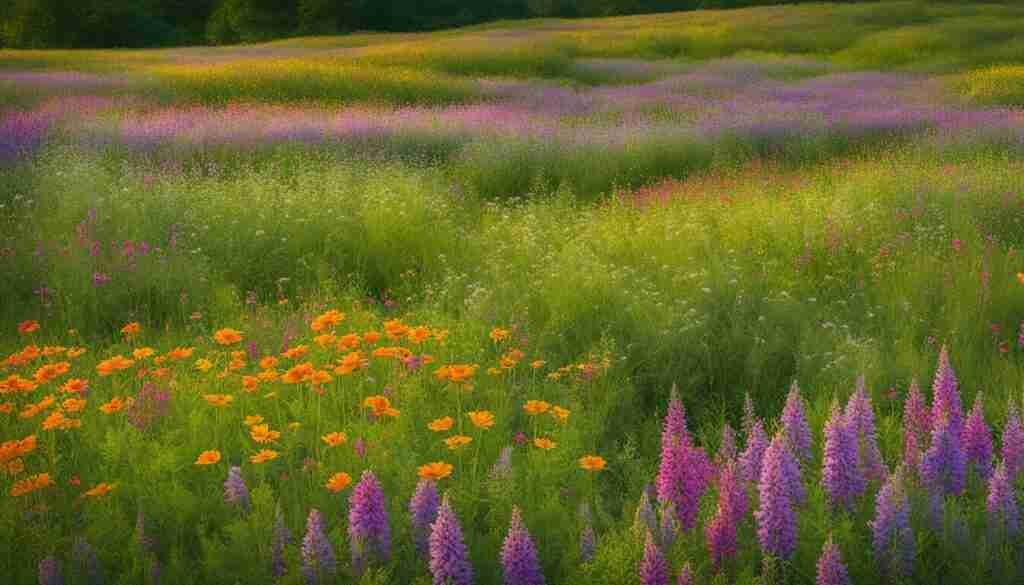
Missouri Wildflowers in the Community: Enhancing Public Spaces with Native Plants
Communities across Missouri are embracing the beauty and benefits of native wildflowers by incorporating them into public spaces. Parks, roadsides, and schoolyards are being transformed into vibrant havens that not only enhance the aesthetics but also provide numerous ecological advantages.
By planting native Missouri wildflowers, these public spaces are attracting pollinators, supporting local ecosystems, and creating educational opportunities for residents and visitors alike.
The use of native wildflowers in public spaces goes beyond just adding color and beauty. These plantings play a crucial role in supporting the local ecosystem by providing food and habitat for pollinators such as bees, butterflies, and hummingbirds. This, in turn, contributes to the conservation of these important species and ensures the reproduction of both wildflowers and food crops.
Additionally, native wildflowers in public spaces create educational opportunities for people of all ages. Residents and visitors can learn about the importance of native plants, the role of pollinators, and the overall significance of maintaining biodiversity. This fosters a sense of connection with nature and promotes environmental stewardship within the community.
Benefits of Native Wildflowers in Public Spaces:
- Enhanced aesthetics and visual appeal
- Support for local ecosystems and wildlife
- Attraction of pollinators, contributing to their conservation
- Educational opportunities for residents and visitors
- Promotion of environmental stewardship and biodiversity
By embracing the use of native wildflowers in public spaces, communities in Missouri are creating inviting and sustainable environments. These spaces not only benefit the local ecosystem but also enrich the lives of residents and visitors by providing a connection with nature and promoting a sense of environmental responsibility.
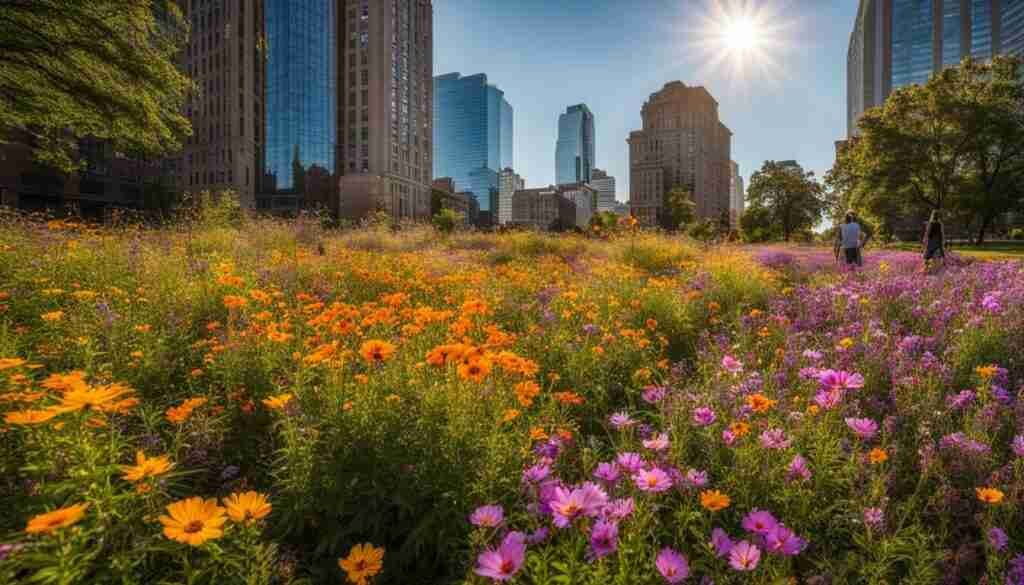
The Importance of Native Missouri Wildflowers for Pollinators
Native Missouri wildflowers play a vital role in supporting the survival and well-being of pollinators such as bees, butterflies, and hummingbirds. These magnificent creatures rely on the nectar and pollen provided by wildflowers for their food source, while also serving as essential pollinators for the reproduction of both wildflowers and food crops.
By planting native wildflowers in your garden or supporting their conservation in natural habitats, you can help create a thriving ecosystem for pollinators. Native Missouri wildflowers have co-evolved with local pollinators, making them perfectly suited to the unique needs and preferences of these beneficial insects and birds.
When you choose to include native wildflowers in your landscape, you provide a crucial food source for pollinators throughout the seasons. The vibrant colors and enticing scents of wildflowers act as beacons, attracting pollinators and ensuring their ongoing presence in your garden. Additionally, by supporting pollinators, you contribute to the overall health and diversity of your local environment.
Benefits of Native Missouri Wildflowers for Pollinators
- Provide essential food source: Native wildflowers offer nectar and pollen, which are vital for the survival and energy needs of pollinators.
- Promote biodiversity: By attracting diverse pollinator species, native wildflowers contribute to a healthy and balanced ecosystem.
- Support crop production: Pollinators play a crucial role in the reproduction of food crops, ensuring abundant harvests.
- Enhance garden aesthetics: The beauty and colors of native wildflowers create visually appealing landscapes that benefit both humans and pollinators.
- Contribute to conservation efforts: Planting native wildflowers helps preserve the natural heritage of Missouri and supports ongoing conservation initiatives.
| Common Native Wildflowers in Missouri | Preferred Pollinators |
|---|---|
| Butterfly Milkweed (Asclepias tuberosa) | Butterflies, bees |
| Purple Coneflower (Echinacea purpurea) | Bees, butterflies, hummingbirds |
| Black-eyed Susan (Rudbeckia hirta) | Bees, butterflies |
| Ohio Spiderwort (Tradescantia ohiensis) | Bees, butterflies |
By incorporating these and other native wildflowers into your landscape, you create a welcoming habitat for pollinators and reap the rewards of a vibrant and flourishing garden. With their bright colors and delicate petals, native Missouri wildflowers bring beauty, ecological benefits, and an essential connection to nature’s intricate web of life.
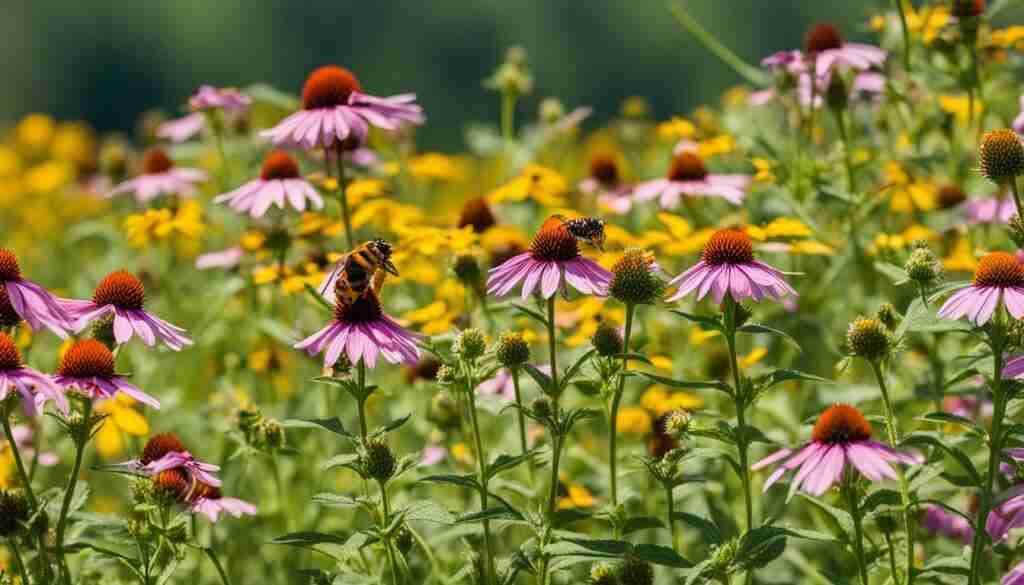
Missouri Wildflower Conservation Organizations: Promoting Native Flora
Protecting and preserving Missouri’s native wildflowers is a collective effort led by various conservation organizations. These organizations play a vital role in raising awareness, conducting research, and implementing conservation strategies to safeguard the state’s botanical heritage. By working together, they strive to ensure the survival and proliferation of Missouri’s wildflower species for generations to come.
EcoFlora Missouri
One prominent organization dedicated to the conservation of Missouri wildflowers is EcoFlora Missouri. Their mission is to promote the knowledge and appreciation of the state’s native flora through education, research, and habitat restoration. They actively engage with local communities, providing resources and expertise in native plant gardening, seed collection, and habitat management.
Missouri Prairie Foundation
The Missouri Prairie Foundation focuses on the preservation and restoration of prairie ecosystems, which are home to many unique wildflower species. Through land acquisition, habitat management, and educational programs, they protect and enhance the diversity of Missouri’s prairies, ensuring the survival of native plants and the species that rely on them.
Missouri Native Plant Society
The Missouri Native Plant Society is a nonprofit organization that advocates for the protection and conservation of native plants, including wildflowers. They promote the use of native plants in landscaping, conduct research on rare and endangered species, and collaborate with other organizations to preserve Missouri’s natural habitats.
These organizations, along with many others, work tirelessly to preserve the beauty and ecological value of Missouri wildflowers. Their efforts contribute to the overall conservation of native flora, support pollinators, and enhance the well-being of both humans and the natural environment. By supporting and engaging with these organizations, you can join the movement to protect Missouri’s botanical treasures.
Missouri Wildflower Events and Festivals: Celebrating Nature’s Beauty
Immerse yourself in the vibrant world of Missouri wildflowers by attending the various events and festivals held throughout the year. These gatherings provide a unique opportunity to celebrate the beauty of native flora, learn about different species, and engage with fellow nature enthusiasts.
Whether you’re a seasoned botanist or simply appreciate the wonders of nature, Missouri’s wildflower events and festivals offer something for everyone.
One popular event is the Missouri Wildflower Weekend, held annually in spring. Organized by the Missouri Prairie Foundation, this event features guided walks, educational workshops, and opportunities to observe wildflowers in their natural habitats.
Knowledgeable experts share their insights and provide valuable information on wildflower identification, gardening with native plants, and more. It’s a fantastic way to enhance your understanding and appreciation of Missouri’s botanical treasures.
Another highlight is the Missouri Botanical Garden’s Wildflower Week, a week-long celebration of native wildflowers. This event showcases the Garden’s extensive collection of Missouri wildflowers, offering visitors a chance to explore the diverse species in a meticulously curated setting. Guided tours, interactive exhibits, and hands-on activities provide a fun and engaging experience for visitors of all ages.
If you’re looking for a more immersive experience, consider attending one of the many wildflower festivals held throughout the state. These festivals often feature live music, local artisan vendors, and opportunities to purchase native plants for your own garden.
The annual Wildflower Market Festival in Jefferson City is a prime example, where you can not only admire the beauty of wildflowers but also support local businesses and artists.
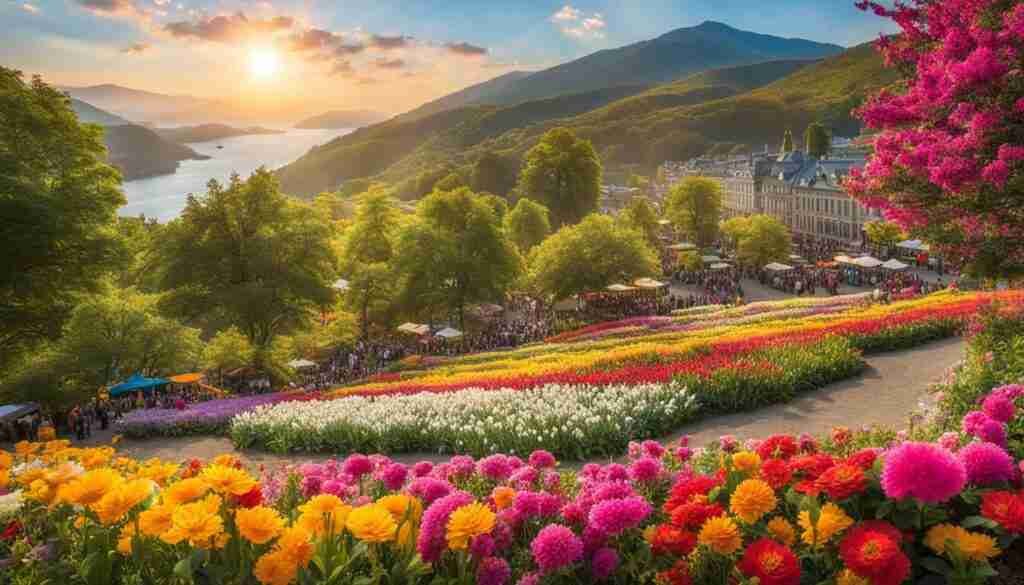
With their captivating displays of color and abundance, Missouri wildflower events and festivals are a testament to the state’s rich botanical heritage. These gatherings not only highlight the importance of native flora but also provide a platform for education, conservation, and community engagement. So mark your calendars and get ready to celebrate the beauty of Missouri’s wildflowers at one of these remarkable events.
Missouri Wildflowers and the Economy: Benefits for Local Communities
Native Missouri wildflowers not only add beauty to the landscape but also bring economic benefits to local communities. The presence of these vibrant blooms attracts tourists, nature enthusiasts, and photographers, contributing to revenue generated from ecotourism and nature-based activities. Visitors are drawn to the picturesque scenery created by fields of wildflowers, providing opportunities for local businesses to thrive.
Furthermore, the cultivation and sale of wildflowers contribute to the local agricultural sector. Wildflower nurseries and cultivation businesses provide a variety of native plant species, supporting both residential and commercial gardening needs. This not only adds diversity to the local horticultural industry but also promotes the use of environmentally friendly landscaping practices.
By preserving and promoting native Missouri wildflowers, communities can tap into the economic potential of these natural resources. Ecological restoration projects that focus on reintroducing and conserving wildflowers create jobs and stimulate the local economy.
Additionally, wildflower-related events and festivals attract visitors from near and far, stimulating local businesses such as restaurants, accommodations, and retail establishments.
The Economic Benefits of Missouri Wildflowers
| Benefit | Explanation |
|---|---|
| Ecotourism revenue | The beauty of Missouri wildflowers attracts tourists and nature enthusiasts, generating revenue for local businesses. |
| Support for local agriculture | Wildflower nurseries and cultivation businesses contribute to the local agricultural sector. |
| Job creation | Ecological restoration projects and wildflower-related events create employment opportunities in local communities. |
As local economies continue to diversify, the economic potential of native Missouri wildflowers should not be overlooked. By recognizing the value of these botanical wonders, communities can harness their beauty to drive sustainable economic growth and support the conservation of these cherished natural resources.
Missouri Wildflowers and Well-Being: Connecting with Nature’s Tranquility
Surrounding yourself with the vibrant beauty of native Missouri wildflowers not only provides a visually captivating experience but also offers a profound connection with nature’s tranquility. Studies have shown that spending time in natural environments, including observing flowers, has numerous benefits for mental and physical well-being.
Immersing yourself in the serenity of a wildflower meadow or garden can reduce stress levels, improve mood, and enhance overall mental health. The vibrant colors, delicate petals, and gentle sway of the Missouri wildflowers evoke a sense of calm and relaxation, allowing you to escape from the pressures of daily life.
Engaging with Missouri wildflowers also provides an opportunity for mindfulness, allowing you to fully appreciate the present moment and connect with the wonders of the natural world. Whether you choose to explore trails lined with wildflowers or create your own wildflower garden, the experience of immersing yourself in Missouri’s floral abundance can have a transformative effect on your well-being.
Embracing the Well-Being Benefits of Missouri Wildflowers
Here are a few ways you can embrace the well-being benefits of Missouri wildflowers:
- Take leisurely walks through wildflower-rich areas and allow yourself to be fully present, observing and appreciating the natural beauty around you.
- Create a relaxing space in your garden by incorporating native Missouri wildflowers, providing a sanctuary for relaxation and rejuvenation.
- Engage in nature photography, capturing the intricate details and vibrant colors of Missouri wildflowers, which can enhance your sense of creativity and self-expression.
- Participate in organized events and festivals dedicated to celebrating Missouri’s wildflowers, immersing yourself in the beauty of nature alongside like-minded individuals.
By embracing the tranquility and beauty of Missouri wildflowers, you can improve your overall well-being and cultivate a deeper connection with the natural world.
| Benefits of Missouri Wildflowers for Well-Being | |
|---|---|
| Reduces stress levels | |
| Improves mood | |
| Enhances mental health | |
| Promotes mindfulness | |
| Provides a sense of calm and relaxation | |
| Offers a connection with the natural world |
Embrace the beauty of Missouri wildflowers and allow nature’s tranquility to nourish your well-being.
Conclusion
Discover the vibrant beauty of native flora with Missouri wildflowers. These diverse and colorful plants enhance the ecological balance and add a touch of natural splendor to the state. Whether you encounter them in the wild, incorporate them into your garden, or attend events and festivals, Missouri wildflowers provide a captivating experience.
By supporting pollinators, attracting tourists, and promoting local economies, these native plants have a positive impact on both the environment and the well-being of individuals. Spending time surrounded by the beauty of Missouri wildflowers can reduce stress, improve mood, and create a connection with nature’s tranquility.
Preserving and conserving these botanical wonders is crucial to maintain the biodiversity and natural heritage of Missouri. Through the efforts of organizations dedicated to wildflower conservation, we can protect these plants for future generations to enjoy. Embrace the vibrancy and wonder of Missouri wildflowers, and cherish the remarkable impact they have on our lives and the world around us.
FAQ
What are some notable examples of wildflowers found in Missouri?
Some notable examples include the Adam and Eve Orchid, Agrimony, Anemone, Aster, Bellflower, Blazing Star, and more.
How can I incorporate native Missouri wildflowers into my garden?
Species like Butterfly Weed, Columbine, Purple Coneflower, and Golden Alexander can attract pollinators, promote biodiversity, and provide a visual feast for your senses.
When is the best time to see Missouri wildflowers in bloom?
Generally, spring and summer are the best times to witness the colorful display of flowers across the state.
Why is it important to protect native Missouri wildflowers?
Protecting native Missouri wildflowers is crucial for maintaining biodiversity and preserving the state’s natural heritage.
How can I capture the beauty of Missouri wildflowers through photography?
Photographing Missouri wildflowers offers a unique opportunity to capture the beauty of nature up close.
How are native Missouri wildflowers being incorporated into public spaces?
Many communities in Missouri are embracing the use of native wildflowers in public spaces, such as parks, roadsides, and schoolyards.
What role do native Missouri wildflowers play in supporting pollinators?
Native Missouri wildflowers play a crucial role in providing food and habitat for pollinators like bees, butterflies, and hummingbirds.
Are there any organizations dedicated to the conservation of native Missouri wildflowers?
Several organizations in Missouri are dedicated to the conservation and promotion of native wildflowers.
Are there any events or festivals in Missouri that celebrate wildflowers?
Throughout the year, Missouri hosts various events and festivals devoted to celebrating the beauty of wildflowers.
How do Missouri wildflowers contribute to the local economy?
The presence of native Missouri wildflowers can attract tourists, nature enthusiasts, and photographers, contributing to revenue from ecotourism and nature-based activities.
Can surrounding myself with Missouri wildflowers have a positive impact on my well-being?
Surrounding yourself with the beauty of native Missouri wildflowers can have a positive impact on your well-being