
Nicaragua, a country known for its stunning natural landscapes, is also home to an incredible array of wildflowers. From the national flower, Sacuanjoche, to the vibrant Cochliostema and the enchanting night blooming cactus, Nicaragua’s floral diversity is a sight to behold. Join us as we embark on a journey to explore the vibrant wildflowers of Nicaragua and gain a deeper appreciation for the unique flora that graces this beautiful country.
Key Takeaways:
- Nicaragua is home to a wide range of exotic and colorful wildflowers.
- The national flower of Nicaragua is the Sacuanjoche, also known as the white frangipani.
- Cochliostema is a striking Nicaragua Wildflower with fragrant violet-blue flowers.
- The night blooming cactus, also known as the red pitaya, emits a captivating fragrance at night.
- Nicaragua’s lakes and volcanoes provide the perfect environment for wildflowers to flourish.
Nicaragua’s National Flower: Sacuanjoche, the Fragrant Beauty
Nicaragua is known for its diverse range of wildflowers, and one of the most iconic and beloved blooms in the country is the Sacuanjoche. This exquisite flower holds the esteemed title of Nicaragua’s national flower, representing the country’s natural beauty and cultural heritage.
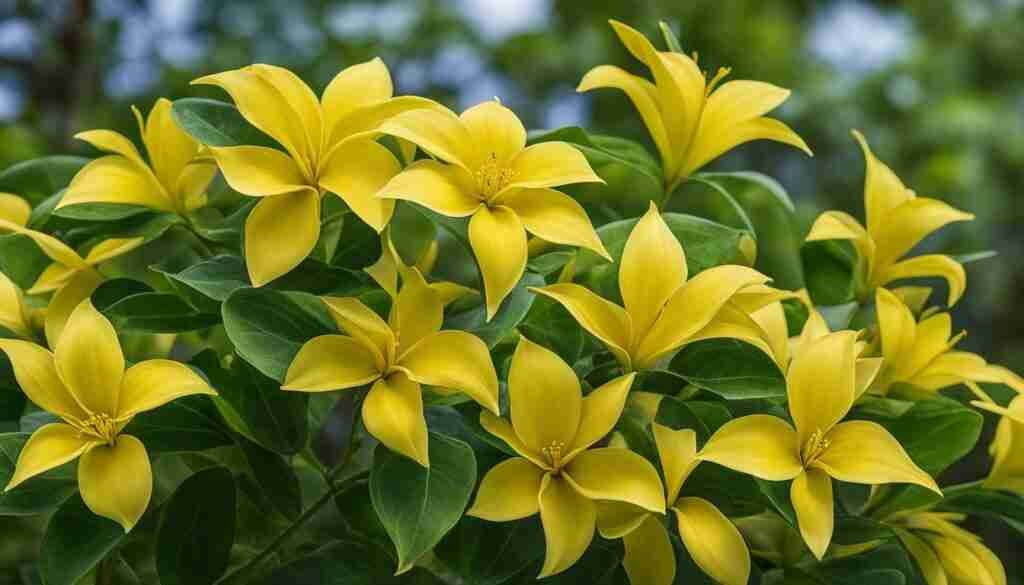
The Sacuanjoche, also known as the white frangipani, grows on the Plumeria alba tree and is characterized by its spiral-shaped petals and intoxicating fragrance. The flowers, which bloom in May, boast a stunning creamy-white or pale yellow color, adding a touch of elegance to Nicaragua’s landscape.
The Significance of Sacuanjoche
The Sacuanjoche holds deep cultural significance in Nicaragua. Its name is derived from the Nahuatl language, spoken by the Aztecs, and it is often associated with devotion and love. The flower is an integral part of traditional ceremonies and celebrations, such as weddings and religious festivals.
The fragrance of the Sacuanjoche is not only captivating but also serves a practical purpose. Its sweet scent attracts pollinators, such as bees and butterflies, ensuring the continued reproduction of this beautiful flower and contributing to the overall biodiversity in Nicaragua.
Preserving the Fragrant Beauty
Efforts are underway to protect and preserve the Sacuanjoche and other native Nicaragua Wildflowers. Conservation organizations and initiatives are working diligently to safeguard the natural habitats where these flowers thrive, ensuring their survival for future generations to enjoy.
By raising awareness about the importance of preserving Nicaragua’s floral diversity, these initiatives are promoting sustainable practices and educating the public about the significance of wildflowers in maintaining a healthy ecosystem. Through these collective efforts, the fragrant beauty of the Sacuanjoche and other wildflowers will continue to enchant and inspire for years to come.
Nicaragua Wildflowers: Cochliostema – A Fragrant Violet-Blue Delight
When exploring the vibrant wildflowers of Nicaragua, one cannot overlook the enchanting beauty of Cochliostema. This striking wildflower, native to Nicaragua, captivates with its highly fragrant violet-blue flowers that form in stalked clusters. Its purplish-green leathery leaves add to its unique charm, creating a visual delight for nature enthusiasts.
Cochliostema is an epiphyte plant, meaning it grows within the branches of trees and other natural crevices. This adaptability showcases the resilience of this wildflower, as it thrives in varied environments. Its vibrant blooms and alluring fragrance make it a standout species in Nicaragua’s diverse floral landscape.
Cochliostema: A Fragrant Violet-Blue Delight Up Close
Up close, Cochliostema reveals intricate details that add to its allure. Each flower boasts a velvety texture and a striking violet-blue hue that contrasts beautifully with its surrounding environment. The clusters of flowers create a captivating display, drawing in pollinators and admirers alike.
With its fragrance permeating the air, Cochliostema acts as a natural perfume, attracting butterflies, bees, and hummingbirds to its nectar-rich blooms. This interaction between the wildflower and its visitors contributes to the overall ecosystem and enhances the biodiversity of Nicaragua’s floral habitats.
| Key Features | Information |
|---|---|
| Color | Violet-blue |
| Leaf Appearance | Purplish-green, leathery |
| Flower Arrangement | Stalked clusters |
| Blooming Season | Year-round |
| Preferred Habitat | Epiphyte, branches of trees, natural crevices |
| Ecological Importance | Pollinator attraction, biodiversity enhancement |
It is important to appreciate and protect the delicate beauty of Cochliostema and other Nicaragua Wildflowers. By preserving their natural habitats and raising awareness about their significance, we can ensure that these floral treasures continue to enchant future generations.
Night Blooming Cactus: Fragrance and Delight
One of the most captivating wildflowers found in Nicaragua is the night blooming cactus. Also known as the red pitaya or dragon fruit, this climbing plant and epiphyte adds a touch of wonder to the country’s floral landscape. With its large white to yellow flowers and long, narrow petals, the night blooming cactus is a sight to behold. But its beauty doesn’t end there.
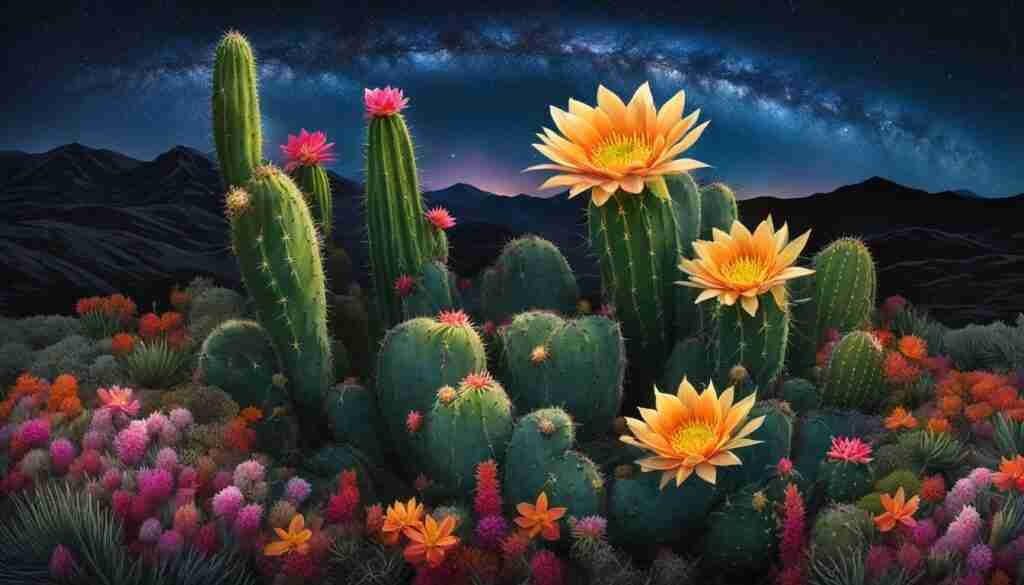
When evening arrives, the night blooming cactus releases a mesmerizing fragrance as its flowers open up. The intoxicating scent fills the air, attracting nocturnal pollinators and creating a magical ambiance. But the night blooming cactus has more to offer than just its alluring fragrance.
This remarkable wildflower also produces delicious fruit that can be enjoyed fresh or incorporated into various culinary creations. The vibrant red color and unique texture of the dragon fruit make it a popular ingredient in smoothies, salads, and desserts. Its versatility and distinctive flavor make it a true treasure of Nicaraguan flora.
Table: Night Blooming Cactus vs. Other Wildflowers
| Wildflower | Fragrance | Edible Fruit | Growing Environment |
|---|---|---|---|
| Night Blooming Cactus | Intoxicating fragrance when opens in the evening | Produces delicious and versatile dragon fruit | Thrives as a climbing plant and epiphyte |
| Sacuanjoche (White Frangipani) | Delicate floral scent | Not edible | Grows on the white frangipani tree |
| Cochliostema | Highly fragrant violet-blue flowers | Not edible | Grows within the branches of trees as an epiphyte |
As you explore the vibrant wildflowers of Nicaragua, make sure to keep an eye out for the night blooming cactus. Whether you’re drawn to its captivating fragrance, its delicious fruit, or its unique appearance, this wildflower is sure to leave a lasting impression. Embrace the beauty of Nicaragua’s flora and let the night blooming cactus enchant your senses.
African Tulip Tree: A Burst of Color
Nicaragua is not only known for its stunning landscapes and diverse wildlife, but also for its vibrant and colorful wildflowers.
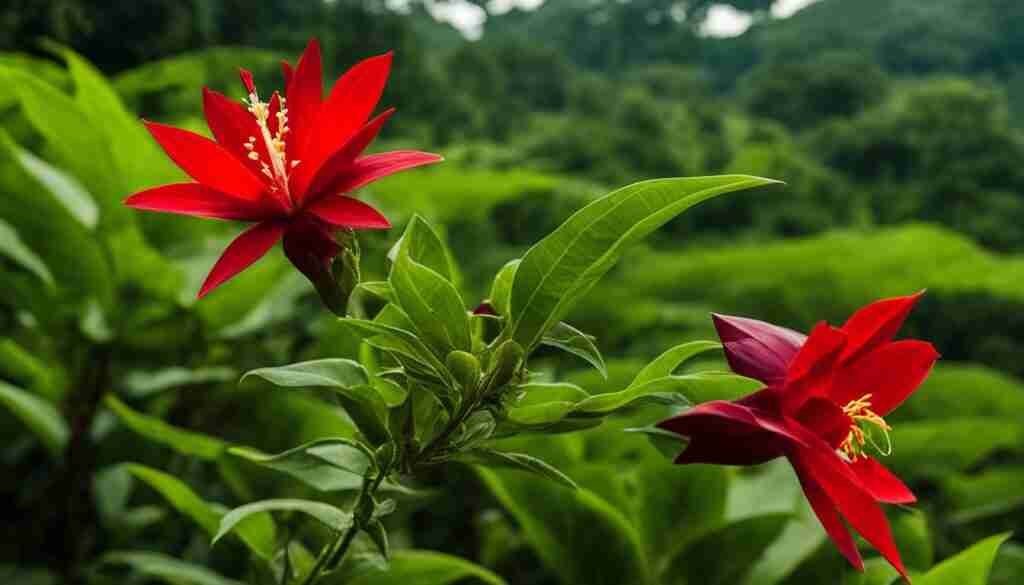
Among the many floral wonders that adorn the country, the African tulip tree stands out as a burst of red hues in the botanical scenery. Also known as flor de fuente, this imported tropical plant adds a touch of brilliance to Nicaragua’s floral tapestry.
The African tulip tree, despite its name, is not related to mahogany. It belongs to the Bignonia family and is renowned for its cup-like flowers, which attract birds and insects.
These flowers serve as a small drinking fountain for the wildlife, creating a harmonious ecosystem. With its fast growth and eye-catching red petals, the African tulip tree is a beloved wildflower that brings joy to both nature enthusiasts and the local wildlife.
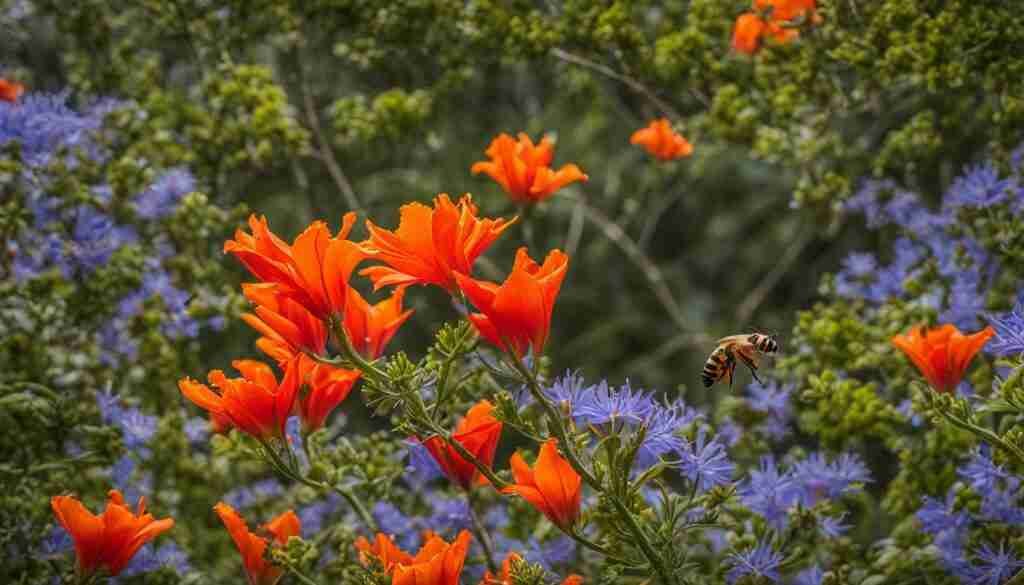
Table: Comparing African Tulip Tree with Other Wildflowers
| Wildflower | Color | Fragrance | Growth Habit |
|---|---|---|---|
| African Tulip Tree | Red | None | Fast-growing |
| Sacuanjoche | White or Cream | Fragrant | Tree |
| Cochliostema | Violet-Blue | Fragrant | Epiphyte |
| Night Blooming Cactus | White to Yellow | Captivating Fragrance | Climbing Plant |
As shown in the table above, the African tulip tree stands out with its vibrant red color and rapid growth. While it may lack fragrance, its captivating appearance more than makes up for it. Whether you’re walking through Nicaragua’s botanical gardens or exploring its vast national parks, encountering the African tulip tree in full bloom is a sight to behold.
Discover More Unique Wildflowers in Nicaragua
In addition to the breathtaking wildflowers mentioned earlier, Nicaragua is also home to a wide array of other unique and colorful species. From exotic flowers that captivate with their vibrant hues to rare blooms that are found only in this region, Nicaragua’s floral diversity is truly remarkable.
One notable wildflower is the Jilincoche, known for its dramatic presence. With its slender stems and delicate lavender petals, this flower adds a touch of elegance to Nicaragua’s natural landscapes. Another intriguing species is the siempre viva or globe amaranth, which maintains its brilliant color for over a year, making it a favorite among flower enthusiasts.
Other vibrant wildflowers found in Nicaragua include the “frutita de tigüilote,” the “jocote tronador,” and the “pejibay” palm fruits. Each of these blossoms adds its own unique charm and contributes to the rich tapestry of wildflower species that thrive in Nicaragua’s diverse ecosystems.
Table: Unique Wildflowers in Nicaragua
| Wildflower | Description |
|---|---|
| Jilincoche | A slender-stemmed wildflower with delicate lavender petals, known for its dramatic presence. |
| Siempre Viva | Also known as globe amaranth, this flower maintains its vibrant color for over a year. |
| Frutita de Tigüilote | A tropical wildflower that bears small, edible fruits. |
| Jocote Tronador | A wildflower that produces vibrant orange fruits with a sweet and tangy flavor. |
| Pejibay Palm Fruits | The fruits of the pejibay palm tree, known for their bright colors and delicious taste. |
Exploring the vibrant wildflowers of Nicaragua is like embarking on a journey through a botanical wonderland. Whether you find yourself captivated by the elegant Jilincoche or mesmerized by the everlasting beauty of the siempre viva, each wildflower unveils a unique story and adds to the magic of Nicaragua’s natural landscapes.
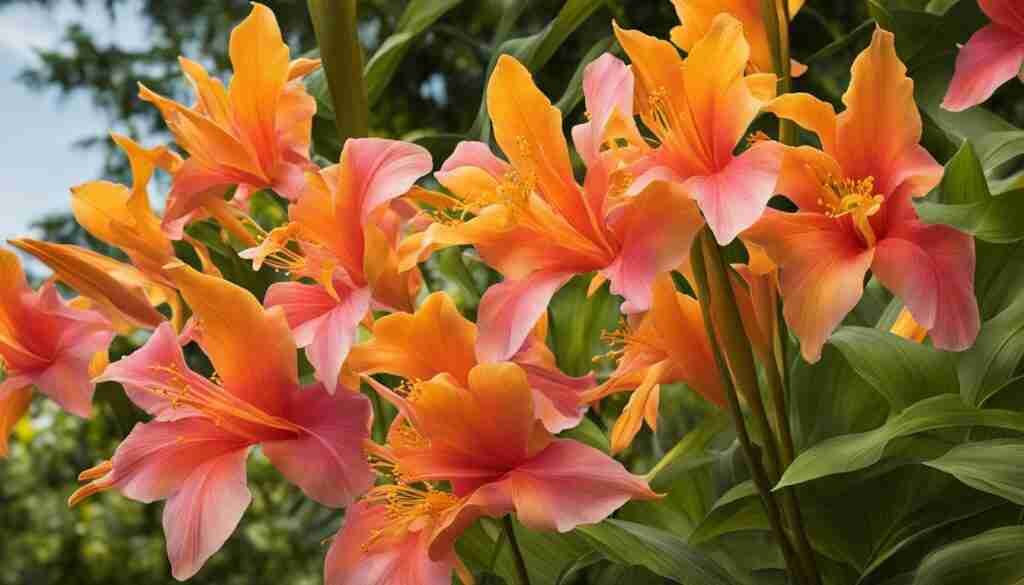
Immerse yourself in the enchanting world of Nicaragua’s wildflowers and embrace the breathtaking colors and fragrances that nature has to offer. From rare blooms to vibrant blossoms, the wildflower species in Nicaragua are a testament to the country’s diverse flora and a true delight for nature enthusiasts.
Nicaragua’s Lakes and Volcanoes: A Perfect Environment for Wildflowers
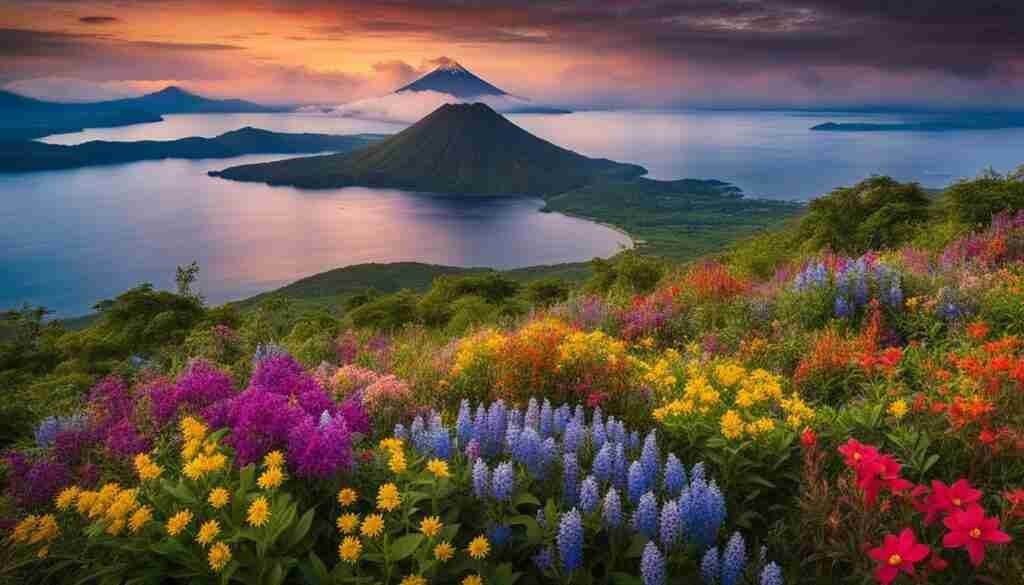
Nicaragua’s unique geography, characterized by its lakes and volcanoes, provides the perfect environment for wildflowers to thrive. The combination of fertile soil and a tropical climate creates a nurturing habitat for an array of colorful blooms. Whether it’s along the shores of Lake Nicaragua or near the majestic Cosiguina Volcano, the natural beauty of Nicaragua’s landscape is adorned with blooming wildflowers.
The presence of lakes and volcanoes in Nicaragua creates a diverse range of microclimates, each offering unique conditions for wildflowers to flourish. The volcanic soil is rich in nutrients, making it ideal for supporting a wide variety of plant species. The lakes, with their reflective surfaces and abundant water supply, contribute to the overall beauty and vitality of the surrounding flora.
One notable example of the symbiotic relationship between wildflowers and Nicaragua’s lakes and volcanoes is the Mombacho Cloud Forest Reserve. Situated on the slopes of the Mombacho Volcano, this protected area is home to a stunning array of orchids, bromeliads, and other wildflowers. The cool, misty climate created by the volcano’s elevation provides the perfect conditions for these delicate blooms to thrive.
Table: Wildflowers Found in Nicaragua’s Lakes and Volcanoes
| Wildflower Name | Description |
|---|---|
| Sacuanjoche | The national flower of Nicaragua, known for its fragrant white or cream-colored flowers. |
| Cochliostema | A striking violet-blue wildflower that grows within the branches of trees and other natural crevices. |
| Night Blooming Cactus | A climbing plant with large white to yellow flowers that emit a captivating fragrance in the evening. |
| African Tulip Tree | An imported tropical plant that adds vibrant red color to Nicaragua’s floral scenery. |
Exploring the lakes and volcanoes of Nicaragua not only allows you to witness the beauty of wildflowers but also offers a chance to immerse yourself in the stunning natural landscapes that make this country so special. Whether you’re hiking around a volcanic crater or strolling along the tranquil shores of a lake, the sight of blooming wildflowers is sure to captivate and inspire.
So next time you find yourself in Nicaragua, don’t forget to take a moment to appreciate the vibrant wildflowers that thrive in the country’s lakes and volcanoes. Their colorful petals and fragrant aromas are a testament to the unique and diverse ecosystems that exist in this beautiful Central American nation.
Preservation Efforts: Protecting Nicaragua’s Wildflowers
Nicaragua is blessed with a wide variety of native wildflowers that add beauty and color to its landscapes. Recognizing the importance of preserving these precious flora, several conservation organizations and initiatives have been established to protect Nicaragua’s wildflowers and their natural habitats.
Conservation Organizations
One notable organization is the Nicaraguan Society of Botany (SNB), which works tirelessly to promote the conservation and study of Nicaragua’s plant species, including its wildflowers. SNB conducts research, organizes educational workshops, and raises awareness about the importance of preserving native flora and their ecosystems.
In addition, the Ministry of Environment and Natural Resources in Nicaragua plays a vital role in protecting wildflowers. They enforce regulations, establish protected areas, and work with local communities to promote sustainable practices that safeguard the country’s natural heritage.
Preservation Initiatives
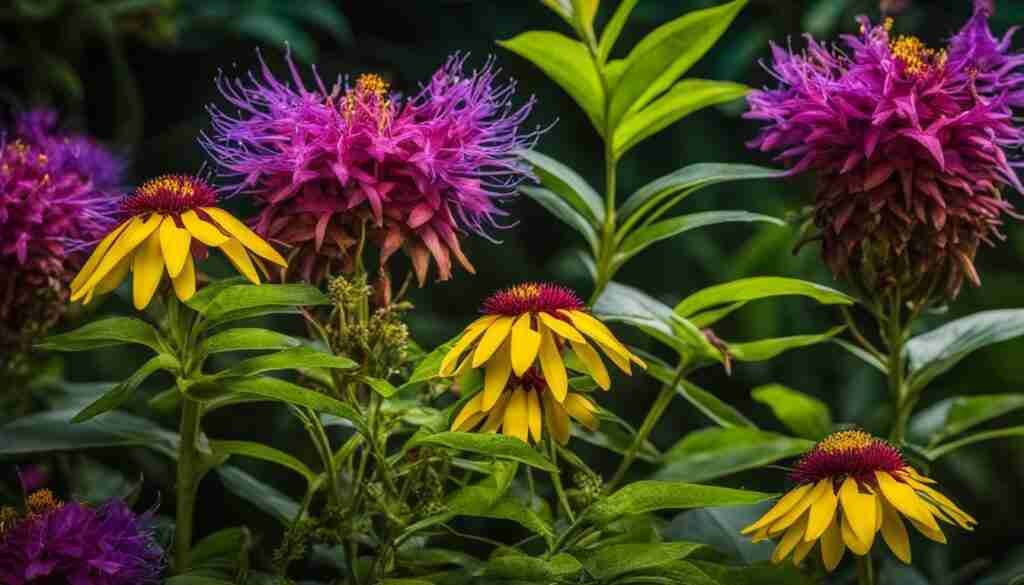
Preservation initiatives in Nicaragua focus on habitat conservation, restoration, and public education. Efforts are being made to create and maintain botanical gardens, where endangered and rare wildflowers can be cultivated and protected. These gardens serve as living laboratories for research and education, providing valuable resources for scientists, students, and the general public.
Furthermore, educational programs are being implemented to teach local communities about the significance of native wildflowers and the importance of preserving their habitats. By raising awareness and involving local residents in conservation efforts, Nicaragua is fostering a sense of responsibility and stewardship towards its unique floral heritage.
| Conservation Organizations | Preservation Initiatives |
|---|---|
| Nicaraguan Society of Botany (SNB) | Creating and maintaining botanical gardens for endangered wildflowers |
| Ministry of Environment and Natural Resources | Educational programs for local communities |
Together, these conservation organizations and initiatives are playing a crucial role in protecting Nicaragua’s native wildflowers. By preserving these delicate ecosystems, Nicaragua is ensuring that future generations can continue to enjoy the vibrant beauty and ecological benefits of its wildflowers.
Ecotourism and Wildflower Viewing in Nicaragua
If you are a nature enthusiast looking for a unique and enriching experience, Nicaragua’s rich floral diversity and ecotourism initiatives await you. From guided tours to self-guided hikes, there are numerous opportunities to witness the vibrant beauty of Nicaragua’s wildflowers up close. Immerse yourself in the breathtaking landscapes and discover the hidden gems of the country’s diverse botanical wonders.
Embarking on an ecotourism adventure in Nicaragua not only allows you to appreciate the stunning wildflowers but also supports local communities and promotes sustainable practices. By participating in eco-friendly activities, you contribute to the preservation of these natural wonders and help protect the fragile ecosystems in which they thrive.
As you explore Nicaragua’s wildflowers, be captivated by the sensory experience – from the colors and fragrances of the vibrant blooms to the sounds of wildlife in their natural habitats.
Capture these moments with your camera and immortalize the essence of Nicaragua’s unique flora. Whether you are a professional photographer or an amateur enthusiast, the diverse botanical landscapes of Nicaragua offer endless opportunities for stunning photographs.
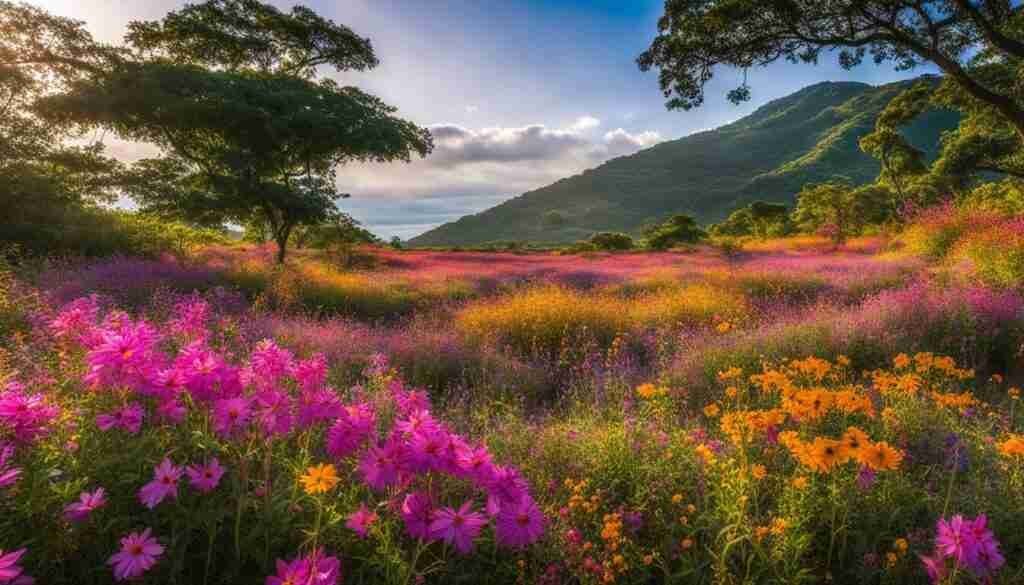
Table: Popular Ecotourism Destinations in Nicaragua
| Destination | Highlights |
|---|---|
| Ometepe Island | Home to a wide variety of wildflowers and volcanic landscapes |
| Mombacho Volcano | Explore cloud forests and witness unique orchid species |
| Masaya Volcano National Park | Experience the thrill of hiking near an active volcano and encounter rare flora |
| Bosawás Biosphere Reserve | Discover untouched rainforests and spot exotic flowers and wildlife |
| Montibelli Private Natural Reserve | Enjoy eco-tours and observe native wildflowers in a protected setting |
Combine your love for nature and adventure with the exploration of Nicaragua’s wildflowers.
Whether you’re a botany enthusiast, a nature lover, or simply seeking a unique travel experience, Nicaragua’s floral diversity and ecotourism opportunities offer a journey like no other. Immerse yourself in the vibrant beauty of the country’s wildflowers and create memories that will last a lifetime.
Capturing the Essence: Photographing Nicaragua’s Wildflowers
Nicaragua’s wildflowers offer a captivating subject for photographers, allowing them to capture the essence of the country’s unique flora. Whether you’re a professional photographer or an amateur enthusiast, the diverse botanical landscapes of Nicaragua provide endless opportunities to showcase the beauty of these vibrant wildflowers.
When photographing Nicaragua’s wildflowers, consider experimenting with different angles and perspectives. Get up close to capture the intricate details of the petals, or step back and use a wide-angle lens to capture the colorful meadows and landscapes where these wildflowers thrive. Play with lighting, shooting during the golden hour or utilizing backlighting to create stunning visual effects.
Tips for Photographing Nicaragua’s Wildflowers:
- Carry a macro lens or a lens with a close-up filter to capture the fine details of the wildflowers.
- Experiment with different compositions and perspectives to create visually interesting images.
- Utilize natural light for a soft and beautiful glow.
- Consider using a tripod to ensure sharpness and stability, especially in low-light conditions.
- Take the time to observe and appreciate the wildflowers’ natural habitat before capturing their beauty.
Remember to always respect the environment and the wildflowers you’re photographing. Stick to designated paths and avoid trampling on delicate flora. By photographing Nicaragua’s wildflowers responsibly, you can help preserve their beauty for future generations to admire.
Conclusion
Nicaragua’s wildflowers are a true testament to the country’s rich natural beauty and floral diversity. The vibrant blooms of the Sacuanjoche, Cochliostema, and the night blooming cactus add a touch of color and fragrance to Nicaragua’s landscape. Whether you’re exploring the lakes and volcanoes or participating in ecotourism activities, taking the time to appreciate these wildflowers is a rewarding experience.
With a wide range of wildflower species, Nicaragua offers a botanical wonderland for nature enthusiasts. From the Jilincoche to the siempre viva, the diversity of these colorful blooms never ceases to amaze. Their beauty enhances the vibrant charm of Nicaragua and showcases the unique flora the country has to offer.
So, let the mesmerizing beauty of Nicaragua’s wildflowers brighten your day and deepen your connection with nature. Explore the country’s diverse botanical landscapes and immerse yourself in the vibrant and enchanting world of Nicaragua’s wildflowers.
FAQ
What is the national flower of Nicaragua?
The national flower of Nicaragua is the Sacuanjoche, also known as the white frangipani.
What is Cochliostema?
Cochliostema is a striking wildflower native to Nicaragua that features highly fragrant violet-blue flowers.
What is the night blooming cactus?
The night blooming cactus, also known as the red pitaya or dragon fruit, is a climbing plant and epiphyte found in Nicaragua.
What is the African tulip tree?
The African tulip tree is an imported tropical plant that adds a burst of vibrant red color to Nicaragua’s floral scenery.
What are some other unique wildflowers in Nicaragua?
Other notable wildflowers in Nicaragua include the Jilincoche, siempre viva (globe amaranth), “frutita de tigüilote,” “jocote tronador,” and “pejibay” palm fruits.
What geographical features make Nicaragua a suitable environment for wildflowers?
Nicaragua’s lakes and volcanoes create a fertile soil and tropical climate, providing a nurturing habitat for wildflowers to thrive.
What efforts are being made to protect Nicaragua’s wildflowers?
Various conservation organizations and initiatives are working towards preserving the natural habitats where wildflowers grow and educating the public about their significance.
How can I explore Nicaragua’s wildflowers?
There are guided tours and self-guided hikes available to witness the vibrant beauty of Nicaragua’s wildflowers up close.
Can I take photographs of Nicaragua’s wildflowers?
Yes, Nicaragua’s diverse botanical landscapes offer a captivating subject for photographers to capture the essence of the country’s unique flora.
What makes Nicaragua’s wildflowers special?
Nicaragua’s wildflowers are a testament to the country’s rich natural beauty and floral diversity, adding vibrancy and color to the landscape.