
Welcome to our article on North Dakota wildflowers! In this section, we will explore the stunning beauty of native prairie flowers found in the state. From vibrant spring blooms to colorful summer wildflowers, North Dakota‘s prairies are home to a diverse array of flowering plants. Join us on this journey as we delve into the world of North Dakota‘s native wildflowers and learn about their importance in preserving the prairie ecosystem.
Key Takeaways:
- North Dakota is home to a variety of native wildflowers that add beauty to the prairie landscape.
- Preserving North Dakota’s wildflowers is crucial for maintaining the health and biodiversity of the prairie ecosystem.
- Native prairie flowers serve important ecological roles as food sources and habitats for wildlife.
- The decline of prairies due to agriculture and development has threatened the existence of these beautiful native plant species.
- By understanding the importance of prairies and supporting conservation efforts, we can ensure the survival of North Dakota’s wildflowers for future generations.
The Importance of Prairies and Grasslands
Prairies and grasslands play a vital role in North Dakota’s ecosystem, providing numerous benefits for both wildlife and humans. These expansive landscapes serve as crucial habitats for a diverse array of plant and animal species, contributing to the overall health and biodiversity of the region.
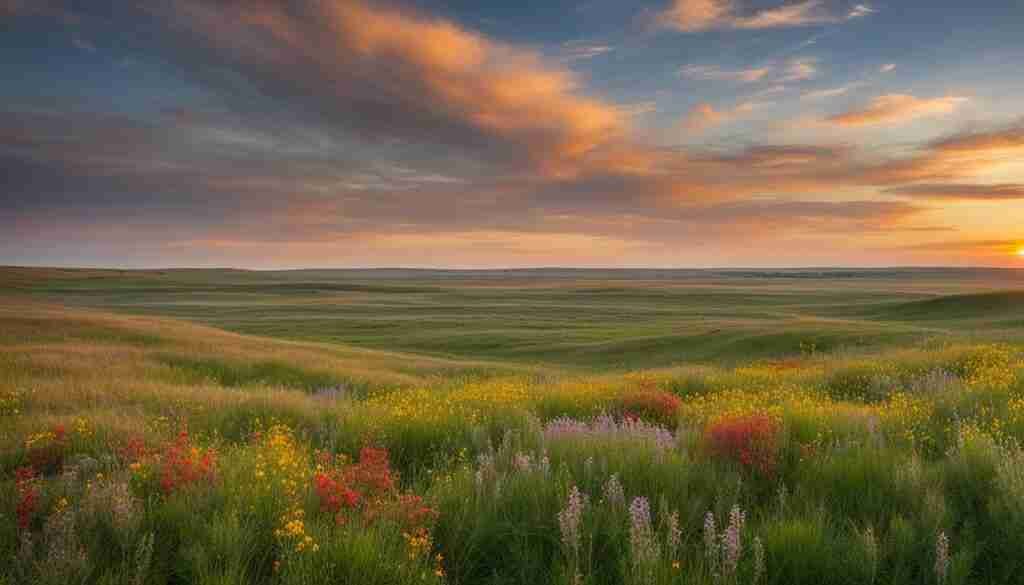
One of the key functions of prairies and grasslands is their ability to support a wide range of wildlife. These ecosystems provide nesting grounds for birds, including endangered species such as the Baird’s sparrow and the chestnut-collared longspur.
They also serve as staging areas for migratory waterfowl, attracting species such as ducks and geese. The abundance of grasses and forbs in prairies is a vital food source for small mammals and insects, sustaining the delicate web of life within these ecosystems.
In addition to supporting wildlife, prairies and grasslands also have important environmental functions. They act as natural filters, helping to purify air and water by absorbing pollutants and reducing runoff. The deep and extensive root systems of prairie grasses help prevent soil erosion, protecting against the loss of valuable topsoil. These ecosystems also contribute to carbon sequestration, helping to mitigate climate change.
Furthermore, prairies and grasslands have economic significance for local communities. They attract nature enthusiasts and tourists who come to experience the beauty and tranquility of these natural landscapes.
Wildlife-related activities such as birdwatching, hunting, and nature photography contribute to the local economy, supporting jobs and businesses. By preserving and restoring prairies, we can continue to reap these economic benefits while safeguarding the environment.
The Importance of Prairies and Grasslands
| Benefits of Prairies and Grasslands |
|---|
| Crucial habitats for diverse plant and animal species |
| Nesting grounds for endangered bird species |
| Staging areas for migratory waterfowl |
| Food sources for small mammals and insects |
| Natural filters for air and water |
| Prevention of soil erosion |
| Contribution to carbon sequestration |
| Attraction for nature tourism and recreation |
| Economic benefits for local communities |
History of Prairie Decline in North Dakota
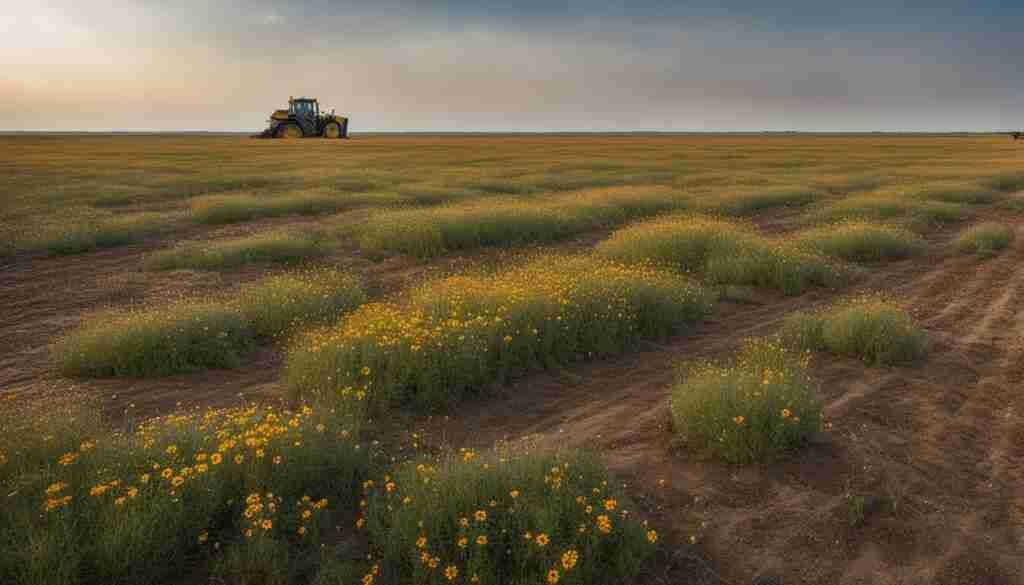
North Dakota, once covered in vast expanses of mixed-grass and tallgrass prairies, has experienced a significant decline in its prairie ecosystem over the years. This decline can be attributed to various factors, primarily the conversion of prairies into agricultural land. The arrival of settlers in the late 1800s marked the beginning of a rapid transformation of the landscape.
Agriculture became the dominant industry, and large-scale farming practices contributed to the loss of prairie grasses and forbs. Additionally, the suppression of natural fires, the introduction of non-native plant species, changes in hydrology, and development have all played a role in the decline of prairies in North Dakota.
The impact of this decline extends beyond the visual loss of native grasses and wildflowers. The reduction in prairie habitat has disrupted the distribution and diversity of plant and animal species, impacting the overall ecological balance of the region. Preserving and restoring these prairie ecosystems is critical to maintaining biodiversity and the health of the environment.
| Factors Contributing to Prairie Loss | Agricultural Impact |
|---|---|
| Conversion of prairies into farmland | Loss of native vegetation and wildlife habitat |
| Fire suppression | Disruption of natural ecosystem processes |
| Introduction of non-native plant species | Competition with native prairie plants |
| Altered hydrology | Changes in water availability and quality |
| Development | Fragmentation of prairie habitats |
Understanding the history and factors contributing to the decline of prairies in North Dakota is crucial in developing conservation strategies and promoting sustainable land management practices. By addressing the agricultural impact, restoring fire regimes, managing invasive species, and protecting remaining prairie habitats, we can work towards preserving the beauty and ecological value of North Dakota’s native wildflowers and grasses.
Getting to Know North Dakota’s Prairie Wildflowers and Grasses
Exploring the diverse array of wildflowers and grasses that thrive in North Dakota’s prairies is a rewarding experience. Whether you’re a nature enthusiast, a botany lover, or simply want to appreciate the beauty of the region, identifying these native species can be an exciting adventure.
To help you get started, we’ve put together a guide featuring some common prairie wildflowers and grasses found in North Dakota.
Identifying North Dakota Wildflowers and Grasses
To identify North Dakota’s prairie wildflowers and grasses, there are a few key characteristics to look out for. Pay attention to the flower’s color, shape, and size, as well as leaf patterns and growth habits. You can also observe the plant’s environment; prairie wildflowers and grasses are adapted to the region’s unique climate and soil conditions.
To assist you in your identification journey, we recommend using additional resources such as “Wildflowers of the Northern Great Plains” and “Grassland Plants of South Dakota and the Northern Great Plains.” These publications provide in-depth knowledge and detailed descriptions of a wide range of native species found in the prairie ecosystem.
Remember, wildflower identification can be challenging, especially for beginners. It’s always a good idea to compare your findings with field guides, consult experts, or join local plant identification groups for assistance. Happy exploring!
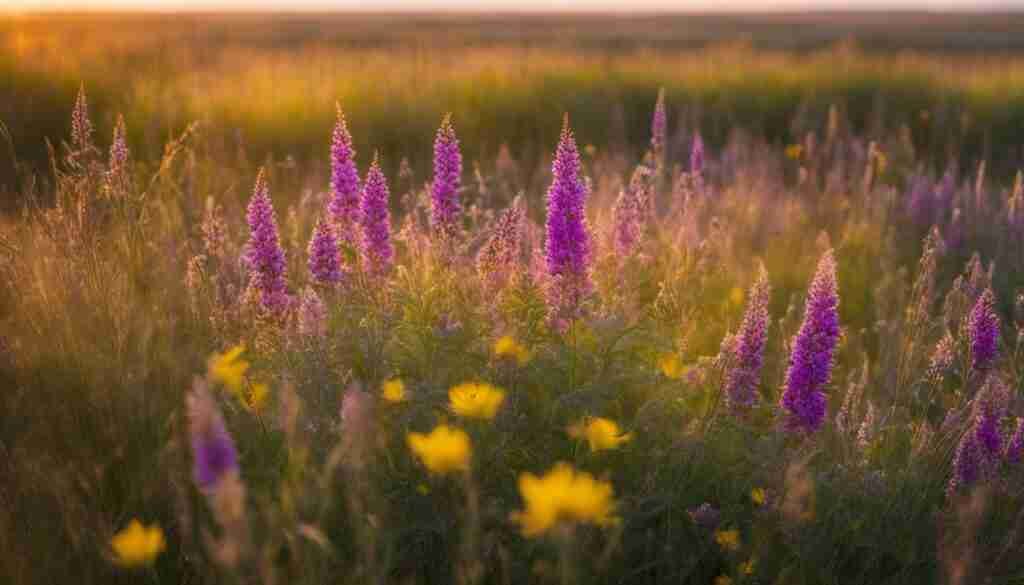
Table: Common North Dakota Prairie Wildflowers and Grasses
| Common Name | Scientific Name | Flower Color | Growth Height (inches) |
|---|---|---|---|
| Western Wallflower | Erysimum asperum | Yellow | 12-36 |
| Prairie Coneflower | Ratibida columnifera | Yellow, Red | 12-36 |
| Prairie Rose | Rosa arkansana | Pink | 12-36 |
| Purple Prairie Clover | Dalea purpurea | Purple | 12-36 |
| Common Yarrow | Achillea millefolium | White, Pink | 12-36 |
| Blanket Flower | Gaillardia aristata | Red, Yellow | 12-36 |
Spring Wildflowers in North Dakota
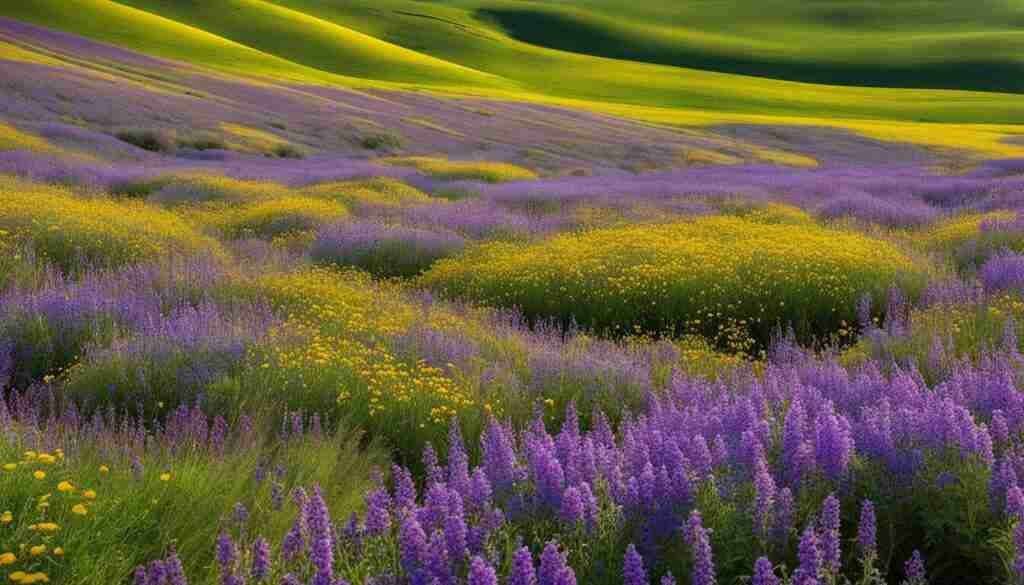
Spring brings a burst of color to North Dakota’s prairies with the blooming of various wildflowers. These vibrant blossoms not only add beauty to the landscape but also play a vital role in supporting pollinators and other wildlife. Here are some notable spring wildflowers you can find in North Dakota:
- Prairie Crocus (Anemone patens): This early bloomer features delicate purple flowers that emerge from the melting snow, signaling the arrival of spring.
- Breadroot (Pediomelum esculentum): Also known as Indian breadroot, this plant produces clusters of bright yellow flowers and has edible tubers.
- White Penstemon (Penstemon albidus): With its white tubular flowers, this perennial herb attracts hummingbirds and other pollinators.
- Shell Leaf Penstemon (Penstemon grandiflorus): Sporting pink to lavender flowers, this penstemon species is a favorite of butterflies.
- Slender Penstemon (Penstemon gracilis): This small, delicate wildflower boasts pink to purple tubular blooms and is adapted to dry conditions.
- Downy Paintbrush (Castilleja sessiliflora): With its vibrant red-orange, brush-like flowers, this plant attracts hummingbirds and is often found in prairie meadows.
- Western Wallflower (Erysimum capitatum): This tall, showy wildflower stands out with its clusters of yellow to orange flowers.
- Ball Cactus (Mammillaria spp.): Found in the western part of the state, this small, spiny cactus produces pink or yellow flowers.
- Prairie Smoke (Geum triflorum): Named for its feathery, plumelike seed heads, this wildflower adorns the prairie with pink to purple flowers.
- Smooth Fleabane (Erigeron glabellus): As its name suggests, this wildflower has smooth leaves and produces daisy-like flowers with white to pale pink petals.
- Wild Blue Flax (Linum lewisii): This perennial herb brightens the prairie with its delicate blue flowers, attracting bees and butterflies.
- Two-Grooved Vetch (Lathyrus venosus): Sporting purple to magenta flowers, this vining plant adds a splash of color to the prairie.
These spring wildflowers are just a glimpse of the vibrant plant life found in North Dakota’s prairies. Take a walk among these blossoms and immerse yourself in the beauty of nature.
| Wildflower | Scientific Name | Color | Attractions |
|---|---|---|---|
| Prairie Crocus | Anemone patens | Purple | Early bloomer, snow indicator |
| Breadroot | Pediomelum esculentum | Yellow | Edible tubers |
| White Penstemon | Penstemon albidus | White | Attracts hummingbirds |
| Shell Leaf Penstemon | Penstemon grandiflorus | Pink to lavender | Butterfly favorite |
| Slender Penstemon | Penstemon gracilis | Pink to purple | Drought tolerant |
| Downy Paintbrush | Castilleja sessiliflora | Red-orange | Attracts hummingbirds |
| Western Wallflower | Erysimum capitatum | Yellow to orange | Tall and showy |
| Ball Cactus | Mammillaria spp. | Pink or yellow | Spiny and small |
| Prairie Smoke | Geum triflorum | Pink to purple | Feathery seed heads |
| Smooth Fleabane | Erigeron glabellus | White to pale pink | Daisy-like flowers |
| Wild Blue Flax | Linum lewisii | Blue | Attracts bees and butterflies |
| Two-Grooved Vetch | Lathyrus venosus | Purple to magenta | Vining plant |
Summer Wildflowers in North Dakota
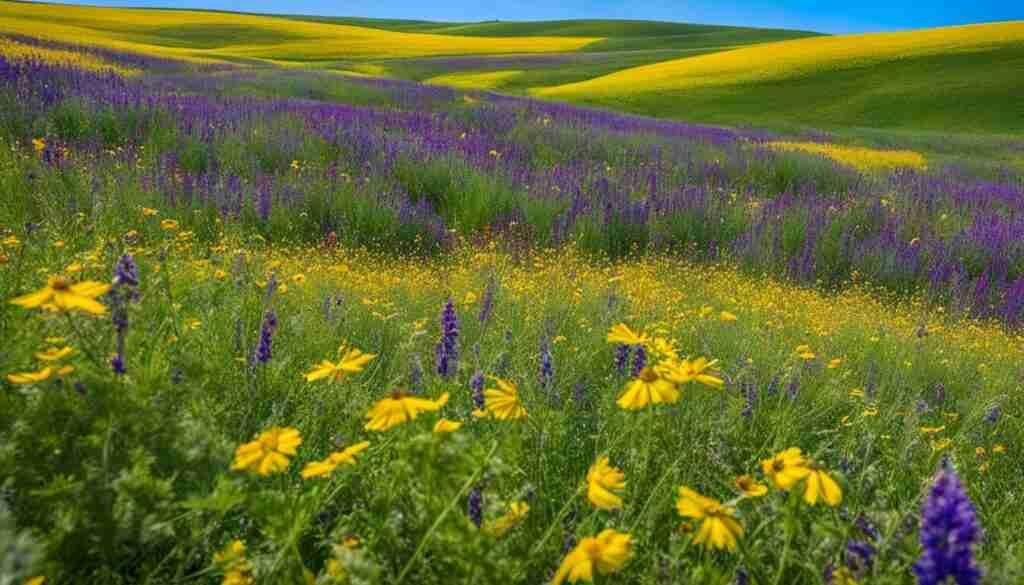
Summer is a vibrant season in North Dakota, and it brings with it a stunning display of blooming wildflowers. These native flowers add beauty and color to the prairie landscape, while also providing important resources for pollinators. Here are some of the notable wildflowers that you can expect to see during the summer months in North Dakota:
- Prairie Rose
- Purple Coneflower
- Prairie Lily
- Purple Prairie Clover
- Prairie Coneflower
- Common Yarrow
- Blanket Flower
- Black-Eyed Susan
- Gumbo Lily
- Scarlet Globemallow
- Maximilian Sunflower
- Yucca
- Harebell
- Spiderwort
- Picklypear Cactus
These summer wildflowers not only enhance the visual appeal of the prairie, but they also provide food and habitat for a variety of insects, bees, butterflies, and birds. Their vibrant colors and unique forms make them a delight to observe and photograph.
As you explore the prairies of North Dakota during the summer months, keep an eye out for these beautiful wildflowers. Take the time to appreciate their beauty and understand the important role they play in the ecosystem.
Remember, preserving North Dakota’s wildflowers is crucial for maintaining the health and biodiversity of the prairie ecosystem for future generations to enjoy.
Late-Summer Wildflowers in North Dakota
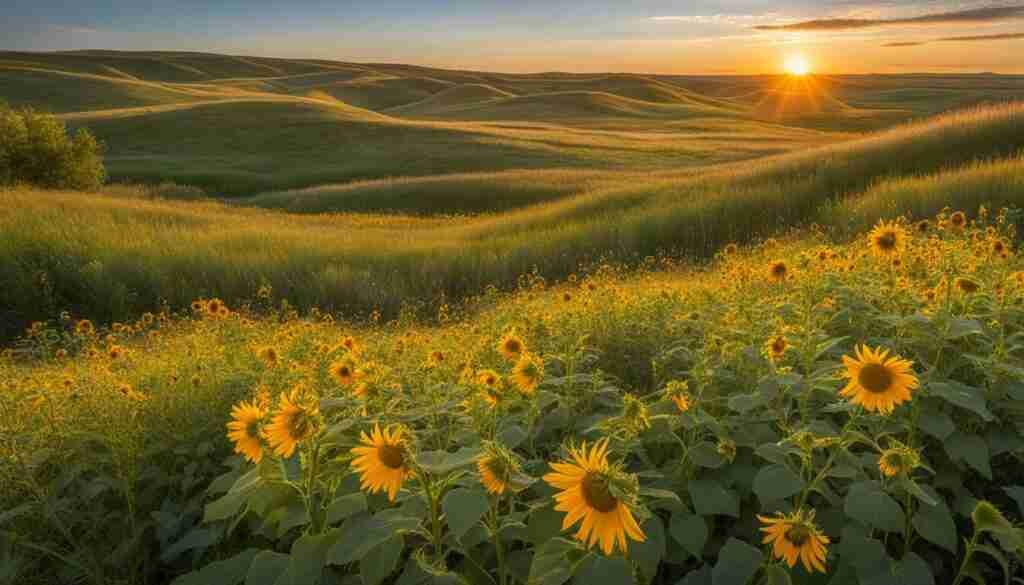
Late summer in North Dakota brings a continuation of blooming wildflowers, adding vibrant colors and beauty to the prairie landscape. These late-summer wildflowers provide important nectar sources for pollinators and contribute to the overall biodiversity of the region. Here are some notable species that you can expect to find during this time:
- Dotted Blazing Star
- Wild Bergamot
- Leadplant
- Goldenrod
- Asters
Dotted Blazing Star is a stunning wildflower with spikes of purple flowers that attract butterflies and bees. Wild Bergamot, also known as Bee Balm, displays clusters of pink to lavender flowers and is a favorite of hummingbirds and butterflies.
Leadplant, with its blue-violet flowers, is a legume that provides food for several butterfly species. Goldenrod is a bright yellow wildflower that supports a variety of pollinators, including bees and butterflies. Asters are late-season bloomers that produce daisy-like flowers in various colors, attracting bees, butterflies, and other insects.
These late-summer wildflowers not only bring aesthetic pleasure but also play a crucial role in supporting the local ecosystem. By providing food and habitat for pollinators, they contribute to the reproduction of many plant species and maintain the balance of the prairie ecosystem.
Late-Summer Wildflowers in North Dakota
| Wildflower | Color | Attracts |
|---|---|---|
| Dotted Blazing Star | Purple | Butterflies, Bees |
| Wild Bergamot (Bee Balm) | Pink to Lavender | Hummingbirds, Butterflies |
| Leadplant | Blue-Violet | Butterflies |
| Goldenrod | Bright Yellow | Bees, Butterflies |
| Asters | Various colors | Bees, Butterflies, Insects |
Blue Wildflowers in North Dakota
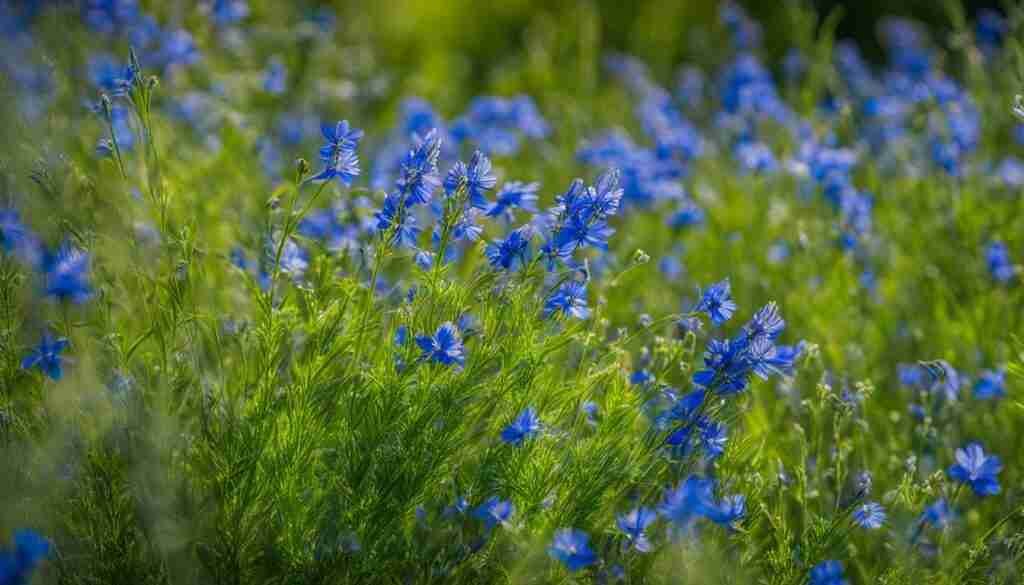
North Dakota is home to a variety of stunning blue wildflowers that add a touch of coolness and serenity to the prairie landscape. These native blue flowers not only provide aesthetic beauty but also play a crucial role in supporting pollinators and maintaining the biodiversity of the region.
One example of a beautiful blue wildflower found in North Dakota is the Chicory. With its vibrant blue petals, this flower stands out against the green grasses of the prairie. Another native blue flower is the Blue Vervain, which can be found in wetland areas and along stream banks. Its delicate blue spikes create a striking contrast to the surrounding vegetation.
Blue Wildflowers in North Dakota
Additionally, North Dakota is home to the Common Blue Violet, a small perennial flower that blooms in early spring. Its deep blue-purple color adds a dash of vibrancy to the prairie landscape, attracting pollinators such as bees and butterflies.
Lastly, the Bachelor’s Button is a charming blue flower with a distinctive button-like shape. It is often found in disturbed areas such as road edges and fields.
To fully appreciate the beauty of North Dakota’s blue wildflowers, take a leisurely stroll through the prairies during spring and summer. Observe the different shades and textures of these native flowers and marvel at the intricate details each one possesses. The sight of these blue gems against the vast expanse of grasslands is a true visual delight.
| Blue Wildflower | Description |
|---|---|
| Chicory | A vibrant blue wildflower that stands out in the prairie landscape. |
| Blue Vervain | A delicate blue flower found in wetland areas and along stream banks. |
| Common Blue Violet | A small perennial flower with deep blue-purple petals. |
| Bachelor’s Button | A charming blue flower with a distinctive button-like shape. |
Purple Wildflowers in North Dakota
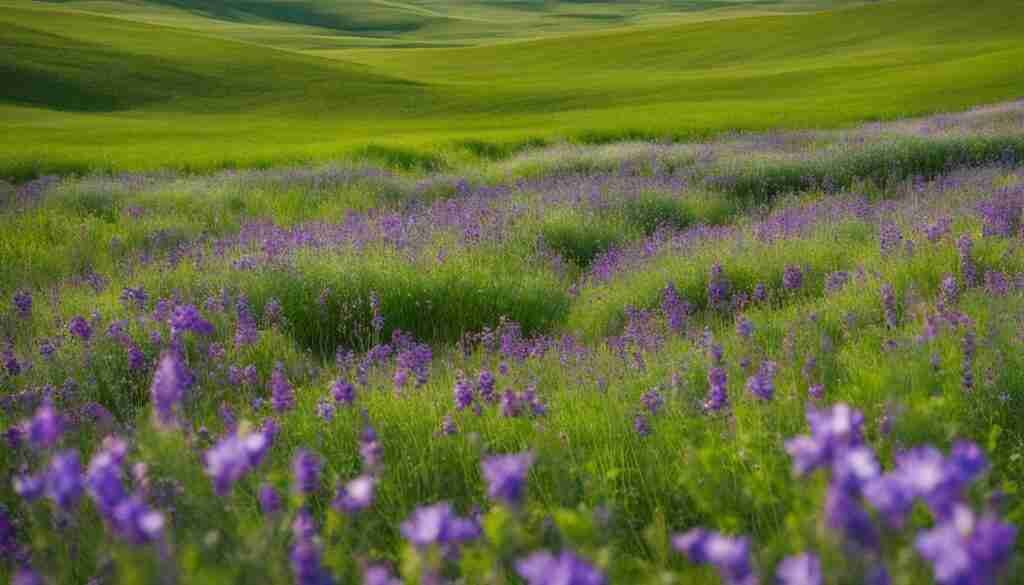
North Dakota’s prairies are home to a dazzling variety of purple wildflowers, adding a burst of vibrant color to the landscape. These native purple flowers not only enhance the visual appeal of the prairies, but also play a vital role in supporting local ecosystems. From the striking Bull Thistle to the delicate Clasping Venus’ Looking Glass, let’s explore some of the remarkable purple wildflowers found in North Dakota.
Bull Thistle (Cirsium vulgare)
The Bull Thistle is a tall and spiky wildflower that boasts deep purple blooms surrounded by prickly thorns. Despite its rough exterior, this hardy plant provides nectar for various pollinators and serves as a host for several butterfly species. Bull Thistle can be found in disturbed areas, meadows, and along roadsides throughout North Dakota.
Clasping Venus’ Looking Glass (Triodanis perfoliata)
The Clasping Venus’ Looking Glass is a charming wildflower with delicate purple petals and a unique bell-shaped structure. Its leaves appear to clasp the stem, giving it its distinctive name. This native species can be found in prairies, woodlands, and open areas across North Dakota. Clasping Venus’ Looking Glass is a favorite among pollinators, attracting bees and butterflies with its sweet nectar.
Bee Balm (Monarda fistulosa)
Bee Balm, also known as Wild Bergamot, is a showy purple wildflower that adds a splash of color to North Dakota’s prairies. Its fragrant blooms are rich in nectar, making it a magnet for bees, butterflies, and hummingbirds. Bee Balm thrives in sunny, well-drained areas and can be found throughout the state, brightening up meadows and garden borders.
| Wildflower | Scientific Name | Habitat |
|---|---|---|
| Bull Thistle | Cirsium vulgare | Disturbed areas, meadows, roadsides |
| Clasping Venus’ Looking Glass | Triodanis perfoliata | Prairies, woodlands, open areas |
| Bee Balm | Monarda fistulosa | Sunny, well-drained areas |
These are just a few examples of the stunning purple wildflowers that grace North Dakota’s prairies. Their vibrant hues not only delight the eye but also contribute to the rich biodiversity of the region. The preservation of these native purple flowers is vital for maintaining the health and beauty of North Dakota’s prairies for future generations to enjoy.
Conclusion
Preserving North Dakota’s wildflowers is crucial for maintaining the health and biodiversity of the prairie ecosystem. The decline of prairies due to agriculture and development has threatened the existence of these beautiful native plant species.
By understanding the importance of prairies, identifying and appreciating North Dakota’s wildflowers, and supporting conservation efforts, we can ensure the survival of these valuable natural resources for generations to come.
North Dakota’s prairies and grasslands play a vital role in supporting wildlife, clean air and water, and local economies. The loss of prairie grass and forbs has had a negative impact on the environment and the species that call it home.
By preserving and restoring prairies, we can protect nesting habitats for birds, provide food sources for small mammals and insects, and prevent erosion.
Getting to know North Dakota’s prairie wildflowers and grasses is an important step in appreciating the diversity and beauty of the region. While this guide provides a starting point for identification, additional publications such as “Wildflowers of the Northern Great Plains” and “Grassland Plants of South Dakota and the Northern Great Plains” can further enhance your understanding.
By learning about and recognizing these native species, you can become an advocate for their protection and conservation.
Together, we can make a difference in preserving North Dakota’s wildflowers. By supporting conservation efforts, spreading awareness, and participating in local initiatives, we can ensure that future generations have the opportunity to experience the beauty and benefits of these native prairie flowers.
Let us take action now to protect and cherish these valuable natural resources.
FAQ
How are prairies and grasslands important ecosystems?
Prairies and grasslands provide nesting habitat for birds, staging areas for migratory waterfowl, and food sources for small mammals and insects. They also contribute to clean air and water, prevent erosion, and support local economies through wildlife-related tourism and recreation.
What has caused the decline of prairies in North Dakota?
The decline of prairies in North Dakota is primarily caused by agriculture and development. Other contributing factors include fire suppression, introduction of exotic species, altered hydrology, and land conversion.
Why is preserving and restoring prairies important?
Preserving and restoring prairies is crucial for maintaining the health and biodiversity of the region. Prairies provide essential habitats and food sources for a wide variety of plant and animal species. They also contribute to the overall health of the prairie ecosystem and provide numerous ecological benefits.
How can I identify North Dakota’s prairie wildflowers and grasses?
A comprehensive guide to North Dakota’s prairie wildflowers and grasses can help beginners identify and appreciate the diverse species found in the state. While this guide does not provide an exhaustive list, it outlines many common prairie species and includes descriptive clues for identification.
It is recommended to use additional publications for a more in-depth study of North Dakota’s wildflowers.
What are some common spring wildflowers in North Dakota?
Some notable spring wildflowers in North Dakota include the Prairie Crocus, Breadroot, White Penstemon, Shell Leaf Penstemon, Slender Penstemon, Downy Paintbrush, Western Wallflower, Ball Cactus, Prairie Smoke, Smooth Fleabane, Wild Blue Flax, and Two-Grooved Vetch.
What summer wildflowers can I find in North Dakota?
Some common summer wildflowers in North Dakota include the Prairie Rose, Purple Coneflower, Prairie Lily, Purple Prairie Clover, Prairie Coneflower, Common Yarrow, Blanket Flower, Black-Eyed Susan, Gumbo Lily, Scarlet Globemallow, Maximilian Sunflower, Yucca, Harebell, Spiderwort, and Picklypear Cactus.
What are some late-summer wildflowers in North Dakota?
Late-summer brings a continuation of blooming wildflowers in North Dakota. Some notable species include Dotted Blazing Star, Wild Bergamot, Leadplant, Goldenrod, and Asters.
Are there any blue wildflowers in North Dakota?
Yes, North Dakota is home to several stunning blue wildflowers. Some examples include Chicory, Blue Vervain, Common Blue Violet, and Bachelor’s Button.
Are there any purple wildflowers in North Dakota?
Yes, purple wildflowers are abundant in North Dakota’s prairies. Some notable species include Bull Thistle, Common Burdock, Clasping Venus’ Looking Glass, Bee Balm, and Purple Loosestrife.