
The mayflower, also known as the trailing arbutus, holds great meaning and symbolism as the provincial flower of Nova Scotia. This beautiful pink flower, which blooms in the early spring, can be found in the woodlands of Nova Scotia, adding a touch of natural beauty to the region.
- The mayflower is the official flower of Nova Scotia and was adopted as the provincial flower in 1901.
- It is a pink flower that blooms in the early spring and can be found in the woodlands of Nova Scotia.
- The name “mayflower” comes from early American settlers who named the flower after the ship that brought them to North America.
- The mayflower is considered a symbol of beauty and resilience, as it blooms in the forest glades even amid the last remnants of winter.
- Preserving the natural habitat of the mayflower and other native flora is important for environmental conservation efforts in Nova Scotia.
The Beauty of the Mayflower
The mayflower, with its delicate pink petals and graceful presence, embodies the natural beauty that Nova Scotia is known for. This charming flower is the official provincial flower of Nova Scotia, chosen in 1901 for its visual appeal and significance to the region’s heritage.
The mayflower’s beauty lies in its simplicity. Its soft pink petals stand out against the lush green woodland backdrop, creating a picture-perfect scene. As the first flower to bloom in the early spring, it symbolizes the arrival of warmer seasons and the renewal of nature.
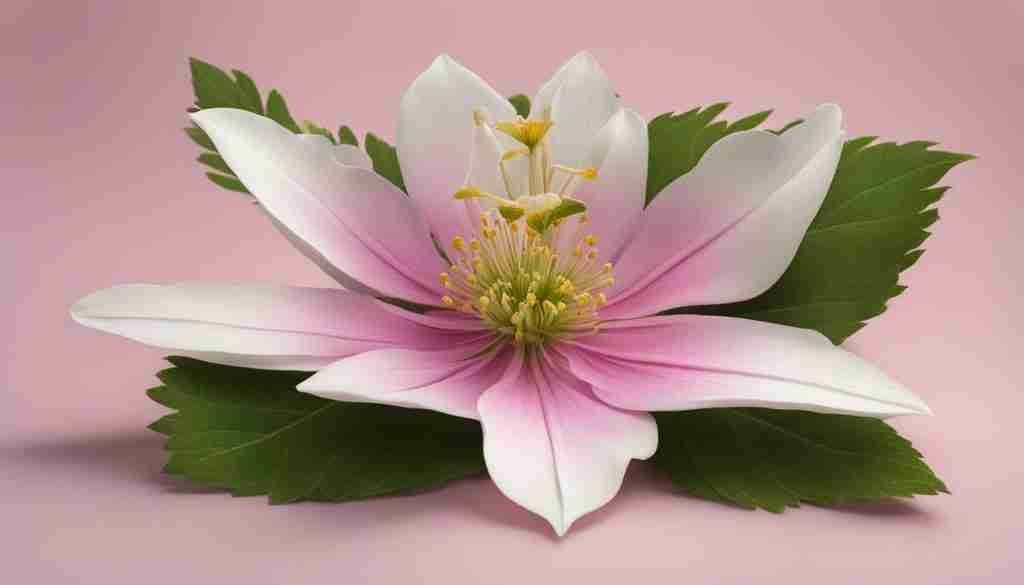
The mayflower’s allure goes beyond its physical appearance. It represents resilience and strength, as it blooms in forest glades even amidst the last traces of winter. The ability to thrive in challenging conditions makes it a true symbol of perseverance.
Throughout Nova Scotia, the mayflower holds cultural significance and is celebrated in various traditions and events. Its designation as the provincial flower highlights its importance to the region’s cultural identity, connecting present-day Nova Scotians with their heritage.
The mayflower was officially adopted as the provincial flower of Nova Scotia in 1901, carrying with it a rich history and cultural significance. This delicate pink flower, also known as trailing arbutus, blooms in the early spring and can be found in the woodlands of Nova Scotia.
Its beauty and resilience make it a beloved symbol of the province.
The name “mayflower” holds a special meaning as it was named after the ship that brought early American settlers to North America. These settlers were captivated by the flower’s charm and chose to associate it with their journey to a new land.
Today, the mayflower is a testament to the enduring spirit of those who ventured into the unknown.
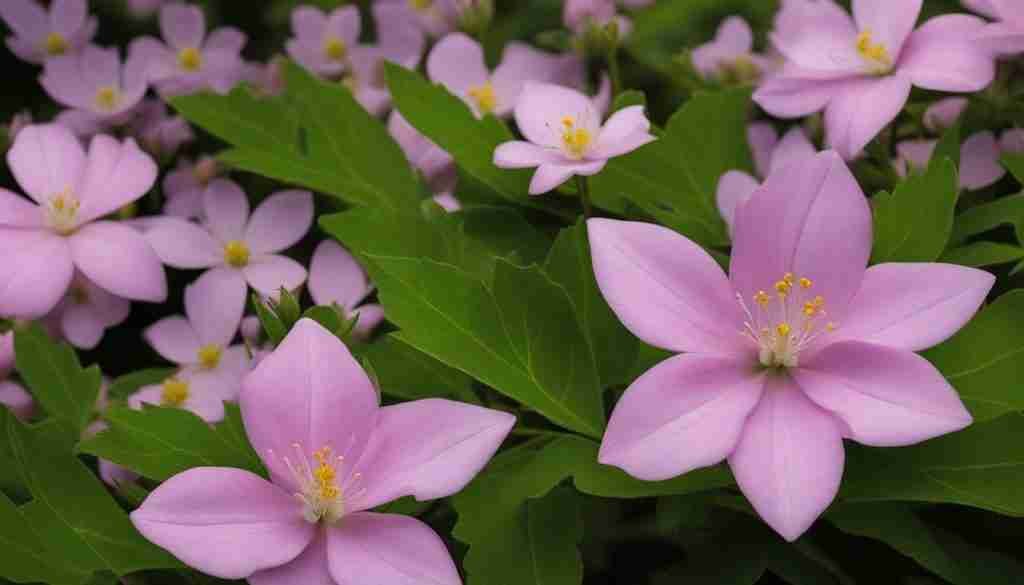
The mayflower’s adoption as the provincial flower reflects its deep connection to Nova Scotia’s heritage. It represents the natural beauty and resilience of the province, as it blooms in the forest glades even amidst the last traces of winter.
This symbolizes the strength and perseverance of the people of Nova Scotia.
In conclusion, the mayflower holds a special place in the hearts of Nova Scotians. Its status as the provincial flower highlights its importance to the cultural identity of the region.
As we admire this beautiful flower, let us also remember the need to preserve its natural habitat and promote environmental conservation efforts.
| Section | Description |
|---|---|
| Section 1 | Nova Scotia Provincial Flower: Meaning and Symbolism |
| Section 2 | The Beauty of the Mayflower |
| Section 3 | A Historical Adoption |
| Section 4 | Blooming in Spring |
| Section 5 | The Origin of the Name |
| Section 6 | A Symbol of Resilience |
| Section 7 | Connection to Canadian Heritage |
| Section 8 | Mayflower’s Cultural Significance |
| Section 9 | Environmental Conservation Efforts |
| Section 10 | Conclusion |
Blooming in Spring
As winter fades and the first signs of spring emerge, the mayflower graces the woodlands of Nova Scotia, symbolizing a new beginning and the promise of growth.
This delicate pink flower, also known as the trailing arbutus, blooms in the early spring, bringing a burst of color to the region’s forest glades.
The mayflower’s bloom time is significant, as it represents the arrival of warmer seasons and the renewal of nature. After enduring the harshness of winter, the mayflower emerges as a resilient symbol of hope and perseverance.
Its subtle fragrance fills the air, inviting us to appreciate the beauty of the changing seasons and the wonders of the natural world.
A Time for Celebration
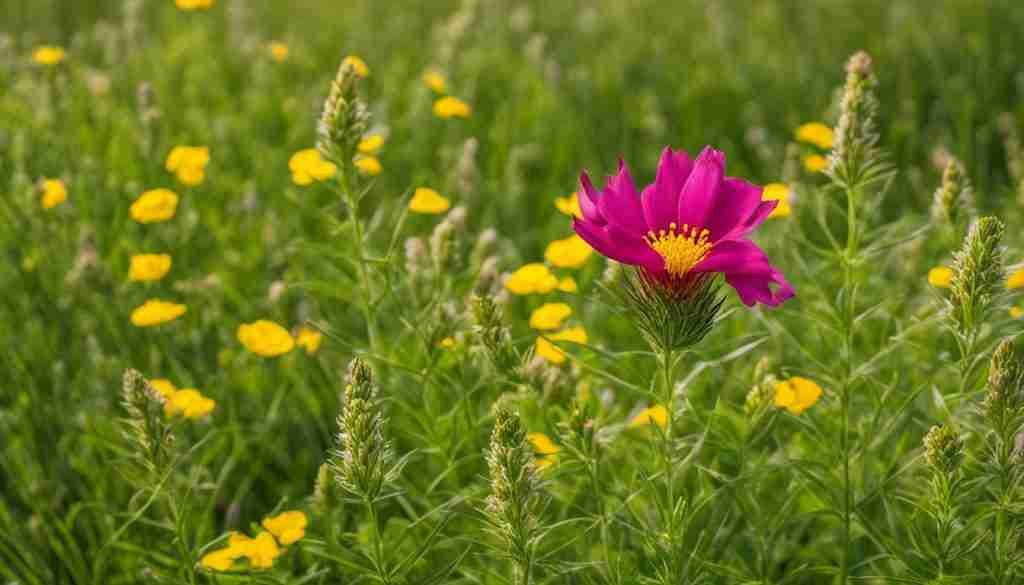
With its arrival in spring, the mayflower becomes a cause for celebration in Nova Scotia. The flower’s delicate petals and sweet scent inspire local events and traditions, where residents come together to admire its beauty.
From nature walks and floral exhibitions to photography contests and art showcases, the mayflower’s cultural significance is honored and celebrated throughout the province.
As you explore the woodlands of Nova Scotia during the early spring, keep an eye out for the mayflower’s gentle blooms. Take a moment to appreciate its symbolism and the resilience it represents.
This provincial flower serves as a reminder of the importance of preserving our natural heritage and the need to protect the delicate ecosystems where such beauty thrives.
| Key Points: |
|---|
| The mayflower blooms in the woodlands of Nova Scotia in early spring. |
| Its bloom time symbolizes renewal and the arrival of warmer seasons. |
| The mayflower is celebrated and incorporated into various local traditions and events. |
| It serves as a symbol of resilience and the importance of environmental conservation. |
The Origin of the Name
The name “mayflower” derives from the early American settlers who named the flower after the ship that carried them to these new shores. This small pink flower, also known as trailing arbutus, holds a special place in history and has become the beloved provincial flower of Nova Scotia.
The mayflower’s name is a testament to the enduring spirit of those settlers, who braved the unknown and embarked on a journey of hope and possibility. Just as the ship represented a new beginning, the mayflower symbolizes the resilience and determination to thrive even in challenging environments.
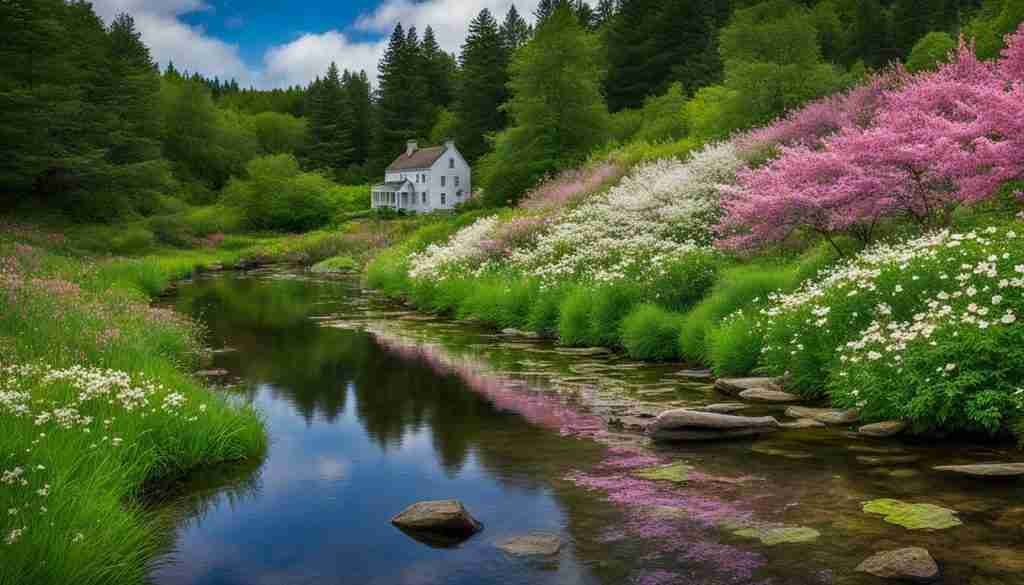
The mayflower’s delicate beauty and early bloom make it a cherished symbol of spring and renewal. With its soft, pink petals and gentle fragrance, it is a welcome sight after the long winter months.
As you stroll through the woodlands of Nova Scotia in the early spring, you may catch a glimpse of these charming flowers, as they dot the forest floor with their vibrant color.
Mayflower Fun Facts:
- The mayflower was designated as the provincial flower of Nova Scotia in 1901.
- It is also known by its scientific name, Epigaea repens.
- The mayflower is edible and has been used by Indigenous peoples for medicinal and culinary purposes.
- It is considered a rare and protected species in some areas due to overharvesting.
| Symbolism | Meaning |
|---|---|
| Beauty | The mayflower represents the natural beauty of Nova Scotia and its vibrant flora. |
| Resilience | As the flower blooms in the forest glades amid the last traces of winter, the mayflower symbolizes strength and perseverance. |
| Connection | The mayflower is deeply rooted in Canadian heritage, serving as a symbol of the cultural identity of Nova Scotia. |
Preserving the natural habitat of the mayflower is crucial for maintaining the delicate balance of ecosystems and protecting the rich biodiversity of Nova Scotia. Conservation efforts are underway to safeguard this remarkable flower and ensure its beauty can be enjoyed for generations to come.
A Symbol of Resilience
The mayflower, with its ability to bloom in the forest glades even amid the remnants of winter, serves as a powerful symbol of resilience and determination. As the official flower of Nova Scotia, it embodies the spirit of this Canadian province and its people. Despite the harsh conditions and the lingering traces of winter, the mayflower emerges, showcasing its delicate pink petals and filling the air with a gentle fragrance.
It reminds us that even in the face of adversity, beauty and strength can prevail.
This beautiful flower, known scientifically as trailing arbutus, can be found in the woodlands of Nova Scotia. Its presence signals the arrival of spring and the renewal of life. The mayflower’s ability to bloom early in the season makes it a symbol of hope and optimism.
It shows us that even when the world around us seems cold and dormant, there is always the potential for growth and new beginnings.
The Delicate Beauty of the Mayflower
With its dainty pink petals and subtle fragrance, the mayflower captivates all who encounter it. Its delicate appearance belies its strength and resilience. Each blossom is a testament to nature’s ability to adapt and thrive.
As you wander through the woodland trails of Nova Scotia, you may catch a glimpse of these enchanting flowers peeking out from beneath fallen leaves or nestled between moss-covered rocks.
The mayflower’s beauty is not just confined to its physical appearance. It also holds deep cultural and historical significance. Named after the ship that brought early American settlers to North America, the mayflower represents the enduring spirit of exploration and resilience. It serves as a reminder of the determination and bravery of those who came before us.

The mayflower is not only a symbol of beauty and resilience but also a call to protect and preserve our natural heritage. As we admire these delicate blooms, we must also remember the importance of conservation.
Efforts are underway in Nova Scotia to safeguard the habitats where the mayflower thrives, ensuring that future generations will have the opportunity to witness its splendor.
By celebrating and cherishing the mayflower, we honor the rich cultural heritage and natural beauty of Nova Scotia. This flower serves as a powerful reminder that, like the mayflower itself, the people of this province are strong, determined, and capable of overcoming any obstacles that come their way.
Connection to Canadian Heritage
As the official provincial flower of Nova Scotia, the mayflower holds great significance in Canadian heritage, representing the unique beauty and spirit of the region. This delicate pink flower, also known as the trailing arbutus, has been cherished by the people of Nova Scotia for over a century.
The mayflower’s inclusion as the provincial flower in 1901 speaks to its cultural importance and symbolic meaning. The flower’s enchanting beauty and resilience perfectly capture the essence of the province, where nature’s wonders abound.
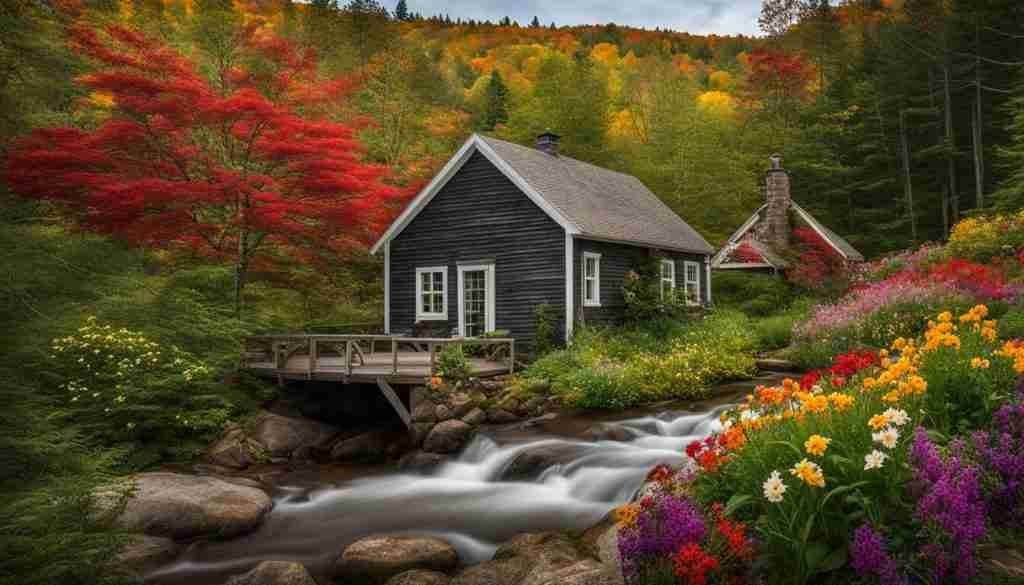
The Symbolic Beauty of the Mayflower
With its dainty petals and sweet fragrance, the mayflower adorns the woodlands of Nova Scotia, bringing a touch of magic to the landscape. Its blooming in the early spring is a sight to behold, signaling the arrival of warmer seasons and the rejuvenation of nature.
The mayflower’s symbolic meaning goes beyond its visual appeal. It represents resilience, as it defiantly blooms in forest glades even amidst the last traces of winter. Just like the people of Nova Scotia, the mayflower perseveres and thrives in the face of adversity.
| Symbolism | Meaning |
|---|---|
| Beauty | The mayflower embodies the natural beauty of Nova Scotia, showcasing its stunning landscapes and rich biodiversity. |
| Resilience | The flower’s ability to bloom in harsh conditions symbolizes strength, determination, and the ability to overcome challenges. |
| Renewal | The mayflower’s arrival in the early spring represents the renewal of life and the promise of a new beginning. |
Overall, the mayflower’s cultural significance and symbolic meaning make it a beloved emblem of Nova Scotia’s heritage. Its delicate beauty and enduring spirit serve as a reminder of the province’s rich history and the resilience of its people.
Mayflower’s Cultural Significance
The mayflower’s cultural significance within Nova Scotia can be seen in its presence at festivals, artwork, and other cultural expressions throughout the province. This iconic flower is deeply rooted in the hearts of Nova Scotians, symbolizing the region’s natural beauty and resilience.
During various festivals and events, the mayflower takes center stage, adorning floats, displays, and exhibits. Its delicate pink petals and sweet fragrance captivate both locals and visitors, creating a sense of awe and appreciation for the province’s vibrant flora.
Artists and artisans in Nova Scotia draw inspiration from the mayflower, incorporating its image and essence into their creations. Paintings, sculptures, and crafts often feature this beloved flower, preserving its beauty in different forms of artistic expression.
Furthermore, the mayflower’s cultural significance extends beyond visual arts and festivities. Nova Scotian traditional songs and poems often make reference to the flower, celebrating its beauty and symbolic meaning.
Its presence in literature and folklore showcases the deep connection between the people and the natural treasures of their homeland.
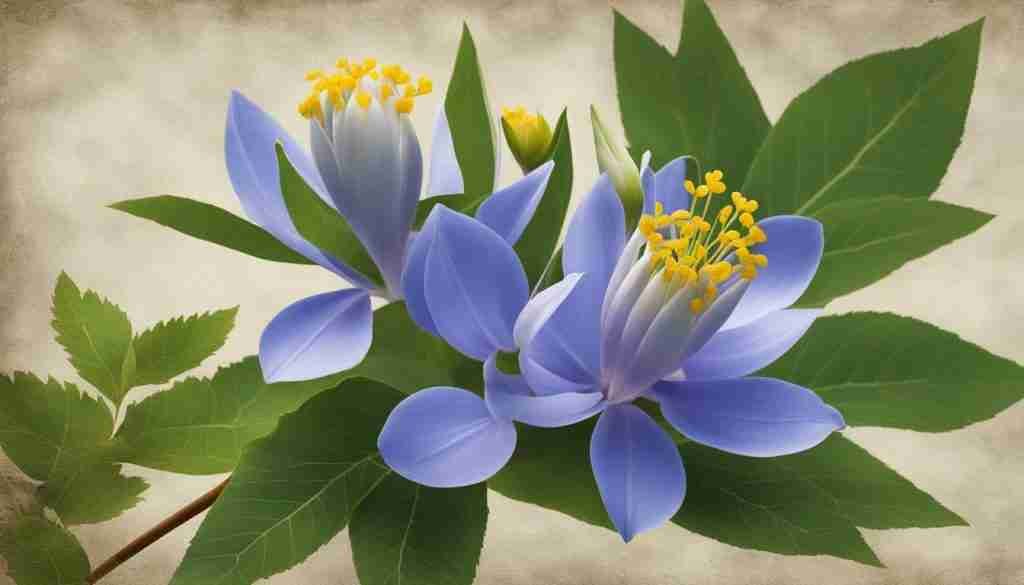
Amidst the breathtaking landscapes and rich cultural heritage of Nova Scotia, the mayflower stands as a cherished emblem of the province’s identity. Its delicate blossoms and resilience serve as a reminder of the beauty and strength that can be found even in the harshest environments.
So, if you find yourself in Nova Scotia, keep an eye out for the mayflower, as it represents not just a flower, but a living testament to the spirit of the province.
Environmental Conservation Efforts
The preservation of the mayflower’s natural habitat in Nova Scotia is crucial not only to protect this beautiful flower but also to maintain the delicate ecosystem it thrives in. As a symbol of provincial pride and natural beauty, efforts are being made to ensure the survival of this iconic flower for future generations.
Environmental organizations and local communities are actively involved in conservation initiatives to safeguard the mayflower’s habitat. These efforts include habitat restoration, native plant propagation, and raising awareness about the importance of preserving biodiversity.
One of the key challenges faced by the mayflower is the loss of suitable woodland habitats due to urban development and invasive plant species. To address this, conservationists are working to create protected areas and establish policies that promote responsible land use and the protection of critical habitats.
Conservation efforts also focus on educating the public about the significance of the mayflower and its role in maintaining a healthy ecosystem. By promoting sustainable practices and encouraging the planting of native species, individuals can contribute to the preservation of the mayflower and support the overall biodiversity of Nova Scotia.
| Conservation Efforts for the Mayflower | Benefits |
|---|---|
| Habitat restoration | Ensures suitable environments for the mayflower to flourish |
| Native plant propagation | Increases the population of mayflowers in Nova Scotia |
| Protected areas | Safeguards critical habitats from urban development |
| Sustainable practices | Promotes responsible land use and preserves biodiversity |
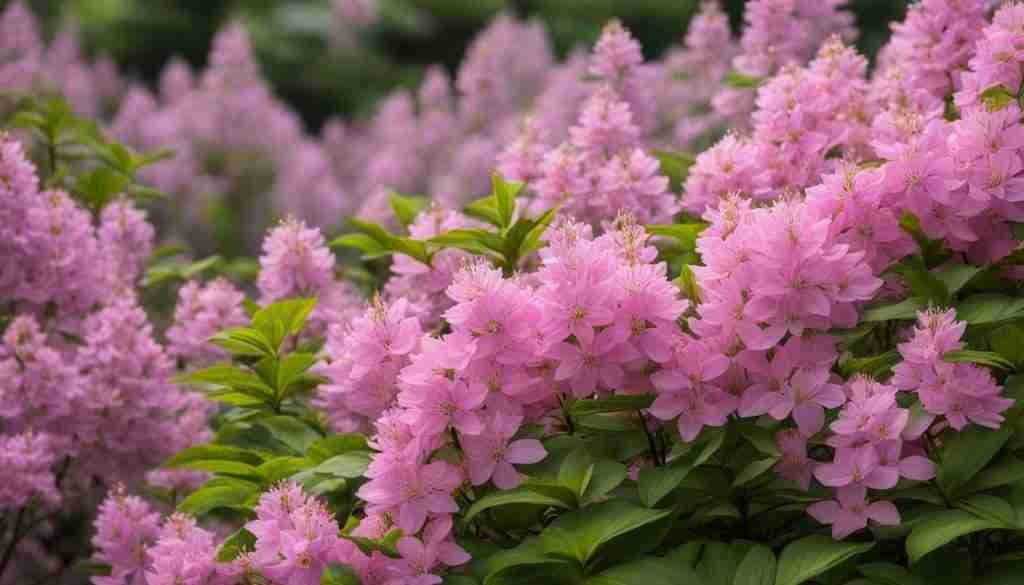
The mayflower holds a special place in the hearts of Nova Scotians, symbolizing the resilience and beauty of their province.
By supporting environmental conservation efforts, we can ensure that this delicate flower continues to adorn the woodland glades of Nova Scotia for generations to come.
Conclusion
The mayflower, with its deep-rooted symbolism and connection to Nova Scotia’s cultural heritage, remains a cherished floral emblem that represents the beauty and resilience of the region.
As the official flower of Nova Scotia since 1901, the mayflower holds great significance in the hearts of the province’s residents.
Symbolic Meaning
The mayflower’s delicate pink petals and fragrant scent serve as an embodiment of natural beauty and renewal. Blooming in the early spring, the flower symbolizes the arrival of warmer seasons and the resilience of life, as it thrives in the forest glades even amidst the last traces of winter.
Historical Significance
The adoption of the mayflower as the provincial flower of Nova Scotia is rooted in the historical connection between early American settlers and the region. The flower’s name originates from the ship that brought these settlers to North America, reflecting the strong ties between Nova Scotia and the shared history of the Canadian and American colonies.
Cultural Heritage
The mayflower is not only a symbol of beauty and resilience but also an integral part of Nova Scotia’s cultural identity. It is celebrated and incorporated into various local traditions and events, showcasing its importance in preserving and promoting the rich heritage of the region.
Furthermore, the mayflower’s status as the provincial flower highlights the need to protect and conserve the natural habitat of this and other native flora in Nova Scotia. Ongoing environmental conservation efforts aim to ensure the continued existence of these precious flowers and raise awareness about the importance of preserving the region’s unique biodiversity.
In conclusion, the mayflower represents more than just a provincial flower. It embodies the beauty, resilience, and cultural heritage of Nova Scotia. Its symbolism and significance serve as a reminder of the region’s natural treasures and the importance of safeguarding them for generations to come.
FAQ
What is the official flower of Nova Scotia?
The official flower of Nova Scotia is the mayflower, also known as the trailing arbutus.
When was the mayflower adopted as the provincial flower of Nova Scotia?
The mayflower was adopted as the provincial flower of Nova Scotia in 1901.
What does the mayflower look like?
The mayflower is a pink flower that blooms in the early spring and is found in the woodlands of Nova Scotia.
Why is it called the mayflower?
The mayflower is named after the ship that brought early American settlers to North America.
What does the mayflower symbolize?
The mayflower is considered a symbol of beauty and resilience, as it blooms in the forest glades even amid the last remnants of winter.