
Welcome to our comprehensive guide to Pennsylvania wildflowers! Pennsylvania is home to a diverse array of native plants, including a stunning variety of wildflowers. In this guide, we will provide you with valuable information on identifying these beautiful blooms, as well as tips on wildflower photography, conservation, and gardening with native plants.
Whether you are a nature enthusiast, a photography enthusiast, or simply someone who appreciates the natural beauty of wildflowers, this guide is for you. Join us as we explore the vibrant world of Pennsylvania wildflowers and discover the joy of connecting with our state’s native flora.
Key Takeaways:
- Pennsylvania is home to a diverse array of native wildflowers.
- Identifying and appreciating wildflowers can be a rewarding hobby.
- Wildflower photography allows you to capture the beauty of these blooms.
- Conservation efforts are crucial for protecting Pennsylvania’s native wildflowers.
- Gardening with native plants can benefit both you and the environment.
Common Blue Wildflowers in Pennsylvania
Blue wildflowers are a common sight in Pennsylvania, adding a beautiful burst of color to the state’s landscapes. Some of the most prevalent blue wildflower species include Chicory, Blue Vervain, Common Blue Violet, Common Periwinkle, Teasel, Forget-me-not, and Virginia Bluebells. These vibrant blooms can be found in various habitats across Pennsylvania, from meadows and gardens to roadsides and natural areas.
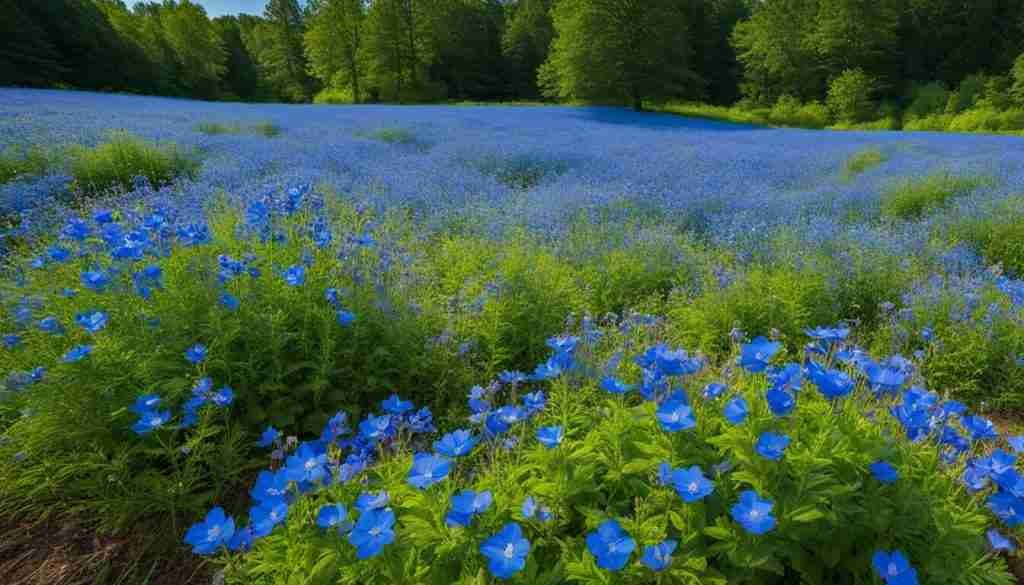
| Common Blue Wildflowers in Pennsylvania | |
|---|---|
| Chicory | A tall plant with bright blue flowers that are commonly seen along roadsides and in open fields. |
| Blue Vervain | An erect plant that produces spikes of small blue flowers and can be found in wetland areas. |
| Common Blue Violet | A low-growing plant with heart-shaped leaves and delicate blue or purple flowers. |
| Common Periwinkle | A trailing vine with glossy leaves and blue or purple funnel-shaped flowers. |
| Teasel | A tall plant with spiky stems and prickly flowers that range in color from blue to purple. |
| Forget-me-not | A small plant with clusters of tiny blue flowers that often grow near water sources. |
| Virginia Bluebells | A woodland plant with bell-shaped blue flowers that bloom in early spring. |
Whether you’re exploring the wilderness or tending to a garden, keep an eye out for these striking blue wildflowers in Pennsylvania. They are not only a treat for the eyes but also an important part of the state’s native flora, supporting pollinators and adding to the overall biodiversity of the region.
Purple Wildflowers in Pennsylvania
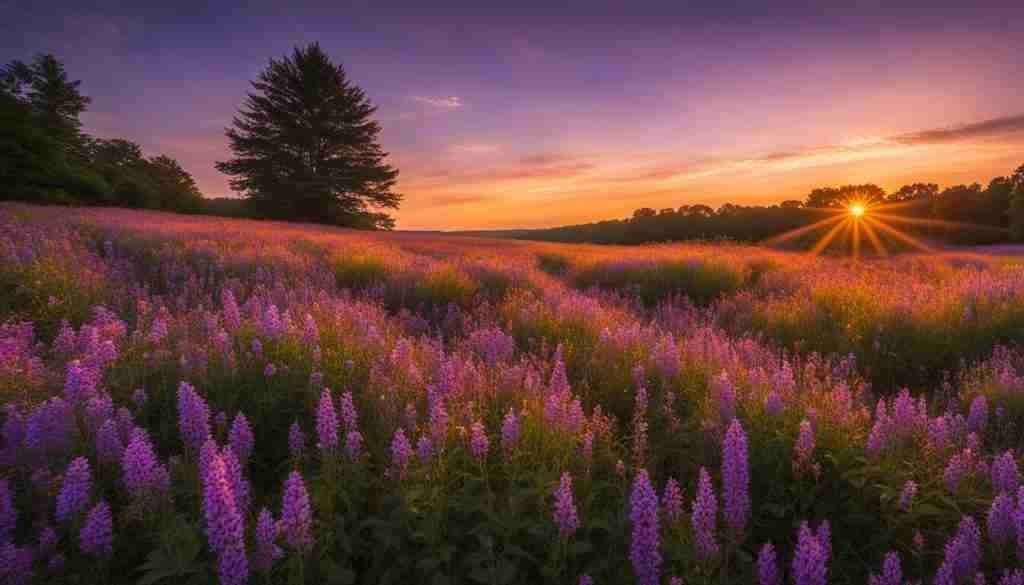
When it comes to adding a touch of elegance and sophistication to Pennsylvania’s floral landscapes, purple wildflowers are the way to go. These blooms stand out with their striking purple hues and can be found in various habitats across the state. Let’s take a closer look at some notable purple wildflowers that grace Pennsylvania’s scenery.
Bull Thistle
Bull Thistle (Cirsium vulgare) is a spiky, thorny wildflower that boasts deep purple flowers surrounded by sharp bristles. Despite its prickly appearance, this plant is quite stunning and adds a bold pop of color to meadows, fields, and disturbed areas. Bull Thistle can reach heights of up to five feet and is a favorite among pollinators like bees and butterflies.
Common Burdock
Common Burdock (Arctium minus) is another purple wildflower that can be found in Pennsylvania. This biennial plant features round, purple flowers arranged in clusters and has large, heart-shaped leaves. Common Burdock is known for its hooked bracts that easily cling to clothing or animal fur, serving as a means of seed dispersal. It thrives in disturbed areas and can often be spotted along roadsides and in vacant lots.
Clasping Venus’ Looking Glass
Clasping Venus’ Looking Glass (Triodanis perfoliata) is a delicate purple wildflower that blooms in Pennsylvania’s meadows and open woodlands. Its flowers have a distinctive shape, resembling tiny trumpets, and the leaves clasp around the stem, giving the plant its unique name. Clasping Venus’ Looking Glass is beloved by bees and other pollinators and adds a touch of beauty to any natural landscape.
| Common Name | Scientific Name | Habitat |
|---|---|---|
| Bull Thistle | Cirsium vulgare | Meadows, fields, disturbed areas |
| Common Burdock | Arctium minus | Roadsides, vacant lots |
| Clasping Venus’ Looking Glass | Triodanis perfoliata | Meadows, open woodlands |
These purple wildflowers provide visual interest and contribute to the biodiversity of Pennsylvania’s ecosystems. Whether you’re a nature enthusiast, a photographer, or simply appreciate the beauty of native blooms, be sure to keep an eye out for Bull Thistle, Common Burdock, and Clasping Venus’ Looking Glass during your explorations of Pennsylvania’s natural landscapes.
Pink Wildflowers in Pennsylvania
While pink wildflowers may not be as common as blue or purple blooms in Pennsylvania, there are still a few noteworthy species to be found. One example is the Dwarf Larkspur, which is indigenous to southwest Pennsylvania.
With its deep purple flowers that fade to pink and finally white, Dwarf Larkspur adds a splash of color to moist forested areas. It also relies on specialized pollinators such as bumblebees for reproduction.
If you’re planning to explore Pennsylvania’s wildflower habitats, keep an eye out for the delicate beauty of pink blooms. Their soft hues and intricate structures make them a captivating sight in the natural landscape.
Whether you’re an amateur photographer or a wildflower enthusiast, capturing the vibrant colors of pink wildflowers like the Dwarf Larkspur can create stunning images that showcase the unique beauty of Pennsylvania’s flora.
Table: Notable Pink Wildflowers in Pennsylvania
| Common Name | Scientific Name | Habitat |
|---|---|---|
| Dwarf Larkspur | Dicentra canadensis | Moist forested areas |
Yellow Wildflowers in Pennsylvania
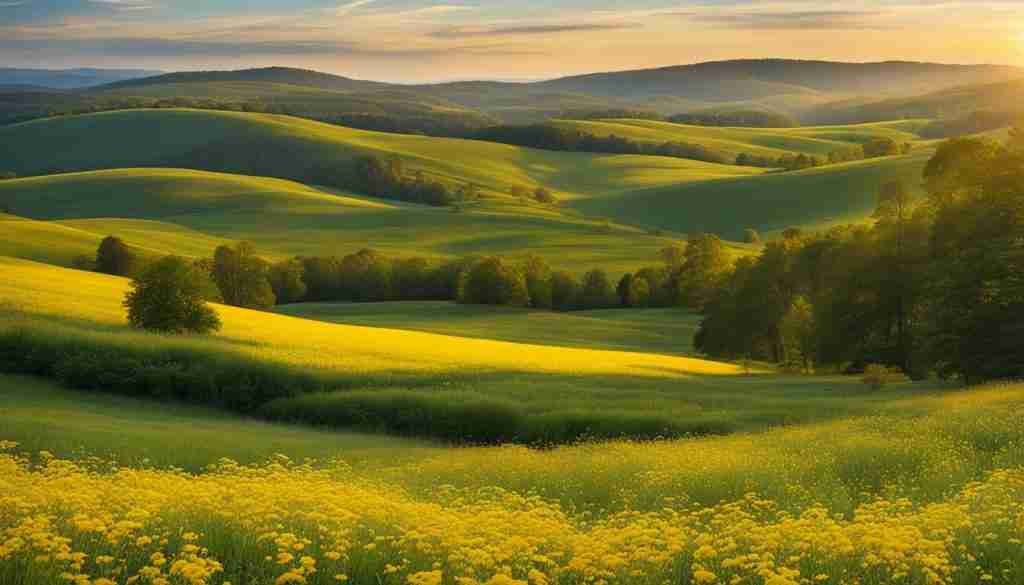
Pennsylvania is home to a variety of yellow wildflowers that add a vibrant burst of color to the state’s landscapes. One of the most recognizable and prevalent yellow wildflowers is Goldenrod.
With its clusters of small yellow flowers, Goldenrod can be found in meadows, fields, and along roadsides throughout Pennsylvania. It not only enhances the visual appeal of these areas but also plays a crucial role in supporting local pollinators.
The bright yellow blooms of Goldenrod serve as a valuable food source for bees, butterflies, and other insects, making it an important contributor to their survival. By planting Goldenrod in your garden or supporting its presence in natural habitats, you can help maintain a healthy ecosystem and support the diversity of Pennsylvania’s wildlife.
Other Yellow Wildflowers
In addition to Goldenrod, Pennsylvania is also home to other yellow wildflowers. These include:
- Yellow Coneflower
- Yellow Lady’s Slipper
- Butterweed
These yellow blooms can be found in various habitats across the state, from woodlands to wetlands. Their vibrant colors and unique forms make them a delight to encounter while exploring Pennsylvania’s natural beauty.
| Yellow Wildflower | Habitat |
|---|---|
| Goldenrod | Meadows, fields, roadsides |
| Yellow Coneflower | Woodlands, prairies |
| Yellow Lady’s Slipper | Wetlands, bogs |
| Butterweed | Wetlands, disturbed areas |
Whether you come across Goldenrod or other yellow wildflowers in Pennsylvania, take a moment to appreciate their beauty and the important role they play in supporting the state’s ecosystem.
Pennsylvania Wildflowers: A Guide to Identifying and Appreciating Native White Bloomers
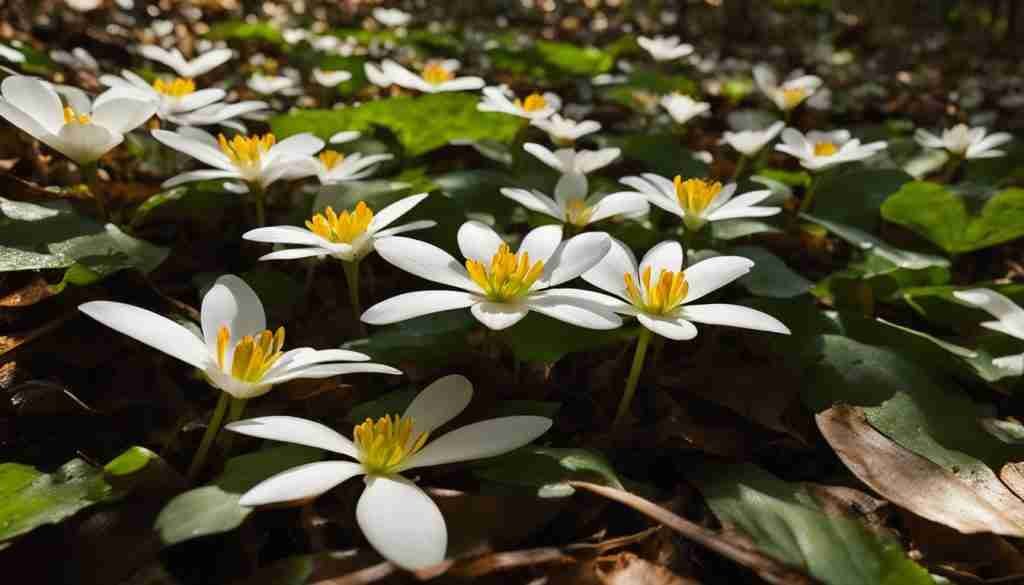
White wildflowers bring a sense of purity and serenity to Pennsylvania’s natural landscapes. One standout white wildflower is Bloodroot, which is native to the state. With its delicate white flowers and unique leaf shape, Bloodroot is a favorite among wildflower enthusiasts. It can be found in woodland areas and is known for its medicinal properties.
To further appreciate the beauty of Pennsylvania’s white wildflowers, take a look at the image below:
In addition to Bloodroot, there are other white wildflowers that grace the state’s meadows, forests, and wetlands. Here are some notable examples:
- White Trillium – This elegant wildflower features three large white petals and can be found in the springtime.
- Starflower – With its star-shaped white flowers, this delicate wildflower adds a touch of magic to shady woodland areas.
- Mayapple – While not a true flower, the white “umbrella-like” structures of the Mayapple plant create a stunning display in the spring.
By exploring Pennsylvania’s natural habitats, you’ll have the opportunity to discover these and other exquisite white wildflowers. Their beauty and presence serve as a reminder of the state’s rich floral diversity, and with conservation efforts, we can ensure their continued existence for future generations.
| White Wildflowers in Pennsylvania | Description |
|---|---|
| Bloodroot | Delicate white flowers with unique leaf shape; known for medicinal properties. |
| White Trillium | Elegant wildflower with three large white petals; found in the spring. |
| Starflower | Delicate wildflower with star-shaped white flowers; grows in shady woodland areas. |
| Mayapple | Not a true flower, but white “umbrella-like” structures create a stunning display in the spring. |
Red and Orange Wildflowers in Pennsylvania
Pennsylvania is home to an array of stunning red and orange wildflowers that add a bold and vibrant touch to the state’s natural landscapes. Two notable species in this color range are the Butterfly Weed and the Cardinal Flower.

The Butterfly Weed, with its vibrant orange flowers, is a favorite among butterflies and adds a splash of color to gardens, meadows, and roadsides. Its nectar-rich blooms and vibrant color make it an attractive choice for pollinators. This wildflower can be found in various habitats across Pennsylvania, including fields, prairies, and gardens.
The Cardinal Flower, with its striking red blooms, is a hummingbird magnet and can be found in wetland habitats across the state. This tall and erect wildflower stands out with its vibrant red flowers and attracts hummingbirds with its nectar-filled blooms. It thrives in moist areas and can often be seen along stream banks, wet meadows, and marshy areas.
These red and orange wildflowers not only enhance the beauty of Pennsylvania’s natural landscapes but also support pollinators and wildlife. Their brilliant colors and ecological importance make them valuable additions to any garden or natural habitat.
Wildflower Photography in Pennsylvania
Pennsylvania offers endless opportunities for capturing the natural beauty of wildflowers through photography. Whether you’re a professional photographer or a hobbyist, the state’s diverse wildflower species provide countless subjects for stunning photographs. From macro shots of intricate details to sweeping landscape images, Pennsylvania’s wildflowers offer something for every photography enthusiast.
When photographing wildflowers in Pennsylvania, it’s essential to take advantage of the state’s beautiful natural light. The soft, golden hours of morning and evening provide the perfect lighting conditions to capture the delicate hues and textures of the blooms. Experiment with different angles, compositions, and focal lengths to create visually captivating images that showcase the unique characteristics of each wildflower.
One of the key aspects of wildflower photography is capturing the essence of the natural habitat. Consider incorporating elements such as insects, butterflies, or birds into your compositions to add a sense of movement and life to your photos. Take the time to explore the various wildflower habitats in Pennsylvania, from lush meadows to shaded woodlands, to discover the perfect backdrop for your images.
Table: Essential Tips for Wildflower Photography in Pennsylvania
| Tips | Description |
|---|---|
| 1. Scout Locations | Research and visit nature reserves, state parks, and botanical gardens known for their wildflower displays. |
| 2. Use a Macro Lens | Invest in a macro lens to capture the intricate details and textures of wildflowers up close. |
| 3. Experiment with Depth of Field | Play with different aperture settings to achieve a shallow depth of field and blur the background, emphasizing the wildflower. |
| 4. Incorporate Natural Elements | Add interest to your photos by including insects, butterflies, birds, or other natural elements. |
| 5. Consider Composition | Experiment with different angles, perspectives, and framing to create visually appealing compositions. |
| 6. Be Patient | Wildflowers are influenced by weather conditions, so be patient and return to locations at different times for the best shots. |
Remember to respect the environment while photographing wildflowers in Pennsylvania. Stay on designated paths to avoid trampling delicate plants, and avoid picking or disturbing the blooms, as they play a vital role in the ecosystem. With careful observation and a creative eye, you can capture the beauty of Pennsylvania’s wildflowers and share their magnificence with others through your photography.
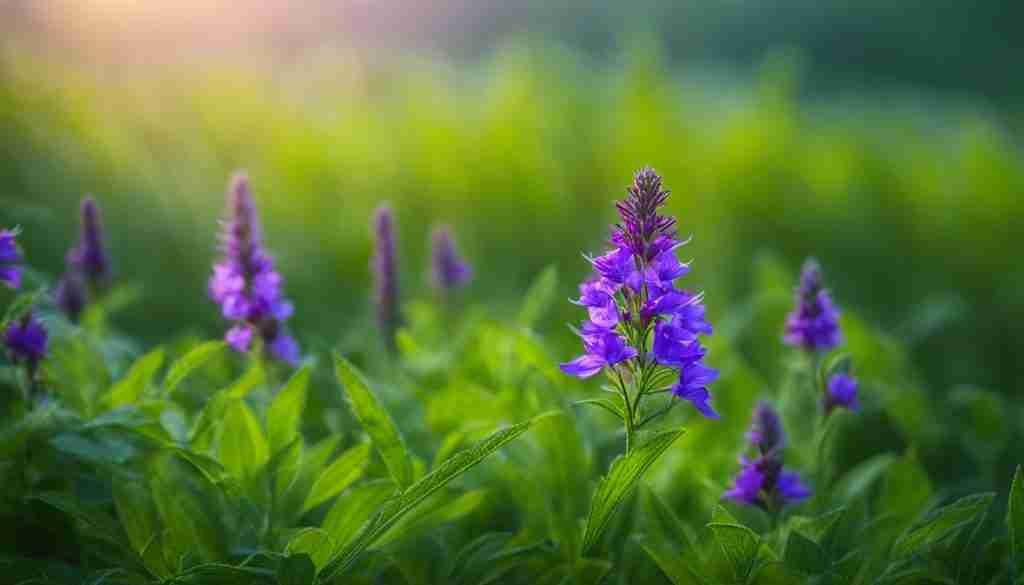
Conservation of Pennsylvania Wildflowers
Pennsylvania’s wildflowers are not just beautiful to look at, they also play a crucial role in maintaining the state’s biodiversity. However, many native wildflower species are currently facing threats due to habitat loss, invasive species, and climate change. It is essential that we take steps to conserve these precious blooms and ensure their survival for future generations.
One of the key conservation efforts is to preserve natural habitats where wildflowers thrive. By protecting and restoring meadows, woodlands, wetlands, and other native habitats, we can provide a safe haven for these plants to grow and reproduce. This can be done through land preservation programs, habitat restoration projects, and the establishment of protected areas.
In addition to habitat conservation, promoting native plant gardening is another important aspect of wildflower conservation. By incorporating Pennsylvania native plants, including wildflowers, into our gardens and landscapes, we can create sustainable habitats that support local wildlife and pollinators.
Native plants are well-adapted to the local climate and require less water, fertilizer, and pesticides, making them an environmentally friendly choice.
To control the spread of invasive species, which can outcompete and displace native wildflowers, it is crucial to implement effective management strategies.
This includes monitoring and early detection of invasive species, as well as implementing control measures such as manual removal, herbicide application, and biological control methods. By preventing the spread of invasive species, we can protect native wildflowers and preserve the integrity of their natural habitats.
Table: Threats to Pennsylvania Wildflowers
| Threat | Description |
|---|---|
| Habitat Loss | Conversion of natural habitats for development and agriculture. |
| Invasive Species | Non-native plants that outcompete and displace native wildflowers. |
| Climate Change | Changes in temperature and precipitation patterns affecting wildflower habitats and life cycles. |
Conserving Pennsylvania’s wildflowers is a collective responsibility. By understanding the threats they face and taking proactive conservation measures, we can ensure that these beautiful blooms continue to grace our landscapes for generations to come.
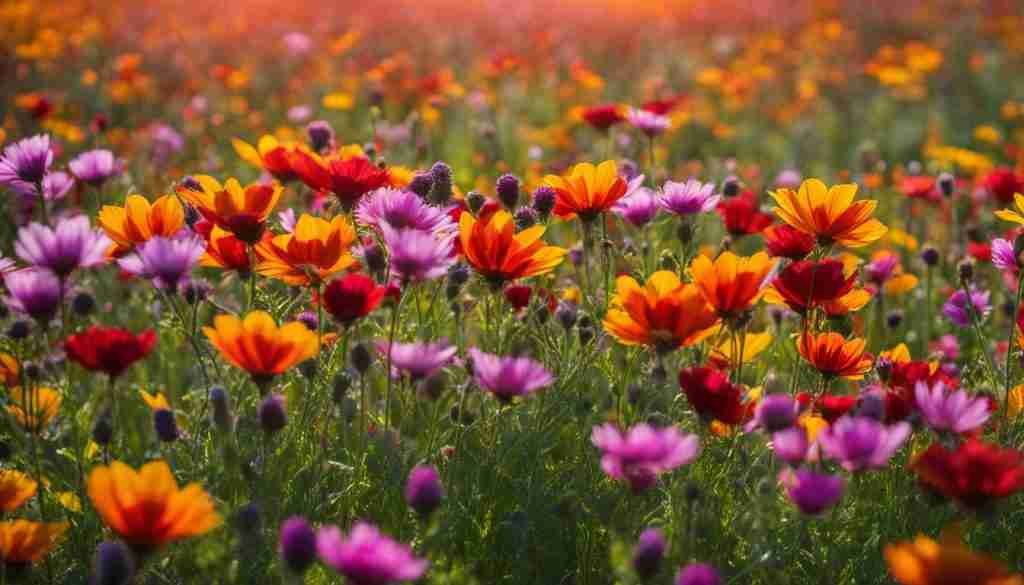
Gardening with Pennsylvania Native Plants
One of the most rewarding ways to engage with Pennsylvania wildflowers is through gardening with native plants.
By incorporating these beautiful blooms into your garden, you not only create a stunning landscape but also contribute to the conservation of Pennsylvania’s native flora. Native plants, including wildflowers, are well-suited to the local climate and require less maintenance than non-native species.
When selecting native plants for your garden, consider the specific growing conditions of your area. Pennsylvania native plants are adapted to the region’s soil types, rainfall patterns, and temperature fluctuations. This makes them hardier and more resilient, reducing the need for excessive watering, fertilizers, and pesticides.
Gardening with Pennsylvania native plants also provides numerous benefits for local wildlife. Native wildflowers attract a variety of pollinators, including bees, butterflies, and hummingbirds, which play a crucial role in ecosystem health. By planting native species, you can create a habitat for these important pollinators and support biodiversity in your own backyard.
Popular Pennsylvania Native Wildflowers for Gardening
| Wildflower | Bloom Color | Preferred Habitat |
|---|---|---|
| Butterfly Weed | Orange | Full sun, well-drained soil |
| Cardinal Flower | Red | Moist, shady areas |
| Bloodroot | White | Woodland areas |
| Goldenrod | Yellow | Meadows, fields, roadsides |
These are just a few examples of the many Pennsylvania native wildflowers that can thrive in your garden. Consult with local nurseries or native plant societies for more recommendations and guidance on gardening with native plants.
By embracing wildflower gardening with Pennsylvania native plants, you can create a beautiful and sustainable landscape while supporting local biodiversity and conserving the state’s native blooms.
Pennsylvania Wildflower Habitats
Pennsylvania is a state rich in biodiversity, offering a variety of habitats where wildflowers thrive. From open meadows to dense woodlands, each habitat provides unique conditions that support different species of wildflowers. Exploring these diverse habitats not only allows you to appreciate the beauty of Pennsylvania’s native bloomers but also provides valuable insights into their ecological role and importance.
Woodlands
Woodlands are one of the primary habitats for wildflowers in Pennsylvania. These areas are characterized by a dense canopy of trees that provide shade and shelter for a wide range of understory plants.
Woodland wildflowers often bloom in early spring before the trees fully leaf out, taking advantage of the sunlight filtering through the branches. Some notable woodland wildflowers in Pennsylvania include Bloodroot, Trilliums, and Spring Beauties.
Meadows and Prairies
Meadows and prairies are open grassy areas that offer ideal conditions for many wildflower species. These habitats are characterized by abundant sunlight, well-drained soil, and minimal competition from other plants. They are home to a variety of wildflowers, including the iconic Pennsylvania state flower, Mountain Laurel, as well as Black-eyed Susans, Coneflowers, and Milkweeds.
Wetlands
Wetlands, such as marshes, swamps, and bogs, are unique habitats that support a diverse array of wildflowers. These water-rich environments provide specialized niches for plants adapted to wet conditions.
Wetland wildflowers in Pennsylvania include Cardinal Flower, Blue Flag Iris, and Swamp Milkweed. These plants not only add beauty to wetland ecosystems but also play important roles in water filtration and erosion control.
| Habitat | Key Wildflower Species |
|---|---|
| Woodlands | Bloodroot, Trilliums, Spring Beauties |
| Meadows and Prairies | Mountain Laurel, Black-eyed Susans, Coneflowers, Milkweeds |
| Wetlands | Cardinal Flower, Blue Flag Iris, Swamp Milkweed |
By exploring these different habitats, you can discover the incredible diversity of Pennsylvania’s wildflowers and gain a deeper appreciation for their beauty and ecological importance. Remember to observe wildflowers respectfully, avoiding picking or disturbing them, as they play vital roles in local ecosystems and provide essential resources for pollinators and other wildlife.
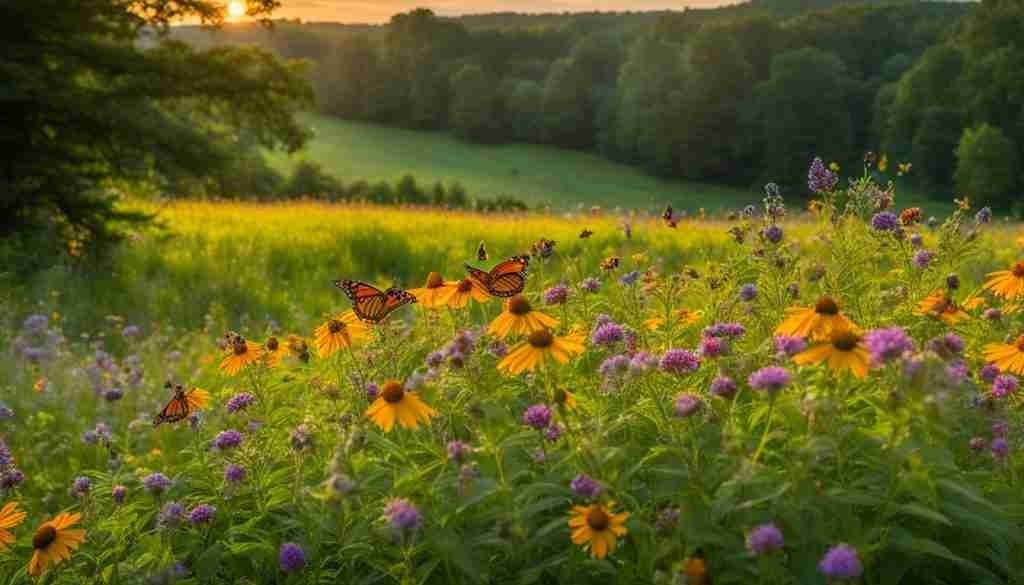
Where to Find Pennsylvania Wildflowers
Pennsylvania is a treasure trove of beautiful wildflowers, and there are many locations throughout the state where you can experience their splendor. Whether you’re a nature enthusiast, a photographer, or simply someone who appreciates the beauty of native plants, exploring these areas will not disappoint.
State Parks and Nature Reserves
State parks and nature reserves in Pennsylvania are fantastic places to find a wide variety of wildflowers. These protected areas provide a natural habitat for native plants to thrive.
Some notable locations include Bear Run Nature Reserve, Barking Slopes, Ryerson Station State Park, and Raccoon Creek Wildflower Reserve. These parks offer dedicated wildflower trails or areas where you can wander and enjoy the blooms up close.
Botanical Gardens
If you prefer a more curated and manicured setting, botanical gardens in Pennsylvania are excellent options. These gardens often feature well-maintained wildflower displays that showcase the diversity of the state’s native flora. Longwood Gardens and Phipps Conservatory and Botanical Gardens are two popular destinations that offer stunning displays of wildflowers throughout the year.
When visiting these locations, it’s important to follow any rules or guidelines set by the park or garden. Respect the natural environment and do not disturb or remove any plants. Take only photographs and leave only footprints to ensure the conservation and enjoyment of these wildflower habitats for future generations.
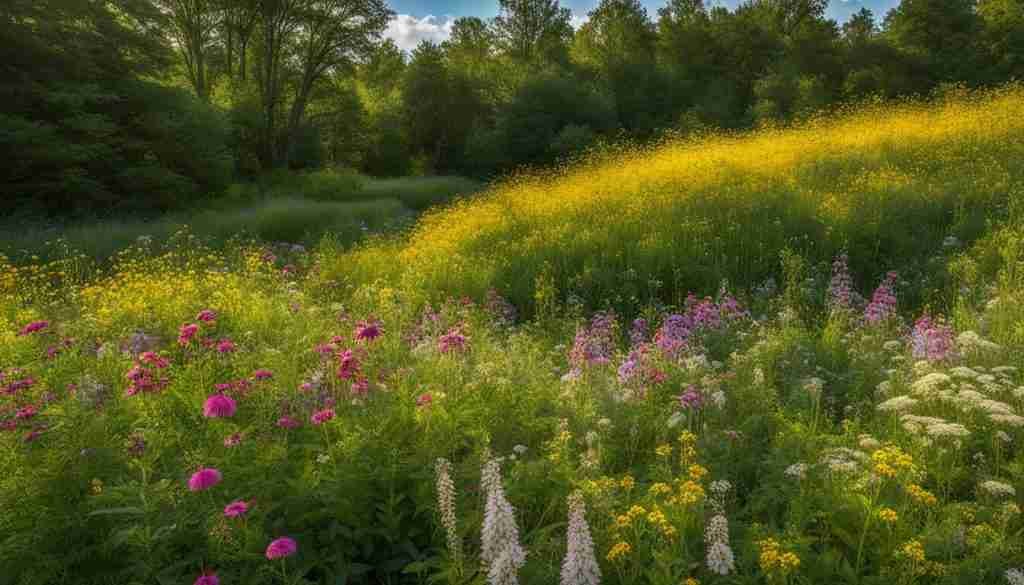
Conclusion
Pennsylvania is a treasure trove of native plants, particularly its wildflowers. From the vibrant blue blooms to the elegant purples, the state is bursting with a variety of colors and species. Whether you’re interested in identifying these wildflowers, conserving them, or incorporating them into your own garden, Pennsylvania offers endless opportunities to engage with its native flora.
By learning about Pennsylvania wildflowers and their unique characteristics, you can deepen your appreciation for the natural beauty that surrounds you. Whether you’re an aspiring photographer capturing their intricate details or a conservationist working to protect their habitats, these native plants play a vital role in the state’s biodiversity.
Through the practice of wildflower gardening using Pennsylvania native plants, you can contribute to the conservation efforts and create a sustainable landscape. By planting these native species, you not only create a beautiful garden but also provide food and shelter for wildlife, support pollinators, and help maintain the balance of local ecosystems.
As we explore the diverse habitats of Pennsylvania, we discover the incredible resilience and adaptability of wildflowers. From vast meadows to dense woodlands, these native plants find a way to thrive, adding splashes of color and beauty to every corner of the state. By protecting and preserving their natural habitats, we ensure the future generations can continue to enjoy the vibrant diversity of Pennsylvania wildflowers.
FAQ
Can I find a wide variety of wildflowers in Pennsylvania?
Yes, Pennsylvania is home to hundreds of different wildflower species, making it a vibrant and diverse region for native plant enthusiasts.
What are some common blue wildflowers in Pennsylvania?
Some of the most prevalent blue wildflowers in Pennsylvania include Chicory, Blue Vervain, Common Blue Violet, Common Periwinkle, Teasel, Forget-me-not, and Virginia Bluebells.
What are some notable purple wildflowers in Pennsylvania?
Some notable purple wildflowers in Pennsylvania include Bull Thistle, Common Burdock, and Clasping Venus’ Looking Glass.
Are there any pink wildflowers in Pennsylvania?
Yes, the Dwarf Larkspur is an example of a pink wildflower native to southwest Pennsylvania.
What are some vibrant yellow wildflowers in Pennsylvania?
One of the most well-known yellow wildflowers in Pennsylvania is Goldenrod.
Are there any standout white wildflowers in Pennsylvania?
Yes, Bloodroot is a standout white wildflower native to Pennsylvania.
Do red and orange wildflowers grow in Pennsylvania?
Yes, two notable species in this color range are Butterfly Weed and Cardinal Flower.
Can I capture the beauty of Pennsylvania’s wildflowers through photography?
Absolutely! Pennsylvania’s diverse wildflower species offer countless subjects for stunning photographs.
Why is conservation important for Pennsylvania’s wildflowers?
Many native wildflower species in Pennsylvania are threatened by various factors, including habitat loss and invasive species. Conservation efforts are crucial for their survival.
What are the benefits of gardening with Pennsylvania native plants?
Pennsylvania native plants are well-suited to the local climate, require less maintenance, provide food and shelter for wildlife, and support pollinators.
What kind of habitats do Pennsylvania wildflowers thrive in?
Wildflowers in Pennsylvania can be found in a variety of habitats, including meadows, prairies, woodlands, and wetlands.
Where are some popular locations to find wildflowers in Pennsylvania?
Some popular locations for wildflower sightings in Pennsylvania include Bear Run Nature Reserve, Barking Slopes, Ryerson Station State Park, and Raccoon Creek Wildflower Reserve.