
Rwanda is a country teeming with natural beauty, and its floral diversity is no exception. From the bustling streets of Kigali to the serene national parks, you’ll find an abundance of unique plant species that will leave you in awe.
With over 3,000 species of plants and 47 endemic species, Rwanda‘s wildflower habitats are a testament to the country’s commitment to biodiversity conservation.
As you explore Rwanda’s stunning landscapes, be prepared to encounter vibrant flowers, rare orchids, and fascinating plant species. Whether you’re hiking through the renowned Akagera National Park or exploring the botanical paradise of Nyungwe National Park, the floral wonders of Rwanda will captivate your senses.
Key Takeaways:
- Rwanda boasts a rich floral diversity with over 3,000 species of plants.
- The country is home to 47 endemic plant species, showcasing its commitment to conservation.
- Akagera National Park and Nyungwe National Park are must-visit destinations for wildflower enthusiasts.
- Orchids, such as Eulophia horsfallii and Tridactyle bicaudata, are highlights of Rwanda’s floral treasures.
- Rwanda’s wildflower habitats contribute to the country’s tourism industry and provide employment opportunities.
Exploring Akagera National Park: A Haven for Unusual Wildflowers
Akagera National Park in eastern Rwanda is a paradise not only for wildlife enthusiasts but also for those who appreciate the beauty of unique plant species. From colorful blooms to fascinating adaptations, the park is home to a plethora of special plants that add to its allure.
One of the standout wildflowers in Akagera is the fireball lily (Scadoxus multiflorus), known for its vibrant red flowerheads. This striking member of the Amaryllidaceae family thrives in the park’s diverse habitats and adds a splash of color to the surrounding savannah.
Another remarkable plant species found in Akagera is the Aloe. These stunning succulents have evolved to withstand the park’s dry conditions and can be seen dotting the landscape with their unique shapes and colors. Whether it’s the soothing gel of Aloe vera or the striking architecture of other Aloe species, these plants are a sight to behold.
In addition to the fireball lily and Aloe plants, Akagera National Park is also home to the beautiful Hibiscus aponeurus and the iconic Erythrina abyssinica. These native wildflowers further contribute to the park’s floral diversity, creating a truly captivating environment for visitors to explore.
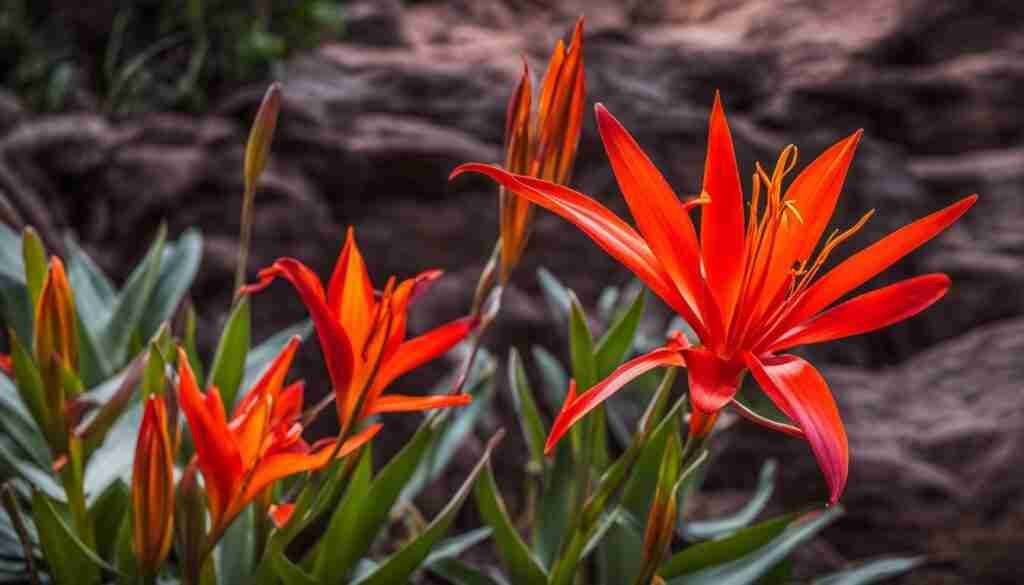
Table: Unique Wildflowers of Akagera National Park
| Plant Name | Description |
|---|---|
| Fireball Lily (Scadoxus multiflorus) | A striking wildflower with vibrant red flowerheads |
| Aloe Plants | Beautiful succulents adapted to survive in the park’s dry conditions |
| Hibiscus aponeurus | A stunning flowering plant adding splashes of color to the landscape |
| Erythrina abyssinica | An iconic wildflower known for its eye-catching crimson blossoms |
Nyungwe National Park: A Botanical Paradise
Nyungwe National Park, located in the southeast of Rwanda, is a treasure trove of exotic plant species. Renowned for its rich biodiversity, the park is a haven for nature enthusiasts and botanists alike. One of the park’s notable attractions is its stunning collection of orchids, which can be found along its lush hiking trails.
Orchids in Nyungwe
An orchid enthusiast’s dream, Nyungwe National Park is home to an impressive array of orchid species. Among the notable orchids found here is the towering Eulophia horsfallii, known for its showy flowers and commanding presence. This majestic orchid, with its striking orange petals and intricate lip, is a sight to behold.
Another fascinating orchid species that thrives in Nyungwe is the Tridactyle bicaudata. This delicate orchid displays elegant, white flowers with a distinctive three-lobed lip. Its slender buds and graceful appearance make it a favorite among visitors to the park.
The small terrestrial orchid Cynorkis anacamptoides is another delightful find in Nyungwe National Park. Standing tall on its long stem, this orchid boasts violet flowers that add a splash of color to the park’s diverse botanical landscape.
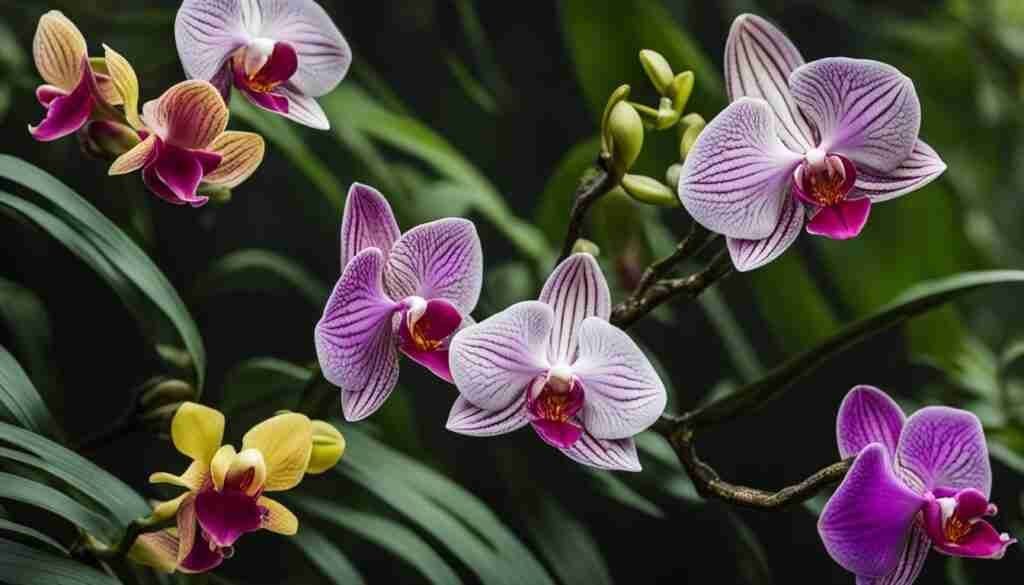
With its lush forests and diverse ecosystems, Nyungwe National Park offers a unique opportunity to immerse yourself in the wonders of nature. Whether you’re an avid orchid lover or simply enjoy exploring the beauty of plant life, Nyungwe’s botanical paradise is sure to captivate your senses.
Discover the Floral Wonders of Akagera and Nyungwe Swamps
The Kamiranzovu Trail in Rwanda offers a unique opportunity to explore the diverse plant life found in the wetland areas of Akagera and Nyungwe National Parks.
This trail takes you on a captivating journey through the enchanting swamps, where you’ll discover a variety of fascinating wildflowers. From delicate orchids to vibrant blooms, these floral wonders add a burst of color and beauty to the surrounding landscape.
Polystachya adansoniae
One of the notable wildflowers you’ll encounter along the Kamiranzovu Trail is the enchanting Polystachya adansoniae. This orchid species grows as an epiphyte on trees, displaying its elegant flowers in shades of pink and yellow. With its unique growth habit and stunning blooms, the Polystachya adansoniae is a true highlight of the swamp ecosystem.
Tridactyle bicaudata
Another fascinating orchid species found in the Akagera and Nyungwe swamps is Tridactyle bicaudata. This delicate orchid features slender buds and a distinctive three-lobed lip, making it a captivating sight for nature enthusiasts. Its white flowers stand out against the lush green vegetation, adding a touch of elegance to the wetland environment.
Cynorkis anacamptoides
The small terrestrial orchid Cynorkis anacamptoides is yet another remarkable find along the Kamiranzovu Trail. This orchid species boasts long stems and violet flowers with a greenish spur, creating a visually striking contrast against the surrounding flora. Its unique form and vibrant color make it a true gem of the swamps.
| Wildflower Species | Description |
|---|---|
| Polystachya adansoniae | An epiphytic orchid with pink and yellow flowers |
| Tridactyle bicaudata | A delicate orchid with slender buds and a three-lobed lip |
| Cynorkis anacamptoides | A small orchid with long stems and violet flowers |
Exploring the floral wonders of the Akagera and Nyungwe swamps is a truly immersive experience. The Kamiranzovu Trail allows you to witness the intricate beauty of these wildflowers up close, providing a deeper appreciation for the rich biodiversity that Rwanda has to offer.
Golden Monkeys and Wildflowers: A Captivating Combination
When you embark on a tour to see the Golden Monkeys in the Virunga volcanic mountains of Central Africa, you are in for a truly captivating experience.
Not only will you have the chance to encounter these stunning primates in their natural habitat, but you will also be surrounded by a vibrant display of Rwandan wildflowers. These beautiful blooms add a burst of color to the bamboo forest, creating a picturesque backdrop for your adventure.
The Golden Monkeys, listed as an endangered species, share their habitat with an array of fascinating plant species. As you explore the bamboo forest, you will come across a variety of wildflowers, each with its unique beauty.
From delicate purple orchids to vibrant yellow blossoms, the floral diversity in Rwanda is a testament to the country’s commitment to biodiversity conservation.
By protecting the habitat of the Golden Monkeys, Rwanda not only ensures the survival of these endangered primates but also safeguards the rich floral heritage of the region. The tour to see the Golden Monkeys offers a unique opportunity to appreciate the importance of preserving both wildlife and wildflowers.
It highlights the interconnectedness of biodiversity conservation efforts and showcases how Rwanda’s commitment to protecting its natural resources extends to every living organism in the ecosystem.
The Splendor of Rwandan Wildflowers
As you explore the bamboo forest with your knowledgeable guide, take a moment to marvel at the diversity of Rwandan wildflowers surrounding you.
The delicate petals, vibrant colors, and intoxicating fragrances create a sensory experience like no other. Whether you have a passion for photography or simply appreciate the beauty of nature, the combination of Golden Monkeys and wildflowers makes for a truly enchanting adventure.

| Golden Monkeys | Rwandan Wildflowers |
|---|---|
| Endangered primates | Vibrant blooms |
| Protected species | Rich floral diversity |
| Thriving in bamboo forests | Delicate and colorful petals |
| Interconnected with ecosystem | Preserved through conservation efforts |
Immerse yourself in the splendor of Rwandan wildflowers as you observe the playful antics of the Golden Monkeys. The combination of these captivating creatures and the breathtaking floral display is a testament to Rwanda’s commitment to preserving its natural heritage and promoting biodiversity conservation.
Your tour to see the Golden Monkeys not only supports local communities but also contributes to the sustainable future of Rwanda’s wildlife and wildflowers.
Mondia Whytei: A Nutrient-Rich Plant with Promising Benefits
Mondia whytei, also known as African ginger or White’s ginger, is a plant that is highly valued for its beneficial properties. It has long been used in traditional African medicine for its various health benefits.
The root bark of Mondia whytei contains a diverse range of nutrients, including essential vitamins and minerals, making it a valuable addition to a balanced diet.
When it comes to nutritional content, Mondia whytei stands out for its abundance of vitamins. It is a natural source of beta-carotene, a precursor to vitamin A which is essential for maintaining healthy eyes and skin.
This plant also contains niacin, riboflavin, and thiamine, which are important for energy production and maintaining proper cellular function.
In addition to vitamins, Mondia whytei is rich in minerals that play vital roles in the body. Calcium, iron, copper, and zinc are all present in varying amounts in the root bark of this plant. These minerals contribute to bone health, support the immune system, and help regulate various bodily functions.
Key Nutritional Content of Mondia Whytei
| Nutrient | Amount per 100g |
|---|---|
| Beta-carotene | 2.5mg |
| Niacin | 1.2mg |
| Riboflavin | 0.08mg |
| Thiamine | 0.07mg |
| Calcium | 600mg |
| Iron | 7.5mg |
| Copper | 0.5mg |
| Zinc | 3.2mg |
With its impressive nutritional profile, Mondia whytei shows great promise as a food supplement. Incorporating this nutrient-rich plant into your diet can provide essential vitamins and minerals that support overall health and well-being.
Whether consumed as a tea, extract, or ground powder, Mondia whytei offers a natural way to enhance your nutritional intake and optimize your health.
The Role of Indigenous Plants in Rwandan Cuisine
Indigenous plants play a significant role in Rwandan cuisine, adding unique flavors and aromas to traditional dishes.
These plants have been used for centuries by the local communities, not only for their culinary value but also for their medicinal properties. The traditional uses of indigenous plants in Rwandan cuisine reflect the deep connection between nature and culture in the country.
In addition to providing distinctive flavors, indigenous plants are often used for sweetening and flavoring food and beverages. For example, the Umubirizi plant is commonly used to sweeten tea, while the Akagara plant adds a tangy flavor to dishes. These natural sweeteners and flavor enhancers not only enhance the taste of the food but also provide a healthier alternative to artificial additives.
Furthermore, indigenous plants in Rwandan cuisine offer significant nutritional value. They are rich in vitamins, minerals, and antioxidants, contributing to the overall health benefits of the Rwandan diet. For instance, the ibitoke plant is packed with essential vitamins such as vitamin C and vitamin A, while the urutoki plant is a good source of dietary fiber.
Traditional Uses of Indigenous Plants in Rwandan Cuisine
The traditional uses of indigenous plants in Rwandan cuisine go beyond flavoring and sweetening. Many of these plants have medicinal properties and are used in herbal medicine to treat various ailments.
For example, the umuravumba plant is known for its anti-inflammatory properties and is used to alleviate symptoms of arthritis and joint pain. The akapande plant, on the other hand, is believed to have antimicrobial properties and is used to treat infections.
Nutritional Value of Indigenous Plants
The nutritional value of indigenous plants in Rwandan cuisine is a key factor in promoting overall health and well-being. These plants are often high in vitamins, minerals, and other beneficial substances. The inyinyinya plant, for instance, is a good source of iron and calcium, essential minerals for maintaining healthy bones and preventing anemia.
By incorporating indigenous plants into their culinary traditions, Rwandans not only preserve their cultural heritage but also benefit from the nutritional and medicinal properties of these plants.
The use of indigenous plants in Rwandan cuisine is a testament to the country’s rich biodiversity and its commitment to sustainable and holistic approaches to food and health.
| Indigenous Plant | Traditional Use | Nutritional Value |
|---|---|---|
| Umubirizi | Sweetening tea | Rich in vitamins and antioxidants |
| Akagara | Flavoring dishes | High in dietary fiber |
| Ibitoke | Flavoring and medicinal uses | High in vitamin C and vitamin A |
| Urutoki | Flavoring and medicinal uses | Good source of dietary fiber |
| Umuravumba | Medicinal uses | Anti-inflammatory properties |
| Akapande | Medicinal uses | Believed to have antimicrobial properties |
| Inyinyinya | Flavoring and medicinal uses | High in iron and calcium |
Economic and Ecological Importance of Rwanda’s Floral Diversity
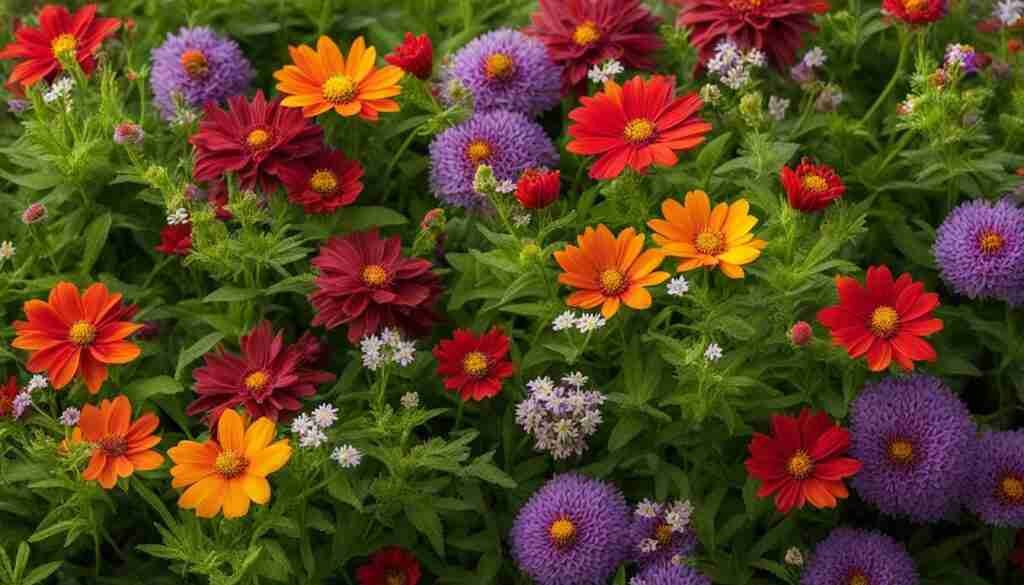
Rwanda’s floral diversity holds immense economic and ecological importance. The vibrant wildflowers attract tourists, boosting the country’s tourism industry and providing employment opportunities for local communities.
Additionally, the preservation of Rwanda’s wildflower habitats contributes to the conservation of biodiversity and the protection of valuable ecosystems. By safeguarding floral diversity, Rwanda ensures the sustainability of its natural resources and the well-being of its plant and animal species.
From a economic perspective, the diverse range of wildflowers in Rwanda serves as a major draw for tourists. Visitors from around the world are captivated by the beauty and uniqueness of the country’s floral landscape.
This influx of tourism not only generates revenue for the local economy but also creates employment opportunities for the Rwandan people. Hotels, restaurants, and tour operators all benefit from the thriving wildflower tourism industry.
Table: Economic Benefits of Rwanda’s Wildflowers
| Benefits | Explanation |
|---|---|
| Tourism revenue | The vibrant wildflowers attract tourists, contributing to the country’s tourism revenue. |
| Job creation | The wildflower tourism industry creates employment opportunities for local communities. |
| Business growth | Hotels, restaurants, and tour operators benefit from the influx of tourists. |
From an ecological perspective, Rwanda’s wildflower habitats play a crucial role in maintaining the balance of its ecosystems. These habitats provide food, shelter, and breeding grounds for a wide range of animal species.
By preserving the floral diversity, Rwanda ensures the survival of native pollinators, which are essential for the reproduction of plants and the overall health of ecosystems. Furthermore, the conservation of wildflower habitats helps to protect the country’s unique plant species, many of which may have important medicinal properties or provide valuable ecosystem services.
Table: Ecological Significance of Rwanda’s Wildflowers
| Significance | Explanation |
|---|---|
| Ecosystem balance | Wildflower habitats provide food, shelter, and breeding grounds for animal species, contributing to the balance of ecosystems. |
| Pollinator support | Preserving floral diversity ensures the survival of native pollinators, which are crucial for plant reproduction. |
| Medicinal properties | Many of Rwanda’s plant species may have important medicinal properties. |
By recognizing the economic and ecological importance of its floral diversity, Rwanda has implemented strong conservation measures to protect its wildflower habitats.
This commitment to biodiversity conservation not only ensures the sustainability of Rwanda’s natural resources but also contributes to the overall well-being of its plant and animal species.
Through responsible tourism practices and conservation initiatives, Rwanda is leading the way in preserving its natural heritage for future generations to enjoy.
Sustainable Tourism and Conservation Efforts in Rwanda
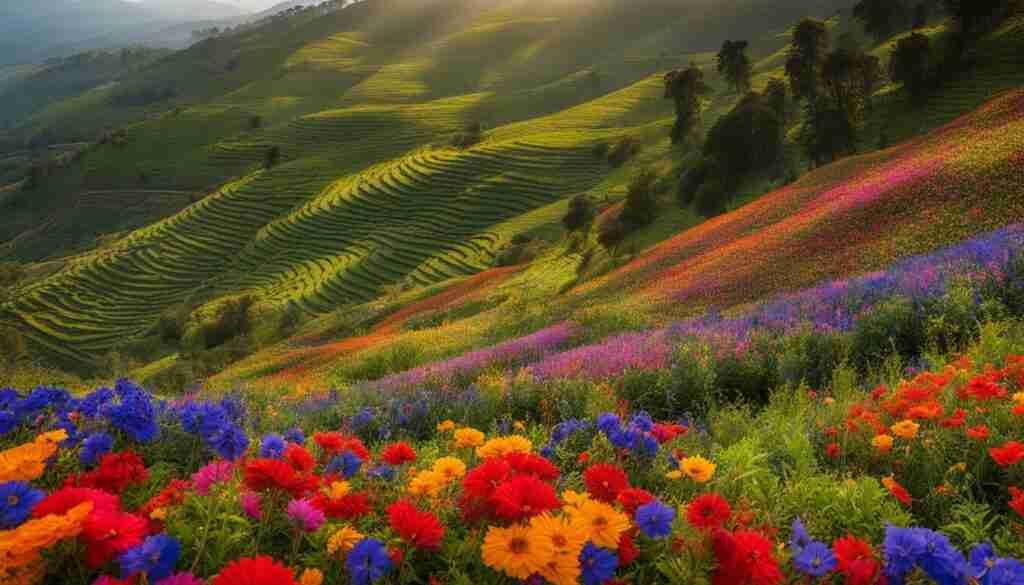
Rwanda has emerged as a leader in sustainable tourism and conservation, setting an example for other countries in the region and beyond. With its commitment to preserving its natural landscapes and protecting its wildlife, Rwanda is focused on creating a balance between tourism development and environmental conservation.
One of the key initiatives in Rwanda is the establishment of national parks, such as Akagera and Nyungwe, which serve as important habitats for a diverse range of plant and animal species.
These parks provide opportunities for visitors to engage in eco-friendly activities like wildlife safaris, bird watching, and nature walks, while also supporting local communities through job creation and revenue generation.
Conservation efforts in Rwanda extend beyond the boundaries of national parks. The country has implemented strict regulations to combat threats like illegal wildlife trade and habitat destruction.
Through community-based conservation projects, local people are empowered to participate in biodiversity conservation, ensuring the long-term sustainability of natural resources.
Table: Rwanda’s Conservation Initiatives
| Initiative | Description |
|---|---|
| Protected Areas System | Rwanda has established a network of protected areas, including national parks, forest reserves, and wetlands, to safeguard the country’s biodiversity. |
| Rwanda Development Board | The Rwanda Development Board plays a crucial role in promoting sustainable tourism and conservation, ensuring the responsible management of natural resources. |
| Community-Based Conservation | Rwanda actively involves local communities in conservation efforts to ensure their livelihoods are sustained while protecting the environment. |
| Environmental Education | The government of Rwanda emphasizes the importance of environmental education to raise awareness about biodiversity conservation and foster a culture of sustainability. |
| Green Growth Strategy | Rwanda has developed a Green Growth Strategy that integrates environmental sustainability into economic development, promoting a low-carbon and climate-resilient future. |
By combining sustainable tourism practices and conservation initiatives, Rwanda aims to create a positive impact on both the environment and the local communities. Visitors to Rwanda have the opportunity to experience the country’s natural beauty while contributing to its preservation.
Through responsible travel choices and support for conservation efforts, we can all play a role in ensuring the future of Rwanda’s rich biodiversity.
Conclusion
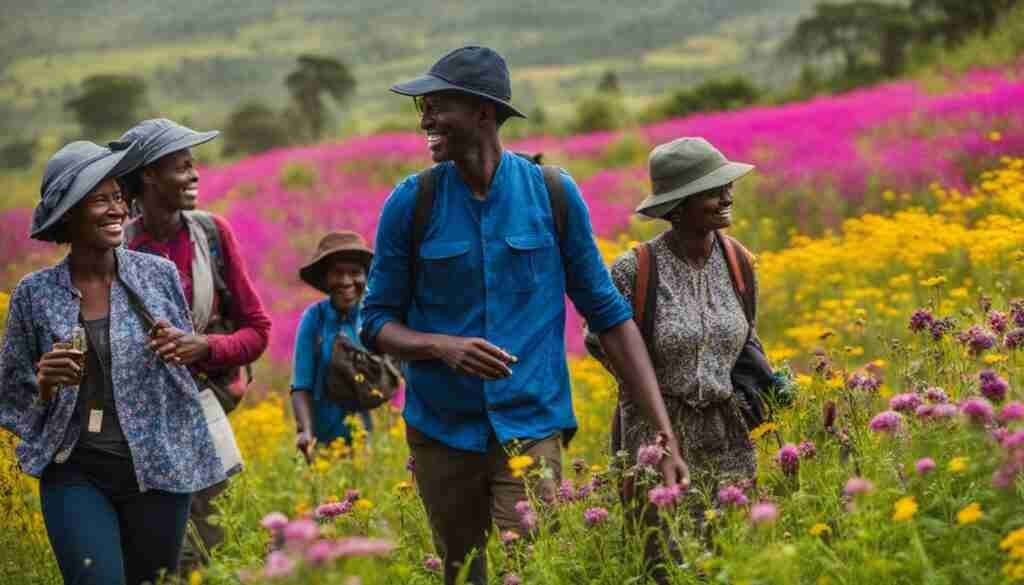
In conclusion, Rwanda’s wildflowers are a true marvel, representing the remarkable floral diversity of the country. With a rich array of native wildflowers, Rwanda offers a captivating sight for nature enthusiasts.
From the vibrant flowers in Kigali to the rare species found in national parks like Akagera and Nyungwe, every corner of Rwanda is adorned with the beauty of its wildflowers.
The conservation efforts in Rwanda are fundamental in safeguarding the native wildflowers. By protecting and preserving these unique plant species, Rwanda ensures the sustainability of its ecosystems and the continued existence of its floral heritage. The commitment to biodiversity conservation and the preservation of Rwanda’s wildflower habitats is a true testament to the country’s dedication to the environment.
As you explore Rwanda’s wildflowers, you not only witness breathtaking sights but also contribute to the sustainability of the country’s floral diversity.
By engaging in sustainable tourism practices and supporting conservation initiatives, you play a vital role in the conservation of Rwanda’s wildflower species. Together, we can ensure that future generations will continue to marvel at the beauty and diversity of Rwanda’s native wildflowers.
FAQ
What are some of the unique plant species found in Akagera National Park?
Akagera National Park is home to several unique plant species, including the fireball lily, Aloe plants, Hibiscus aponeurus, and Erythrina abyssinica.
What orchids can be found in Nyungwe National Park?
Nyungwe National Park is renowned for its orchids, such as the Eulophia horsfallii, Tridactyle bicaudata, and Cynorkis anacamptoides.
Which wildflowers can be spotted on the Kamiranzovu Trail in Akagera and Nyungwe National Parks?
The Kamiranzovu Trail offers the opportunity to see enchanting orchids like Polystachya adansoniae, Tridactyle bicaudata, and Cynorkis anacamptoides.
Are there wildflowers in the habitat of Golden Monkeys?
Yes, the bamboo forest habitat of Golden Monkeys is also home to a variety of fascinating wildflowers.
What nutritional benefits does Mondia whytei offer?
Mondia whytei is a nutrient-rich plant that contains vitamins such as β-carotene, niacin, riboflavin, and thiamine, as well as essential minerals like calcium, iron, copper, and zinc.
How are indigenous plants used in Rwandan cuisine?
Indigenous plants are used to enhance the flavors and aroma of traditional Rwandan dishes. They are also utilized in herbal medicine and provide essential nutrients to the Rwandan diet.
How does Rwanda’s floral diversity contribute to the economy and ecology?
Rwanda’s vibrant wildflowers attract tourists, boosting the country’s tourism industry and providing employment opportunities. The preservation of floral diversity also contributes to the conservation of biodiversity and the protection of valuable ecosystems.
What conservation efforts are being undertaken in Rwanda?
Rwanda has established national parks, implemented strict regulations, and engages tourists in conservation activities to preserve its natural landscapes and protect its floral diversity and wildlife.