
Discover the enchanting beauty of Sri Lanka‘s wildflowers, a diverse array of flowering plants that thrive in the country’s tropical climate and varied habitats. With over 3,000 species, including 894 endemic varieties found nowhere else in the world, Sri Lanka is a botanical paradise waiting to be explored.
Immerse yourself in the rich floral heritage of Sri Lanka as you delve into the fascinating world of native and endemic flower species. From the wet zone and hill country forests to the arid zones that burst into life after the rainy season, each region offers a unique habitat for these vibrant blooms.
Key Takeaways:
- Sri Lanka is home to over 3,000 flowering plant species, with 894 endemic to the country.
- The diverse habitats in Sri Lanka contribute to its rich floral biodiversity.
- Guided wildflower tours and nature exploration allow you to experience Sri Lanka’s wildflowers firsthand.
- Notable wildflower species include the Creeping Bleparis, Ceylon Snowflower, and Goat Weed.
- A photography guide featuring over 280 flower species is available for capturing the beauty of Sri Lanka’s wildflowers.
Floral Diversity of Sri Lanka
Sri Lanka is renowned for its remarkable floral diversity, boasting a wide array of flower species that thrive in its unique ecosystems. From indigenous plants to endemic blooms found only in Sri Lanka, the country’s floral biodiversity is truly captivating. The distinct geographical zones and varied climatic conditions contribute to the abundance of flower species throughout the country.
In the wet zone and hill country forests, many endemic flower species can be found, making these areas a haven for botanists and nature enthusiasts. The dry zone of Sri Lanka also supports a range of wildflowers, with the landscape transforming into a vibrant tapestry of colors after the rainy season.
Even in the arid zone, where resources may be scarce, the resilience of Sri Lanka’s native plants shines through, creating breathtaking displays of flora.
Exploring the floral diversity of Sri Lanka provides an opportunity to witness the adaptability and beauty of its native plants. Whether you’re hiking through lush rainforests or strolling along the coastline, each habitat reveals a unique collection of flower species. From delicate orchids to vibrant tropical blossoms, the floral landscapes of Sri Lanka are a true testament to the country’s natural wonders.
Table: Sri Lanka Flower Species
| Flower Species | Habitat | Endemic |
|---|---|---|
| Creeping Bleparis | Wet Zone and Hill Country Forests | Yes |
| Ceylon Snowflower | Wet Zone and Hill Country Forests | Yes |
| Goat Weed | Dry Zone | No |
| Ragged Mallow | Dry Zone | No |
| Little Ironweed | Dry Zone | No |
The table above showcases some notable flower species found in Sri Lanka, highlighting their respective habitats and whether they are endemic to the country. These species are just a fraction of the vibrant floral tapestry that adorns the landscapes of Sri Lanka, offering a glimpse into the rich diversity that awaits.
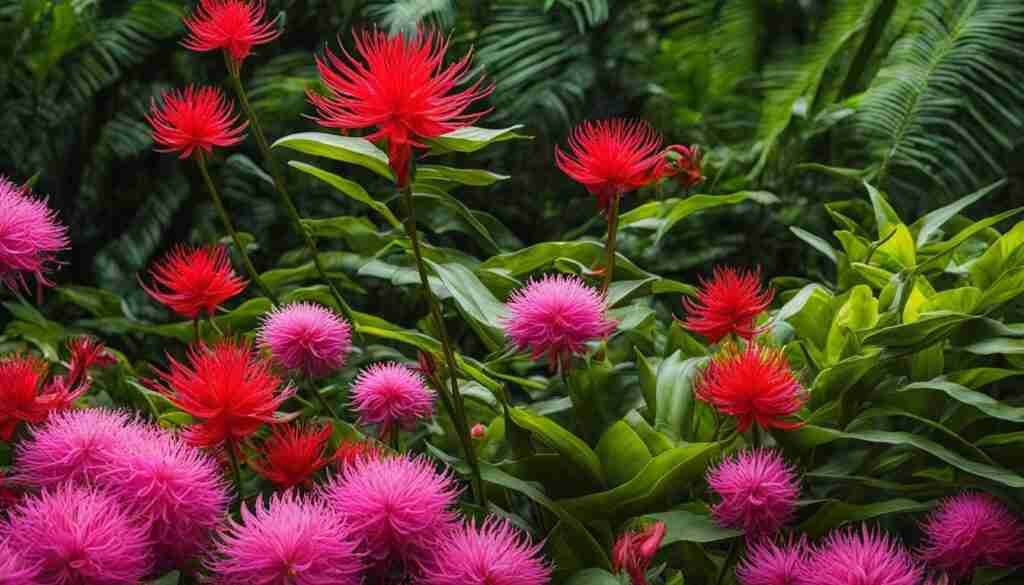
Introduction to Sri Lanka Wildflowers
If you have a love for nature and a fascination with flowers, Sri Lanka is the perfect destination for you. With its abundant wildflower species and diverse ecosystems, the country offers a unique opportunity to explore and appreciate the beauty of its floral heritage.
Sri Lanka is home to a wide range of wildflowers, from endemic species found nowhere else in the world to indigenous plants that thrive in different habitats across the country. Whether you are an avid botanist or simply a traveler who appreciates nature’s wonders, there are plenty of ways to immerse yourself in the enchanting world of Sri Lanka’s wildflowers.
One of the best ways to experience the floral diversity of Sri Lanka is through guided wildflower tours. These tours are specifically tailored to showcase the country’s unique flora and provide insights into the identification and characteristics of different wildflower species.
You can embark on a guided tour led by experienced botanists who will help you unravel the secrets of Sri Lanka’s wildflowers and learn about their ecological significance.
Table: Popular Wildflower Tours in Sri Lanka
| Tour Name | Duration | Highlights |
|---|---|---|
| Flora Expedition | 7 days | Exploration of national parks and nature reserves |
| Wildflower Wonder | 10 days | Botanical garden visits and hiking trails |
| Nature’s Palette | 14 days | Photography sessions and interactive workshops |
If you prefer a more independent approach, you can venture into Sri Lanka’s national parks and nature reserves on your own. These protected areas are home to a rich diversity of wildflowers, and you can spend hours exploring the trails, observing the blooms, and capturing their beauty through photography.
So, whether you choose a guided tour or embark on your own nature exploration, Sri Lanka’s wildflowers are waiting to be discovered.
Take a moment to connect with nature, admire the intricate details of each flower, and witness the vibrant colors that paint the Sri Lankan landscape. It’s an experience that will leave you with a newfound appreciation for the wonders of the natural world.
Sri Lanka’s Diverse and Vibrant Wildflowers
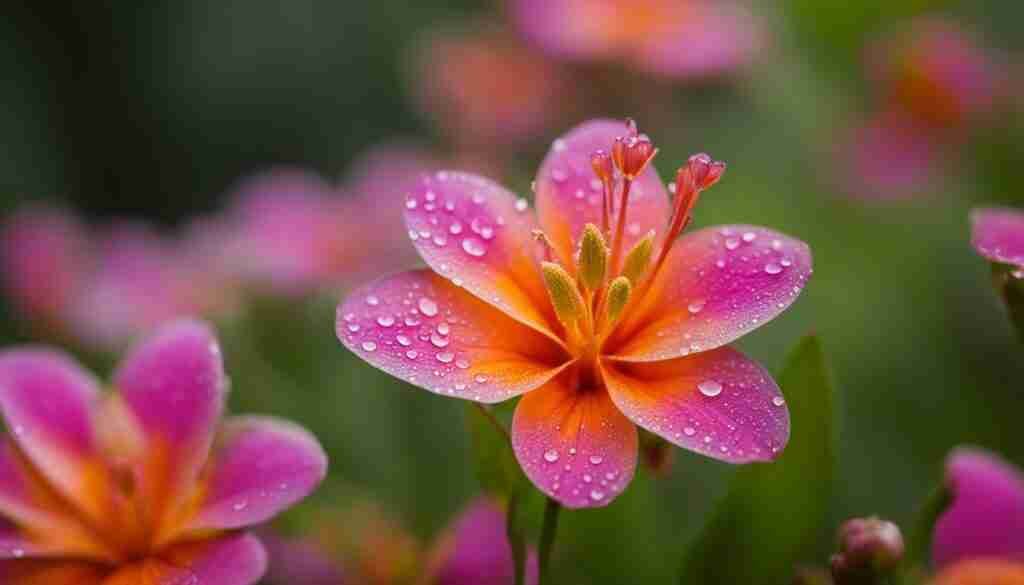
Sri Lanka is renowned for its exquisite and diverse collection of wildflowers. With over 3,000 flowering plant species, including 894 endemic species found nowhere else on Earth, the country’s floral biodiversity is a sight to behold.
The tropical climate and varied habitats create the perfect conditions for a stunning array of blooms. From the wet forests of the hill country to the arid landscapes of the dry zone, Sri Lanka’s wildflowers showcase nature’s artistic beauty.
Among the featured wildflower species in Sri Lanka, you’ll find the Creeping Bleparis, Ceylon Snowflower, Goat Weed, Ragged Mallow, and Little Ironweed. These striking flowers add vibrant colors and visual appeal to the country’s natural landscapes.
In addition to these native plants, other species like Coatbuttons, Wild Snake Gourd, and Hoarypea can also be spotted in semi-urban areas, further enriching the floral tapestry of Sri Lanka.
To provide a comprehensive overview, let’s take a closer look at some of the notable wildflower species found in Sri Lanka:
| Wildflower Species | Habitat | Description |
|---|---|---|
| Creeping Bleparis | Wet forests | A small, delicate flower with purple petals that creeps along the forest floor. |
| Ceylon Snowflower | Hill country | A white flower resembling a snowflake, found in the misty mountainous regions of Sri Lanka. |
| Goat Weed | Dry zones | A yellow flower that thrives in the arid landscapes of the dry zone, often attracting bees and butterflies. |
| Ragged Mallow | Coastal areas | A pink or purple flower commonly found near the coast, known for its ragged and fringed petals. |
| Little Ironweed | Grasslands | A small, clustered flower with bright purple blooms, adorning Sri Lanka’s grassy landscapes. |
These featured wildflower species are just a glimpse into the rich floral heritage of Sri Lanka. Whether you’re an avid nature lover, a botanist, or simply someone who appreciates the beauty of the natural world, exploring Sri Lanka’s wildflowers is an enchanting experience.
Sri Lanka Wildflower Photography Guide
For those interested in capturing the beauty of Sri Lanka’s wildflowers through photography, there are resources available to help with identification and documentation.
One such guide offers a collection of over 280 flower species commonly seen in Sri Lanka, accompanied by detailed descriptions and high-quality photographs. This guide serves as a useful tool for photographers and enthusiasts alike, providing valuable information on nomenclature, size, distribution, and habitats of the featured wildflower species.
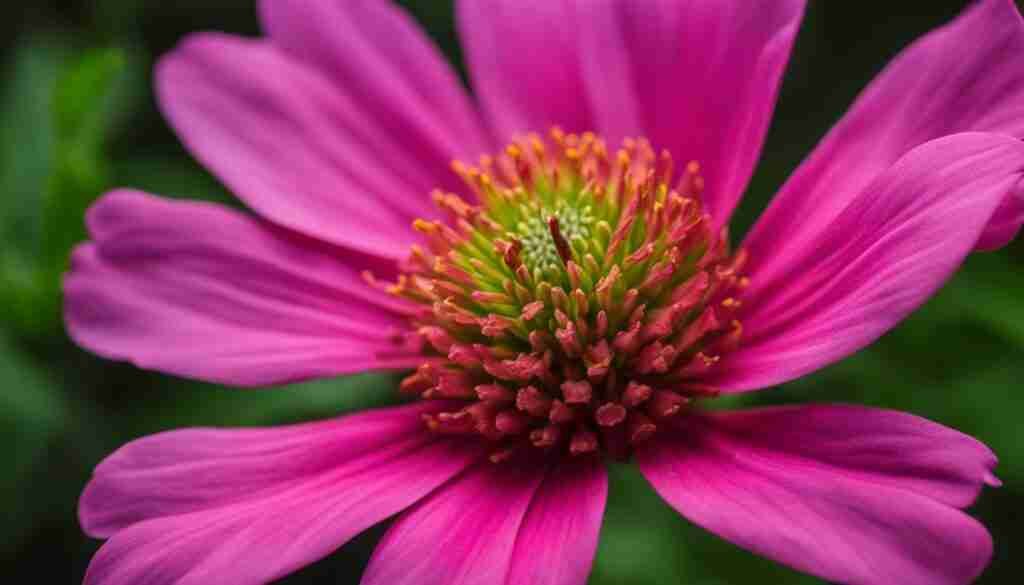
Wildflower photography in Sri Lanka offers a unique opportunity to explore the country’s diverse floral biodiversity and showcase its natural wonders.
With this comprehensive guide, you can easily identify different wildflower species and capture their intricate details, from the delicate petals to the vibrant colors. The guide’s photographs not only serve as a reference but also inspire creativity in capturing the essence of Sri Lanka’s wildflowers.
Photographing Wildflowers: Tips and Techniques
When photographing wildflowers in Sri Lanka, it’s essential to consider a few key tips and techniques to enhance your images. Firstly, pay attention to the lighting conditions as they can greatly impact the overall look and feel of your photographs.
Soft, diffused light is ideal for capturing the intricate details and vibrant colors of wildflowers. Additionally, experiment with different angles and perspectives to showcase the unique characteristics of each flower.
Another important aspect is to be patient and observant. Take the time to study the wildflowers and understand their natural behavior. This will enable you to anticipate their movements and capture that perfect moment. Additionally, consider including elements of the surrounding environment to provide context and tell a story through your photographs.
| Tip | Technique |
|---|---|
| Capture the intricate details of wildflowers | Use a macro lens to magnify the finer details of the flower, such as the pollen grains and delicate textures. |
| Create a sense of depth | Experiment with different apertures to blur the background and draw focus to the wildflower. |
| Use a tripod | Stabilize your camera to ensure sharp and clear images, especially when photographing in low light conditions. |
| Include natural elements | Photograph the wildflowers in their natural habitat, such as alongside lush green foliage or against a striking backdrop. |
Experts in Sri Lanka Wildflowers
Sri Lanka is home to a team of passionate experts dedicated to the study, documentation, and promotion of the country’s wildflowers. These individuals have made significant contributions to enhancing our understanding of Sri Lanka’s floral diversity.
Dr. Darshani Singhalage
Dr. Darshani Singhalage is a renowned botanist with a specialization in wildflowers. With her extensive knowledge and experience, she has played a crucial role in identifying and cataloging various species of wildflowers in Sri Lanka. Dr. Singhalage’s research and expertise have greatly enriched our understanding of the country’s floral biodiversity.
Nadeera Weerasinghe
Nadeera Weerasinghe is a talented naturalist and photographer who has dedicated her career to capturing the beauty of Sri Lanka’s wildflowers. Through her stunning photographs, she showcases the intricate details and vibrant colors of these exquisite blooms. Weerasinghe’s work not only celebrates the visual splendor of Sri Lanka’s wildflowers but also serves as a resource for flower identification and appreciation.
Gehan de Silva Wijeyeratne
Gehan de Silva Wijeyeratne is a prominent wildlife personality and an avid advocate for Sri Lankan biodiversity. He has authored and photographed numerous articles and books that highlight the country’s rich natural heritage, including those featuring its wildflowers. Wijeyeratne’s work not only educates and inspires, but also raises awareness about the importance of conserving Sri Lanka’s wildflower species.
| Name | Expertise |
|---|---|
| Dr. Darshani Singhalage | Botany and Wildflower Identification |
| Nadeera Weerasinghe | Naturalist and Photography |
| Gehan de Silva Wijeyeratne | Wildlife and Biodiversity Conservation |
These experts, along with many others, have dedicated their time and expertise to furthering our knowledge and appreciation of Sri Lanka’s wildflowers. Through their efforts, they have not only contributed to the scientific understanding of these plants but also encouraged a deeper connection between people and the natural world.
Conservation of Sri Lanka Wildflowers
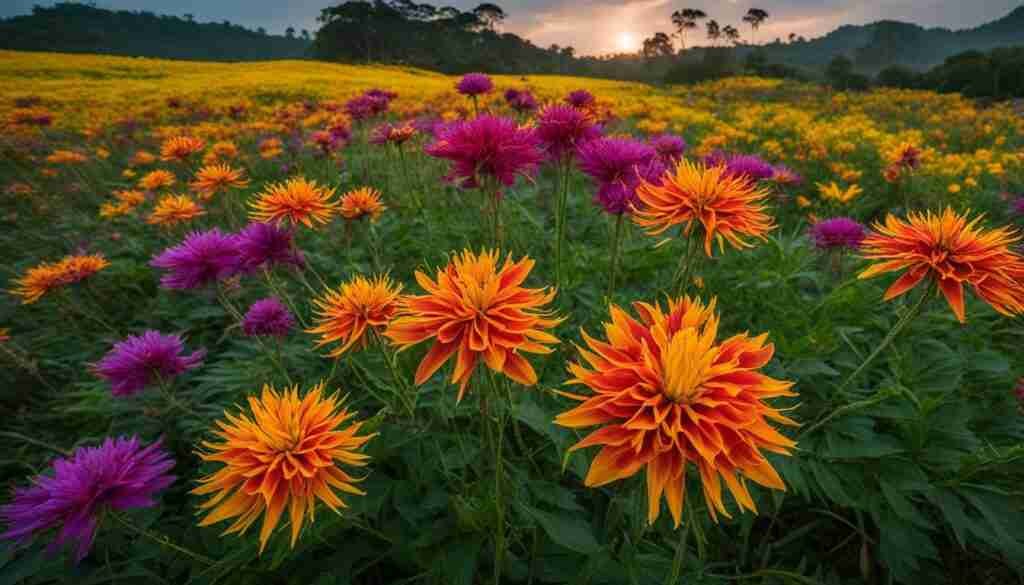
Sri Lanka is renowned for its rich floral biodiversity, and efforts are being made to protect and conserve its wildflowers. Conservation organizations, such as the World Conservation Union (IUCN) Sri Lanka, play a crucial role in conducting research and implementing strategies for sustainable management.
These organizations work towards preserving endemic species and raising awareness about the importance of maintaining Sri Lanka’s floral heritage.
Conservation initiatives focus on preserving the unique habitats and ecosystems that support wildflowers in Sri Lanka. By safeguarding these environments, we ensure the survival of various flower species. The country’s diverse geographical zones, including rainforests, grasslands, and coastal areas, contribute to its floral biodiversity, making it imperative to protect these habitats.
Conservation efforts also involve community engagement and education. By involving local communities in conservation activities, we foster a sense of ownership and responsibility towards the preservation of Sri Lanka’s wildflowers. Through educational programs and awareness campaigns, we aim to cultivate a deeper appreciation for the value and beauty of these floral treasures.
Conservation Strategies for Sri Lanka’s Wildflowers
Conservation strategies for Sri Lanka’s wildflowers involve a multi-pronged approach. These strategies include:
- Creating protected areas: Establishing national parks, nature reserves, and sanctuaries ensures the preservation of key habitats for wildflowers.
- Monitoring and research: Conducting scientific studies and monitoring programs helps track population dynamics and identify threats to specific flower species.
- Restoration efforts: Rehabilitating degraded habitats and reintroducing endangered species contribute to the conservation of Sri Lanka’s floral biodiversity.
- Policy and legislation: Implementing policies and laws that regulate activities such as deforestation and illegal plant harvesting are crucial for protecting wildflowers.
- Public outreach and awareness: Educating the public about the importance of wildflower conservation fosters a sense of responsibility towards preserving Sri Lanka’s floral heritage.
| Conservation Strategies | Benefits |
|---|---|
| Creating protected areas | Preserves key habitats for wildflowers |
| Monitoring and research | Tracks population dynamics and identifies threats |
| Restoration efforts | Rehabilitates degraded habitats and reintroduces endangered species |
| Policy and legislation | Regulates activities that threaten wildflowers |
| Public outreach and awareness | Fosters responsibility towards floral heritage |
Conserving Sri Lanka’s wildflowers is vital for maintaining the country’s unique floral biodiversity. By implementing effective conservation strategies, we can ensure the long-term survival of these precious natural treasures for future generations to enjoy.
Unique Habitats for Wildflowers in Sri Lanka
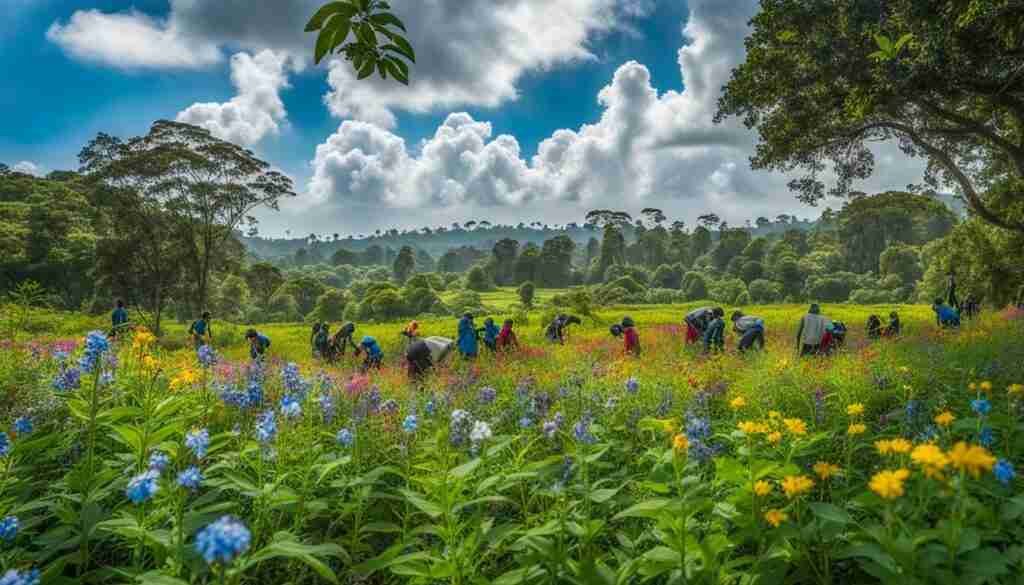
Sri Lanka’s wildflowers thrive in a variety of unique habitats across the country, contributing to its rich floral biodiversity. Each habitat offers a distinct environment for native plants to adapt and flourish.
From the lush rainforests of the wet zone to the montane ecosystems of the hill country, the diverse landscapes of Sri Lanka support a wide range of wildflower species. Coastal areas and grasslands also provide unique habitats for these beautiful blooms.
The Wet Zone:
The wet zone of Sri Lanka, characterized by its high rainfall and humidity, is home to an abundant variety of wildflowers. The dense rainforests of this region provide the perfect conditions for endemic species to thrive. Some notable wildflowers found in the wet zone include the vibrant Ceylon Snowflower and the delicate Ragged Mallow.
The Hill Country:
The hill country of Sri Lanka, with its cooler temperatures and misty landscapes, is another habitat that supports a diverse range of wildflowers. The montane forests and grasslands are particularly known for their endemic species, such as the Creeping Bleparis and the Little Ironweed. Exploring this region’s unique flora is a fascinating experience for nature enthusiasts.
Coastal Areas and Grasslands:
Sri Lanka’s coastal areas and grasslands also provide unique habitats for wildflowers. The coastal regions are home to species like the Goat Weed and the Wild Snake Gourd. In the grasslands, you can find the Hoarypea and the Coatbuttons. These diverse habitats offer opportunities to observe different wildflower species and appreciate the adaptability of Sri Lanka’s native plants.
| Habitat | Notable Wildflower Species |
|---|---|
| The Wet Zone | Ceylon Snowflower, Ragged Mallow |
| The Hill Country | Creeping Bleparis, Little Ironweed |
| Coastal Areas and Grasslands | Goat Weed, Wild Snake Gourd, Hoarypea, Coatbuttons |
Exploring these unique habitats in Sri Lanka allows you to witness the incredible diversity and beauty of the country’s wildflowers. From the vibrant colors of the wet zone to the delicate blooms of the hill country, each habitat offers a glimpse into the rich floral biodiversity that makes Sri Lanka a nature lover’s paradise.
Experiencing Sri Lanka Wildflowers
Immerse yourself in the captivating beauty of Sri Lanka’s wildflowers through guided tours and nature exploration. Whether you’re a dedicated botanist or simply have an appreciation for the wonders of nature, Sri Lanka offers a range of opportunities to discover its diverse floral landscapes.
Embark on a guided wildflower tour to witness the breathtaking array of species that call Sri Lanka home. Accompanied by knowledgeable guides, you’ll explore the country’s national parks and nature reserves, where you can observe and learn about the unique habitats that support these wildflowers. From the wet forests of the hill country to the vibrant blooms of the arid zones, each region reveals its own distinct floral wonders.
If you prefer a more independent adventure, venture into Sri Lanka’s national parks and nature reserves on your own. Hike through lush trails, meander along riverbanks, and wander through scenic gardens. Don’t forget to bring your camera to capture the stunning beauty of Sri Lanka’s wildflowers in their natural habitat.
For a truly immersive experience, consider participating in nature exploration activities such as birdwatching or wildlife safaris. These activities often offer a unique opportunity to encounter not only wildflowers but also the diverse fauna that coexist in these habitats. Engaging in Sri Lanka’s nature exploration allows you to truly appreciate the intricate web of life that surrounds these beautiful wildflowers.
Experience Sri Lanka’s wildflowers firsthand and let their vibrant colors and delicate fragrances leave an indelible mark on your heart. Whether you choose a guided tour or venture out on your own, nature exploration in Sri Lanka guarantees an unforgettable encounter with the country’s floral wonders.
Conclusion
Sri Lanka’s wildflowers are a true reflection of the country’s natural beauty and floral biodiversity. With over 3,000 flowering plant species, including 894 endemic species, Sri Lanka offers a remarkable array of native flora found nowhere else in the world. The country’s tropical climate and diverse habitats create ideal conditions for a vibrant tapestry of wildflowers.
From the wet forests of the hill country to the arid zones, Sri Lanka’s landscape is adorned with a kaleidoscope of colors, providing a feast for the eyes. Whether you’re a botanist, a photographer, or simply someone who appreciates nature’s wonders, exploring Sri Lanka’s wildflowers is a captivating experience that will leave you in awe of the country’s floral diversity.
If you’re interested in immersing yourself in Sri Lanka’s wildflowers, there are various options available. Joining a guided wildflower tour or exploring the national parks and nature reserves allows you to witness the incredible adaptability of these native plants. By participating in these experiences, you not only get to appreciate the beauty of Sri Lanka’s flora but also contribute to the conservation efforts that aim to preserve the country’s floral heritage for future generations.
So, whether you’re strolling through a botanical garden, hiking in a wilderness area, or simply admiring the blooms along the way, be prepared to be enchanted by the captivating world of Sri Lanka’s wildflowers and the incredible floral biodiversity that they represent.
FAQ
How many wildflower species are found in Sri Lanka?
Sri Lanka is home to over 3,000 flowering plant species, including 894 endemic species.
What are some notable wildflower species found in Sri Lanka?
Some notable wildflower species in Sri Lanka include the Creeping Bleparis, Ceylon Snowflower, Goat Weed, Ragged Mallow, and Little Ironweed.
Where can I see wildflowers in Sri Lanka?
Sri Lanka offers ample opportunities to explore its wildflowers, including guided tours focused on wildflower identification and nature exploration in national parks like Wilpattu National Park.
Are there resources available to help identify and document wildflowers in Sri Lanka?
Yes, there is a guide available with over 280 flower species commonly seen in Sri Lanka, accompanied by detailed descriptions and high-quality photographs.
Who are some experts in the field of Sri Lanka wildflowers?
Dr. Darshani Singhalage and Nadeera Weerasinghe are notable experts in the study and documentation of Sri Lanka’s wildflowers.
What conservation efforts are being made to protect Sri Lanka’s wildflowers?
Conservation organizations like the World Conservation Union (IUCN) Sri Lanka are actively involved in research and implementing strategies for the sustainable management of Sri Lanka’s wildflowers.
What are some unique habitats for wildflowers in Sri Lanka?
Sri Lanka’s wildflowers thrive in diverse habitats, including wet forests, montane ecosystems, rainforests, grasslands, and coastal areas.
How can I experience Sri Lanka’s wildflowers?
You can join guided wildflower tours or explore national parks and nature reserves to witness the diverse flora of Sri Lanka.