
Welcome to our exploration of the national flower of Bosnia and Herzegovina, its meaning, and symbolism. In this article, we will delve into the significance of the Golden Lily, also known as Lilium bosniacum.
This beautiful flower holds great cultural importance in the country, representing the Bosniak people and serving as a cherished emblem of national identity.
Key Takeaways:
- The national flower of Bosnia and Herzegovina is the Golden Lily, also known as Lilium bosniacum.
- The Golden Lily is a traditional symbol of the Bosniak people and has been an emblem of national identity throughout history.
- It was a heraldic national symbol of medieval Bosnia and a part of the coat of arms of the Republic of Bosnia and Herzegovina.
- The Golden Lily is prominently featured in the flags and arms of various regions, cantons, municipalities, cities, and towns of Bosnia and Herzegovina.
- Embracing the Golden Lily means appreciating its beauty and understanding its cultural significance in Bosnian history and heritage.
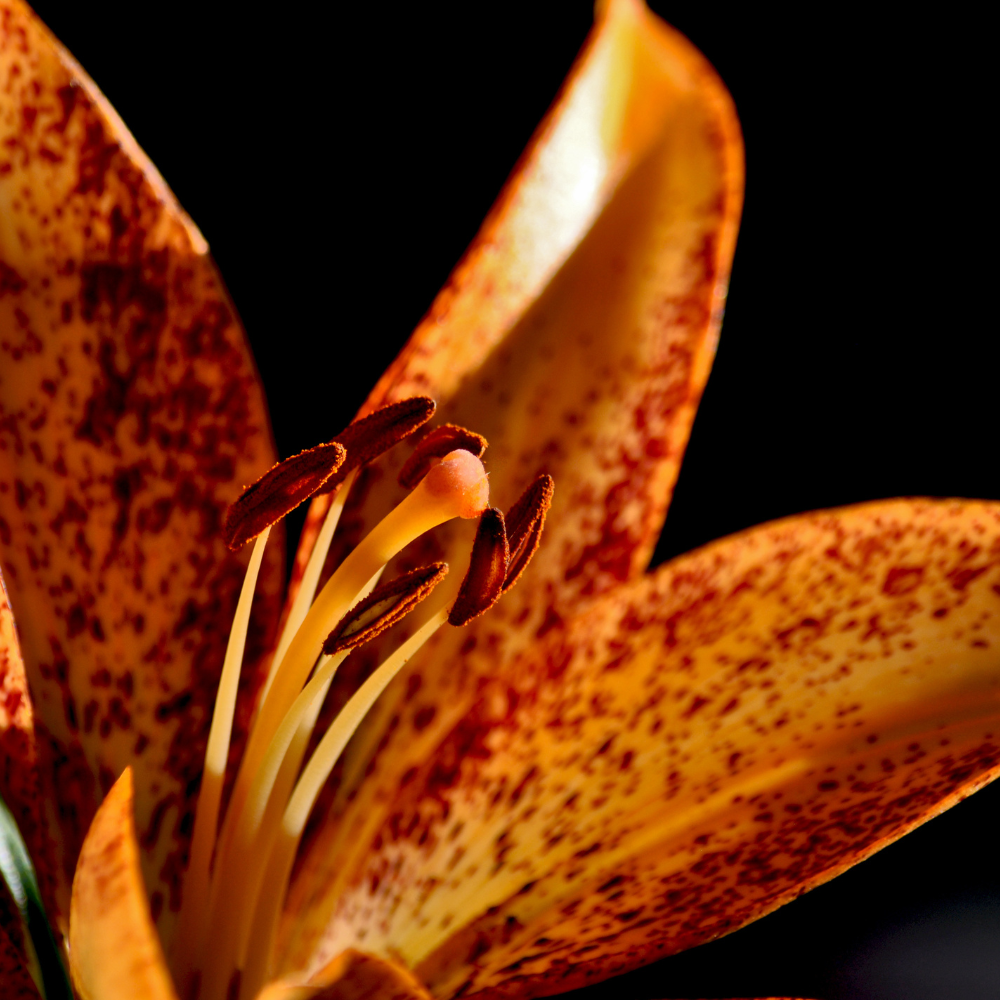
The Golden Lily: National Flower of Bosnia and Herzegovina
The Golden Lily, also known as Lilium bosniacum, holds the esteemed position of being the national flower of Bosnia and Herzegovina. This beautiful lily is native to the country and carries profound symbolic significance in its petals.
It represents the Bosniak people and has a rich history as a heraldic national symbol during medieval times and as a part of the coat of arms of the Republic of Bosnia and Herzegovina.
The Golden Lily is prominently featured in the flags and arms of various regions within Bosnia and Herzegovina, showcasing its importance and deep-rooted connection to the nation. From cantons to municipalities, cities to towns, this iconic flower leaves its mark, symbolizing the shared identity and cultural heritage of the Bosnian people.
With its vibrant golden hue and graceful shape, the Golden Lily truly captures the essence of Bosnia and Herzegovina.
Its presence extends beyond symbolism, as it is deeply embedded in the country’s culture, art, literature, and traditional celebrations. Embracing the Golden Lily means embracing the rich history and identity of this diverse nation, appreciating the beauty and significance of this beloved national flower.
| Key Information | |
|---|---|
| Scientific Name | Lilium bosniacum |
| Symbolic Significance | Represents the Bosniak people, heraldic national symbol, part of the coat of arms of the Republic of Bosnia and Herzegovina |
| Presence in Flags and Arms | Featured in the flags and arms of various regions within Bosnia and Herzegovina |
| Cultural Significance | Embedded in the country’s culture, art, literature, and traditional celebrations |
Symbolic Significance of the Golden Lily
The Golden Lily carries deep symbolic significance within the culture of Bosnia and Herzegovina, representing the identity and heritage of the Bosniak people. This national flower, also known as Lilium bosniacum, is a cherished emblem that holds historical and cultural significance in the country.
The Golden Lily has been a symbol of Bosnia and Herzegovina for centuries, representing resilience, strength, and beauty. It is deeply rooted in the history of the Bosniak people and has been associated with their traditions, values, and national identity.
This iconic flower is an integral part of Bosnian art, literature, and traditional celebrations. Its vibrant golden color and delicate petals are often depicted in paintings, poems, and songs, symbolizing the rich cultural heritage and unity of the Bosniak people.
| Symbolic Meaning | Significance |
|---|---|
| Resilience | The Golden Lily represents the resilience and strength of the Bosniak people, who have endured throughout history. |
| Unity | It symbolizes the unity and solidarity of the Bosnian people, reflecting their shared history and cultural values. |
| Pride | The Golden Lily instills a sense of pride and belonging among the Bosniak community, serving as a reminder of their unique cultural heritage. |
Historical Importance of the Golden Lily
Throughout history, the Golden Lily has played a crucial role as a heraldic national symbol in medieval Bosnia and a proud element of the coat of arms of the Republic of Bosnia and Herzegovina. This exquisite flower holds immense cultural and historical significance, representing the rich heritage of the country.
The Golden Lily, or Lilium bosniacum, has been revered as a symbol of the Bosniak people, embodying their identity and national pride. During medieval times, it served as a powerful emblem, adorning the banners and shields of Bosnian knights as they defended their land.
The Golden Lily’s presence on the coat of arms of the Republic of Bosnia and Herzegovina further solidifies its historical importance. This striking flower, with its vibrant golden hues, has become a powerful symbol of unity, resilience, and national identity.
Today, the Golden Lily continues to be prominently featured in the flags and arms of many cantons, municipalities, cities, and towns across Bosnia and Herzegovina. Its enduring presence serves as a reminder of the nation’s rich history and the strength of its people.
The Golden Lily: A Symbol of Bosnian Heritage
- Used as a heraldic national symbol in medieval Bosnia
- Included in the coat of arms of the Republic of Bosnia and Herzegovina
- Prominently featured in flags and arms throughout the country
- Symbolizes unity, resilience, and national identity
As we celebrate the beauty and significance of the Golden Lily, let us also recognize and honor the cultural heritage it represents. This cherished national flower is a testament to the enduring spirit of Bosnia and Herzegovina and its people.
| Cantons | Municipalities | Cities | Towns |
|---|---|---|---|
| Table 1 | Table 2 | Table 3 | Table 4 |
Presence in Flags and Arms
The Golden Lily is proudly displayed in the flags and arms of numerous cantons, municipalities, cities, and towns throughout Bosnia and Herzegovina. This beautiful flower holds great significance and is deeply rooted in the cultural heritage of the Bosniak people.
One notable example of the Golden Lily’s presence is in the coat of arms of the Republic of Bosnia and Herzegovina. The flower is depicted prominently, symbolizing the country’s rich history and national identity.
In addition to the national coat of arms, the Golden Lily can be found in the flags and arms of various regions within Bosnia and Herzegovina. It serves as a powerful symbol of unity and pride for the people of these communities.
Table: Flags and Arms featuring the Golden Lily
| Region | Flag | Coat of Arms |
|---|---|---|
| Sarajevo | ||
| Tuzla | ||
| Mostar |
These flags and arms serve as a visual representation of the Golden Lily’s significance in the local communities. They reflect the deep cultural roots and historical importance of this national flower.
By proudly displaying the Golden Lily in their flags and arms, these regions pay homage to their shared heritage and celebrate the beauty and symbolism of this cherished flower.
Cultural Significance of the Golden Lily
The Golden Lily holds immense cultural significance in Bosnia and Herzegovina, permeating various aspects of art, literature, and traditional festivities. This national flower is deeply rooted in the history and identity of the Bosniak people, symbolizing unity, resilience, and beauty.
Artists and writers often draw inspiration from the elegance of the Golden Lily, incorporating its vibrant presence into their creations. Paintings, sculptures, and tapestries proudly showcase the flower, capturing its essence and celebrating Bosnia and Herzegovina’s natural heritage.
In literature, the Golden Lily is frequently used as a metaphor for national pride and the unique spirit of the Bosniak people.
Traditional festivities and cultural events in Bosnia and Herzegovina also pay homage to the Golden Lily. During festivals and ceremonies, this national flower takes center stage, adorning costumes, decorations, and religious artifacts.
The vibrant yellow hues of the Golden Lily symbolize joy, optimism, and the abundance of nature, infusing these celebrations with a sense of vibrancy and life.
| Festivities | Description |
|---|---|
| Golden Lily Festival | A vibrant celebration of Bosnia and Herzegovina’s national flower, featuring artistic performances, floral displays, and cultural exhibitions. |
| Harvest Festival | A time-honored tradition where the Golden Lily is prominently featured, symbolizing the abundance of the harvest and the blessings of nature. |
| Wedding Ceremonies | The Golden Lily is often woven into bridal bouquets and floral arrangements, signifying love, purity, and new beginnings. |
The cultural significance of the Golden Lily extends beyond its visual appeal. It represents the deep connection the Bosniak people have with their land, their traditions, and their identity.
Through its presence in art, literature, and traditional festivities, the Golden Lily continues to inspire and unite the people of Bosnia and Herzegovina, reminding them of their rich cultural heritage.
Botanical Characteristics of the Golden Lily
Lilium bosniacum, commonly known as the Golden Lily, exhibits distinctive botanical characteristics that contribute to its allure as the national flower of Bosnia and Herzegovina. This perennial plant belongs to the lily family and is native to the country, thriving in its diverse landscapes.
The Golden Lily grows from a bulb, sending up tall, slender stems that can reach up to 1 meter in height. The flowers bloom in summer, displaying six vibrant yellow petals adorned with burgundy speckles.
Each petal curves backward, creating an elegant trumpet-like shape. The blossoms emit a pleasant fragrance, adding to their enchanting appeal.
Golden Lilies prefer well-drained soil and thrive in sunny locations, although they can tolerate some shade. They are often found growing in meadows, grassy slopes, and mountainous regions. Due to their beauty and cultural significance, these lilies are cultivated in gardens and showcased in many floral arrangements.
| Botanical Characteristics | Details |
|---|---|
| Scientific Name | Lilium bosniacum |
| Common Name | Golden Lily |
| Family | Liliaceae |
| Height | Up to 1 meter |
| Flower Color | Yellow with burgundy speckles |
| Blooming Season | Summer |
| Preferred Soil | Well-drained |
| Sunlight | Full sun to partial shade |
| Habitat | Meadows, grassy slopes, mountainous regions |
The Golden Lily’s captivating beauty and cultural significance have made it an integral part of Bosnia and Herzegovina’s heritage. Its botanical characteristics, including the vibrant yellow petals and unique growth patterns, contribute to its status as the national flower.
Whether found in the wild or adorning gardens, this exquisite bloom is a cherished symbol of the country’s rich natural and cultural diversity.
Importance of National Flowers
National flowers hold significant importance as symbols of culture, history, and national identity, with the Golden Lily serving as a powerful emblem for Bosnia and Herzegovina. These floral emblems reflect the unique characteristics and values of a country, representing its people and their connection to the land.
The choice of a national flower often stems from its cultural significance and historical relevance. It acts as a visual representation of a nation’s heritage, traditions, and collective memory.
Just like the Golden Lily represents the Bosniak people, national flowers around the world evoke a sense of pride and unity, reminding citizens of their shared identity and values.
In addition to their cultural and historical significance, national flowers also play a role in promoting tourism and fostering a sense of national pride. Visitors are often drawn to explore the natural beauty of a country, including its native flora.
National flower gardens, festivals, and exhibitions provide opportunities for locals and tourists alike to appreciate the unique blooms that represent a nation.
| Country | National Flower |
|---|---|
| Japan | Cherry Blossom |
| India | Lotus |
| England | Rose |
| United States | Rose |
Through the selection of a national flower, a country showcases its natural beauty and highlights its botanical diversity. These blooms become iconic representations of a nation’s values, traditions, and natural heritage, attracting attention and admiration from around the world.
Embracing the Golden Lily
It is time to embrace the Golden Lily, appreciating its profound beauty and its deep connection to the cultural tapestry of Bosnia and Herzegovina. This national flower, also known as Lilium bosniacum, holds significant symbolism and is a cherished emblem of the Bosniak people.
Its historical importance as a heraldic national symbol during medieval times and its incorporation into the coat of arms of the Republic of Bosnia and Herzegovina further solidify its cultural significance.
The Golden Lily is prominently featured in the flags and arms of various regions within Bosnia and Herzegovina, representing their distinct identities and collective heritage. Its presence in the cantons, municipalities, cities, and towns serves as a reminder of the country’s rich history and unity.
This vibrant bloom has also found its way into art, literature, and traditional celebrations, becoming a beloved symbol of national identity that resonates with the Bosnian people.
With its unique botanical characteristics, the Golden Lily stands out as a true gem of nature. Its stunning appearance, growth patterns, and habitat reflect the resilience and beauty of the Bosnian landscape.
As we appreciate this golden blossom, we also recognize the importance of national flowers in representing the culture, history, and identity of a country. The Golden Lily truly embodies the spirit of Bosnia and Herzegovina, and by embracing it, we honor its significance and contribute to the preservation of our cultural heritage.
| Key Points: | Embracing the Golden Lily |
|---|---|
| Symbolism: | Significant and cherished emblem of the Bosniak people |
| Historical Importance: | Heraldic national symbol of medieval Bosnia and part of the coat of arms of the Republic of Bosnia and Herzegovina |
| Cultural Significance: | Represented in flags, arms, art, literature, and traditional celebrations, symbolizing national identity |
| Botanical Characteristics: | Unique appearance, growth patterns, and habitat reflecting the resilience and beauty of the Bosnian landscape |
Embracing the Golden Lily means recognizing its significance not only as a national flower but also as a powerful symbol of unity, culture, and history. Let us appreciate its profound beauty and the deep connection it holds to the cultural tapestry of Bosnia and Herzegovina.
By understanding and valuing the Golden Lily, we contribute to the preservation and celebration of our cherished national identity.
Conclusion
The national flower of Bosnia and Herzegovina, the Golden Lily, beautifully encapsulates the essence of the nation, holding deep meaning, symbolism, and serving as a cherished floral emblem. This lily, scientifically known as Lilium bosniacum, is a native flower that has been an integral part of the country’s culture and history for centuries.
Symbolically, the Golden Lily represents the Bosniak people, symbolizing their identity, resilience, and love for their homeland. It has been a heraldic national symbol during medieval times and was prominently featured in the coat of arms of the Republic of Bosnia and Herzegovina.
The flower’s presence in the flags and arms of various regions within the country further highlights its historical and cultural importance.
With its elegant appearance, the Golden Lily graces the landscapes of Bosnia and Herzegovina, filling them with beauty and grace. Its yellow petals and graceful shape make it a beloved national flower that is cherished by the people.
In art, literature, and traditional celebrations, the Golden Lily continues to be embraced as a symbol of national pride and unity.
National flowers hold significant value as they represent the culture, history, and identity of a country. The Golden Lily, as the national flower of Bosnia and Herzegovina, not only showcases the natural beauty of the land but also serves as a reminder of the rich heritage and enduring spirit of its people.
Embracing this symbol and appreciating its beauty allows us to connect with the heart and soul of the nation.
FAQ
Q: What is the national flower of Bosnia and Herzegovina?
A: The national flower of Bosnia and Herzegovina is the Golden Lily, also known as Lilium bosniacum.
Q: What is the symbolic significance of the Golden Lily?
A: The Golden Lily holds great symbolic significance in Bosnia and Herzegovina. It is a traditional symbol of the Bosniak people and has been a heraldic national symbol in the past. It represents the culture, history, and national identity of the country.
Q: Where can you find the Golden Lily?
A: The Golden Lily is native to Bosnia and Herzegovina and can be found throughout the country. It is particularly featured in the flags and arms of many regions, including cantons, municipalities, cities, and towns.
Q: What are the botanical characteristics of the Golden Lily?
A: Botanically, the Golden Lily, or Lilium bosniacum, is a lily species. Its appearance includes golden-yellow petals and a trumpet-shaped bloom. It grows in various habitats within Bosnia and Herzegovina and is cherished for its unique beauty.
Q: Why are national flowers important?
A: National flowers hold great importance in representing the culture, history, and identity of a country. They are symbolic emblems that evoke a sense of national pride and serve as a unifying symbol for the people.
Q: How can one appreciate the Golden Lily?
A: Embracing the Golden Lily involves learning more about its cultural significance, appreciating its beauty, and understanding its role as the national flower of Bosnia and Herzegovina. By recognizing its importance, we can honor the rich heritage of the country.