
The national flower of Namibia, known as the Welwitschia Mirabilis, is a unique desert plant that holds deep meaning and symbolism for the country. This indigenous flower has become an important emblem of Namibia’s fortitude and tenacity, as it thrives in the harshest desert conditions.
Key Takeaways:
- The national flower of Namibia is the Welwitschia Mirabilis, a unique desert plant.
- The Welwitschia symbolizes Namibia’s fortitude and tenacity.
- It is an indigenous flower that thrives in harsh desert conditions.
- Other national symbols of Namibia include the African fish eagle and the Oryx antelope.
- The Welwitschia is featured in the National Coat of Arms along with other important national symbols.
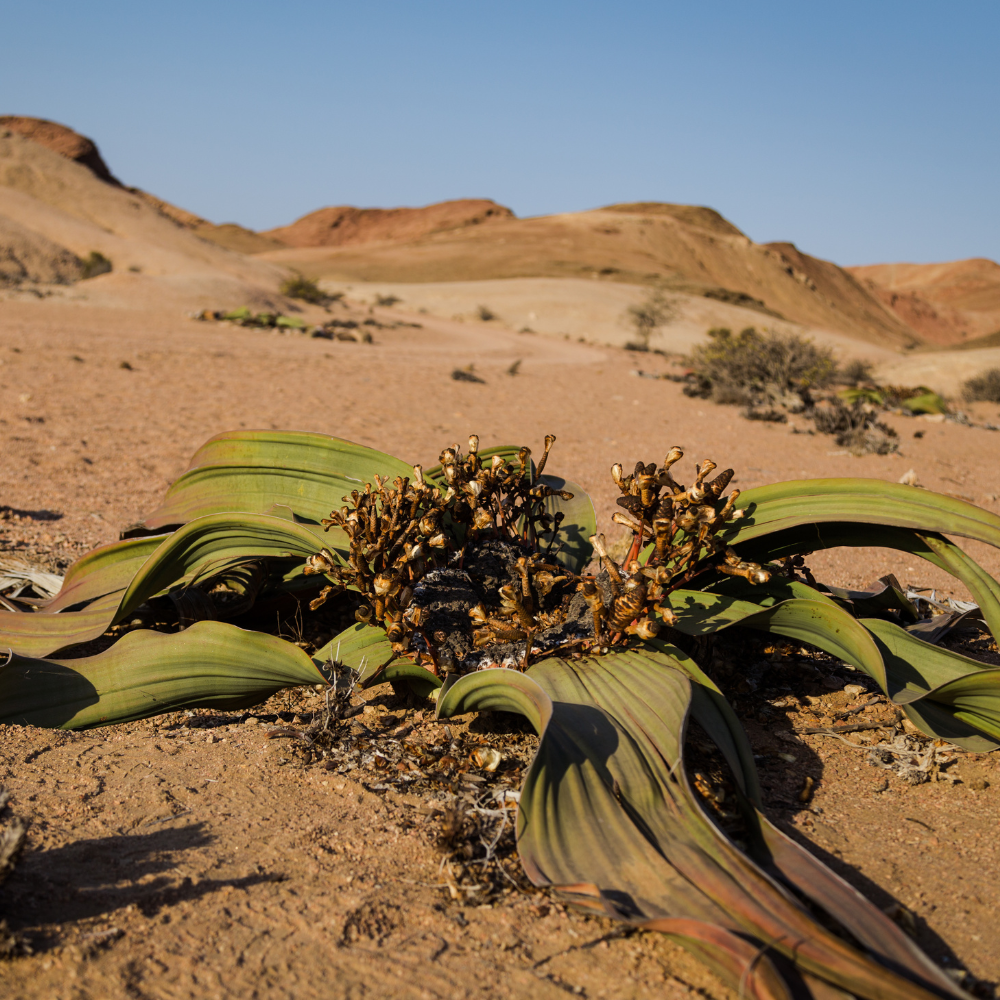
The Welwitschia – Namibia’s Fortitude and Tenacity
The Welwitschia Mirabilis, also known as Namibia’s official flower, embodies the country’s fortitude and tenacity in the face of adversity. This unique desert plant is a true symbol of Namibia’s resilience and strength. It thrives in the harshest desert conditions, withstanding extreme temperatures, scarce water, and strong winds.
Named after the Austrian botanist Friedrich Welwitsch who discovered it in the mid-19th century, the Welwitschia Mirabilis is a botanical marvel. It is known for its astonishing lifespan, with some plants estimated to be over 2,000 years old.
Despite its longevity, the plant remains relatively small in size, growing only a few inches above the ground. Its appearance is striking, with long, strap-like leaves that curl and twist as they mature.
As a floral symbol of Namibia, the Welwitschia represents the nation’s natural beauty. It serves as a reminder of the country’s rich biodiversity and its ability to thrive in even the harshest environments.
The Welwitschia has become an iconic feature of the Namib Desert, attracting tourists and researchers from around the world who are captivated by its remarkable characteristics.
| Namibia’s Floral Symbol | Description |
|---|---|
| Scientific Name | Welwitschia Mirabilis |
| Common Name | Welwitschia |
| Characteristics | Long, strap-like leaves; low-growing; withstands harsh desert conditions |
| Significance | Symbol of Namibia’s fortitude, tenacity, and natural beauty |
National Symbols of Namibia
In addition to the Welwitschia, Namibia has chosen the African fish eagle and the Oryx antelope as its national bird and animal, respectively, while also incorporating elements of the Welwitschia into its National Coat of Arms.
The African fish eagle, known for its majestic appearance and impressive hunting skills, symbolizes the country’s strength and resilience. With its striking plumage and powerful wingspan, the fish eagle represents the spirit of Namibia’s people, soaring high above the rugged landscapes and thriving against all odds.
The Oryx antelope, with its elegant horns and distinctive markings, is a symbol of grace and adaptability. This majestic creature embodies Namibia’s connection to the untamed wilderness and its ability to survive in harsh environments.
The Oryx has become an iconic figure in Namibian culture, inspiring artists and storytellers with its beauty and endurance.
These national symbols are proudly displayed in Namibia’s National Coat of Arms, which also includes elements of the Welwitschia plant and diamond shapes representing the country’s economy.
The Welwitschia’s inclusion in the Coat of Arms is a testament to its significance in Namibia’s identity. As a national emblem, it represents Namibia’s natural beauty and resilience, reflecting the country’s commitment to preserving its unique heritage.
Table: National Symbols of Namibia
| National Bird | National Animal | Welwitschia | Diamond Shapes |
|---|---|---|---|
| African Fish Eagle | Oryx Antelope | Representation of Namibia’s natural beauty and resilience | Symbolizing the country’s economy |
National Flag of Namibia – A Symbol of Peace and Unity
The national flag of Namibia is a powerful symbol of peace, unity, and the nation’s dedication to fostering equal opportunity for every individual. With its vibrant colors and meaningful design, the flag embodies the values and aspirations of the Namibian people.
The flag consists of a horizontal band of blue, representing the Atlantic Ocean and the sky, symbolizing peace and harmony. The wide diagonal band of red, bordered by narrow white stripes, represents the Namib Desert, the bloodshed during the liberation struggle, and the determination to achieve unity.
The green stripe at the top stands for the country’s agricultural resources and its commitment to sustainable development.
The golden sun, located in the upper left corner, represents life, energy, and warmth. It is a symbol of hope and the bright future that Namibia strives to build. The twelve triangular rays extending from the sun represent the country’s twelve regions and highlight the unity of its diverse population.
The Symbolic Meaning of Colors and Emblems
The colors and emblems on the national flag of Namibia hold deep symbolic meanings. The blue represents the Atlantic Ocean, which borders Namibia and signifies its prosperity and connection to the world.
The red, white, and green bands represent the Namib Desert, the purity of its sand, and the rich natural resources found within its borders.
The golden sun represents the warmth and energy of the Namibian people, as well as the country’s vast potential for growth and development. The twelve rays symbolize the unity of the twelve regions and the collective strength of the diverse communities that make up Namibia.
| Color/Emblem | Symbolic Meaning |
|---|---|
| Blue | Peace, prosperity, connection to the Atlantic Ocean |
| Red, White, Green | The Namib Desert, purity, natural resources |
| Golden Sun | Warmth, energy, potential for growth |
| Twelve Rays | Unity of the twelve regions, collective strength |
The national flag of Namibia serves as a constant reminder of the country’s commitment to peace, unity, and equal opportunity. It is a symbol of hope, resilience, and the collective spirit that drives Namibia forward on its journey toward social progress and prosperity.
Conclusion
As the national flower of Namibia, the Welwitschia Mirabilis stands as a captivating symbol of the country’s natural beauty and serves as a reminder of the importance of preserving the unique floral heritage of Namibia.
This rare desert plant, also known as the “living fossil,” is deeply rooted in the desert sand, representing the fortitude and resilience of the Namibian people.
Namibia is blessed with an abundance of natural wonders, and the Welwitschia perfectly embodies the country’s breathtaking landscapes and diverse ecosystem.
Its ability to survive in harsh conditions and thrive amidst the arid desert environment is a testament to Namibia’s tenacity and determination.
Alongside the Welwitschia, Namibia has other national symbols that reflect the nation’s identity and values.
The African fish eagle, a powerful and majestic bird, represents freedom and greatness, while the Oryx, a graceful desert antelope, symbolizes Namibia’s beauty and adaptability.
The National Coat of Arms
The National Coat of Arms proudly features the Welwitschia, the African fish eagle, and the Oryx, symbolizing the harmony between Namibia’s flora, fauna, and its people. The diamond shapes in the Coat of Arms represent Namibia’s rich mineral resources and its thriving economy.
This combination of natural and economic elements showcases the country’s commitment to sustainable development and progress.
Finally, the national flag of Namibia embodies the aspirations of peace, unity, and equal opportunity for all. The blue symbolizes the sky and the Atlantic Ocean, while the green represents the land and the country’s lush vegetation.
The sun on the flag represents life and energy, and the white stripes represent peace and tranquility, making it a powerful and meaningful emblem of Namibia’s values.
In conclusion, Namibia’s national flower, the Welwitschia Mirabilis, and its other national symbols, including the African fish eagle, Oryx antelope, National Coat of Arms, and national flag, all come together to represent the country’s natural beauty, resilience, and aspirations for a peaceful and united future.
Preserving Namibia’s unique floral heritage should be a priority as it not only celebrates the country’s rich biodiversity but also acts as a reminder of the importance of safeguarding our natural environment for future generations.
FAQ
What is the national flower of Namibia, meaning and symbolism?
The national flower of Namibia is the Welwitschia, also known as Welwitschia Mirabilis. It symbolizes Namibia’s fortitude and tenacity, rooted in the desert sand and known for surviving in harsh conditions.
What is the significance of the Welwitschia in Namibia?
The Welwitschia represents Namibia’s strength and resilience. It showcases the country’s ability to thrive in challenging desert environments and highlights Namibia’s natural beauty.
What are the other national symbols of Namibia?
Namibia’s other national symbols include the African fish eagle as the national bird and the Oryx antelope as the national animal. The National Coat of Arms also features the Welwitschia, fish eagle, Oryx antelope, and diamond shapes representing the country’s economy.
What does the national flag of Namibia represent?
The national flag of Namibia represents peace, unity, and the Namibian people’s determination to build a future of equal opportunity for all. Its design and colors symbolize the country’s commitment to harmony and equality.
Why is the Welwitschia important in Namibia?
The Welwitschia holds great significance as the national flower of Namibia. It embodies the country’s natural beauty and serves as a reminder of the importance of preserving Namibia’s floral heritage for future generations to appreciate.