
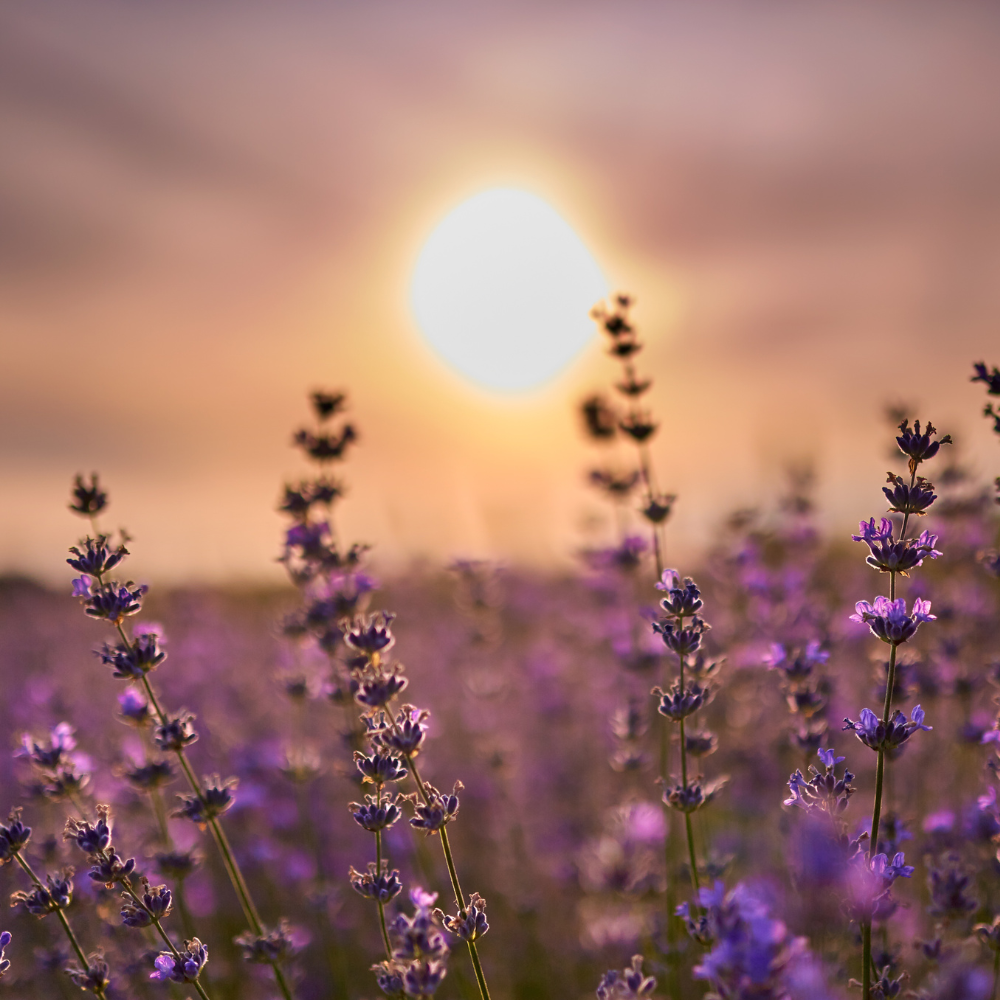
Portugal’s national flower holds deep meaning and symbolism in the country’s rich heritage and traditions. Although not officially recognized, lavender is widely seen as Portugal’s official flower. It is associated with the Alentejo region, where it grows abundantly and represents Portugal’s pride and beauty.
Key Takeaways:
- Lavender is widely regarded as Portugal’s national flower, symbolizing the country’s pride and natural beauty.
- The fragrant lavender flowers range in colors from blue, purple, lilac, pink, to white, adding vibrancy to the Portuguese landscape.
- Belonging to the Lamiaceae mint family, lavender is a perennial subshrub loved by pollinators, particularly bees.
- With historical significance, lavender was used by ancient Romans in baths and for treating wounds due to its medicinal properties.
- Lavender prefers hot and dry climates, growing well in full sun with well-drained soil, making it suitable for the Portuguese climate.
The Significance of Lavender in Portuguese Culture
Lavender, although not officially recognized as Portugal’s national flower, holds a special place in Portuguese culture.
This beautiful and fragrant plant is widely associated with the country and has become a symbol of pride. In particular, lavender is strongly linked to the Alentejo region, where it grows abundantly and adds a touch of color and fragrance to the stunning landscapes.
The significance of lavender in Portuguese culture goes beyond its visual appeal. It has long been cherished for its soothing properties and is often used in traditional remedies and aromatherapy.
Lavender’s calming scent is believed to promote relaxation and improve sleep, making it a popular choice for essential oils, bath products, and scented candles.
Furthermore, lavender plays an important role in supporting pollinators, especially bees. Its nectar-rich flowers attract these essential insects, aiding in their survival and contributing to the overall health of the environment. In this way, lavender represents not only the beauty of Portugal but also its commitment to ecological sustainability.
| Key Points: |
|---|
| Lavender is associated with the Alentejo region of Portugal. |
| It has calming properties and is used in traditional remedies. |
| Lavender attracts bees and supports pollinators. |
The Historical Importance of Lavender in Portugal
Lavender has a long-standing history in Portugal, symbolizing the country’s heritage and contributing to various cultural practices.
Although not officially recognized as Portugal’s national flower, lavender holds a special place in the hearts of the Portuguese people and is considered a floral emblem of the nation.
Throughout history, lavender has been used in ancient traditions and medicinal practices.
The ancient Romans, who occupied Portugal, valued lavender for its healing properties and used it in baths and to treat wounds. The fragrance of lavender was believed to promote relaxation and calmness, making it a popular choice for aromatherapy and perfumes.
Today, lavender can be found in abundance in the Alentejo region of Portugal, where the plant thrives in the hot and dry climate. The region’s fields of lavender not only provide a beautiful sight but also attract pollinators, especially bees, with their vibrant flowers.
Lavender’s importance to pollinators and the environment cannot be understated, as bees play a crucial role in pollinating plants and ensuring the biodiversity of ecosystems.
In addition to lavender, Portugal has other national symbols, such as the cork oak tree and the Iberian wolf.
These symbols reflect the country’s rich natural heritage and cultural diversity. Together, they represent the pride and identity of Portugal, reminding us of the beautiful and unique attributes that make this country so special.
| National Symbols of Portugal | Symbolic Meaning |
|---|---|
| Lavender | Floral emblem representing Portuguese heritage |
| Cork Oak Tree | Symbol of sustainability and a key industry in Portugal |
| Iberian Wolf | Representative of the country’s wildlife and biodiversity |
Characteristics and Growth of Lavender
Lavender, a perennial subshrub belonging to the Lamiaceae mint family, boasts a range of colors and a strong fragrance. Its flowers can be found in shades of blue, purple, lilac, pink, and white, adding a burst of color to gardens and landscapes.
The distinct scent of lavender is loved by many and is often used in perfumes, soaps, and candles.
In Portugal, lavender is associated with the Alentejo region, where it thrives in the region’s hot and dry climate. This floral emblem of Portugal grows well in full sun, making it an ideal choice for gardens and outdoor spaces.
Lavender plants prefer well-drained soil and can tolerate drought conditions, making them resilient and low-maintenance.
Not only is lavender visually appealing and fragrant, but it also plays a crucial role in supporting pollinators, particularly bees.
The flowers of lavender attract bees, providing them with a rich source of nectar and pollen. Lavender’s long flowering period, from spring to summer, ensures a continuous food supply for these important pollinators.
| Characteristics of Lavender | Growth Requirements |
|---|---|
| Range of colors: blue, purple, lilac, pink, white | Full sun |
| Strong fragrance | Well-drained soil |
| Perennial subshrub | Hot and dry climate |
| Attracts pollinators | Tolerates drought conditions |
Overall, lavender’s stunning colors, delightful scent, and ability to promote biodiversity make it a beloved symbol of Portugal. Whether used in gardens, as a source of essential oils, or in traditional practices, lavender continues to captivate hearts and minds with its natural beauty and therapeutic properties.
Lavender’s Importance to Pollinators and the Environment
Lavender plays a vital role in supporting pollinators, such as bees, and contributes to the overall health of the environment. As Portugal’s floral emblem, lavender attracts bees with its vibrant colors and strong fragrance.
Bees are essential for the pollination of many plants, including agricultural crops, making lavender an important contributor to the agricultural ecosystem. By providing a plentiful source of nectar and pollen, lavender helps to sustain bee populations and promote biodiversity.
Not only does lavender benefit pollinators, but it also has a positive impact on the environment. Its deep roots help prevent erosion, stabilize soil, and improve water filtration. Lavender plants thrive in hot and dry climates, making them well-suited for Portugal’s Mediterranean climate.
They require minimal water, reducing the strain on local water resources. Additionally, the essential oil produced by lavender can be used as a natural insect repellent, reducing the need for harmful chemical pesticides.
To fully understand lavender’s importance, it’s important to consider its historical and cultural significance in Portugal. Lavender has been used for centuries in traditional medicine and herbal remedies.
Its soothing properties have made it a popular choice for calming nerves, promoting relaxation, and aiding sleep. In addition to its medicinal uses, lavender is also cherished for its beauty and fragrance, making it a beloved flower in Portuguese gardens and landscapes.
| Lavender’s Importance to Pollinators and the Environment |
|---|
| Lavender supports pollinators, such as bees, by providing them with a abundant source of nectar and pollen. |
| It contributes to the overall health of the environment by preventing erosion, stabilizing soil, and improving water filtration. |
| Lavender’s deep roots and ability to thrive in hot and dry climates make it a sustainable choice for Portugal’s Mediterranean climate. |
| The essential oil produced by lavender can be used as a natural insect repellent, reducing the need for harmful chemical pesticides. |
In conclusion, lavender is not only Portugal’s floral emblem and a symbol of national pride, but it also plays a crucial role in supporting pollinators, promoting biodiversity, and contributing to the overall health of the environment.
Its historical and cultural significance, coupled with its medicinal properties and beauty, make lavender a beloved flower in Portuguese culture. By celebrating and preserving lavender, Portugal showcases its commitment to sustainable practices and environmental stewardship.
Lavender and its Medicinal Properties
Beyond its cultural and aesthetic value, lavender has been valued for its medicinal properties for centuries. The fragrant oil produced by lavender leaves has been used for various therapeutic purposes, making it a popular herb in traditional medicine.
Lavender oil, extracted through steam distillation, is known for its calming and soothing effects on the body and mind.
Lavender oil is widely used in aromatherapy to promote relaxation, alleviate stress, and improve sleep quality. The pleasant scent of lavender has been shown to reduce anxiety levels and induce feelings of calmness.
In addition, lavender oil has been used topically to treat skin conditions such as burns, wounds, and insect bites. Its antimicrobial properties help prevent infection and accelerate wound healing.
Furthermore, lavender oil is known for its analgesic properties, offering relief from headaches, migraines, and muscle pain. It can be used in massage oils or added to bathwater to ease tension and reduce physical discomfort.
Additionally, lavender oil can help treat respiratory conditions, such as coughs and colds, by clearing congestion and soothing irritated airways.
Table: Medicinal Properties of Lavender
| Medicinal Property | Benefits |
|---|---|
| Relaxation and stress relief | Reduces anxiety, promotes calmness |
| Skin healing | Treats burns, wounds, and insect bites |
| Pain relief | Alleviates headaches, muscle pain |
| Respiratory support | Clears congestion, soothes airways |
It is important to note that while lavender oil is generally considered safe for topical and aromatic use, it should not be ingested without proper guidance from a healthcare professional.
Individuals with allergies or sensitivities to lavender should exercise caution when using products containing the oil. As with any alternative treatment, it is advisable to consult with a healthcare provider before incorporating lavender oil into your wellness routine.
Other National Symbols of Portugal
In addition to lavender, Portugal has other national symbols that hold significant meaning for the country and its people. These symbols represent the rich cultural heritage and natural beauty of Portugal, capturing the essence of what makes the country unique.
One such symbol is the cork oak tree, which is not only a vital part of Portugal’s ecosystem but also plays a crucial role in the country’s economy.
The cork oak tree is native to the Mediterranean region, and Portugal is home to the largest cork oak forests in the world. Known for its thick, spongy bark, the tree is harvested to produce cork, which has a wide range of uses, including wine stoppers, flooring, and insulation.
The cork industry has been a part of Portugal’s heritage for centuries, and the cork oak stands as a symbol of sustainability, craftsmanship, and tradition.
Another cherished national symbol of Portugal is the Iberian wolf. This majestic and elusive creature represents the natural beauty and wilderness of the country’s landscapes.
The Iberian wolf is found primarily in the northern regions of Portugal, where it roams free in protected areas. It is a powerful symbol of the country’s commitment to preserving its wildlife and biodiversity.
| National Symbol | Meaning |
|---|---|
| Lavender | Symbolizes Portuguese pride and the beauty of the country |
| Cork Oak Tree | Represents sustainability, craftsmanship, and tradition |
| Iberian Wolf | Symbolizes the preservation of wildlife and biodiversity |
These national symbols, including lavender, serve as reminders of Portugal’s rich history, cultural significance, and natural treasures.
Whether it is the beauty and fragrance of lavender, the sustainable use of cork oak, or the preservation of the Iberian wolf, each symbol contributes to the identity of Portugal and its people, instilling a sense of pride and appreciation for the country’s unique heritage.
Conclusion
Lavender, although unofficial, serves as a powerful national symbol of Portugal, representing the country’s pride and beauty. The fragrant lavender fields of the Alentejo region paint a picturesque landscape that captures the essence of Portuguese culture and history.
With its vibrant hues ranging from blue to white, lavender is a beloved flower that adorns gardens, bouquets, and traditional handicrafts throughout the country.
But lavender’s significance reaches beyond its visual appeal. This perennial subshrub not only delights the senses with its aroma but also plays a vital role in supporting pollinators, particularly bees.
Its nectar-rich flowers provide a crucial source of food for these essential creatures, contributing to the preservation of biodiversity and the overall health of the environment.
In addition to its ecological importance, lavender has a rich historical background in Portugal. The ancient Romans admired the healing properties of lavender and used it in baths and for treating wounds.
This aromatic herb continues to be valued for its medicinal properties, known to promote relaxation and alleviate stress. The fragrant oil released from lavender leaves when rubbed has been cherished for centuries for its soothing and calming effects.
Portugal boasts not only lavender as a proud national symbol but also the cork oak tree as its national tree and the Iberian wolf as its national animal.
These symbols collectively embody the natural wonders and cultural heritage of this beautiful country. From the rolling lavender fields to the majestic cork forests and the captivating wildlife, Portugal’s pride and beauty are truly reflected in its national symbols.
FAQ
What is the national flower of Portugal, Meaning and Symbolism?
The national flower of Portugal is lavender, although it is not officially recognized as such. Lavender holds cultural and historical significance in Portuguese culture and is associated with the Alentejo region where it grows abundantly.
What is the significance of lavender in Portuguese culture?
Lavender is widely seen as a floral symbol in Portugal and is closely tied to the country’s identity. It represents the beauty and pride of the Portuguese people.
What is the historical importance of lavender in Portugal?
Lavender has been used by ancient Romans in baths and for treating wounds. It holds a rich historical legacy in Portugal, being cherished for its medicinal properties and role in ancient traditions.
What are the characteristics and growth requirements of lavender?
Lavender is a perennial subshrub belonging to the Lamiaceae mint family. It has a strong fragrance and blooms in various colors. Lavender thrives in hot and dry climates, requires full sun, and well-drained soil.
Why is lavender important to pollinators and the environment?
Lavender is loved by pollinators, especially bees, and plays a vital role in supporting their populations. It contributes to the biodiversity of ecosystems and promotes a healthy environment.
What are the medicinal properties of lavender?
Lavender has been historically used for its medicinal properties, including treating wounds and promoting relaxation. It releases a fragrant oil when its leaves are rubbed, which is valued for its therapeutic effects.
Are there any other national symbols of Portugal?
In addition to lavender being the national flower of Portugal, the cork oak tree is the national tree, and the Iberian wolf is the national animal.
What is the significance of lavender as a national symbol of Portugal?
Lavender is a source of pride for the Portuguese people and represents their cultural heritage. It embodies the natural beauty and resilience of Portugal.