
The national flower of South Korea, also known as the Mugunghwa or Rose of Sharon, holds great importance and symbolism within the Korean culture. This beautiful flower, scientifically known as Hibiscus syriacus, is recognized for its hardiness and resilience, symbolizing triumph.
It has a rich history, dating back to the Gojoseon Era, and has appeared in various Korean dynasties such as the Silla Kingdom and Goryeo Dynasty. However, it wasn’t until after the Japanese colonization era that the Mugunghwa was officially adopted as the national flower.
The Mugunghwa represents the resilient spirit and constant efforts of the Korean people in building a better Korea. It is deeply woven into the fabric of Korean culture, being used on national symbols and government logos.
Blooming from early July to mid-October, this enchanting flower comes in colors such as white, pink, and purple, adding vibrance to the Korean landscape. What sets the Mugunghwa apart is its remarkable ability to regrow and thrive even in harsh environments, mirroring the resilience of the Korean people themselves.
In South Korea, planting hundreds of Mugunghwa flowers has become a symbolic gesture of aspiration for independence, reflecting the nation’s history of striving for autonomy. The flower serves as a powerful reminder of South Korea’s hard work, grit, and resilience in achieving success and prosperity.
Key Takeaways:
- The national flower of South Korea is the Mugunghwa, also known as the Rose of Sharon.
- It symbolizes the resilient spirit and constant efforts of the Korean people in building a better Korea.
- The Mugunghwa first gained recognition during the Gojoseon Era and has appeared in various Korean dynasties.
- It wasn’t officially adopted as the national flower until after the Japanese colonization era.
- The flower blooms from early July to mid-October and comes in colors such as white, pink, and purple.
- The Mugunghwa is known for its ability to regrow and survive even in harsh environments.
- Planting hundreds of Mugunghwa flowers is a symbolic gesture of aspiration for independence in South Korea.
Historical Significance of the Mugunghwa
The Mugunghwa has a rich historical significance in South Korea, with its presence and recognition dating back to ancient Korean dynasties. This beautiful flower, scientifically known as Hibiscus syriacus, has been an integral part of Korean culture for centuries. It holds deep symbolism and represents the resilience and triumph of the Korean people.
Throughout Korean history, from the Gojoseon Era to the Silla Kingdom and Goryeo Dynasty, the Mugunghwa has been cherished and celebrated.
However, it was during the Japanese colonization era that the Mugunghwa rose to prominence as a symbol of resistance and national identity. After the colonization ended, it was officially adopted as the national flower of South Korea, cementing its role as a powerful emblem of the nation’s spirit.
The Mugunghwa’s significance extends beyond its historical roots. This magnificent flower embodies the unwavering spirit of the Korean people and their commitment to building a better Korea. It is a symbol of hope, resilience, and continuous efforts to overcome adversity.
The Mugunghwa is not only used in national symbols and government logos but also deeply ingrained in the hearts of the Korean people as a representation of their cultural pride and aspirations for independence.
| Bloom Time | Colors |
|---|---|
| Early July to mid-October | White, pink, purple |
The Mugunghwa is known for its ability to thrive in harsh environments, symbolizing the resilience of the Korean people. No matter the challenges they face, they can regrow and flourish, just like this remarkable flower.
In South Korea, people plant hundreds of Mugunghwa flowers as a powerful symbol of their unwavering determination and aspiration for independence.
This magnificent flower serves as a reminder of South Korea’s remarkable journey toward success and prosperity. It represents the country’s hard work, grit, and unwavering spirit that have led to its achievements.
The Mugunghwa is more than just a national flower; it is a cherished cultural symbol that encapsulates the essence of the Korean people and their relentless pursuit of a better future.
Symbolism of the Mugunghwa
The Mugunghwa holds deep symbolism in South Korea, serving as a representation of the indomitable spirit and continuous strive for progress of the Korean people. This beautiful flower embodies the resilience and determination that has defined the nation’s history and culture.
The Mugunghwa’s significance goes beyond its physical beauty. It is a powerful symbol of the Korean people’s unwavering spirit, their ability to overcome adversity, and their constant pursuit of a better future.
The flower’s ability to thrive in harsh environments mirrors the resilience of the Korean people, who have faced numerous challenges throughout their history.
The Mugunghwa’s symbolism can be seen in various aspects of South Korean society. It is prominently featured on national symbols and government logos, representing the country’s identity and aspirations.
Additionally, the practice of planting hundreds of Mugunghwa flowers symbolizes the Korean people’s collective hope for independence and prosperity.
Embodying the Spirit of South Korea
With its vibrant colors and ability to bloom in challenging conditions, the Mugunghwa serves as a testament to the hard work, grit, and resilience of the Korean people. It symbolizes their relentless pursuit of success and prosperity, reflecting the nation’s transformation into a global powerhouse.
| Colors | Bloom Time | Resilient Growth |
|---|---|---|
| White | July to October | Thrives in harsh environments |
| Pink | July to October | Regrows after adversity |
| Purple | July to October | Symbolizes resilience |
The Mugunghwa’s symbolism in South Korea cannot be understated. It represents the nation’s rich history, enduring spirit, and aspiration for a brighter future. As visitors and locals admire the beauty of this national flower, they are reminded of the Korean people’s remarkable journey towards progress and success.
Appearance and Colors of the Mugunghwa
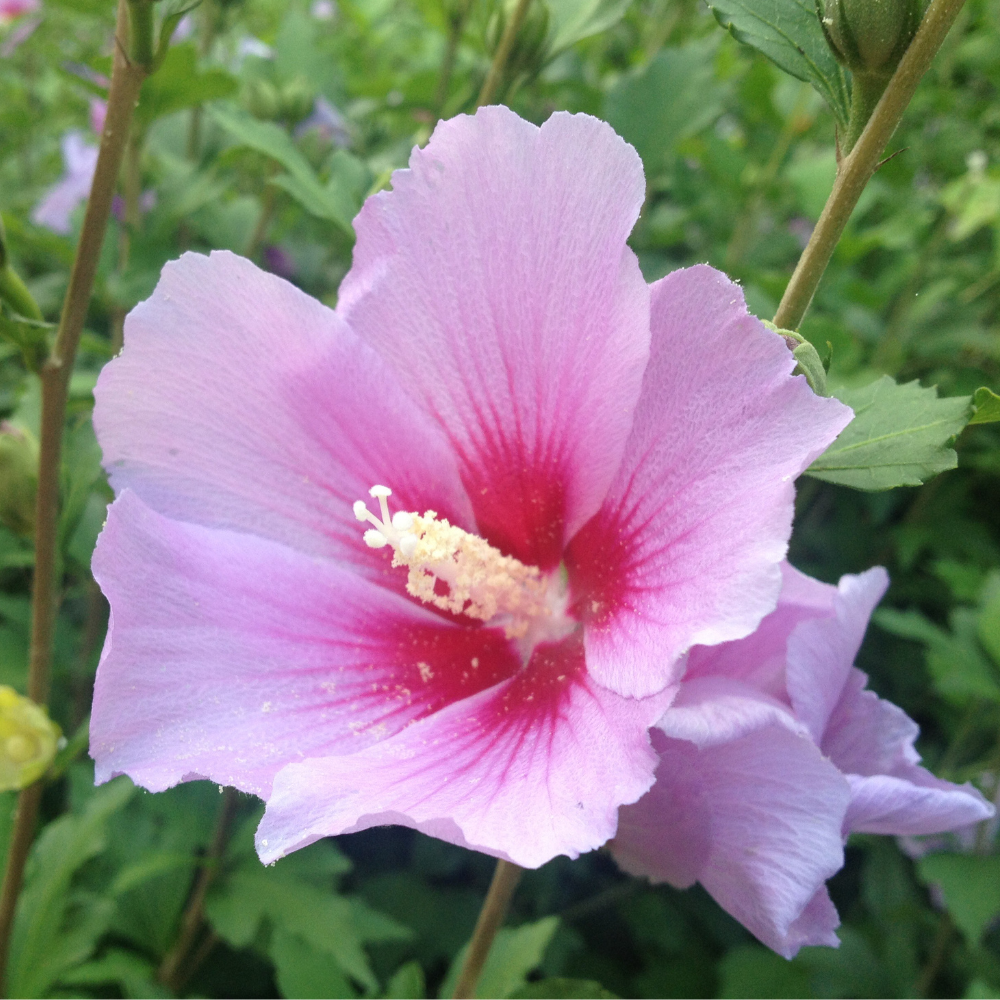
The Mugunghwa, also known as the Rose of Sharon, is a beautiful flower that blooms from early July to mid-October, displaying a range of colors including white, pink, and purple. Its vibrant and delicate petals make it a popular choice for gardens and floral arrangements.
With its large, showy blossoms, the Mugunghwa adds a touch of elegance and charm to any landscape. The flower’s size typically ranges from 2 to 4 inches in diameter, and its petals have a soft, velvety texture. The Mugunghwa plant itself can grow up to 10 feet tall, adding height and visual interest to gardens.
This national flower of South Korea is not only visually stunning but also symbolically significant.
The colors of the Mugunghwa hold deeper meanings within Korean culture. White represents purity and innocence, while pink symbolizes femininity and grace. Purple, on the other hand, signifies nobility and admiration. Each color adds a unique touch to the overall symbolism of the flower.
Table: Different Colors of the Mugunghwa
| Color | Meaning |
|---|---|
| White | Purity and innocence |
| Pink | Femininity and grace |
| Purple | Nobility and admiration |
Whether planted in gardens or displayed in floral arrangements, the Mugunghwa adds a touch of elegance and cultural significance. Its vibrant colors and stunning appearance make it a beloved national symbol for South Korea, representing the resilience and beauty of the Korean people.
Cultural Significance of the Mugunghwa
The Mugunghwa flower holds immense cultural significance in South Korea, representing the nation’s hard work, resilience, and aspiration for independence. It is deeply woven into the fabric of Korean society, serving as a powerful symbol of national pride and identity.
Throughout history, the Mugunghwa has been embraced as a symbol of strength and determination. It has appeared in various Korean dynasties, including the Silla Kingdom and Goryeo Dynasty, where it was admired for its beauty and revered for its ability to withstand adversity.
Today, the flower’s enduring symbolism is reflected in its prominent presence on national symbols and government logos.
It serves as a reminder of Korea’s turbulent past and the unwavering spirit of its people, who have overcome countless challenges and strive for a brighter future.
Furthermore, the Mugunghwa’s blooming season from early July to mid-October is regarded as a time of celebration and hope.
During this period, Koreans plant hundreds of these flowers as a visual representation of their commitment to achieving independence and building a prosperous nation.
| Key Points: | Symbol of South Korea | South Korean national flower | Korean national flower |
|---|---|---|---|
| – The Mugunghwa symbolizes hard work, resilience, and aspiration for independence. | |||
| – It has historical significance and has been adopted as the national flower of South Korea. | |||
| – The flower blooms from early July to mid-October and comes in colors such as white, pink, and purple. | |||
| – Koreans plant hundreds of Mugunghwa flowers to express their commitment to building a better Korea. | |||
Significance of the Mugunghwa in Achieving Success and Prosperity
The Mugunghwa is a powerful symbol in South Korea, serving as a reminder of the nation’s hard work, resilience, and ultimate success in achieving prosperity. This national flower encapsulates the spirit of the Korean people, reflecting their unwavering determination to overcome obstacles and achieve greatness.
Throughout history, South Korea has faced numerous challenges, including foreign invasions, colonization, and economic hardships. However, like the Mugunghwa flower, the Korean people have always managed to thrive and emerge stronger than ever.
The Mugunghwa’s ability to regrow and flourish in harsh environments mirrors the resilience of the Korean people. Just as the flower adapts and perseveres in adversity, South Koreans have continuously strived towards progress and success, transforming their nation into a global economic powerhouse.
Table: Symbolism of the Mugunghwa
| Symbolism | Description |
|---|---|
| Resilience | Represents the unwavering spirit of the Korean people in the face of challenges. |
| Achievement | Symbolizes South Korea’s remarkable accomplishments and prosperity. |
| Aspiration | Reflects the Korean people’s ambition for a brighter future and continuous growth. |
The Mugunghwa’s significance extends beyond its symbolism. It has been incorporated into various aspects of Korean culture, including national symbols, government logos, and even personal celebrations.
The flower’s vibrant colors, ranging from white to pink and purple, add to its appeal and captivate the imagination of the Korean people.
South Koreans proudly plant hundreds of Mugunghwa flowers as a symbol of their aspiration for independence and progress. This act serves as a testament to their dedication in building a better and prosperous Korea for future generations.
In summary, the Mugunghwa flower holds great importance in South Korea’s journey towards success and prosperity. Its representation of resilience, continuous efforts, and cultural pride resonates deeply within the hearts of the Korean people.
As they continue to face new challenges and strive for further achievements, the Mugunghwa serves as a constant reminder of their indomitable spirit and the limitless possibilities that lie ahead.
The Resilience of the Mugunghwa
The Mugunghwa flower exemplifies resilience, just like the Korean people, as it can regrow and thrive even in the toughest of conditions.
This beautiful flower, also known as the Rose of Sharon, is the national flower of South Korea and holds deep cultural significance. Its scientific name is Hibiscus syriacus, and it is recognized for its hardiness and ability to withstand harsh environments.
Throughout Korean history, the Mugunghwa has symbolized triumph over adversity. It has appeared in various dynasties, such as the Silla Kingdom and Goryeo Dynasty, but it wasn’t until after the Japanese colonization era that it was officially adopted as the national flower.
Today, the Mugunghwa represents the Korean people’s indomitable spirit and their continuous effort to improve their country.
The Mugunghwa blooms from early July to mid-October, showcasing its stunning colors of white, pink, and purple. Its ability to regrow and thrive, even in unfavorable conditions, reflects the resilience and determination of the Korean people.
In South Korea, hundreds of these flowers are planted as a symbol of aspiration for independence and as a reminder of the nation’s hard work, grit, and resilience in achieving success and prosperity.
| Key Points: |
|---|
| The Mugunghwa flower symbolizes resilience |
| It can regrow and thrive in harsh conditions |
| Officially adopted as the national flower after the Japanese colonization era |
| Represents the Korean people’s continuous efforts to improve their country |
| Blooms from early July to mid-October in white, pink, and purple colors |
| Used as a symbol of aspiration for independence |
Conclusion
The Mugunghwa flower, South Korea’s national flower, stands as a powerful symbol of resilience, continuous efforts, and cultural pride in the country, embodying the spirit of the Korean people.
Recognized for its hardiness and resilience, the Mugunghwa, also known as the Rose of Sharon, represents triumph and endurance.
Its historical significance dates back to the Gojoseon Era and has been intertwined with Korean history, from the Silla Kingdom to the Goryeo Dynasty. However, it wasn’t until after the Japanese colonization era that the Mugunghwa was officially adopted as the national flower.
Blooming from early July to mid-October, the Mugunghwa showcases its beauty in shades of white, pink, and purple. But its significance goes beyond just its appearance. This flower is admired for its ability to regrow and survive even in harsh environments, mirroring the resilience of the Korean people.
The Mugunghwa holds immense cultural significance in South Korea. It is featured on national symbols and government logos, symbolizing the country’s aspirations for independence. People in Korea plant hundreds of these flowers as a symbol of their continuous efforts to build a better Korea.
As South Korea forged its path to success and prosperity, the Mugunghwa became a powerful emblem of the nation’s hard work, grit, and resilience.
It is a reminder of the Korean people’s unwavering determination and their ability to overcome challenges. The Mugunghwa flower truly embodies the essence of South Korea, uniting its citizens in a shared pride and hope for the future.
FAQ
What is the national flower of South Korea, meaning, and symbolism?
The national flower of South Korea is the Mugunghwa, also known as the Rose of Sharon. It represents the resilient spirit and constant efforts of the Korean people in building a better Korea.
What is the historical significance of the Mugunghwa?
The Mugunghwa flower has been prominent throughout various Korean dynasties and was officially adopted as the national flower after the Japanese colonization era.
What does the Mugunghwa symbolize?
The Mugunghwa symbolizes the resilient spirit and constant efforts of the Korean people in building a better Korea.
What are the appearance and colors of the Mugunghwa?
The Mugunghwa flower blooms from early July to mid-October and comes in colors such as white, pink, and purple. It is known for its ability to regrow and thrive even in harsh conditions.
What is the cultural significance of the Mugunghwa?
The Mugunghwa is woven into national symbols, government logos, and is planted as a symbol of aspiration for independence.
What is the significance of the Mugunghwa in achieving success and prosperity?
The Mugunghwa symbolizes South Korea’s hard work, grit, and resilience in achieving success and prosperity.
What makes the Mugunghwa resilient?
The Mugunghwa has the unique ability to regrow and survive even in harsh environments, reflecting the resilience of the Korean people.
What is the conclusion about the Mugunghwa?
The Mugunghwa flower holds deep significance and symbolism in South Korea, representing resilience, continuous efforts, and cultural pride.