
Did you know that yellow flowers hold a special place in the heart of Poland? From vibrant daffodils to cheerful sunflowers, these blossoms play a significant role in the country’s history, culture, and landscapes.
Let’s explore the types, varieties, and cultural significance of yellow flowers in Poland.
Key Takeaways:
- Yellow flowers, such as daffodils and sunflowers, are symbols of remembrance in Poland.
- Poland boasts a diverse range of yellow flowers, adding vibrant splashes of color to its landscapes.
- Yellow flowers are often gifted to express joy, friendship, and love in Polish culture.
- From pale pastels to golden tones, the shades of yellow floral blooms in Poland are mesmerizing.
- Common yellow flower species in Poland include daffodils, sunflowers, goldenrod, and tulips.
Popular Yellow Flowers in Poland
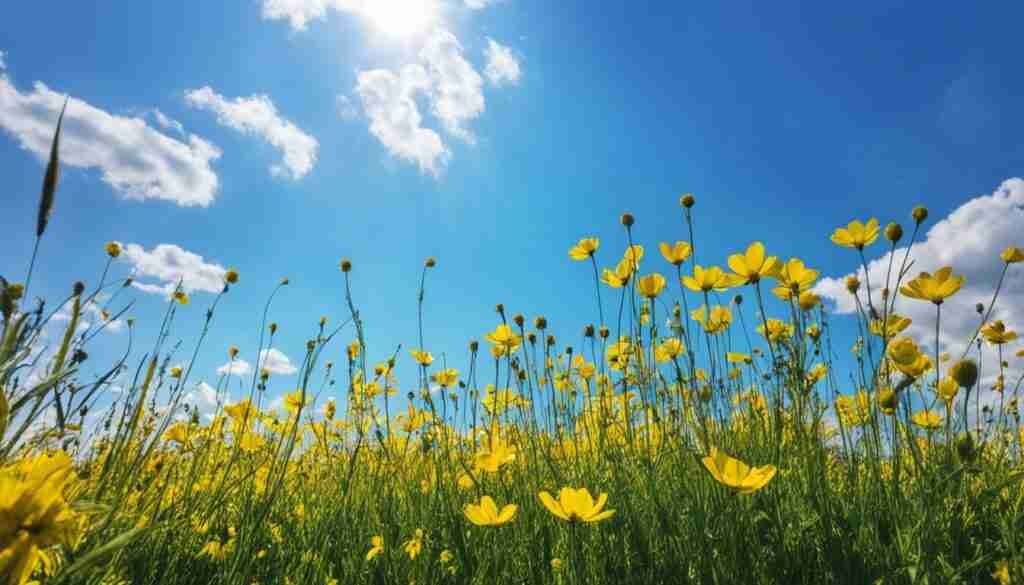
In addition to daffodils, Poland is home to a variety of popular yellow flowers that add vibrant splashes of color to the country’s landscapes.
These flowers can be found in different regions of Poland, each showcasing its own unique characteristics and beauty. Let’s explore some of the common types and varieties of yellow flowers that grace the Polish flora.
Sunflowers
Sunflowers (Helianthus) are beloved for their bright yellow petals and tall, imposing stems.
These iconic flowers symbolize adoration and loyalty, making them a popular choice for bouquets and floral arrangements. Their cheerful demeanor and impressive size make them a sight to behold in fields and gardens across Poland.
Marigolds
Marigolds (Calendula) are known for their vibrant yellow-orange hues and distinctive scent.
These hardy flowers thrive in Polish gardens, adding a burst of color and a touch of elegance. Marigolds are often associated with warmth, positive energy, and good fortune, making them a cherished presence in both residential and public spaces.
Tulips
Tulips (Tulipa) come in a wide range of colors, and yellow tulips are a popular choice among gardening enthusiasts in Poland.
These graceful flowers symbolize cheerfulness and joy, making them a wonderful addition to any garden or floral display. Polish landscapes come alive with the vibrant hues of yellow tulips during the spring season.
Roses
Roses (Rosa) are a classic symbol of love and beauty, and yellow roses hold a special meaning. In Polish culture, yellow roses are often associated with friendship and new beginnings.
They are commonly given as gifts to express warmth, joy, and appreciation. Their delicate petals and captivating scent make yellow roses a cherished sight in gardens and bouquets.
Dandelions
While some may consider dandelions (Taraxacum) as weeds, these bright yellow flowers have a charm of their own.
Dandelions are a common sight in meadows and fields across Poland, thriving in various environments. Their resilient nature and vibrant color add a sense of liveliness to Polish landscapes, symbolizing resilience and adaptability.
These are just a few examples of the popular yellow flowers that grace the Polish flora. Each flower holds its own unique beauty and symbolism, contributing to the rich tapestry of colors in Poland’s natural landscapes.
| Yellow Flower | Scientific Name | Symbolism |
|---|---|---|
| Daffodil | Narcissus | New beginnings, rebirth |
| Sunflower | Helianthus | Adoration, loyalty |
| Marigold | Calendula | Warmth, good fortune |
| Tulip | Tulipa | Cheerfulness, joy |
| Rose | Rosa | Love, friendship, beauty |
| Dandelion | Taraxacum | Resilience, adaptability |
Yellow Flowers in Polish Culture
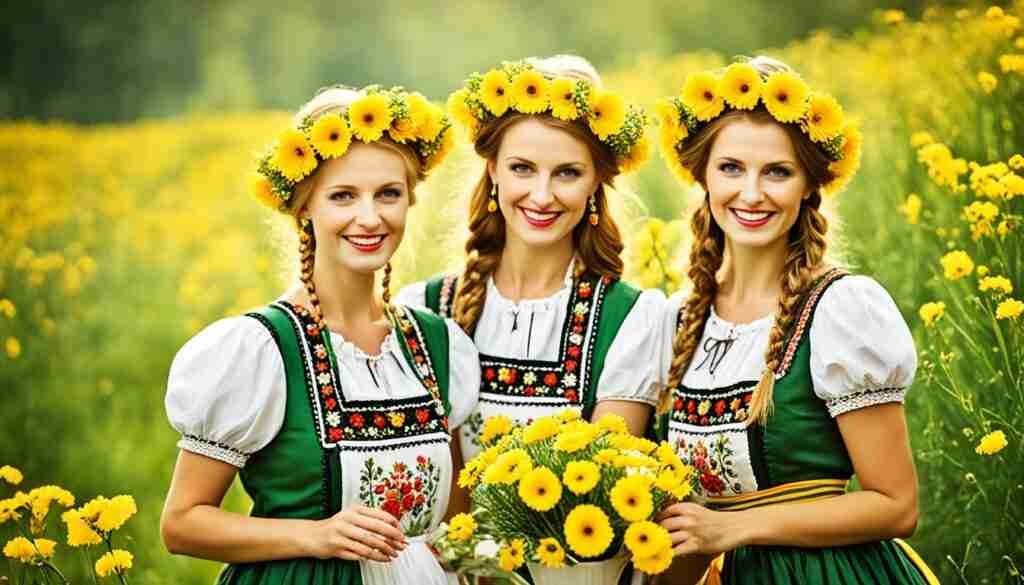
Yellow flowers hold cultural significance in Poland. The color yellow is often associated with warmth, happiness, and positivity. In Polish culture, yellow flowers are often given as gifts to express joy, friendship, and love.
Some popular yellow flower names in Poland include żonkil (daffodil), stokrotka (daisy), nagietek (marigold), and tulipan (tulip). These flowers are not only admired for their beauty but also carry symbolic meanings that resonate with the Polish people.
Yellow flowers play an integral role in Polish customs and traditions, representing various emotions and sentiments. żonkil (daffodil) symbolizes new beginnings and rebirth, while stokrotka (daisy) signifies innocence and purity.
Nagietek (marigold) holds a special place in Polish folklore and is associated with divination and fortune-telling. Additionally, tulipan (tulip) represents love and admiration, making it a popular choice for romantic gestures in Poland.
These yellow flowers not only bring joy and beauty to everyday life but also hold deeper meanings that reflect the values and cultural heritage of the Polish people.
Different Shades of Yellow Floral Blooms
Yellow floral blooms come in various shades and hues in Poland. From pale pastel yellows to vibrant golden tones, each shade adds its own charm to the country’s landscapes.
Some yellow flower species found in Poland include Solidago (goldenrod), Achillea (yarrow), and Helianthus (sunflower). These flowers showcase the diversity and beauty of yellow blooms, creating stunning visuals and captivating sights for nature enthusiasts and visitors alike.
| Yellow Flower Species | Scientific Name |
|---|---|
| Solidago | Goldenrod |
| Achillea | Yarrow |
| Helianthus | Sunflower |
Yellow Flower Species in Poland – A List
Poland is home to a wide variety of yellow flowers that add beauty and vibrancy to its landscapes. Here is a list of yellow flower species commonly found in Poland:
- Narcissus (daffodil)
- Helianthus (sunflower)
- Solidago (goldenrod)
- Ranunculus (buttercup)
- Tulipa (tulip)
- Calendula (marigold)
- Matricaria (chamomile)
- Chrysanthemum (chrysanthemum)
- Rosa (rose)
- Taraxacum (dandelion)
These yellow flower species represent the diversity of Poland’s flora, each with its own unique characteristics and charm. From the cheerful daffodils to the majestic sunflowers, these flowers create a visual spectacle that enchants both locals and visitors alike.
Yellow flowers hold cultural significance in Poland, symbolizing warmth, happiness, and friendship. Whether given as gifts or admired in gardens and fields, these flowers bring joy and positivity to people’s lives.
The different shades of yellow floral blooms, ranging from delicate pastels to vibrant golds, further enhance the beauty of Poland’s landscapes.
Next time you explore the stunning natural beauty of Poland, keep an eye out for these yellow flower species. They are not only a feast for the eyes but also a symbolic representation of the country’s rich history and cultural significance.
FAQ
What is the significance of yellow flowers in Poland?
Yellow flowers hold a special significance in Poland, particularly in relation to the country’s history and culture. They are often associated with warmth, happiness, and positivity.
What is the symbolism behind the yellow daffodil in Poland?
The yellow daffodil is a symbol of remembrance for the 1943 uprising by Jews in Warsaw’s ghetto against Nazi German occupiers. It is worn as a badge and placed on memorials to honor Holocaust victims.
What are some popular yellow flowers found in Poland?
Some of the common types of yellow flowers found in Poland include sunflowers, marigolds, tulips, roses, and dandelions.
What is the cultural significance of yellow flowers in Poland?
In Polish culture, yellow flowers are often given as gifts to express joy, friendship, and love.
Can you provide some popular yellow flower names in Poland?
Some popular yellow flower names in Poland include żonkil (daffodil), stokrotka (daisy), nagietek (marigold), and tulipan (tulip).
What are the different shades of yellow floral blooms that can be found in Poland?
Yellow floral blooms in Poland come in various shades and hues, ranging from pale pastel yellows to vibrant golden tones.
What are some species of yellow flowers commonly found in Poland?
Some yellow flower species commonly found in Poland include Narcissus (daffodil), Helianthus (sunflower), Solidago (goldenrod), Ranunculus (buttercup), Tulipa (tulip), Calendula (marigold), Matricaria (chamomile), Chrysanthemum (chrysanthemum), Rosa (rose), and Taraxacum (dandelion).