
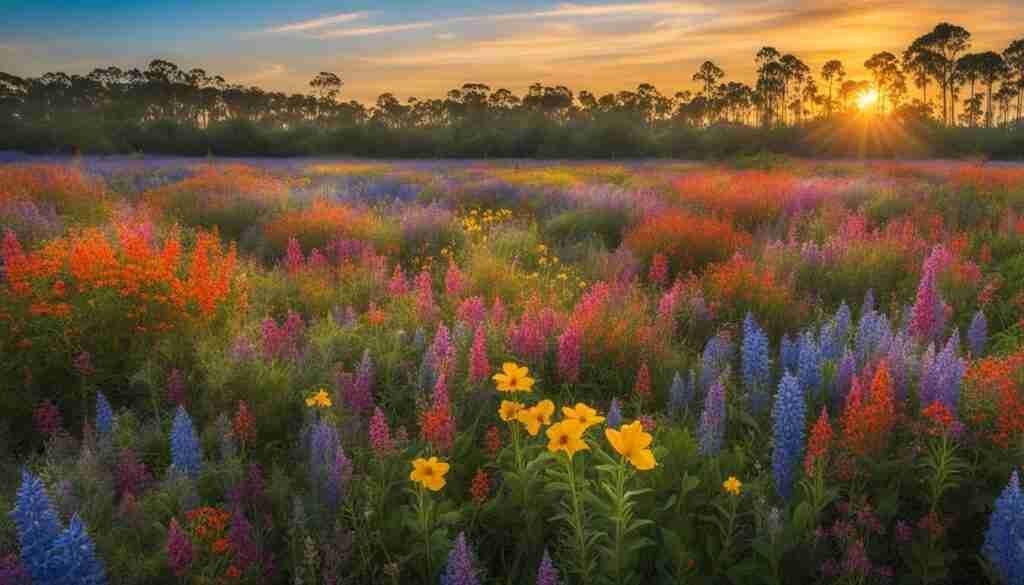
Florida is home to a dazzling array of native wildflowers that showcase vibrant hues and unique bloom structures. These indigenous plants not only add beauty to the landscape but also play a crucial role in supporting local biodiversity and providing food and shelter for wildlife.
By familiarizing yourself with these native species and implementing proper planting techniques, you can create a stunning wildflower oasis right in your own backyard. Let’s dive into the enchanting world of Florida wildflowers and learn how to appreciate and conserve these natural wonders.
Key Takeaways:
- Florida is home to a diverse range of native wildflowers with vibrant colors and unique bloom structures.
- Native plants are essential for maintaining a healthy ecosystem and supporting local wildlife.
- Conservation efforts aim to protect and preserve Florida’s native wildflowers.
- There are numerous opportunities to see wildflowers in bloom by visiting state parks, wildlife refuges, and designated wildflower areas.
- The Florida Wildflower Foundation organizes events like the Great Wildflower Giveaway at LagoonFest to promote and celebrate native wildflowers.
The Importance of Native Plants and Conservation Efforts
Native plants are integral to the health and balance of Florida’s ecosystem. These indigenous species have adapted to the local climate and provide essential resources for native wildlife. From vibrant wildflowers to towering trees, they form the foundation of a diverse and resilient natural environment. Conservation efforts aim to protect and preserve these valuable plant species, ensuring their survival for future generations.
One of the key aspects of native plant conservation is education. By learning to identify Florida’s wildflowers and understanding their ecological significance, we can appreciate their importance and take action to protect them. Numerous resources, such as field guides and online databases, provide information on Florida’s wildflower species, aiding in their identification and promoting awareness of their value.
Conservation organizations and government agencies also play a crucial role in protecting native plants. They conduct research, develop restoration projects, and implement planting initiatives to increase the population of Florida’s indigenous species.
These efforts not only conserve the genetic diversity of native plants but also contribute to the habitat conservation of other wildlife that depend on these plants for food and shelter.
The Benefits of Native Plant Conservation
Conservation of native plants offers a myriad of benefits to both the environment and society. Native plants require less water, fertilizer, and pesticides than non-native species, making them more environmentally friendly and cost-effective.
They also provide essential habitat and food sources for native birds, butterflies, and other wildlife, bolstering local biodiversity. Additionally, native plants contribute to soil health, erosion control, and improved air quality, making them valuable allies in mitigating the effects of climate change.
| Benefits of Native Plant Conservation | |
|---|---|
| Environmental Benefits | Social Benefits |
|
|
By embracing native plants and supporting conservation efforts, we can contribute to the protection of Florida’s natural heritage. Whether through planting native wildflowers in our own backyards or supporting organizations dedicated to native plant conservation, each action makes a difference. Together, we can ensure that future generations can continue to enjoy the beauty and benefits of Florida’s indigenous plants.
Where and When to See Florida Wildflowers in Bloom
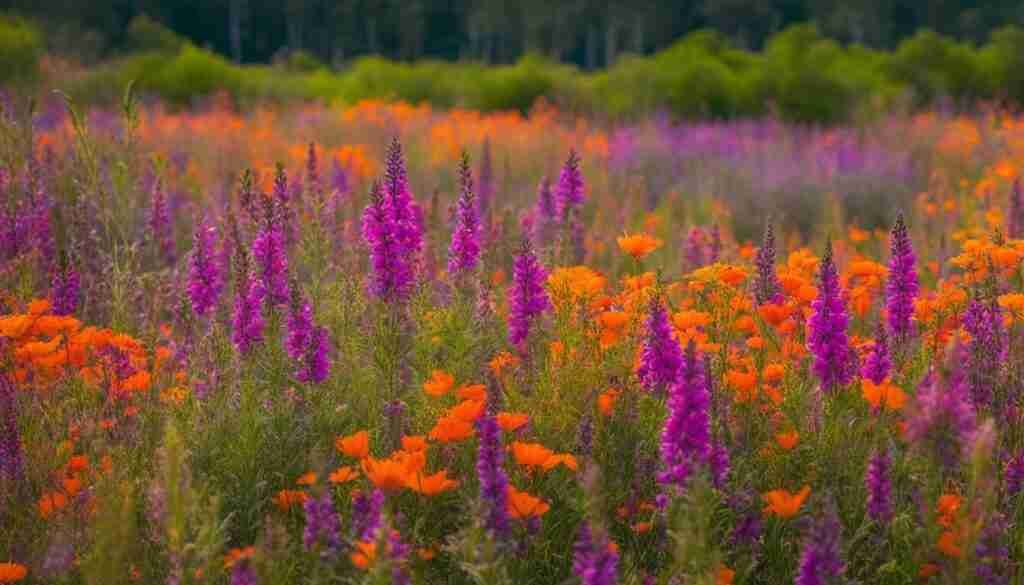
Florida is a haven for wildflower enthusiasts, offering a wealth of stunning blooms to admire throughout the year. From the coastal regions to the inland prairies, there are abundant opportunities to witness the beauty of Florida’s native wildflowers. Whether you’re an avid photographer or simply a nature lover, these breathtaking displays of floral diversity are a sight to behold.
If you’re looking to capture the vibrant colors of Florida wildflowers, there are several key locations that are worth a visit. The state parks and wildlife refuges provide ample opportunities to encounter these natural wonders. Some of the best places to see wildflowers in Florida include:
- Big Cypress National Preserve
- Paynes Prairie Preserve State Park
- Lake Kissimmee State Park
- Jonathan Dickinson State Park
- Everglades National Park
These areas are known for their diverse ecosystems and are home to a rich array of native wildflower species. Whether you’re exploring the wetlands or the pine flatwoods, keep your camera handy to capture the beauty that surrounds you.
When to Visit
While Florida’s wildflowers bloom year-round, there are peak seasons when certain species are at their most vibrant. Here is a general guide to the blooming periods of some popular Florida wildflowers:
| Wildflower | Blooming Period |
|---|---|
| Coreopsis | Spring |
| Blanket Flower | Spring and Summer |
| Milkweed | Summer |
| Goldenrod | Fall |
| Firewheel | Spring and Summer |
These are just a few examples, and there are many more wildflowers that bloom during different seasons. Keep in mind that weather conditions and regional variations can affect the blooming times, so it’s always a good idea to check local resources or contact the park authorities to get the most up-to-date information.
So, pack your camera and embark on an unforgettable adventure through Florida’s wildflower wonderland. Whether you’re seeking breathtaking photo opportunities or simply looking to immerse yourself in the beauty of nature, Florida’s wildflowers are sure to leave a lasting impression.
The Great Wildflower Giveaway at LagoonFest
The Florida Wildflower Foundation organizes various events to celebrate and promote the importance of native wildflowers. One such event is the Great Wildflower Giveaway at LagoonFest, held in Downtown West Palm Beach. This event brings together wildflower enthusiasts, board members, volunteers, and staff of the Florida Wildflower Foundation.
Participants can learn more about the foundation’s initiatives and receive native wildflower plants to enhance their own landscapes. Join the festivities and support the foundation’s mission to protect and preserve Florida’s wildflowers.
Event Details
The Great Wildflower Giveaway at LagoonFest is a fun-filled event that offers an opportunity for individuals to engage with the Florida Wildflower Foundation and learn about native wildflowers. The event takes place at the picturesque Downtown West Palm Beach, providing a beautiful backdrop for the celebrations.
During the event, attendees can interact with knowledgeable experts who can provide information on Florida wildflowers, their identification, and the importance of incorporating them into your landscaping. There will also be informative presentations and workshops that highlight the foundation’s ongoing conservation efforts and initiatives.
Collect Your Native Wildflower Plants
One of the highlights of the Great Wildflower Giveaway at LagoonFest is the opportunity to receive native wildflower plants. Attendees can collect a variety of wildflower species to incorporate into their own gardens or landscapes. These plants are specifically selected to thrive in Florida’s unique climate and soil conditions, ensuring their successful growth and contribution to the local ecosystem.
| Event Date | Location | Time |
|---|---|---|
| October 16, 2022 | Downtown West Palm Beach | 10:00 am – 4:00 pm |
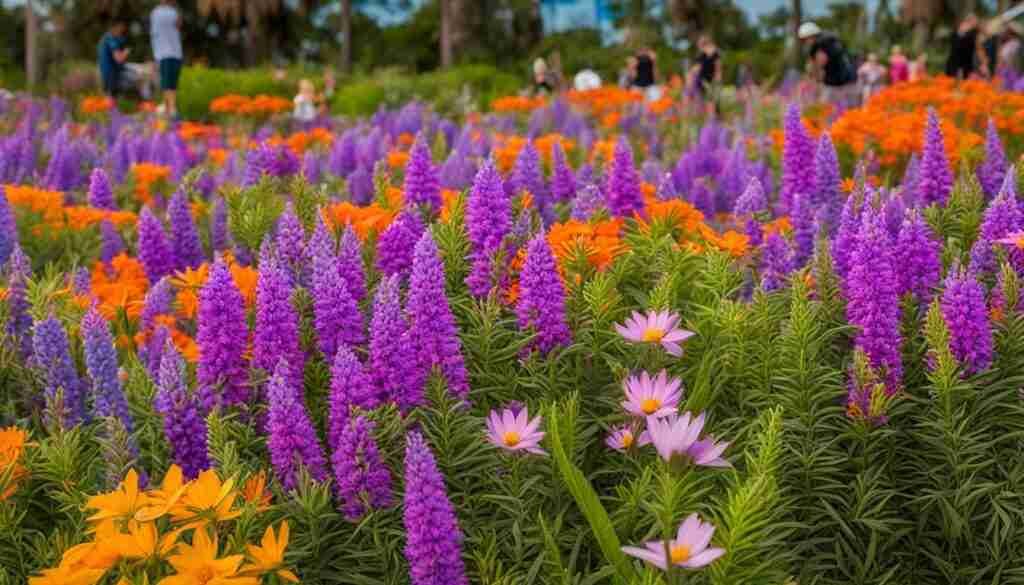
Don’t miss out on this exciting event that combines education, celebration, and conservation. The Great Wildflower Giveaway at LagoonFest is an opportunity to connect with fellow wildflower enthusiasts and contribute to the preservation of Florida’s native wildflowers. Mark your calendars and be prepared to take home a piece of Florida’s natural beauty.
Welcoming New Leadership to the Florida Wildflower Foundation
The Florida Wildflower Foundation recently elected Sara Burke as the new board chair, succeeding Jeff Caster. Jeff Caster, the immediate past chair, provided exemplary leadership during his tenure on the board. His contributions have been instrumental in furthering the foundation’s mission.
The foundation expresses gratitude for his dedication and welcomes Sara Burke as the new board chair. With fresh perspectives and a shared passion for native wildflowers, the foundation continues to thrive under new leadership.
The Florida Wildflower Foundation is a non-profit organization dedicated to the preservation and promotion of native wildflowers in Florida. Their work includes education, research, and conservation initiatives aimed at protecting the state’s natural resources.
The foundation collaborates with local communities, volunteers, and government agencies to raise awareness about the importance of native plants and their role in supporting biodiversity.
Sara Burke: A Leader Committed to Conservation
Sara Burke brings a wealth of experience and a deep commitment to conservation to her role as the new board chair of the Florida Wildflower Foundation. With a background in environmental science and a passion for native plant species, Sara is dedicated to promoting the conservation and restoration of Florida’s wildflowers.
She believes that by preserving and enhancing native habitats, we can create a sustainable future for both wildlife and communities.
Under Sara’s leadership, the foundation will continue to drive impactful initiatives that protect and restore native wildflowers in Florida. By engaging communities, expanding partnerships, and advocating for policy changes, the foundation aims to create a healthier and more vibrant ecosystem for both plants and animals.
As the new board chair, Sara Burke invites all Floridians to join the Florida Wildflower Foundation in their mission to protect and preserve the state’s native wildflowers. By supporting the foundation’s initiatives and spreading awareness about the importance of these unique plant species, individuals can make a meaningful difference in conserving Florida’s natural heritage for future generations.
Fall Planting of Wildflowers: Tips and Recommendations
Fall is a perfect time to sow the seeds of native wildflowers in Florida. The cooler temperatures and increased rainfall provide favorable conditions for germination and establishment. To ensure a successful fall planting project, there are several key tips and recommendations to keep in mind.
Firstly, choosing the right location is crucial. Look for an area that receives a minimum of six hours of direct sunlight per day and has well-drained soil. Avoid areas with excessive weed growth, as they can compete with the wildflowers for nutrients and sunlight.
When sowing the seeds, it’s important to follow the recommended planting times for each region of Florida. This information can be obtained from local gardening resources or online sources. Additionally, make sure to prepare the soil by removing any existing weeds and loosening it to a depth of at least six inches. This will provide an optimal environment for seed germination.
To minimize weed competition, sprinkle the wildflower seeds evenly over the prepared soil and gently press them into the surface with a rake. Avoid burying the seeds too deeply, as they require light to germinate. A thin layer of mulch can be applied to help retain moisture and protect the seeds from birds and other animals.
Key Tips for Fall Planting of Wildflowers:
- Choose a location with at least six hours of direct sunlight per day and well-drained soil.
- Remove existing weeds and prepare the soil by loosening it to a depth of at least six inches.
- Sow the seeds at the recommended planting time for your region of Florida.
- Press the seeds lightly into the soil surface and apply a thin layer of mulch for moisture retention.
| Wildflower Species | Planting Time | Germination Time | Growth Habit |
|---|---|---|---|
| Coreopsis | September – October | 7-21 days | Upright, clumping |
| Blanketflower | September – October | 14-21 days | Spreading, low-growing |
| Black-eyed Susan | September – October | 7-21 days | Upright, clumping |
| Tickseed | September – October | 14-21 days | Upright, clumping |
| Butterfly Milkweed | September – October | 30-60 days | Upright, clumping |
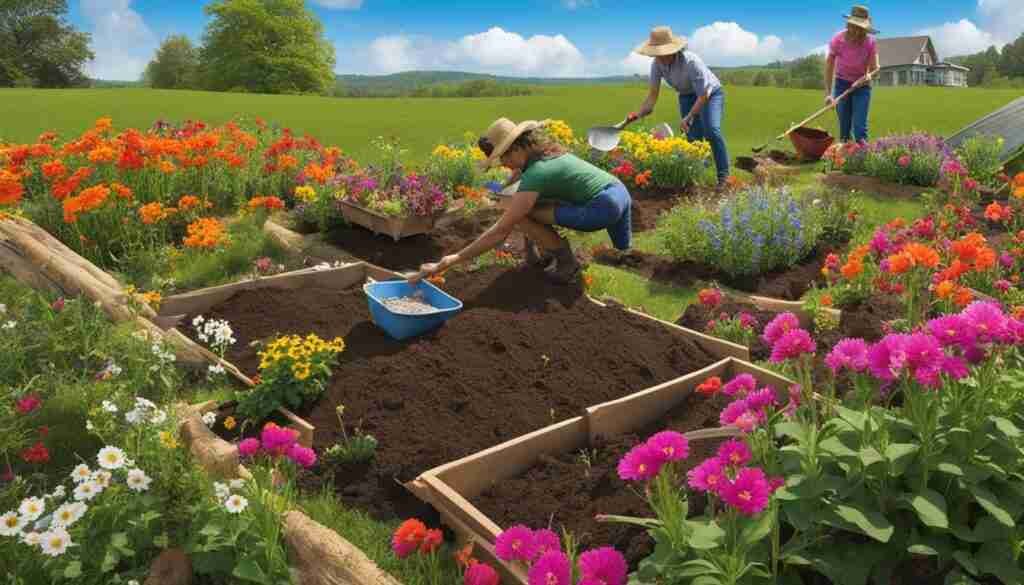
In conclusion, fall is an excellent time to plant native wildflowers in Florida. By following the tips and recommendations outlined above, you can establish a vibrant and beautiful wildflower garden in your own backyard.
Remember to choose a suitable location, prepare the soil properly, and sow the seeds at the appropriate time. With a little effort and care, you can enjoy the colorful blooms and contribute to the conservation of Florida’s native plant species.
Weeds and Weed Control in Wildflower Plantings
Weeds can pose a significant challenge when planting wildflowers. Even seemingly weed-free areas may have a vast seed bank waiting to germinate. Disturbing the soil during a planting project can trigger the germination of these weed seeds.
Minimizing weeds is crucial for the success of your wildflower planting. Techniques such as soil solarization can effectively eliminate weed seeds from the soil, but proper planning and prevention methods are vital.
One effective method to minimize weed competition is through soil solarization. This process involves covering the area with clear plastic to trap heat and sunlight, effectively raising the temperature of the soil. The increased temperature kills weed seeds, pathogens, and other unwanted organisms, reducing weed growth and competition with your wildflowers.
Minimizing Weed Competition: Tips and Best Practices
- Prepare the site: Clear the planting area of existing weeds and vegetation.
- Choose the right location: Select a site with minimal weed growth and optimal sunlight exposure.
- Start with healthy soil: Amend the soil with organic matter to improve its fertility and drainage.
- Plant densely: Sow wildflower seeds or install transplants at the recommended density to create a dense canopy that limits weed establishment.
- Mulch: Apply a layer of organic mulch, such as straw or wood chips, to suppress weed growth and conserve moisture.
- Monitor and remove weeds: Regularly inspect your wildflower planting and remove any emerging weeds before they have a chance to spread and compete with your desired plants.
By following these tips and implementing weed control strategies, you can ensure the healthy growth and establishment of your wildflowers, creating a beautiful and thriving native plant habitat.
Florida Wildflower Identification and Virtual Exploration
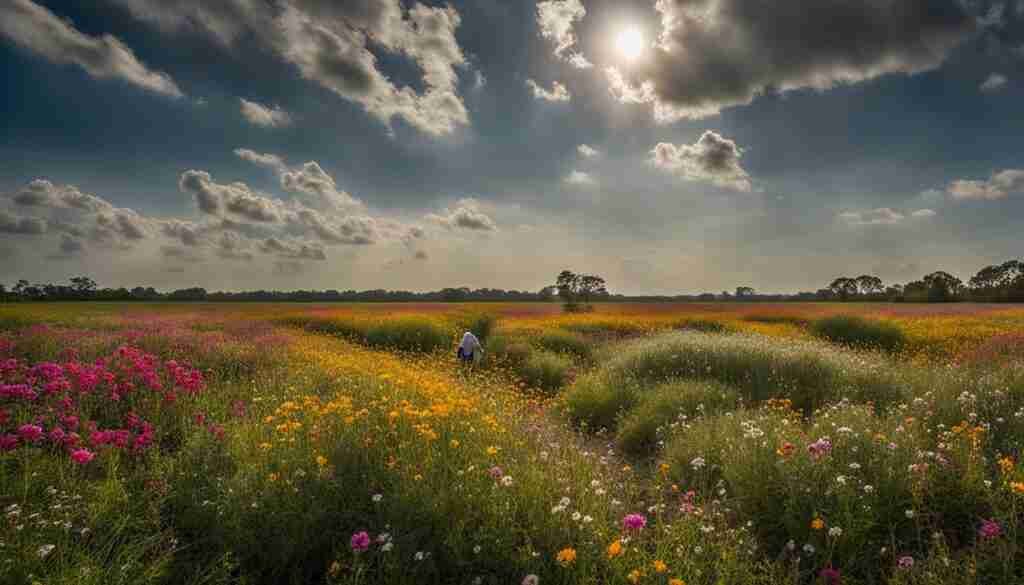
Embark on a virtual journey to explore the captivating world of Florida wildflowers. With online flower profiles and virtual resources, you can easily identify and appreciate the diverse array of native wildflowers that adorn Florida’s landscapes.
Online flower profiles provide detailed information about specific wildflower species, including their characteristics, habitat preferences, and blooming seasons. These resources allow you to become a wildflower tourist, gaining knowledge about the stunning blooms you encounter on your virtual explorations.
Whether you’re a beginner or an experienced enthusiast, these profiles offer valuable insights to enhance your understanding and appreciation of Florida’s native wildflowers.
Virtual Wildflower Exploration
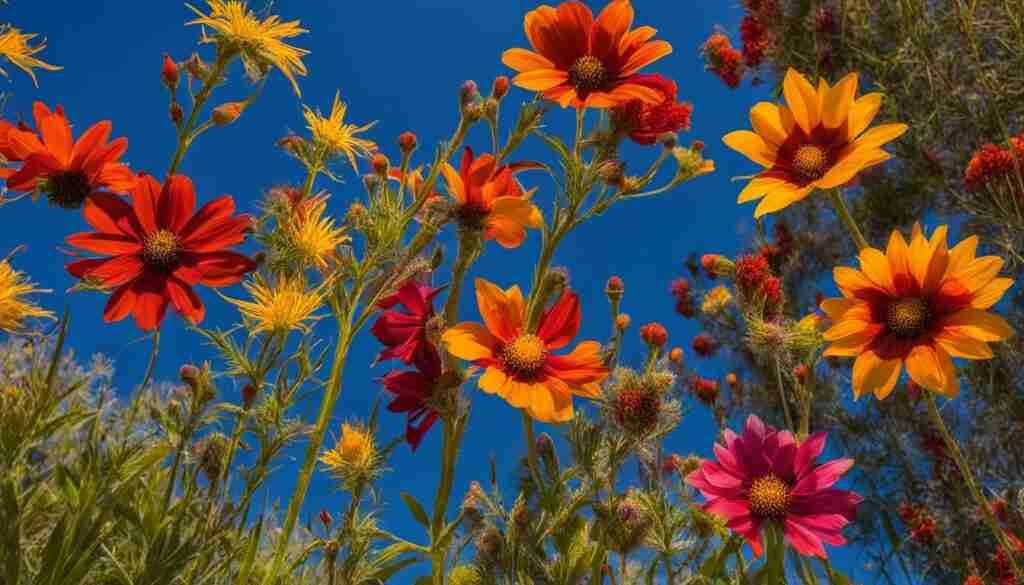
Indulge your curiosity and passion for Florida’s wildflowers through virtual exploration. Take a virtual tour of different ecosystems, from coastal dunes to wet flatwoods, and discover the wildflowers that thrive in each unique environment. Immerse yourself in the vibrant colors and intricate details of these natural treasures from the comfort of your own home.
| Virtual Exploration Benefits | Online Flower Profiles |
|---|---|
| Convenience: Explore at your own pace, anytime, and anywhere | Comprehensive information about wildflower species |
| Access to Species Diversity: Discover a wide range of wildflowers unique to Florida | Identification tips and characteristics for easy recognition |
| Learning Opportunities: Expand your knowledge of native flora and their ecological significance | Learn about habitat preferences and flowering seasons |
| Visual Inspiration: Find inspiration for your own wildflower garden or landscape | Images to visually aid in identification |
Virtual wildflower exploration offers an engaging and informative way to connect with Florida’s native plant species. Utilize the wealth of online resources to deepen your understanding and share your newfound knowledge with others who share the same passion for these natural wonders.
Featured Flower Profile: Shortleaf Gayfeather
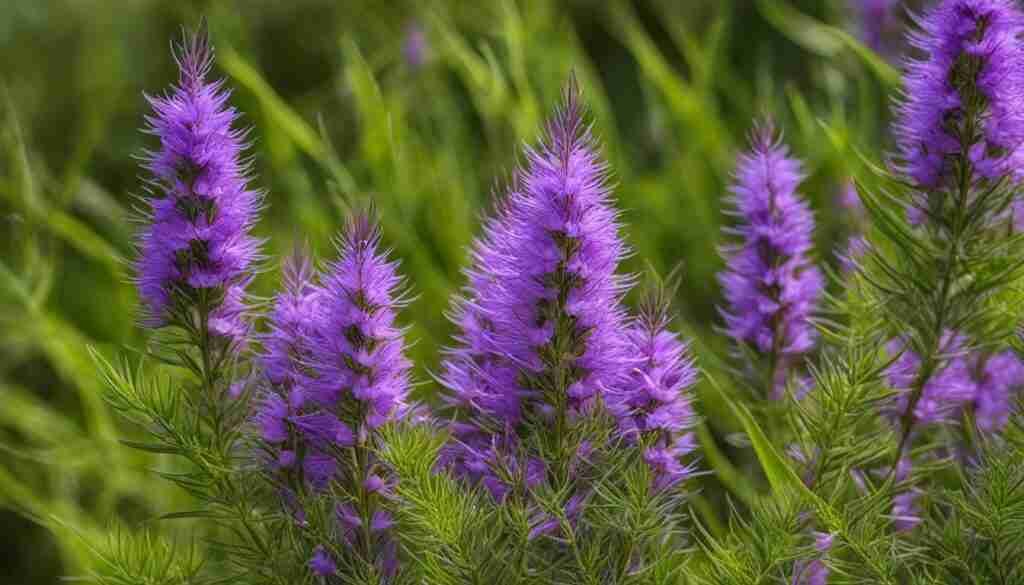
In this featured flower profile, we will dive into the enchanting world of the Shortleaf Gayfeather (Liatris tenuifolia), a remarkable wildflower species endemic to the Southeastern Coastal Plain, including Florida. This stunning plant thrives in the dry, well-drained sands of Florida’s scrub and pine flatwoods, adding a splash of vibrant color to its native habitat.
The Shortleaf Gayfeather stands tall with its slender, upright stems, reaching heights of up to 3 feet. Its distinctive lavender bloom clusters, which appear in the fall, are a sight to behold and provide essential food sources for pollinators such as butterflies, bees, and hummingbirds. Its unique appearance and ecological significance make Shortleaf Gayfeather an indispensable component of Florida’s biodiverse ecosystems.
Key Features of Shortleaf Gayfeather:
- Scientific Name: Liatris tenuifolia
- Endemic to the Southeastern Coastal Plain, including Florida
- Thrives in dry, well-drained sands of scrub and pine flatwoods
- Produces stunning lavender bloom clusters in the fall
- Serves as essential food sources for butterflies, bees, and hummingbirds
Shortleaf Gayfeather’s beauty and ecological importance make it a valuable addition to any native wildflower garden or landscape. By planting this species, you can not only enjoy its captivating blooms but also contribute to the preservation of Florida’s natural heritage.
The Beauty of Native Florida Wildflowers: A Video Showcase
Immerse yourself in the breathtaking beauty of native Florida wildflowers through a captivating video showcase. As the vibrant colors and delicate forms of these natural treasures unfold before your eyes, you’ll be transported to a world filled with wonder and awe. This video captures the essence of Florida’s flora, inviting you to appreciate the intricate details and unique qualities of each wildflower species.
From the vibrant orange hues of the Butterflyweed to the elegant purple blooms of the Phlox, this video showcases the diverse array of native wildflowers that adorn Florida’s landscapes. Whether you’re a seasoned wildflower enthusiast or simply curious about the beauty of nature, this visual journey will leave you inspired and in awe of the wonders that can be found right in your own backyard.
Discover the Hidden Gems of Florida’s Wildflower Kingdom
- Experience the delicate beauty of the Coreopsis, also known as the “Florida State Wildflower,” as it sways gracefully in the gentle breeze.
- Marvel at the vibrant red petals of the Scarlet Hibiscus, a stunning wildflower species that thrives in Florida’s wetlands.
- Be captivated by the bright yellow blooms of the Tickseed, a resilient wildflower that blankets fields and meadows with its cheerful presence.
As the video unfolds, you’ll gain a deeper appreciation for the intricate relationships between wildflowers and the native wildlife that depends on them for survival. Each wildflower is a vital source of nectar, pollen, and shelter for bees, butterflies, birds, and other pollinators, contributing to the delicate balance of Florida’s ecosystems.
| Wildflower Species | Blooming Period | Preferred Habitat |
|---|---|---|
| Butterflyweed | Spring | Open, sunny areas with well-drained soil |
| Phlox | Spring | Woodlands, meadows, and prairies |
| Coreopsis | Spring to summer | Sandy soils and dry open areas |
| Scarlet Hibiscus | Summer to fall | Wetlands, marshes, and swamps |
| Tickseed | Spring to fall | Fields, meadows, and open areas |
Experience the magic of native Florida wildflowers through this enchanting video showcase. Let it remind you of the importance of preserving and protecting these invaluable plant species for future generations to enjoy. Discover the hidden gems of Florida’s wildflower kingdom and be inspired to create a beautiful wildflower oasis in your own backyard.
Florida Wildflowers and Your Contribution to Conservation
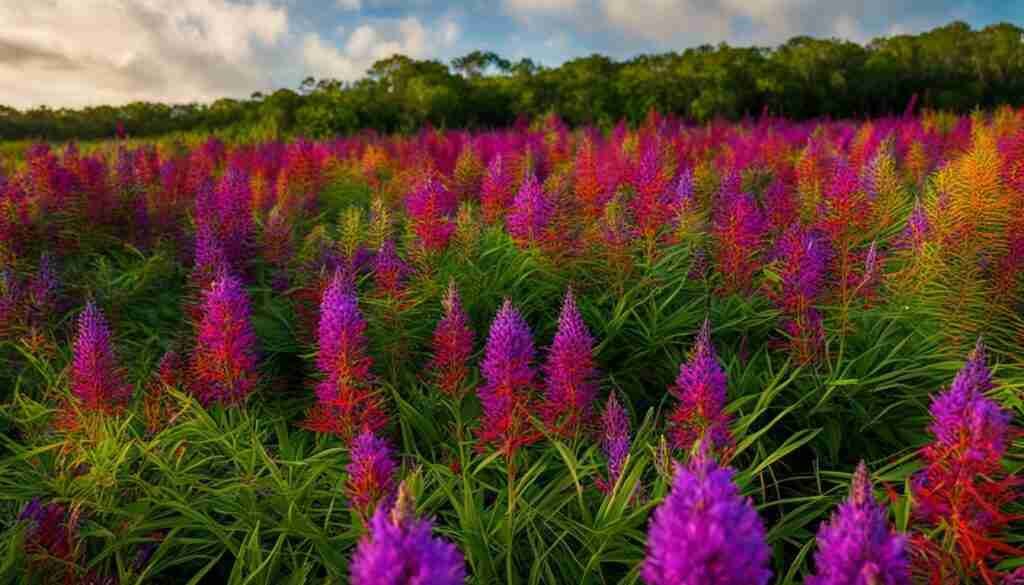
As a wildflower enthusiast, you can play a crucial role in safeguarding Florida’s wildflowers and their habitats. By planting regionally appropriate native plants in your home landscapes, you create vital resources and habitat for birds, insects, and other wildlife.
This reduces the reliance on fertilizers, pesticides, and herbicides while conserving water resources. Your contribution also helps protect and preserve the natural beauty and biodiversity of Florida for future generations to cherish.
Supporting natural Florida’s future means recognizing the value of native plants and the impact they have on the ecosystem. By incorporating native wildflowers in your garden, you provide a valuable food source for pollinators such as bees and butterflies. These pollinators play a crucial role in plant reproduction and the overall health of our environment.
By creating a habitat that supports pollinators, you actively participate in the conservation of Florida’s wildflowers and help maintain a balanced ecosystem.
In addition to planting native wildflowers, you can also contribute to conservation efforts by supporting organizations dedicated to preserving Florida’s native plants. Consider joining or donating to the Florida Wildflower Foundation, a non-profit organization that educates the public and promotes the conservation of native wildflowers.
Your support helps fund research, restoration projects, and educational programs that raise awareness about the importance of Florida’s wildflowers.
By taking small but meaningful actions, you can make a significant impact on the preservation of Florida’s native plants and the overall health of our environment. Planting native wildflowers, supporting conservation organizations, and spreading awareness about the importance of native plants are all essential steps towards protecting Florida’s natural beauty for generations to come.
Benefits of Supporting Florida Wildflower Conservation
By supporting Florida wildflower conservation, you contribute to:
- The preservation of native plant species
- The protection of biodiversity and ecosystem balance
- The creation of habitat for pollinators and other wildlife
- The reduction of reliance on chemicals and water resources
- The maintenance of Florida’s natural beauty for future generations
Together, we can make a positive impact on the conservation of Florida’s wildflowers and ensure that these beautiful and valuable plants continue to thrive in their natural habitats.
Discover Florida’s Wildflower Trails and Hiking Locations
Immerse yourself in the beauty of Florida’s wildflowers by exploring the breathtaking trails and hiking locations that showcase these natural wonders. Central Florida is home to an abundance of scenic trails where you can experience the vibrant colors and fragrant blooms of native wildflowers in their natural habitats.
Table: Top Wildflower Trails in Central Florida
| Trail Name | Location | Features |
|---|---|---|
| Alachua Conservation Trust | Alachua County | Explore diverse ecosystems and discover rare wildflower species. |
| Marjorie Harris Carr Cross Florida Greenway | Marion County | Traverse through oak hammocks and pine forests adorned with colorful wildflowers. |
| Ravine Gardens State Park | Palatka | Witness the beauty of azaleas and native wildflowers in a stunning ravine setting. |
| Ocala National Forest | Ocala | Discover a diverse range of wildflowers while exploring trails surrounded by towering pines. |
| Hawthorne Trail | Hawthorne | Enjoy a leisurely bike ride or walk along this converted railroad trail, offering scenic views and wildflower sightings. |
| Rainbow Springs State Park | Gainesville | Experience the beauty of wildflowers and crystal-clear springs while hiking through lush forests. |
Embark on an outdoor adventure and witness the splendor of Florida’s wildflowers while enjoying the serenity of the great outdoors. These trails offer a glimpse into the diverse flora that adorns the landscapes of Central Florida, allowing you to experience the magic of wildflowers in their natural habitat.
Remember to bring a camera to capture the beauty of the wildflowers you encounter along the way. Take your time to appreciate the intricate details and unique qualities of each species, from the delicate petals to the vibrant colors that paint the landscape.
Conclusion
Florida wildflowers are a remarkable testament to the beauty and diversity of the state’s natural landscapes. These vibrant blooms, with their unique hues and intricate structures, capture the essence of Florida’s flora and fauna.
By understanding the importance of native plants and participating in conservation efforts, we can contribute to the preservation of these invaluable resources. Native plants, including Florida wildflowers, play a vital role in supporting local biodiversity and providing essential resources for native wildlife.
Exploring the captivating world of Florida’s wildflowers allows us to appreciate their beauty and learn more about their ecological significance. Through identification, planting, and conservation initiatives, we can embrace the wonder of Florida wildflowers and support the conservation of natural Florida’s future.
Let the vibrant hues and unique bloom structures of Florida wildflowers inspire you to connect with nature and play an active role in preserving these invaluable resources for generations to come.
FAQ
Why are native plants and wildflowers important?
Native plants and wildflowers are important for maintaining a healthy and balanced ecosystem. They provide essential resources for native wildlife and contribute to biodiversity conservation.
Where can I see wildflowers in Florida?
You can see wildflowers blooming throughout the year in various Florida ecosystems, such as coastal dunes, wet flatwoods, and scrub and sandhills. State parks, wildlife refuges, and designated wildflower areas are great places to witness the spectacular displays of Florida’s wildflowers.
What is the Great Wildflower Giveaway at LagoonFest?
The Great Wildflower Giveaway at LagoonFest is an event organized by the Florida Wildflower Foundation. Participants can learn more about the foundation’s initiatives and receive native wildflower plants to enhance their own landscapes, promoting the conservation of Florida’s wildflowers.
Who is the new board chair of the Florida Wildflower Foundation?
Sara Burke is the newly elected board chair of the Florida Wildflower Foundation, succeeding Jeff Caster. Jeff Caster provided exemplary leadership during his tenure on the board, and the foundation expresses gratitude for his contributions.
When is the best time to plant wildflowers in Florida?
Fall is an excellent time for planting wildflowers in Florida. However, it’s important to consider factors such as location, sunlight exposure, and well-drained soil. Sowing seeds at the appropriate time for each region of Florida is crucial for successful germination.
How can I control weeds in my wildflower planting?
Weeds can pose a significant challenge when planting wildflowers. Techniques such as soil solarization can effectively eliminate weed seeds from the soil. Minimizing weeds through proper planning and prevention methods is crucial for the success of your wildflower planting.
How can I identify Florida wildflowers?
Resources such as online flower profiles provide detailed information about specific wildflower species found in Florida. You can learn about their characteristics, habitat preferences, and blooming seasons, allowing you to become a wildflower enthusiast and appreciate the diverse array of native wildflowers in Florida.
What is Shortleaf Gayfeather?
Shortleaf gayfeather, scientifically known as Liatris tenuifolia, is an endemic wildflower species found in the Southeastern Coastal Plain, including Florida. It produces beautiful lavender fall blooms and serves as an essential food source for many pollinators.
How can I contribute to the conservation of Florida’s wildflowers?
By planting regionally appropriate native plants in your home landscapes, you create vital resources and habitat for birds, insects, and other wildlife. This reduces the reliance on fertilizers, pesticides, and herbicides while conserving water resources and preserving the beauty and biodiversity of Florida.
Where can I explore Florida’s wildflower trails and hiking locations?
Central Florida offers an abundance of scenic trails where you can immerse yourself in the beauty of nature and discover native wildflowers. From Alachua and Marion counties to Palatka, Ocala, Hawthorne, and Gainesville, there are numerous opportunities to witness the splendor of Florida’s wildflowers while enjoying the serenity of the great outdoors.