
Learn the Chakra flowers for the root chakra, sacral chakra, solar plexus chakra, heart chakra , throat chakra , third eye chakra and crown chakra, let these floral bloom balance your energy vortices.
Chakra Flowers carry big meaning and symbolism in their colors and types. Each one connects to a different chakra, from the root all the way up to the crown. This means they can help with everything from feeling more grounded to opening up your heart or clearing your mind.
Key Takeaways
- Flowers match with chakras to help balance energy. Each flower’s color and type connect to a different part of the body or feeling, like red roses for grounding with the root chakra.
- Using flowers can heal and improve well-being. You can put them in your room, carry petals, or use flower scents during meditation to help align your chakras and feel better.
- History shows people have used flowers for healing for a long time. Dr. Edward Bach linked 38 flower remedies to emotional health and chakra balance about 100 years ago.
- Different flowers work for each chakra. For example, sunflowers boost confidence through the solar plexus chakra, while blue hydrangeas aid communication with the throat chakra.
- Adding specific flowers into daily life supports inner peace and spiritual growth. They offer a simple way to tap into ancient wisdom for modern healing practices.
Meaning of Chakra Flowers?

Moving from the basics, chakra flowers are more than just pretty things. They connect deeply to our inner self and health. Each flower matches with a chakra. This match is not random.
The colors and types of these flowers link to feelings and parts of the body that each chakra controls. For example, the lotus stands for consciousness blooming in all seven chakras in Hindu beliefs.
I once tried using sunflowers for my solar plexus chakra during meditation. It was amazing! Sunflowers represent confidence and power, perfect for this spot above our belly button that’s all about personal strength.
Adding these specific flowers into my space made me feel brighter and more grounded. So, there’s something real to this ancient wisdom after all – combining nature with meditation can truly boost your wellbeing.
How Use Chakra Flowers?
Now that we understand the meaning of chakra flowers, let’s explore how to use them effectively. Tapping into the power of these blooms can help align your chakras and enhance your emotional and spiritual well-being.
- Pick a flower that matches your chakra needs. For grounding, choose red flowers like roses for your root chakra.
- Place the flowers where you meditate or relax. Seeing them can help focus your thoughts on healing that particular chakra.
- Carry petals or small bouquets with you as a reminder of your intentions throughout the day. This keeps your mind focused on balancing your chakras.
- Use flower essences for direct energy healing. Just a few drops in water can help shift your mood and open up blockages in related chakras.
- Create a flower bath by adding petals to warm water. Soaking in it lets you absorb the flower’s energy through your skin, offering a deeper connection and healing.
- Sleep with flowers under your pillow or beside your bed to support overnight healing, especially if you’re working on opening up or balancing a specific chakra while you rest.
- Combine flowers with crystals that match each chakra for an amplified effect. For example, pair red carnations (root chakra) with red jasper stones for extra grounding energy.
- Paint or draw the flowers associated with each chakra as a form of meditation and focus on their meanings to reinforce their effects in your life.
- Use floral scented candles during yoga or meditation sessions to deepen concentration and connect more intimately with the desired chakra healing properties.
- Gift specific chakra flowers to friends or loved ones who are seeking balance or going through tough times, sharing the healing benefits and showing support.
History of Flowers used for Chakra in Healing
Long ago, people found out that flowers can help heal. They saw that each chakra matches different flowers. This idea grew in many places, like in Hinduism and Buddhism. In these beliefs, they think chakras are energy spots in our body.
Each spot links to feelings, the mind, and health.
Dr. Edward Bach made this clearer around 100 years ago. He matched 38 flower remedies to our chakras for healing. He thought flowers could fix emotional problems and stress by working on specific chakras.
This way of using flowers spread all over the world. Now, many use them for balance and peace inside themself.
The Root Chakra is associated with grounding and stability. Flowers like Rose, Red Tulip, and Red Carnation are linked to this chakra to help in anchoring oneself and finding a sense of security in everyday life.
Their symbolic meanings can aid in establishing a strong foundation and balance within oneself.
Root Chakra Flower Types
Rose
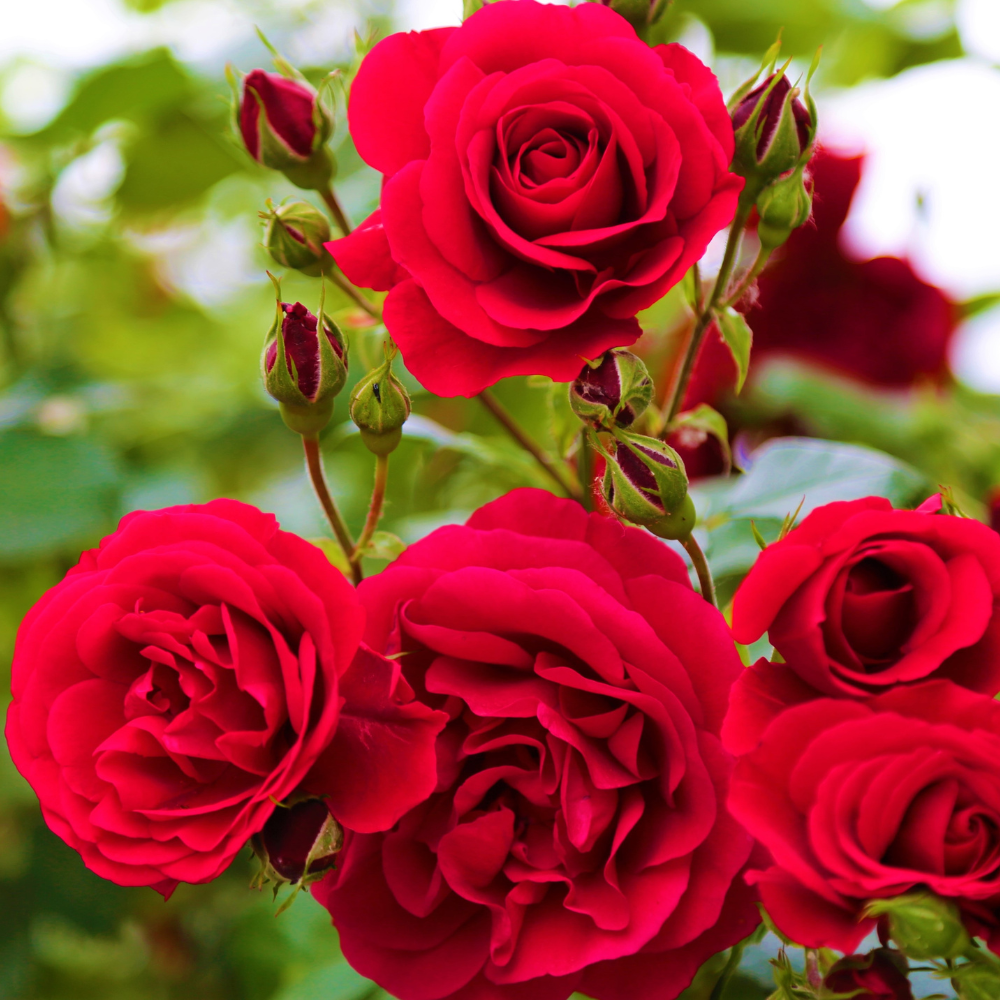
The rose represents stability, security, and grounding in the Root Chakra. This flower’s symbolic significance aligns with the red color associated with the Root Chakra, making it particularly meaningful for enhancing feelings of love and passion within this chakra.
The rose holds a unique ability to ground and stabilize your energy, helping you feel secure and rooted in your existence.
The red roses are especially significant due to their connection with love and passion. When working on balancing your Root Chakra, incorporating the presence of red roses can aid in fostering a sense of stability and security within yourself.
By embracing the energetic properties of this flower, you can enhance your connection to these foundational aspects of well-being.
Moving on from the symbolism of roses in the Root Chakra, let’s explore other flowers connected to various chakras as we delve into their meanings and uses in spiritual practices.
Red Tulip

The Red Tulip is connected to the Root Chakra, which relates to the color red. It’s used for chakra healing and helps balance the Root Chakra. This flower symbolizes strength, courage, and determination – qualities aligned with the Root Chakra.
The Red Tulip brings energy and vitality to the base of the spine where the Root Chakra is located. In rituals, it helps ground and center individuals while promoting stability. The bright red color represents passion and vitality, essential aspects of the Root Chakra.
Red Carnation

The Red Carnation is linked to the Root Chakra and represents survival and grounding. It symbolizes love and admiration, often given on occasions like Valentine’s Day or Mother’s Day.
This flower also has protective properties, used in some cultures to ward off negative energies. In rituals, it symbolizes passion, love, and courage, reinforcing its connection to the Root Chakra.
The Red Carnation is a powerful flower with deep symbolism. Its association with love and protection makes it an essential part of chakra healing practices.
Root chakra flowers like red roses, hibiscus, and poinsettias bring grounding and stability. These flowers support feelings of security and stability. You can enhance this sense of grounding through meditation with root chakra flowers.
The root chakra supports a feeling of being centered and secure.
Grounding is essential for feeling balanced in our emotions and energy. These specific flowers help us achieve that balance. When we feel grounded, we’re more able to handle life’s challenges and remain steady in our spiritual journey.
Sacral Chakra Flower Types
Enhances creativity and emotional balance. Wondering what flower types are best for your Sacral Chakra? Read more to explore the vibrant world of chakra flowers and their meanings.
Orange Lily
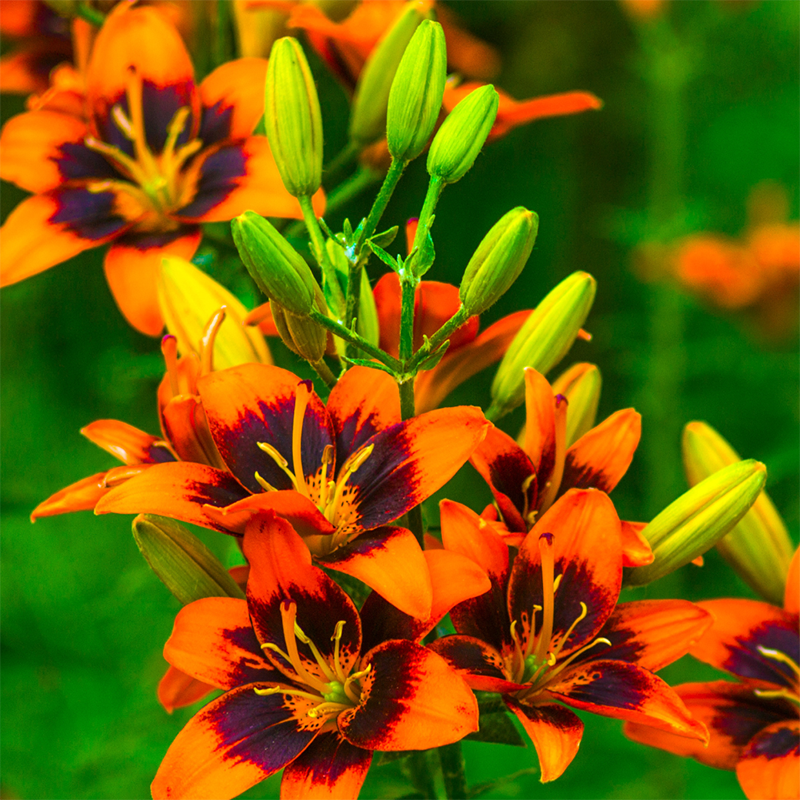
Orange lilies symbolize sensuality, creativity, and abundance. They are ideal for the sacral chakra, associated with creativity and emotional expression. These flowers can assist in overcoming creative blocks and addressing control issues related to the sacral chakra.
For individuals on a spiritual journey, integrating orange lilies into their practice may enrich their connection with their emotions and promote a more balanced approach to creativity and sensuality.
When it comes to harmonizing your sacral chakra through flower symbolism, orange lilies provide a dynamic option for those seeking to access their creative energy while nurturing emotional stability.
Marigold

Marigold, known for its vibrant orange blooms, is an essential flower linked to the sacral chakra. It’s believed to be effective in addressing creative blocks and issues related to control.
The marigold symbolizes creativity and emotional expression, making it a powerful tool for enhancing these aspects of the sacral chakra. Through meditation or simply being around marigolds, one can influence emotional balance and boost creativity on a spiritual level.
This aids in aligning the chakras and achieving a state of harmony.
This understanding isn’t just theoretical; there are hundreds of people who have attested to feeling more emotionally balanced and creatively inspired after embracing the presence of marigolds as part of their spiritual practices.
For example, while practicing yoga positions near marigolds or meditating on them, individuals often report experiencing increased emotional awareness and enhanced creative flow—it’s like tapping into an invisible energy source that directly impacts their emotions and creativity.
Orange Gerbera Daisy

The orange Gerbera daisy is a flower linked to the sacral chakra. This chakra represents creativity, passion, and emotional well-being. The flower symbolizes joy, creativity, and fertility.
It connects to the reproductive organs, lower back, and abdomen making it meaningful in this context. Along with marigold and hibiscus, the orange Gerbera daisy is a flower associated with the sacral chakra.
One of its significant meanings relates to joy and fertility as it pertains to the sacral chakra’s influence on emotions and creativity.
Enhances creativity and emotional balance
Flowers linked to the sacral chakra can boost creativity and help balance emotions. Meditating on specific flowers can align your chakras, supporting emotional stability and creative expression.
The sacral chakra is represented by the color orange and is associated with nurturing creativity and promoting emotional harmony.
By focusing on these flowers, you may experience heightened inspiration and a deeper connection to your emotions, fostering greater artistic expression while maintaining emotional equilibrium.
Incorporating these flowers into meditation or daily life can enhance your creative energy and help stabilize your emotions in a grounding way essential for overall well-being.
Solar Plexus Chakra Flower Types
Boost your confidence and personal power with vibrant Sunflowers. Yellow Tulips symbolize strength and vitality. Daffodils are associated with joy and optimism, enhancing your sense of self-assurance.
Sunflower

Sunflowers are associated with the solar plexus chakra and represent self-confidence and determination. The solar plexus chakra is symbolized by a ten-petaled lotus and linked with the color yellow.
Sunflowers represent energy, self-assurance, and the ability to radiate due to their vibrant yellow petals. This chakra is interconnected with the digestive system and adrenal glands.
Furthermore, sunflowers hold significance in Native American ceremonies like the Sun Dance, signifying admiration through their inclination to turn towards the sun.
Shifting focus from the discussion of sunflowers in relation to spiritual matters, let’s explore how these flowers can be utilized for healing purposes.
Yellow Tulip
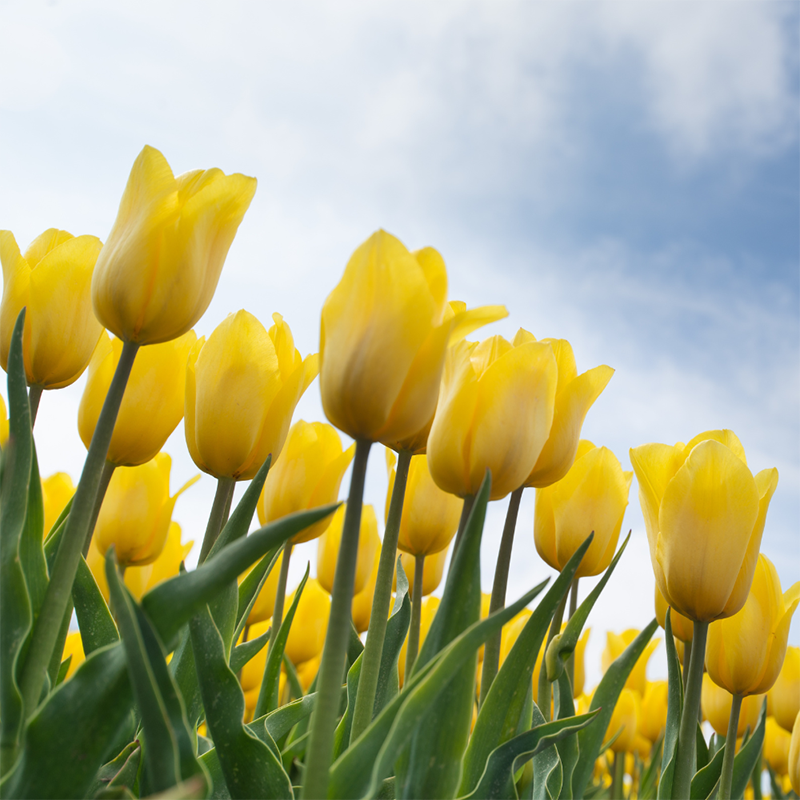
The yellow tulip is linked to the solar plexus chakra, representing personal power and self-confidence. It symbolizes confidence, happiness, and positive energy, aligning with solar plexus traits.
The yellow tulip’s connection to the solar plexus chakra highlights the balance and harmony of this energy center.
In spiritual practices, using a yellow tulip can help enhance feelings of confidence and empowerment within oneself. Its vibrant color and association with positive energy make it a meaningful flower for those seeking to harness their inner strength.
Daffodil
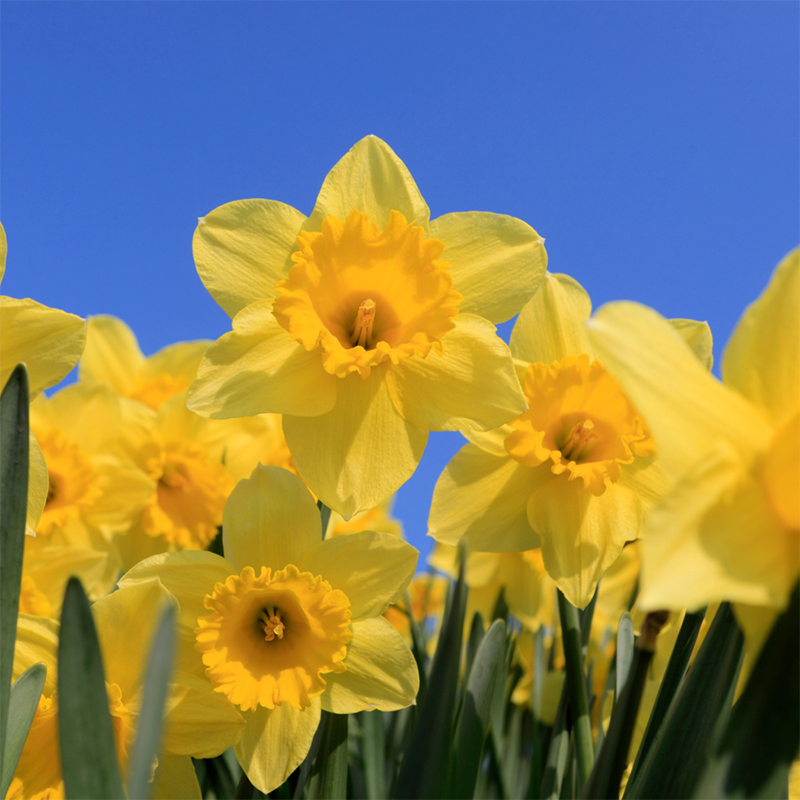
Daffodils symbolize renewal, clarity, and personal growth. They resonate with the solar plexus chakra’s energy and signify inner strength. The yellow color of daffodils reflects the solar plexus chakra’s qualities of joy and positivity.
Daffodils promote feelings of empowerment, aligning with this chakra’s focus on transformation.
These flowers are often used in flower therapy to balance and activate the solar plexus chakra. Their symbolism of growth and renewal perfectly corresponds with the chakra’s emphasis on personal metamorphosis and inner strength.
Helps with confidence and personal power
The Solar Plexus Chakra helps with confidence and personal power. This chakra is important for boosting self-esteem and determination. When balanced, it empowers you to take charge of your life and make confident decisions.
It’s like having an inner source of strength that supports you in facing challenges and pursuing your goals. When the Solar Plexus Chakra is aligned, it brings a strong sense of empowerment and courage to overcome obstacles confidently.
It’s associated with qualities such as assertiveness, self-assurance, and resilience – all of which contribute to feeling powerful in your own skin.
People experiencing a balanced Solar Plexus Chakra often display a strong presence and leadership qualities; they exude a positive attitude while maintaining humility at the same time—achieving this balance can greatly impact one’s overall well-being.
Heart Chakra Flower Types
8. The heart chakra, known as the fourth chakra, resonates with love and compassion. Blooms like Pink Peony, Pink Rose, and Light Green Orchid carry energy that aligns with this chakra’s essence and can open you to soft love and healing.
Pink Peony

The pink peony symbolizes the heart chakra, epitomizing love, compassion, and healing. This flower is linked with abundance, success, and romance—completely aligned with the heart chakra’s concepts.
Pink peonies are employed to nurture self-love and empathy towards others. They are employed in aromatherapy and flower essences to encourage equilibrium and healing of the heart chakra.
Pink Rose

The pink rose holds deep symbolism, especially for those on a spiritual journey. It represents love, compassion, and emotional balance, aligning perfectly with the heart chakra. Considered sacred in many traditions, the pink rose is used to cultivate love for oneself and others.
In spiritual practices, it’s often employed for emotional healing and balancing chakras. So when seeking alignment of your heart chakra or desiring emotional healing along your spiritual path, the pink rose can hold significant meaning and power.
Light Green Orchid

The light green orchid symbolizes growth, renewal, and healing. It’s linked to the heart chakra that represents emotions, compassion, and love. Associated with this chakra and color, it emphasizes feelings such as kindness and unity while connecting the physical with spiritual aspects of life.
Believed to be at the center of emotional well-being, it’s connected to bodily functions like the circulatory system and thymus gland. According to Bach Flower Remedies—an alternative therapy—the remedies are aligned with each chakra including those for the heart chakra.
Opens you to soft love and healing
The heart chakra blossoms like pink peony, rose, and light green orchid are associated with soft love and healing. These blossoms assist in opening up the heart to compassion and tenderness.
The heart chakra epitomizes love and connection, symbolized by the color green. It’s a vital energy center that nurtures emotional balance and healing throughout our being.
Flowers have been utilized for centuries in various cultures as a source of healing for the body, mind, and soul. Their vibrant colors and delicate fragrances can uplift spirits and bring a sense of peace.
By including these flowers into your surroundings or practices such as meditation or yoga, you can create an environment that encourages love, kindness, and overall well-being.
Throat Chakra Flower Types
Let’s discuss the flowers that harmonize with your throat chakra. These blooms have the potential to improve your communication and manifestation abilities, linking you to the power of your voice and self-expression.
Blue Hydrangea
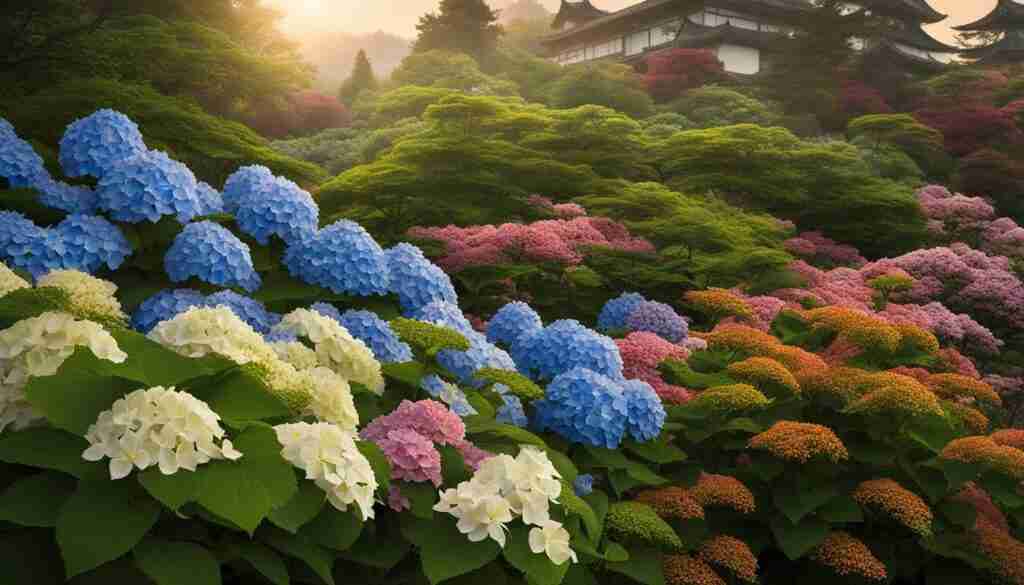
Blue Hydrangea is linked to the Throat Chakra. This chakra deals with communication and self-expression. The color blue represents this chakra, which aligns perfectly with the symbolism of blue hydrangeas.
They symbolize understanding, empathy, and secret love – all qualities related to the Throat Chakra. Flowers carry spiritual significance in different cultures and are associated with specific chakras.
Kathleen Karlsen, an expert in chakras and flower symbolism, provides insights into this connection.
Bluebell
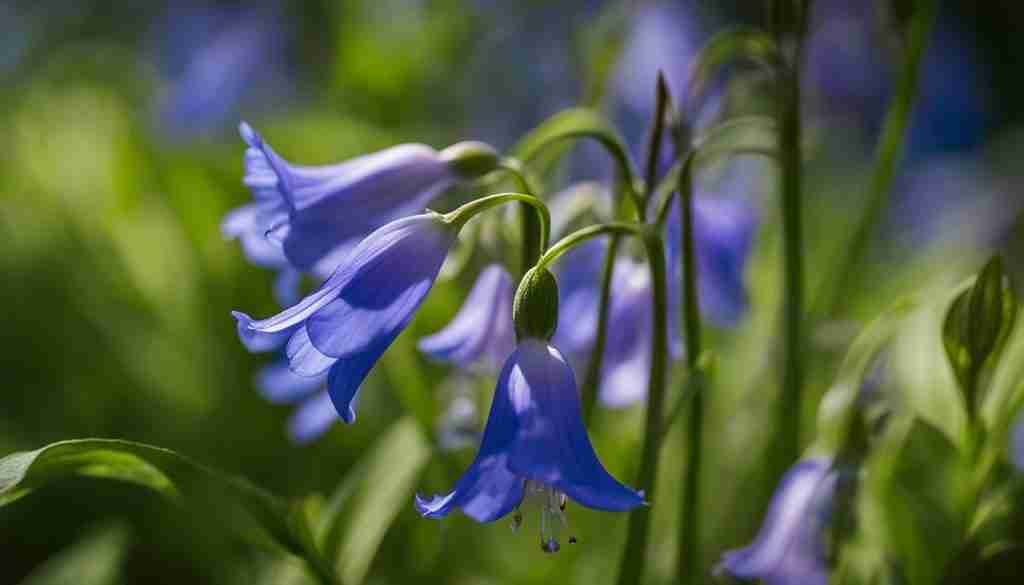
Bluebells are flowers that help with communication related to the throat chakra. They have bell-like shapes and represent humility, gratitude, constancy, and everlasting love. Bluebell is known for neutralizing negative influences and protecting against unhealthy food and emotions.
As a spiritual person, using bluebells can aid in clearing communication blocks associated with the throat chakra while promoting humility and gratitude within oneself.
Delphinium
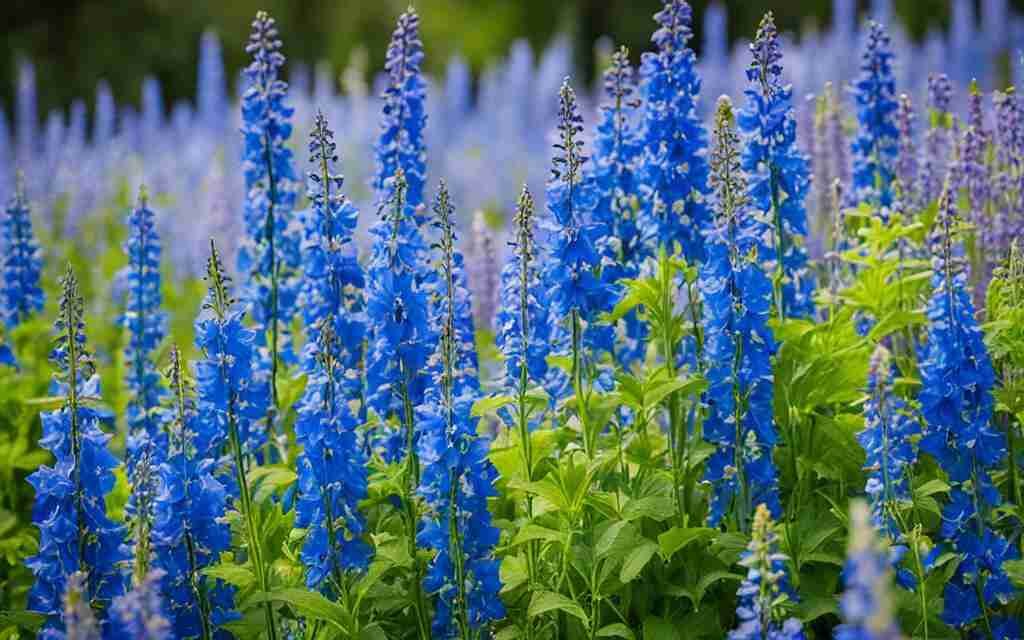
Bluebell flowers are associated with the Throat Chakra, focusing on communication and self-expression. Delphinium symbolizes these qualities as a flower type linked to the Throat Chakra.
Kathleen Karlsen, an acclaimed author in the field of chakras and their related flowers, highlights this association.
Supports communication and manifestation
Communication and manifestation are essential aspects of the throat chakra. Certain blue flowers, such as hyacinths and bluebells, can support these qualities. Blue flowers symbolize clarity and truth in communication, aligning with the throat chakra’s attributes.
By including these particular flowers in practices aimed at aligning the throat chakra, individuals may experience improved self-expression and a more balanced energetic state related to communication and manifestation.
Flowers play an important role in enabling communication that is aligned with truthfulness and openness. They provide direct experience of how natural elements can support our journey towards better alignment with our inner selves.
The use of specific flowers tailored to each chakra’s needs supports the constantly evolving realm of spiritual practice, aimed at enhancing personal well-being and deeper connections with others on this journey.
Third Eye Chakra Flower Types
The flowers associated with the Third Eye Chakra help in intuitive opening and spiritual growth. These blossoms, like Lavender, Purple Iris, and Lilac, facilitate enhancing intuition and connecting to inner wisdom.
Lavender

Lavender is associated with the Third Eye Chakra (ajna), linked to intuition and insight. Its calming properties align with the chakra’s connection to inner peace and spirituality.
The Third Eye Chakra is tied to the color indigo, akin to the color of lavender, emphasizing its resonance with this energy center.
Purple Iris
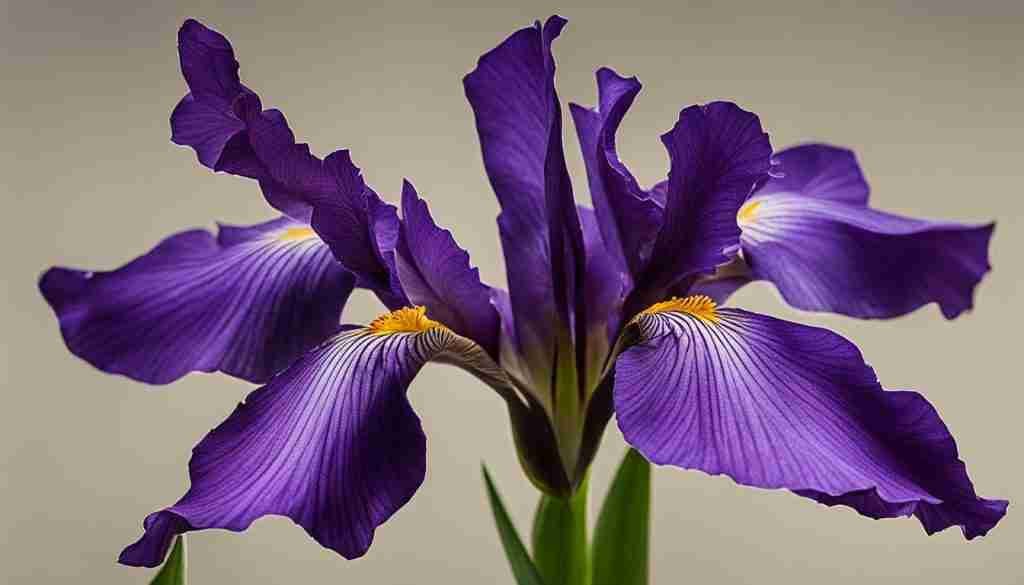
Purple Iris is linked to the third eye chakra, which impacts perception and imagination. Its deep purple shades symbolize spiritual awakening and the capacity to perceive beyond the physical realm.
This flower is suggested for boosting intuition through practices like meditation and healing. The third eye chakra connects to the pineal gland, influencing inner vision and spiritual awareness.
Hence, Purple Iris holds importance in representing the expansion of inner vision in spiritual awareness.
Lilac
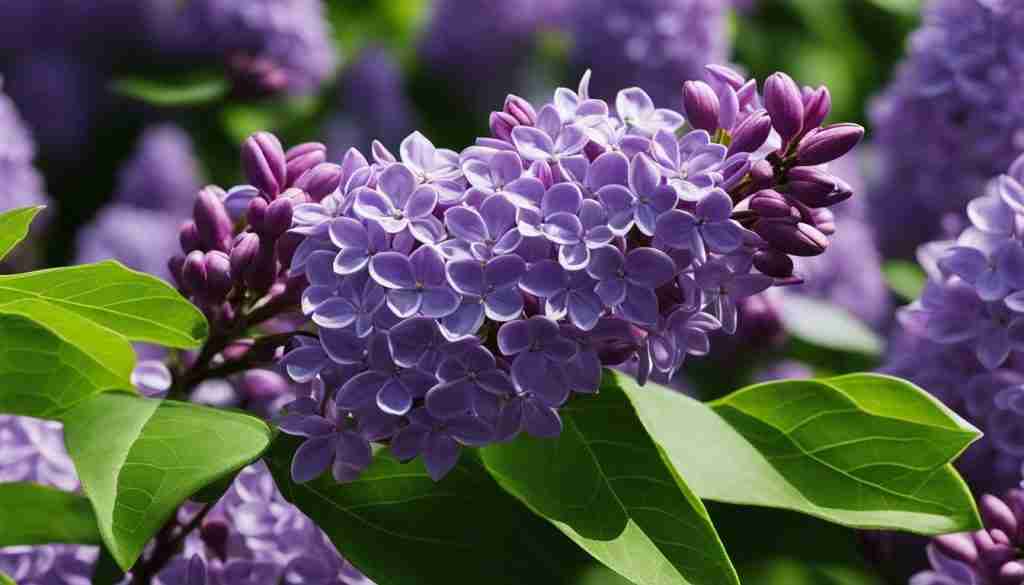
Purple Iris represents the Sixth Chakra. Now, let’s focus on Lilac, it connects to the Third Eye Chakra and is linked to spiritual intuition and insight. This flower is associated with the color indigo, which directly relates to the attributes of the Third Eye Chakra.
It enhances intuition and spiritual vision during meditation on this chakra point. In aromatherapy, lilac flowers are used for promoting mental clarity and enhancing intuition. They symbolize spiritual insight and inner wisdom aligning with the characteristics of the Third Eye Chakra.
Opens Third Eye and Intuition
Connecting from the soothing aroma of lilac to enhancing your intuitive senses, let’s explore how certain flowers are thought to open the third eye and intuition. The third eye chakra is often depicted as deep indigo and is considered to be the center of intuition.
It is associated with spiritual understanding, imagination, and insight.
Certain flowers like lavender, purple iris, and lilac are linked to stimulating this energy center. Their scents, colors, or mere presence are said to aid in accessing our intuitive abilities.
Various belief systems incorporate these flowers into practices like meditation or aromatherapy for enhancing intuition and expanding awareness.
By including these flower associations in daily practice, individuals can gain firsthand experiences in exploring one’s deeper connection with intuition and inner wisdom. Through embracing the symbolism of these blooms, individuals may journey towards heightened self-awareness and perception beyond what meets the eye.
Crown Chakra Flower Types
The Crown Chakra, also known as Sahasrara Chakra, connects to spiritual awareness and enlightenment. It is represented by the White Rose, Gardenia, and Lily of the Valley.
White Rose
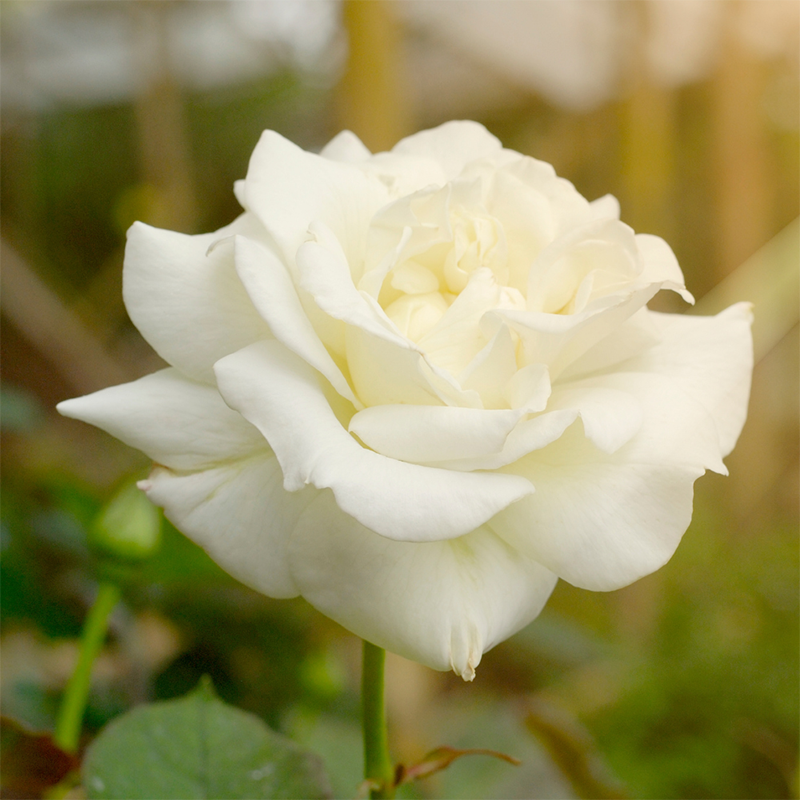
The white rose represents the crown chakra, which is linked to spiritual awakening and harmony between the spirit and earthly energy. It symbolizes enlightenment and unity. The colors associated with this chakra are white and gold.
Other flowers like lotus, magnolia, and rhododendron also hold spiritual significance related to the crown chakra. These flowers can be used in meditation or placed in environments where you seek peace and clarity.
The white rose specifically embodies a connection to higher consciousness and divine wisdom. Incorporating it into your surroundings can help create a serene atmosphere that supports introspection and spiritual growth.
So, if you’re looking for a flower that signifies transcendence and universal connection, the white rose is an excellent choice.
Gardenia
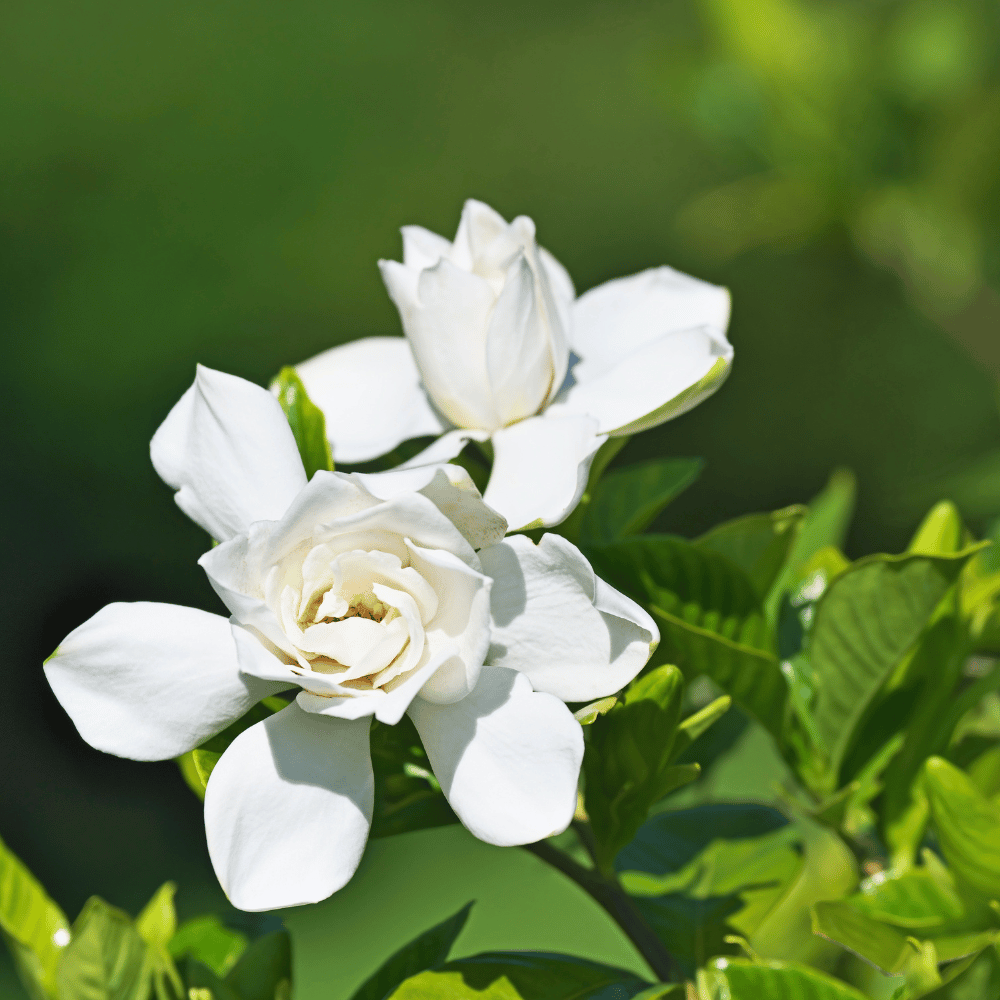
Gardenia is associated with the crown chakra, symbolizing spiritual awareness and enlightenment. The flower is mainly white, emits a strong fragrance, and symbolizes beauty and purity in Victorian flower language.
Metaphorically, gardenias represent the development of spiritual gifts related to vision and prophecy. The primary colors for the crown chakra are white and gold, symbolizing freedom from limitations.
The exquisite gardenia not only brings elegance but also acts as a potent tool in deepening one’s connection to spiritual consciousness. Its delicate petals convey ancient wisdom, guiding us towards higher states of being through their serene fragrance.
As I held this beautiful bloom in my hand, I couldn’t help but feel embraced by a sense of tranquility and inner peace—a tangible reminder of the boundless potential that resides within each of us on this remarkable journey toward self-discovery.
Lily of the Valley
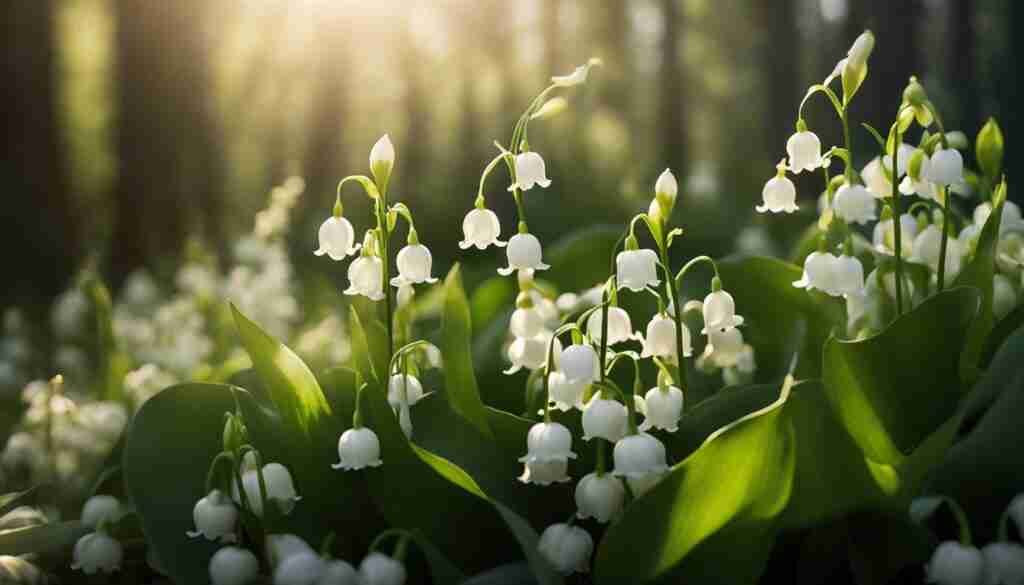
The Lily of the Valley flower is linked to the crown chakra, which represents spiritual connection and enlightenment. This delicate white blossom symbolizes freedom from limitations of time and space, reflecting the crown chakra’s meaning.
It holds significance across various cultures as it is connected to the physical brain and glands, including the pineal and pituitary glands. The primary colors associated with the crown chakra, along with the Lily of the Valley, are white and gold.
This flower serves as a profound spiritual symbol correlated with deep meanings related to spiritual awareness and enlightenment in some religions and belief systems. Its use in traditional healing practices such as aromatherapy has been significant for individuals seeking spiritual growth or balance within themselves.
The next segment explores how flowers can be used for healing purposes while focusing on their connections to different energy centers known as chakras.
Connects to spiritual awareness and enlightenment
The crown chakra represents spiritual awakening and connection to a higher consciousness. It’s the highest energy center in our body, linked to the understanding of universal truths and divine wisdom.
Flowers like lotus, magnolia, and rhododendron are associated with this chakra. They symbolize purity, enlightenment, and the blossoming of one’s spiritual journey. When focusing on this chakra, these flowers can help open our minds to profound spiritual awareness and guide us towards enlightenment.
As we explore the world of spirituality through the crown chakra, it becomes clear how essential it is in our pursuit of inner growth and self-realization. The symbolism behind these flowers reflects their ability to reveal hidden secrets within ourselves while paving the way for a deeper connection with higher realms of consciousness.
Conclusion
As we conclude, keep in mind how flowers hold significant meanings for each chakra. By embracing these symbols, you can improve your emotional and physical well-being in a practical way.
Have you experimented with meditating on specific chakra flowers to align your energy? Consider exploring this simple but impactful practice.
Reflect on the significance of integrating these flower-based strategies into your spiritual journey. These approaches offer a direct yet powerful way to promote balance and healing within yourself.
Now, envision this: unveiling the secrets of chakras through the language of flowers. It’s not only about petals and colors; it’s about delving into an ever-evolving realm that supports our spiritual existence.
As you navigate this world of spirituality, seek more than just for ways to enhance your journey. By exploring the symbolism and practicality of chakra flowers, you’re embarking on a path towards self-discovery and inner harmony like never before!
So why wait? Let’s dive into this vibrant world with first-hand experience as we embrace the beauty and wisdom that flowers bring to our souls.
Keep in mind, it’s not simply about reading – it’s about applying what we’ve learned from these floral entities to enrich our spiritual practices!